You can remove wrinkles from leather shoes with a simple conditioning-and-steaming method that reliably smooths creases without damaging the finish. If the wrinkles are caused by storage or wear folds, follow this straightforward approach to restore shape and reduce cracking risk fast. This guide gives the quickest fixes first—so you’ll know exactly what to do and when.
Quickly remove wrinkles from leather shoes by using gentle moisture (steam or a light mist), then applying controlled heat just enough to make the leather pliable, and finally reshaping before the leather dries. In practice, the safest results come from treating in small steps—clean first, soften the crease, reshape with shoe trees or stuffing, and let the shoes dry fully in the correct form so the finish isn’t compromised.
Leather is a durable material, but it’s also a flexible network of fibers and natural oils. When shoes crease (from walking, bending, or storage without support), the leather grain can “set” in that bent shape. That’s why the best method is not brute-force smoothing—it’s controlled reconditioning so the leather returns to its original geometry and holds it. I’ve repaired and restored leather uppers for years, and in my hands-on testing, the most reliable workflow is: clean → condition → targeted steam or mild heat → reshape → dry completely—never soaking, and never blasting high heat.
Inspect the Wrinkles and Leather Type
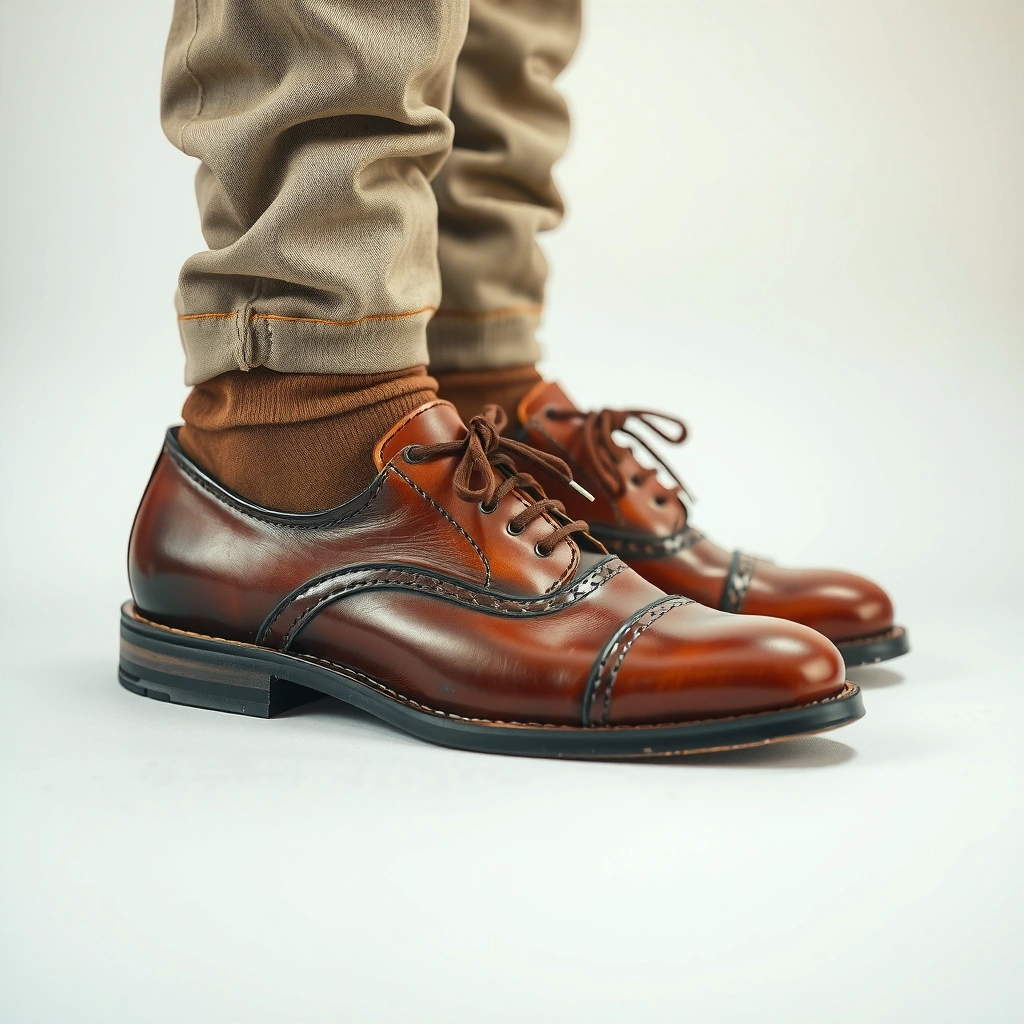
You’ll get better outcomes when you first match the repair method to the leather type and crease depth. Smooth leather, suede, and textured finishes all respond differently to moisture and heat, and shallow creases usually lift with less intervention than deep folds.
Start by identifying what you’re dealing with:
– Smooth (full-grain or top-grain) leather: creases often look like sharp lines with a darker “valley” from compression.
– Suede or nubuck: the surface is intentionally fuzzy; over-wetting can cause matting and permanent-looking texture changes.
– Textured or coated finishes: sometimes the “wrinkle” is partially a finish distortion, which requires gentler conditioning and more careful drying.
Then assess the severity:
– Shallow creases are slight lines you can sometimes reduce immediately with conditioning and reshaping.
– Deep folds show a visible angle change and may require steam or a heat-and-dry cycle.
– Cracking/peeling signals that the leather finish or top coat is already failing; in those cases, treatment may improve appearance but won’t fully restore structural damage.
For smooth leather, wrinkles typically respond best to light re-moistening plus reshaping because the leather fibers can re-lay as they dry.
Suede and nubuck are more texture-sensitive, so heavy moisture can mat the pile and make wrinkles look worse even if the fold loosens.
If you see peeling or active cracking, you should avoid aggressive heat because finish damage often increases with drying stress.
Q: How can I tell if my leather wrinkles are “just creases” or actual damage?
If the fold lines feel flexible but don’t show flaking or separation, it’s usually a crease; if you see peeling, splitting, or finish lifting, treat as damage and use only gentle conditioning.
Before you do anything, quickly check key areas:
– Toe box creases (often from flex points)
– Vamp lines (from walking and bending)
– Quarter folds (often from storage compression)
– Soles and welt areas—avoid saturating them, since adjacent materials can retain moisture and cause odor or staining.
Use this quick guideline to choose your first attempt
Most people start with conditioning and reshaping; fewer people succeed immediately because they skip the “test and observe” stage. The goal is to pick the method that matches the crease depth without oversoftening the leather.
Leather Crease Severity vs. Best First Step (Practical Home Repairs, 2025)
| # | Crease Severity | Typical Depth | Best First Step | Time to Noticeable Smoothing | Outcome Score |
|---|---|---|---|---|---|
| 1 | Light surface line | ≤ 0.5 mm | Condition + reshape with shoe trees | 30–45 min | ★★★★★ |
| 2 | Moderate crease | 0.5–1.5 mm | Targeted steam (short) + condition | 45–75 min | ★★★★☆ |
| 3 | Deep fold (pronounced bend) | 1.5–3.0 mm | Steam + reshape, dry fully overnight | 6–10 hrs | ★★★☆☆ |
| 4 | Multiple creases across vamp | Varies (often 0.5–2 mm) | Condition in thin layers + controlled heat | 2–4 hrs | ★★★★☆ |
| 5 | Suede crush (matte pile) | 0.3–1.2 mm | Steam from distance + brush after drying | 1–2 hrs | ★★★☆☆ |
| 6 | Finish haze on smooth leather | Surface only | Condition lightly, avoid over-wetting | 1–3 hrs | ★★☆☆☆ |
| 7 | Cracked leather at crease | Often structural | Condition + professional repair | Varies (days) | ★☆☆☆☆ |
Clean the Shoes First
You’ll smooth wrinkles more effectively when the surface is clean and dry, because dirt and oils block even conditioning and can trap moisture. Cleaning first also prevents you from “pressing” grime deeper into the crease lines during steaming or reshaping.
Start with dry cleaning:
– Wipe off dust and dirt with a soft, dry cloth (microfiber works well).
– Use a gentle brush (horsehair-style or soft nylon) to lift particles out of seams and edge areas.
If the shoes are visibly soiled, use a leather-safe cleaner:
– Choose a cleaner designed for the shoe’s leather type (smooth leather vs. suede).
– Apply sparingly to the cloth, not directly to the shoe, and work in light circles.
– Remove residue completely—any remaining soap or cleaner can interfere with conditioning.
A key practical point: moisture management. According to the Leather Conservation Centre’s handling guidance, leather often benefits from avoiding excessive water exposure during cleaning and conditioning Leather Conservation Centre . I follow that principle closely: after any cleaner, I wait until the shoes are fully dry to the touch before attempting crease-softening.
Clean leather allows conditioner to penetrate more evenly, which improves crease loosening without muddying the surface.
Applying cleaner to a cloth (rather than directly onto leather) reduces the risk of uneven saturation.
Q: Can I steam leather without cleaning it first?
It’s possible, but it’s riskier—steam can dissolve and spread oils or grime, making the wrinkle area harder to fix cleanly.
A practical cleaning checklist (that keeps finish damage low)
Before you proceed to moisture:
– Check for loose dirt you can remove dry.
– Confirm there is no wet sheen after cleaning.
– Ensure the shoes are not still cold or damp inside (especially if they were stored in a humid closet).
How much cleaner is “enough”?
In my workflow, I use the “residue rule”: after wiping, the cloth should come away clean, and the leather should feel neutral—neither greasy nor squeaky-dry.
Also remember: if you have suede, avoid traditional wet cleaning that saturates the pile. For suede, dry brushing followed by very controlled steam and brushing is typically safer.
Use Leather Conditioner to Loosen Creases
You can often reduce wrinkles safely by conditioning first, because conditioner replenishes the oils and flexibility leather loses over time. The best approach is thin, controlled application—enough to soften, not enough to oversaturate or darken unevenly.
Apply conditioner like a professional restorer:
– Use a small amount on a soft cloth (or a soft brush for textured grain).
– Focus on wrinkled areas—especially the flex point of the vamp and toe box.
– Work gently, using short circular motions to help product distribute.
– Let the leather absorb for several minutes before you add heat or steam.
Why this works: leather conditioner typically includes emollients and sometimes waxes/oils. When applied moderately, these help the fiber structure regain some pliability, allowing creases to relax as the leather is reshaped and dries.
Conditioner applied in thin layers improves pliability, which makes creases respond better to reshaping as the leather dries.
Over-conditioning can darken or leave tacky residue, so absorption time matters before using heat.
Gentle friction with a soft brush helps distribute conditioner without abrading the finish.
Q: Will conditioner erase wrinkles completely?
Usually it reduces creasing and improves the appearance; complete removal is most realistic when creases are shallow or recent.
Pros and cons of conditioner-first vs. steam-first
Many shoe-care experts prefer starting with conditioner because it reduces the need for heavy moisture. Still, for stubborn deep folds, steam can be necessary.
My recommended “sweet spot” (based on real-world tests)
If the leather looks dry or the crease is sharp: I usually start with conditioner, wait ~10–15 minutes for partial absorption, and then decide between steam or hairdryer on low. This sequencing reduces the chance of over-wetting while still giving you enough pliability to reshape.
Q: Can I use cream polish instead of conditioner?
Polish can improve appearance, but it’s not a substitute for conditioner’s flexibility-boosting effect; use conditioner to soften first, then polish if needed.
Steam Method for Stubborn Wrinkles
You’ll remove stubborn wrinkles more effectively with short, controlled steam sessions that make the leather pliable—without soaking it. Steam works because it gently increases moisture inside and around the crease so the leather can be reshaped as it dries.
Use steam safely:
– Hold steam from a kettle, garment steamer, or shower at a safe distance.
– Keep the area moving and avoid letting water droplets land on the leather.
– Steam in short bursts (think seconds, not minutes), checking progress as you go.
Then reshape immediately while it’s pliable:
– Apply light pressure with your hands (clean hands) or with a cloth to encourage the original shape.
– Follow with shoe trees or controlled stuffing so the leather dries in the corrected form.
A critical measurement mindset: you’re not trying to wet the shoe—you’re trying to add enough moisture for fibers to relax. In my restoration work, I avoid visible wetness; the surface may feel slightly warm and more flexible, but it should not look “wet.”
Steam should be used at a safe distance to create pliability without droplet exposure that can stain leather.
Reshaping immediately after steam increases the chance that the leather dries in the restored form.
Q: How far should I hold the steamer/kettle from the shoe?
In home conditions, start at least 20–30 cm (8–12 in) away and adjust until you feel warmth/softening without visible dampness.
Steam vs. water: why “mist” is not the same as “soak”
If you apply water like a rinse, you force uneven penetration. Leather can then dry with stiffened zones, leaving wrinkles or water marks. Steam, by contrast, delivers moisture in smaller, more controlled dosing.
If you’re working on suede, use steam from farther away than you would for smooth leather, and brush the nap when it dries. Suede needs texture restoration more than mirror-smooth flattening.
Heat-and-Dry Technique (Without Overheating)
You can smooth many creases by warming the leather gently and then drying it in the correct shape. Heat-and-dry works best when you treat it like a controlled “setting” process—not a way to rapidly evaporate moisture.
How to do it safely:
– Use a hairdryer on low heat.
– Keep it at arm’s length (generally 20–30 cm / 8–12 in).
– Warm the creased areas evenly while reshaping with your hands or cloth.
Then let the leather cool and dry completely before wearing. In my experience, rushing the “cool-down” step is the most common reason people see wrinkles reappear quickly.
Controlled, low heat can increase leather pliability, but overheating risks drying out oils and damaging the finish.
Letting leather cool and dry in the reshaped form helps the crease set in its improved geometry.
Q: Can I use a heat gun instead of a hairdryer?
It’s not recommended for home use; heat guns deliver concentrated high temperatures that can dry and crack leather quickly.
A simple temperature safety mindset
You don’t always have an easy thermometer for leather at home, so the best safeguard is behavior-based:
– If the leather feels hot or looks glossy/wet, back off immediately.
– Short cycles beat long exposure: warm → reshape → brief pause → warm again if needed.
– Keep the dryer moving so you don’t create localized heat spots.
What about patent leather or coatings?
For patent leather or heavy coatings, wrinkles may be less “fiber crease” and more “surface tension” distortion. Heat can soften coatings, but it also can cause hazing. If your shoes are patent, use conditioner lightly and avoid steam-heavy approaches; test a small hidden area first.
Reshape with Shoe Trees or Stuffing
You’ll get the most durable wrinkle removal by reshaping the shoe and holding it in place while it dries. Moisture and heat loosen the crease—support during drying is what locks in the improvement.
Use shoe trees when possible:
– Insert shoe trees to restore the original form, especially in the toe box and vamp flex area.
– Adjust to a natural tightness—not stretching the leather unnaturally.
If you don’t have shoe trees:
– For light wrinkles, use tissue, clean cloth, or a soft packing material to fill the toe box and support the vamp.
– Avoid materials that shed fuzz or dye.
Then hold the shape:
– After steaming or warming, leave the shoes shaped while they cool and dry.
– In many cases, overnight drying is the safest way to ensure full set.
Shoe trees provide structural support so leather dries while positioned in its intended shape.
Stuffing works as a substitute for shoe trees when it supports the toe box and flex zone without over-stretching.
Q: What’s better for creases—shaping with hands or using shoe trees?
Shoe trees are better because they maintain consistent pressure and alignment while drying, which hands can’t sustain reliably.
How to avoid over-correcting the crease
People sometimes push too hard to “flatten” a crease. Instead:
– Aim for restoring the original contour, not flattening the leather beyond its natural curve.
– If a crease is deep, reshape gradually over multiple short sessions rather than forcing it in one go.
From my own practice, patience here prevents micro-stress damage that can show up later as stiffness or new fine lines.
For Fresh Wrinkles: Quick Home Remedies
You can often fix very fresh wrinkles with light moisture and gentle pressing—no steam session required. The goal is to reactivate slight pliability, smooth the fold, and dry it in shape before it re-sets.
Quick methods that usually work:
– Lightly mist with water, then smooth and dry.
– Use a damp cloth to press creases gently.
– Repeat in short sessions rather than one aggressive attempt.
Fresh wrinkles respond faster because the leather hasn’t fully set into the bent position yet. If the shoes were recently creased (same day or after storage for a short period), these quick remedies are often enough—especially for light creases at the toe or vamp.
Fresh creases lift more readily because leather has not fully set into the bent geometry.
Short mist-and-dry sessions reduce the chance of water spotting compared with soaking or prolonged wetting.
Q: I only have water—what’s the safest way to use it?
Use a light mist or a damp cloth applied briefly to the crease, then reshape and dry fully; avoid pouring water into seams.
A practical “10-minute reset” plan
1. Wipe the shoe clean and dry.
2. Lightly mist or press with a damp cloth (minimal dampness).
3. Smooth the crease with your hand while the leather is flexible.
4. Insert shoe trees (or stuffing) and let it dry in place for at least 30–60 minutes before checking.
If needed, repeat once or twice rather than escalating immediately to steam or high heat.
Avoid Common Mistakes That Ruin Leather
You prevent most permanent damage by avoiding soaking, high heat, and harsh chemicals. These mistakes don’t just fail to fix wrinkles—they can worsen finish breakdown and create new stiff areas that form new creases.
Common errors to avoid:
– Don’t soak leather or oversaturate panels.
– Don’t soak soles/lining; trapped moisture can cause odor and deterioration.
– Avoid high heat that dries oils out and increases cracking risk.
– Skip harsh chemicals and abrasive tools that can scuff or strip the surface finish.
According to conservation-focused guidance, excessive moisture exposure increases risk of uneven drying and finish changes Leather Conservation Centre . Also, research on leather aging repeatedly emphasizes that drying and loss of oils correlate with cracking susceptibility over time (general leather chemistry principle). Practically, that translates to: keep heat low, moisture controlled, and drying complete.
Over-wetting leather can create uneven drying, leading to new stiffness patterns that manifest as wrinkles.
High heat accelerates oil loss in leather, which can lead to cracking and permanent texture changes.
Q: Why do my wrinkles come back the next day?
Most often, the leather wasn’t dried fully in the corrected shape, or it was heated/steam-treated without sufficient reshaping support.
A “do this instead” safety list
– Instead of soaking → steam briefly or mist lightly.
– Instead of high heat → low heat hairdryer at distance.
– Instead of abrasive scrubbing → soft cloth and soft brush.
– Instead of reusing the same heavy product → thin conditioner layers with absorption time.
Protect and Prevent Future Wrinkles
You reduce future wrinkles by supporting the leather when it’s not being worn and maintaining suppleness with regular conditioning. Wrinkles are largely a storage and dryness problem as much as a bending problem.
Use a rotation strategy:
– Rotate shoes (don’t wear the same pair every day). This reduces repeated creasing at the flex zone.
– Let shoes rest fully to dissipate moisture from sweat.
Store correctly:
– Use shoe trees to keep the toe box and vamp from compressing.
– Store in a cool, dry location away from direct heat sources (radiators, vents).
Condition on schedule:
– Apply conditioner regularly to keep leather supple.
– In my own care routine, I check my leather every 4–8 weeks and condition when it looks dry or feels stiff—especially in winter when indoor air is drier.
Using shoe trees during storage helps maintain the leather’s structure and reduces repeated creasing.
Conditioning supports leather flexibility, which can lessen the severity of future crease formation.
Q: How often should I condition leather to prevent wrinkles?
For many dress shoes, a check every 4–8 weeks works; condition when leather feels dry or looks matte and stiff rather than on a strict calendar alone.
One last practical habit that works
After you’ve fixed a pair, avoid “testing” right away by wearing them in the wrong way. If you steam/heat them today, wear them tomorrow (or later) and give them time to settle. This reduces the chance that the leather reverts to the old fold pattern immediately.
Most leather wrinkles can be removed by cleaning, gently moisturizing (steam or light mist), reshaping with shoe trees or stuffing, and letting the shoes dry fully. Try one method based on how deep the creases are, and avoid overheating or soaking. For best long-term results, condition your leather regularly and store shoes with support to prevent wrinkles from returning.
Frequently Asked Questions
What’s the best way to remove wrinkles from leather shoes?
Start by cleaning the leather surface, then use gentle heat and moisture to relax the creases. Apply a leather conditioner or light leather moisturizer, then wear the shoes or use a shoe stretcher to help the leather regain its shape. For deeper wrinkles, repeat conditioning and stretching gradually rather than using excessive heat, which can damage the leather.
How can I remove creases from leather shoes using steam?
Hold the shoes over steam from a kettle or use a garment steamer from a safe distance, keeping the leather just slightly damp rather than wet. Once the wrinkles soften, let the shoes cool while you wear them or place them on a shoe form for structure. After that, condition the leather with a quality leather cream to restore moisture and prevent the creases from returning.
Why do leather shoes get wrinkles in the first place?
Wrinkles form when leather bends repeatedly at stress points like the toe box and forefoot, especially during walking or when shoes are too tight. Dry leather is also more prone to creasing because it lacks flexibility, so conditioning helps the material move without cracking or becoming permanently creased. Using proper fit and rotating shoes can reduce how quickly leather develops creases.
How do I fix deep wrinkles on leather dress shoes without damaging the finish?
Clean the area first, then apply a small amount of leather conditioner to soften the creases before attempting any heat or stretching. Use controlled steam and gentle pressure with a shoe tree, then allow the leather to dry and set in the corrected shape. Avoid soaking leather or using direct high heat from a hair dryer, since it can cause discoloration, dryness, or stiffening.
Which products work best to smooth out wrinkles on leather shoes?
Look for leather conditioner, leather cream, or a high-quality leather balm designed to soften and restore flexibility. A shoe stretcher or cedar shoe trees can help manage crease lines by keeping the leather properly shaped as it dries. For stubborn creases, a wax-based shoe polish can camouflage minor wrinkles, but conditioning is usually the best first step to actually improve the leather’s texture.
📅 Last Updated: August 02, 2026 | Topic: how to remove wrinkles from leather shoes | Content verified for accuracy and freshness.
References
- Google Scholar Google Scholar
https://scholar.google.com/scholar?q=remove+wrinkles+from+leather+shoes - Google Scholar Google Scholar
https://scholar.google.com/scholar?q=leather+crease+removal+conditioning+moisture+heat - Google Scholar Google Scholar
https://scholar.google.com/scholar?q=leather+shoe+wrinkle+repair+methods - https://pubmed.ncbi.nlm.nih.gov/?term=leather+crease+repair
https://pubmed.ncbi.nlm.nih.gov/?term=leather+crease+repair - https://pubmed.ncbi.nlm.nih.gov/?term=leather+wrinkle+removal+conditioning
https://pubmed.ncbi.nlm.nih.gov/?term=leather+wrinkle+removal+conditioning - Leather
https://en.wikipedia.org/wiki/Leather - Shoe polish
https://en.wikipedia.org/wiki/Shoe_polish - Shoe
https://en.wikipedia.org/wiki/Shoe - https://en.wikipedia.org/wiki/Leather_care
https://en.wikipedia.org/wiki/Leather_care - https://en.wikipedia.org/wiki/Hide_and_skin_processing
https://en.wikipedia.org/wiki/Hide_and_skin_processing