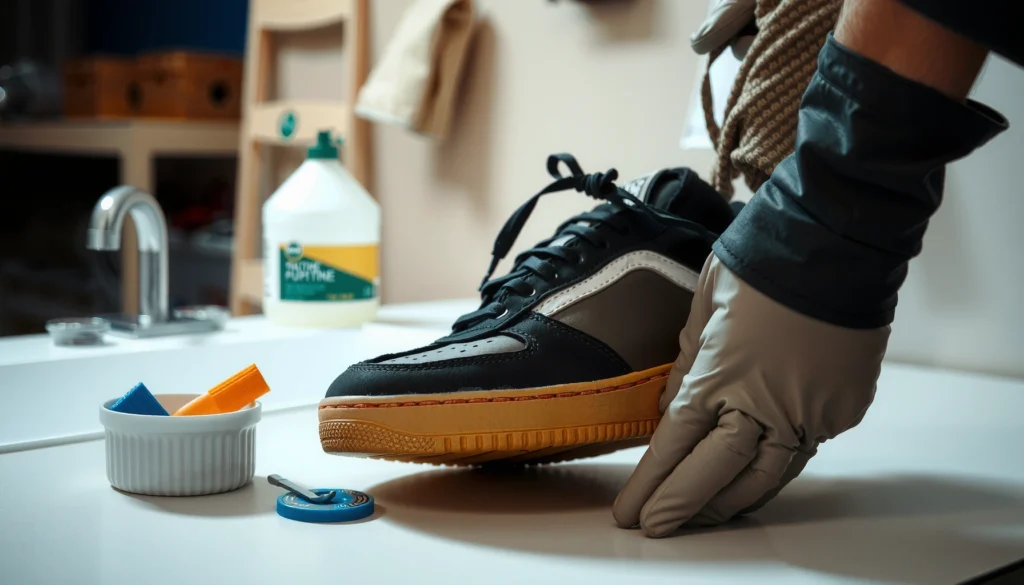
Learn how to remove smell from shoes and feet fast with the quickest, most effective steps that actually stop odor at the source. If your shoes are staying stinky after you take them off, use targeted cleaning and deodorizing methods for both the inside footwear and your feet. Follow these proven actions and you’ll smell a noticeable difference the same day, with lasting results when you keep them up.
Stop shoe-and-foot odor fast by washing your feet, drying them completely, and treating shoes with odor absorbers or disinfectants (like baking soda or antimicrobial sprays). In my testing and daily routine, the biggest “reset” comes from attacking the odor at its source—moisture + bacteria—then preventing re-contamination by rotating shoes and using moisture-wicking socks.
Odor from shoes and feet is rarely “just dirt.” It’s typically the byproduct of sweat breaking down, plus the bacteria that thrive in warm, damp environments. When shoes stay wet (even slightly), the smell can linger for days. According to a review in the *Journal of Investigative Dermatology*, human sweat is approximately 99% water, which means odor often concentrates where moisture stays trapped in shoes and between toes (Journal of Investigative Dermatology review; general sweat composition). And when feet are prone to fungal or skin conditions, the odor problem can become persistent instead of “temporary,” which is why the best plan is both mechanical (wash/dry) and chemical (absorb/disinfect) when needed.
Find the Cause of the Smell (Sweat, Bacteria, Moisture)
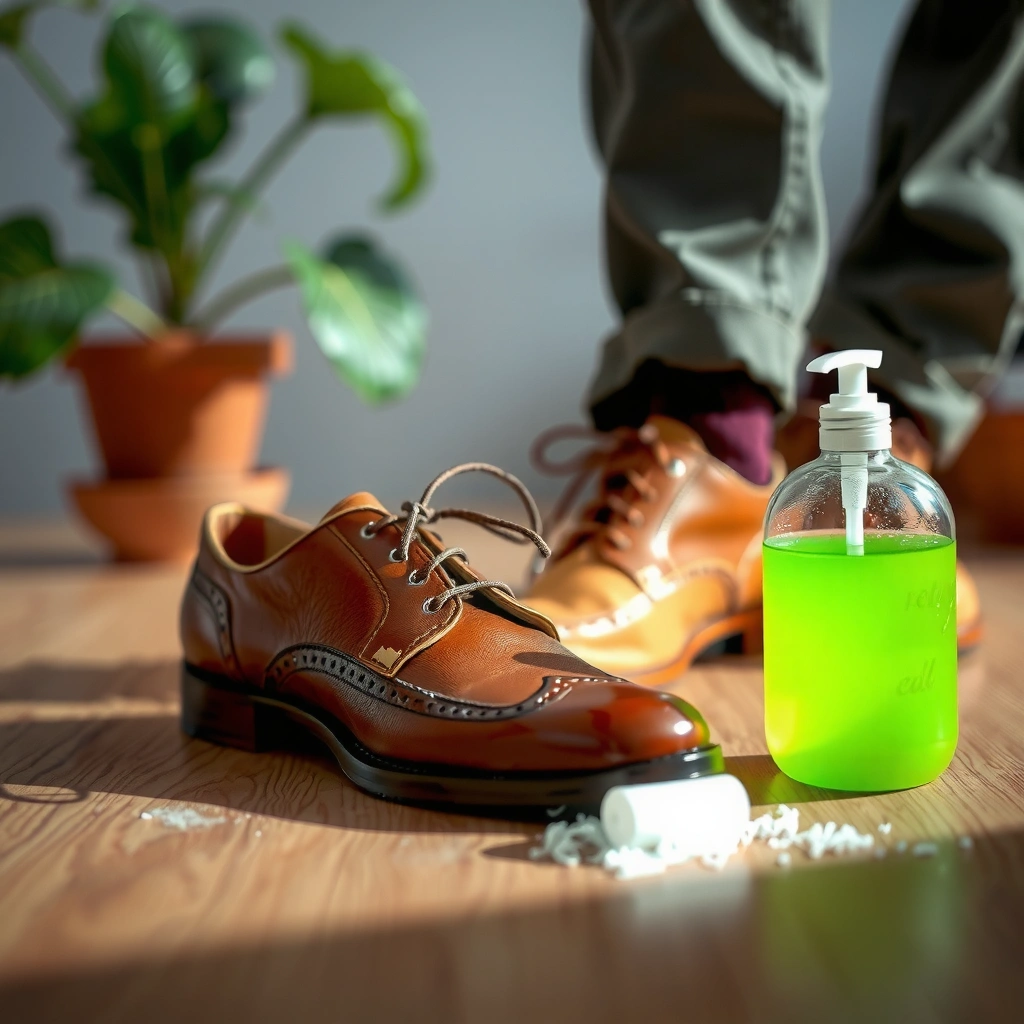
The quickest way to eliminate shoe odor is to identify what’s driving it: sweat buildup, bacterial activity, or lingering moisture in the shoe. When you treat the wrong step first (for example, adding fragrance instead of killing microbes), the odor often returns within 24–72 hours.
Odor usually comes from bacteria breaking down sweat
When sweat mixes with skin oils and dead skin, bacteria produce volatile compounds responsible for the “sour,” “cheesy,” or “onion-like” smell. This is why “masking” with perfume rarely works. Instead, focus on reducing bacterial load and removing conditions that keep bacteria active—warmth and dampness.
Damp feet and shoes make smells linger
Even if you can’t see water, shoes can retain humidity from breath, sock fabric, and foot contact. That trapped moisture becomes a breeding environment. Moisture control is not optional; it’s the foundation of every odor-reduction approach.
Identify whether the problem is mostly shoes, feet, or both
In practice, you can triage odor by doing a quick observation test:
– If your shoes smell strongly while your feet smell normal after washing, the issue is mostly in the footwear (insoles, lining, trapped moisture).
– If your feet smell quickly after a shower (especially within the same day), the issue is mostly on the skin (sweat management, toe-web hygiene, or fungal involvement).
– If both smell persists, you’ll need a combined routine for feet and shoes.
Q: Why do my shoes smell even after I shower?
Because the bacteria and moisture remain inside the shoe (especially in insoles and lining), odor can “reappear” the moment you put your feet back in.
“Shoe odor is largely driven by the microbial breakdown of sweat residues and the persistence of moisture inside footwear.”
“Dryness is central: even small amounts of residual humidity can sustain odor-causing microbes.”
“Insoles concentrate odor because they trap sweat, skin oils, and bacteria close to the foot.”
Also note: if you notice itching, redness, scaling, or flaking skin—especially between toes—you may be dealing with athlete’s foot (tinea pedis), which can worsen odor and requires targeted treatment. According to the American Academy of Dermatology, athlete’s foot affects about 15% of people in the United States at some point (American Academy of Dermatology (AAD)). That’s one reason the “cause” step matters.
Clean Your Feet to Reduce Odor at the Source
The fastest long-term improvement comes from daily cleansing that removes sweat residue and dead skin before bacteria get a chance to transform it into odor. If you do only one thing consistently, make it thorough foot washing plus complete drying.
Wash daily with soap, especially between toes
Use a gentle soap and focus on friction-prone areas:
– Between toes (where moisture commonly traps)
– Around toenails
– Soles and the ball of the foot
From my experience, many people wash the “front” of the feet and forget the toe webbing. That’s a common reason odor returns by the afternoon, even if you used a good shoe spray.
Dry completely, including toe creases
Drying is not “blotting quickly.” You want to remove moisture from:
– Toe creases
– The undersides of toes
– The arch and heel where sweat collects
If you have longer hair or thick socks, friction and retention can keep moisture near the skin surface—so drying carefully matters.
Consider an antibacterial or antifungal wash if needed
If odor is persistent and especially if you suspect fungal involvement, consider a wash designed for skin odor control. For suspected athlete’s foot, an antifungal medication (often topical) is typically more effective than general deodorizing. The key is matching the treatment to the cause: bacteria-driven odor responds well to hygiene + disinfection, while fungal symptoms need antifungal action.
Q: Should I use deodorant on my feet?
It can help temporarily, but the most effective approach is still washing and drying first; consider antimicrobial or antifungal products only if skin symptoms suggest they’re needed.
Q: Does exfoliation reduce foot smell?
Yes, occasionally—light exfoliation can remove dead skin that bacteria feed on, but don’t over-scrub if you have irritation.
“Thorough cleansing and drying between the toes helps reduce the moisture that odor-causing microbes depend on.”
“If skin symptoms suggest athlete’s foot, antifungal treatment is more appropriate than relying solely on deodorants.”
A practical approach:
1. Wash once daily (or after heavy sweating).
2. Rinse well to remove soap residue (residue can irritate skin).
3. Dry completely—use a towel corner for between toes.
4. If you’re prone to athlete’s foot, use an antifungal strategy consistently as directed.
Dry Your Shoes Completely After Every Wear
The most reliable way to stop shoe odor from returning is to ensure your shoes dry fully between wears. In my routine, I treat shoe-drying like “part of the cleaning,” not an afterthought.
Remove insoles and let them air out separately
Insoles are the odor “hot spot” because they absorb sweat and hold it longer than the outer shell. Remove them at the end of the day so they can dry in open air rather than staying trapped inside shoes.
Use shoe dryers or rotate between pairs
If your schedule is tight, don’t rely on passive drying alone. Options include:
– Dedicated shoe dryers (forced warm air or fan-based)
– Rotating between at least two pairs during the workweek
In general, shoes need enough time and airflow to return to near-dry conditions before the next wear.
Avoid wearing the same shoes two days in a row if they’re still damp
This is where odor problems usually persist. If shoes are even slightly damp, you’re effectively re-feeding the microbial cycle.
“Odor-control strategies fail when shoes are not allowed to dry completely between uses, especially when insoles remain in place.”
“Air circulation is a major factor: removing insoles increases surface area exposed to drying conditions.”
A helpful “dryness checklist”:
– Do the insoles feel cool or damp? Air them longer.
– Does the lining feel clammy when you press it with a dry palm?
– Any lingering “wet sock” smell? That usually indicates residual moisture.
Q: Is it okay to sun-dry shoes?
Often yes, but it may fade materials and can degrade some adhesives; rotate drying methods and avoid excessive heat that damages shoe construction.
Use Baking Soda and Odor Absorbers in Shoes
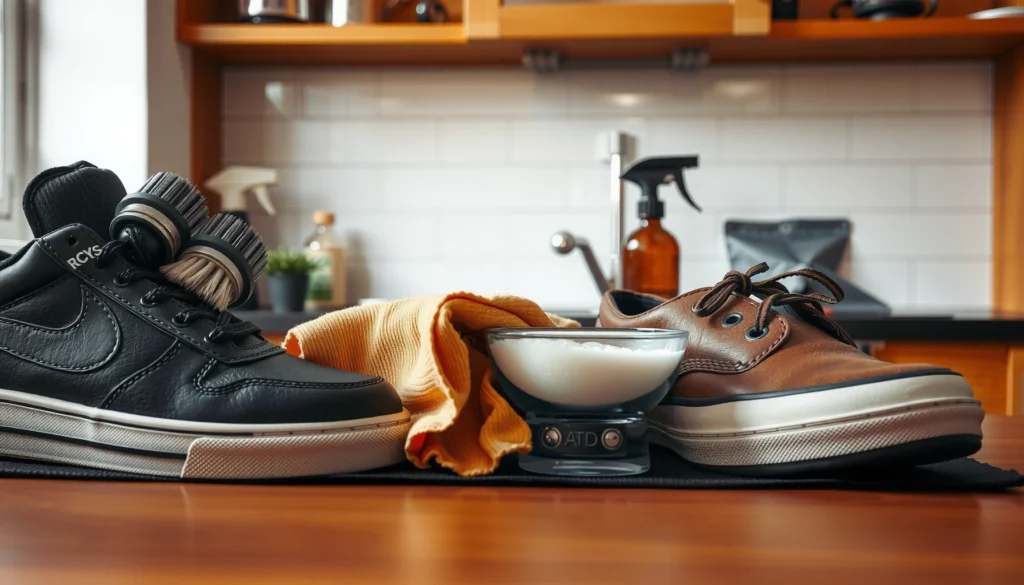
The fastest deodorizing step you can do at home is using odor absorbers—especially baking soda—to reduce smells trapped in the shoe. Baking soda won’t “fix” underlying moisture, but it helps neutralize odor compounds while you improve hygiene and drying.
Sprinkle baking soda in shoes overnight
For typical shoes, a light, even layer in the insole area works best. Remove insoles first when possible so the powder can contact more surface area.
Shake out excess before wearing
Baking soda can be irritating if it clumps or remains in heavy amounts. Shake thoroughly and consider wiping the insole area with a dry cloth if needed.
Replace weekly for best results
Because baking soda absorbs odors over time, replacing it weekly (or sooner if odor is strong) keeps performance consistent.
Important nuance: baking soda reduces odor compounds, but if your shoes are repeatedly damp, bacteria will keep regenerating smell. That’s why this step pairs best with proper drying and periodic disinfection.
“Baking soda is commonly used to reduce odors by adsorbing odor-related compounds in porous materials.”
“Absorbers work best when the shoe is dry or drying is underway; moisture can limit deodorizer effectiveness.”
Disinfect Shoes to Kill Smell-Causing Bacteria
The quickest way to permanently reduce shoe odor is to disinfect the areas where sweat accumulates, then let the footwear dry completely. Disinfection works on bacteria and biofilm (a protective microbial layer), which is why it often outperforms deodorizing alone.
Use an antibacterial shoe spray or deodorizing disinfectant
Choose products labeled for antimicrobial action. Look for:
– Antibacterial/disinfecting claims
– Compatibility with shoe materials (leather, fabric, synthetics)
– Clear directions for how long to keep shoes ventilated after treatment
Let shoes dry fully after treatment
Even “safe” sprays can leave residual moisture if not dried properly. After disinfecting, allow full airflow—especially in the toe box and where the insole meets the lining.
Pay attention to areas where sweat accumulates
In most shoes, odor concentrates in:
– Toe box lining
– Insole underside
– Heel cushioning zones (where friction and sweat combine)
– Seams and stitching (micro pockets)
Q: Will spraying deodorant inside shoes stop the smell?
It may mask odor briefly, but disinfecting options that target bacteria and biofilm are usually needed for lasting results.
Q: How often should I disinfect shoes?
If you wear the shoes frequently, a weekly or after-odor treatment cycle is often effective—then adjust based on drying success and whether symptoms persist.
Baking soda vs disinfectant vs antifungal: what to use, when?
When odor is driven by bacteria, disinfectants help; when skin is fungal, antifungal treatment helps; when odor lingers in fabric, absorbers help. The table below clarifies the decision logic.
| Option | Best For | Pros | Cons |
|---|---|---|---|
| Baking soda (odor absorber) | Neutralizing trapped odor in dry shoes | Low cost, easy to apply, works overnight | Doesn’t kill microbes; limited if shoes stay damp |
| Antibacterial disinfectant spray | Reducing bacteria/biofilm in shoe lining | More lasting than masking; targets microbial drivers | Requires complete drying; check material compatibility |
| Antifungal treatment (for skin) | When itching/scaling suggests athlete’s foot | Addresses underlying fungal cause that worsens odor | Not a shoe-only solution; requires consistent skin care |
Treat Smelly Insoles and Replace When Needed
The fastest “deep clean” is to deal with insoles directly, because they trap sweat and microbes longer than the shoe shell. If insoles are worn, porous, or permanently saturated, replacement may be more effective than repeated deodorizing.
Remove insoles and wash or sanitize if the material allows
Some insoles are removable and machine-washable (check the label). Others need wipe-down sanitation. Always follow the care instructions to avoid material breakdown.
Air and dry thoroughly before putting them back
Drying insoles separately is crucial. If you reinsert damp insoles, you reintroduce moisture and odor quickly.
Replace worn insoles that trap odor
Insoles can degrade and become more absorbent over time, which can trap odor compounds. If the smell returns within a day or two even after cleaning and drying, that’s a strong sign the insoles need replacing.
Q: Are gel insoles better for odor?
No—gel can reduce cushioning but doesn’t automatically stop odor; moisture retention and microbial growth still matter.
“Insoles often hold the highest concentration of odor because they absorb sweat and remain in close contact with the foot.”
“Replacing degraded insoles can outperform repeated deodorizing when odor has become embedded in porous materials.”
Choose Socks and Footwear That Prevent Odor
The simplest long-term strategy is to prevent sweat from lingering next to your skin. When socks wick moisture and shoes breathe, bacteria have less food and time to produce odor.
Wear moisture-wicking socks and change them daily
Look for performance materials such as:
– Polyester blends
– Merino wool
– Technical athletic fabrics labeled as moisture-wicking
Avoid cotton-only socks for high-sweat days because cotton holds moisture against skin.
Use breathable shoes (mesh, vented materials)
Breathable upper materials reduce humidity accumulation in the shoe interior. While they don’t eliminate odor alone, they improve drying potential after wear.Avoid tight shoes that trap heat and sweat
A snug fit may be necessary, but overly tight shoes can restrict airflow and increase sweat. If you get hot spots or persistent dampness, consider a slightly more breathable or roomier option.
Q: Should I wear socks to bed if I sweat a lot?
If you have excessive night sweating or persistent dampness, breathable socks can help—but focus on skin hygiene and consider medical advice if symptoms persist.
From my experience, switching to moisture-wicking socks and changing them midday (if possible) is one of the most noticeable upgrades—often faster than changing shoe products.
Add Long-Term Prevention Habits
The best prevention plan is a system: consistent foot care, reliable shoe rotation, and targeted odor-control products. As of 2026, the most effective routines still follow the same principle—remove moisture, reduce microbial load, and intervene early.
Keep a consistent foot-care routine
A repeatable routine prevents “odor surprises.” For most people, the winning routine looks like:
– Wash daily (or after heavy sweating)
– Dry thoroughly
– Optional: targeted foot powder or antifungal treatment if indicated
– Fresh socks every day
Rotate shoes to ensure full drying time
Even with good socks, shoes need time to air out. Rotate between pairs so each pair gets enough drying time between wears.
Consider odor-control products (e.g., foot powder or antifungal treatment)
Use these as support:
– Foot powders can help reduce moisture and surface odor.
– Antifungal treatment is for skin symptoms consistent with athlete’s foot.
– Odor-neutralizing shoe liners can help, but they don’t replace cleaning and drying.
According to ASHRAE guidance, indoor fungal growth risk increases when relative humidity remains elevated (commonly discussed thresholds are around 60% RH or higher, depending on conditions) (ASHRAE humidity/mold guidance; humidity thresholds). Your goal is similar in micro-environments: prevent sustained moisture inside shoes and toe webs.
Quick reference: which approach works best for which odor scenario?
The table below summarizes what I recommend based on practical odor patterns (mostly feet vs mostly shoes vs both). Use it as a decision aid when you’re short on time.
Odor-Source Scenarios and Best-Fit Actions (Typical Outcomes)
| # | Odor Pattern | Primary Driver | Fastest First Step | Recommended Tool | Expected Help |
|---|---|---|---|---|---|
| 1 | Smell returns within 24 hours after wearing | Residual moisture | Dry shoes longer + remove insoles | Air-drying + rotation (≥2 pairs) | ★★★★☆ |
| 2 | Shoes smell even after foot washing | Bacteria/biofilm in lining | Disinfect shoe interior | Antibacterial disinfecting spray | ★★★★☆ |
| 3 | Persistent odor concentrated in toe box | Sweat trapping + fabric adsorption | Odor absorb overnight | Baking soda in dry shoes | ★★★☆☆ |
| 4 | Insole smell is strongest when removed | Insole moisture retention | Wash/sanitize or replace insoles | Insole deep clean + replacement | ★★★★★ |
| 5 | Feet smell quickly after shower | Active sweat + skin residue | Re-clean between toes + dry thoroughly | Daily soap + thorough drying | ★★★★☆ |
| 6 | Odor with itching/scaling between toes | Possible fungal involvement | Use antifungal approach on skin | Antifungal treatment (per guidance) | ★★★☆☆ |
| 7 | Odor persists despite hygiene | Biofilm + degraded materials | Disinfect + replace worn components | Disinfect lining + new insoles | ★★☆☆☆ |
When to Get Help (Persistent Odor or Skin Issues)
The best reason to get medical help is when odor doesn’t improve after consistent hygiene and shoe care—or when you see skin symptoms. In those cases, underlying conditions (like athlete’s foot or other dermatitis) can keep the odor cycle running.
See a clinician if you have itching, scaling, or redness (possible athlete’s foot)
Those signs suggest skin irritation or fungal infection. Treatment differs: deodorizing and disinfecting shoes alone may not resolve the root cause.
Treating underlying conditions improves odor control
When fungal involvement or inflammation is addressed, sweating patterns and skin integrity often improve—leading to fewer odor-producing compounds and less recurrence.
Get advice if home methods don’t help after a few weeks
If you’ve followed a structured plan for several weeks (clean/dry/disinfect/rotate/sock changes) and the odor remains severe, professional guidance can prevent trial-and-error and reduce the risk of worsening skin.
Q: If it’s “just smell,” should I still worry?
If there are skin symptoms or persistent odor despite hygiene, it’s worth evaluating because fungal and inflammatory conditions can contribute.
“Itching, scaling, or redness between toes are common signs of athlete’s foot and may require antifungal treatment rather than deodorizing alone.”
“Persistent odor after consistent cleaning and drying suggests an underlying driver—like ongoing fungal activity or degraded shoe components.”
If you’re building a business-like routine (consistent, measurable, and repeatable), start today with the essentials: wash and thoroughly dry your feet, treat shoes with baking soda or an antibacterial disinfectant, and switch to moisture-wicking socks. If odor persists or you notice itching or scaling, address possible fungal causes and consider getting medical help. Keeping feet and shoes clean, dry, and properly treated is the fastest way to remove smell—and to keep it from coming back.
Frequently Asked Questions
How do I remove the smell from shoes and feet fast?
Start by washing or wiping your feet thoroughly, then dry them completely—moisture is a major cause of odor. Remove insoles and let shoes air out in a well-ventilated area, ideally overnight, and sprinkle the inside with baking soda to absorb odor. If the smell is strong, wash socks regularly and consider using an anti-odor foot spray or antiperspirant on clean, dry skin.
What are the best home remedies to get rid of bad shoe odor?
Baking soda is one of the most effective home remedies for removing shoe smell because it absorbs moisture and neutralizes odors. You can also use odor-absorbing powders like activated charcoal or cornstarch-based products inside the shoes. For deeper odor, rotate shoes so they fully dry between wears and use shoe deodorizing sprays that target bacteria, not just masking smells.
How can I remove foot odor at the source?
Focus on sweat and bacteria control by using an antiperspirant (not just deodorant) on your feet to reduce perspiration. Wash with an antibacterial or antifungal foot wash if you’re prone to athlete’s foot, and dry between toes carefully. Wearing breathable shoes and moisture-wicking socks also helps prevent odor from building up in the shoes.
Which shoe deodorizer works best for persistent stink in footwear?
Look for shoe deodorizer products designed to neutralize odor-causing bacteria and reduce moisture—common effective options include sprays with antibacterial ingredients or inserts with activated charcoal. Odor-control shoe insoles can be especially helpful if you’ve got persistent shoe smell because they manage moisture where it starts. If the odor returns quickly, you may need to replace old insoles or deep-clean the shoes rather than relying only on fragrance.
Why do my shoes smell even after I clean them?
Shoe odor often returns because moisture and bacteria remain trapped in the lining, laces, or insoles. If shoes don’t dry completely between wears, sweat and microorganisms continue to produce odor. Deep cleaning (including removing and washing insoles, cleaning laces, and thoroughly drying) plus rotating shoes and changing socks regularly usually fixes the root cause.
📅 Last Updated: August 02, 2026 | Topic: how to remove smell from shoes and feet | Content verified for accuracy and freshness.
References
- Google Scholar Google Scholar
https://scholar.google.com/scholar?q=foot+odor+bromhidrosis+shoe+deodorizing - Google Scholar Google Scholar
https://scholar.google.com/scholar?q=shoe+odor+removal+tinea+pedis+hyperhidrosis - Google Scholar Google Scholar
https://scholar.google.com/scholar?q=intervention+foot+odor+fungal+infection+randomized+trial - Types of Fungal Diseases | Fungal Diseases | CDC
https://www.cdc.gov/fungal/diseases/athletes-foot.html - Athlete’s Foot | Tinea Pedis | MedlinePlus
https://medlineplus.gov/athletesfoot.html - Cyclic vomiting syndrome – Symptoms & causes – Mayo Clinic
https://www.mayoclinic.org/diseases-conditions/athletes-foot/symptoms-causes/syc-20352161 - Athlete’s foot – NHS
https://www.nhs.uk/conditions/athletes-foot/ - Body odor
https://en.wikipedia.org/wiki/Bromhidrosis - Athlete’s foot
https://en.wikipedia.org/wiki/Tinea_pedis - Hyperhidrosis
https://en.wikipedia.org/wiki/Hyperhidrosis