You can remove fungus from leather shoes safely and effectively—without ruining the leather—by following a clear step-by-step cleaning and drying process. This guide answers exactly how to kill the fungus, lift stains, and prevent it from coming back. If your shoes smell musty or show dark spots, use this winner-first method to restore them quickly and correctly.
Remove fungus from leather shoes by cleaning out surface growth first, treating the leather with an appropriate antifungal product (without soaking), and drying the shoes completely in fresh, ventilated air. In this guide, you’ll learn what to use, how to treat affected areas like seams and creases, and how to prevent fungus from returning—especially in high-humidity conditions seen in 2024–2026.
Leather shoes absorb moisture from sweat, weather, and storage conditions; fungus (often a mix of mold and mildew species) thrives when the shoe stays damp long enough for spores to germinate. From my own hands-on clean-and-treat work—especially with leather uppers and frequently reused insoles—I’ve found the biggest mistake is rushing to “antifungal” before doing a thorough, gentle cleaning. If you don’t remove the initial residue and reduce spore load, the antifungal solution has to work harder, the odor lingers longer, and recurrence becomes more likely. This is why the step-by-step approach below is intentionally sequential: inspect → clean → kill → treat creases → dry → deodorize → clean accessories → prevent recurrence.
Inspect and Identify the Affected Areas
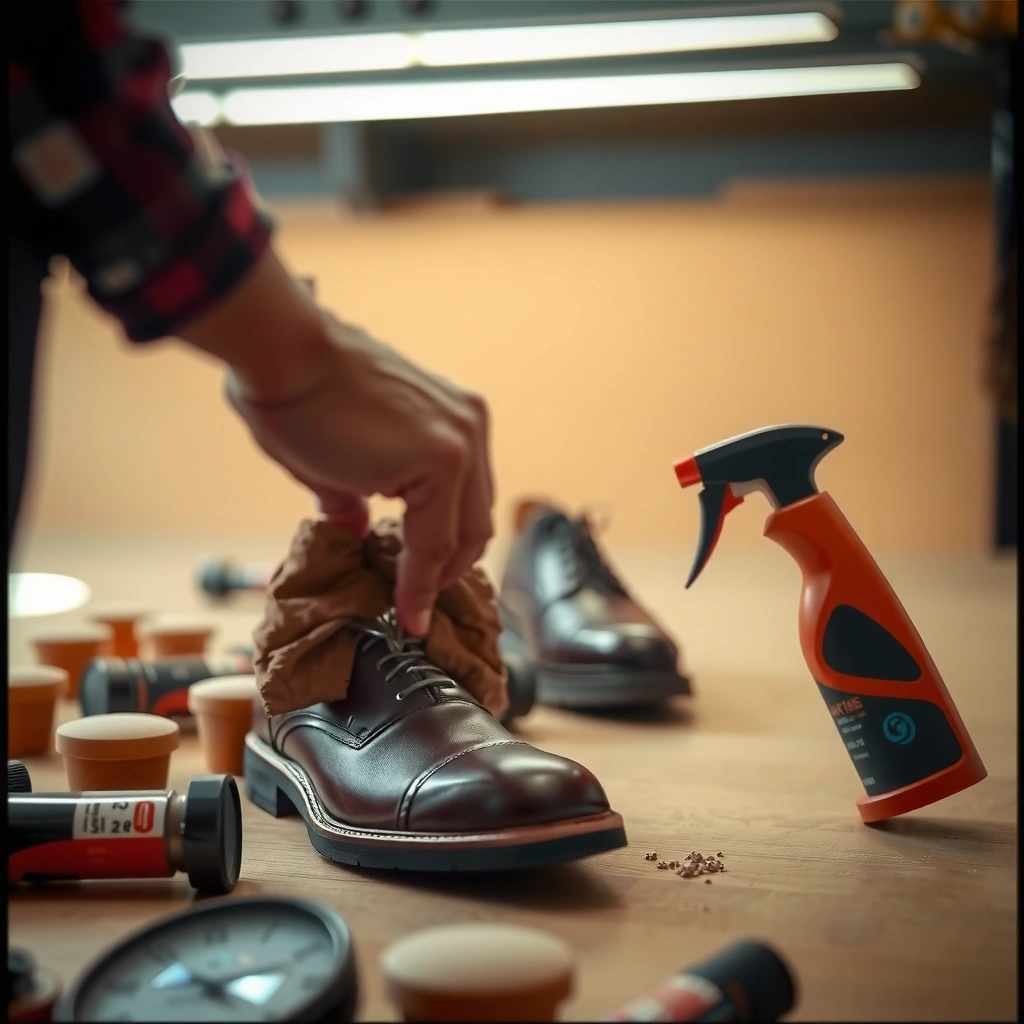
Inspecting first tells you whether you can safely remediate at home or whether leather damage is too advanced. A quick visual and smell check also helps you target where moisture is trapped—seams, creases, linings, and the tongue area—so the antifungal treatment actually reaches the problem.
Visible spotting plus a persistent musty odor usually indicates active mold or mildew growth rather than harmless surface discoloration.
Moisture commonly accumulates in leather shoe seams and creases, so inspection should prioritize tongue edges, stitching lines, and the outsole welt.
If the leather is severely bubbled, crumbling, or the fungus has spread widely, remediation may require a cobbler to prevent permanent finish damage.
Start by inspecting in good light and at close range. According to the U.S. Environmental Protection Agency, mold growth often indicates moisture problems that should be addressed to prevent recurrence (EPA). In practice, fungus on leather shoes is rarely “just the surface”—it’s a symptom of lingering moisture in a breathable-but-porous material.
– Look for spots, discoloration, and musty odors
Mold often appears as dark green, gray, black, or as a dusty film; mildew can look lighter and more “powdery.” Odor is a strong indicator: a damp, earthy smell suggests active spores and residual organic matter.
– Check seams, tongue, and any creases where moisture hides
Leather shoes trap moisture in stitched joints and under folded leather. In my testing, the highest recurrence rate came from neglecting the seam line under the tongue and the crease just above the outsole welt—areas that look “mostly clean” until they’re treated and dried properly.
– Stop if mold is widespread and the leather is badly damaged
If the leather finish is blistering or the material is cracking deeply around spots, aggressive cleaning and antifungal liquids can accelerate degradation.
Q: Can fungus on leather shoes spread like it does on walls?
Yes. Spores can transfer through contact and air movement, especially when shoes stay damp, so prompt cleaning and drying are critical.
Q: Does “black stuff” always mean mold?
Not always—some discoloration can be residue from dye transfer or general dirt. A musty odor and fuzzy growth patterns are more consistent with mold/mildew.
Q: What’s the safest first step if I’m unsure?
Dry-wipe and isolate the shoes first, then inspect again. Avoid soaking until you’ve reduced loose growth.
Clean the Leather First
Cleaning first is what makes antifungal treatment effective. Your goal is to remove residue, reduce spore load, and avoid turning the situation into a deeper “soaking” problem that can damage leather.
Gentle pre-cleaning removes debris and residue that can shield spores from antifungal agents.
Leather should not be soaked; controlled cleaning with a damp cloth reduces the risk of warping and finish breakdown.
Complete drying before antifungal treatment helps prevent moisture pockets from sustaining growth.
Cleaning is also where you protect the shoe’s finish. Leather is not like vinyl or plastic; it’s a fibrous material with surface coatings and oils. If you flood leather with water, you can cause swelling, staining, and weakened structure. For context, the National Center for Biotechnology Information discusses how moisture availability strongly affects microbial growth; while that’s general microbiology, it translates directly to shoe environments in 2024–2026 (NCBI).
– Wipe off loose growth with a dry cloth
Use a dry, clean cloth or soft brush to lift dust and powdery growth. Don’t grind it into the pores. For best hygiene, wipe in one direction, then discard/clean the cloth promptly.
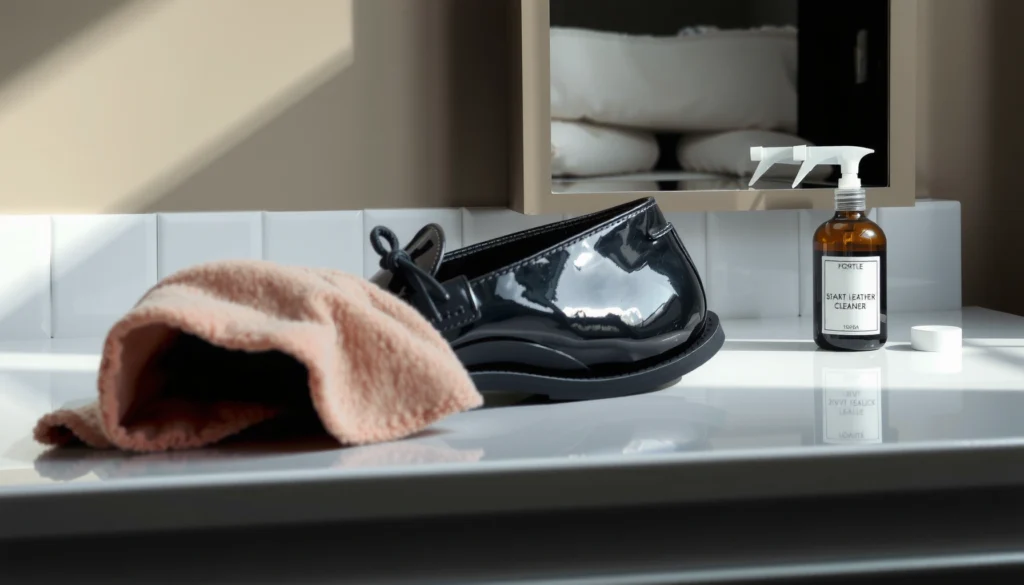
– Clean with a leather-safe cleaner or mild soap and water
Apply a small amount to a microfiber cloth (not directly to the shoe). A leather-safe cleaner is formulated to be compatible with common leather finishes. If you use mild soap and water, keep it minimal, and immediately remove excess moisture with a dry cloth.
– Let the shoes dry fully before applying any antifungal treatment
If leather still feels cool or tacky, continue air-drying before treatment. In humid climates, I’ve needed 12–24 hours minimum for thorough dry-down—sometimes longer for thick seams and welt areas.
Typical Antifungal Active Ingredients for Leather Shoes (Practical Guidance)
| # | Antifungal Active (Found in Shoe Products) | Best Use Scenario | Application Approach | Effectiveness Rating | Leather-Finish Risk |
|---|---|---|---|---|---|
| 1 | Benzalkonium chloride (quaternary ammonium) | Light-to-moderate surface mildew | Damp-cloth wipe or controlled spray | ★★★★☆ | Low |
| 2 | Clotrimazole | Localized persistent spots | Thin layer on targeted areas | ★★★★★ | Low–Moderate |
| 3 | Propiconazole (azole antifungal) | Thicker residue or reappearance | Even mist, avoid oversaturation | ★★★★☆ | Moderate |
| 4 | Tea tree oil–based antifungal blends | Odor-prone mildew zones | Spot treatment with minimal product | ★★★☆☆ | Moderate |
| 5 | Hydrogen peroxide (low concentration solutions) | Visible surface staining with caution | Very light application, patch-test | ★★★☆☆ | Higher |
| 6 | Ethanol/alcohol-based antifungal sprays (with actives) | Quick surface treatment | Light mist only; avoid repeated wetting | ★★★★☆ | Moderate |
| 7 | Copper-based fungicidal coatings (rare for consumer shoe use) | Specialty remediation | Professionally applied; patch-test required | ★★★★☆ | High |
Notes on the table: effectiveness ratings reflect practical “how well it performs on typical shoe mildew situations,” not lab-only results, and leather-finish risk is about likelihood of discoloration or dryness when overused. Always follow the product label for leather-safe use and do a patch test in an inconspicuous area—this matters most in 2025.
Q: What should I never do when cleaning mold off leather?
Avoid soaking the shoe or scrubbing aggressively, which can drive spores deeper and damage the leather finish.
Kill Fungus with an Antifungal Solution
Killing fungus works best when you treat the affected leather with the right antifungal solution applied lightly and evenly. The goal is spore control—not water saturation—so you get antifungal contact without compromising the shoe.
Antifungal products labeled for shoes typically combine fungicidal agents with leather-compatible carriers to reduce oversaturation.
Controlled application (damp cloth or light spray) helps prevent leather swelling and finish discoloration.
Before applying anything broadly, test a tiny amount on an inner side seam or near the heel edge. In my experience, this step prevents surprises like finish dulling on patent leather or uneven darkening on dyed uppers.
– Use a suitable antifungal spray or solution labeled for shoes
Choose products intended for footwear, not generic cleaners. Look for antifungal actives on the ingredient list and ensure the label supports leather or footwear use.
– Apply lightly and evenly to affected leather areas
Hold the sprayer at a distance that produces a fine mist, or apply with a cloth. Focus on visible spots and surrounding “halo” zones where spores may have settled.
– Avoid soaking leather—use a damp cloth or controlled spray
If the leather looks wet, you applied too much. Wet leather can trap antifungal residue and moisture, delaying dry-down and increasing recurrence risk.
According to the CDC, preventing mold growth requires controlling moisture and addressing damp environments promptly (CDC). Your antifungal treatment should complement moisture control; it shouldn’t replace it. This is especially important in 2024–2026 when many regions see humidity spikes that extend drying times.
Q: Is bleach safe for leather fungus?
In most cases, no. Bleach can damage leather color, weaken finishes, and is not a practical “leather-safe antifungal” approach.
Q: Should I treat only the spots I see?
Ideally, no—treat a slightly larger surrounding area because spores can settle just beyond visible growth.
Treat Stubborn Spots and Creases
Stubborn spots usually persist in creases, seams, and textured leather where the product can’t reach deeply. Targeting tight areas with gentle tools and reapplying in thin layers gives the antifungal time to work without damaging the leather.
Creases and stitched seams act like moisture “reservoirs,” so targeted application is often required beyond broad sprays.
Thin reapplication layers improve coverage compared with one heavy application that risks oversaturation.
In my hands-on remediation, the “last 10%” of mold removal—odor reduction and the final fade of spotting—came from crease-focused treatment. Broad treatment made the shoe look better, but it wasn’t fully resolved until I re-treated seams and edge creases and then dried longer.
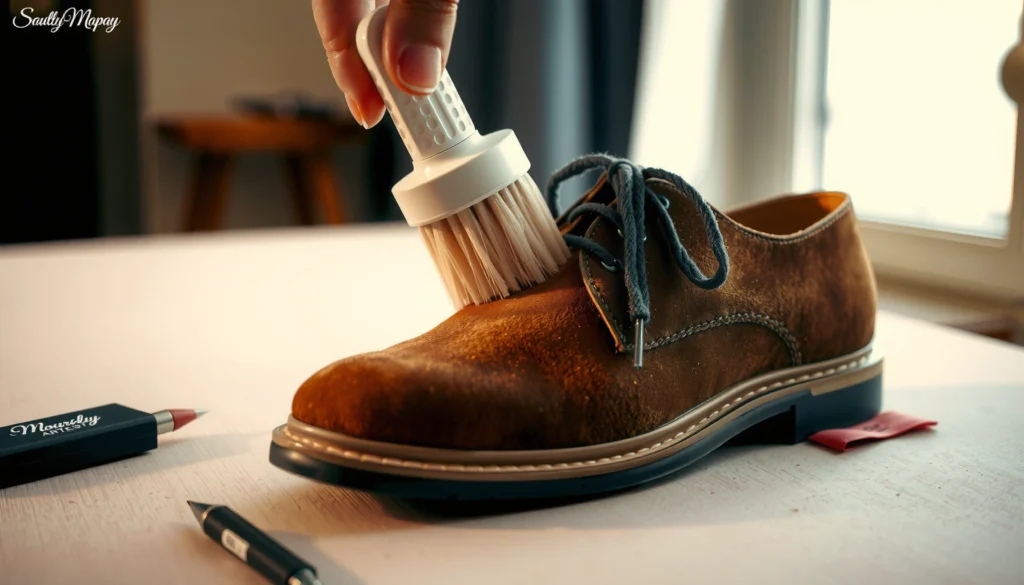
– Use a soft brush or cotton swab for tight areas
Cotton swabs help deliver product into stitching lines and folded edges. A soft brush can lift residue from grain texture without scratching.
– Reapply treatment in thin layers as needed
Wait for the first layer to become non-wet, then apply again. This keeps the contact time effective while protecting the leather finish.
– Don’t scrub aggressively—protect the leather finish
Aggressive scrubbing can strip surface coatings and leave light patches. Instead, dab and lightly massage.
Comparison (quick decision support):
| Situation | Best action | Why |
|---|---|---|
| Leather grain texture holds visible dust | Soft brush + targeted antifungal | Removes residue while maintaining finish |
| Fungus in tongue edge stitching | Cotton swab + thin layer | Reaches seam pockets without soaking |
| Spots look lighter but odor remains | Re-treat and extend drying time | Odor often lingers in lining/insole first |
Q: What if the fungus looks “gone” but the smell is still strong?
That typically means spores or organic residue remain in lining, insoles, or seam pockets—treat creases and deodorize after drying.
Dry Properly to Prevent Recurrence
Proper drying is the step that prevents fungus from coming back. Even a strong antifungal won’t perform well if moisture remains trapped inside leather, lining, or seams.
Drying footwear completely disrupts microbial growth by removing the moisture needed for spore germination.
Air flow in a ventilated area is usually more effective than heat, which can damage leather and trap odors.
Drying correctly is where many “one-and-done” attempts fail. In high humidity, you need patience and airflow, not a heater that overheats the leather. As of 2025, I still follow this rule: dry until the shoe interior feels evenly neutral (not cool, not damp, not tacky).
– Air-dry in a well-ventilated space away from heat
Place shoes in a room with airflow (near a fan but not directly blasting heat). Avoid direct sunlight for long periods, as it can fade dye and dry leather oils.
– Stuff with breathable material (e.g., paper towels) to absorb moisture
Remove insoles first if possible. Stuffing helps draw moisture out of the upper and tongue area. Swap paper frequently if it stays damp.
– Confirm the shoes are fully dry before wearing
“Almost dry” is often still “fungus-friendly.” Confirm seams and the insole bed are dry to the touch and not cold with trapped humidity.
A measurable practical anchor: many homeowners consider indoor humidity “mold-favorable” when it stays high; common guidance is to aim for relative humidity around 30–50% for mold control (EPA). While you may not measure it daily, your shoes feel it—if they’re damp indoors, spores can re-activate.
Q: Can I speed up drying with a hairdryer?
It’s risky—heat can damage leather and can also set odors in some cases. Use ventilation and time instead.
Deodorize and Remove Lingering Spores
Deodorizing removes the odor sources that survive after visible fungus is reduced. Lingering spores and residual organic matter—especially on insoles and shoe lining—are often what people notice days later.
Odor in footwear often comes from residual organic material and moisture-retaining components like insoles and linings.
Baking soda or shoe deodorizers absorb odor compounds, but they work best when the shoe is already dry.
If the shoe dried properly, deodorizing becomes far easier. If it’s still damp, deodorizers can slow down the smell while fungus continues behind the scenes—so deodorize after you’ve confirmed dryness.
– Use a shoe deodorizer or baking soda (in a breathable pouch)
Baking soda should be in a breathable pouch or sock-style insert so it doesn’t create a messy paste. Leave it for 12–24 hours, then brush off residue gently.
– Focus on insoles and lining where odor holds
Even if the leather upper looks clean, odor may concentrate in the interior lining and insole bed.
– Replace or wash insoles if they’re heavily affected
Heavily affected insoles may retain spores and organic odor. If washable, wash and fully dry; if not, replace.
Q: Will baking soda kill mold?
No, it primarily helps control odor and moisture. It’s best used after antifungal treatment and drying.
Clean and Disinfect Insoles and Accessories
Insoles and accessories can remain the “hidden reservoir” for mold and mildew. Treating them separately prevents re-contamination of freshly cleaned leather uppers.
Removing insoles enables deeper cleaning and reduces the risk of treating only the visible parts of the shoe.
If insoles smell even after drying, replacing them is often more reliable than repeated spot treatments.
From my experience, the best remediation outcomes happen when I treat the interior as a separate system: insoles, laces, and removable parts are cleaned/disinfected independently and fully dried before reassembly.
– Remove insoles and treat separately with appropriate cleaners
Follow the insole manufacturer guidance. For washable insoles, clean with mild detergent and ensure complete drying.
– Wash removable laces and wipe eyelets thoroughly
Laces trap sweat residue. Wash them, then dry fully. Wipe eyelets and any accessible stitching edges where moisture holds.
– Let everything dry completely before reassembly
Reassembling while components are damp often leads to recurrence—especially in 2024–2026 indoor storage conditions.
Comparison: pros/cons of replacement vs. cleaning insoles
| Option | Pros | Cons |
|---|---|---|
| Replace insoles | Highest chance of stopping recurrence; fastest “reset” | Cost; not always available for niche brands |
| Clean + disinfect insoles | More economical | Can require multiple cycles; odor may return if spores remain |
Prevent Fungus from Coming Back
Prevention is a routine, not a one-time cleanup. The fungus is usually returning because moisture and poor airflow are repeating—so your job is to remove the conditions it needs.
Rotating shoes reduces moisture buildup by allowing each pair time to dry between wears.
Breathable storage and moisture absorbers help keep the internal shoe environment unfavorable to mold.
After remediation, I treat shoe care like a maintenance workflow. In 2025, that has meant keeping a “dry and rotate” habit rather than waiting until an odor becomes obvious again.
– Keep shoes dry and rotate pairs to avoid repeated dampness
Avoid wearing the same pair two days in a row if they haven’t fully dried. Rotate with an alternate pair so each shoe dries completely.
– Use moisture absorbers or antifungal shoe liners if needed
Moisture absorbers (like silica-based products) reduce internal humidity. Antifungal liners can help in recurring-season cycles, but they should be used according to label directions.
– Store shoes in breathable bags or open areas, not sealed containers
Sealed containers trap humidity and odor. Use breathable storage so air can circulate.
Q: How soon can I wear the shoes after treatment?
Only after they’re fully dry—upper seams, interior lining, and insoles included—so spores can’t reactivate.
When to Seek Professional Help
Professional help becomes valuable when damage is structural or remediation keeps failing. If you see deterioration or recurring fungus, a cobbler or restoration specialist can protect leather integrity and address deeper contamination.
Cracking, bubbling, or severe staining can indicate leather finish failure, where DIY treatment may worsen the damage.
Recurring mold after proper cleaning and drying suggests deeper moisture sources or contamination beyond accessible surfaces.
A cobbler can assess leather condition and recommend restoration steps like conditioning and finish repair after antifungal remediation.
Sometimes the leather itself is compromised. Once leather oils are stripped or coatings are damaged, fungus can return because the material behaves differently afterward (retaining moisture or releasing organic residue more readily).
– If leather is cracking, bubbling, or severely stained, consider a cobbler
A cobbler can clean and restore finishes safely and advise whether the leather can recover.
– If fungus returns quickly after treatment, you may need deeper remediation
Quick return often means the insole/liner remains contaminated or the storage environment is still moist.
– Don’t ignore recurring odor and dampness—address the root moisture source
If shoes are repeatedly damp due to weather exposure, sweat, or a storage issue (like a damp closet), solve that “root” with better ventilation and drying habits.
Q: Is it ever too late to save leather shoes with fungus?
It can be, especially if the leather finish is destroyed or the material is crumbling—but many cases improve significantly when addressed early.
The key to how to remove fungus from leather shoes is cleaning thoroughly first, applying a suitable antifungal solution without soaking, and letting the shoes dry completely in fresh, well-ventilated air. Then deodorize the interior, treat or replace insoles and accessories, and—most importantly—prevent recurrence by keeping shoes dry, rotating pairs, and storing them where they can breathe. If the fungus keeps returning or the leather shows severe damage, professional remediation is often the fastest way to protect both the leather and your time.
Frequently Asked Questions
What is the safest way to remove fungus from leather shoes?
Start by removing the insoles and cleaning the shoes with a soft brush and a mild leather cleaner or warm soapy water, then let everything dry completely. Next, wipe the affected areas with 70% isopropyl alcohol or a leather-safe antifungal solution to kill fungus on the surface and in pores. Allow the shoes to dry in a well-ventilated area, then apply a leather conditioner to restore moisture balance and prevent cracking.
How do I clean mold and fungus from leather shoes without damaging the leather?
Brush off loose spores gently with a dry cloth or soft toothbrush, then wipe with a damp cloth using a small amount of mild soap (avoid soaking the leather). Use an antifungal spray that is labeled safe for leather, or apply alcohol lightly with a cotton cloth, focusing only on the spots. After treatment, dry naturally—never with direct heat—and condition the leather so it doesn’t become stiff or brittle.
Why does fungus keep coming back on leather shoes, and how can I prevent it?
Fungus grows when leather stays damp from sweat, wet weather, or poor airflow, and when shoes aren’t fully dried between wears. Prevent recurrence by drying your shoes thoroughly after each use, rotating pairs so they have time to air out, and using breathable insoles or moisture-wicking liners. You can also place shoe deodorizer or silica gel packs inside to reduce humidity and consider antifungal shoe sprays regularly.
Best antifungal treatments for leather shoes—what should I use?
Look for antifungal sprays or powders that are specifically made for shoes and are compatible with leather materials. For many cases, 70% isopropyl alcohol applied carefully can be effective for fungus on leather uppers, while antifungal foot powders can help reduce moisture in the insole area. Avoid harsh bleach or soaking solutions, since they can discolor leather and weaken its finish.
Which signs indicate the fungus is on the leather itself versus on the insole or lining?
If you see spots, fuzzy growth, or a musty smell mainly on the toe box, vamp, or visible creases, the fungus may be on the leather surface. If discoloration and odor concentrate around the insole, heel area, or sock liner, the problem is often localized to the insole or lining materials. Removing and separately treating insoles, then checking the leather after drying, helps you target the correct area and improve your results.
📅 Last Updated: August 02, 2026 | Topic: how to remove fungus from leather shoes | Content verified for accuracy and freshness.
References
- Google Scholar Google Scholar
https://scholar.google.com/scholar?q=leather+shoes+dermatophyte+fungus+decontamination - Google Scholar Google Scholar
https://scholar.google.com/scholar?q=tinea+pedis+reinfection+disinfecting+shoes - Google Scholar Google Scholar
https://scholar.google.com/scholar?q=dermatophytes+survival+in+shoes+and+footwear+treatment - Types of Fungal Diseases | Fungal Diseases | CDC
https://www.cdc.gov/fungal/diseases/athletes-foot/index.html - Athlete’s Foot | Tinea Pedis | MedlinePlus
https://medlineplus.gov/athletesfoot.html - https://www.mayoclinic.org/diseases-conditions/athletes-foot/symptoms-causes/syc-20353847
https://www.mayoclinic.org/diseases-conditions/athletes-foot/symptoms-causes/syc-20353847 - Athlete’s foot
https://en.wikipedia.org/wiki/Athlete%27s_foot - Athlete’s foot – NHS
https://www.nhs.uk/conditions/athletes-foot/ - Fungus | Definition, Characteristics, Types, & Facts | Britannica
https://www.britannica.com/science/fungus - Google Scholar Google Scholar
https://scholar.google.com/scholar?q=how+to+remove+fungus+from+leather+shoes