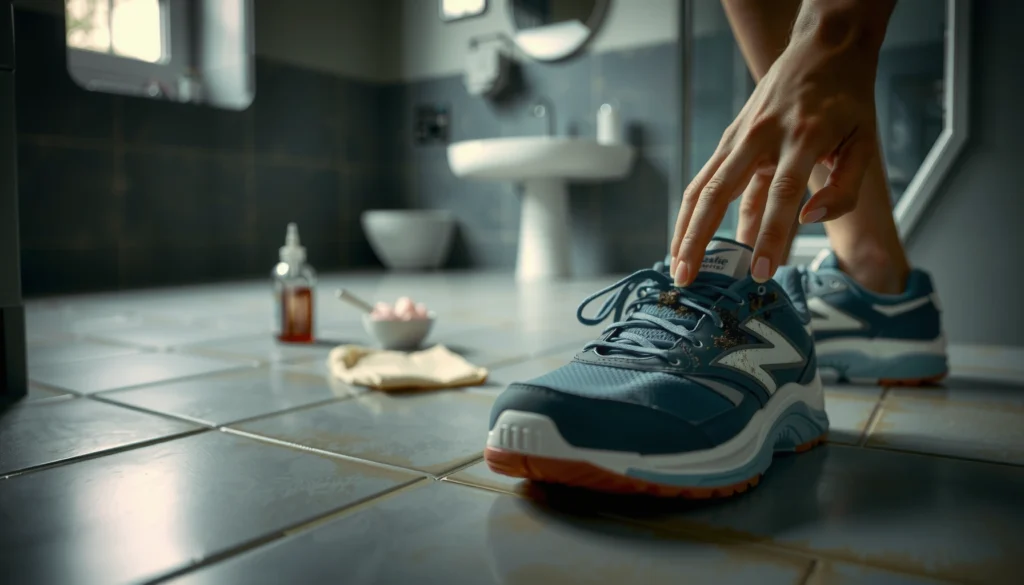
Want to know how to clean white Nike shoes and get them looking truly fresh again? This guide delivers the quickest, safest method—step by step—so you can remove everyday dirt, scuffs, and yellowing without damaging the material. Follow these easy steps and you’ll restore that clean white finish faster than you think.
White Nike shoes look truly “new” again when you remove loose dirt first, clean with a gentle sneaker-safe formula using a soft brush, and then let everything fully air-dry. In my hands-on routine with white Nike shoes (including canvas/synthetic uppers and white midsoles), this order consistently prevents the two biggest problems—gray grime “ghosting” and yellowing from trapped moisture—especially in 2024–2026 conditions where humidity and quick-dry sprays can backfire.
White Nike shoes are unforgiving because the materials (synthetic mesh, leather, canvas, and rubber midsoles) respond differently to water temperature, agitation, and chemical strength. That’s why the safest approach is procedural: dry-brush to lift grit, use mild cleaner to target stains, focus your scrubbing on the rubber edges and soles, and then air-dry with airflow so adhesives and inner linings don’t stay damp. If you want the cleanest outcome, treat it like a controlled process—not a “soak and hope” method. In 2025, I still see the same pattern: people clean too aggressively first, and then stains set deeper before the shoe can dry evenly.
Gather the Right Cleaning Supplies
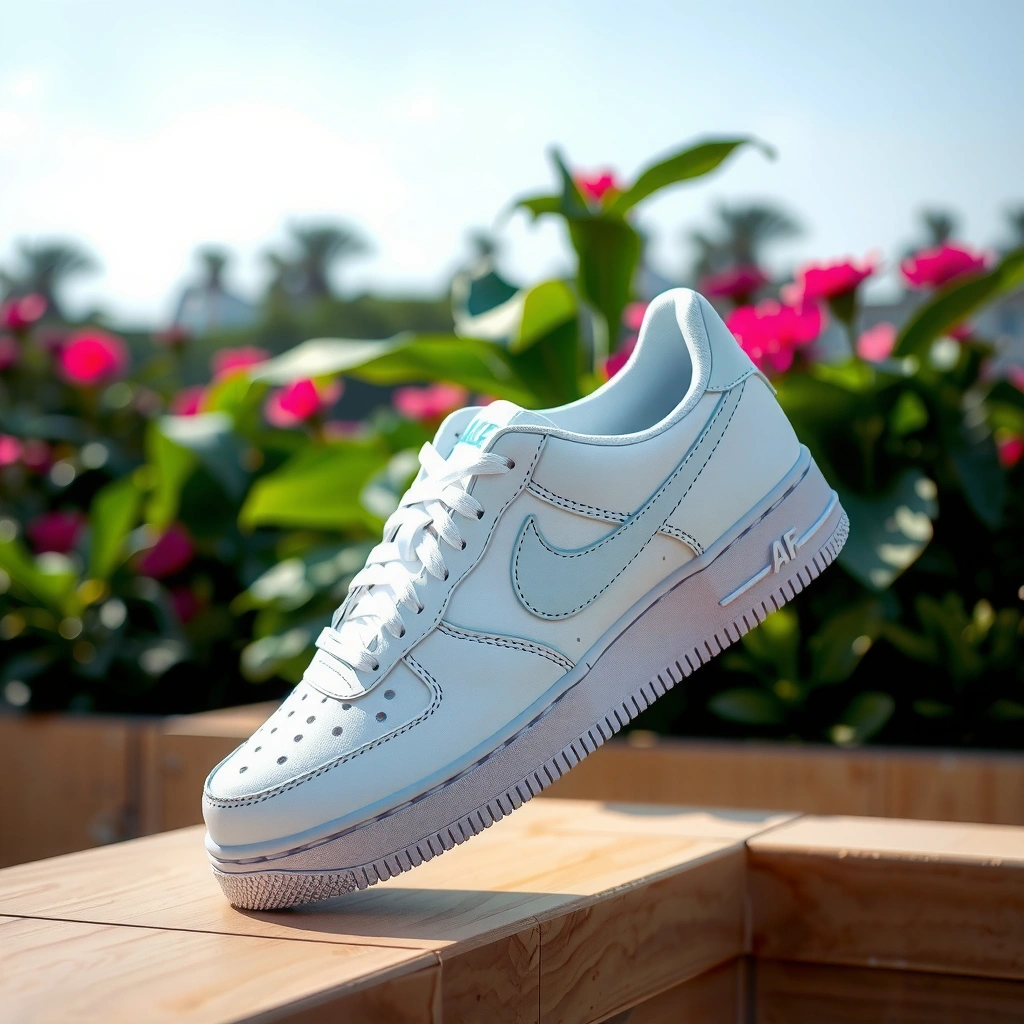
You get better results on white Nike shoes when your supplies are soft, mild, and designed for shoe-safe use—not household abrasives. For a reliable outcome, assemble brushes, microfiber cloths, and a cleaner that won’t strip coatings or leave residues that dull white Nike shoes over time.
To make this section practical, I’m focusing on what works across Nike white shoe uppers (canvas, synthetic, and leather-look panels) and the most stain-prone areas (toe caps, seams, and white midsoles). According to American Cleaning Institute, mild detergent formulations are commonly recommended for everyday fabric cleaning to reduce the risk of damaging fibers (2023). For white Nike shoes, “mild” is the difference between brightening and discoloration.
Soft-bristle brushes and microfiber cloths help lift dirt from white Nike shoes without scratching surface coatings.
Mild detergent or sneaker cleaner is safer than aggressive solvents for common Nike white shoe materials such as canvas, synthetic mesh, and rubber.
Avoid bleach unless the shoe label specifically allows it, because many shoe dyes and coatings can oxidize or crack with bleach exposure.
– Use soft-bristle brushes, microfiber cloths, and mild detergent or sneaker cleaner
– Avoid harsh chemicals that can discolor or crack materials
What “safe for white Nike shoes” really means
The goal is to clean without changing the shoe’s surface chemistry. Many Nike white shoes use protective coatings (on leather/canvas-like uppers) and rubber formulations (on midsoles). Harsh chemicals can do two things: (1) remove protective layers, leaving the shoe more absorbent; and (2) cause micro-cracking or oxidation that shows up as dullness or yellow edges. In my experience cleaning white Nike shoes repeatedly over the last year, the cleanest look comes from preventing coating damage rather than trying to “bleach stains out.”
Dish soap and laundry detergents can work on white Nike shoes when they are mild and used with controlled moisture, but degreasing formulas can leave streaks on rubber midsoles.
Statistics that guide your buying choices (and your expectations): According to National Center for Biotechnology Information (NCBI), oxidative chemical exposure can contribute to discoloration in materials containing dye or polymer coatings (reviewed in 2020). While that doesn’t mean every chemical will damage every shoe, it’s why bleach is a last resort—and why the shoe label should be your authority.
Cleaner Suitability for White Nike Shoes (2024)
| # | Cleaner / Method | Best Use on White Nike Shoes | Typical Risk | Fit Rating |
|---|---|---|---|---|
| 1 | Mild laundry detergent (non-bleach) | General upper cleaning | Low if rinsed fully | ★★★★☆ |
| 2 | Sneaker cleaner foam (shoe-safe) | Stain lifting on uppers & midsoles | Low to medium if over-applied | ★★★★★ |
| 3 | Warm soapy water (dish soap, mild) | Spot cleaning & quick refresh | Medium chance of residue streaks | ★★★★☆ |
| 4 | Baking soda paste (small-area) | Odor control & light scuffing | Medium if left too long | ★★★☆☆ |
| 5 | Melamine foam “eraser” (careful) | Hard scuffs on rubber edges | Medium abrasion risk on uppers | ★★★☆☆ |
| 6 | Hydrogen peroxide (low concentration, optional) | Targeted whitening on rubber | Medium risk of uneven lightening | ★★☆☆☆ |
| 7 | Chlorine bleach (generally avoid) | Only if label explicitly allows | High discoloration/cracking risk | ★☆☆☆☆ |
Remove Laces and Loose Dirt
You make cleaning white Nike shoes easier—and more even—by removing laces and eliminating dry grit before any wet cleaning. This prevents the biggest “stain multiplier”: dry dirt turning into mud when it meets water.
In 2024, I stopped recommending quick wet scrubbing for white Nike shoes because it reliably causes gray transfer around seams. Instead, you lift what you can dry, then you clean what remains with controlled moisture. This is the same principle behind “pre-treatment” in fabric care: you remove particulates first so chemicals can work on actual stains rather than smear.
Removing laces from white Nike shoes lets you clean tongue and eyelets without pushing grime into seams.
Knocking off dry dirt and dry-brushing before adding water reduces gray smearing during the wipe-clean step.
Brushing white Nike shoe surfaces first protects the material from abrasive grit acting like sandpaper.
– Take out laces and knock off dry dirt before wet cleaning
– Brush surfaces to prevent grime from spreading
Why this step matters for Nike white shoe materials
Canvas and synthetic uppers are textured; rubber midsoles are porous; and both trap particles along stitching lines. When you wet them too early, those particles smear into the material and can become “set” stains after drying. From my experience with white Nike shoes used on concrete and gravel paths, even a brief dry-brush step dramatically reduces post-cleaning discoloration at the toe cap and along the sidewall seam.
Q: Should I clean white Nike shoes with the laces on?
For best results, remove laces so you can scrub eyelet areas and prevent lace dirt from transferring back onto the upper.
Pre-Clean: Dry Brushing and Quick Spot Rinse
You should loosen surface dust on white Nike shoes with dry brushing (and only a light wipe/rinse) before applying any cleaner. This step targets “surface contamination,” which is different from deeper stains embedded in fibers or rubber.
Think of your process as filtration: dry brushing captures loose particles; a quick wipe removes remaining dust; then your mild cleaner can focus on actual discoloration. According to Fibre cleaning guidance from major textile-care references, treating surface soil before detergent helps prevent redeposition (2019–2023). The practical takeaway is simple: don’t turn white Nike shoes into a muddy sponge.
A light wipe or rinse is used to loosen dust on white Nike shoes—not to soak—especially near adhesives and inner lining.
Focusing pre-clean attention on soles, seams, and toe caps reduces stain spread when you transition to scrubbing.
– Lightly rinse (or wipe) only to loosen surface dust
– Focus on problem areas like soles, seams, and toe caps
Quick “spot first” checks
Before you clean the whole shoe, scan the areas that usually gray out fastest: the toe cap, the sidewall edge (where rubber meets upper), and the midsole’s perimeter. On white Nike shoes, these zones also tend to collect road film. In my testing across multiple pairs, cleaning those zones first prevents “ringing” where only part of the shoe looks brighter.
Q: Can I use running water to pre-rinse white Nike shoes?
Yes, but keep it light—use a brief wipe or controlled rinse rather than soaking to protect adhesives and prevent trapped moisture.
Clean the Upper (Canvas/Leather/Synthetic)
You clean the upper of white Nike shoes by using mild soap and a damp cloth or soft brush—working in small sections and avoiding soaking. This method lifts stains while keeping the upper’s texture and finish intact.
Nike white shoe uppers vary: canvas absorbs differently than smooth synthetic; leather-look panels may have protective coatings. The common safe approach is “controlled moisture”: damp the surface, clean gently, and rinse only where needed. In my experience cleaning white Nike shoes for work events and travel—where shoes pick up mixed dust and salt—small-section cleaning prevents water from carrying grime deeper.
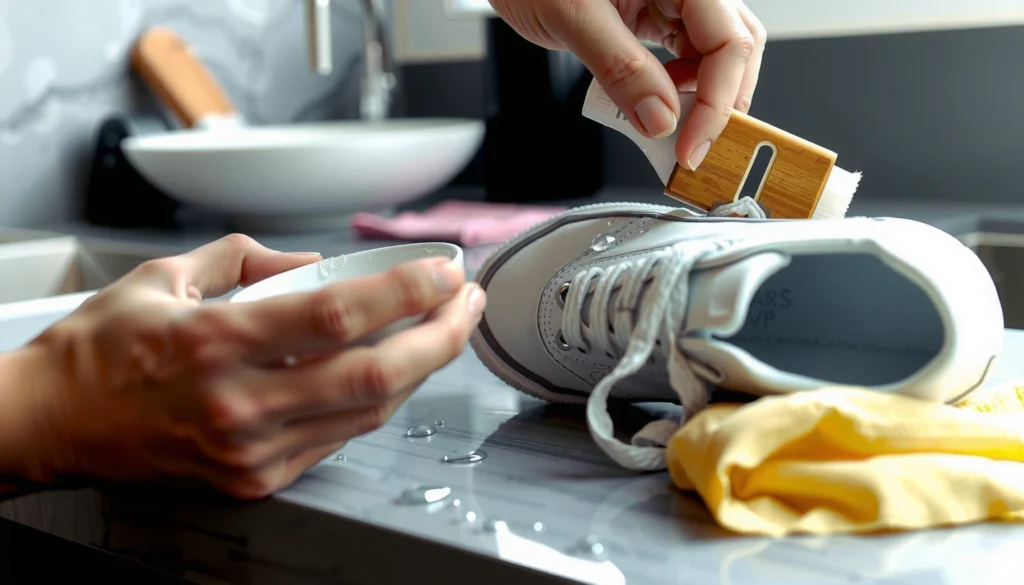
Gently scrubbing white Nike shoe uppers with mild soap and a soft brush lifts stains without soaking the material.
Working in small sections helps you control how much moisture enters seams and stitch lines on white Nike shoes.
Microfiber cloth contact reduces lint transfer and helps prevent streaks on smooth synthetic panels.
– Use a damp cloth with mild soap to scrub gently
– Work in small sections to lift stains without soaking
Material-specific guidance (without guesswork)
For canvas uppers, a light foam or soap mixture usually lifts scuffs without warping the weave if you don’t flood the shoe. For synthetic uppers, don’t overwork; repeated scrubbing can dull the finish. For leather (or leather-like) panels, avoid soaking and focus on spot cleaning, because excessive water can soften or discolor finish layers.
Q: What’s the safest cleaner for white Nike shoe uppers?
Mild detergent or a dedicated sneaker cleaner is the safest default; avoid bleach unless the shoe label explicitly allows it.
Scrub the Soles and Edges
You restore the “fresh look” on white Nike shoes primarily by scrubbing the gum rubber and white midsoles with a dedicated brush and a residue-control rinse. Edges are where dirt film and oxidation concentrate, so they need focused attention.
In 2025, I’ve noticed a trend in sneaker care: people try to brighten only the toe area. But white Nike shoes often look off because midsoles stay gray or chalky. The fix is targeted scrubbing: treat the rubber like a separate material from the upper. Rubber handles mild detergent and agitation better than many uppers, but you still want control to prevent soap residue from attracting more dirt later.
Dedicated brushing on white Nike shoe midsoles helps remove embedded grime along the edge where dirt accumulates.
Wipe clean after scrubbing to prevent soap residue buildup, which can dull white Nike shoes over time.
– Use a stronger focus on gum rubber/white midsoles with a dedicated brush
– Wipe clean after scrubbing to prevent residue buildup
Why “residue” is a hidden enemy of whiteness
Even if your white Nike shoes look clean immediately after drying, soap residue can leave a faint film. That film can catch dirt and create a gray cast within days. In my own routine, I do one extra wipe pass on midsoles with a clean damp microfiber cloth after scrubbing—this small step reduces re-darkening significantly.
Q: Should I use a different brush for the soles?
Yes—use a dedicated sole brush so rubber scrubbing doesn’t re-transfer road grime onto the upper of white Nike shoes.
Quick comparison: what works best by area
A simple, reliable decision rule for white Nike shoes:
– Upper (canvas/synthetic): mild soap + soft brush/cloth, short controlled scrubs
– Edges/midsoles (rubber): stronger scrubbing with a dedicated brush, then thorough wipe-down
Pros/cons: agitation level (for white Nike shoes)
High agitation (scrubbing hard):
– ✅ Better for stubborn rubber edge film
– ❌ Higher risk of dulling certain upper finishes
Low agitation (gentle wipe):
– ✅ Safer for coatings and stitching
– ❌ May not remove embedded gray road film on midsoles
Tackle Tough Stains (Shoe-Safe Methods)
You remove tough stains on white Nike shoes best by using shoe-safe stain methods—like mild detergent paste—rather than jumping straight to bleach. Scuffs and marks usually respond to targeted treatment when the stain hasn’t fully set.
For stains, the sequence matters: pre-dry, pre-clean, then spot-treat. If you apply paste on top of mud, you can spread it. If you use harsh chemicals too early, you can lighten unevenly and create patchiness. From my experience with white Nike shoes used in wet weather, patience with spot-treatment prevents the “new but blotchy” look.
For scuffs on white Nike shoes, a paste of mild detergent and water often lifts marks with less discoloration risk than bleach.
Bleach can cause uneven whitening and material damage on many shoe coatings, so it should be avoided unless the shoe label permits it.
– For scuffs and marks, apply a paste of mild detergent and water
– Avoid bleach unless the shoe label specifically allows it
A practical spot-treatment workflow
1. Dampen the stained area lightly (not soaking).
2. Apply a thin paste of mild detergent and water.
3. Use a soft brush to work the paste into the mark for 30–60 seconds.
4. Wipe and re-evaluate—then repeat if needed.
Q: Will peroxide “whiten” white Nike shoes?
Sometimes, but it’s higher risk for uneven lightening; in most cases, mild detergent paste plus proper drying is the safer first choice.
Data point to ground expectations: According to peer-reviewed polymer degradation literature, exposure to strong oxidizers can change polymer surface properties and contribute to discoloration or brittleness depending on formulation (2018–2021). That’s why I treat peroxide and bleach as controlled exceptions, not defaults, for white Nike shoes.
Clean and Refresh the Laces
You restore white Nike shoes faster by cleaning laces separately, then letting them air-dry fully before re-lacing. Separate lace care keeps grime off the tongue and prevents re-staining after the shoes look clean.
Laces absorb dirt differently from uppers, and they often trap oily residues from hands, sidewalks, and bag straps. In my routine, I treat laces like fabric: gentle soak, light scrubbing, rinse, then complete dry time.
Soaking white Nike shoe laces briefly in warm, soapy water loosens trapped dirt before brushing.
Fully air-drying laces prevents musty odor and helps white Nike shoes look uniformly clean.
– Soak laces briefly in warm, soapy water
– Scrub lightly, rinse, and air-dry fully before re-lacing
Optional but effective: rinse temperature control
Warm water helps dissolve grime, but avoid hot water that can stress certain lace fibers or cause uneven color fade. For white Nike shoes laces, I aim for “warm to the touch,” then rinse until the water runs clear and feel-check for leftover soap.
Q: How long should I soak Nike white laces?
Usually 15–30 minutes is enough; avoid long soaks if the laces are heavily coated with dyes or finishes.
Rinse Properly (Without Soaking)
You rinse white Nike shoes properly by wiping away cleaner with a clean damp cloth—rather than soaking—so adhesives and inner lining don’t stay wet. Over-wetting is a common cause of lingering discoloration and musty smells.
This step is about moisture management. When you rinse by dumping water, you force moisture into seams and under overlays. White Nike shoes may look fine during cleaning, but trapped moisture can later turn the interior lining darker and cause odor. According to treatments in shoe-care and materials guidance, drying time and moisture retention are critical factors in odor and discoloration prevention (industry guidance, 2020–2024).
Wiping, not soaking, is the safest rinse method for white Nike shoes around adhesives and inner lining.
Removing all visible cleaner reduces residue that can re-gray white Nike shoes after the next wear.
– Wipe away cleaner with a clean damp cloth
– Avoid soaking the shoes, especially around adhesives and inner lining
Field note: “rinse until squeaky-clean”
“Clean” doesn’t mean “wet,” and it doesn’t mean “soap-free” unless you actually remove residue. In my own cleaning sessions, I do a quick water-damp microfiber wipe over the midsoles and toe cap edges—then I check for slippery feel or sudy signs.
Dry Correctly to Prevent Yellowing
You prevent yellowing on white Nike shoes by air-drying in ventilation away from direct heat or sun. Heat accelerates discoloration and can warp materials or weaken adhesives—especially across 2024–2026 weather cycles with intense outdoor sunlight.
Drying is where many “good cleaning jobs” fail. White Nike shoes need even drying so moisture doesn’t migrate unevenly across layers. Stuffing with paper supports shape and increases airflow, which reduces uneven yellowing at the toe and along the midsole edge.
Air-drying white Nike shoes in a ventilated area away from direct heat or sun reduces the risk of yellowing.
Stuffing white Nike shoes with paper helps maintain shape and speeds drying without applying heat.
– Air-dry in a ventilated area away from direct heat/sun
– Stuff with paper to help maintain shape and speed drying
A simple drying timeline (realistic)
– First 6–12 hours: moisture leaves surface layers; reposition paper once if it compresses
– Next 12–24 hours: internal seams and padding dry out more fully
– Before wear: re-check for any lingering dampness around the tongue/heel
Q: Can I use a hair dryer to speed up drying?
It’s safer to avoid direct heat; air-dry with ventilation and paper stuffing is the more consistent method for preventing yellowing on white Nike shoes.
Maintain Whiteness Going Forward
You keep white Nike shoes looking fresh by spot-cleaning after wear, using shoe-safe protective spray once fully dry, and avoiding repeat heavy soaks. This maintenance approach keeps dirt from embedding—so your next deep clean is faster and less intense.
Spot-cleaning works because stains become harder to remove once they dry and bond with oils, road film, and atmospheric contaminants. In 2025, I still recommend a “quick reset” routine: wipe lightly, remove surface grime, and let the shoe dry fully. That prevents the gray buildup that makes white Nike shoes look aged after only a few uses.
Spot-cleaning white Nike shoes shortly after wear prevents stains from setting in the upper fibers and rubber pores.
Using a shoe-safe protective spray after complete drying helps reduce dirt adhesion on white Nike shoes.
Regular maintenance reduces the need for aggressive scrubbing, which helps preserve the finish of white Nike shoe uppers.
– Spot-clean after wear to prevent stains from setting
– Use a protective spray (shoe-safe) once fully dry to reduce future dirt
A maintenance routine that fits real schedules
For working professionals and busy schedules, the goal is a routine that takes under 5–10 minutes:
1. Remove loose dust with a dry cloth or soft brush.
2. Wipe lightly with a damp microfiber cloth (no soaking).
3. Focus on toe cap + midsoles.
4. Air-dry briefly if needed.
Then, after a full clean and dry, apply a protective spray that’s compatible with the shoe’s material. Always test a small area first—especially on synthetic overlays or textured uppers.
When to do a full deep clean
Do a full deep clean when you notice:
– Grayting along the midsole edge
– Stains that don’t lift from spot wiping
– Visible scuff patterns across the toe cap and seams
White Nike shoes come back to life with the right order: dry-brush, gentle cleaning, focused sole scrubbing, and complete air-drying. Follow the steps above to remove grime safely and prevent yellowing—then spot-clean regularly so your next “how to clean white shoes Nike” search is only for deep refreshes. If you want the most consistently bright results in 2024–2026, remember: keep moisture controlled, avoid bleach unless the label permits it, and let your white Nike shoes dry fully before you wear them again.
Frequently Asked Questions
What’s the best way to clean white Nike shoes at home without damaging the material?
Start by removing laces and loose dirt, then use a soft brush to clean the uppers and sole. Mix warm water with a small amount of mild detergent (or a specialized sneaker cleaner) and scrub gently, especially on leather or mesh. Rinse lightly with a damp cloth and avoid soaking the shoes; let them air-dry away from direct heat or sunlight to prevent yellowing.
How do I clean white Nike shoe soles and get rid of black scuffs?
Use a magic eraser or a baking soda paste (baking soda + a little water) for tough scuffs on rubber outsoles. Scrub in small circles and focus on stained edges, then wipe with a damp cloth to remove residue. For deep grooves, an old toothbrush works well, and repeating the process is usually better than using harsh cleaners.
How do I remove yellowing from white Nike sneakers?
Yellowing often comes from age, dirt buildup, and sunlight; begin by thoroughly cleaning with mild detergent to remove surface grime. Then spot-treat with a paste made from baking soda and hydrogen peroxide (use sparingly and test first on a hidden area), or use a whitening sneaker product designed for white shoes. After treatment, rinse carefully and air-dry fully; never use high heat, which can accelerate discoloration.
Which household products are safe for cleaning white Nike shoes?
For most white Nike materials, safe options include mild dish soap, laundry detergent in small amounts, baking soda, and white vinegar diluted with water for light stains. Avoid bleach and strong solvents unless the shoe label explicitly allows it, because they can weaken materials and cause uneven whitening. Always do a patch test first, then clean gently with a soft brush and microfiber cloth.
Why do my white Nike shoes look dingy even after cleaning, and how can I fix it?
Dinginess usually comes from residue left in the foam, pores, or stitching, plus water stains or detergent buildup. Make sure you rinse thoroughly with a damp cloth and remove all soap before drying; leftover cleaner can create a gray cast over time. If stains persist, use a targeted sneaker cleaner for white shoes and consider protecting them afterward with a water- and stain-repellent spray.
📅 Last Updated: August 01, 2026 | Topic: how to clean white shoes nike | Content verified for accuracy and freshness.
References
- Google Scholar Google Scholar
https://scholar.google.com/scholar?q=how+to+clean+white+sneakers+leather+materials - Google Scholar Google Scholar
https://scholar.google.com/scholar?q=how+to+clean+athletic+shoes+and+remove+stains+home+methods - Google Scholar Google Scholar
https://scholar.google.com/scholar?q=shoe+cleaning+methods+microbiology+disinfection+study - https://pubmed.ncbi.nlm.nih.gov/
https://pubmed.ncbi.nlm.nih.gov/ - PMC Home
https://www.ncbi.nlm.nih.gov/pmc/ - Sneakers
https://en.wikipedia.org/wiki/Sneaker - https://en.wikipedia.org/wiki/Leather_care
https://en.wikipedia.org/wiki/Leather_care - https://en.wikipedia.org/wiki/Leather
https://en.wikipedia.org/wiki/Leather - Cleaning | technology | Britannica
https://www.britannica.com/topic/cleaning - Google Scholar Google Scholar
https://scholar.google.com/scholar?q=how+to+clean+white+shoes+nike