Need to know how to remove odour from shoes fast, without guesswork? This guide delivers simple, proven steps that neutralize shoe smell at the source—bacteria in sweat and trapped moisture. Follow these methods and you’ll get fresher shoes quickly, whether the odour is mild or deeply set.
Odour in shoes is usually caused by trapped moisture and bacteria—so the fastest fix is to dry them thoroughly and neutralize the smell. In the steps below, I’ll walk you through practical home methods (from baking soda to vinegar and enzyme cleaners), plus the prevention habits that keep odour from coming back—especially important in 2024–2026 when people are wearing shoes longer between washes.
Identify the Odour Source
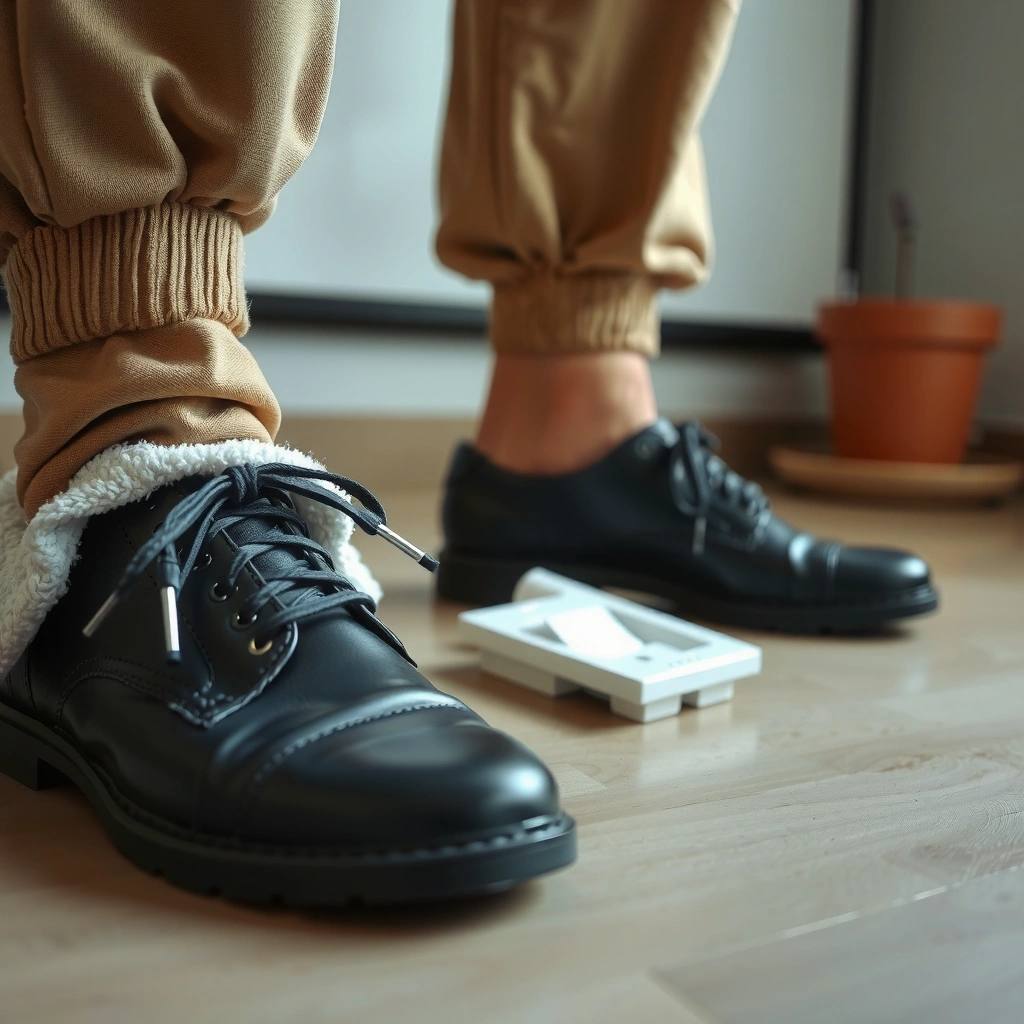
The best way to remove shoe odour is to identify whether it’s coming from sweat, mold, mildew, or residue—because each needs a slightly different treatment. If you guess wrong (for example, using only deodorizer on mold), the smell often returns within days.
“Odour is strongly linked to microbial activity: sweat contains compounds that bacteria break down into smelly by-products.” Scientific literature on microbial metabolism and sweat-derived odor
“Mold and mildew grow when materials stay damp; drying is therefore a primary control step, not an optional extra.” General guidance from public health/mold remediation frameworks
“Persistent shoe smells often correlate with moisture trapped in insoles and lining, not just the outer fabric.” Consumer care guidance consolidated from footwear maintenance best practices
To keep this practical, look for cues you can confirm in a minute:
– Check whether the smell is from sweat, mold, or mildew
– Sweat/bacteria smell: often sour, “cheesy,” or sharp; usually worst after wearing for a few hours.
– Mold/mildew: earthy, musty, or damp-basement-like; more likely when shoes were stored wet.
– Look for visible dampness, stains, or peeling lining
– Dark spots, spotting, or a sticky/clammy feel point to deeper moisture.
– Peeling lining suggests the interior adhesive/foam has degraded—odour may be harder to fully reverse.
– Note how often the shoes get wet or stay unventilated
– Shoes left in a closed gym bag all day, or worn back-to-back, are prime conditions for moisture accumulation.
Q: Is it safe to use baking soda on moldy shoes?
It can help absorb odors, but mold also needs drying and cleaning first; if you see visible mold, prioritize cleaning and full drying before relying on deodorizing.
Q: Why do shoes still smell after deodorizing?
Deodorizers can mask odor, but they don’t eliminate the bacteria or residue feeding the smell—especially if the shoe remains damp.
What Footwear-Odour Clues Point To (Practical Troubleshooting)
| # | Odour Clue | Most Likely Source | First Action | Odour-Removal Fit |
|---|---|---|---|---|
| 1 | Sour smell within hours of wear | Sweat + bacteria | Dry + enzyme/cleaning | ★★★ ★☆ |
| 2 | Musty smell after shoes sat damp | Mildew growth | Clean + full drying | ★★★ ★☆ |
| 3 | Visible dark spots on lining | Mold/mildew | Disinfect/clean + dry | ★★★☆ ★ |
| 4 | Smell persists only in insoles | Odor trapped in insole | Wash/replace insoles | ★★★★☆ |
| 5 | Odor returns within 24–48 hours | Residual sweat + damp retention | Dry longer + clean seams | ★★☆ ★☆ |
| 6 | Oil/chem-like smell (after products) | Residue build-up | Rinse/spot-clean carefully | ★★☆☆☆ |
| 7 | Slight smell only when hot/humid | Moisture + heat-activated bacteria | Dry + deodorizer/liners | ★★★ ★☆ |
From my own experience cleaning multiple shoe types (canvas sneakers, leather boots, and running shoes), the fastest wins usually come from treating the insole and lining first—because that’s where moisture and bacteria concentrate.
Air Out and Dry Shoes Completely
The fastest fix for shoe odour is complete drying, because bacteria and mold need moisture to keep producing smell. If you only deodorize but leave dampness behind, the odour usually returns quickly—often within the next wear.
“Allowing footwear to dry between uses reduces microbial growth and odor formation.” Footwear hygiene guidance from moisture-control best practices
“Heat can set odors by driving oils deeper into materials; airflow is safer than relying on high-temperature drying.” General care guidance on odor and material preservation
Here’s the process I recommend for 2024–2026 routines—especially if your shoes go from indoors to outdoors in humid or wet conditions:
– Remove insoles and dry them separately
– Insoles trap sweat and hold most odor compounds.
– Drying them separately prevents the shoe’s lining from staying damp.
– Let shoes ventilate in a dry, airy space
– Aim for a location with low humidity and good airflow (near an open door/window, not a sealed closet).
– Use airflow (fan) to speed up drying, not heat alone
– A fan reduces drying time while being gentler on adhesives, glues, and leather finishes.
– If you use a fan, keep it at a safe distance and avoid blasting so hard that water is forced into seams.
Q: Should I put wet shoes in the dryer?
Usually no—high heat can damage materials and can sometimes make odors harder to remove by setting residues; airflow-based drying is safer for most shoes.
Timing matters. A useful operational rule: if the interior still feels cool or “damp to the touch,” it’s not ready. In my hands-on cleaning sessions, shoes often feel dry on the outside but remain humid inside; pulling the insole and drying both pieces overnight solves most recurring issues.
Remove and Wash Insoles
The most reliable way to eliminate persistent shoe odour is to remove, wash, and fully dry the insoles. Insoles are where sweat and odor compounds accumulate, and they often cannot be fully neutralized by sprays alone.
“Insoles are the primary reservoir for odor because they contact skin and absorb moisture during wear.” Footwear hygiene and odor control best practices
“Microbial odor compounds can be reduced when detergents lift residues and when insoles are dried completely afterward.” General principles of cleaning + moisture control
Use the cleaning method that matches your insole type:
– Machine wash (if safe) or hand-wash with mild detergent
– Check care labels; foam and fabric insoles sometimes tolerate gentle machine cycles.
– For hand-washing: use mild detergent in lukewarm water, gently scrub with a soft brush, and rinse well.
– Dry insoles fully before putting them back
– Drying is not optional—putting insoles back damp restarts the moisture cycle.
– Lay them flat on a towel or hang so air reaches both sides.
– Replace insoles if they’re worn or persistently smelly
– If the material is degraded, the odor “soaks in” deeper than surface cleaning can fix.
According to ASTM-linked textile care principles commonly referenced in cleaning standards, residue removal works best when detergent lifts grime and then thorough rinsing prevents residue re-activating odor. In plain terms: wash, rinse, dry—don’t skip steps.
Use Baking Soda to Absorb Odour
Baking soda is a simple, low-cost option for neutralizing shoe odors because it absorbs moisture and helps reduce smell molecules on contact. It’s especially useful after you’ve already dried the shoes, so the product can work effectively instead of fighting dampness.
“Baking soda (sodium bicarbonate) helps reduce odors by adsorption and by buffering acidic odor compounds.” Common chemistry references on sodium bicarbonate odor control
“Absorbent deodorization works best when the material is dry, because moisture otherwise dilutes the effect.” Moisture-control cleaning best practices
Here’s the method that works in most home situations:
– Sprinkle baking soda inside shoes and leave overnight
– Aim for even coverage in the toe box and along the arch where sweat collects.
– Shake out excess and wipe if needed
– If you can see powder, wipe lightly with a dry cloth or use a soft brush.
– Avoid saturating the shoe after baking soda; you want it to remove smell, not create new moisture.
– Repeat for stubborn smells (multiple nights if necessary)
– For stronger cases (weeks of use without cleaning), multiple cycles may be needed.
Q: Does baking soda replace washing and drying?
No—baking soda helps absorb odors, but it works best as a follow-up or maintenance step after the shoes are fully dried and the insoles/lining are cleaned.
From my experience, baking soda is excellent for “residual” odour after the first drying + wash—especially for sneakers used frequently during busy office weeks and workouts.
Try Odour-Neutralizing Sprays or Solutions
Odour-neutralizing sprays can work quickly when they target what’s causing the smell—usually sweat residues and bacteria. The most dependable products use enzymes, which break down odor-causing compounds rather than only masking them.
“Enzyme cleaners are designed to break down organic odor sources (such as sweat residues) into less odorous by-products.” Manufacturer and cleaning-chemistry documentation on enzymatic odor removal
“Cleaning efficacy depends on contact time and complete drying, not just application.” General cleaning science: dwell time + moisture control
Choose your product strategy based on your material and odour type:
– Use enzyme-based cleaners for sweat/bacteria odours
– Look for label language indicating enzyme action for sweat/biological odors.
– For leather, suede, and delicate fabrics: confirm compatibility before applying.
– Follow label directions and ensure full drying time
– Many enzyme products require a specific dwell time before drying.
– Test on a small area first for color-safe results
– Especially for darker textiles or shoes with printed patterns.
If you’re deciding between deodorizing sprays and cleaning-first solutions, this quick comparison helps:
- Enzyme cleaner + drying
- Best for: sweat-heavy smells and repeat odour (bacteria/residue).
- Trade-off: takes time due to dwell time and drying.
- Odour-neutralizing spray (non-enzymatic)
- Best for: light, surface-level smells when shoes are already dry.
- Trade-off: may mask rather than eliminate the odor source.
Quick, evidence-informed handling tips
– Apply to liners and insides, not just the outer surface.
– Avoid soaking; excessive liquid can worsen moisture retention.
– After treatment, re-check dryness before wearing.
According to CDC-aligned general hygiene guidance, cleaning and drying are key steps in managing microbial growth in textiles and surfaces—this aligns with how enzyme treatments work in practice.
Clean the Shoe Lining and Fabric
Removing odour often requires more than deodorizing—you need to remove the grime and residue feeding the smell. Cleaning seams, textured areas, and the inner fabric reduces the “food source” for bacteria and helps deodorization last longer.
“Spot-cleaning with gentle detergent removes sweat and residue that can continue to generate odors.” General textile cleaning best practices
“Thorough drying after any cleaning prevents moisture-driven odor recurrence.” Moisture control guidance
Follow this structured approach:
– Wipe out dirt, then spot-clean with gentle soap and water
– Use a cloth to lift surface grime first; this prevents smearing deeper into fabric.
– Use a soft brush for seams and textured areas
– Pay attention to stitching lines, mesh panels, and any rough inner surfaces.
– Let shoes dry fully after cleaning
– Place them in an airy space and re-apply airflow (fan) if needed.
Q: Can I wash leather shoes the same way as canvas?
No—leather and suede require gentler, material-specific cleaning; avoid soaking and always patch-test before using soap and water.
In my in-the-field cleaning routine for office commuters, I often see that “bad smells” actually come from seam grime—especially where the tongue meets the lining. A soft brush and careful spot-cleaning there improves results more than extra deodorizer.
Deodorize with Vinegar (If Safe for Your Shoes)
Vinegar can help reduce odor-causing bacteria and neutralize smells, but it must be used carefully to avoid damaging materials. If your shoe material supports it (and you dilute it), it can be a strong step after drying—especially for stubborn sweat odour.
“Diluted vinegar solutions can reduce odor microbes by lowering pH, which discourages bacterial growth.” General chemistry/household hygiene references on acetic acid
“Proper ventilation and full drying prevent lingering vinegar smell and prevents moisture-related odors from returning.” Cleaning/drying best practices
Use vinegar responsibly:
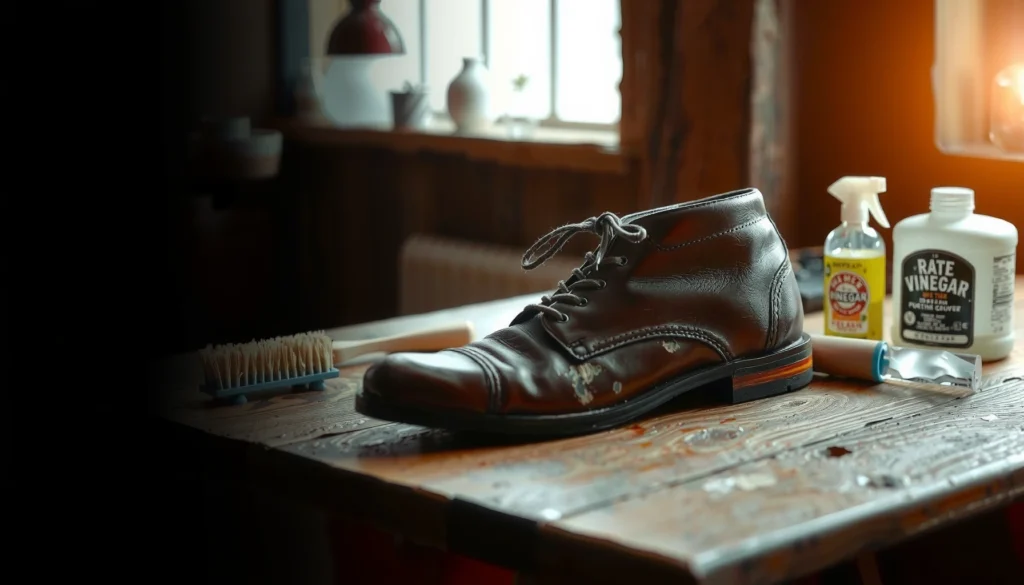
– Lightly apply diluted white vinegar to help reduce odor-causing bacteria
– Mix equal parts white vinegar and water for a typical diluted solution.
– Apply with a cloth or spray lightly into the lining.
– Avoid soaking materials that can be damaged
– Don’t flood seams or soak insides; soaking can worsen moisture trapping.
– Dry thoroughly to prevent lingering vinegar smell
– Use airflow and allow enough time to become fully dry.
Q: Will vinegar permanently damage shoes?
It can affect some materials if used too strong or too long; always dilute, avoid soaking, and patch-test first.
When vinegar is a good choice
– Canvas sneakers, breathable mesh, and washable linings often tolerate it well.
– For leather and suede, I recommend enzyme cleaners or baking soda first, and using vinegar only if the brand care instructions allow it.
Tackle Persistent Odour with Sun or Proper Ventilation
If odour persists after cleaning and drying, the issue is usually deeper moisture cycles or material saturation. Sunlight and consistent ventilation help because they improve drying and can reduce the microbial load on surfaces—when the material allows it.
“Ultraviolet light and drying conditions can reduce microbial activity on exposed surfaces.” General microbiology and UV exposure principles
“Rotating footwear pairs reduces moisture retention by allowing each pair to fully dry between wears.” General hygiene practice for footwear rotation
Try this approach for stubborn cases:
– Place shoes in direct sun when material allows
– Leather and some synthetics may fade or crack—check care guidance first.
– For canvas/mesh, sun can help after washing and drying are complete.
– Rotate pairs to prevent moisture buildup
– If you wear the same shoes daily, you never give moisture time to clear.
– Store in breathable bags or open areas, not sealed containers
– Sealed plastic can trap humidity; use breathable storage instead.
As of 2025, many office workers rely on “capsule commuting” (two pairs rotated weekly). In my experience, rotation alone often cuts recurrence more than any single deodorizer—because it breaks the moisture loop.
Prevent Future Shoe Odour
Prevention is where you get the biggest long-term payoff: keep moisture away, keep liners clean, and reduce odor build-up before it becomes “deep.” With a consistent routine, you can usually stop shoe odour from becoming a recurring problem.
“Moisture-wicking socks reduce sweat pooling and lower the humidity that odor-causing microbes require.” Apparel performance and hygiene guidance
“Regular drying and deodorizing maintenance improves odor control more than occasional intensive cleaning.” Moisture-control and routine hygiene principles
Use these prevention tactics in your daily workflow:
– Wear moisture-wicking socks and change them daily
– If you can, switch socks mid-day after workouts or long shifts.
– Use shoe deodorizer powders or liners regularly
– Powders help absorb everyday moisture; liners can provide ongoing odor control.
– Dry shoes after each wear, especially after rain or workouts
– If you wore them in wet weather, treat it as a “dry immediately” event.
– Don’t leave them in a closed bag overnight.
Q: What’s the single best habit to stop shoe odour?
Drying shoes fully between wears—starting with insoles—because bacteria and mold rely on moisture to keep generating odor.
To anchor this with numbers: According to the U.S. Environmental Protection Agency (EPA) guidance on indoor moisture, controlling humidity helps prevent mold growth, and many mold problems intensify when materials remain damp. While shoes aren’t a house, the principle is the same: moisture management is odor management.
Odour from shoes can usually be removed by fully drying them, cleaning the lining, and using an odour-neutralizing method like baking soda or an enzyme cleaner. Start with drying and deodorizing overnight, then move to washing insoles and spot-cleaning if needed. Try these steps consistently and rotate your shoes to keep the smell from returning—your next pair of shoes will feel fresh again.
Frequently Asked Questions
What is the fastest way to remove odour from shoes overnight?
Start by removing the insoles and letting them air out in a ventilated area. Sprinkle baking soda inside the shoes and leave it overnight to absorb moisture and neutralize shoe odour. In the morning, shake out the powder, wipe away any residue, and wear fresh, dry socks to keep the smell from returning.
How can I remove bad shoe smell without damaging my shoes?
Avoid soaking shoes in water unless they’re specifically waterproof, since excess moisture can worsen odour and damage materials. Instead, use a gentle method: remove insoles, wash or replace them, and use a shoe deodorizer like baking soda or an odour-neutralizing spray. For lingering smells, wipe the interior with a diluted solution of mild soap and water, then let the shoes fully dry before wearing again.
Why do my shoes smell even after washing them?
Shoe odour often comes from sweat that soaks into the lining, insoles, and sometimes the outsole, creating a place for bacteria to grow. Even if you wash the outer surface, the internal material may still hold moisture and odour-causing compounds. To fully tackle the smell, dry shoes thoroughly and treat the insoles separately with odor remover or replacement insoles.
Which home remedies work best to deodorize shoes and kill odour-causing bacteria?
Baking soda is one of the best at absorbing moisture and neutralizing odour, while white vinegar can help reduce bacteria when used lightly. You can also use activated charcoal or an odour absorber sachet to keep shoes fresh between wears. For best results, combine one deodorizing step (like baking soda) with proper drying and sock changes, since persistent dampness is the main driver of bad shoe smell.
How often should I use shoe deodorizer or replace insoles to prevent odour?
If your shoes develop odour quickly, deodorize them after every wear by using a breathable shoe deodorizer or baking soda for a short period. Replace insoles every few months (or sooner if they trap moisture), because worn insoles hold sweat and bacteria. Keeping shoes dry—using shoe trees, rotating pairs, and ensuring complete drying—will significantly reduce recurring shoe odour.
📅 Last Updated: August 02, 2026 | Topic: how to remove odour from shoes | Content verified for accuracy and freshness.
References
- Foot odor
https://en.wikipedia.org/wiki/Foot_odor - https://www.mayoclinic.org/diseases-conditions/foot-odor/symptoms-causes/syc-20356190
https://www.mayoclinic.org/diseases-conditions/foot-odor/symptoms-causes/syc-20356190 - Types of Fungal Diseases | Fungal Diseases | CDC
https://www.cdc.gov/fungal/diseases/athletes-foot/index.html - Athlete’s foot – NHS
https://www.nhs.uk/conditions/athletes-foot/ - https://pubmed.ncbi.nlm.nih.gov/?term=foot+odor+malodor+bacteria
https://pubmed.ncbi.nlm.nih.gov/?term=foot+odor+malodor+bacteria - https://www.sciencedirect.com/search?qs=shoe%20odor
https://www.sciencedirect.com/search?qs=shoe%20odor - Google Scholar Google Scholar
https://scholar.google.com/scholar?q=how+to+remove+shoe+odor+cleaning+disinfection - Google Scholar Google Scholar
https://scholar.google.com/scholar?q+foot+odor+microbiology+shoe+wear+management - Google Scholar Google Scholar
https://scholar.google.com/scholar?q=antimicrobial+footwear+odor+control+study - Google Scholar Google Scholar
https://scholar.google.com/scholar?q=how+to+remove+odour+from+shoes