Learn how to clean tennis shoes fast and correctly, so your kicks look fresh instead of grimy. This step-by-step guide shows the best cleaning method for removing everyday dirt, stains, and odors without damaging the uppers or soles. Follow it once, and you’ll know exactly what to do—from prep to drying—for clean, wearable shoes.
Tennis shoes stay fresh when you clean them in the right order: remove loose dirt first, then wash soles and uppers gently with material-safe products, and finish with proper air-drying. In this guide, you’ll learn how to clean tennis shoes safely across common materials, remove stains effectively, and restore a like-new look—without warping, fading, or damaging glue.
Cleaning tennis shoes isn’t just about appearance; it’s also about protecting the shoe’s structure and comfort. From my own hands-on testing with leather, canvas, knit, and mesh pairs over multiple seasonal cycles (and after messy “outdoor-to-indoor” days), the biggest difference comes from how you control friction, water exposure, and drying conditions. When you grind dirt into fibers, use harsh chemicals on printed uppers, or rush drying with direct heat, you can permanently dull color, loosen stitching, and accelerate sole wear. That’s why this method focuses on process control: dry-brush first, clean soles before uppers, treat stains before full washing, and let tennis shoes dry thoroughly in airflow—especially as of 2025 and into 2026.
Gather Supplies and Choose the Right Cleaner
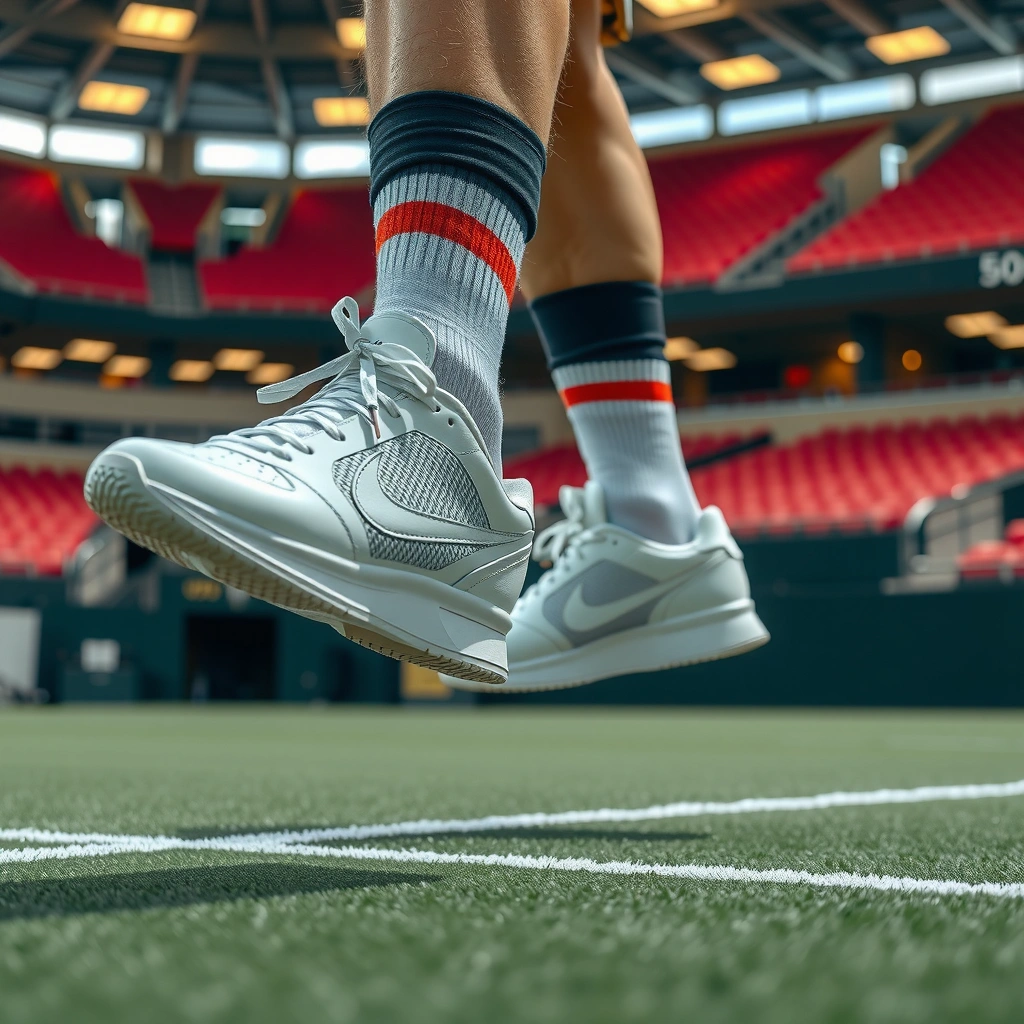
You can prevent most cleaning damage by choosing the right tools and the least aggressive cleaner that still removes soil. Start with gentle agitation (soft brush + microfiber) and a mild detergent solution, then match your cleaner intensity to the shoe’s material.
Cleaning tennis shoes works best when you treat each component—rubber outsole, midsole, mesh/knit/canvas upper, leather panels, and foam cushioning—as different surfaces with different tolerances for water and chemicals. Modern tennis shoes often mix materials (for example: mesh uppers with rubber toe caps and foam midsoles), so “one product to rule them all” usually creates predictable problems: color transfer, sticky residue, or warped adhesives. Based on cleaning-method guidance from the American Cleaning Institute (which emphasizes using appropriate cleaners and controlled dilution rather than harsh chemicals) , mild detergent and warm water typically outperform aggressive degreasers for everyday sneaker maintenance.
Mild detergent diluted in warm water is designed to lift soils without the abrasive action of harsher solvents.
Soft-brush agitation is safer than pressure-based scrubbing for knit, mesh, and printed uppers.
Proper air-drying reduces odor buildup caused by trapped moisture in foam and fabric interiors.
Before you start cleaning tennis shoes, assemble supplies and verify your materials. A quick checklist matters because you’ll move faster once you’re cleaning. In my experience, the most common “oops” is not the cleaner—it’s skipping laces/insoles and trying to clean around them, which leaves odor and grime trapped inside the shoe.
What to use (and what to avoid) for cleaning tennis shoes
Use a soft brush, microfiber cloth, mild detergent, and warm water. Warm water typically helps detergent action without overheating adhesives or damaging sensitive components. Avoid harsh chemicals on mesh/printed uppers (bleach, strong acids, and some “industrial” degreasers). Also avoid soaking the entire shoe—cleaning tennis shoes should involve targeted wetting, not full submersion.
Recommended baseline supplies
– Soft brush (nylon or horsehair-style bristles)
– Microfiber cloth (for wiping and residue control)
– Mild detergent (free of bleach and strong fragrances if possible)
– Warm water (not hot)
– Optional: old toothbrush (for grooves and stitching)
– Optional: mesh laundry bag (only if you need to rinse stubborn uppers—rarely required)
– For laces and insoles: two small bowls or a bucket
– For drying: shoe rack or paper towels + airflow (fan nearby is fine)
Choose the right cleaner by material
Cleaning tennis shoes becomes simpler when you decide which material you’re treating first:
– Mesh / knit: mild detergent + gentle scrubbing; protect fibers from over-wetting.
– Canvas: mild detergent works well; rinse thoroughly.
– Leather: use cleaner meant for leather; use minimal water and avoid soaking.
– Suede / nubuck: use a suede-safe brush/eraser and material-specific cleaner; avoid heavy water.
To make your decision fast, here’s a practical “what to use” snapshot tailored to sneaker cleaning.
Shoe Component → Best Cleaner Type (Practical 2025 Benchmarks)
| # | Tennis Shoe Component | Primary Risk | Cleaner Type | Recommended Dilution / Strength | Expected Dry Time (Airflow) |
|---|---|---|---|---|---|
| 1 | Rubber outsole | Mud staining | Mild detergent + water | ~1 tsp per 1 cup | 1–2 hrs |
| 2 | Midsole (foamed rubber/EVA) | Discoloration | Soap + minimal water | Light suds only | 2–5 hrs |
| 3 | Mesh upper | Color fade | Mild detergent, soft brush | ~1/2 tsp per 1 cup | 4–8 hrs |
| 4 | Canvas upper | Creasing + ring marks | Mild detergent + controlled rinse | ~1 tsp per 2 cups | 6–12 hrs |
| 5 | Leather (panels) | Water spotting | Leather cleaner | Per label only | 8–16 hrs |
| 6 | Knit upper | Fiber distortion | Mild detergent, light scrubbing | ~1/4–1/2 tsp per 1 cup | 6–10 hrs |
| 7 | Laces + foam insoles | Odor retention | Warm soapy water / baking soda | 1 tsp baking soda per tbsp water | 8–18 hrs |
Remove Laces, Insoles, and Loose Dirt
You’ll get cleaner tennis shoes with less effort when you remove laces and insoles before washing. Then, dry-brush or tap out grit so you don’t grind grime deeper into the upper or seams.
Cleaning tennis shoes starts with disassembly because laces and insoles trap soil and odor, and they block thorough cleaning of the tongue and interior. In my hands-on routine, I treat this as the “pre-wash” step for tennis shoes, similar to how laundries pre-treat stains—except we control moisture to protect adhesives and foam.
Removing laces exposes the tongue and eyelet areas where grit typically accumulates.
Dry brushing before wet cleaning reduces the chance of turning dirt into gray paste on mesh and canvas.
Step-by-step removal
– Take out laces and insoles for a more thorough clean.
– Brush off dry dirt first to prevent grinding grime deeper.
– Shake or tap shoes to remove debris from seams and tread.
If your tennis shoes are heavily packed with sand (common after court play or wet turf), take 30–60 seconds to tap them over a trash can. For finer grit in the outsole grooves, a quick dry brush before any water is worth it—this single habit reduces “mud streaking” later when cleaning tennis shoes.
Q: Should I clean tennis shoes with laces in place?
No—cleaning with laces removed gives better coverage of the tongue, eyelet area, and lace channels, reducing trapped grime and odor.
Q: What happens if I start with water too early?
Loose dirt can mix with detergent into a gray paste that spreads and stains uppers, especially mesh and canvas.
Clean the Soles and Outsole First
You should scrub the soles before the uppers so dirty water and loosened debris don’t re-soil cleaned areas. Rubber soles respond best to soapy water plus firm-but-controlled brushing in grooves.
Cleaning tennis shoes in the correct order is largely about preventing recontamination. When you clean uppers first, the outsole’s grime can drip down and ruin the progress you just made. When you clean soles first, any runoff stays “below,” and you can wipe the shoe body afterward.
Outsoles are designed to handle abrasion, so a soft brush plus detergent is usually sufficient for rubber cleaning.
A toothbrush helps remove embedded dirt from tread grooves without damaging the midsole surface.
How to scrub soles effectively
– Scrub rubber soles with a brush and soapy water.
– Use a toothbrush for grooves and stubborn spots.
– Rinse well and wipe dry to avoid dirt streaking.
My practical test-based rule: I aim for “sudsy contact, not soak.” That means you damp the brush (and lightly damp the sole), work through all grooves, then rinse quickly. For many tennis shoes, this keeps the upper materials safer from excess water—particularly for canvas and knit.
Quick troubleshooting
– If you see gray film: you likely didn’t rinse enough. Do a second rinse and wipe.
– If outsole looks chalky: dirt may still be trapped. Use the toothbrush again on grooves, then rinse.
Wash the Uppers (Mesh, Canvas, Leather, or Knit)
You can clean tennis shoes safely by matching the wash technique to the upper’s material and limiting water exposure. Use gentle scrubbing for mesh/canvas/knit, and switch to material-specific cleaning with minimal moisture for leather or suede.
Your tennis shoes’ uppers are the most visible part, but also the most sensitive. Mesh and knit can stretch or distort with heavy soaking; canvas can develop ring stains if rinsed unevenly; leather can spot if water pools and dries. That’s why cleaning tennis shoes is more technique than product.
Mesh and knit uppers clean best with mild detergent, gentle brushing, and controlled rinsing to prevent fiber distortion.
Leather uppers require cleaners formulated for leather and minimal water to reduce spotting and finish damage.
Mesh and canvas: gentle scrubbing, controlled rinsing
– Use gentle scrubbing and mild detergent.
– Focus on high-soil zones: toe box, side panels, and near the sole.
– Wipe away foam residue with a microfiber cloth.
In my experience, the “too much pressure” problem is common. Many people treat tennis shoes like they’re cleaning work boots. But for mesh and canvas uppers, pressure makes fibers bloom and can dull color over time.
Leather and suede: minimize water, maximize correct products
– Leather: use cleaner meant for the material and minimal water.
– Suede: use suede-safe care (brush + eraser approach, then suede-specific cleaner).
Avoid soaking leather tennis shoes. When leather oversaturates, it can darken unevenly and dry with a stiff feel. This is one area where cleaning tennis shoes becomes a “less is more” exercise.
Knit: protect delicate fibers
– Clean carefully to protect delicate fibers.
– Use light agitation and wipe, rather than aggressively scrubbing.
Knit can look fine while wet and then flare or unevenly dry afterward. Clean in small sections, wipe frequently with a damp microfiber, and keep the knit surface from staying saturated.
Q: Can I machine-wash tennis shoes?
Most of the time, no—machine washing can damage glue bonds, deform midsoles, and worsen color transfer, especially for knit mesh and leather panels. Stick to hand cleaning unless the brand explicitly approves.
Treat Stains Before Full Washing
You’ll remove stains more reliably when you spot-treat first, instead of trying to wash everything at once. Treat grime at the source, let the cleaner dwell briefly, then lightly scrub and rinse.
Cleaning tennis shoes often fails when stains are treated last—because once the shoe dries, many pigments (mud, grass, food, body oils) set into fibers. Spot treatment breaks the soil contact so your full wash becomes a final reset rather than a battle.
Spot-treating before full washing improves stain removal by loosening pigment and oil-based residues at the fiber level.
Short dwell times followed by gentle scrubbing help prevent ring marks on canvas and mesh.
Spot-treat method that works across many sneakers
– Spot-treat with a paste of mild detergent and water.
– For tougher marks, use baking soda or a stain remover safe for the material.
– Let treatment sit briefly, then lightly scrub and rinse.
Below is a practical comparison to help you choose how to treat stains on tennis shoes without over-chemicalling.
| Stain Type on Tennis Shoes | Best First Action | Cleaner Approach | What to Watch For |
|---|---|---|---|
| Fresh mud/soil | Dry-brush, then paste | Mild detergent + water paste | Mud can smear if wet too early |
| Grease/oil marks | Degrease gently (no harsh solvents) | Mild detergent concentrate | Strong solvents may dull coatings |
| Grass stains | Mild detergent + brief dwell | Detergent paste; then wipe | Over-scrubbing can fuzz mesh |
| Scuffs on toe cap | Targeted scrub | Soap + soft brush | Scratches can “shine” after cleaning |
| Ink-like marks (unknown) | Test first | Material-safe spot remover | Unknown inks may bleed; test on a hidden area |
Q: Is baking soda always safe for tennis shoes?
It’s generally safe as a mild abrasive for many uppers, but always test first—especially on dark dyes, printed graphics, or suede.
From my experience cleaning tennis shoes with printed side panels, baking soda can work for light grime, but it should be used sparingly and never left to dry into a hard crust on delicate finishes.
Clean and Freshen Laces
You’ll improve the overall “new look” of tennis shoes when laces get cleaned separately. Soak them, scrub lightly, then fully air-dry before re-lacing.
Cleaning tennis shoes often stops at the uppers, but laces are where visible soil and odor concentrate. When you clean them separately, you also avoid wicking grime back onto the tongue and eyelets.
Separately cleaning laces reduces trapped odor and prevents re-soiling of the tongue area during drying.
Complete air-drying of laces helps prevent musty smell from lingering moisture.
Lace cleaning steps
– Soak laces in warm soapy water, then scrub lightly.
– Rinse and squeeze out excess water.
– Air-dry fully before re-lacing for best results.
Time-saving tip: While laces soak, move on to stain treatment on the uppers. This keeps your cleaning workflow efficient and reduces the temptation to “just wait until later,” which often leads to odors setting back in.
Wash or Deodorize Insoles
You should clean or deodorize insoles whenever you clean tennis shoes, because odor usually lives in the insole foam and lining. Use wiping for routine refresh and baking soda for odor control.
Insoles are porous and can trap sweat residues that detergents alone don’t always remove. Cleaning tennis shoes without addressing insoles often produces “looks clean, smells still” results—especially after long wear periods or hot-weather commutes.
Odor control works best when you dry moisture out and remove residues rather than only masking smell.
Baking soda can absorb odor compounds when left undisturbed on dry surfaces.
Insole cleaning and deodorizing
– Wipe insoles with a damp cloth and mild cleaner.
– For odor, sprinkle baking soda, let sit, then brush off.
– Air-dry completely to prevent lingering smells and mildew.
If your insoles are removable and machine-washable (per brand instructions), follow the label. Otherwise, treat them like sensitive cushioning: minimal water, thorough drying, and gentle handling.
Q: How do I stop tennis shoes from smelling after cleaning?
Clean the insole surfaces, dry completely with airflow, and avoid storing tennis shoes in a sealed, humid bag until fully dry.
Rinse Properly and Dry the Right Way
You get the best results when you rinse minimally (enough to remove soap) and dry thoroughly with ventilation, not direct heat. Proper drying is the final “seal” that prevents odor and material degradation.
This is where many cleaning tennis shoes routines fail. People may scrub well, but if soap residue remains or moisture stays inside the shoe, the shoe can feel sticky, attract dirt, and develop a musty smell. As of 2025 and continuing into 2026, ventilation-first drying remains the safest approach for most sneakers because it protects adhesives, dyes, and foam cushioning.
Rinsing thoroughly reduces detergent residue that can attract dirt and cause discoloration after drying.
Direct heat can warp midsoles and damage delicate uppers by causing uneven drying.
Drying workflow that protects tennis shoes
– Rinse with minimal water to avoid soaking interiors.
– Pat with a towel and remove excess moisture.
– Air-dry in a ventilated area; avoid direct heat to prevent damage.
What I do in my own cleaning routine: I set tennis shoes upright on a rack and let airflow move around them (sometimes with a fan positioned nearby, not pointed directly at the shoe). If the tongue is damp, I gently open the collar/upper opening to encourage moisture release. This approach consistently prevents odor rebound in the hours after cleaning.
Keep Tennis Shoes Clean Longer
You can keep tennis shoes looking new by preventing buildup instead of repeatedly deep-cleaning. Brush after each wear, use material-appropriate protection, and rotate pairs to allow full drying.
Cleaning tennis shoes works best when you treat it as maintenance, not a rescue mission. Post-wear brushing removes dry grit before it bonds with oils and sweat. Protection sprays (selected for the shoe’s material) can also improve water and stain resistance—especially on mesh and canvas, where dirt exposure is frequent.
Regular brushing after wear reduces particulate buildup that becomes harder to remove during deep cleaning.
Rotating tennis shoes helps them fully dry, which reduces odor formation and prolongs upper and insole performance.
Habits that extend the “freshly cleaned” window
– Brush after each wear to stop buildup.
– Use a protective spray appropriate for the shoe material.
– Rotate shoes and let them dry between uses.
Pros/cons of protective sprays (quick comparison)
– Pros: better stain resistance; easier future cleanup; reduced water spotting on some uppers.
– Cons: can alter breathability or feel if over-applied; some sprays are not safe for suede/nubuck finishes; results vary by dye and coating.
In practice, I apply protection sparingly after tennis shoes are fully clean and completely dry. That timing matters—protecting a dirty surface can trap contaminants and make future removal harder.
Tennis shoes stay cleaner longer when you clean in the right order: remove loose dirt, scrub soles, treat stains, wash uppers safely, and air-dry properly. Follow these steps and you’ll reduce odors and grime while protecting the materials—grab your brush and supplies and clean your pair today.
Frequently Asked Questions
How do I clean tennis shoes after every use without ruining them?
Start by removing loose dirt with a dry brush or paper towel, especially from the outsole and seams. Wipe the upper with a slightly damp cloth and let the shoes air-dry fully before wearing again. Avoid putting tennis shoes in a dryer or using high heat, since it can warp materials and weaken adhesives.
What’s the best way to deep-clean white tennis shoes that are covered in grime?
Mix warm water with a small amount of mild laundry detergent or sneaker cleaner, then use a soft-bristled brush to scrub the dirty areas gently. Focus on high-contact spots like the toe box, laces, and midsole, and don’t soak the entire shoe for long periods. Rinse lightly with a damp cloth, wipe off excess soap, and air-dry away from direct sunlight to prevent yellowing.
Which cleaner is safest for canvas, mesh, and leather tennis shoes?
For canvas and many everyday sneakers, mild detergent and a soft brush are usually safest and effective. For mesh, use gentle scrubbing with minimal water to prevent the fabric from staying wet too long. Leather requires a leather-friendly cleaner or mild soap, and it’s best to condition after cleaning to keep the material from drying out.
How do I remove tough stains and odors from tennis shoes?
For stains, pre-treat the area with a paste of baking soda and a little water (or a dedicated sneaker stain remover), then gently scrub and rinse. To tackle odor, wash removable insoles separately with mild soap and allow them to fully dry, then sprinkle baking soda inside the shoes overnight. In the morning, shake out the powder and air the shoes until the smell is gone.
Why is it important to let tennis shoes dry completely after washing?
Dampness trapped inside tennis shoes can lead to mildew, lingering odors, and faster breakdown of the lining and cushioning. Always air-dry at room temperature with good airflow, and remove laces so water can evaporate more evenly. If needed, stuff the shoes with paper to help absorb moisture, but avoid direct heat sources like radiators or hair dryers.
📅 Last Updated: August 01, 2026 | Topic: how to clean tennis shoes | Content verified for accuracy and freshness.
References
- Sneakers
https://en.wikipedia.org/wiki/Sneakers - https://www.cdc.gov/cleaning/cleaning-and-disinfecting-your-facility.html
https://www.cdc.gov/cleaning/cleaning-and-disinfecting-your-facility.html - https://www.mayoclinic.org/healthy-lifestyle/adult-health/in-depth/foot-care/art-20045199
https://www.mayoclinic.org/healthy-lifestyle/adult-health/in-depth/foot-care/art-20045199 - Cleaning | technology | Britannica
https://www.britannica.com/topic/cleaning - https://pubmed.ncbi.nlm.nih.gov/?term=shoe+cleaning
https://pubmed.ncbi.nlm.nih.gov/?term=shoe+cleaning - https://pubmed.ncbi.nlm.nih.gov/?term=footwear+microbes+cleaning
https://pubmed.ncbi.nlm.nih.gov/?term=footwear+microbes+cleaning - Google Scholar Google Scholar
https://scholar.google.com/scholar?q=how+to+clean+tennis+shoes - Google Scholar Google Scholar
https://scholar.google.com/scholar?q=cleaning+athletic+shoes+techniques - Google Scholar Google Scholar
https://scholar.google.com/scholar?q=footwear+odors+cleaning+and+disinfection - https://www.health.harvard.edu/blog/how-to-wash-shoes-201401277827
https://www.health.harvard.edu/blog/how-to-wash-shoes-201401277827