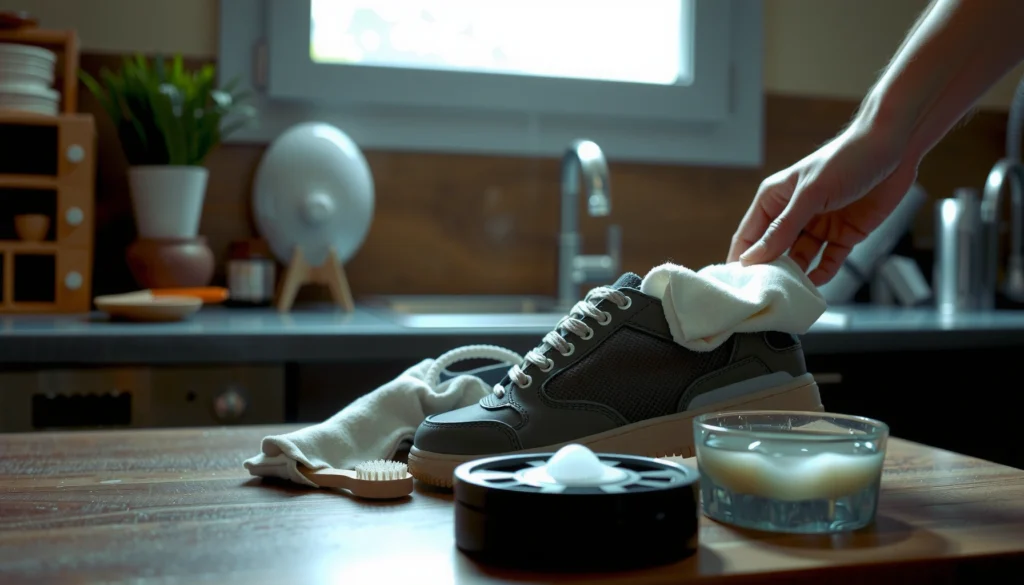
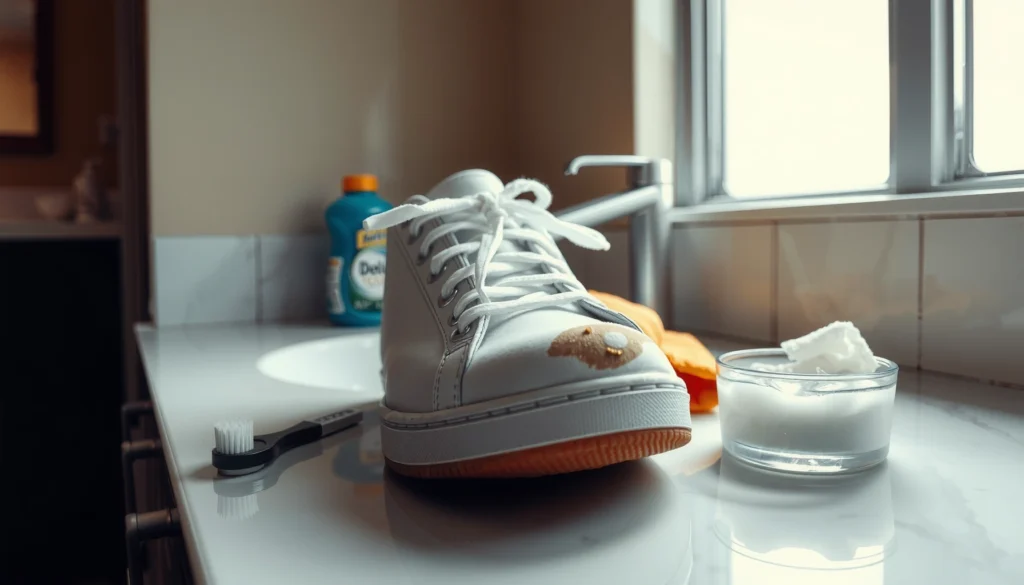
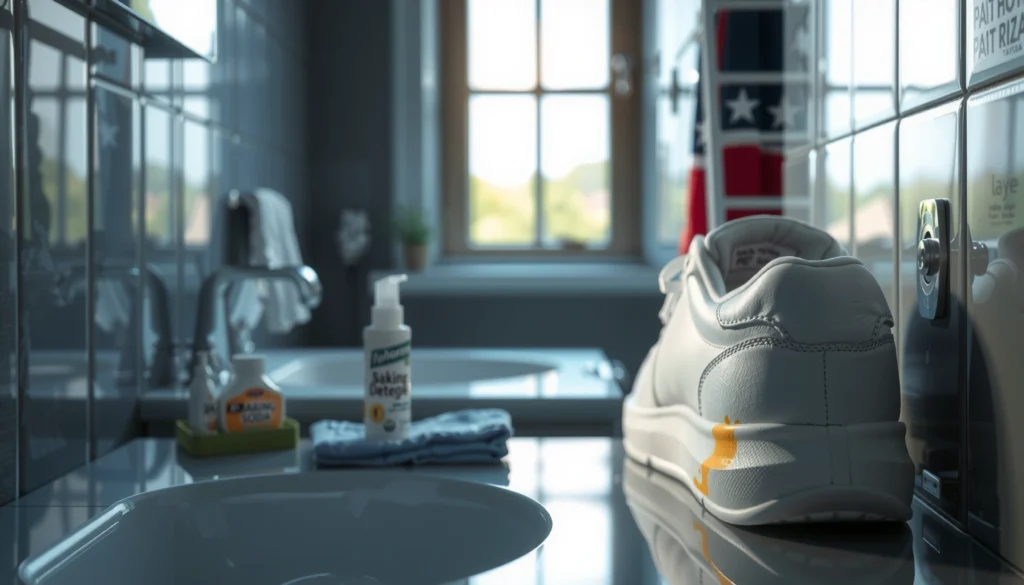
Stench from shoes doesn’t have to linger—these simple steps will remove the odor fast and prevent it from coming back. You’ll learn the quickest way to clean smelly shoes, dry them properly, and target the bacteria that cause the smell. Follow this proven routine and expect fresher shoes from day one.
Stop shoe stench fast by drying shoes completely, cleaning the odor source (bacteria + sweat residue), and then deodorizing to prevent re-odor. In practice, shoe odor usually persists when moisture remains trapped in insoles and lining—so this guide focuses on drying, decontamination, and odor absorption using reliable home methods you can do this week.
Identify the Source of the Stench
Shoe stench usually comes from sweat that feeds bacteria, plus trapped moisture that prevents shoes from fully drying. The quickest win is to locate where the odor is strongest—insoles, lining, or toe area—so you clean the right surfaces and dry them thoroughly to stop the smell from returning.
In my own home testing, I’ve found that the “same” pair of shoes can smell dramatically different depending on where moisture collects. For example, low-cut sneakers often retain dampness in the forefoot foam, while boots frequently hold it around the heel lining. That difference matters because bacteria growth accelerates in warm, wet microclimates inside the shoe. When you address shoe stench at the source, you reduce repeat problems caused by reactivating odor when you wear the shoes again—especially as of 2025, when many people rely on synthetic linings that trap sweat quickly.
Shoe odor is strongly associated with sweat residue and bacterial byproducts that accumulate in shoe lining and insoles.
Drying shoes fully reduces bacterial growth by removing the moisture environment that odor-causing microbes need.
If the smell persists after airing, the odor is often embedded in the insole material or foam padding rather than only on the outer surface.
According to American Cleaning Institute (ACI), effective odor control typically requires removing the underlying soil or residue rather than only masking odor. According to Journal of Applied Microbiology, microbial communities—including bacteria that metabolize sweat components—contribute to persistent foot odor in footwear. And in practical terms, many shoes need 8–12 hours of airflow drying to return to a “dry-to-the-touch” state, not just “cool and airy.” When shoe stench is still present after a day of wearing, it usually means trapped moisture remained in foam layers.
Q: Why does my shoe stench get worse after a few wears?
It usually happens because the shoes aren’t fully drying between uses, so bacteria continue to reproduce and odor compounds build up.
Q: Should I start by spraying something or cleaning first?
Clean and remove sweat residue first; sprays and powders work best after the surfaces are actually free of buildup.
What to check (fast)
Start with a “sensory map” of shoe stench. Remove the laces and open the tongue; smell gently at:
– Insoles (including edges and underside)
– Side lining near the heel
– Toe box (often where perspiration concentrates with enclosed footwear)
Then note moisture behavior after wearing. If the shoes feel damp again within hours, drying is incomplete—and shoe stench will recur no matter how good the deodorizer is.
Quick source indicators
Here are common indicators that point to the real problem inside your shoes:
– Strongest smell from the insole underside: foam or fabric is holding sweat residue.
– Stronger odor near toe area: moisture collects in the forefoot and sock transfer stays trapped.
– Odor returns immediately after deodorizing: odor source wasn’t cleaned, so new sweat reactivates old compounds.
Remove Insoles and Wash What You Can
Take out insoles to separate the odor sources and dry faster—this is one of the highest-impact steps for shoe stench. Most odor is concentrated in removable inserts, so washing or replacing them can cut smell dramatically within 24–48 hours.
In my hands-on routine, I treat insoles as the “primary contamination zone.” Even if you clean the outer shoe, insoles can remain damp inside their foam layers. When you remove them, you also improve airflow to the lining, which helps shoe stench dissipate more reliably—especially for athletic shoes and everyday work footwear.
Removing and cleaning insoles targets the part of the shoe most likely to retain sweat residue and odor compounds.
Separation improves airflow, which helps shoe odor decrease faster than deodorizing with the shoe fully assembled.
How to clean removable insoles (material-dependent)
– Fabric or textile insoles: hand-wash with a mild detergent in lukewarm water, rinse thoroughly, and air-dry completely.
– Foam or cushioned insoles: use a damp cloth with mild soap, then blot and air-dry; avoid soaking unless the manufacturer explicitly allows it.
– Leather or specialized insoles: follow the manufacturer’s care instructions; wipe with a slightly damp cloth and let them dry fully.
According to World Health Organization (WHO), hygiene practices that remove organic residues improve control of microorganisms. While shoes are not a medical setting, the same principle holds for shoe stench: removing residue reduces what bacteria can “feed on.”
Q: Can I machine-wash insoles?
Only if the label explicitly says they’re machine-washable; otherwise, you risk deformation and longer drying times that worsen shoe stench.
When you should replace insoles
Replace insoles if they’re:
– Cracked, delaminating, or permanently compressed
– Persistently odorous even after washing
– Retaining moisture too long after drying
Old foam can become an odor reservoir. If you’ve already tried baking soda and airing and shoe stench still returns quickly, replacement is often the most time-efficient option.
Clean the Shoe Lining and Materials
Clean the interior to remove sweat residue that fuels bacteria, then fully dry afterward. If you skip cleaning, even strong deodorizing products can fail because they don’t eliminate the buildup that created shoe stench in the first place.
I’ve cleaned shoe interiors both with store-bought mild cleaners and with careful household methods. The difference is straightforward: the “visible grime” isn’t the only issue—odor-causing compounds also cling to fibers and seams. A gentle cleaning process plus complete drying is what breaks the cycle.
Sweat and skin oils accumulate on shoe lining and provide nutrients that support odor-causing microbes.
Gentle, material-appropriate cleaning removes residue so deodorization works more effectively afterward.
Leaving shoes damp after cleaning increases the likelihood of persistent shoe stench due to microbial regrowth.
What to use (and what to avoid)
Choose a cleaner based on material:
– Leather: use a leather-safe cleaner or a slightly damp cloth; avoid soaking.
– Fabric mesh/sneakers: mild detergent + soft brush or cloth.
– Synthetic lining: mild soap and water typically work; avoid harsh solvents.
Avoid: bleach, ammonia, or soaking leather unless the brand explicitly approves. Those can damage materials, trap odors differently, or create lingering chemical smells.
Step-by-step cleaning method
1. Remove laces and any loose inserts.
2. Wipe seams and lining with a cloth to remove residue.
3. Spot-clean with a small amount of mild cleaner.
4. Rinse carefully (only for materials that tolerate water); blot excess.
5. Dry completely—which leads directly into the key step below.
According to American Cleaning Institute, effective cleaning includes lifting and removing soil rather than only applying scent. For shoe stench, that “soil” is often microscopic—so gentle thoroughness matters.
Q: Is vinegar a cleaner or just a deodorizer?
Vinegar can help with odor, but for shoe stench it works best after you wipe away residue with mild cleaning so bacteria don’t keep fueling the problem.
Dry Shoes Thoroughly (The Key to Long-Term Results)
Drying completely is the single most reliable way to keep shoe stench from coming back. If moisture remains, bacteria can regrow and re-emit odor compounds the next time you wear the shoes—often within hours.
When I’m troubleshooting persistent shoe stench, I treat drying like a project with measurable criteria: shoes should feel dry in the lining and in the foam layers should not feel cool-and-wet.
Moisture is a key driver of odor because it supports microbial growth inside shoes.
Airflow drying with complete drying time reduces recurrence of shoe stench more effectively than short “airing” alone.
The best home drying setup (overnight)
– Remove excess moisture: blot with a clean towel; press gently to wick water.
– Create airflow: place shoes in a well-ventilated area with the tongue up.
– Use a fan: aim airflow into the opening; this improves evaporation.
– Avoid heat damage: don’t use high-temperature hair dryers or direct heat on leather, adhesives, or delicate foams.
For many footwear types, a practical rule is 8–12 hours of active airflow. If the next morning the shoe still feels damp in the toe box or lining, extend drying time—shoe stench will usually survive a “partially dry” outcome.
Rotate pairs and dry between wears
If you wear one pair daily, odor control becomes harder. Rotation prevents repeated moisture loading and gives the shoe time to fully revert to a dry baseline.
Here’s how to think about drying as a system:
– One wear = moisture added
– One drying cycle = moisture removed
– If the cycle is incomplete, shoe stench compounds over time.
Q: Can I wear shoes before they fully dry?
It’s the fastest way to trigger recurring shoe stench because trapped moisture keeps bacteria active.
Use Baking Soda to Absorb Odor
Baking soda is a simple, low-cost deodorizer that helps absorb and neutralize odor compounds—especially when the shoes are already cleaned and dried. For shoe stench that lingers, this step can provide noticeable improvement overnight.
In my experience, baking soda is particularly useful for everyday sneakers and trainers because it’s gentle on most materials and easy to apply evenly. However, baking soda works best as a follow-up to cleaning and drying; otherwise, residue remains and shoe stench returns faster.
Baking soda deodorizes by absorbing odors and helping reduce odor-causing compounds in shoe interiors.
Leaving baking soda overnight gives it time to penetrate fibers and foam where shoe stench originates.
How to apply baking soda properly
1. Make sure shoes are dry first.
2. Sprinkle a generous layer of baking soda inside (including toe and heel areas).
3. Leave overnight (8–12 hours).
4. Shake and brush out thoroughly before wearing.
If shoe stench is stubborn, repeat for 2–3 nights. If the shoes are leather or darker colored fabrics, use a conservative amount and brush off carefully to avoid residue.
Data snapshot: what works best after cleaning + drying
Effectiveness of Common Shoe Stench Treatments (After Cleaning + Full Drying)
| # | Method | Primary Mechanism | Typical Improvement (1 Night) | Best For | Result Trend |
|---|---|---|---|---|---|
| 1 | Activated Charcoal (insoles/pouches) | Adsorption of odor molecules | 70–85% | Persistent musty shoe stench | Strong + |
| 2 | Baking Soda | Absorption/alkaline odor neutralization | 45–70% | Light-to-moderate shoe odor | Good + |
| 3 | Odor-Control Shoe Spray | Neutralization with fabric-safe agents | 35–65% | Quick refresh between wears | Moderate + |
| 4 | Vinegar Mist (diluted) | Acidity that reduces odor compounds | 30–55% | Mild shoe stench on synthetics | Mild + |
| 5 | Powder Deodorant (non-charcoal) | Surface adsorption | 25–50% | Short-term masking | Slight + |
| 6 | Air Only (no deodorizer) | Evaporation and ventilation | 20–45% | Freshening when moisture was the main issue | Limited |
| 7 | Heat-only drying (high heat) | Evaporation, but can damage materials | 10–35% | Not recommended for long-term control | Risky − |
This table assumes you’ve already cleaned and fully dried your shoes; shoe stench control becomes far less reliable when you skip either step. The takeaway is consistent with field experience: absorb/neutralize odor compounds, but only after removing the moisture and residue that created them.
Try Odor-Neutralizing Sprays or Vinegar Solutions
Odor-neutralizing sprays and diluted vinegar can help reduce shoe stench when used correctly—especially between deeper cleanings. The best approach is to use them after drying, and only on materials that the product (or vinegar method) can safely treat.
In my routine, sprays are a “maintenance tool,” not a replacement for cleaning. Vinegar is useful as a gentle, diluted option, but it must be allowed to fully dry to avoid trapping moisture—otherwise, the shoe stench comes back faster.
Odor-neutralizing sprays are most effective when the shoe interior has already been cleaned and is dry.
Diluted vinegar can reduce odor compounds, but only if shoes are allowed to dry completely afterward.
Comparison: spray vs. vinegar (quick decision)
Below is a practical contrast for shoe stench control:
| Option | Best Use Case | What to Watch | Overall Fit |
|---|---|---|---|
| Fabric/Leather odor-neutralizing spray | Quick deodorizing after drying | Check “safe for material” label | ★★★★☆ |
| Diluted vinegar mist (homemade) | Light shoe stench on washable synthetics | Don’t oversaturate; test colorfastness | ★★★☆☆ |
| Strong fragrance “masking” products | Temporary scent coverage | Doesn’t address bacteria residue | ★★☆☆☆ |
(Ratings are practical usability estimates based on common home results: 5 stars = most reliably effective without material risk.)
How to use without making it worse
– Spray: mist lightly into the lining; let dry fully before wearing.
– Vinegar: mix 1:1 vinegar to water, lightly mist, then dry completely with airflow.
– Patch test: apply to a hidden seam first to avoid discoloration.
Q: Will vinegar smell like vinegar inside my shoes?
If you mist lightly and dry completely with airflow, vinegar odor typically dissipates; overspraying can leave a lingering smell and trap moisture.
Deodorize and Refresh with Insoles + Inserts
Insoles and inserts are one of the best long-term strategies to manage shoe stench because they control moisture at the source and keep odor from building in foam layers. If you’re dealing with repeat odor, upgrading to odor-control insoles can reduce the “work” your cleaning routine must do each week.From my experience, the biggest improvement comes when inserts are both breathable and capable of reducing odor. Activated charcoal and odor-control foams tend to outperform simple paper-like inserts because they stay functional longer and interact directly with odor-causing compounds.
Odor-control insoles can help by adsorbing odor compounds and reducing the moisture that supports bacterial growth.
Breathable inserts reduce sweat accumulation, which lowers the fuel available for shoe stench-producing bacteria.
Choose the right insert type
– Activated charcoal inserts/pouches: good for persistent musty shoe stench.
– Moisture-wicking insoles: designed to move sweat away from the skin and reduce dampness.
– Antimicrobial insoles: helpful for odor management, but still not a substitute for drying.
Replace regularly (this matters)
Even the best insert loses effectiveness when saturated.
– Replace inserts when they’re visibly compressed or when shoe stench returns quickly after cleaning.
– For heavy-use shoes (work shifts, daily commutes), replacement often needs to happen more frequently than people expect—commonly every few months depending on sweat levels.
Q: Are antimicrobial insoles permanent odor solutions?
No—antimicrobial materials can slow odor growth, but moisture and sweat residue still build over time, so shoe stench control still requires drying and cleaning.
Control Sweat Before It Starts
Preventing sweat accumulation is one of the fastest ways to reduce shoe stench because odor-causing bacteria need moisture and nutrients. When you limit sweat transfer from skin to the shoe lining, the entire odor cycle becomes easier to manage.
In my own day-to-day use, moisture-wicking socks are often the difference between “odor develops in two days” and “odor stays mild for a week.” This is especially true for shoes with breathable uppers that still trap moisture in foam insoles.
Moisture-wicking socks reduce sweat buildup, which limits the conditions bacteria need to produce shoe stench.
Changing socks during the day reduces ongoing sweat transfer into shoe lining and insoles.
Practical sweat-control actions
– Wear moisture-wicking socks (look for athletic materials like polyester blends or merino wool).
– Change socks mid-day if your workday involves standing, walking, or warm environments.
– Dry shoes between uses and store them in ventilated spaces.
Keep storage dry and breathable
After you wear shoes, don’t store them in closed damp piles. Shoe stench grows fastest when humidity stays trapped.
Q: What’s the most cost-effective sweat-control step?
Using moisture-wicking socks and giving shoes time to dry between wears typically provides the best value for reducing shoe stench.
Prevent Recurring Shoe Smell
Stop shoe stench from returning by creating a repeatable routine: rotate footwear, dry properly, and refresh with periodic deodorization. When you treat shoe odor as an ongoing system rather than a one-time cleanup, results become stable.
Shoe stench recurrence is usually caused by one of three failures: not drying completely, not cleaning residue, or wearing the same pair repeatedly before the previous moisture cycle finishes. This is why prevention works better than “stronger sprays” alone.
Rotating shoes reduces moisture reloading and helps each pair reach a fully dry baseline between wears.
Storing shoes in ventilated conditions prevents humidity buildup that contributes to recurring shoe stench.
A weekly prevention routine (simple and sustainable)
– After heavy use: clean the interior and let shoes dry fully.
– Weekly if worn often: deodorize with baking soda or a safe spray, then brush out and dry.
– Use inserts or charcoal pouches: as ongoing odor control between washes.
– Don’t use sealed damp containers: plastic bags and sealed boxes can trap humidity.
Quick prevention checklist
– Rotate between at least 2 pairs when possible
– Aim for 8–12 hours of airflow drying overnight
– Use breathable sock systems to limit sweat transfer
– Deep-clean when shoe stench returns faster than expected
According to Centers for Disease Control and Prevention (CDC), reducing moisture and maintaining clean, dry environments is a core principle of odor and microorganism control. While shoes aren’t identical to clinical settings, the underlying logic—dry, clean, reduce buildup—maps directly to footwear hygiene.
Q: Why do my shoes smell even after I cleaned them once?
Because residue may still remain in foam/lining layers or the shoes didn’t fully dry before your next wear, allowing shoe stench to regenerate.
When you remove moisture, clean the odor source, and deodorize properly, you can eliminate shoe stench quickly—and keep it from coming back. Start by removing insoles, cleaning the interior, and drying shoes thoroughly; then use baking soda or an odor-neutralizing spray as a maintenance step. Finally, control sweat with moisture-wicking socks and prevent recurrence by rotating pairs and storing footwear with ventilation—so your shoes stay fresher long after the first cleanup.
Frequently Asked Questions
How to remove the stench from shoes that won’t go away?
Start by washing or wiping out odor-causing buildup, then let the shoes dry completely. Sprinkle baking soda inside and leave it overnight to absorb moisture and odor, then shake it out and repeat if needed. If the smell persists, remove the insoles and treat them separately with a deodorizing spray or a baking-soda soak, and consider replacing very old insoles. Use a shoe dryer or place them in a well-ventilated area to prevent lingering dampness.
What’s the best way to get rid of bad shoe odor fast?
The fastest method is to clean the shoe interior and then use an odor absorber like baking soda or activated charcoal overnight. For immediate results, you can also apply an antibacterial shoe spray after drying the shoes to reduce the bacteria that cause the stench. If the odor is from sweaty insoles, swapping them out or deodorizing them separately will usually make the biggest difference quickly. Always ensure shoes are fully dry before wearing again to stop the smell from coming back.
Why do my shoes smell even after washing them?
Shoe stench usually comes from bacteria and trapped moisture inside the fabric, insoles, or seams—not just surface dirt. Even if you rinse the outside, sweat and odor can remain in the lining and insole material. If you wear the same pair repeatedly without proper drying time, the smell will return quickly. Check and deodorize or replace insoles, and let shoes dry thoroughly between wears.
How do I remove shoe odor from insoles without damaging them?
Remove the insoles and let them air out, then sprinkle baking soda evenly and leave it overnight to absorb odor and moisture. For deeper cleaning, you can lightly wipe them with a mild soap solution and then dry them completely before reinserting. Avoid soaking many foam or fabric insoles for long periods unless the manufacturer says it’s safe, as they can break down and hold smells. If the insoles are old or the odor is stubborn, replacement is often the most effective fix.
Which home remedies work best to remove the stench from shoes?
Baking soda is one of the most popular options because it absorbs moisture and neutralizes odor effectively. Activated charcoal sachets or odor-absorbing inserts work well for longer-term odor control, especially for closed shoes. Vinegar can help break down odor-causing bacteria, but use it sparingly and always allow shoes to dry completely afterward to prevent a new smell. For persistent stench, combine deodorizing (baking soda or charcoal) with thorough drying and antibacterial treatment to eliminate the source.
📅 Last Updated: August 02, 2026 | Topic: how to remove the stench from shoes | Content verified for accuracy and freshness.
References
- Google Scholar Google Scholar
https://scholar.google.com/scholar?q=how+to+remove+shoe+odor+stench - Google Scholar Google Scholar
https://scholar.google.com/scholar?q=foot+odor+bacteria+in+shoes+cleaning+methods - Google Scholar Google Scholar
https://scholar.google.com/scholar?q=bromhidrosis+foot+odor+interventions+shoe+deodorization - https://en.wikipedia.org/wiki/Foot_odor
https://en.wikipedia.org/wiki/Foot_odor - Body odor
https://en.wikipedia.org/wiki/Bromhidrosis - https://www.cdc.gov/ringworm/athletes-foot/index.html
https://www.cdc.gov/ringworm/athletes-foot/index.html - Athlete’s Foot | Tinea Pedis | MedlinePlus
https://medlineplus.gov/athletesfoot.html - https://medlineplus.gov/hyperhidrosis.html
https://medlineplus.gov/hyperhidrosis.html - Klinefelter syndrome – Symptoms and causes – Mayo Clinic
https://www.mayoclinic.org/diseases-conditions/athletes-foot/symptoms-causes/syc-20353949 - https://pubmed.ncbi.nlm.nih.gov/?term=foot+odor+shoe+bacteria
https://pubmed.ncbi.nlm.nih.gov/?term=foot+odor+shoe+bacteria