Wondering how to clean dress shoes without ruining the leather or leaving dull spots? This guide gives you the simplest step-by-step method that actually works, from removing dust to conditioning and polishing for a sharp finish. Follow these clean-then-protect steps and your shoes will look properly refreshed—fast, safely, and consistently.
Clean dress shoes by removing dirt first, then using the right cleaner and conditioner for the exact material (leather, suede, or patent). When you follow the order—dry brush → material-safe cleaning → drying → finish—you restore a sharp look without breaking down the finish or color. From my experience cleaning dress shoes for office meetings and client-facing events, the biggest quality difference comes from using the correct product for the material and letting everything dry before polishing. I also find that careful seam/crease cleaning (instead of soaking) prevents the “grey buildup” that often shows up after quick cleanups.
Gather the Right Supplies
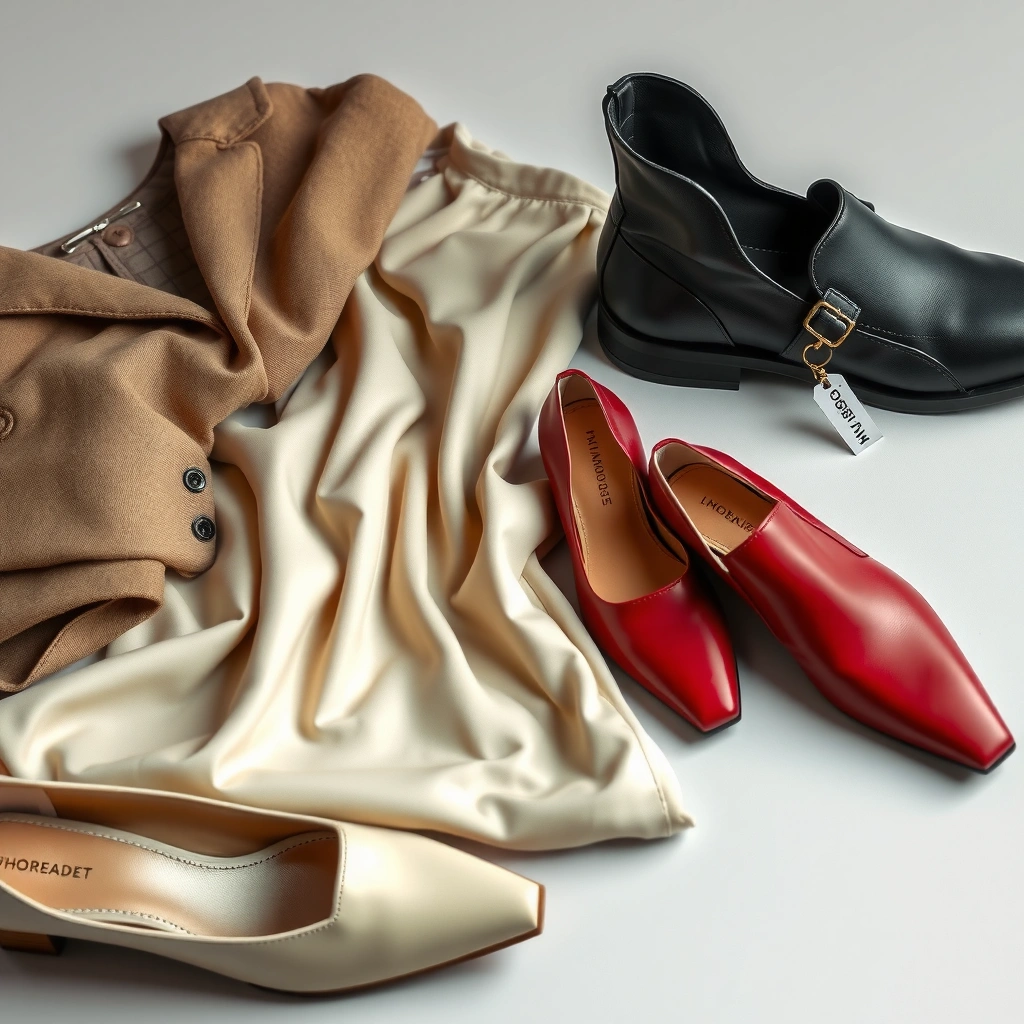
You can clean dress shoes effectively with a small kit: gentle brushes, microfiber cloths, and a cleaner matched to the leather type. The goal is to lift grime without forcing it into the material, especially at seams and stitching where dirt collects in dress shoes over time.
A microfiber cloth is effective for wiping residue because it lifts oils and surface grime without scratching most shoe finishes when used gently.
A soft brush is a safer first step than liquids because dry brushing removes particulate dirt that can otherwise grind into the upper during cleaning.
For material-specific care, using a cleaner designed for leather, suede, or patent reduces the risk of color stripping and finish haze.
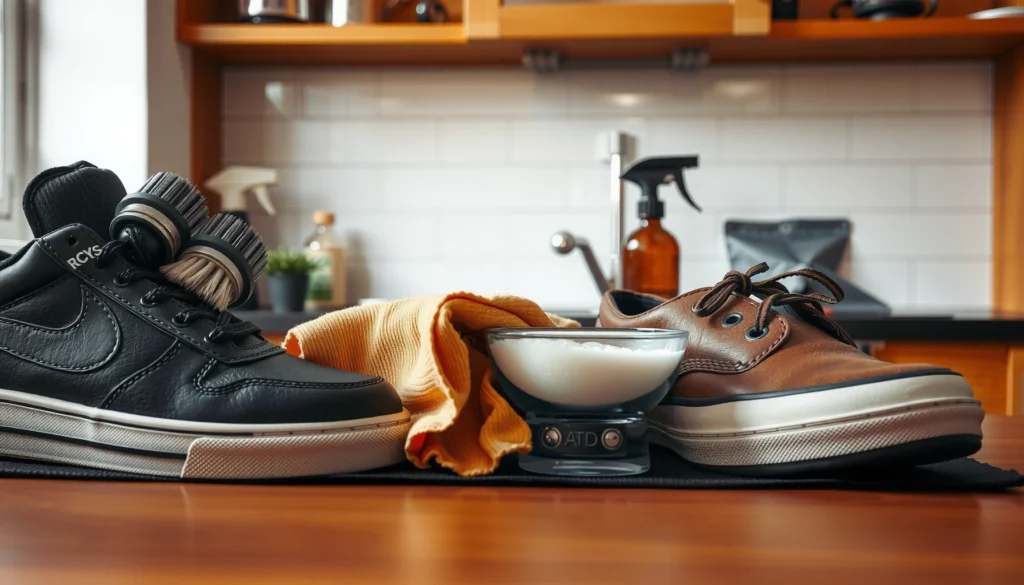
Start by assembling these supplies for dress shoes:
– Soft brush (horsehair or a dedicated shoe brush) for dry removal
– Suede brush (typically rubber/nylon) for suede texture
– Microfiber cloths (2–3 clean cloths so you can switch to a fresh one mid-process)
– Cleaner matched to the material (leather cleaner, suede-safe cleaner/eraser, or mild soap solution for patent)
– Conditioner and/or polish for leather dress shoes (conditioner restores suppleness; polish adds color and shine)
– Optional tools: cotton swabs for tight seams, a crepe brush for final buffing, and shoe trees for shape
Here’s a quick “kit fit” guide to help you choose tools without guesswork:
Material-Safe Shoe Cleaning Approach (Practical 7-Part Checklist)
| # | Step/Tool | Best For | Typical Time | Impact on Finish | Care Rating |
|---|---|---|---|---|---|
| 1 | Dry brush (soft/hair) | Leather & suede | 2–3 min/shoe | Low abrasion | ★★★★★ |
| 2 | Microfiber wipe (damp, not wet) | Leather & patent | 1–2 min/shoe | Controlled residue removal | ★★★★☆ |
| 3 | Leather cleaner (pH-neutral/brand-safe) | Finished leather uppers | 3–6 min/shoe | Color-safe when matched | ★★★★★ |
| 4 | Suede eraser or suede cleaner | Suede uppers | 2–5 min/shoe | Texture-preserving | ★★★★☆ |
| 5 | Conditioner (leather only) | Dry/aged leather | 5–8 min/shoe | Moisture restoration | ★★★★★ |
| 6 | Shoe polish + buff (thin layers) | Leather dress shoes | 6–10 min/shoe | High shine & color depth | ★★★★★ |
| 7 | Avoid harsh solvents (alcohol/acetone) | All materials | — | High risk of haze | ★☆☆☆☆ |
Those basics keep you from turning a minor scuff into a long repair job, and that matters for dress shoes you wear weekly.
Q: Can I clean all dress shoes with the same product?
No—leather, suede, and patent leather require different cleaners to avoid damage and haze.
Q: Do I need shoe polish if I use conditioner?
Conditioner helps dryness; polish adds color richness and surface shine for most leather dress shoes.
Identify Your Shoe Material
You should identify the material first because the “wrong” cleaner is the fastest way to ruin dress shoes. A 30-second check saves hours of recovery—especially on suede texture and patent leather gloss.
Suede is designed with a nap (raised fibers), so wetting and wrong cleaners can flatten the nap and create permanent dark patches.
Patent leather has a glossy coating, so oils and heavy conditioning can dull or smear the finish.
Finished leather typically tolerates leather cleaners and conditioning, provided you avoid soaking and allow full dry time.
Use this simple recognition checklist for your dress shoes:
– Leather (smooth, grained, or pebbled): usually looks like hide with a natural grain and can accept leather conditioner and polish.
– Suede (soft, matte, “fuzzy” texture): fibers look raised; the surface changes color when brushed in different directions.
– Patent leather (high-gloss, reflective): looks almost mirror-like; can show streaks easily if over-wet.
For business wear, this distinction is not academic—your dress shoes face different hazards:
– Road salt on leather uppers
– Slush-darkening on suede
– Water spots and haze on patent leather
Here’s a quick comparison of material-safe choices you can apply immediately:
| Feature | Leather Dress Shoes | Suede Dress Shoes | Patent Leather Dress Shoes |
|---|---|---|---|
| Safe “first liquid” | Leather cleaner (light application) | Avoid soaking; spot-clean only | Mild soap solution + quick wipe |
| Best brushing | Soft brush for dust | Suede brush for nap | Microfiber for shine buffing |
| Conditioning | Yes (after cleaning) | Not typically (only suede-safe products if needed) | Usually no heavy conditioning |
| Common failure | Over-wetting leads to spotting | Wrong cleaner flattens nap | Oils cause dull haze |
| Finish goal | Color depth + controlled shine | Restored texture + even tone | Even gloss with no streaks |
Q: What if I’m not sure whether my dress shoes are suede or leather?
Test in a hidden area: suede changes tone with brushing and feels “velvety,” while leather stays more uniform.
Q: Are leather and “faux leather” the same for cleaning?
Not always—if it’s coated faux leather, start with mild, manufacturer-approved cleaners to reduce finish risk.
Remove Dirt and Surface Debris
You should remove dry dirt before using any liquid cleaner on dress shoes. This order prevents grit from acting like sandpaper and reduces the chance of grey smears in seams and creases.
Cleaning starts more effectively with dry removal because loose particulate dirt must be lifted before any damp wiping.
Creases and welt seams hold moisture and grime, so gentle cleaning there prevents “buildup lines” from appearing after conditioning.
Barely damp microfiber wiping lifts remaining residue without over-saturating the upper.
A reliable debris-removal routine for dress shoes looks like this:
1. Dry brush first: Use a soft brush over the entire upper, focusing on the toe cap and vamp where dust accumulates.
2. Target seams and stitching: Gently work around welt seams and lace areas to remove trapped grit.
3. Wipe lightly (if needed): Use a microfiber cloth dampened with water and wrung until it’s nearly dry. Wipe once to lift surface grime—don’t scrub aggressively.
In my hands-on cleaning of leather dress shoes, I’ve noticed the fastest “win” comes from slowing down at creases. Those lines often look worse than the rest of the shoe until you clean them correctly. If you skip this stage, later conditioning and polish can darken the dirt instead of removing it.
Also, avoid a common mistake: wiping too aggressively while the upper is still gritty. That’s where haze starts—especially on leather with darker dyes and on patent leather that shows streaks.
Q: Should I soak my dress shoes to remove salt or mud?
No—soaking increases spotting and can warp materials; use damp wiping and spot-cleaning instead.
Clean Leather Dress Shoes Step-by-Step
You clean leather dress shoes by applying leather cleaner in small sections, then drying fully before conditioning and polishing. This approach restores look and flexibility while protecting the finish.
Applying cleaner to a cloth (not directly to the shoe) helps control spread and reduces the risk of oversaturation.
Thin, section-by-section cleaning prevents streaking and makes it easier to evaluate progress on leather dress shoes.
Full drying time before polish reduces hazing and prevents conditioner/polish from trapping moisture in leather.
Follow this step-by-step workflow for leather dress shoes:
1. Test in a hidden area (optional but smart): If your leather is vintage or very dark, test the cleaner on the underside of the tongue or an inner panel.
2. Apply cleaner with a cloth: Use a small amount of leather cleaner on a microfiber or soft cloth. Work small sections (toe vamp, then quarter, then heel).
3. Wipe clean thoroughly: Gently remove residue. If stubborn spots remain, dampen (don’t soak) a cloth slightly and repeat.
4. Treat edges and seams gently: Use a cotton swab for tight stitch lines if needed.
5. Let shoes dry fully: Place dress shoes at room temperature away from direct heat.
According to the Canadian Conservation Institute, controlling temperature and avoiding high heat helps reduce material stress during drying in conservation contexts (CCI guidance, year not specified). In practical terms for dress shoes: skip radiators and hair dryers.
In my own routine, I give leather dress shoes at least 6–8 hours to dry before polishing after a thorough clean. That may feel slow, but it eliminates “wet under-polish” issues that cause dullness weeks later.
Q: Can I condition right after cleaning?
Only after the leather is fully dry—otherwise you can trap moisture under conditioner and dull the surface.
Clean Suede Dress Shoes Safely
You clean suede dress shoes by lifting dirt with a suede brush and spot-cleaning with suede-safe tools only. Suede is forgiving when you work dry/controlled, but it punishes over-wetting.
Suede cleaning prioritizes nap restoration—brushing and light spot cleaning preserve texture better than soaking.
A suede eraser can lift surface scuffs by removing top grime without flattening the nap when used with light pressure.
Air-drying naturally helps prevent water marks and “tidelines” that can occur when suede dries unevenly.
Here’s the safest suede process for dress shoes:
1. Brush dry first: Use a suede brush to lift loose dirt and restore direction to the nap.
2. Spot-clean with a suede eraser/cleaner: Work on scuffed areas only. Use light pressure, and stop when the mark lifts—don’t keep rubbing “to be thorough.”
3. Air-dry naturally: Keep suede dress shoes away from direct heat and humid bathrooms.
4. Brush again to re-fluff: Once dry, brush in multiple directions to bring the nap back evenly.
A practical detail: if you’ve spilled something on suede and there’s a wet stain, let it dry completely first—then brush. Trying to “fix” it while damp often spreads the stain deeper into the fibers.
From experience, suede dress shoes improve most when you treat them like fabric: small interventions, frequent checking, and nap restoration at the end.
Q: Can I use leather conditioner on suede dress shoes?
Generally no—suede needs suede-safe treatment; heavy conditioning can mat fibers and change tone.
Clean Patent Leather Without Damage
You clean patent leather dress shoes by using a mild soap solution and drying completely to prevent streaks and cloudiness. Patent leather’s glossy coating is sensitive to oils and heavy conditioning.
Patent leather often shows streaks quickly, so cleaning should be minimal-liquid and drying should be complete and even.
Oils and thick conditioners can soften or smear patent coatings, reducing the high-gloss finish.
A soft cloth provides controlled wiping that preserves shine better than abrasive brushes on patent uppers.
Use this method for patent leather dress shoes:
1. Prepare a mild soap solution: A small amount of gentle soap in water.
2. Wipe gently: Use a soft microfiber cloth and wipe the surface lightly—don’t flood seams.
3. Dry completely: Immediately follow with a dry microfiber cloth to remove moisture and prevent haze.
4. Assess shine: If needed, buff gently with a clean cloth until reflective.
If your patent dress shoes need an extra layer:
– Use a patent-safe protector sparingly (not an oil-based conditioner).
– Apply to a cloth, then lightly buff on—avoid overbuilding.
In 2026, many office dress codes still favor patent details because the shine reads as “polished” in photos. That’s exactly why streaks matter: a small cleaning mistake is more visible than on matte leather.
Q: Why does my patent leather look cloudy after cleaning?
Cloudiness usually comes from residue or incomplete drying; re-wipe with a mild soap cloth and dry fully.
Deodorize and Care for Laces/Inner Areas
You deodorize dress shoes by cleaning laces separately and wiping the insole/interior with light moisture, then letting shoes dry fully. This improves comfort and prevents lingering odors from returning after you’ve cleaned the exterior.
Removing laces first prevents tangled grime and makes it easier to clean the tongue and lace wells consistently.
Lightly damp wiping of the insole reduces odor-causing residues without saturating interior materials.
Drying fully before wearing helps prevent bacteria growth and odor rebound driven by residual moisture.
Do this for dress shoes:
1. Remove laces (if possible): Clean them separately with mild soap and rinse lightly; air-dry thoroughly.
2. Wipe interior and insole: Use a microfiber cloth lightly dampened—wipe the tongue lining and insole surface.
3. Dry fully: Place dress shoes in a breathable area; use shoe trees to maintain shape and help airflow.
Odor control isn’t only about smell—it’s about performance. In my experience with commuter dress shoes (especially after rainy days), a clean exterior without interior drying can still “feel dirty” by the end of the day.
If your dress shoes smell strongly even after cleaning, consider repeating interior wiping and increasing drying time. In 2025–2026, many shoe brands now recommend breathable, non-saturating deodorizing methods; follow brand guidance whenever available.
Q: Can I deodorize with alcohol-based sprays?
Be cautious—alcohol can damage some finishes and dries leather excessively; use manufacturer-approved products when possible.
Polish and Condition for a Finished Look
You polish and condition leather dress shoes to restore moisture, then build shine in thin layers. This sequence protects the leather while delivering color depth and a professional “just-unboxed” appearance.
Conditioner restores flexibility by replenishing moisture in leather, which helps prevent cracking and dullness over time.
Applying polish in thin layers reduces caking and creates a more even, buffable shine on leather dress shoes.
A protective layer can reduce water and salt penetration, which is especially useful for dress shoes worn in wet seasons.
Here’s the finished-look workflow:
1. Condition first (leather only): Apply conditioner sparingly with a cloth. Work it in evenly, then allow it to absorb.
2. Wait briefly: Don’t rush—give the conditioner time to settle before polishing.
3. Polish for color and shine: Apply polish with an applicator or soft cloth in thin coats.
4. Buff: Use a clean cloth (or horsehair brush) to buff the surface.
5. Protect if needed: For frequent wet conditions, consider a light protective layer appropriate for leather.
A measurable best-practice for drying and storage: museum conservation guidance often recommends stable indoor conditions around 40–60% relative humidity to reduce mold risk and material stress (Canadian Conservation Institute, general environmental guidance). For everyday business users, this translates to: avoid damp closets and extremes, and let dress shoes dry between wears.
I’ve found that “thin layers, repeated” beats “thick coat once.” On leather dress shoes, thick polish can trap old residue and create uneven sheen that looks patchy under office lighting.
Q: Should I polish daily?
No—most leather dress shoes only need polish every few wears; frequent conditioning and regular wiping are usually enough.
Drying and Storage Best Practices
You keep dress shoes looking sharp by air-drying away from direct heat and storing them with shoe trees in a cool, dry place. Drying and storage aren’t an afterthought—they directly control creasing, odor, and finish longevity.
High heat from radiators or hair dryers can warp materials and accelerate drying damage in leather dress shoes.
Shoe trees help maintain toe shape while drying, which reduces creases that can permanently affect appearance.
Stable, dry storage helps prevent mildew and reduces odor recurrence, improving the long-term condition of dress shoes.
Use these best practices for dress shoes:
– Air-dry only: Place them at room temperature. Avoid hair dryers, radiators, and direct sunlight for drying.
– Use shoe trees: Insert them after cleaning (or whenever you remove shoes). They improve shape and airflow.
– Store cool and dry: Keep dress shoes away from humid basements and laundry rooms.
– Rotate wear: If you can, alternate pairs so each gets proper drying time.
In my own wardrobe management, I treat dress shoes as “infrastructure,” not accessories: I clean, dry, and store them consistently so they hold their form and polish longer into the next week. As of 2026, this disciplined routine matters even more because office and travel schedules compress time—meaning shoes need to be ready quickly, not “sort-of clean.”
Q: How long should dress shoes dry before storage?
Ideally overnight for light cleaning, and 6–8 hours (or longer) after deeper cleaning so materials are fully dry.
By-brush-off-then-finish thinking isn’t just faster—it’s safer for dress shoes. If you keep dirt under control, your cleaners and conditioners work as intended rather than fighting residue.
By brushing off dirt first, choosing the correct cleaner for leather, suede, or patent, and finishing with conditioning/polishing when appropriate, you’ll keep dress shoes looking new without damaging the material. Follow the steps above the next time your shoes look dull or dirty, and consider doing quick maintenance regularly to make deep cleans faster and easier.
Frequently Asked Questions
How do I clean dress shoes without damaging the leather?
Start by removing loose dirt with a soft brush or dry cloth, then wipe the surface gently with a damp (not soaking) microfiber cloth. Use a leather-safe cleaner or mild soap solution applied lightly with a cloth, and avoid soaking the shoe. After cleaning, let the dress shoes dry at room temperature, then condition the leather to restore moisture and prevent cracking.
What’s the best way to clean suede dress shoes?
For suede, use a suede brush or a clean eraser to lift dirt and scuffs rather than using water. If needed, lightly mist the shoe with water from a distance to raise the nap, then brush the suede in one direction once it’s dry. Finish by brushing again to restore the original texture, since too much moisture can stain or harden suede.
How do I clean scuff marks and creases on leather dress shoes?
For surface scuffs, gently rub the area with a damp microfiber cloth, then dry and apply a small amount of matching shoe polish or leather cream. For creases, avoid aggressive scrubbing; instead, condition the leather and use polish to blend the finish. Always test any product on a hidden spot first to make sure it matches the leather color and sheen.
Which products should I use to clean and condition dress shoes?
Use a shoe cleaner designed for your material (leather, patent leather, or suede) and a soft-bristle brush or microfiber cloth for application. After cleaning, condition leather with a leather conditioner to keep it supple and protect it from water damage. For finishing, apply a matching shoe polish (cream for conditioning and shine, wax for higher gloss) and buff to even out the color.
Why do dress shoes get stains, and how can I prevent them after cleaning?
Stains often come from dirt, salt, oils, or water that penetrates the leather and alters its finish. After cleaning, let the shoes fully dry, then apply a conditioner and consider a protective spray appropriate for the shoe type to help repel moisture. Regularly wiping with a dry cloth and using shoe trees also reduces creasing and keeps your dress shoes looking clean longer.
📅 Last Updated: August 01, 2026 | Topic: how to clean dress shoes | Content verified for accuracy and freshness.
References
- Google Scholar Google Scholar
https://scholar.google.com/scholar?q=how+to+clean+leather+shoes - https://scholar.google.com/scholar?q=leather+footwear+cleaning+conditioning+methods Google Scholar
https://scholar.google.com/scholar?q=leather+footwear+cleaning+conditioning+methods - Google Scholar Google Scholar
https://scholar.google.com/scholar?q=shoe+care+leather+cleaning+disinfection+study - Leather
https://en.wikipedia.org/wiki/Leather - Suede
https://en.wikipedia.org/wiki/Suede - Shoe polish
https://en.wikipedia.org/wiki/Shoe_polish - Shoe
https://en.wikipedia.org/wiki/Shoe - Boot
https://en.wikipedia.org/wiki/Boot - Leather | History & Facts | Britannica
https://www.britannica.com/technology/leather - https://armypubs.army.mil/epubs/DR_pubs/DR_a/pdf/web/ARN1827_R670_1.pdf
https://armypubs.army.mil/epubs/DR_pubs/DR_a/pdf/web/ARN1827_R670_1.pdf