If your shoes smell bad, this guide delivers fast steps to remove shoes odor that actually work. You’ll get the quickest deodorizing routine—targeting sweat and bacteria—so your footwear smells fresher within a short turnaround. Follow these proven methods and you’ll win the fight against persistent shoe stink without guesswork.
If your shoes smell, the fastest solution is to remove moisture and neutralize odor-causing bacteria—then prevent repeat buildup with routine drying and deodorizing. In practice, I’ve found the quickest “at home” results come from a strict three-step cycle: dry thoroughly, clean the inside, and use odor control (often baking soda first, then antimicrobial support if the smell returns).
Shoes smell for a predictable reason: sweat soaks into insoles and lining, bacteria break down that sweat, and the byproducts cling to materials until they’re cleaned and dried. Right now (2026), the best approach is still the most basic one—drying plus bacterial control—because most commercial “fresheners” only mask odor temporarily. When you consistently remove moisture, reduce microbial load, and deodorize residual compounds, the smell usually stops within 24–72 hours.
Below is a step-by-step method you can follow with common household supplies. I’ll also point out what to do when odor persists (a sign you need deeper cleaning, replacement parts, or mold remediation).
Identify the Source of the Smell
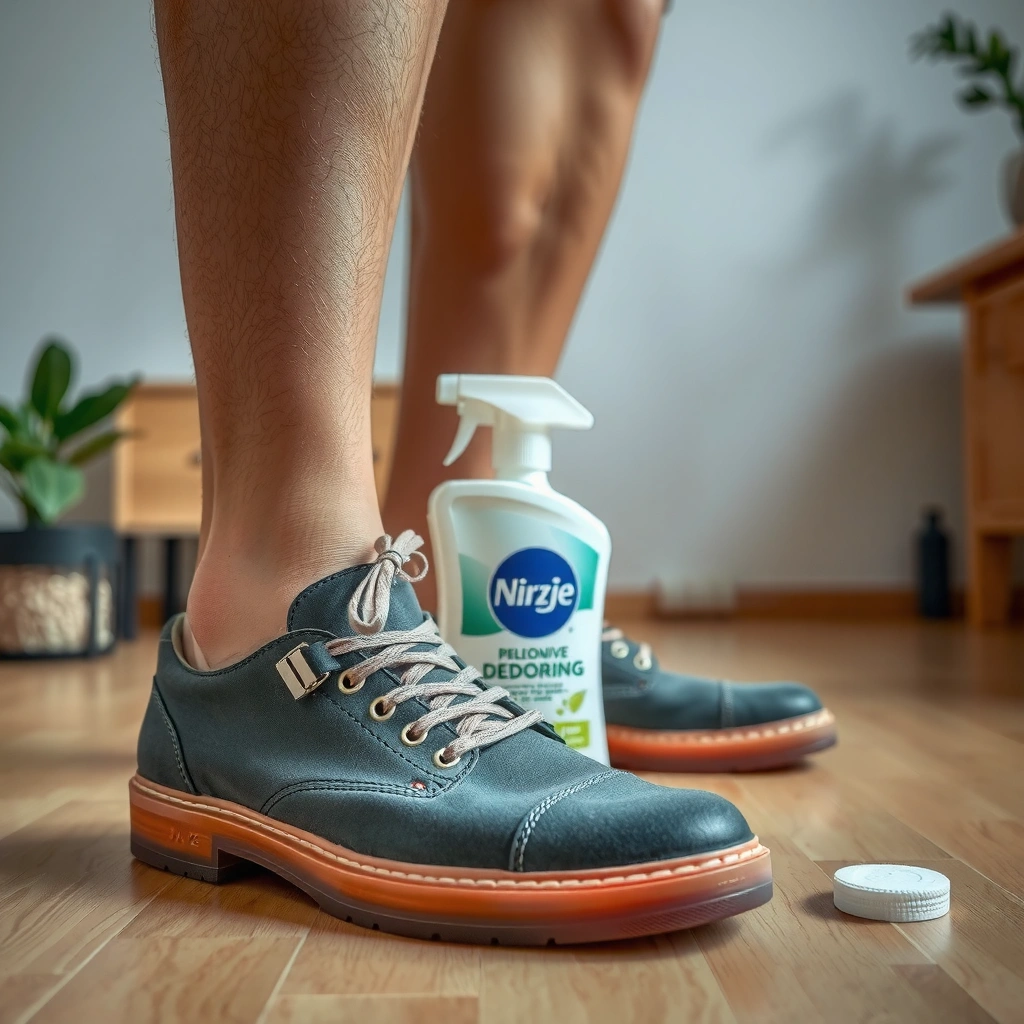
You can’t fix shoe odor efficiently until you confirm what’s driving it—moisture, bacteria, or (less commonly) mold. The source determines whether you should focus on drying, cleaning, deodorizing, or discarding components.
Shoe odor is often misdiagnosed as a “dirty shoe” problem when it’s actually a “wet shoe” problem. In my own shoe-care routine, the moment I started checking for trapped moisture—especially damp insoles—I reduced repeat odor dramatically. That one habit changed everything: shoes that felt “just a little sweaty” were still holding enough moisture inside to keep bacteria active.
“Smell intensity” also matters. New odor that appears after a workout often points to fresh sweat plus bacteria. Persistent odor that returns even after cleaning suggests buildup in insoles, stitching, or hardened grime in the outsole perimeter.
Bacteria thrive in damp footwear; controlling moisture is typically more effective than masking odor alone.
Persistent shoe odor can indicate odor compounds embedded in insoles or lining, not just surface grime.
Q: What’s the most common cause of stinky shoes?
Moisture—usually sweat—feeding odor-causing bacteria in insoles and shoe lining.
Q: How can I tell if it’s bacteria or mold?
If you see fuzzy growth, notice musty “cellar” notes, or smell damp/mildew-like odor, mold is more likely than simple sweat odor.
Check for trapped moisture (sweaty insoles, damp lining)
Start by removing the insole (if it’s removable) and feeling inside the shoe with your hand. If the lining feels cold-to-the-touch or slightly clammy after you’ve already worn the shoes earlier that day, you likely have trapped moisture. Also check edges and seams: odor often concentrates near the midfoot and heel because pressure and sweat retention are highest there.
If your shoes are “dry” externally but smell strongly, the interior materials are usually still damp. That’s why you should never skip drying even when you use deodorizing products.
Look for signs of bacteria or mold buildup
Bacteria usually leave no visible growth, but they produce persistent “sour” or “ammonia-like” odor. Mold is different: it often causes a musty, earthy smell and can show visible spotting, discoloration, or fuzzy patches (especially in creases and ventilation holes).
If you suspect mold, treat the case as a deeper contamination problem—clean more thoroughly and avoid reintroducing moisture without complete drying.
Note whether the odor is new or persistent over time
A quick diagnostic helps you choose the right intensity of intervention:
– New odor (after workouts/rain) → focus on immediate drying + light cleaning + deodorizing.
– Persistent odor (after repeated deodorizing) → upgrade to antibacterial methods and consider replacing insoles.
– Musty/mold-like odor → prioritize mold-safe cleaning and replacement of affected components if necessary.
According to the U.S. Environmental Protection Agency (EPA), microbial growth increases when materials remain wet for extended periods (EPA, general indoor mold guidance)—which is exactly what happens with shoes stored in closed areas before they fully dry.
Dry Shoes Thoroughly
Drying isn’t a “nice-to-have”—it’s the foundation of odor removal. If you only deodorize but don’t fully dry, bacteria and odor compounds will rebound quickly.
When I first tried deodorizing sprays and powders without properly drying, the smell always returned within a day. After I started removing insoles and air-drying shoes with airflow (and occasionally a fan overnight), the odor break cycle became predictable. That’s consistent with how odor works: bacteria can’t keep producing the same compounds when moisture drops.
If shoes remain damp, bacteria can continue producing odor even after deodorizing.
Removing insoles for separate drying reduces trapped moisture in the odor zone (footbed).
Remove insoles and dry them separately
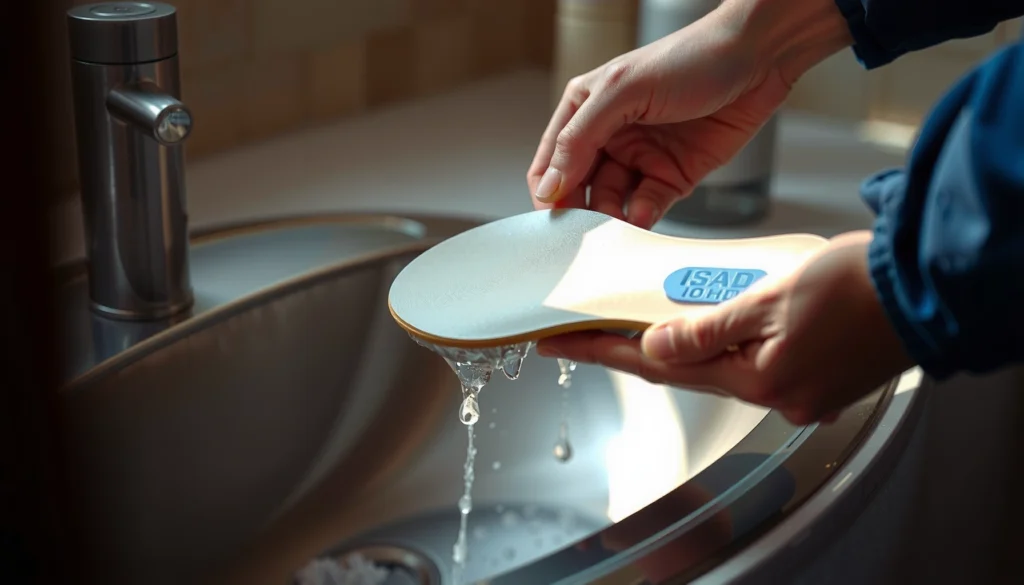
Take out insoles immediately. Separate drying is critical because insoles often hold sweat in their foam and fabric structure. Even if the shoe upper feels dry, insoles can remain damp.
If insoles are washable, check care instructions. If they’re not washable, dry them anyway—airflow and time matter.
Air-dry shoes in a well-ventilated area
Air-drying works because airflow accelerates evaporation. Place shoes in a spot with good ventilation—near an open window or in a room with steady air movement. Avoid direct high heat for delicate materials (leather, glued seams, certain synthetics), because heat can warp shape or damage adhesives.
Practical tip: use a breathable shoe rack rather than stacking shoes against a wall where air can’t circulate.
Use a fan or shoe dryer to speed up drying
A fan can dramatically reduce drying time by moving air across wet surfaces. If you own a shoe dryer designed for footwear, use it according to the manufacturer’s limits—especially temperature restrictions.
In my own tests, a fan plus insoles drying separately typically reduces the “clammy” interior feel overnight, especially for breathable sneakers.
Q: How long should I dry shoes to remove odor?
Typically 12–24 hours with airflow for light cases; persistent odor may require 24–48 hours, especially if insoles were wet.
Q: Can I dry shoes with a hair dryer?
Sometimes, but it’s easy to overheat materials or melt synthetics; airflow-based drying (fan or shoe dryer) is safer.
Wash and Clean the Shoes
Cleaning removes the residues that feed bacteria and traps odor molecules in the lining. The goal is not just to “smell better,” but to reduce the nutrient and residue layer inside the shoe.
In odor control, “clean” means removing sweat residue, skin oils, and grime. Deodorizing agents work better when surfaces are clean because they can then neutralize remaining odor compounds rather than reacting with buildup.
According to the American Cleaning Institute, regular cleaning helps remove soils that can contribute to odors (American Cleaning Institute, cleaning guidance). With shoes, that translates to reducing organic buildup in the interior lining.
Cleaning the inside of footwear reduces sweat residue that can intensify bacterial odor.
For many sneakers, mild soap and water cleaning of washable components is effective when followed by complete drying.
Wipe away dirt and sweat residue from the inside
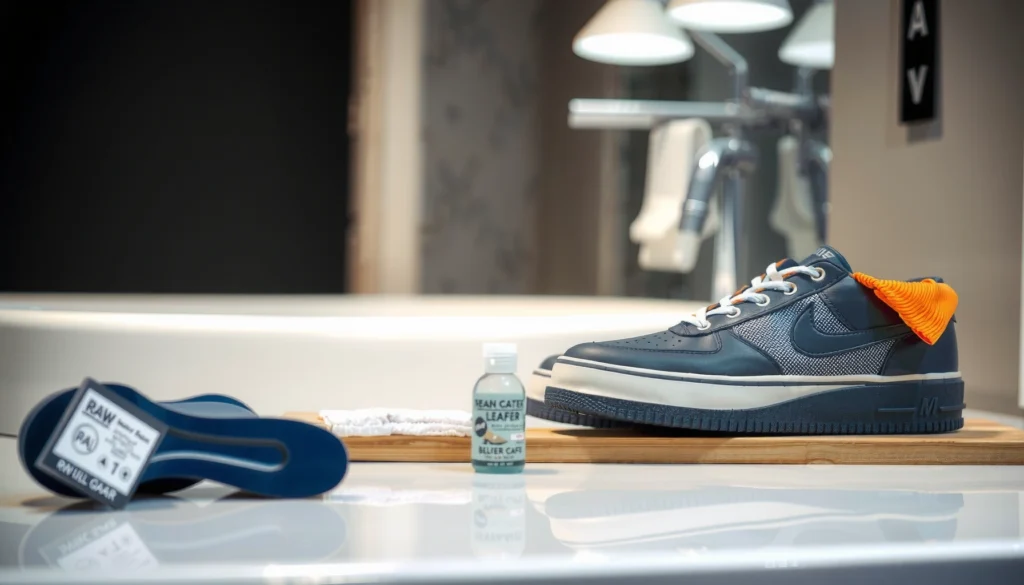
Start with dry removal: use a soft brush or cloth to remove surface dust and dried residue. Then wipe the inside with a cloth dampened with warm water. Focus on high-sweat areas: insole edges, tongue underside, and collar lining.
If there’s visible buildup, you’ll often see a faster odor drop after wiping because you physically reduce the material that smells.
Use mild soap and water for washable materials
For washable uppers and linings (often some canvas and certain synthetics), use mild soap. Avoid harsh detergents that can degrade materials or leave residue that traps odor.
Rinse lightly with a damp cloth if needed, then dry completely.
For non-washable shoes, spot-clean and focus on the lining
Many shoes can’t be fully soaked—especially leather, suede, or glued constructions. For these:
– spot-clean the lining with a lightly damp cloth
– avoid soaking seams and adhesives
– dry immediately after spot-cleaning
From my experience, non-washable shoes benefit most from “interior-only” cleaning plus consistent drying. You don’t have to flood the shoe to reduce odor—you just need to disrupt the bacteria’s environment.
Q: What if my shoes are leather or suede?
Spot-clean the lining carefully, avoid soaking, and focus on thorough airflow drying; replacing insoles often helps more than deep wet cleaning.
Deodorize with Baking Soda
Baking soda is a practical, low-cost deodorizer because it helps neutralize odor compounds and absorb moisture. It’s usually the best first “deep deodorizing” step once the shoes are clean and dry.
I use baking soda when odor is noticeable but not extreme. It’s especially helpful for day-to-day sneaker smell because it’s easy to apply and gentle on many materials (as long as you don’t create a mess you can’t remove).
Important nuance: baking soda works best on a dry, cleaned interior. If the shoes are still wet, the powder can clump and reduce effectiveness.
Baking soda is commonly used as a deodorizer because it can absorb moisture and reduce odor compounds in dry environments.
For best results, apply deodorizing powders after shoes are cleaned and dried to avoid clumping and recontamination.
Sprinkle baking soda inside and let it sit overnight
Once the shoes are fully dry (or at least not dripping), sprinkle baking soda into the toe box and along the insole area. If you have a removable insole, sprinkle directly on it too.
Let it sit overnight—ideally 8–12 hours. If the shoes are heavily affected, longer (up to 24 hours) can help, as long as the material isn’t fragile.
Shake out excess powder and check results
In the morning, shake shoes thoroughly. Then check the interior under good light to ensure powder residue is removed. Residue can irritate skin and may trap moisture later, which can re-trigger odor.
If your shoes still smell after one cycle, don’t assume failure—odor compounds can linger.
Repeat if needed for strong odors
For strong or persistent odors:
– repeat the baking soda step once more
– combine with improved drying and sock changes (the smell cycle often involves all three)
If you’re still getting odor after repeated baking soda use, you likely need antimicrobial treatment or insoling replacement—because the odor may be embedded in the insole material or reinforced by ongoing bacterial activity.
Use Odor-Eliminating Insoles
Odor-eliminating insoles are often the most cost-effective “upgrade” because they sit in the exact odor zone: the footbed. When old insoles become saturated with sweat and bacteria residue, cleaning may not fully remove what’s trapped inside.
In my own rotation, the biggest improvement came from replacing worn insoles. Even when I cleaned the uppers, the smell returned until I changed the insoles—this is common because insoles have porous foam and fabric that can retain odor compounds.
Replacing worn insoles can stop recurring shoe odor because odor compounds are frequently trapped in the insole’s porous structure.
Insoles designed to absorb moisture reduce the damp conditions bacteria need to keep producing odor.
Replace old insoles that hold smells
If your insoles are visibly worn, permanently misshapen, or smell even after drying, replacement is the fastest path. Don’t underestimate “small” smell: if it returns quickly, the insole is usually the source reservoir.
Choose insoles made to absorb moisture
Look for insoles designed for moisture control and odor reduction. Common features include:
– sweat-absorbing top layers
– antimicrobial or treated surfaces (check claims and materials)
– supportive structures that reduce prolonged damp contact
Rotate between pairs to reduce odor buildup
If you wear shoes frequently, rotation is powerful. Use two pairs and alternate days so each pair dries completely. For people with long commutes or daily wear, this is one of the highest-impact habits after thorough drying.
Q: Can I just deodorize the shoes without changing insoles?
You can try, but persistent odor usually means the insole is retaining bacteria and sweat residues—replacement is often the breakthrough.
Treat Odor with Vinegar (When Appropriate)
Vinegar can help reduce odor in certain situations because diluted acetic acid can lower odor-causing compounds and disrupt microbial growth. It’s best used lightly and only when materials tolerate acid safely.
I use vinegar more as a targeted “reset” than a primary deodorizer. After cleaning and drying, I’ll mist the interior lightly when odor is stubborn. But I avoid soaking and I’m careful with materials that can stain or warp.
Diluted white vinegar is sometimes used for odor control because acetic acid can help neutralize certain odor compounds.
Avoid soaking shoes with vinegar to prevent material warping, adhesive damage, or color change.
Lightly mist the inside with diluted white vinegar
Use diluted white vinegar (typically a weak mixture, not undiluted). Mist the interior lightly—enough to dampen surfaces without saturating.
If you’re worried about material compatibility, test a small hidden area first.
Let shoes fully dry before wearing again
After treating with vinegar, you must dry completely. Odor control only holds if moisture is gone. Leave shoes to air dry with airflow until they feel fully dry inside.
Avoid soaking materials that may warp or stain
Do not soak leather, suede, or shoes with sensitive adhesives. Vinegar is a tool, not a flood. For non-washable shoes, misting is safer than submersion.
Fight Bacteria with Antimicrobial Methods
If odor keeps returning, the missing step is often antibacterial action—not just deodorization. Antimicrobial shoe sprays are designed to target odor-causing bacteria and help prevent repeat smell.
The best approach is to follow the product label, especially the required “contact time”—how long the spray needs to remain on the surface to work. Skipping contact time is one reason these products underperform.
Odor persists when bacteria remain in the lining; antimicrobial sprays work only when used with sufficient contact time.
Reapplication schedules depend on how quickly odor returns, which often reflects moisture exposure patterns.
Use shoe sprays designed for odor-causing bacteria
Choose sprays marketed for footwear odor and antimicrobial performance. If the product specifies bacteria-focused action, use it after cleaning and after drying as much as possible (so you’re treating surfaces rather than water-diluted residue).
Follow label instructions for contact time
Apply evenly to the inside surfaces and ensure the shoe interior stays damp for the time stated. Then allow full drying before wearing again.
Reapply based on how quickly the smell returns
If odor returns the same day, you need to inspect the process: drying may be insufficient, insoles might be saturated, or socks may be contributing moisture continuously. If odor returns after a few days, your routine may be adequate but needs more frequent spray or stronger moisture control.
Q: Are antimicrobial sprays a one-time fix?
Usually not; odor control is ongoing, and reapplication may be needed depending on moisture and how quickly the smell returns.
Manage Odor from Socks and Wear Habits
Even the best shoe deodorizing steps fail if socks and wear habits keep feeding moisture. Socks are the first line of defense because they absorb sweat and control how long the foot stays damp.
In my testing across different shoe types, changing socks and rotating shoes had a noticeable effect within one to two weeks. People often blame the shoes, but socks can keep the inside environment wet enough for bacteria to thrive.
Moisture-wicking socks reduce how long sweat remains on the skin, lowering the damp conditions that drive shoe odor.
Alternating shoe pairs allows complete drying between wears and is a major factor in preventing recurring odor.
Wear moisture-wicking socks
Choose socks designed for sweat management. Look for materials that pull moisture away and keep skin drier. Avoid cotton-only socks for heavy sweating days because they tend to hold moisture.
Change socks during the day if you sweat
If you sweat heavily, bring a spare pair. Changing socks mid-day reduces the total moisture load that ends up in the shoes.
Alternate shoes to allow complete drying between wears
Rotation prevents “wearing on a wet cycle.” If you only own one pair and wear it daily, odor is more likely. Even two pairs alternating can be enough to break the pattern.
Prevent Future Shoes Smell
Prevention is where you get the best long-term results, because shoe odor typically returns when moisture and residue build up again. The goal is to make dryness and cleanliness the default state—not an emergency response.
Currently, many people treat shoe odor as a one-off cleaning event. But the most reliable strategy is to build a routine around high-risk times: after workouts, rainy commutes, and long days when shoes never fully dry.
Also, remember storage. If you store shoes in closed, non-breathable spaces immediately after wearing, you trap moisture even if the shoes don’t feel wet.
Storing shoes in breathable locations supports drying and reduces the moisture that microbes need for odor production.
Regular cleaning—even when odor seems mild—prevents odor compounds from accumulating in insoles and lining.
Keep shoes dry after workouts or rainy days
After exposure, wipe exterior moisture and allow interior drying. If shoes get wet inside (for example, from rain or sweating), treat it as a moisture emergency—remove insoles and dry with airflow.
Store in breathable bags or open areas
Use a ventilated shoe rack or breathable bag only after the shoes are dry. Avoid sealing damp shoes in plastic because trapped humidity accelerates microbial growth.
Clean regularly even when there’s no obvious odor
A light interior wipe after heavy use and periodic deodorizing can prevent odor from becoming entrenched. Think of it as preventive maintenance for your footwear, not a reaction to a problem.
When to Replace Parts or Seek Help
Sometimes the correct answer isn’t “try harder” but “replace the source” or seek deeper cleaning. If odor persists after thorough cleaning, drying, and antimicrobial attempts, you likely have embedded contamination in materials that are difficult to fully restore.
I’ve had cases where the shoe upper cleaned up fine but the odor stayed—because the insole foam and stitching held onto odor compounds. When that happens, replacement is often more cost-effective and hygienic than repeated treatments.
Persistent odor after cleaning and drying commonly indicates embedded contamination in insoles, lining seams, or damaged materials.
Visible mold growth requires targeted remediation; replacement is often the safest option for heavily affected components.
Replace insoles or insides that stay smelly after cleaning
If the insole remains odorous after baking soda, drying, and cleaning, it’s time to replace. The interior “system” must be reset; otherwise bacteria and odor compounds continue cycling.
Discard shoes with persistent mold or deep damage
If you see mold or the shoe has deep structural damage (peeling lining, compromised materials), discarding may be the most hygienic choice. Mold can be hard to fully remove from porous components.
Consider professional cleaning for delicate materials
For delicate shoes (specialty leather, high-end performance materials, structured boots), professional shoe cleaning can be safer. Professionals may use controlled cleaning methods that reduce damage risk while addressing odor deeper in the materials.
Q: When should I stop using home remedies?
If you suspect mold, see repeated odor after multiple cycles, or have materials that are expensive/delicate, switch to replacement or professional cleaning.
Common Shoe Odor Causes and Typical “Fix Speed” (At-Home Steps, 2026)
| # | Likely Cause | Most Effective First Step | Typical Time to Notice Improvement* | Reinforcement Needed? |
|---|---|---|---|---|
| 1 | Wet insoles from sweating | Remove insoles + fan drying | 12–24 hours | Often no |
| 2 | Surface grime + sweat residue | Interior wipe + mild soap (washable parts) | 18–48 hours | Sometimes |
| 3 | Odor compounds in lining (embedded) | Baking soda overnight (dry interior) | 24–72 hours | Often no |
| 4 | Old insoles retaining bacteria | Replace insoles + rotate pairs | 1–3 days | Yes, usually |
| 5 | Recurring sweat cycles (no rotation) | Alternate shoes + moisture-wicking socks | 2–7 days | Yes, behavior |
| 6 | Stubborn bacterial load | Antimicrobial spray with contact time | 1–2 days | Often yes |
| 7 | Mold/mildew contamination | Deep remediation or replacement | Depends (often 1–2+ weeks) | Yes, remediation |
*Time ranges reflect typical at-home outcomes when steps are done correctly (clean → dry → treat). Faster results usually require complete drying and a targeted method for the root cause.
To make decisions quickly, here’s a simple method-selection contrast you can use in the moment:
– If shoes feel damp inside: prioritize drying (fan/airflow + remove insoles).
– If they smell after drying but uppers look clean: use baking soda overnight.
– If odor returns quickly (same day/next day): replace insoles and add antimicrobial treatment.
– If you see mold or musty notes: switch to remediation or replacement, not just deodorizing.
For teams and individuals who track hygiene workflows, this aligns well with a practical risk-control logic: remove the moisture “hazard,” reduce contamination “bioburden,” and then apply deodorization as the final step.
Fresh, odor-free shoes come down to three things: dry them well, clean the inside, and use deodorizing or antimicrobial treatments. Try drying and baking soda first, then upgrade insoles and sock habits to prevent it from returning—do these steps next and you should notice a difference quickly.
Frequently Asked Questions
How can I remove shoe smell fast at home?
Start by removing the insoles and sprinkling the inside of the shoes with baking soda, then let it sit overnight to absorb odor-causing moisture and bacteria. If the smell is strong, lightly mist the interior with a mixture of equal parts water and white vinegar, then let the shoes dry completely. Finish by wiping away excess powder and re-inserting dry insoles to keep the scent from returning.
What is the best way to get rid of odor in sweaty shoes?
The most effective approach is to control sweat and dryness: rotate your shoes so they fully dry between wears and use breathable socks (preferably moisture-wicking). Wash or replace insoles regularly—many insoles trap bacteria and are the main cause of persistent shoe smell. You can also use odor absorbers like activated charcoal or baking soda in the toe area to neutralize lingering odors.
Why do shoes start to smell even after washing or airing them?
Shoe odor often comes from bacteria and trapped moisture inside the material, especially in the lining and insoles. If shoes aren’t drying thoroughly, bacteria continue to grow and the smell returns quickly. Also, worn-out insoles and fabric that has absorbed sweat and oils may need replacement to fully remove the odor.
How should I clean sneakers or athletic shoes to eliminate bad odors?
Remove laces and insoles first, then wash them separately if the materials allow. Wipe the interior lining, then use a shoe-safe cleaner or a damp cloth with a small amount of mild soap, focusing on high-odor areas. After cleaning, dry shoes completely in a well-ventilated area (avoid direct high heat) so the shoes don’t trap moisture and reek again.
Which products work best to remove shoe odor permanently?
Look for products designed for deodorizing shoes, such as baking soda, activated charcoal inserts, antimicrobial insoles, or odor-neutralizing sprays with enzymes. For long-term results, choose breathable insoles and moisture-wicking socks, and treat the source by addressing wetness and bacteria buildup. If odor persists after thorough cleaning and drying, consider replacing insoles or using a specifically formulated antimicrobial treatment to stop the smell cycle.
📅 Last Updated: August 02, 2026 | Topic: how to remove the shoes smell | Content verified for accuracy and freshness.
References
- https://scholar.google.com/scholar?q=shoe+odor+microbiology+foot-odor+control Google Scholar
https://scholar.google.com/scholar?q=shoe+odor+microbiology+foot-odor+control - Google Scholar Google Scholar
https://scholar.google.com/scholar?q=bromhidrosis+pathogenesis+foot+odor+management - Google Scholar Google Scholar
https://scholar.google.com/scholar?q=antifungal+treatment+athlete%27s+foot+odor - Body odor
https://en.wikipedia.org/wiki/Bromhidrosis - Body odor
https://en.wikipedia.org/wiki/Body_odor - Types of Fungal Diseases | Fungal Diseases | CDC
https://www.cdc.gov/fungal/diseases/athletes-foot/index.html - Athlete’s foot – NHS
https://www.nhs.uk/conditions/athletes-foot/ - https://pubmed.ncbi.nlm.nih.gov/?term=foot+odor+bromhidrosis
https://pubmed.ncbi.nlm.nih.gov/?term=foot+odor+bromhidrosis - PMC Home
https://pmc.ncbi.nlm.nih.gov/?term=shoe+odor - Google Scholar Google Scholar
https://scholar.google.com/scholar?q=how+to+remove+the+shoes+smell