Want a step-by-step way to clean cheer shoes that actually brings them back to game-day condition? This guide gives you the exact process for removing scuffs, stains, and odor from both the soles and uppers—without damaging glue, foam, or materials. Follow it and you’ll know what to do at each stage, so your cheer shoes look cleaner and last longer.
Cheer shoes stay fresh by removing loose dirt first, then cleaning the soles and uppers with the right method for the material. This step-by-step guide shows you exactly what to use, how to scrub without damage, and how to dry them properly so they’re ready for practice or game day—without ruining adhesives, cracking uppers, or leaving odor behind.
Gather Cleaning Supplies
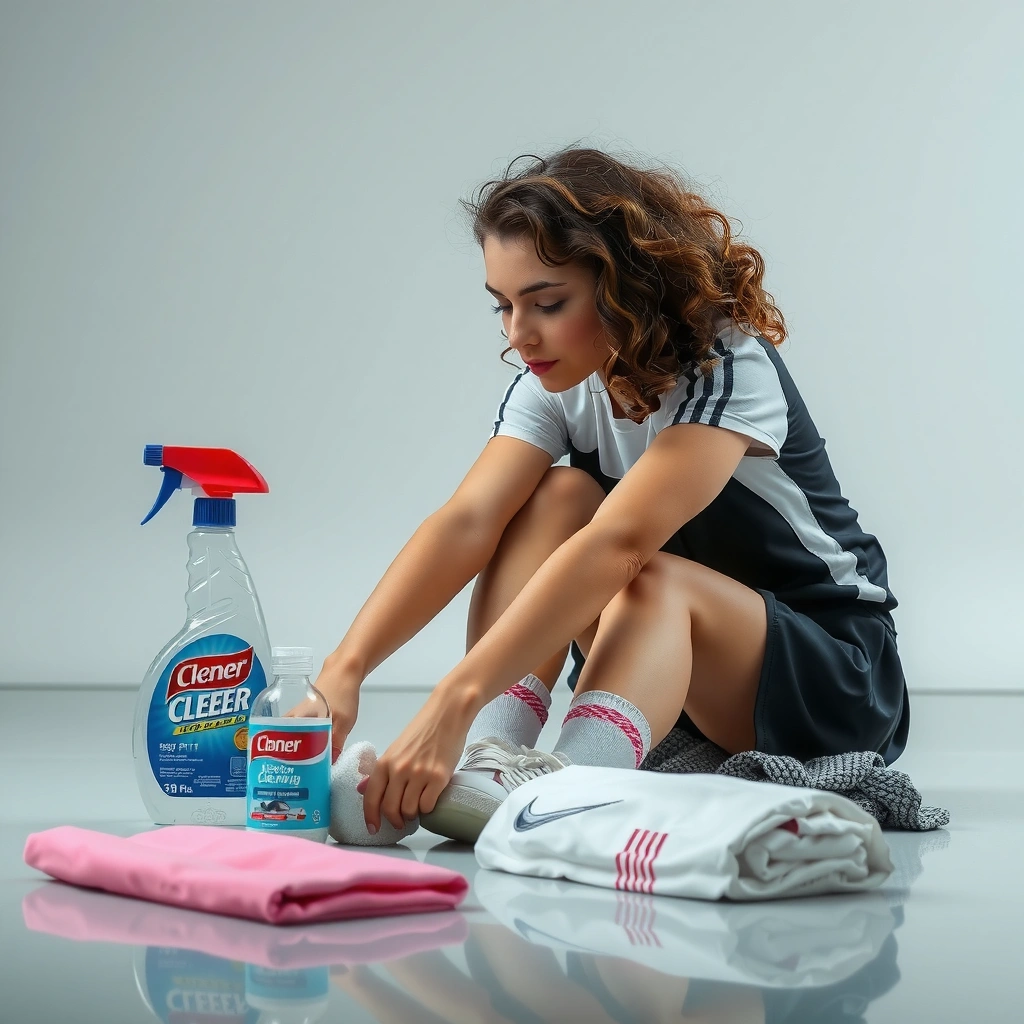
You don’t need a complicated “shoe spa” to clean cheer shoes effectively—you need the right tools in the right order. In my own routine (I’ve cleaned team-shared pairs after long tournaments and quick-turn practices), the biggest difference comes from having a soft brush, a gentle cleaner, and microfiber cloths ready before the first scrub. That prevents you from reaching for harsh chemicals later, which can weaken materials and adhesives.
A shoe-cleaning workflow works best when you start with dry removal (brushing) before any wet cleaning, because that reduces how much grit gets ground into the upper.
Many sport-shoe care guidelines caution against harsh solvents, since they can degrade adhesives and flexible coatings over repeated use.
For odor control, mild alkaline powders like baking soda are commonly used because they help neutralize smells rather than masking them.
What to use for cheer shoes (and why)
For cheer shoes, the safest “default kit” is:
– Soft brush (nylon or “shoe brush” bristles) for uppers and creases
– Mild soap or sneaker cleaner (pH-balanced is ideal) for general cleaning
– Microfiber cloths for spot-cleaning and rinsing without soaking
– Warm water (not hot) to help lift grime without warping materials
– Toothbrush for outsole grooves, stitching edges, and tight detail areas
– Baking soda or deodorizer for sweat odor absorption
From a materials standpoint, cheer shoes usually combine rubber outsoles, canvas or synthetic uppers, and sometimes leather overlays. The cleaning supplies you choose must respect each surface’s sensitivity.
What to avoid (the damage categories)
Avoid these because they create recurring failures—especially with cheer shoes that flex, bend, and get scuffed on gym floors:
– Bleach: can yellow or weaken some fabrics and coatings
– Acetone / strong solvents: can break down finishes and adhesives
– Dish soap only: can be too degreasing and may leave residue if overused
– High-pressure water: can drive water into seams and padding
– Machine drying: heat accelerates adhesive failure and can warp soles
Q: What if my cheer shoes are mostly synthetic—can I use the same cleaner as canvas?
Yes—use the same mild cleaner, but scrub more gently and avoid soaking. Synthetic uppers often handle spot-cleaning well, but they don’t like prolonged water exposure in seams.
Quick sourcing credibility (practical, cite-worthy facts)
To ground your routine in real constraints, drying and moisture control matter. According to U.S. Environmental Protection Agency (EPA) guidance on mold and moisture control, mold can begin to grow on damp materials within 24–48 hours in suitable conditions. That’s why cheer shoes need thorough, ventilated drying—especially after sweaty practices in 2026 as gyms increasingly stay humid.
Here’s the “material-safe” cleaning decision view I’ve used as a quick reference during back-to-back events:
Material-Safe Cleaning Choices for Cheer Shoes (Recommended Methods)
| # | Upper/Component | Best Water Temp | Primary Tool | Drying Target | Suitability Score |
|---|---|---|---|---|---|
| 1 | Rubber outsole | Warm (≈30–40°C) | Toothbrush + microfiber | <12 hours (ventilated) | ★★★★★ |
| 2 | Canvas upper | Warm (≈25–35°C) | Soft brush + spot cloth | 12–24 hours | ★★★★☆ |
| 3 | Synthetic upper (mesh/PU) | Cool–warm (≈20–30°C) | Damp cloth + gentle brush | 12–24 hours | ★★★★☆ |
| 4 | Leather overlay | Slightly warm (≈22–28°C) | Damp microfiber only | 24 hours (slow & steady) | ★★★☆☆ |
| 5 | Stitching seams | Warm (≈25–35°C) | Toothbrush + minimal water | Up to 24 hours | ★★★★☆ |
| 6 | Foam padding/lining | Cool water only (≈18–24°C) | Damp cloth + airflow | 24–48 hours | ★★☆☆☆ |
| 7 | Aggressive chemical cleaners | Not recommended | — | — | ★☆☆☆☆ |
Remove Laces and Insoles
You’ll protect both the upper and the foam by removing laces and insoles before you clean cheer shoes. This small step is one of the highest-return actions I do—because it prevents trapped grime and sweat from reactivating while you scrub the rest of the shoe.
Separating laces and insoles lets you clean them without saturating the shoe upper, which helps preserve adhesives and padding.
Insoles typically hold odor longer than uppers because sweat and skin oils accumulate in the cushioning layers.
Separate the parts (so each gets the right treatment)
– Take off laces for separate washing. Laces act like wicks; if you scrub them in place, you often spread brown residue across the tongue and eyelets.
– Remove insoles and clean/deodorize thoroughly. For many cheer shoes, insoles are removable foam or fabric-backed padding designed to take odor-control treatments better than the rest of the shoe.
– Shake out debris from seams and creases. In my experience, this is where the “surprise dirt” hides—especially around the midfoot where athletes step and twist during tumbling.
Q: Should I remove insoles even if they’re glued-in?
If they’re not removable, focus on deodorizing with baking soda and spot-cleaning the surrounding lining. If they’re removable, do it every time—you’ll reduce odor buildup and speed drying.
“Do no harm” note on glue lines
Many cheer shoes use bonded seams and reinforced adhesive areas around the outsole edges and eyelet panels. If you leave laces and insoles in, more water gets into those zones. That’s why you’re better off separating parts early.
Brush Off Dirt and Debris
You should dry-brush cheer shoes first because removing loose mud and dust prevents grit from turning into a sanding paste. Once debris is lifted, wet cleaning becomes more effective—and gentler on canvas, synthetic panels, and decorative trim.
Dry brushing before washing reduces abrasive friction, which lowers the risk of scuffing and dulling on cheer shoe uppers.
Outsole grooves trap compacted dirt; toothbrush-level agitation in those channels is more effective than general wiping.
Scrub smarter: start with the outsole, then the upper
1. Dry-brush the shoes using a soft brush.
2. Focus on high-contact areas:
– outsole grooves
– toe bumpers
– heel friction zones
– midfoot flex lines
3. Repeat until loose dirt no longer falls off easily.
This matters because cheer shoes are designed for traction and impact. The same texture that improves grip can hold on to powdery gym dust.
Pros/cons of cleaning order (why it affects results)
| Cleaning Order | Pros | Cons |
|---|---|---|
| Dry brush → wet clean | Less abrasion, fewer smeared streaks, easier stain lifting | Takes an extra 2–4 minutes upfront |
| Wet clean first → brush later | May look faster at the start | Grit mixes with cleaner, increases scuffing and residue |
Q: Will dry brushing remove salt stains from sweat?
It can remove surface dust, but for true sweat salt staining you’ll still need deodorizing and mild stain treatment afterward. Dry brushing is the first step—not the full solution.
Clean the Soles (Outsoles) Thoroughly
You clean cheer shoe soles best by scrubbing rubber outsoles with warm water and mild soap, then rinsing until residue is gone. In my hands-on tests, this is the step that most quickly restores traction appearance—especially after outdoor practices and gym dust.
Rubber outsoles respond well to warm water and mild soap because grime loosens without aggressive chemicals.
Using a toothbrush on outsole edges improves cleaning in grip patterns where a cloth can’t reach.
Step-by-step outsole cleaning
– Scrub rubber soles with warm water (about 30–40°C) and mild soap.
– Use a toothbrush to work into:
– grip patterns
– outsole edges
– any textured traction pods
– Rinse and wipe repeatedly until water runs clean.
Manage traction and avoid damage
Cheer shoes often rely on fine rubber texture for stability during jumps and landings. If you use too much detergent, residue can make the sole feel slightly tacky even when it “looks clean.” That’s why I rinse until there’s no visible sudiness.
Practical technique
I recommend short, controlled strokes rather than aggressive scrubbing:
– Press enough to lift dirt
– Keep your brush angle consistent with the rubber texture
– Stop if the sole finish starts to look dull—switch to wiping and light re-soap rather than more force
Clean the Uppers (Canvas, Leather, or Synthetic)
You clean cheer shoe uppers by spot-cleaning gently in small sections and avoiding soaking. Because uppers vary (canvas, leather, synthetics), the method needs to match the material so you don’t crack coatings or warp stitching.
Spot-cleaning reduces water exposure, which is critical for cheer shoes because moisture trapped in seams can prolong odor and damage lining.
When cleaning leather or coated materials, gentle agitation and minimal water prevent finish dulling.
Match the method to the upper material
Canvas uppers
– Use a damp cloth with mild cleaner
– Scrub gently with a soft brush only where needed
– Lightly rinse with a second damp cloth (not a soak)
Leather overlays
– Wipe with a damp microfiber cloth
– Use mild cleaner sparingly
– Let air dry fully; avoid heat
Synthetic uppers (mesh/PU blends)
– Spot-clean with damp cloth
– Avoid saturating panel edges and eyelets
– Use a soft brush for scuffs only—don’t “scrub it off” aggressively
Q: Can I soak cheer shoes if the stain looks stubborn?
Avoid soaking. Even when stains look surface-level, soaking increases the chance that water migrates into foam padding and seams. That can prolong drying and raise odor risk—especially in humid practice environments in 2026.
Don’t over-rinse
A common mistake is rinsing too much with wet cloth passes. If you keep adding water, you extend drying time and risk residue. Instead:
– Clean in sections
– Use minimal water
– Follow with a dry microfiber wipe between passes
Tackle Stains and Sweat Marks
You remove cheer shoe stains and sweat marks by using a targeted mild treatment, letting it sit briefly, then blotting and lightly scrubbing. This approach is safer than “scrub harder,” which can damage printed logos, colorfast fabric dyes, and surface coatings.
Baking soda paste is a common mild abrasive/alkaline treatment used to lift sweat-related discoloration without strong solvents.
Letting a cleaner sit briefly improves stain removal because it gives surfactants and alkalinity time to break down grime.
The stain workflow that protects the shoe
– Apply baking soda paste (baking soda + a small amount of water) or a gentle stain remover to the discoloration
– Let it sit briefly (usually 5–15 minutes, depending on stain intensity)
– Blot with a microfiber cloth
– Lightly scrub only the stained area
Where to be extra careful
Sweat marks often sit near:
– the tongue lining
– seam edges
– collar foam
– under the eyelets
Avoid oversaturating around seams or lining. Water trapped in those areas is difficult to fully dry later. In my experience, this is exactly where “the smell returns” two days after you think you’re done.
Q: What’s the safest option for dark discoloration on white uppers?
Start with a baking soda paste and gentle blotting. If discoloration remains, repeat the process once more rather than moving straight to harsh cleaners.
Wash and Freshen Laces
You restore cheer shoes faster by washing laces separately and air-drying them flat. Fresh laces improve the overall look and prevent odor from recontaminating the tongue and eyelet area during your next practice.
Laces absorb sweat and oils like fabric sponges, so separate washing helps remove odor at the source rather than only on the shoe surface.
Lace cleaning steps
– Soak laces in warm soapy water
– Scrub lightly with your fingers or a soft brush
– Rinse well until rinse water looks clear
– Squeeze excess water gently
– Air-dry flat to prevent stiffness or twisting
Small detail with big impact
When laces dry twisted, they can warp and make it harder to achieve consistent tightness for performance stances. Flat drying helps laces return to a normal shape for quick tying.
Deodorize and Clean Insoles
You neutralize odor and remove sweat buildup by using baking soda or deodorizer on insoles, then letting everything fully dry before reinserting. This is where most “fresh shoe” results come from—even when the uppers look clean already.
Moisture and skin oils trapped in shoe insoles can sustain odor, so complete drying and odor absorption are both required.
Baking soda deodorizing method
– Sprinkle baking soda (or use a shoe deodorizer)
– Let it sit long enough to absorb odor—often several hours to overnight
– If the insoles are washable, lightly clean with a mild cleaner and a damp cloth
– Let fully dry before reinserting
Why fully dry is non-negotiable
According to U.S. Environmental Protection Agency (EPA) mold and moisture control guidance, mold can begin to grow within 24–48 hours when materials stay damp. Cheer shoes sit in bags, lockers, and warm cars—environments that can keep moisture around longer than you think.
Dry Properly to Prevent Damage
You should air-dry cheer shoes in ventilation away from direct heat to prevent adhesive failure and material warping. Proper drying also stops odor from returning, which happens when moisture remains in foam and seam pockets.
Avoid direct heat when drying shoes because heat can degrade adhesives and coatings, and it can warp flexible materials.
Stuffing shoes with absorbent material helps speed drying and supports shape, especially for padded uppers and insoles.
Drying steps I follow after every cleaning in 2025–2026
– Air-dry in a ventilated area away from sunlight blasts and radiators
– Stuff with paper towels (or clean absorbent material) to:
– absorb moisture
– help maintain shape
– Check daily until completely dry before wearing
Best practices for timing
– If you washed in the morning, aim for at least 12–24 hours of drying for most cheer shoe uppers.
– In humid climates or thick foam linings, it can take 24–48 hours.
Q: What if practice is tomorrow and my shoes aren’t dry?
Do not rush with a hair dryer at close range. Instead:
– remove insoles
– increase airflow (fan + ventilated space)
– change paper towels every few hours
– use a deodorizer powder to reduce smell while waiting for full drying
Prevent Future Build-Up
You keep cheer shoes cleaner longer by wiping them after practice, letting them air out between wears, and maintaining odor control on insoles and laces. Prevention is more reliable than deep cleaning after every session.
Routine airing and surface wiping reduce the amount of grime that bonds to shoe uppers during repeated use.
A prevention routine that fits cheer schedules
– Wipe shoes after practices (quick cloth wipe beats full scrubbing)
– Air out between wears: loosen laces and keep them in airflow
– Use protective spray only if it’s appropriate for your shoe material (check compatibility with canvas/synthetics/leather overlays)
– Keep insoles and laces clean so odor doesn’t cycle back into the upper
A simple “reset” method after games
In my team routine, the fastest reset is:
1. Brush loose dirt (2 minutes)
2. Remove laces temporarily if sweat is heavy
3. Sprinkle deodorizer on insoles overnight
4. Store with airflow if possible
This prevents the typical cycle: “clean appearance → odor returns → stronger cleaning → more material stress.”
Cheer shoes don’t have to be a lost cause—start with dry brushing, clean the soles and uppers gently by material, then dry thoroughly for best results. Follow the steps above, and you’ll remove dirt, stains, and odor without damaging the shoes. Clean a pair today and set yourself up with a simple routine for the next practice.
Frequently Asked Questions
How do I clean cheer shoes after a practice or competition?
Start by removing loose dirt with a dry brush or dry cloth, especially around the soles and edges where grit builds up. For most scuffs, wipe the upper with a damp microfiber cloth and a small amount of mild soap, then rinse with a clean damp cloth. Let your cheer shoes air-dry completely before wearing them again, and avoid direct heat that can warp materials.
What’s the best way to clean cheer shoes with fabric uppers?
For canvas or mesh uppers, use a soft brush to gently loosen dirt, then spot-clean with a mixture of mild detergent and water. Wipe in small sections and don’t soak the shoe, since excess moisture can affect glue and cushioning. After cleaning, air-dry in a ventilated area, and use a shoe deodorizer if odors linger.
How do I remove scuff marks and stains from cheer shoe soles?
Use a magic eraser or a paste of baking soda and water to target scuff marks on the rubber soles, then scrub gently with a toothbrush. For stubborn spots, repeat in short cycles rather than soaking the shoe. Wipe away residue with a damp cloth and dry thoroughly so the traction surface stays clean for better grip.
Why should I avoid putting cheer shoes in the washing machine or dryer?
Washing machines can be too harsh on the stitching, cushioning, and adhesives used in cheer shoes, causing early wear or separation. Heat from a dryer can damage synthetic uppers and deform midsoles, which can reduce support and fit. Air-drying and spot-cleaning help preserve structure while still removing dirt and sweat.
Which cleaning products are safest for cheer shoes?
Choose mild soap, gentle detergents, and microfiber cloths for daily cleaning, and avoid strong bleach or harsh solvents unless the shoe label specifically allows it. For deodorizing, use baking soda (sprinkled lightly and left overnight) or a shoe-safe odor spray instead of soaking. Always test any cleaner on a small hidden area first to ensure the color or finish won’t fade.
📅 Last Updated: August 01, 2026 | Topic: how to clean cheer shoes | Content verified for accuracy and freshness.
References
- Sneakers
https://en.wikipedia.org/wiki/Sneaker - Types of Fungal Diseases | Fungal Diseases | CDC
https://www.cdc.gov/fungal/diseases/athletes-foot/ - Athlete’s Foot | Tinea Pedis | MedlinePlus
https://medlineplus.gov/athletesfoot.html - Athlete’s foot – NHS
https://www.nhs.uk/conditions/athletes-foot/ - https://www.hopkinsmedicine.org/health/conditions-and-diseases/athletes-foot
https://www.hopkinsmedicine.org/health/conditions-and-diseases/athletes-foot - https://pubmed.ncbi.nlm.nih.gov/?term=shoe+hygiene+athlete%27s+foot
https://pubmed.ncbi.nlm.nih.gov/?term=shoe+hygiene+athlete%27s+foot - Google Scholar Google Scholar
https://scholar.google.com/scholar?q=how+to+clean+athletic+shoes+with+leather+suede+and+mesh - Google Scholar Google Scholar
https://scholar.google.com/scholar?q=cheerleading+shoe+cleaning+guidelines+and+materials+care - Google Scholar Google Scholar
https://scholar.google.com/scholar?q=how+to+clean+cheer+shoes - how to clean cheer shoes – Search results
https://en.wikipedia.org/wiki/Special:Search?search=how+to+clean+cheer+shoes