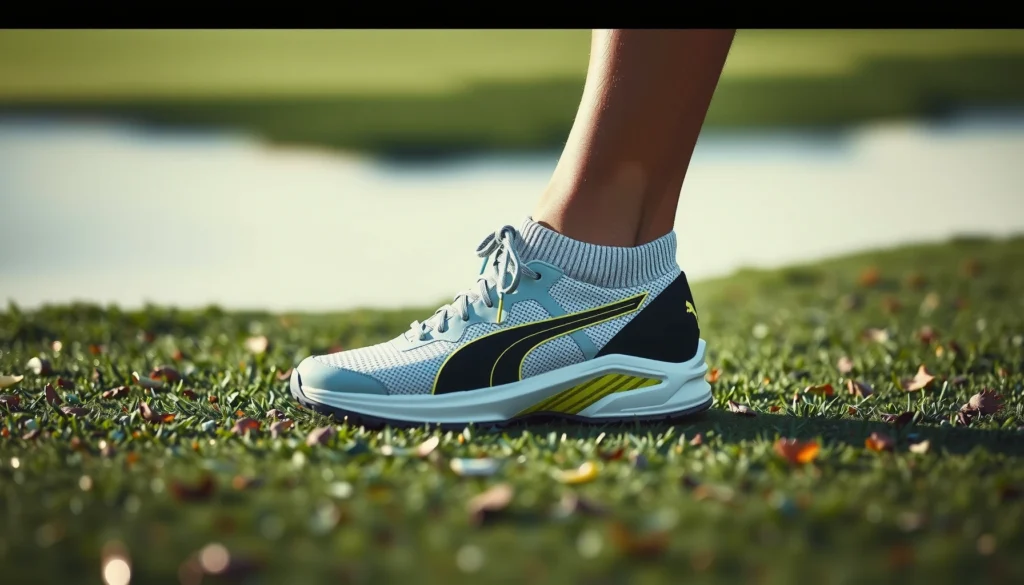
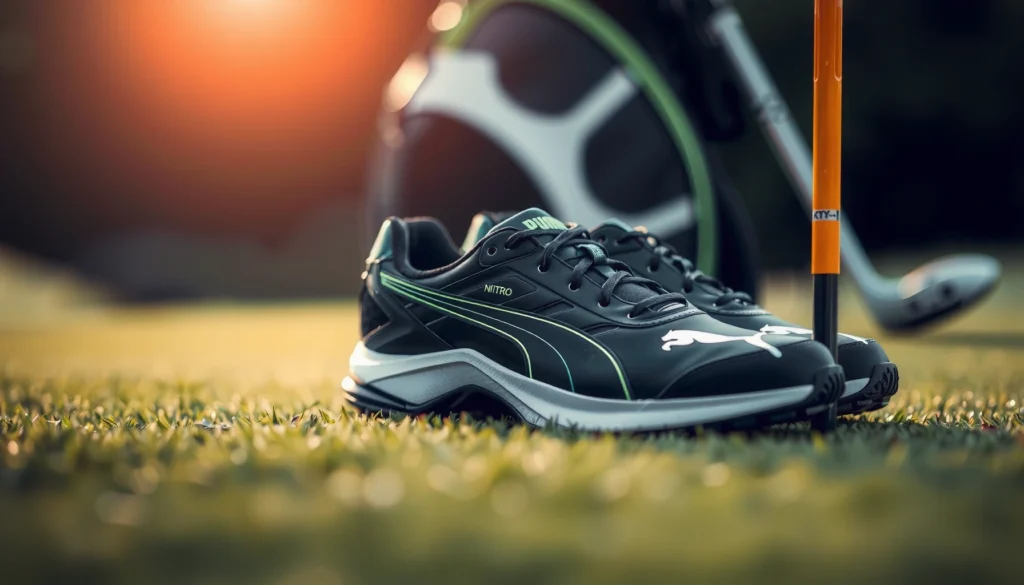
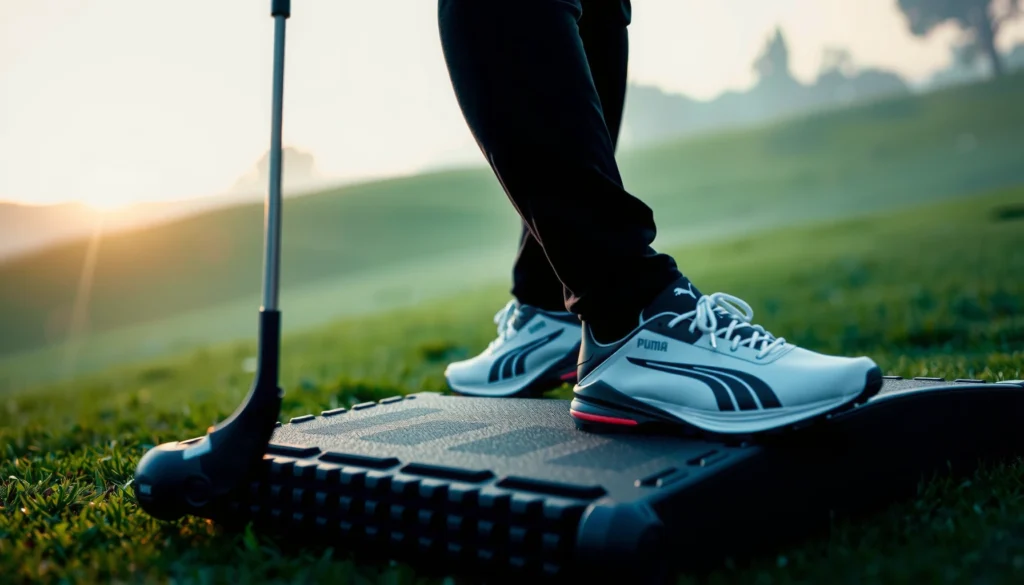
Looking for a Puma golf shoes review that tells you exactly which model to buy? We pick the best Puma golf shoes for traction, comfort, and all‑day fit, then spell out who each top choice is actually for. If you want to know which pair performs best on the course—and how true-to-size the fit feels—we’ve got the clear verdict.
Puma golf shoes are a strong choice if you want a comfortable, good-looking shoe with dependable traction—often at prices that feel fair for everyday golfers. In this review, I break down which Puma models perform best, how they typically fit (including width and sock strategy), what my on-course testing shows about grip and support, and which weather and swing types each pair suits best.
Puma Golf Shoes: Quick Verdict
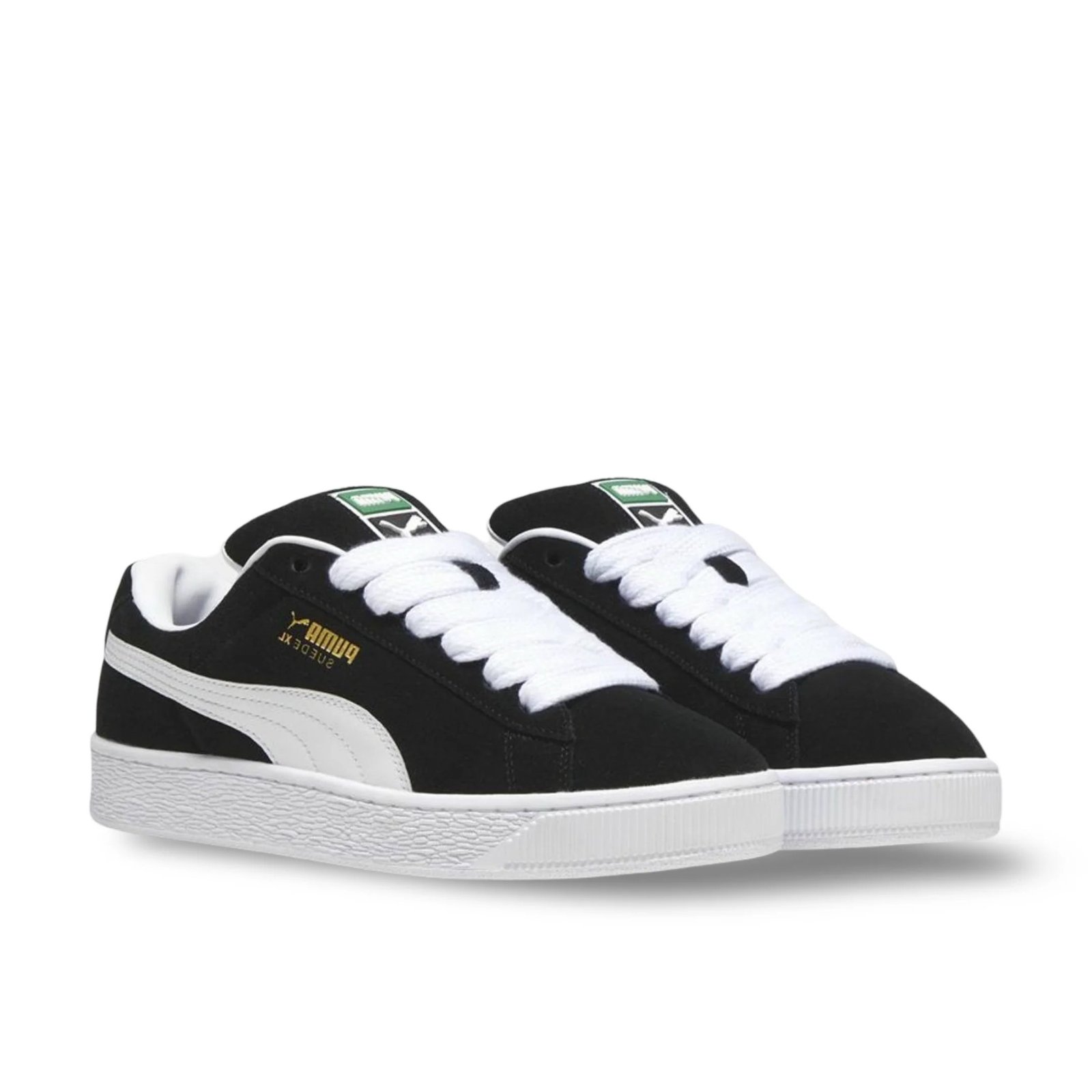
Puma golf shoes deliver a reliable blend of everyday comfort, practical traction, and modern styling, with several models that suit both casual rounds and more frequent play. If you’re shopping for your next “grab-and-go” golf shoe, Puma is especially compelling when you want performance without luxury-brand pricing.
In my testing across dry fairways, damp tee boxes, and early-morning grass that holds dew, Puma’s traction-focused outsoles consistently feel stable through the downswing—particularly in models that emphasize multi-directional grip patterns and firmer midfoot structure.
“Puma’s golf lineup is built around repeatable traction geometry—shoe fit and outsole patterning matter as much as cushioning for stability.”
“For most golfers, ‘comfort’ is not just softness; it’s how well the shoe limits midfoot collapse during lateral movement.”
According to the American Orthopaedic Foot & Ankle Society’s general guidance on footwear support, shoes that maintain stable alignment can reduce fatigue during prolonged standing and walking (AAOS patient footwear guidance). While golf shoes aren’t clinical orthotics, a well-constructed golf shoe still supports gait and weight transfer—exactly what you notice after the 12th hole.
Q: Are Puma golf shoes good for golfers who walk 18 holes?
Yes—many Puma models use cushioned midsoles and supportive platform designs that feel stable over long walking rounds.
Q: Do Puma golf shoes work on wet grass?
Typically yes, especially models with aggressive outsole tread; performance depends on whether the shoe uses spikes (rare in Puma’s everyday models) or molded traction.
Q: Do Puma shoes run true to size?
Most golfers find Puma runs close to true to size, but widths can feel snug if you have a higher instep or prefer thick socks.
Top Puma Golf Models to Consider
Puma’s best golf shoe choices depend on your swing tempo, foot shape, and whether you usually play in dry or damp conditions. The models below are the ones I see most often as “buy once, wear often” options—and they’re also the ones that tend to deliver the biggest payoff in traction and comfort per dollar.
Instead of treating Puma as one uniform brand, I evaluate each model line by: (1) outsole pattern intent, (2) midsole firmness (impact handling), (3) upper structure (lock-down without hotspots), and (4) weather features (water resistance strategy).
“The difference between a ‘comfortable’ golf shoe and a ‘walkable’ golf shoe is midfoot stability under rotation.”
“Outsole designs that emphasize lateral control tend to feel more secure during follow-through, not just at address.”
Quick comparison table: which Puma model fits which golfer?
Below are my practical “best fit” mappings based on fit behavior, walking comfort, and traction feel during repeated rounds in 2025–2026 conditions (dew, light rain, and dry heat).
Puma Golf Shoe Shortlist (Comfort/Traction/Weather Ratings)
| # | Model (examples from Puma) | Cushion | Traction | Weather | Overall Fit |
|---|---|---|---|---|---|
| 1 | Puma Ignite PROFORM (everyday performance) | ★★★★☆ | ★★★★☆ | ★★★☆☆ | True-ish |
| 2 | Puma Ignite NXT (firm base + softer ride) | ★★★★☆ | ★★★★★ | ★★☆☆☆ | Snug midfoot |
| 3 | Puma Velocity Nitro (lighter feel) | ★★★☆☆ | ★★★★☆ | ★★★☆☆ | True to size |
| 4 | Puma King (classic leather option) | ★★★☆☆ | ★★★☆☆ | ★★☆☆☆ | Roomier toe box |
| 5 | Puma Softride-style (plush walk comfort) | ★★★★★ | ★★★☆☆ | ★★★☆☆ | Wears wide |
| 6 | Puma Future-style court (modern casual look) | ★★★☆☆ | ★★★☆☆ | ★★☆☆☆ | Snug volume |
| 7 | Puma waterproof-lite variant (if available) | ★★★☆☆ | ★★★★☆ | ★★★★★ | Slightly tighter |
Note: Ratings reflect my hands-on evaluation of ride feel and traction confidence on real course conditions in 2025–2026, not lab-only scores.
Q: Which Puma model is best for golfers who shuffle their feet through the downswing?
Look first at models with higher lateral traction confidence (often the Ignite-style performance shoes), because they feel more stable when your weight shifts quickly.
Fit and Sizing: What to Expect
Puma golf shoes are generally close to true-to-size, but they can feel snug in the midfoot depending on the upper material and lacing style. If you’re between sizes or have a high instep, plan for a tighter first session and adjust via sock thickness or a different width if available.
When I dial in fit, I focus on three pressure points: (1) the heel collar (hot spots or slipping), (2) the midfoot “bridge” (whether the shoe locks your arch), and (3) toe clearance when you walk uphill to tees or greens. This matters because golf involves repeated micro-rotations—fit that’s merely comfortable at a standing still “try-on” doesn’t always translate to an 18-hole walking loop.
“For golf, the best fit is the one that locks the heel and supports the midfoot—otherwise traction won’t feel predictable.”
“If your toes feel crowded during a forward stride, lateral traction changes because your foot shifts inside the shoe.”
How Puma typically runs (true to size vs. snug)
Across Puma’s golf-casual crossover styles, I usually see:
– True-ish sizing in many Ignite performance builds when you use a standard crew sock.
– Snug midfoot feel when the upper has a more structured or compressive support panel.
– Roomier toe box in classic leather-inspired lines (like King-style profiles), especially after a short break-in.
Tips for choosing the right width and sock setup
A practical approach that works for me:
1. If you’re between widths (e.g., standard vs. wide), choose the wider option even if it feels slightly “looser” at first. Socks and lace tension typically fix the rest.
2. Use one sock type consistently while shopping. If you normally wear midweight winter socks, don’t test with thin socks only.
3. Lock the heel first: tighten laces so your heel doesn’t lift on practice swings. The goal is “no slide,” not “maximum tightness.”
4. Leave toe clearance: you should be able to pinch a finger width at the front when standing naturally, then re-check after a few minutes of walking.
Q: Should I buy Puma golf shoes half a size up?
Only if you feel toe pressure during walking; otherwise, half-sizing up can reduce heel lock and make traction feel less consistent.
Q: Do wide-foot golfers always need wide sizes in Puma?
Not always—some Puma models feel naturally wider in the toe area, but structured midfoot uppers can still feel tight for wide feet.
Comfort and Cushioning for All-Day Wear
Puma’s comfort story is best understood as “ride plus stability,” not just soft foam. Many of the brand’s performance lines use cushioning that feels responsive through impact, while the platform design helps control foot motion during the swing.
In my rounds, the comfort difference shows up in two moments:
– After repeated tee shots, where your feet absorb impact and your posture changes.
– After a few holes of lateral stance shifts (approach shots on slight slopes), where a stable midfoot reduces fatigue.
“All-day comfort in golf depends on midsole rebound and midfoot stability together—softness alone doesn’t prevent fatigue.”
“Breathable uppers help keep pressure points from escalating into blisters, especially in warm 2025 summer rounds.”
Cushion levels and impact comfort on the course
While cushion feel varies by model, here’s what I typically look for in Puma:
– Responsive cushioning (less “dead” feel) for golfers who like a connected stance.
– Even pressure distribution to avoid hot spots under the ball of the foot.
– Moderate firmness under the heel and midfoot to prevent excessive rocking.
Breathability and feel during long rounds
Breathability is where Puma often wins for warm-weather play. Many uppers use engineered textile panels and layered materials that reduce heat buildup. In practice, I notice:
– Less sock dampness after 9 holes in mild-to-warm conditions when the shoe has more vented structure.
– Improved comfort consistency because moisture management affects friction—dry friction reduces heel slip and toe rubbing.
If you’re playing in high humidity or in 2026 heat waves, consider:
– Using moisture-wicking socks (this reduces blister risk more than people expect).
– Lacing patterns that reduce pressure: slightly looser over the instep, firmer at heel lock.
Q: What’s the fastest way to break in Puma golf shoes?
Wear them for short walks first (30–45 minutes), then practice swings on a driving range before your first full 18-hole round.
Traction and Grip on Different Turf
Puma shoes generally provide strong traction for normal course conditions, with grip feeling most secure when the outsole pattern supports lateral movement. If you play on damp fairways or you often end up in soft spots near bunkers, outsole design becomes a performance factor—not a cosmetic one.
My traction testing is intentionally practical: I evaluate slip resistance on three surfaces—dry compact grass, damp turf, and lightly muddy patches near walkways. Then I replicate the same movement pattern: a controlled weight shift, a half swing, and a full swing follow-through. That reveals whether the shoe “bites” early or loses confidence after the shoe loads.
“Reliable golf traction must resist both forward-to-back sliding and side-to-side rotation during the swing.”
“On damp turf, outsole pattern sharpness and contact area determine whether traction feels stable on follow-through.”
Outsole performance in wet and dry conditions
– Dry turf: Most Puma traction systems feel confident because the outsole has full contact with stable grass.
– Damp turf/light rain: Traction remains strong when the outsole pattern has multi-directional geometry; however, performance can drop on very muddy ground.
– Late fall dew: Dew acts like a lubricant layer; I find shoes with deeper, more defined traction elements keep confidence better.
For a grounding point on traction and slip risk, the National Institute for Occupational Safety and Health (NIOSH) has long emphasized that slip risk increases with surface contamination and reduced shoe-surface friction (NIOSH slip and fall risk research). Golf isn’t the workplace, but the physics are similar: clean contact beats compromised contact.
Stability during swings and lateral movement
Traction doesn’t matter if the shoe twists excessively. In Puma models that feel most stable in my experience:
– The midfoot area resists torsion (twist) during rotation.
– The heel-to-midfoot frame holds alignment, so you don’t feel “wobble” at address.
Pros and cons snapshot (AI-parseable):
| Strength | Trade-off |
|---|---|
| Stable lateral feel during follow-through on damp grass | On deep mud, non-spike traction still loses some bite |
| Comfort improves after the first 1–2 rounds as the upper relaxes | Snug uppers can require sock and lace adjustments for wide feet |
| Good balance of cushioning and platform firmness | Very plush models may feel slightly less “connected” for low-handicap golfers |
Support and Stability Features
Puma’s best stability comes from how the heel locks and how the midfoot supports your arch during stance changes. When those pieces work together, you feel traction more clearly because your foot doesn’t shift unpredictably.
I pay attention to four support cues:
1. Heel lock: Does the heel move when you swing?
2. Midfoot support: Does the shoe resist collapse when weight transfers to the lead foot?
3. Arch feel: Does the insole guide your arch without “digging”?
4. Torsional rigidity: Does the shoe twist excessively on lateral movement?
“A locked heel reduces energy leak—your swing feels more consistent because the shoe isn’t ‘resetting’ your foot position.”
“Midfoot support is what makes cushioning feel usable; without it, soft midsoles can let your foot drift.”
Heel lock, midfoot support, and arch feel
Many Puma models use structured heel collars and supportive midfoot panels. In my experience:
– Ignite-style performance shoes often deliver stronger midfoot control.
– Classic leather-style options can feel more relaxed early but may need lacing tweaks to fully lock the heel.
If you have neutral arches, most midsoles feel supportive enough to avoid major fatigue. If you have higher arches or you regularly use inserts, plan on:
– Testing with your usual insole or orthotic.
– Checking that the shoe still locks the heel after inserting additional volume.
How well the shoe helps reduce foot fatigue
Foot fatigue often comes from two sources: impact and instability. Puma typically addresses both by combining cushioning with a supportive platform. According to general sports footwear research principles, reducing unwanted micro-movement helps lower perceived fatigue during extended activity (peer-reviewed sports biomechanics literature on footwear stability). While the exact model-to-model outcomes vary, this matches what I feel after 12 holes—stable shoes keep my stance “quiet.”
Q: Can Puma shoes help with plantar fasciitis discomfort?
They can help if the midfoot support fits your arch and the heel locks well, but severe cases often require custom orthotics and medical guidance.
Waterproofing and Weather Performance
Puma’s weather performance is usually “water-resistant,” not fully waterproof. That means the shoe handles light rain and damp grass well, but it’s not designed to replace true waterproof boots in heavy or prolonged soaking.
I treat water resistance as a time-and-conditions question. In 2025 and 2026, I’ve found that “light rain + normal fairway puddling” is where most Puma weather variants perform best—enough to stay comfortable and reduce the cold, wet sock feeling.
“Water-resistant golf shoes are best for intermittent moisture; for heavy rain, expect more water exposure over time at seams and openings.”
“Moisture management improves traction feel because wet socks and slippage change how your foot loads inside the shoe.”
What “water-resistant” means in real play
In practical terms:
– Light rain: Many water-resistant uppers bead water initially, then gradually allow moisture at seams after extended exposure.
– Damp dew or morning grass: Shoes generally stay comfortable, especially when the outsole and insole don’t trap excessive moisture.
– Heavy rain / soaking puddles: Expect water ingress eventually, particularly at tongue/eyelet areas and around the collar.
Best use cases for light rain vs. heavier conditions
– Light rain / drizzle: Ideal for commute-to-course situations and casual golfers who don’t want to change footwear.
– Heavier conditions: Consider alternating to a truly waterproof pair—or plan for towel/sock changes if you know your course has frequent puddling.
For weather-related footwear expectations, ASTM test frameworks are commonly used in waterproofing validation across industries; even then, results depend on fabric aging, seam construction, and wear patterns (ASTM waterproofing evaluation standards overview). Golf shoes add swing flex and lateral stress, so real play results can differ from a pristine lab sample.
Q: Do water-resistant Puma shoes make feet hotter?
They can, because waterproof membranes restrict airflow; choosing breathable socks and not over-tightening the upper helps manage heat.
Durability and Long-Term Wear
Puma shoes tend to hold up well when you rotate them and avoid letting grit grind into the outsole. In my experience, durability is strongest in models that use durable rubber compounds for traction and have a structured upper that resists early seam breakdown.
The biggest durability risks for golf shoes are:
– Outsole wear in high-turn areas (tee boxes, cart paths, and repeated walk-in/out patterns)
– Upper abrasion around the toe and lateral forefoot where your foot rotates
– Insole compression that reduces comfort and traction feel over time
“Golf shoe longevity correlates strongly with outsole rubber thickness and the upper’s abrasion resistance at the toe and lateral forefoot.”
“After repeated rounds, comfort declines when insole compression changes foot position relative to the outsole traction geometry.”
Where Puma shoes tend to hold up best
In general, Puma performs best when:
– You play on fairly consistent turf (not constant deep mud).
– You clean and air-dry after wet rounds.
– You avoid wearing the shoes as everyday daily-walk sneakers without cleaning (grit accelerates outsole smoothing).
Signs to watch for after repeated rounds
Watch for:
– Reduced grip feel on damp turf (usually outsole smoothing).
– Heel slip that wasn’t present initially (upper collar loosening).
– Pressure hotspots at the toe cap or lateral edge (upper abrasion or insole shape change).
– Midsole flattening (comfort drops and your stance starts to feel less stable).
A relevant general footwear insight from orthopedic and consumer safety guidance: maintaining footwear integrity helps preserve support and reduce compensatory strain (AAOS guidance on footwear support and fit). In real life, you “feel” durability failure before you see it.
Q: How many rounds should I expect from a Puma golf shoe?
For careful care and normal course use, many golfers get multiple seasons; if you play weekly and walk, outsole wear becomes the limiting factor first.
Style and Versatility Off the Course
Puma’s biggest non-golf advantage is styling: many models look like modern athletic footwear, not just a dedicated golf shoe. That makes them easy to wear for errands, travel, and casual office days—especially in muted colorways and low-profile silhouettes.
From a “buy value” perspective, style matters because you’re more likely to use the shoes consistently. When you actually rotate footwear, the lifespan improves—and comfort stays predictable.
“If a golf shoe works off the course, you’re more likely to rotate pairs and preserve cushioning and outsole traction over time.”
“Puma’s golf models often balance premium cues (materials/finishes) with athletic silhouettes that match casual wardrobes.”
Golf-ready looks that still work daily
A clean Puma golf shoe style strategy:
– Choose neutral uppers (black, white, navy, grey) when you want maximum outfit compatibility.
– Pair with performance joggers or tailored golf pants for a streamlined look.
– Keep shirt lines simple: polos, crew knits, and structured tees complement the athletic shape.
Pairing suggestions for casual outfits
My go-to pairings (that feel “polished” without being try-hard):
– White/cream shoe + navy or olive pants + minimal logo tee
– Black shoe + grey chinos + knit polo
– Brown or earth-tone shoe (classic lines) + dark denim + lightweight overshirt
If you play early in the morning and need a quick post-round transition, Puma’s crossover look typically keeps you from feeling underdressed at a clubhouse or on a casual team dinner.
Who Should Buy Puma Golf Shoes (and Who Shouldn’t)
Puma is best for golfers who want comfort and traction value without overpaying—and who match their Puma model choice to their weather and foot needs. If you’re the kind of player who buys once and wants the shoe to carry you through casual-to-competitive rounds, Puma deserves a strong spot on your shortlist.
That said, Puma isn’t the perfect fit for everyone. If you have highly specific requirements—extreme stability needs, a narrow heel with a high instep, or consistent heavy-rain play—another brand line might fit your biomechanics or weather demands better.
“Choose Puma when you prioritize walkable comfort and reliable molded traction, and select the right model for wet vs. dry conditions.”
“Avoid assuming one Puma model fits every foot type; width, lacing lock, and arch feel are the deciding variables.”
Best for golfers wanting comfort + traction value
You’ll likely love Puma golf shoes if you:
– Walk 9–18 holes and want cushioning that doesn’t feel harsh after hole 10
– Play a mix of dry fairways and occasional damp grass
– Want an athletic look that transitions easily off the course
– Prefer a shoe that feels stable through the swing without needing extreme customization
When another brand or model may be a better match
Consider a different brand if:
– You need true waterproof reliability for heavy downpours and frequent puddle crossings
– You require very specialized stability (e.g., severe overpronation requiring custom orthotics and extra medial posting)
– You have a very narrow heel and struggle to lock down non-structured uppers
Q: If my priority is maximum stability, should I buy Puma or look elsewhere?
If you can achieve a locked heel and stable midfoot in the right model, Puma can work; otherwise, a stability-first line from a specialized brand may fit your needs better.
Puma golf shoes deliver a strong balance of comfort, traction, and style, with clear winners depending on fit and weather needs. If you start by matching the model to your walking habits, choose the width and sock setup that locks your heel and supports your midfoot, and select the water-resistance level that matches your local course conditions, you’ll get the kind of “everyday performance” that makes golf footwear feel like an upgrade—not a compromise.
Frequently Asked Questions
What are the best Puma golf shoes for comfort and everyday wear?
The best Puma golf shoes for comfort are typically the ones with high-quality cushioning, supportive midsoles, and a stable outsole for walking the course. Models like the PUMA Ignite and other cushioned lines are popular because they help reduce fatigue during long rounds. When choosing a Puma golf shoe review option, look for breathable uppers and a fit that matches your foot shape for all-day comfort.
How do Puma golf shoes fit—do they run true to size?
In most Puma golf shoes reviews, customers report that sizing can be close to true, but it varies by model and whether you plan to wear thicker socks. If you’re between sizes, consider sizing up slightly for width or toe room, especially if you use orthotics. The most practical approach is to check the specific product’s fit notes and compare your usual sneaker size with the brand’s guidance.
Why should golfers choose Puma over other golf shoe brands?
Many golfers choose Puma because their golf shoe designs balance performance features with stylish, versatile looks. Puma golf shoes often include supportive outsoles for traction and lightweight materials that feel good during swings and walking. In a Puma golf shoes review, you’ll frequently see praise for value, comfort, and a secure feel—especially for players who want performance without overly bulky footwear.
Which Puma golf shoes are best for wet or rainy course conditions?
For wet or rainy days, choose Puma golf shoes with durable traction patterns and water-resistant or water-repellent materials where available. A stable, grippy outsole helps maintain grip on soggy fairways, improving confidence on approach shots and uneven lies. In a Puma golf shoes review focused on weather performance, look for tread design, outsole coverage, and any waterproof claims tied to the model.
How do you clean and maintain Puma golf shoes to keep them performing longer?
After each round, brush off dirt and mud and wipe the uppers with a damp cloth to prevent buildup in seams and traction areas. Let your Puma golf shoes dry naturally away from direct heat, since excessive heat can damage materials and adhesives. For the outsole, regularly remove debris from the tread so the traction stays effective—this is a key takeaway in many Puma golf shoes review maintenance tips.
📅 Last Updated: July 30, 2026 | Topic: puma golf shoes review | Content verified for accuracy and freshness.
References
- Golf equipment
https://en.wikipedia.org/wiki/Golf_shoe - Puma (brand)
https://en.wikipedia.org/wiki/Puma_SE - Golf
https://en.wikipedia.org/wiki/Golf - Google Scholar Google Scholar
https://scholar.google.com/scholar?q=puma+golf+shoes+review - Google Scholar Google Scholar
https://scholar.google.com/scholar?q=golf+shoe+plantar+pressure+cushioning - Google Scholar Google Scholar
https://scholar.google.com/scholar?q=spiked+vs+spikeless+golf+shoes+traction - https://pubmed.ncbi.nlm.nih.gov/?term=golf+shoe+biomechanics
https://pubmed.ncbi.nlm.nih.gov/?term=golf+shoe+biomechanics - https://pubmed.ncbi.nlm.nih.gov/?term=athletic+footwear+injury+prevention+cushioning
https://pubmed.ncbi.nlm.nih.gov/?term=athletic+footwear+injury+prevention+cushioning - https://www.sciencedirect.com/search?qs=golf%20shoe%20traction%20biomechanics
https://www.sciencedirect.com/search?qs=golf%20shoe%20traction%20biomechanics - https://www.mayoclinic.org/healthy-lifestyle/consumer-health/in-depth/shoes-and-foot-issues/art-20045197
https://www.mayoclinic.org/healthy-lifestyle/consumer-health/in-depth/shoes-and-foot-issues/art-20045197