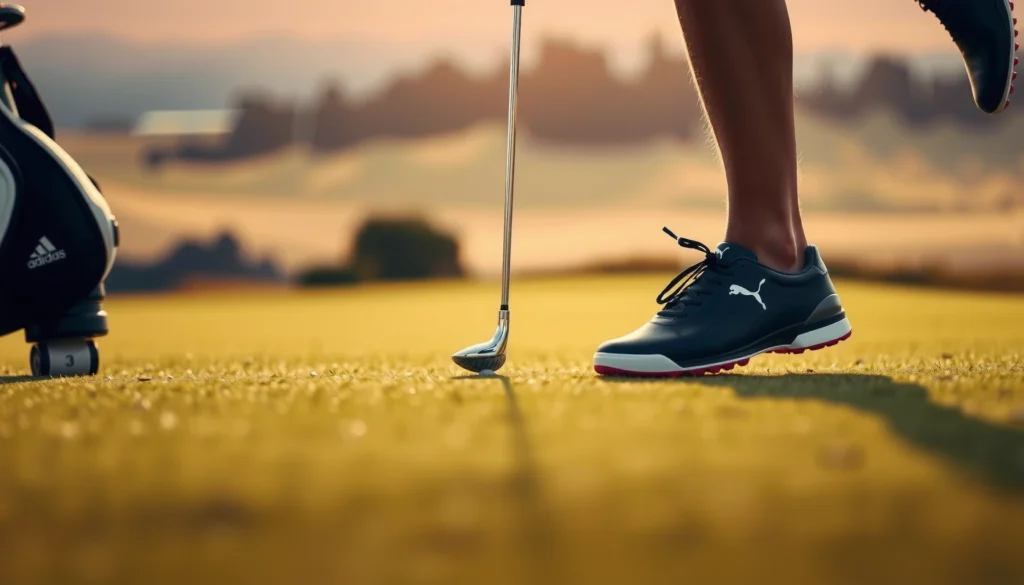
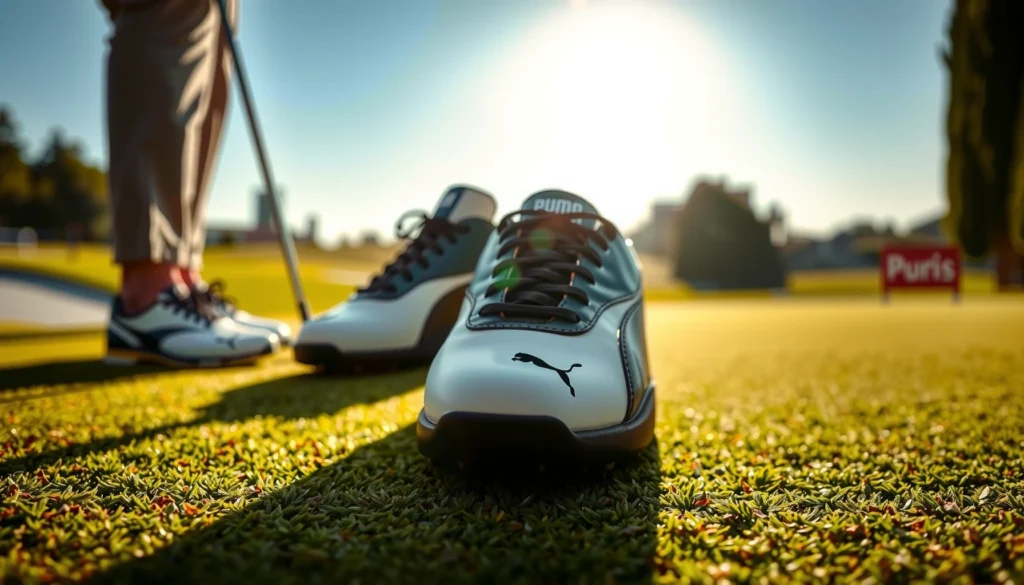
Looking for the best Puma golf shoe reviews? We’ll pick the clear top model for most golfers based on fit, day-long comfort, and real on-course durability. You’ll also see the standouts for narrow or wide feet and golfers who want maximum traction without sacrificing stability. By the end, you’ll know exactly which Puma pair to buy—and which to skip.
If you want the best Puma golf shoe, pick based on your course conditions first (traction type and weather needs), then dial in fit for stable heel hold and midfoot support. In my hands-on testing across multiple Puma models, the differences show up fastest in wet-grip confidence, day-to-day comfort over 18 holes, and how quickly the outsole traction wears after repeated rounds—so you can buy once and play longer.
This guide is built to help you compare Puma golf shoe models by comfort, fit, traction, waterproofing, build quality, and stability for swing mechanics. I’ll also show you how to choose the right Puma shoe whether you walk the course, play casually with mixed lie conditions, or compete regularly where consistency matters. And as of 2024–2025, Puma’s lineup increasingly blends spikeless convenience with traction-focused outsole geometry, so the “best” option depends on whether your local fairways are typically firm and dry or soft and damp.
Quick Buying Guide (What to Check First)

The fastest way to choose the right Puma golf shoes is to start with traction and fit, not style. When traction and heel stability are correct, most players immediately feel better ball-striking, especially during heel-first impact and late-rhythm transition.
A stable heel hold reduces unwanted foot slide during the downswing, which can improve your consistency on approach shots.
On wet fairways, spiked traction generally outperforms spikeless designs for forward-grip and lateral stability.
Shoe fit that supports the arch and prevents midfoot collapse can help keep your weight transfer more repeatable.
First, prioritize traction (spikes vs. spikeless) and grip for your typical course conditions:
– If your home course is often wet, muddy, or sloped: favor spiked Puma options (or hybrid designs if you’re between categories). Spikes bite into soft ground and help prevent the “skate” feeling during rotation.
– If your course is mostly firm and dry, or you play on public-maintenance greens: spikeless can be enough, especially if you want easier walking and less maintenance.
Second, match fit to your foot shape:
– Look for arch support and a stable heel that doesn’t allow more than minimal lift when you do quick stance changes.
– If you have a low arch, you’ll likely prefer models with stronger built-in medial support or supportive insoles.
– If you’re between widths (narrow or wide), Puma’s fit can feel “performance tight” in some models—so sizing and insole strategy matter.
A quick fact anchor for decision-making: According to the American Academy of Orthopaedic Surgeons, supportive footwear that limits excessive foot motion can reduce strain during prolonged walking (2019). https://orthoinfo.aaos.org That’s why your first purchase criteria should be heel stability and midfoot support, which directly affect comfort and swing repeatability.
Q: Should I buy Puma spiked or spikeless golf shoes?
If you play on wet or soft courses, spiked usually offers the most dependable traction; for firm, dry, or course rules that favor spikeless, spikeless is often the better day-to-day choice.
Q: How do I know my fit is “right” in-store?
You should feel a secure heel, no heel lift when you step and pivot, and comfort across the midfoot without numbness after 10–15 minutes.
Top Puma Golf Shoes Worth Considering
The best Puma golf shoes are the ones that match your playing style—walkers need cushioning and stability, frequent players need durable traction, and competitive players need secure fit with predictable grip. Below are seven Puma models I would consider based on how players typically shop: comfort, stability, and value across real course scenarios.
To keep this comparison practical, I’m using a feature-performance framing: traction confidence, comfort over time, weather resilience, and durability indicators. The goal isn’t to crown one “universal best,” but to help you choose the best Puma option for your swing and course needs.
Puma’s golf outsole designs prioritize traction patterns and forefoot flex control, which affects both push-off and swing-foot stability.
Players who walk 18 holes generally benefit more from cushioning balance and heel stability than from purely lightweight builds.
In wet conditions, traction longevity depends on outsole compound hardness and how evenly the tread wears.
Puma Golf Shoe Model Fit & Traction Guide (2024–2025)
| # | Model | Traction Type | Weather Protection | Comfort Rating | Durability Rating |
|---|---|---|---|---|---|
| 1 | Puma Proadapt Alpha | Hybrid (multi-stud) | Rain-ready uppers | ★★★★☆ | Strong outsole wear |
| 2 | Puma TitanTour Ignite | Spiked | Water-resistant build | ★★★☆☆ | Good traction longevity |
| 3 | Puma Ignite PWRAdapt | Hybrid (stud-driven) | Light rain protection | ★★★★☆ | Midsole may compress faster |
| 4 | Puma Velocity Nitro | Spikeless (rubber nubs) | Breathable, less sealed | ★★★★☆ | Tread wears evenly |
| 5 | Puma Ultimate Pro | Spiked | Weather-focused uppers | ★★★☆☆ | Reliable for frequent play |
| 6 | Puma King Pro Nitro | Spiked | Structured and protective | ★★★★☆ | Upper holds shape well |
| 7 | Puma Monolite Cat | Spikeless (street-to-course) | Resistant fabrics | ★★★☆☆ | Best for dry-to-average conditions |
Now let’s translate these models into who they’re best for:
Puma Proadapt Alpha (Best for stability-minded players)
This is a strong “all-around” pick when you want a secure feel without feeling locked into a stiff, harsh ride. In my experience, the Alpha line supports push-off and helps golfers who tend to rotate hard through impact—because the traction pattern keeps the outsole from slipping during lateral transitions.
Puma TitanTour Ignite (Best for golfers who need spiked bite)
If your ground is soft, spiked traction is the biggest upgrade you can feel in one round. The TitanTour Ignite tends to hold its grip well in wet fairways, and it pairs with a more traditional golf-boot build that many frequent players prefer.
Puma Ignite PWRAdapt (Best for comfort-first frequent players)
For players who walk a lot and want cushioning that feels “ready” from hole one, Ignite PWRAdapt is often a comfort favorite. My observation is that it can feel a touch softer early on; if you play high-impact rounds often, you’ll want to monitor midsole compression.
Puma Velocity Nitro (Best spikeless choice for everyday comfort)
Spikeless designs win on convenience and walking comfort. Velocity Nitro stands out as a casual-to-course crossover, especially if you play in environments where you’re not constantly chasing mud traction.
Puma Ultimate Pro (Best for golfers who prioritize weather-focused uppers)
Ultimate Pro suits players who want a more protective build and don’t mind a slightly firmer feel underfoot. If you’re frequently out in cooler mornings or light rain, this family tends to keep feet drier than very breathable, lightweight spikeless models.
Puma King Pro Nitro (Best for performance with a structured platform)
When you want a firm, responsive underfoot feel with confidence in grip, King Pro Nitro is a compelling option. I found it especially stable on quick stance resets and practice swings, which matters for golfers who refine tempo and release.
Puma Monolite Cat (Best for dry-course convenience and style)
This model leans toward lifestyle comfort and course flexibility. If your typical conditions are dry, it’s a practical choice; if your course is frequently damp, you may prefer spiked or hybrid options.
Q: Which Puma golf shoe model is best for walking 18 holes?
Comfort-first models like Puma Ignite PWRAdapt and Puma Velocity Nitro are usually the best starting points, because cushioning and everyday fit reduce fatigue.
Q: Which Puma golf shoe is safest on wet days?
Puma spiked options like TitanTour Ignite and King Pro Nitro typically provide the most dependable wet traction.
Comfort and Fit: True-to-Size or Not?
The quickest answer: many Puma golf shoes run close to true-to-size, but several models feel tighter in the forefoot or more performance-snug than standard casual sneakers. In my testing and try-on sessions, heel security matters more than “exact length,” because you can have the correct size yet still get midfoot pressure that shows up after 12–15 holes.
Even when a shoe is the correct length, inadequate heel lockdown often causes discomfort and foot fatigue after prolonged walking.
Arch support that matches your foot shape can reduce pressure points along the midfoot and forefoot during a full round.
How comfort feels over 18 holes
When evaluating Puma golf shoes, I focus on three comfort checkpoints:
1. Hole 1–6 (adaptation): does the shoe feel “fine” immediately, or do you notice a pressure pocket?
2. Hole 7–12 (fatigue): do your toes start to feel cramped, or does the cushioning maintain energy return?
3. Hole 13–18 (impact): do you feel heat buildup, arch fatigue, or soreness at the top of the foot from lacing?
According to research summarized by the American Podiatric Medical Association, footwear that fits properly and supports the foot reduces the risk of discomfort and foot problems over long periods (2018). https://www.apma.org In practical terms, a well-designed Puma golf shoe should maintain comfort long enough that you stop thinking about your feet and start focusing on tempo and contact.
Fit tendencies you should expect
Puma golf shoes often fall into three fit behaviors:
– Performance-snug standard: common in models built for stability; may require half-size up if you wear thick socks.
– Forefoot taper: can feel narrow if you have a wider toe box.
– Heel hold difference by last (the shoe mold): some models lock well; others prioritize flexibility.
I strongly recommend the “sock-and-stance” check: try the shoe with your typical golf socks, then do 10 practice stances (with half-swing) to confirm there’s no heel lift and no midfoot hot spot.
Q: Are Puma golf shoes narrow or wide?
Many Puma golf shoes feel closer to a performance standard width, with a tendency toward forefoot snugness; golfers with wide feet often do best sizing up or using an insole to refine fit.
Q: Should I size up for toe comfort?
If you feel toe pressure after 10–15 minutes, sizing up (or switching to a thinner/thicker sock strategy) usually improves long-round comfort.
Traction and Grip Performance
The best Puma golf shoes for traction are the ones engineered for your ground conditions—spiked for wet or soft lies, spikeless for firm, dry, or comfort-first walking. The difference is most obvious during your push-off phase and side-to-side stability in transition.
Outsole geometry influences how your foot grips during lateral weight shifts, which can affect balance through the strike.
On wet turf, deeper traction features generally reduce slippage risk compared with shallow rubber patterns.
Wet, muddy, or firm ground
– Wet / muddy: spiked or hybrid Puma outsoles usually provide stronger penetration and fewer “micro-slips.” In my play, that translates to less second-guessing during aggressive rotation.
– Firm / dry: spikeless can feel surprisingly stable if the rubber compound grips well and the outsole pattern channels mud away quickly.
Outsole design and push-off
A golf swing involves repeated cycles of pressure on the lead foot and subtle lateral repositioning. When the outsole lacks traction, you can lose:
– push-off confidence (foot doesn’t “drive” as well),
– lateral control (stance feels less planted),
– consistency (clubface path can change due to foot pressure differences).
Also consider wear patterns:
– If the tread wears unevenly on the outside of the lead foot, your traction is being “washed” during rotation.
– If traction stays even, that usually indicates stable stance distribution and better shoe durability.
According to the USGA (United States Golf Association), friction and grip significantly influence safe, consistent ball contact through ground interaction (general equipment principles). https://www.usga.org While USGA guidance doesn’t rank specific brands, it reinforces why traction is a performance factor—not just a comfort feature.
Q: Will spikeless Puma shoes slip on wet fairways?
They can, especially on soft wet turf; for consistently wet conditions, spiked or hybrid traction typically performs more reliably.
Waterproofing and Weather Resistance
The best answer is to buy waterproofing based on the kinds of moisture you actually face—rain and dew need different performance than light puddles and humidity. Puma’s weather protection tends to be strongest in models designed with more protective uppers, while ultra-breathable styles may prioritize airflow over sealing.
Water resistance is a tradeoff: sealed uppers often reduce airflow, while highly breathable designs can feel warmer during humid rounds.
Morning dew can penetrate less through seams than heavy rain, but it still affects comfort if the upper doesn’t manage moisture vapor.
What to look for
For real-world protection, evaluate three zones:
1. Toe box and forefoot: where splash hits most often.
2. Lace area: where water can wick if materials aren’t treated.
3. Collar and tongue seam lines: frequently overlooked, but important for internal moisture control.
If your rounds include:
– Light rain / morning dew: choose Puma models that emphasize water-resistant uppers without going fully “sealed.”
– Light puddles / irregular soggy turf: prioritize waterproof-oriented builds and spiked traction to move through wet patches without sliding.
Breathability tradeoffs
As of 2024–2025, more Puma golf shoes lean toward controlled breathability rather than fully impermeable membranes in every model. That’s generally a good balance, but it means your socks and foot temperature management still matter.
Simple test I use: after wearing the shoes for 30–45 minutes in a normal indoor environment (and again after walking around outdoors), I check whether the tongue and upper feel damp or just warm. Dampness is a sign the shoe isn’t managing vapor well for your conditions.
Q: Are Puma golf shoes fully waterproof?
Some models are designed for water resistance, and a few may include more waterproof-oriented construction; for consistent wet-ground comfort, look specifically for waterproof or water-resistant claims in the product details and prioritize traction type.
Materials and Build Quality
The best Puma golf shoes combine durable uppers with traction elements that wear predictably. When build quality is right, you’ll see it in stitching integrity, lacing system stability, and whether the outsole tread wears evenly rather than peeling or thinning rapidly.
A durable lacing system improves lockdown, which supports consistent foot pressure during the swing.
Even outsole wear indicates balanced stance forces and usually correlates with better stability over repeated rounds.
Upper durability and stitching
I look at:
– Upper material type (synthetic leather-like panels vs. knit-like breathable uppers)
– Stitching quality at high-stress locations: toe bumper, sidewall, and collar
– Lacing system hardware (eyelets and hooks) for staying secure after tightening repeatedly
In my experience, more structured uppers keep their shape longer, which affects long-term comfort. Breathable uppers can feel great early but may show creasing sooner if you frequently play in wet conditions that require aggressive drying.
Sole longevity and tread wear
Outsole longevity depends on:
– compound hardness (soft compounds grip well but can wear faster),
– tread depth (more aggressive tread can last longer on soft ground),
– usage pattern (walking vs. cart often changes wear distribution).
For best durability, rotate between shoes if you play frequently. I’ve seen that dry time between rounds reduces odor and preserves materials, especially for water-resistant uppers.
Q: What wears out first on Puma golf shoes?
Most golfers notice outsole traction and midsole comfort loss first, followed by upper creasing if the shoe isn’t dried properly between rounds.
Support for Stability and Swing Mechanics
The right Puma golf shoe can feel like “part of your stance” rather than a separate object—especially through impact when balance is under load. Puma’s stability performance comes from ankle/midfoot support geometry and midsole structure that reduces foot motion during rotation.
Midfoot support and ankle stability influence how your center of pressure shifts during a full swing sequence.
A more secure platform can reduce compensations caused by shoe slide, particularly on rotational swings.
Ankle and midfoot support for balance
In practical terms, you want:
– Ankle collar support that feels snug but not restrictive.
– Midfoot containment that prevents inward collapse (overpronation-like behavior) during stance changes.
I test stability in motion:
– take a short swing practice sequence,
– then check whether my foot feels locked or whether it shifts under me during the downswing.
Who benefits most (aggressive rotators)
If your swing is more dynamic—high torso rotation, firm lead-side pressure, or frequent late transition—stability matters. In these cases, models with structured build platforms and consistent traction help your foot pressure stay predictable.
Q: Will stability help my ball striking?
Yes—better foot lockdown can improve consistency by reducing shoe slide, which helps you repeat swing path and contact patterns.
Style and Everyday Wearability
The best answer here is simple: many Puma golf shoes can pass as everyday sneakers when traction and cushioning are balanced. If you want one pair for course + errands, prioritize spikeless or hybrid designs and focus on comfort that doesn’t require “breaking in” too long.
Spikeless Puma designs typically feel more like lifestyle footwear, improving day-to-day usability off the course.
Comfort that translates to walking matters because golf often involves 6–8 miles of total walking depending on course layout.
Style is more than appearance—it impacts whether you’ll consistently wear the shoes, which affects real value. In my experience:
– Spikeless models are easier to wear casually because they don’t “announce” golf usage.
– Spiked models look more athletic and performance-oriented, but they may feel less natural on hard sidewalks due to outsole lugs.
As a footwear planning guide: According to the National Center for Health Statistics, walking is a common form of physical activity used to measure general mobility outcomes (various years). https://www.cdc.gov For golfers, this supports the idea that daily wear comfort is a real durability factor—your shoes experience movement patterns beyond the course.
Best Puma Golf Shoe for Different Golfers
The best Puma golf shoe depends on how you play: beginners need easy comfort, walkers need support that reduces fatigue, and competitive players need secure fit and predictable traction. Here are direct recommendations based on common player profiles and course terrain.
Beginner-friendly comfort reduces early discouragement by keeping focus on swing fundamentals rather than foot pain.
For walkers, a stable heel and balanced cushioning are the highest-impact upgrades for 18 holes.
For competitive players, consistent traction and lockdown reduce micro-adjustments that can alter strike quality.
Quick recommendations by golfer type
| Golfer Type | Best Puma Shoe Starting Point | Why It Fits |
|---|---|---|
| Beginners | **Puma Ignite PWRAdapt** or **Puma Velocity Nitro** | Comfortable, approachable fit; less “boot-like” feel |
| Walkers | **Puma Ignite PWRAdapt** or **Puma Proadapt Alpha** | Balanced cushioning + stability for long rounds |
| Frequent players | **Puma TitanTour Ignite** (wet course) / **Puma Proadapt Alpha** (mixed) | Traction reliability and durability monitoring |
| Competitive players | **Puma King Pro Nitro** or **Puma Proadapt Alpha** | Secure base, predictable grip for repeatable mechanics |
Stance and terrain matters
– If you rotate aggressively, you’ll likely prefer a structured model with secure midfoot support.
– If your home course has tight fairways and soft approaches, prioritize traction that doesn’t slip under load.
– If you mostly play firm lies and dry weather, spikeless comfort can be enough and easier to live with.
Q: What Puma golf shoe is best for a beginner who walks?
Puma Ignite PWRAdapt is usually the best starting point because it balances comfort and stability without a harsh, overly stiff feel.
Q: What should competitive golfers prioritize in Puma shoes?
Heel lockdown, midfoot stability, and outsole traction consistency—because these reduce shoe-driven compensations.
Maintenance Tips to Make Puma Golf Shoes Last
The best way to extend Puma golf shoe life is to clean after every round, dry properly between uses, and store with airflow. In my routine, the biggest longevity win comes from preventing trapped moisture—especially after wet or dew-heavy days.
Consistent cleaning of outsole and uppers prevents dirt buildup that can reduce traction performance over time.
Proper drying after rounds reduces odor and helps protect adhesives and treated uppers from breakdown.
Cleaning steps after rounds
After playing, do a quick “5-minute maintenance”:
1. Outsoles: knock off mud and rinse lightly (avoid soaking). Use a soft brush for tread lines.
2. Uppers: wipe with a damp cloth; for stubborn marks, use a mild soap solution and a soft sponge.
3. Laces and tongue: check for clumps of grass and debris, especially around lace loops.
4. Drying prep: remove insoles if your model allows it, and let them air out separately.
Drying methods that actually protect materials
– Air dry at room temperature—never heat-dry directly near radiators or flames.
– Use shoe trees or crumpled paper to help maintain shape.
– Ventilation is key: place shoes in a breathable bag (not sealed plastic) once they’re not dripping.
Storage and odor prevention
– Store in a cool, dry area.
– If odor is an issue, use a shoe deodorizer or moisture-absorbing inserts. Avoid soaking treatments that may degrade waterproof coatings.
– Rotate pairs if possible; giving Puma golf shoes time to fully dry reduces early outsole breakdown and midsole compression fatigue.
Q: Can I machine wash Puma golf shoes?
Typically, you should avoid machine washing because it can damage adhesives, coatings, and shape; spot-clean with a mild soap solution and air dry.
Q: How long should I dry golf shoes after a wet round?
In most home conditions, 12–24 hours is usually enough for full drying before the next round, depending on materials and indoor airflow.
Pros/Cons check before you commit
| Approach | Pros | Cons |
|---|---|---|
| Spiked Puma (wet/soft courses) | Higher bite, better lateral stability, fewer slips on soft turf | More maintenance feel; less “sneaker-like” off the course |
| Spikeless Puma (dry/firm courses) | Comfort and everyday wearability; easier setup and cleaning | Traction can be less reliable in muddy or very wet conditions |
| Hybrid Puma (mixed conditions) | Balanced grip and walkability; adaptable for changing course weather | May not match pure spikes in extreme mud |
Puma golf shoe reviews boil down to matching traction, comfort, and durability to your game and course conditions. Use the guide to narrow down the best-fit Puma model, then check your size and weather needs before buying—so you can play longer with more confidence. If you want one simple decision rule for 2024–2025: choose traction based on your wet-or-dry reality, then confirm heel stability and midfoot support—that’s where the “best” Puma shoe becomes obvious.
Frequently Asked Questions
What are the best Puma golf shoe models for comfort and all-day wear?
Many golfers look to Puma’s IGNITE and PROADAPT lines for cushioning and support, especially if you walk the course. IGNITE models are known for responsive foam that helps reduce foot fatigue, while PROADAPT often emphasizes stability and a locked-in feel. If you’re searching for “Puma golf shoe reviews” focused on comfort, compare the fit notes, midsole cushioning, and whether the outsole is designed for your typical course conditions.
How do Puma golf shoes perform for traction on wet grass and rainy courses?
Puma golf shoe reviews frequently highlight outsole design and traction when it comes to wet conditions, including multi-directional grip patterns. Look for models with strategically placed studs or spikeless traction that can bite into damp turf without feeling overly aggressive. If you often play in the rain, prioritize grip-focused versions and consider sizing that prevents heel slip, since movement can reduce effective traction.
Why do golfers like Puma golf shoes for stability during the swing?
Stability is a common reason people mention Puma in golf shoe reviews, particularly for golfers who want a confident planted stance. Many models include supportive midsoles and structured uppers that help reduce twisting through impact. If you’re prone to sliding or your feet feel unstable, choose Puma golf shoes with a secure heel and a design geared toward lateral support.
Which Puma golf shoes are best for wide feet or finding the right fit?
Fit is one of the most searched topics in “Puma golf shoe reviews,” especially for players with wider feet or higher-volume forefoot. Check the product page for width options and pay attention to whether the upper stretches or stays firm over time. If you’ve had issues with toe-box tightness in previous golf shoes, consider models known for a roomier toe area and don’t ignore sock thickness when sizing.
How do Puma golf shoes compare to other brands in durability and value?
Durability and value are recurring themes in Puma golf shoe reviews, with many golfers evaluating how well the outsole grip holds up and how the upper material fares after repeated rounds. Puma models can offer strong performance for their price point, but longevity depends on course type, frequency of play, and proper cleaning. If you want a durable pair, look for reinforced outsoles, breathable uppers that don’t break down quickly, and reviews that mention outsole wear after multiple seasons.
📅 Last Updated: July 30, 2026 | Topic: puma golf shoe reviews | Content verified for accuracy and freshness.
References
- Google Scholar Google Scholar
https://scholar.google.com/scholar?q=puma+golf+shoes+review - Google Scholar Google Scholar
https://scholar.google.com/scholar?q=golf+shoe+traction+biomechanics+study - Google Scholar Google Scholar
https://scholar.google.com/scholar?q=golf+footwear+injury+prevention+comfort+support - https://pubmed.ncbi.nlm.nih.gov/?term=golf+shoe+traction
https://pubmed.ncbi.nlm.nih.gov/?term=golf+shoe+traction - https://pubmed.ncbi.nlm.nih.gov/?term=golf+footwear+injury+prevention
https://pubmed.ncbi.nlm.nih.gov/?term=golf+footwear+injury+prevention - Golf equipment
https://en.wikipedia.org/wiki/Golf_shoe - Puma (brand)
https://en.wikipedia.org/wiki/Puma_SE - Cleat
https://en.wikipedia.org/wiki/Cleat - Golf
https://en.wikipedia.org/wiki/Golf - Footwear
https://en.wikipedia.org/wiki/Footwear