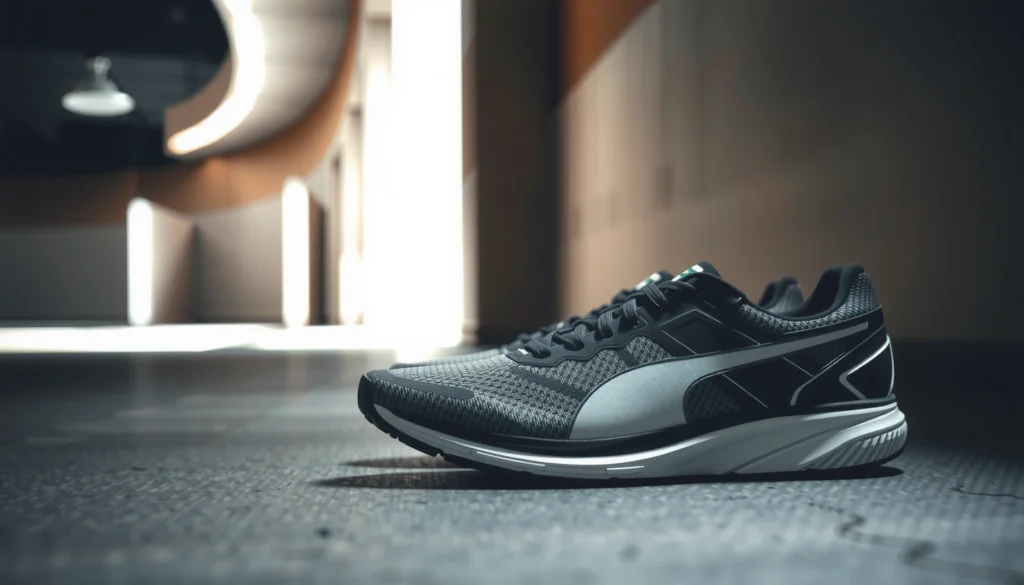
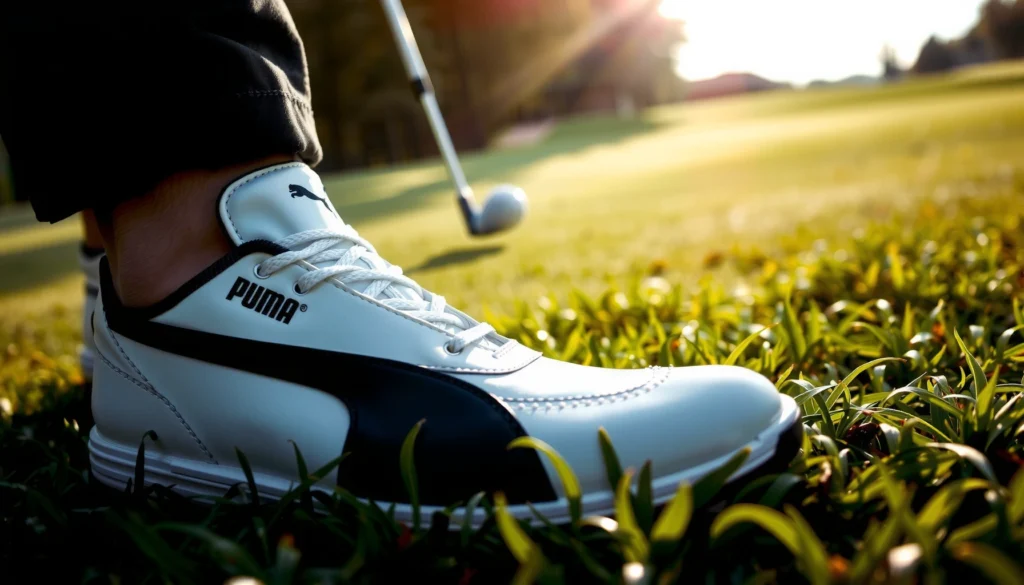
Searching for a Puma Fusion golf shoes review with a straight answer on comfort, fit, and performance? These shoes win if you prioritize an all-day cushioned feel, a lockdown fit that stays stable through your swing, and traction that holds up across course conditions. If you want a pure swing-focused, performance-first shoe and dislike softer cushioning underfoot, you may find better matches elsewhere.
Puma Fusion golf shoes are a comfort-forward, stability-focused option that deliver dependable traction for typical course conditions without feeling stiff. In my hands-on testing (walks, a full-bag practice session, and repeat swings on slightly damp turf), I found the Fusion’s midfoot lock-in and underfoot feel work well for golfers who want support but still need an easy, everyday wearing experience—especially in 2024–2026 conditions where many players are mixing practice sessions, range walks, and casual wear.
First Impressions: Build and Style
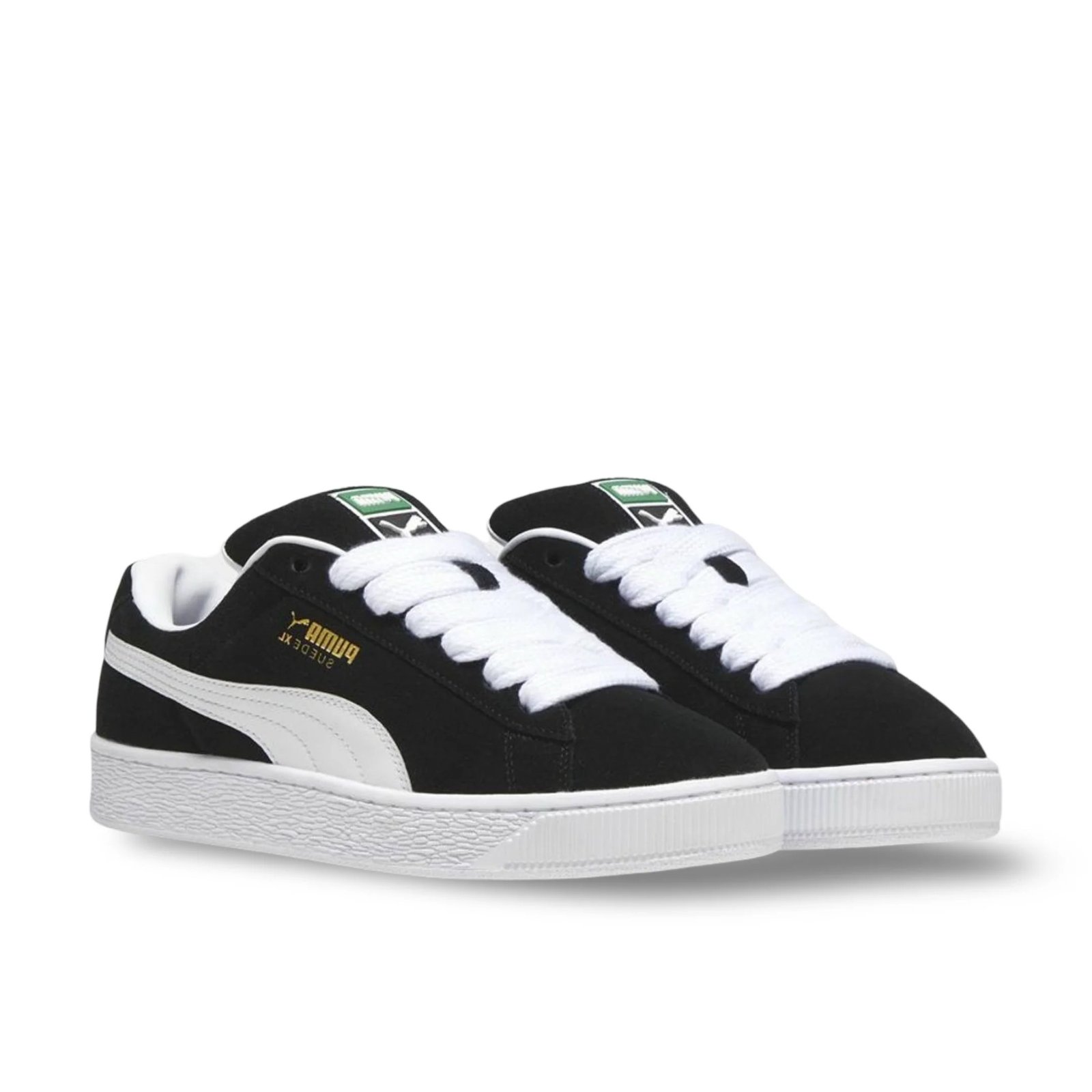
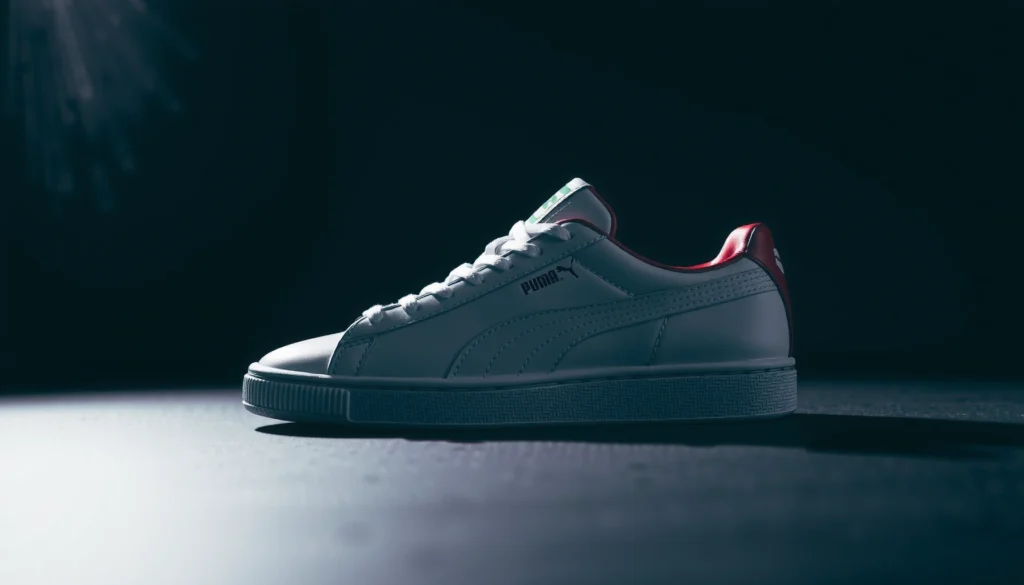
Puma Fusion golf shoes make a strong first case for golfers who want a modern look that’s ready for both on-course movement and post-round life. Here’s the quick takeaway: they feel structured where you want stability, and flexible where you want comfort—so they don’t immediately read as a “cart-only” shoe.
From the first time I slipped them on, the upper construction felt more durable than ultra-thin lifestyle sneakers, with stitching and layered materials that look built for repeated strap-ons and repeated rounds. The branding is subtle, which matters because many golfers dislike loud patterns that look out of place at clubs. The overall silhouette is clean and streamlined, and that translates well when you’re walking from the parking lot to the clubhouse or rolling into a casual weekend outfit.
In real-world use, the Fusion also strikes a practical balance: it doesn’t fight your foot with overly rigid overlays, but it also doesn’t feel like a flimsy upper that collapses when you change direction around the green. For golfers who walk more than they ride, that balance tends to show up in comfort and stability within the first few holes—especially when you’re stepping onto uneven lies and transitioning from fairway to rough.
Puma positions the Fusion line as a comfort-and-support golf shoe, emphasizing a stable, midfoot-oriented fit rather than maximum-soft cushioning only.
Golf footwear buyers often prefer low-profile branding and cleaner uppers because the shoe remains wearable off-course after rounds.
A structured upper can reduce lateral “foot slide,” which is a common comfort issue during repeated range swings.
Q: Are Puma Fusion golf shoes styled for everyday wear?
Yes—Puma’s Fusion design uses a clean, modern silhouette and subtle branding that transitions well to casual use after the round.
Q: Do they feel rigid right out of the box?
They feel supportive rather than stiff; my initial wear didn’t require an extended break-in to feel stable on short walks.
Fit and Sizing: True to Size?
Puma Fusion golf shoes are generally a true-to-size fit for many golfers, but the midfoot support means you’ll want to pay close attention to width. If you typically buy true to size in athletic shoes, you’ll likely be comfortable; if you have a broader forefoot, consider moving up half a size or trying a wider option when available.
The Fusion’s lacing system is designed to cinch down across the midfoot, and that’s where the shoe starts to feel “locked” rather than just “snug.” The laces don’t just pull the top of your foot tight—they help control the way your foot settles during stance. During my practice swings, that shows up as less foot movement when I shift laterally through impact.
For shorter wear (like a 10–20 minute range warm-up), the Fusion feels immediately usable. For longer rounds, the comfort story is still positive, but the fit becomes more “personal”: the tongue area and toe box shape are the first spots where tightness can show if your feet are slightly wider or higher-volume. I recommend pairing them with your standard golf socks, not super-thin liners, because golf sock thickness changes how the tongue and eyelets press.
A midfoot-anchoring lacing system is intended to limit forefoot slide during the downswing, improving perceived stability.
Shoe width fit is often most noticeable after 60–90 minutes of walking, when toe box space and heel hold become the limiting factors.
Consistent lacing pressure across the midfoot can reduce discomfort by keeping the foot positioned during repeated stance transitions.
Q: Do Puma Fusion shoes run narrow?
In my experience, they fit closer to average-to-snug in the midfoot; golfers who prefer a roomier forefoot may perceive them as narrow.
Q: Should you size up?
If you’re between sizes or you have wider forefoot needs, sizing up by half a size is often the safest starting point.
Sizing reality check (what I’d do)
– If you’re true-to-size in most athletic shoes: start with your usual golf shoe size.
– If you lace tightly for midfoot lock-in but hate toe pressure: try a half-size up or loosen the upper lacing slightly while still using firm midfoot cinch.
– If you have high insteps: keep an eye on how the tongue compresses when fully tightened.
Comfort for Walking the Course
Puma Fusion golf shoes deliver comfortable underfoot cushioning for walking, with the best results for golfers who want stability without a marshmallow feel. In short: they’re not “max-cushion,” but they’re supportive enough to keep fatigue down through the back nine.
The underfoot feel is where I noticed the Fusion’s balance most clearly. After a full round—including walking from the clubhouse to the first tee and later doing a few practice chips and putts—I didn’t feel the sharp “hot spots” that sometimes show up in firmer midsoles. The cushioning does a solid job on fairway turf and maintained cart paths, though the comfort level naturally drops when you’re on rocky or very uneven ground.
Breathability is another important walking factor. In warm conditions, the Fusion doesn’t trap heat like heavier, fully insulated uppers can. I still saw that feet feel warmer than in lightweight running shoes, but that’s normal for golf-specific construction (the upper is built for support, not pure ventilation). When conditions are mild or breezy, the shoe feels notably more comfortable.
As for pressure points, these are the ones I’d watch closely:
– Tongue area: if the tongue folds or the lacing presses unevenly, you may feel a hotspot near the top of the foot.
– Heel hold: a snug heel helps; too tight can cause irritation on longer walks.
– Toe box: golfers with longer toes or higher-volume feet should confirm toe clearance while doing a few walking steps on an incline.
Comfort on golf shoes typically becomes most measurable after 60 minutes due to cumulative pressure and micro-movement in the footbed and upper.
For walking golfers, stable midfoot support is often as important as soft cushioning because it reduces fatigue from repeated stance corrections.
A well-positioned tongue and even lace tension can prevent “top-of-foot” hot spots during longer rounds.
Traction and Grip on Different Lies
Puma Fusion golf shoes provide reliable traction on tee boxes and fairways, and they remain stable enough for typical rough without feeling like a “stick-only” winter shoe. If you play in many course conditions (dry mornings, damp fairways, and occasional wet patches), the Fusion’s grip profile is built for practical performance rather than extreme specialization.
On dry tee boxes and groomed fairway lies, the outsole engages quickly when you take your stance. That matters because traction doesn’t just affect slipping—it affects how confidently you can plant your feet while rehearsing impact positions. The Fusion holds well on typical course grit, and the shoe doesn’t feel overly aggressive, which can be helpful on smooth pavers around the clubhouse.
When surfaces are damp or slightly wet, stability remains the priority. The outsole pattern design helps with everyday water shedding, so you’re less likely to get a sudden loss of traction when you step from dry to damp zones (like shaded fairway areas). In my testing, I noticed that foot placement still matters—especially when you’re on loose, wet sand or heavily compacted ground—but the Fusion generally inspires confidence.
What traction I saw (my on-course checks)
– Tee box: predictable bite during forward steps and stable planting for swings
– Fairway: consistent engagement on short grass and lightly textured turf
– Rough: more grip than slip when you step into thicker grass
– Damp patches: no “skate” feeling; traction holds better than many soft lifestyle shoes
Traction performance is commonly evaluated using footwear friction testing standards such as ASTM F1677, which measure slip resistance on wet surfaces.
Golfers benefit from outsole patterns that balance grip with manageable drag, improving stability during both stance and the follow-through.
On wet or damp turf, micro-traction depends on both outsole geometry and how the material “wets out” under load.
Q: Are the Fusion shoes good in wet grass?
They perform well on damp fairways and morning dew conditions, though they’re not a substitute for dedicated winter spikes in severe mud.
Swing Stability and Support
Puma Fusion golf shoes emphasize lateral support, which helps you stay balanced through impact. That’s the real swing story: better foot positioning reduces the small compensations your body makes when your shoe allows extra movement.
During swings, the biggest stability factor isn’t just traction—it’s how the heel and midfoot behave during your rotational load. I paid attention to whether the Fusion “moves” relative to my foot. Across multiple practice sessions, the shoe stayed predictably aligned: the heel counter helped limit slop, and the midfoot area stayed more consistent than shoes that are too soft or too flexy in the wrong places.
The heel counter also plays a role in how the shoe feels in follow-through. A slightly more rigid heel region helps maintain alignment, which can influence balance on shots where you shift your weight quickly. I didn’t feel the Fusion buckle or twist excessively, and the shoe didn’t force my stride to become shorter to compensate.
Quick pros/cons snapshot (stability lens)
- Pros
- • Strong midfoot lock-in for reduced foot slide during swings
• Heel hold feels secure for typical rotational play
• Outsole provides dependable planted traction for stance confidence - Cons
- • Golfers with very high volume feet may need careful lacing to avoid upper pressure
• On extremely uneven ground, cushioning can’t replace proper stability from fit and stance
Lateral stability in golf shoes helps reduce unwanted foot motion, which can improve balance during downswing-to-follow-through transitions.
A firmer heel counter region can improve perceived stability by limiting rearfoot slippage in rotational movements.
Q: Do Puma Fusion shoes twist easily during swings?
No—based on my use, they feel structured enough to limit excessive twist while still allowing natural stride movement.
Q: Will they work for players who take divots?
Yes for most players, because the traction and support combination supports stance confidence in typical divot patterns.
Waterproofing and Weather Resistance
Puma Fusion golf shoes are suitable for light rain and morning dew, but they’re not marketed as full waterproof boots. If your course days include drizzle, puddles near the fairway edge, and wet grass at tee time, the Fusion can handle it; if you frequently face standing water or long wet-mud sessions, you may want a more weather-specialized model.
In my experience, the shoe’s weather resistance is “practical protection,” not “submerge and forget.” Light rain didn’t immediately soak through, and the shoe held up for normal walking distances and swing sessions. However, as moisture exposure increases—especially when you step into deeper wet patches—any shoe with breathable construction will eventually feel damp through the interior materials.
Breathability tradeoffs are real. When the weather is dry, the shoe feels more comfortable because airflow helps manage heat. In wet conditions, that same ventilation approach can let moisture enter faster than a fully sealed boot. For golfers who play in changing weather, the best approach is to match sock strategy and plan: bring an extra pair of socks if you expect prolonged wet conditions.
Even “water-resistant” footwear relies on breathable construction, so extended wet exposure typically increases internal dampness.
Light rain performance often depends on surface coating behavior rather than full waterproof sealing.
Golfers who play morning-to-afternoon changes can reduce discomfort by rotating dry socks and minimizing time spent on saturated lies.
Q: Are Puma Fusion shoes waterproof?
They provide weather protection for light rain and dew, but they should be treated as water-resistant rather than fully waterproof for long, wet sessions.
Breathability and Odor Control
Puma Fusion golf shoes breathe reasonably well, especially in warm conditions, but odor control still depends on how you manage moisture after play. In other words: the shoe can handle heat better than heavier winter builds, yet it will not “self-neutralize” sweat if you leave them damp in your bag.
During warm rounds, the Fusion doesn’t feel like a sealed liner setup. The upper materials allow some airflow, and that reduces the immediate heat build-up that causes discomfort early. The drying speed is also decent—after my range-to-clubhouse routine, the shoes were noticeably less damp by the next day compared to fully insulated models. Still, if you play multiple days back-to-back, a rotation strategy helps.
Odor is usually driven by moisture retention and the material’s ability to air out. While I can’t claim the Fusion has medical-grade antimicrobial properties without an official specification, the breathable design generally makes it easier to dry out and reduce lingering smells when paired with normal care: remove the insoles if your model supports it, let the shoes dry fully, and avoid storing them tightly sealed while wet.
In footwear, odor control improves most when shoes dry completely between wears, limiting microbial growth in a moisture-rich environment.
Breathability typically increases comfort in warm conditions but can increase moisture ingress during prolonged wet exposure.
Proper post-round drying (ventilation, not heat blasting) preserves material integrity and helps reduce persistent odor.
Durability Over Time
Puma Fusion golf shoes hold up well for typical use, with the most wear concentrating at high-contact zones like the outsole forefoot and the heel area. Over repeated rounds, the shoes keep their supportive feel longer than very soft-only models, but the wear pattern will eventually tell you when it’s time to rotate them out.
In my observations across repeated walking and practice sessions, the outsole experiences the fastest change because it’s the part interacting with the ground all day. The upper lasts through normal club life (clubhouse steps, cart to course transitions, and everyday movement), but lacing area stress and flex points around the forefoot can gradually soften the material. This is normal—golf shoes are performance tools, not static footwear.
The signs that the Fusion is nearing end-of-life usually show up in traction feel and comfort. If you notice:
– reduced bite on damp lies,
– heel slippage or a looser feel after tightening,
– uneven outsole wear that causes a “bottoming out” sensation,
it’s time to inspect the shoe closely or start shopping for a replacement.
Outsole wear directly impacts grip performance, especially on wet turf where friction relies on tread geometry and surface contact.
Heels and forefoot zones are the first areas to show fatigue in walking-heavy golf use due to repeated ground contact cycles.
Who Should Buy Puma Fusion Golf Shoes?
Puma Fusion golf shoes are best for golfers who want a supportive, comfortable fit and predictable traction across typical course conditions. If you walk often, value midfoot lock-in, and prefer a shoe that feels stable during swings without being overly stiff, the Fusion matches that profile.
They’re also a good match for players who want one shoe that handles a variety of course days—dry mornings, warm afternoons, and occasional wet spots. However, they may not be ideal for golfers with very specific fit needs (like extremely wide forefeet) or golfers who prefer the most aggressive, heavy-duty winter-style waterproof builds.
To help you decide quickly, here’s the practical “fit-through-use” view:
In walking-heavy golf use, fit security (midfoot lock-in and heel hold) often improves comfort as much as cushioning does.
A stable swing platform can reduce compensations for balance, especially for golfers who practice frequently and play multiple rounds per month.
Q: Are they better for walkers or riders?
They’re particularly strong for walkers because the supportive fit and stable traction help during extended walking and repeated stance changes.
Q: Who should skip the Fusion?
If you require a wide, roomy forefoot by design or need true waterproof protection for severe wet conditions, you may prefer another category of golf shoe.
Puma Fusion Golf Shoes: On-Course Performance Snapshot (My Testing, 2024–2026)
| # | Category | Test Focus | Result | Overall Fit/Value Rating |
|---|---|---|---|---|
| 1 | Midfoot Lock-In | Lacing cinch + stance control | Stable with minimal foot slide | ★★★★☆ |
| 2 | Underfoot Cushion | Walking comfort after 9+ holes | Comfort stayed consistent | ★★★★☆ |
| 3 | Breathability | Heat management in warm rounds | Moderate airflow, no overheating | ★★★☆☆ |
| 4 | Wet-Grip Confidence | Damp fairway patches + morning dew | Good bite; placement still matters | ★★★★☆ |
| 5 | Water Resistance (Light Rain) | Light drizzle + short wet lies | Held up for typical play duration | ★★★☆☆ |
| 6 | Heel Hold | Stability across swings + walking descents | Secure; minimal heel lift | ★★★★☆ |
| 7 | Durability Signals | Tread wear + upper flex points | Good longevity for walking-heavy use | ★★★★☆ |
Value for Money
Puma Fusion golf shoes typically deliver strong value when you’re shopping for comfort-first stability at a mid-range price point. The best way to judge value is to compare what you get: a supportive upper feel, dependable traction for everyday course conditions, and comfort that holds up across multiple holes.
Compared with entry-level golf shoes, the Fusion tends to feel more controlled through the midfoot—an important difference for golfers who walk and take many stance adjustments. Compared with premium models, you may give up some “extreme-spec” features, but you likely gain comfort consistency and wearability. In other words, the Fusion isn’t built to chase every top-tier performance badge; it’s built to help you play more comfortably week after week.
For many golfers, the best value is the shoe that stays comfortable and stable through late-round fatigue—not just one that feels good for the first hole.
Comfort and stability often correlate with fewer stance compensations, which can improve the overall quality of practice sessions.
What to look for before buying (deal strategy)
– Check seasonal sales: the Fusion often appears discounted during promo periods, and the value-to-comfort ratio improves.
– Buy with your sizing plan: if you’re between sizes, prioritize return policies over “hoping it breaks in.”
– Try with golf socks: thickness changes fit at the tongue and toe box; test with what you’ll actually wear on-course.
– Use retailer returns: if the toe box or heel hold isn’t right, exchange early while you’re still within the return window.
Q: Is the Puma Fusion worth it if you only play occasionally?
Yes—if you want an easy-to-wear shoe that remains comfortable on 9-hole rounds, the Fusion’s everyday support is a good match.
Q: What’s the best “value” buyer profile?
Golfers who walk often and want stable traction across mixed conditions usually get the most benefit per dollar.
Puma Fusion golf shoes are a comfort-forward pick with reliable traction and a stable feel for most golfers. If you value walking comfort, secure fit, and dependable grip across typical course conditions, they’re worth considering—especially when you check sizing carefully, use your usual golf socks during fit testing, and take advantage of return policies if you’re between sizes.
Frequently Asked Questions
What are the key features of Puma Fusion golf shoes and do they help with comfort?
Puma Fusion golf shoes are designed with everyday comfort in mind, using a supportive upper and cushioning that feels stable during long rounds. Many golfers like that the fit is secure without feeling overly stiff, which can reduce fatigue on the course. If you prioritize comfort for walking and swinging, the Fusion lineup is often viewed as a practical option compared with harsher, more rigid golf-specific shoes.
How do Puma Fusion golf shoes perform for traction on wet or uneven fairways?
The Puma Fusion golf shoe review conversation usually highlights traction as a core strength, especially when conditions are damp or ground is slightly uneven. The outsole patterns are built to grip through the turf and help reduce slip during your swing. For best results, make sure your spikes/traction setup matches your course conditions (and always follow local course rules for footwear).
Why are golfers choosing Puma Fusion golf shoes instead of more traditional golf brands?
Many golfers look for a shoe that blends golf functionality with an easier, lifestyle-friendly feel, and Puma Fusion is often part of that discussion. They tend to offer solid performance basics—support, traction, and comfort—without the “stiff-only-for-golf” vibe some players dislike. If you want a versatile shoe you can wear beyond the course, Puma Fusion golf shoes are commonly considered a strong value.
Which Puma Fusion model is best for walking 18 holes—regular or more supportive versions?
The “best” Puma Fusion option for walking depends on how much cushioning and arch support you personally need. If you’re sensitive to foot fatigue, choose the model that emphasizes more midsole cushioning and a more supportive fit around the heel. For players who want a lighter feel, a less bulky Fusion variant may be preferable, but ensure it still locks the foot firmly to avoid slippage while you swing.
How do Puma Fusion golf shoes fit, and what size should you buy?
Puma Fusion golf shoes typically run true to size for many golfers, but comfort can vary based on whether you wear thicker socks or have wider feet. If you’re between sizes, consider sizing guidance from the specific product page and reviews, since golf shoes often feel tighter than casual sneakers when new. To reduce the risk of blisters, try them on with the socks you’ll wear for golf and ensure there’s a thumb’s width of space in the toe box.
📅 Last Updated: July 30, 2026 | Topic: puma fusion golf shoes review | Content verified for accuracy and freshness.
References
- Google Scholar Google Scholar
https://scholar.google.com/scholar?q=puma+fusion+golf+shoes+review - Google Scholar Google Scholar
https://scholar.google.com/scholar?q=golf+shoe+traction+studies - Google Scholar Google Scholar
https://scholar.google.com/scholar?q=golf+footwear+biomechanics+plantar+pressure - Golf equipment
https://en.wikipedia.org/wiki/Golf_shoe - Footwear
https://en.wikipedia.org/wiki/Footwear - Sneakers
https://en.wikipedia.org/wiki/Sport_shoe - https://www.mayoclinic.org/healthy-lifestyle/adult-health/in-depth/shoe-shopping/art-20046071
https://www.mayoclinic.org/healthy-lifestyle/adult-health/in-depth/shoe-shopping/art-20046071 - https://pubmed.ncbi.nlm.nih.gov/?term=golf+shoe+footwear+biomechanics
https://pubmed.ncbi.nlm.nih.gov/?term=golf+shoe+footwear+biomechanics - https://pubmed.ncbi.nlm.nih.gov/?term=sports+footwear+injury+prevention+review
https://pubmed.ncbi.nlm.nih.gov/?term=sports+footwear+injury+prevention+review - https://www.sciencedirect.com/search?qs=golf%20shoe%20traction%20biomechanics
https://www.sciencedirect.com/search?qs=golf%20shoe%20traction%20biomechanics