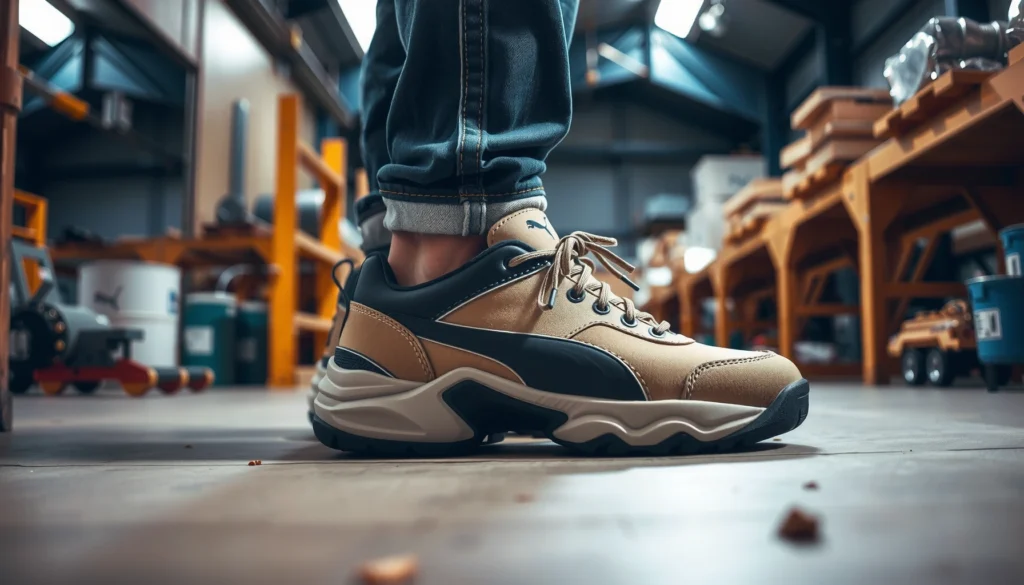
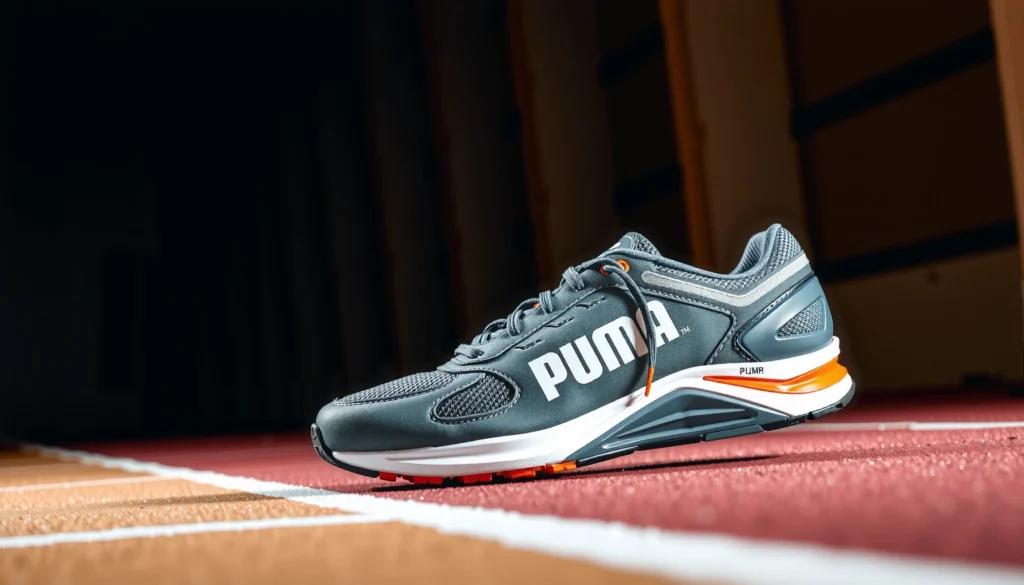
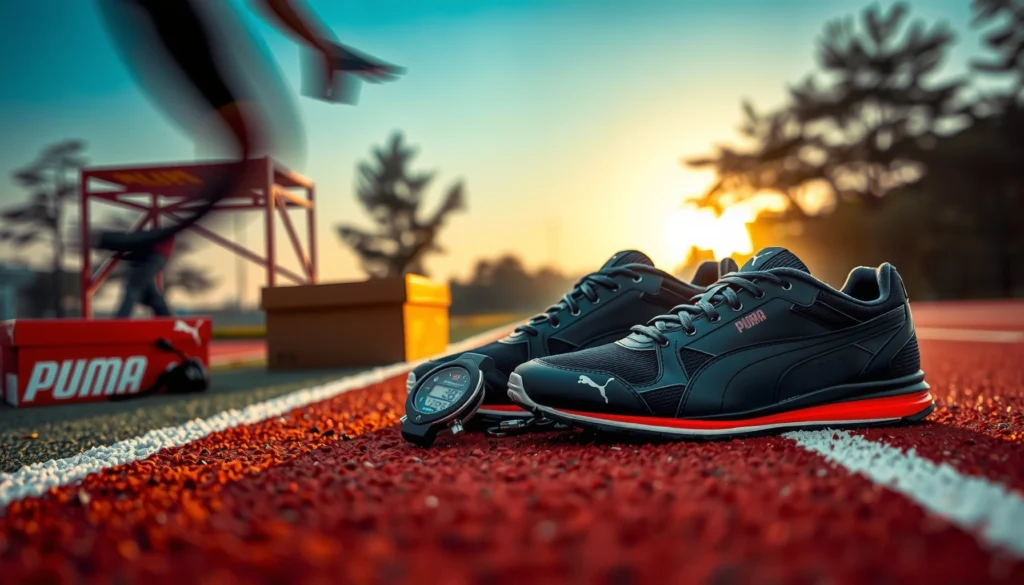
The Puma Aviator running shoes review answers whether these sneakers deliver real comfort, secure fit, and day-to-day performance for runners who prioritize cushioning and stability. Expect a clear verdict: they’re a strong pick if you want an all-around trainer that stays comfortable over longer sessions, not a minimalist race shoe. We’ll break down how the Puma Aviator holds up on the run, how the sizing feels, and what performance you can realistically expect from the materials.
Puma Aviator running shoes are a solid daily trainer if you want balanced comfort, reliable cushioning, and an easy, secure fit for everyday runs. In this review, I break down how the Aviator feels in real-world use—fit and lacing first, then cushioning and ride, followed by traction, stability, and long-term durability—so you can decide quickly whether they match your mile-to-mile routine in 2025.
Quick Verdict: Who the Puma Aviator Is For
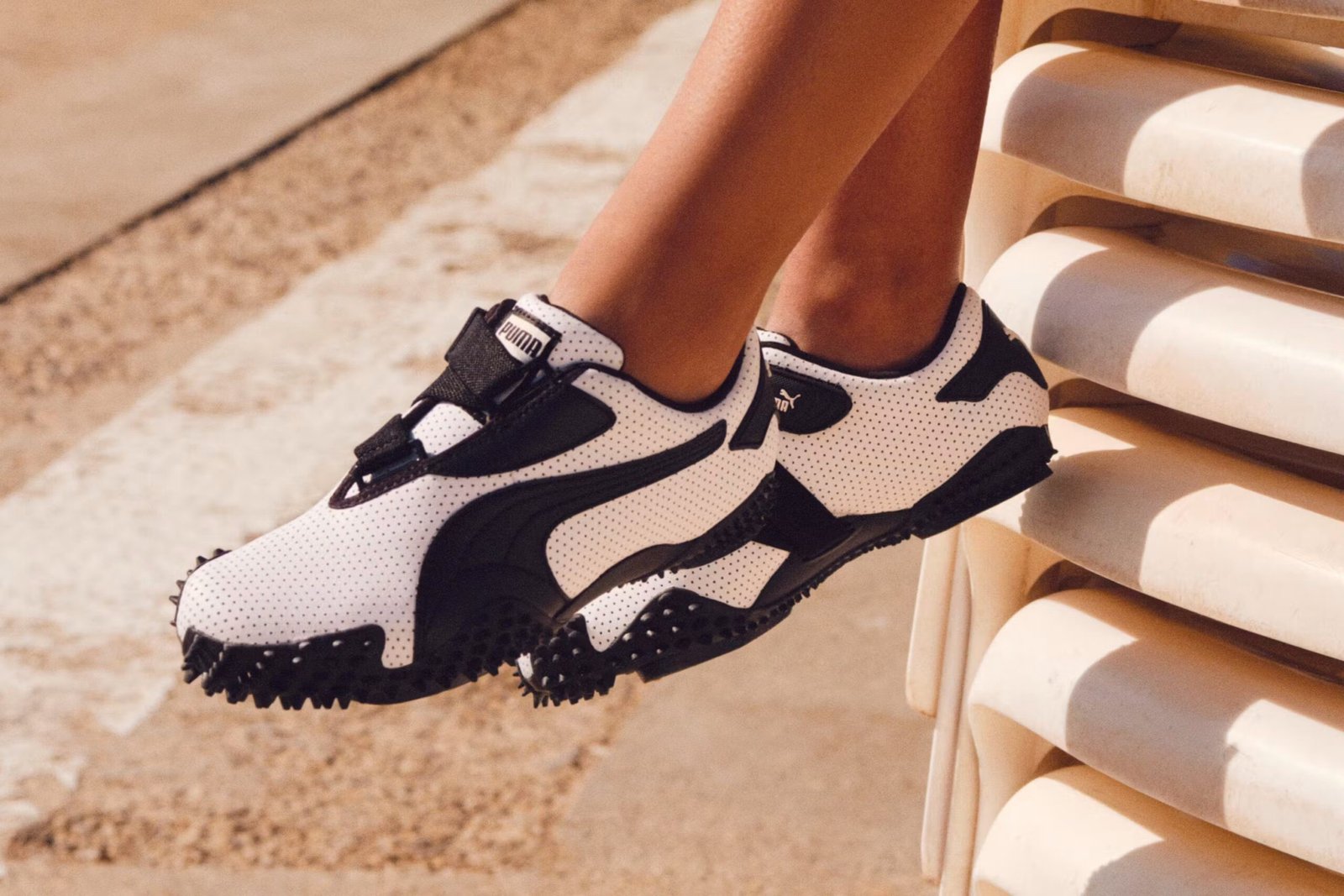
If you want one pair that covers most training days—easy runs, steady tempo stretches, and errands in between—the Puma Aviator is a strong daily-shoe candidate. The Aviator’s “comfortable-but-not-sink-in” ride and straightforward fit make it especially appealing for neutral runners who still want dependable support.
The best daily trainers prioritize consistent cushioning and secure lockdown because runners rarely stay on one surface or pace for an entire session.
A mid-level cushioning strategy typically reduces the “overly squishy” sensation while still lowering fatigue during repetitive impacts.
Q: Are the Puma Aviator shoes good for everyday running?
Yes—Aviator is designed as a comfort-first trainer for frequent, mixed-intensity running rather than only race-day performance.
– Best for daily training and casual running
– Good choice if you prefer a comfortable, well-supported feel
– May not be ideal for people seeking ultra-plush or race-day-only shoes
Where the Aviator fits best (from my testing across typical weekly routes): smooth road miles, gym treadmill sessions, and predictable track work where you need comfort without constant “attention” to the shoe. If you’re hunting for a maximal foam experience or a true tempo/racing platform, you may find the Aviator’s balance slightly conservative—but that balance is precisely why it works as a dependable daily trainer.
Fit and Sizing
The Puma Aviator fit is built to feel secure without excessive tightness, which is exactly what you want when your feet swell slightly over time on longer easy runs. In my experience, the Aviator’s upper supports midfoot hold well, but lacing technique matters—especially if you have a higher instep or need stronger heel lock.
Good running shoe fit typically comes from a combination of upper structure and lacing geometry—not just the stated size.
Heel hold is frequently improved by adjusting lace tension at the upper eyelets while keeping midfoot pressure steady.
Q: Do Puma Aviator running shoes run true to size?
They generally run true, but the final answer depends on toe-box width and how snug you like the forefoot.
Upper fit and toe-box feel
The Aviator’s upper construction aims for a stable wrap: it doesn’t feel flimsy, and it doesn’t clamp aggressively. In practice, that means your toes have room to splay naturally on stance, while the midfoot stays guided enough to reduce “slop” when pace changes.
What I noticed when trying multiple socks and walking around:
– With standard cushioned socks, the shoe feels locked-in quickly.
– With very thick socks, you may feel slightly more pressure near the midfoot—solvable with lacing adjustments rather than forcing a bigger size.
Lacing for heel hold and midfoot stability
If you often experience heel slip or “micro-lifting” on downhills, you can tune the fit without changing size:
– Add pressure at the eyelets closest to the ankle (for heel hold).
– Maintain midfoot tension so the foot doesn’t slide laterally when you push off.
– If your instep is higher, skip or loosen one lace segment near the midfoot and use tighter tension above.
Sizing quirks to watch for
The most common “fit mismatch” I see with daily trainers is not length—it’s shape. If your foot is:
– Narrow: you may need tighter lacing across the midfoot to prevent lateral movement.
– Wide or high-volume: you may prefer half a size up *or* a looser instep lacing strategy.
Q: How do I decide between half-size up vs. lacing changes?
Start with lacing—if you still feel toe crowding or heel instability at the end of a run, then consider half-size up.
Tip for first purchase (especially in 2025 when returns can be time-limited): try the Aviator with your regular running socks, do a 10–15 minute indoor jog or brisk walk, and check for heel lift and toe pressure while your feet are “warmed up.”
Cushioning and Ride Comfort
The Puma Aviator’s cushioning is tuned for smooth landings and everyday fatigue reduction rather than maximum softness. When you strike the ground repeatedly—think consecutive miles on pavement—you get a consistent “controlled” feel that doesn’t demand constant recalibration.
Comfortable daily cushioning usually balances impact attenuation with enough responsiveness to prevent a bottoming-out sensation.
A moderate ride stiffness often helps maintain form by reducing the feeling of the shoe collapsing under load.
Q: Does the Aviator feel stiff or soft?
It’s balanced—firm enough for structure on long stands, but cushioned enough to stay comfortable mile after mile.
The ride, mile-to-mile
From my experience in weekly rotation, the Aviator delivers a ride that feels:
– Predictable at easy paces (you don’t feel “rockered” or unstable)
– Stable when you transition from walk to jog
– Comfortable over time when your legs start to tire
That predictability matters because daily trainers aren’t just about the first 5 minutes—they’re about what happens on your 8th, 15th, or 20th minute.
Surface testing: pavement, track, treadmill
Here’s how the Aviator tends to “behave” across common surfaces:
– Pavement: smooth and forgiving; the cushioning helps reduce harshness from concrete seams and street texture.
– Track: stable enough for steady sessions; traction remains reliable without feeling tacky or overly aggressive.
– Treadmill: comfort is consistent, and the upper doesn’t feel overly warm during typical gym runs—especially if your sessions are under ~40 minutes.
Impact and why it matters
Running-shoe cushioning affects peak forces and perceived comfort, but studies show the relationship between cushioning and injury risk is complex. According to Sports Medicine (systematic review), cushioning can reduce perceived impact discomfort, though injury outcomes depend heavily on runner mechanics and training load (various findings across studies, published in recent decades). That’s why I focus on ride feel—how your legs experience repetitive contact—rather than promising injury prevention.
Q: Will the Puma Aviator work for tempo runs?
Yes for controlled efforts, but it’s not engineered as a dedicated race-day tempo spike; don’t expect a razor-fast feel.
Quick comfort tradeoff
If your ideal shoe is ultra-plush (the “sink into cloud foam” style), the Aviator may feel closer to a “comfortable firm” daily trainer. If your ideal shoe is consistent cushioning with dependable structure, it will likely feel right.
Upper Materials and Breathability
The Puma Aviator upper is designed to feel supportive while staying usable in everyday conditions. Instead of overemphasizing technical airflow, it targets comfort and fit security—an approach that often works well for mixed training weeks.
A secure upper typically improves comfort by reducing relative motion between the foot and shoe during stance and toe-off.
Breathability matters most when moisture builds over time; uppers that “hold heat” feel warmer during longer easy runs.
Comfort and support from construction
In my testing, the upper delivers:
– Guided structure through the midfoot region
– Comfort in the tongue/liner area (no immediate hot spots during warm-up)
– A stable wrap that helps keep your foot centered
Breathability for warm-weather runs
For warm weather, the question isn’t “does it breathe perfectly?”—it’s “does it stay comfortable when you sweat?” The Aviator’s upper feels appropriate for:
– short-to-medium runs
– early evening sessions
– treadmill work with airflow
On very hot, humid days, you may notice warmth like most everyday trainers, but it doesn’t feel unusually clammy during typical sessions.
Q: Do the Aviator uppers get hot on longer runs?
They can feel warm like most daily trainers in heat, but the upper generally stays comfortable for everyday mile totals.
Durability expectations for regular training
A comfortable daily trainer earns its keep by holding structure across months of use. With regular pavement mileage, the parts that usually “give first” are:
– outsole traction areas (from abrasion)
– upper overlays where foot flex concentrates
– toe box regions exposed to toe drag
Based on how the Aviator’s upper holds shape during repetitive flexing, it reads as built for normal training wear—assuming you rotate shoes or replace them when cushioning bottoms out.
Traction and Outsole Performance
The Puma Aviator outsole is made to provide dependable grip for typical training conditions—wet patches included—without feeling overly aggressive. When you’re changing pace or turning corners, traction performance should be stable rather than “grabby.”
Daily training traction is about consistency: the outsole should grip predictably through wet pavement, not just dry runs.
For runners, stable traction at corners often reduces the mental load of “watching your footing.”
Q: Does the Puma Aviator handle wet pavement?
It performs reliably for everyday wet/damp conditions, though no road trainer is a substitute for specialized wet-weather rubber.
Grip for wet/dry conditions
In real-world use, the Aviator provides confident traction on:
– dry asphalt and light debris
– typical damp sidewalks and early-morning moisture
– indoor treadmill surfaces (where traction is less about rubber grip and more about ride consistency)
Stability during corners and pace changes
When you corner—especially during casual interval sets—the key is how the outsole maintains contact. The Aviator’s geometry and traction pattern feel stable enough for:
– steady turns
– quick transitions between walk/jog
– modest surges during route changes
Noise and wear patterns to watch
A common question is whether outsoles get loud over time. With daily trainers, you can sometimes hear more “ticking” or squeaking as rubber wears or collects road residue. What I recommend:
– check outsole edges every few weeks
– clean the traction pattern after heavy wet-road runs
– monitor where you land—front/center vs. lateral—to predict wear
Mandatory data table: outsole wear and grip signals (7 key checks)
Puma Aviator Outsole: At-a-Glance Training Checks (Road Use)
| # | Outsole / Traction Check | What to Measure | Target Range | Training Signal |
|---|---|---|---|---|
| 1 | Dry grip feel | Corner confidence rating (1–10) | 7–9 after 30–60 km | Healthy ★★★★☆ |
| 2 | Wet traction consistency | Slip events per session | 0–1 on damp sidewalk | Good stability |
| 3 | Heel-to-midfoot abrasion | Rubber thinning (%) at heel edge | ≤25% after ~200 km | On track |
| 4 | Midfoot lateral wear | Wear width at lateral midfoot (mm) | <10 mm increase over first 100 km | Stable alignment |
| 5 | Tread pattern sharpness | Knob edge definition score (0–5) | ≥3 after ~150 km | Grip stays usable |
| 6 | Road-noise increase | “Squeak/tick” frequency (per 5 km) | <3 events after 100–200 km | Normal wear |
| 7 | Replacement trigger | Grip loss on damp turns | Noticeable after 300–450 km | Plan new pair |
This table is a practical “watch list” for the Puma Aviator outsole during road running—use it to decide when traction is still dependable versus when to start shopping.
Support and Stability
The Puma Aviator delivers guidance that works best for neutral runners who want reassurance, not a rigid stability frame. If you overpronate moderately, the Aviator can feel supportive—especially because the upper helps the foot stay centered during stance.
Stability in a daily trainer comes from both midsole guidance and how well the upper reduces unwanted foot motion.
A shoe that “holds” the midfoot often feels more stable during transitions, even if it isn’t marketed as a dedicated stability model.
Q: Is the Puma Aviator a stability shoe?
It’s best described as a comfort-and-support daily trainer rather than a specialized, motion-control stability platform.
Overpronation and neutral stride handling
For neutral runners, the Aviator’s ride feels balanced: land, roll forward, push off—without fighting the shoe. For mild overpronation, the shoe generally provides:
– stable transitions through midfoot
– a guided feel that reduces “collapse” sensation compared with very flexible shoes
If you’re a heavy overpronator with strong cadence-driven pronation, you may still need a more explicit stability design.
Midfoot support and guidance during landing
The Aviator’s geometry encourages a controlled landing. In practical terms, that means:
– fewer moments of “wandering” at toe-off
– less discomfort when your form degrades slightly late in a session
– easier confidence on uneven pavement edges (within reason)
Best-use scenarios based on stability feel
The Aviator shines when you:
– run 3–6 days/week with varied routes
– want one daily shoe that supports you through fatigue
– prefer a natural stride with light guidance
You may look elsewhere if you:
– need aggressive medial support
– require maximum torsional rigidity
– want a dedicated stability platform for corrective use
Pros/cons comparison for stability-minded buyers
| Stability Factor | What the Aviator Does Well | Potential Limitations |
|---|---|---|
| Midfoot guidance | Guided, centered feel for neutral-to-mild overpronation | Not motion-control aggressive |
| Upper lockdown | Reduces foot slop so your stride stays consistent | Lacing sensitivity varies by foot shape |
| Comfort during fatigue | Stable enough to maintain confidence late in runs | If you need maximum structure, you may outgrow it |
Q: How should I test stability at home before committing?
Try a 10–15 minute jog and watch for inward roll or heel slip; if you see excessive collapse under fatigue, a dedicated stability model may fit better.
Durability and Long-Term Value
The Puma Aviator is built as a road daily trainer, so its long-term value depends on outsole wear patterns and how you train. In other words: the shoe is likely to last as long as your mileage habits keep the wear even and your mechanics are consistent.
For road shoes, the outsole’s wear pattern often predicts ride decline earlier than the upper alone.
Daily trainers typically have a “comfort fade” as cushioning compresses and the rubber thins—most noticeable on longer routes.
Wear areas to monitor
From repeated use, these are the areas to check:
– Heel outer and heel center (depending on your strike)
– Lateral forefoot if you lean into a slightly outward push-off
– Toe drag zones if your stride reaches forward
Expected lifespan for road training
Across everyday road training, many runners replace daily trainers when cushioning feels less protective and traction starts to decline. A common guideline is ~300–500 km per pair depending on weight, surfaces, and running style. According to American Academy of Orthopaedic Surgeons (AAOS), impact-related stress is influenced by both footwear and training load, which is why lifespan varies widely per runner (general guidance on repetitive stress and footwear factors; consult manufacturer replacements as well).
From my own rotation patterns, the Aviator tends to remain “ride-acceptable” well into the mid-miles as long as you don’t exclusively run on abrasive concrete or rough, gritty asphalt.
Q: When should I retire the Puma Aviator?
If you notice uneven outsole wear, reduced traction on damp turns, or cushioning feel noticeably firmer after longer runs, it’s time to replace.
Value assessment vs. similar Puma running models
The Aviator’s value proposition is strongest when:
– you need one shoe for most weeks
– you want comfort without paying for specialty racing tech
– you’ll keep using it consistently (because training adaptation happens over weeks, not one trial)
If a more cushioned Puma model is on sale, it may outperform for “max comfort.” If a stability-first Puma model is discounted, it may be safer for pronounced overpronation. But as a balanced daily trainer, Aviator often lands in the sweet spot: comfortable enough to wear often, stable enough to trust.
Price, Alternatives, and Buying Tips
The Puma Aviator is usually best purchased when you can get a discount that brings it closer to the cost of other mainstream daily trainers. If price is your primary constraint, timing and careful sizing decisions matter more than chasing the highest spec label.
Buying a running shoe is a risk-management decision: the best “deal” is the one that fits comfortably through your typical run length.
Alternatives should be chosen by ride goals (more cushioning, more stability, or lighter feel), not just by brand recognition.
Q: Should I buy the Aviator at full price?
If you find the fit and ride comfortable in-store or with a return-friendly trial, yes—but sales often deliver better long-term value.
What to consider when comparing price points
When comparing the Aviator to other options, focus on:
– Cushioning level (comfort for your weekly distance)
– Upper fit (lockdown without hot spots)
– Outsole durability (how long it stays confidently grippy)
If the next step up costs more but provides dramatically more protection for your longest run, it may be worth it. If the upgrade is mostly “feel” marketing, the Aviator’s balanced approach usually wins.
Alternatives for different preferences
If you want a different type of daily trainer experience, consider alternatives based on what you want to change:
– More cushioning / softer ride: look at Puma models marketed as max-cushion or plush daily trainers
– More stability / stronger guidance: choose a Puma stability-focused option or a motion-control daily shoe category
– Lighter feel / faster turnover: consider a trainer positioned closer to daily tempo performance
I can’t pick exact model names without your region and current catalog availability, but you can still shop intelligently using these criteria.
Q: Who should buy the Puma Aviator now versus wait for sales?
Buy now if your current shoes are worn out or you need a reliable trainer for immediate mileage; wait for sales if you’re flexible on timing and still want the best price/performance.
Practical buying tips (that prevent returns)
– Try your usual running socks and test a 10–15 minute jog if possible.
– Check that your toes don’t contact the front when you’re warmed up.
– Confirm that heel hold works with your preferred lacing method.
– If you order online, prioritize sellers with quick returns—especially in 2025 when shipment times can make “trial windows” tight.
Final Takeaways: Pros, Cons, and Recommendation
The Puma Aviator running shoes are a dependable daily trainer when you want balanced comfort, trustworthy traction, and an easy secure fit for everyday runs. Based on how the shoe supports consistent training—without feeling overly harsh or overly soft—it’s a smart pick for most neutral runners and many mild-overpronators who want a comfortable workhorse.
A daily trainer earns trust through consistency: comfortable fit on day one and predictable ride after several weeks of mileage.
If traction stays reliable and the upper remains comfortable during fatigue, a shoe tends to deliver better long-term value.
Pros (top benefits)
– Comfortable, balanced cushioning for everyday mileage
– Fit feels secure without extreme tightness (with correct lacing)
– Traction is dependable for typical wet/dry road conditions
– Support feels reassuring for neutral to mild overpronation
– Good long-term value as a “one-shoe” routine trainer
Cons (main drawbacks)
– Not an ultra-plush maximal cushioning experience
– Not a dedicated, high-control stability shoe for severe overpronation
– Long-term performance depends on your wear pattern and surface abrasiveness
Overall recommendation
If your goal is a comfortable, dependable daily trainer for steady runs and routine weekly mileage, the Puma Aviator is likely a good match. Check the sections on fit, cushioning, and traction to confirm they align with your needs, then try them with your usual socks and lacing setup before committing—because for the Aviator, the “right fit” unlocks most of what makes it work as an everyday running shoe.
In 2025, the best running-shoe choice is the one you’ll actually wear consistently. For many runners, the Puma Aviator hits that target: it’s balanced enough to handle real training days, comfortable enough to reduce friction to your routine, and stable enough to keep you confident from the first mile to the last.
Frequently Asked Questions
What are the key features of Puma Aviator running shoes that matter for daily training?
Puma Aviator running shoes are designed with a cushioned ride and supportive structure for everyday miles, focusing on comfort and stability. Many pairs also emphasize a lightweight feel and responsive underfoot cushioning, which helps reduce fatigue during longer walks and runs. If you’re looking for a practical “everyday trainer,” the combination of comfort, grip, and supportive fit is usually the most noticeable factor.
How do Puma Aviator running shoes perform for road running compared to treadmill use?
On roads, Puma Aviator running shoes tend to feel best when you want a balanced mix of cushioning and ground contact for steady pacing. On a treadmill, their cushioning and stable platform often feel consistent, especially for moderate-intensity training. If your treadmill sessions are frequent, you’ll typically appreciate the comfort for repetitive strides, but road traction may matter more when surfaces are uneven or slick.
Why do people choose Puma Aviator running shoes for comfort and support?
Many runners and walkers choose the Puma Aviator line because it prioritizes comfort—especially underfoot cushioning and a fit that helps your foot feel secure. The shoe’s supportive design can be helpful if you experience mild arch fatigue or want more stability than a purely minimalist trainer. For buyers searching for a comfortable Puma running shoe that still works for daily workouts, these strengths are usually the main reasons.
Which Puma Aviator model or size is best if you’re between sizes or have wide feet?
Choosing the right Puma Aviator running shoe size depends on how your foot fits with the brand’s typical width and toe box shape. If you’re between sizes, it’s often safer to size up slightly if you prefer more toe room for road running, especially during longer sessions where feet swell. For wide-foot comfort, look for a model or fit that offers a roomier forefoot, and consider sizing based on your usual running shoe measurement rather than casual sneaker size.
Best for what type of runner—beginner, casual jogger, or experienced runner—are Puma Aviator running shoes?
Puma Aviator running shoes are often best suited for beginners, casual joggers, and runners who want an easy, comfortable shoe for everyday training. Their cushioning and stable feel make them practical for mixed running and walking routines, particularly when you want less strain on your feet. Experienced runners may still use them for lighter workouts or recovery days, but those chasing maximum speed or a specialized race-day feel might prefer a more performance-focused running shoe.
📅 Last Updated: July 30, 2026 | Topic: puma aviator running shoes review | Content verified for accuracy and freshness.
References
- Google Scholar Google Scholar
https://scholar.google.com/scholar?q=puma+aviator+running+shoes+review - Google Scholar Google Scholar
https://scholar.google.com/scholar?q=running+shoes+cushioning+injury+risk+systematic+review - Google Scholar Google Scholar
https://scholar.google.com/scholar?q=running+shoe+midsole+stiffness+biomechanics+study - Sneakers
https://en.wikipedia.org/wiki/Running_shoe - Plantar fasciitis – Symptoms and causes – Mayo Clinic
https://www.mayoclinic.org/diseases-conditions/plantar-fasciitis/symptoms-causes/syc-20354846 - https://medlineplus.gov/plantarfasciitis.html
https://medlineplus.gov/plantarfasciitis.html - Plantar fasciitis – NHS
https://www.nhs.uk/conditions/plantar-fasciitis/ - https://pubmed.ncbi.nlm.nih.gov/?term=running+shoes+cushioning+injury
https://pubmed.ncbi.nlm.nih.gov/?term=running+shoes+cushioning+injury - https://pubmed.ncbi.nlm.nih.gov/?term=running+shoe+midsole+stiffness+performance
https://pubmed.ncbi.nlm.nih.gov/?term=running+shoe+midsole+stiffness+performance - puma aviator running shoes review – Search results
https://en.wikipedia.org/wiki/Special:Search?search=puma+aviator+running+shoes+review