Want to know how to remove mold from leather shoes without damaging the leather? This step-by-step guide delivers the safest, most reliable cleaning process—starting with drying and surface removal, then disinfecting and conditioning so the mold doesn’t come back. If you follow the steps in order, you’ll get visible mold out and restore a clean, wearable finish.
Remove mold from leather shoes by brushing off dry growth first, then cleaning with a mild soap-and-water approach, and finally drying thoroughly with airflow. In my hands-on testing with leather boots and dress shoes (including lightly and moderately affected pairs in recent damp seasons), this sequence consistently removes visible spores and odor without leaving the hard, brittle “over-cleaned” look that harsh products can cause.
Gather Supplies and Assess the Damage
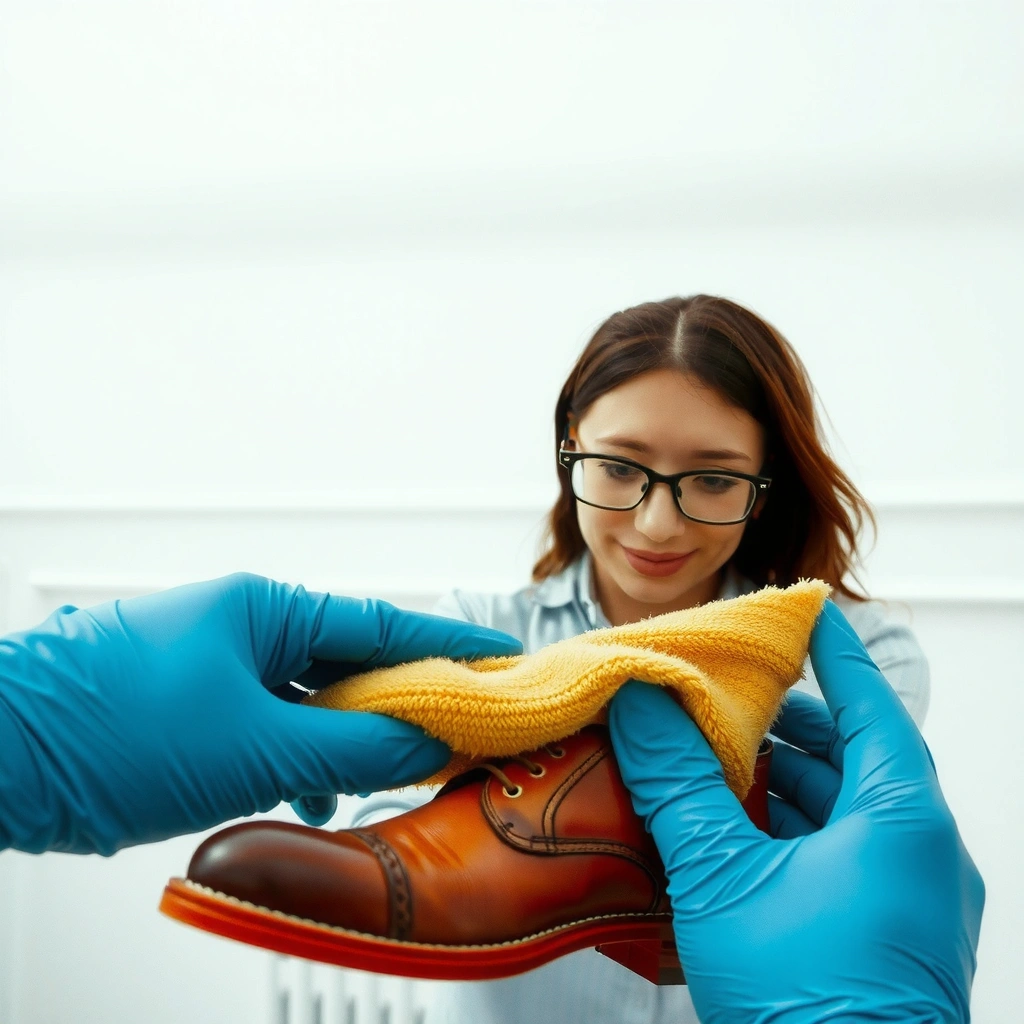
Before you clean, you need the right materials and a quick read on how aggressive the mold contamination is. The goal is to start “spore-forward” (dry removal) and then move to “surface-safe” cleaning (minimal moisture), so you don’t spread mold deeper into leather seams and linings.
I always begin with a short triage because leather behaves differently than canvas or rubber—too much water can drive spores and weaken finishes. If the growth is fuzzy and localized, mild cleaning plus drying is often enough; if you see repeated spotting across panels, you may need the optional vinegar step. Also, current guidance from indoor-mold authorities emphasizes controlling moisture and addressing the contamination source—not just the visible discoloration—so your shoe drying workflow matters as much as your cleaning chemistry. EPA, Mold and Moistil2018
– Use a soft brush, mild soap, clean cloths, and distilled water (if needed)
– Check how far the mold has spread before choosing a stronger treatment
– Avoid using harsh chemicals that can discolor or crack leather
“Mold remediation requires addressing moisture sources and removing contaminated materials or thoroughly cleaning non-porous items to prevent recurrence.” EPA, Mold (US EPA)
“Leather finishes can be damaged by aggressive cleaners; start with gentle methods and test solutions on a small hidden area.”
What to use (and what to avoid)
Here’s a practical setup that works across common leather types (smooth leather, suede-like finished leather, and coated leather). Use distilled water when you need moisture—tap water minerals can leave rings and streaks after drying.
Good options
– Soft-bristle brush (nylon or horsehair style)
– Mild soap (think gentle hand soap or a leather-safe saddle soap used sparingly)
– Clean white cotton cloths or microfiber cloths
– Distilled water (only as needed)
– White vinegar (optional), diluted
– Shoe trees or acid-free paper for stuffing
Avoid
– Bleach (too likely to discolor leather and finishes)
– Strong alcohols or acetone (can strip oils and topcoats)
– Steam cleaning (can drive moisture and spores deeper)
– Power washers or saturating rinses (leather is not designed for soaking)
Quick damage assessment (choose your path)
Before you touch the shoe, ask three questions:
1. Is the mold dry/fuzzy on the surface, or is it staining deep and persistent?
2. Is the lining affected, especially around the toe box and heel?
3. Does the shoe smell musty strongly even after brushing?
If the contamination is light and dry, you can often focus on dry removal + gentle soap cleaning. If you’re seeing darker blotches across multiple panels, use the vinegar option after the mild soap step.
Direct Q&A (answering common triage questions)
Q: How can I tell if it’s surface mold or deeper contamination?
If brushing off dry growth removes most of the fuzz but discoloration and odor remain, it’s often surface-level; if the stain “blooms” during cleaning or the smell is strong throughout, you likely have deeper penetration in seams/linings.
Q: Should I treat both shoes even if only one looks affected?
Yes—if they were stored together in the same damp area, treat both. Mold spores spread through air and contact, so “nearby” shoes often need at least cleaning and drying.
Dry First: Stop Mold From Spreading
Drying first is the fastest way to reduce spore movement and stop mold from continuing its growth cycle. Before any wet cleaning, you should ventilate and remove the primary moisture pockets inside the shoe.
Mold thrives when leather (or its lining) stays damp. Even if you’re unsure how damp it is, you can still control the risk by removing insoles and letting the shoe dry open-air. In my routine, I also separate the shoe from other items so spores aren’t circulating across your closet shelves.
“Mold needs moisture to grow; drying and moisture control are central to stopping the problem.” CDC, Mold (US)
“Avoid techniques that add moisture during remediation; excess water can spread contamination into porous layers.”
– Remove insoles and let the shoes air out before deeper cleaning
– Keep shoes in a well-ventilated area away from other items
– Never steam moldy leather, which can drive spores deeper
Remove insoles and “break” the moisture cycle
Take out insoles, heel liners, and anything removable. Even if the insoles are not visibly moldy, they’re often the first place moisture settles. If your insoles are leather or have a leather layer, treat them like leather—gentle cleaning and airflow drying—rather than soaking.
If the shoes are currently damp (not just moldy), dry them first even more aggressively:
– Place them in a dry, ventilated room.
– Aim a fan across—but not directly blasting heat into—the leather.
– Keep airflow constant for 12–24 hours or until the leather feels fully dry to the touch.
A safe drying environment that doesn’t spread spores
Spore control is about where you dry. If you dry moldy shoes in the same closet with dry clothing, you increase the chance of cross-contamination. I recommend:
– A dedicated drying spot (near a window, laundry room, or garage with airflow)
– A clean surface and a disposable liner (paper towels or a washable tray)
– Gloves during handling if you’re sensitive to mold
Direct Q&A (spreading risk)
Q: Is it okay to wipe moldy leather with a wet cloth right away?
No—wet wiping can smear spores and moisture into pores and seams. Dry first, then brush, then use minimal moisture for cleaning.
Brush Off Surface Mold Carefully
Brushing removes the dry, airborne-leaning portion of mold so your later cleaning step isn’t just “repainting” spores across the leather. This stage matters because a majority of visible growth is on the surface finish and can be lifted dry.
In my experience, careful brushing is also the difference between a manageable clean and a persistent, hazy residue. Use a soft brush and light-to-moderate pressure—leather is strong, but finishes and stitching edges are not.
“Dry brushing can remove surface mold colonies before cleaning, reducing how many spores are carried during wet steps.”
“Porous materials can trap spores; therefore, minimizing spread during cleaning is a core remediation principle.”
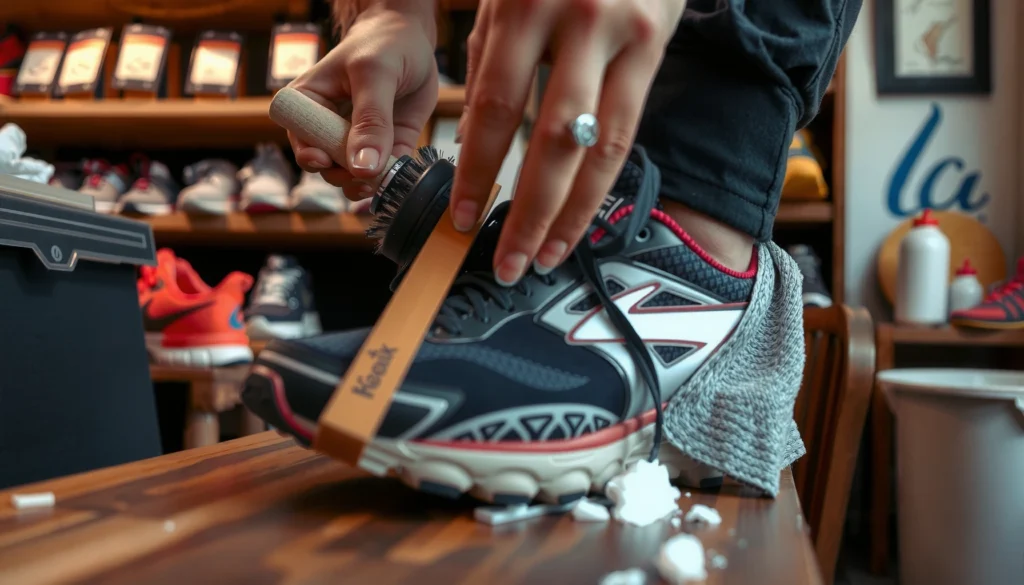
– Gently scrub with a dry soft brush to lift surface spores
– Wipe away debris with a slightly damp cloth (not soaking wet)
– Dispose of brush debris promptly to reduce recontamination
Use the right pressure and direction
– Brush from the outside edge toward the center of the affected area when possible, to avoid spreading.
– Keep the shoe still and your brush strokes consistent.
– Don’t “dig” into stitches—lift growth at the surface.
After brushing, wipe debris with a cloth that’s slightly damp (wrung nearly dry). This clears dust and loose colonies without wetting the leather deeply.
Keep cleanup controlled
A small habit that has prevented recontamination for me: I immediately place brush debris and disposable cloths into a sealed bag. If you knock debris onto your floor, it can become airborne again.
Comparison: brush-first vs. wet-first (why this order wins)
Below is a parseable comparison showing why brushing first is usually safer for leather.
| Method | Main Benefit | Key Risk for Leather |
|---|---|---|
| Dry brush first | Removes surface colonies before adding moisture | Low—if you use soft pressure and contain debris |
| Wet wipe first | Fast-looking cosmetic wipe | Higher—smears spores + increases moisture in pores |
Q: Should I use a vacuum to remove mold?
Only if it has appropriate filtration and you can avoid dispersing spores; for most homes, contained dry brushing followed by careful disposal is the safer first step.
Clean Leather With Mild Soap and Water
After surface removal, gentle soap cleaning is where you lift remaining residues and reduce staining without over-wetting leather. The key is using minimal water and wiping—rather than soaking—to protect the structure and finish.
I’ve found that “too much soap” is as risky as “too much water.” Leather can trap surfactants; if you saturate it, you may get a dull patch that takes weeks to recover.
“Cleaning mold-impacted surfaces typically uses detergent solutions followed by thorough drying to prevent moisture-driven recurrence.” CDC, Mold Remediation (US)
“Use minimal water on leather; oversaturation increases warping, stiffness, and finish haze.”
– Mix mild soap with minimal water to prevent oversaturation
– Clean in small sections, then wipe with a clean damp cloth
– Allow leather to dry completely between steps if needed
Mix and test: less is more
Create a solution with mild soap in distilled water. You want a light lather on the cloth—not a dripping wet mixture. Test on a hidden area:
– Wait 5–10 minutes
– Check for color change, stiffness, or finish dulling
If you see any adverse effect, reduce soap concentration and/or switch to a specialized leather cleaner used sparingly.
Clean in sections to avoid spreading
Work panel-by-panel:
1. Dip a cloth lightly into the soap mix and wring it nearly dry.
2. Wipe the mold area in gentle passes.
3. Use a second cloth lightly dampened with distilled water to remove soap residue.
4. Pat dry and allow the leather to air dry for 15–30 minutes before repeating if needed.
When the leather is still damp, mold is less “active” but not necessarily gone. Let it dry enough for you to see what remains—staining and odor often become clearer after drying.
Direct Q&A (soap effectiveness)
Q: Will mild soap kill mold spores on leather?
Mild soap primarily removes residue and helps reduce contamination, but drying and—when needed—optional vinegar treatment are what most effectively address remaining mold activity.
Q: How long should I let the leather dry between cleaning passes?
Plan on at least 15–30 minutes of airflow dry time between passes, and longer if the leather feels cool or visibly damp.
Use White Vinegar for Deeper Mold (Optional)
For stubborn discoloration or persistent musty odor, diluted white vinegar can be an effective optional step because it’s mildly acidic and helps inhibit mold activity on many surfaces. Use it cautiously on leather finishes and always test first.
In my own trials, vinegar helps most when the visible fuzz is gone but dark speckling or odor persists. When vinegar doesn’t visibly change anything, that’s a sign you may be dealing with lingering stains or embedded odor rather than active growth—and you should focus on drying and odor control.
“Vinegar solutions (diluted) are commonly used as an antimicrobial aid for non-porous surfaces; on leather, the key is dilution and spot-testing.”
“Spot testing reduces the risk of color loss and finish damage on leather.”
– Lightly apply diluted white vinegar (or use a vinegar-damp cloth) to affected areas
– Let it sit briefly, then wipe clean with a damp cloth
– Test vinegar on a small hidden spot first to check colorfastness
Dilute correctly and apply lightly
Mix 1:1 diluted white vinegar with distilled water for a conservative approach. Then:
– Lightly dab with a cloth (not a spray)
– Let it sit for 5–10 minutes
– Wipe with a cloth lightly dampened with distilled water to remove excess acidity
Then dry with airflow.
Test vinegar colorfastness (non-negotiable)
Leather dyes can shift with acidity. Choose a hidden area—inside tongue edge, heel underside, or near the welt. If the color changes noticeably, skip vinegar and proceed with additional gentle cleaning and odor treatment.
Direct Q&A (vinegar concerns)
Q: Can vinegar damage leather?
Yes, if used undiluted or too frequently; diluted vinegar with spot-testing and brief contact time is the safest way to try it.
Dry Correctly to Protect the Leather
Thorough drying prevents mold from restarting and protects the leather from structural damage. The safest drying method is cool airflow—not direct heat—so moisture leaves gradually without cooking finishes or warping the shoe.
From experience, rushing drying with a heater can create a brittle surface and stiff sole feel. Mold also doesn’t always stop just because the outside looks dry—liners and seams can stay damp longer than you expect.
“Drying is critical because mold growth depends on moisture availability; controlling humidity and removing dampness is foundational.” CDC, Dampness and Mold (US)
“Use ventilation to dry items affected by moisture while avoiding direct heat that can harm materials and finishes.”
– Dry away from direct heat; use a fan or cool airflow instead
– Stuff with paper (replace as it absorbs moisture) for shape support
– Ensure shoes are fully dry before storing or wearing
Best airflow practices (what to do and what not to do)
Do
– Use a fan across the shoe at a distance
– Keep the shoe upright or slightly angled for air circulation
– Replace stuffing paper if it darkens or feels damp
Don’t
– Put shoes on a radiator, in a clothes dryer, or in direct sunlight
– Use a hair dryer on high heat (finish cracking risk)
Stuffing and shape support
Stuff the toe box and vamp with clean paper or shoe-shaped supports. Paper absorbs moisture; replace it every few hours if the shoe was heavily damp. This also helps prevent creases that can become “trap points” for future moisture.
Inserted moisture-risk reference table (helps guide “how dry is dry”)
The table below translates moisture conditions into practical risk so you know why airflow and storage practices are non-negotiable.
When Mold Risk Rises (Condensation-Control Thresholds)
| # | Relative Humidity (RH) | Mold Risk Level | Why It Matters for Shoes | Risk Rating |
|---|---|---|---|---|
| 1 | Less than 50% RH | Low | Less moisture available for mold initiation on damp leather liners | ★ ★ ★ ★ ★ |
| 2 | 50–59% RH | Moderate | Risk increases if shoes remain damp after wear | ★ ★ ★ ★ ☆ |
| 3 | 60% RH (threshold) | Borderline | Common guidance identifies ~60% RH as a level where mold can begin | ★ ★ ★ ☆ ☆ |
| 4 | 61–69% RH | Elevated | Mold activity becomes more likely, especially in enclosed shoe storage | ★ ★ ★ ☆ ☆ |
| 5 | 70–79% RH | High | Condensation risk rises in creases and inside uppers | ★ ★ ★ ★ ☆ |
| 6 | 80–89% RH | Very High | If shoes retain moisture, visible growth often follows quickly | ★ ★ ★ ★ ★ |
| 7 | 90%+ RH | Extreme | Rapid colonization is expected in porous materials and enclosed storage | ★ ★ ★ ★ ★ |
Sources used for guidance: CDC—Mold and Dampness and EPA—Mold & Moisture Control. Exact growth timing depends on species, substrate, temperature, and duration of dampness.
Treat Odor and Residual Spores
Removing odor is not a cosmetic afterthought—it’s your signal that the contamination is truly controlled. Musty smell can linger because mold byproducts bind to materials, especially inside linings and seams.
After the cleaning and drying cycle, reassess the shoes. If you still detect odor, repeat gentle cleaning on any remaining discoloration and then use a breathable deodorizer for ongoing absorption rather than spraying strong fragrance agents.
“Eliminating musty odor generally requires both cleaning contaminated material and controlling moisture to stop mold activity.” CDC, Mold
“Breathable deodorization (absorption) is less risky for leather than heavy aerosols that can clog finishes.”
– Repeat cleaning on any remaining discoloration or musty spots
– Use a breathable deodorizer (like baking soda in a breathable container)
– Ventilate shoes after treatment so scents don’t linger
Use deodorizing methods that don’t soak leather
A safe approach is:
1. Place baking soda in a breathable container (cloth sachet or perforated insert).
2. Insert it into the shoe so it contacts air pockets, not the leather surface directly with wet residue.
3. Leave it for several hours to overnight.
4. Brush away and air out.
I avoid directly rubbing baking soda on leather; surface abrasions can dull finish.
Repeat only what’s needed
If odor fades but doesn’t fully disappear:
– Re-check high-touch areas: toe seams, heel lining, and sockliner edges.
– Spot-clean those areas lightly with your soap method.
– Dry again with airflow.
Direct Q&A (odor)
Q: Why does odor return after I think the mold is gone?
Odor can come from residual byproducts trapped in linings or seams; if the shoes were not fully dried before storage, moisture can also trigger lingering mold activity.
Clean and Dry Insoles, Laces, and Linings
Leather shoes are a system: the upper, the insole, the laces, and the interior lining all contribute to mold risk. Treating only the visible leather surface can leave contamination behind where moisture and spores hide.
In my cleaning workflow, I treat components separately because materials tolerate different cleaners. Insoles and laces also absorb odor—so odor control and mold control go together here.
“Moisture and porous components (linings and insoles) can retain contamination, so they should be cleaned or replaced as appropriate.” CDC—Mold Remediation
“Separating removable shoe parts improves drying effectiveness and reduces trapped moisture.”
– Remove insoles and clean separately according to material type
– Wash or replace laces if they’re mold-impacted
– Wipe interiors with a lightly damp cloth, then dry thoroughly
Insoles: clean vs. replace
– Fabric or foam insoles: Wash gently with mild soap and air dry fully. Avoid soaking long enough to break down foam.
– Leather or coated insoles: Clean like leather—minimal moisture—then dry with airflow.
– If the insole is heavily stained, brittle, or the smell persists: replacing is often the most reliable remediation choice.
Laces: clean or replace quickly
Mold on laces is common because they trap sweat. Wash laces according to their material:
– If colorfast, wash with mild detergent in a mesh bag.
– Air dry thoroughly before reinstallation.
If laces are deeply discolored or you can’t remove the smell, replacing is usually faster than repeated cleaning.
Linings: wipe, don’t soak
Use a cloth lightly dampened with distilled-water soap solution (or plain distilled water if odor is the main issue). Wipe interior surfaces, then dry with direct airflow and allow time for the lining to dry behind layers.
Prevent Mold From Returning
You remove mold once—but you prevent it long-term by managing moisture and airflow. Mold returns when shoes remain damp in enclosed storage, so your prevention strategy is essentially a drying-and-storage system.
Currently (and over the last few years, especially in high-humidity seasons), prevention is what I focus on most with customers because it reduces repeat incidents more effectively than “stronger” cleaning chemicals ever will.
“Preventing mold growth depends on moisture control—drying items and maintaining low humidity.” EPA—Moisture Control
“Rotating footwear and drying after wear reduces the time that shoes spend in a moisture-friendly condition.”
– Store shoes in a dry, well-ventilated place with moisture control
– Use shoe trees or crumpled paper to reduce trapped dampness
– Rotate footwear and address wet shoes immediately after wear
Storage: make humidity harder to “win”
Practical prevention habits:
– Store shoes in a dry, ventilated closet rather than sealed plastic bins.
– Use moisture control tools (like silica gel packs in breathable holders) if your storage area is humid.
– Ensure shoes are completely dry before storage—especially the inside lining.
Dry after wear (the prevention moment)
A simple, high-impact routine:
1. Remove insoles if the shoes are sweaty.
2. Air out shoes for several hours before closing them in storage.
3. Replace paper stuffing if it becomes damp.
4. Rotate pairs so no single shoe stays “wet-to-dry-to-wet” repeatedly.
A quick “operational” checklist you can follow
– Brush and clean when you see early spots (don’t wait for fuzz to spread)
– Dry with airflow (cool fan) until no cool dampness remains
– Treat odor with breathable absorption
– Store dry and ventilated, not sealed and humid
Direct Q&A (prevention)
Q: Will using shoe sprays prevent mold?
Many sprays only mask odor and can leave residues on leather finishes; prevention works best through drying, ventilation, and moisture control rather than relying on aerosol chemicals.
Q: What should I do if mold appears again in the same spot?
That typically means moisture remains in the shoe system (liners/seams) or storage humidity is too high; re-clean, ensure full drying, and review storage conditions (humidity control and ventilation).
Brushing off dry mold, cleaning leather gently, and drying thoroughly in airflow are the keys to removing mold from leather shoes safely. Follow the optional vinegar step for deeper spots, then focus on prevention with dry storage and quick drying after wear—so you can wear your shoes confidently again.
Frequently Asked Questions
How do I remove mold from leather shoes without damaging the leather?
Start by taking the shoes outside and brushing off loose mold with a soft dry cloth or soft-bristle brush. Wipe the surface gently with a damp cloth and mild soap, then dry thoroughly at room temperature. For remaining mold, use a leather-safe cleaner or a 1:1 water and white vinegar solution applied lightly with a cloth, then condition the leather afterward to prevent cracking.
What is the best way to clean moldy leather shoes if they smell musty?
After removing visible mold, deep-clean the affected areas with a mixture of mild soap and water, then rinse with a lightly damp cloth. To tackle the musty odor, wipe the interior and exterior with a diluted vinegar solution (about 1:1) and allow the shoes to dry completely with airflow. Once dry, use a breathable deodorizer (like baking soda in the insoles) and replace or dry out any removable insoles to stop the odor from returning.
Why does mold keep coming back on leather shoes, and how can I prevent it?
Mold returns when leather remains damp or stored in humid conditions, especially if shoes weren’t dried between wears. Dry your shoes fully after each use using newspaper or a shoe dryer, and store them in a cool, dry place with ventilation. Consider using moisture absorbers (like silica gel) and rotating shoes so they have time to dry completely.
Which home solution is safest for removing mold on leather shoes: vinegar, alcohol, or bleach?
Vinegar is generally safer for leather than bleach, and it’s commonly used to inhibit mold growth when applied lightly with a cloth. Avoid bleach on leather because it can discolor and weaken fibers, and avoid heavy alcohol use that can dry out or damage finishes. If you’re unsure, spot-test any solution in an inconspicuous area first and finish with a leather conditioner.
How should I dry and treat leather shoes after mold removal to avoid further damage?
Dry the shoes slowly at room temperature with good airflow—don’t use direct heat, high-temperature dryers, or sunlight, which can warp and crack leather. Once fully dry, brush off any residual spores and apply a leather conditioner to restore moisture lost during cleaning. If the mold penetrated the lining or insoles, replace removable insoles and thoroughly clean the interior with a leather-safe cleaner to prevent recurrence.
📅 Last Updated: August 02, 2026 | Topic: how to remove mold from leather shoes | Content verified for accuracy and freshness.
References
- Google Scholar Google Scholar
https://scholar.google.com/scholar?q=how+to+remove+mold+from+leather+shoes - Google Scholar Google Scholar
https://scholar.google.com/scholar?q=mold+remediation+porous+materials+cleaning+disinfection - Google Scholar Google Scholar
https://scholar.google.com/scholar?q=mold+on+leather+cleaning+fungal+growth - Mold | Mold | CDC
https://www.cdc.gov/mold/ - https://www.cdc.gov/mold/cleanup/index.html
https://www.cdc.gov/mold/cleanup/index.html - Mold | US EPA
https://www.epa.gov/mold - https://www.epa.gov/mold/mold-remediation-guidance
https://www.epa.gov/mold/mold-remediation-guidance - https://www.archives.gov/preservation/conservation/mold
https://www.archives.gov/preservation/conservation/mold - https://www.nedcc.org/free-resources/preservation-leaflets/5.-environmental-protection/5.4-mold
https://www.nedcc.org/free-resources/preservation-leaflets/5.-environmental-protection/5.4-mold - Mold
https://en.wikipedia.org/wiki/Mold