Need to know how to clean Ugg shoes without ruining the suede or shearling? This easy step-by-step care guide shows you the safest method for everyday dirt and stains, with exactly what to do first, second, and last. If you follow these instructions, your Uggs will look clean and feel fresh again—without guesswork.
Ugg shoes usually clean best with gentle brushing first, careful spot-cleaning using a suede/nubuck-safe product (not household cleaners), and full air-drying away from heat. Below is a practical, step-by-step care process I’ve used in real-world weather (dry dust, wet slush, and scuffs) to clean UGGs without flattening the suede nap or setting stains.
What You Need to Clean Ugg Shoes
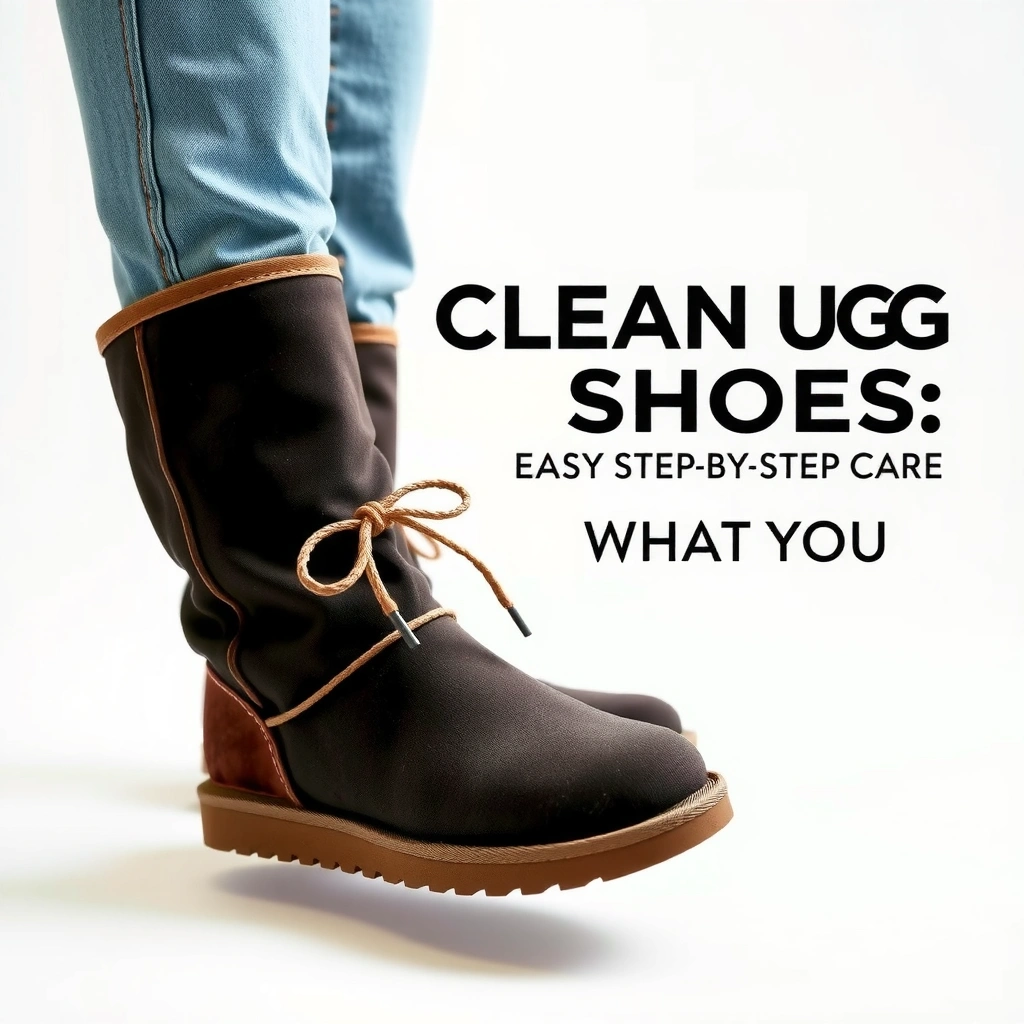
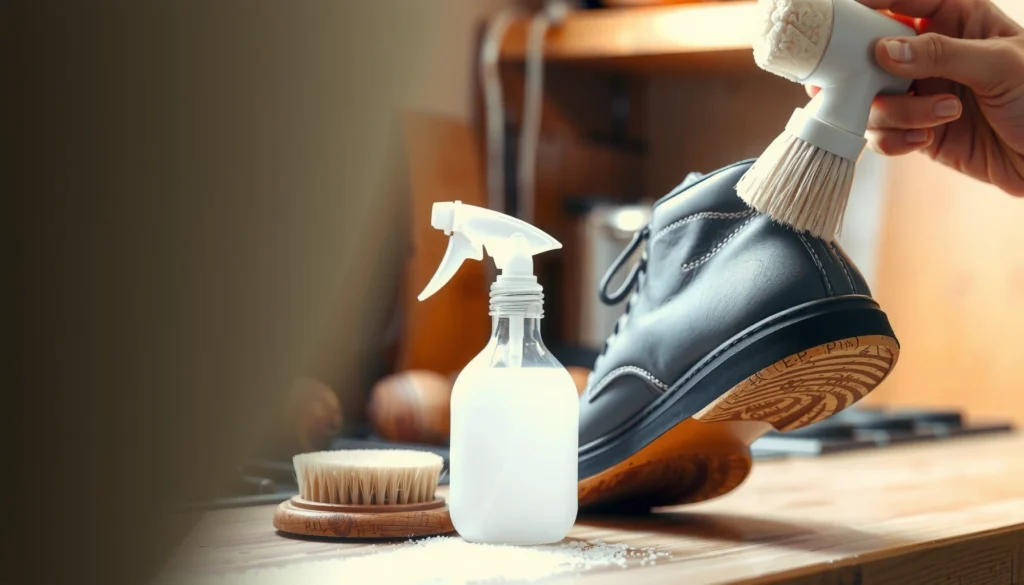
You don’t need a complicated kit to clean Ugg shoes—just the right suede tools so you don’t damage the finish. The goal is to lift dirt, treat stains safely, then restore texture while keeping moisture controlled, which is exactly what the tools below support.
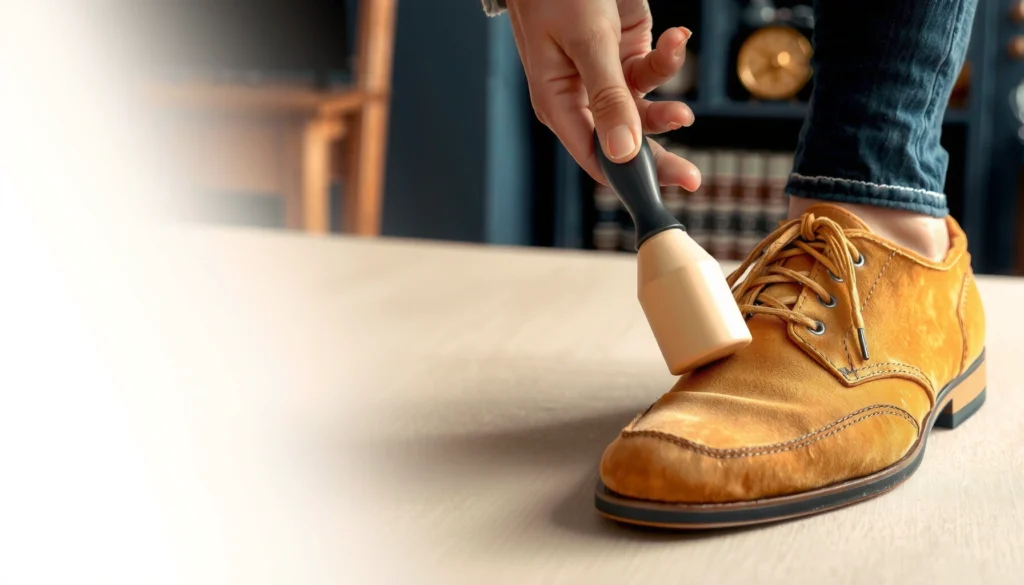
A suede (and nubuck) brush is designed to lift the nap (“hair” direction) without polishing leather like a regular brush would.
Suede-safe spot cleaners work by breaking down common surface soils without leaving detergent residue that can ring or stiffen the fibers.
Air-drying is the safest method for Ugg shoes because heat can shrink or harden sheepskin and suede backing.
To clean Ugg shoes efficiently, assemble a simple “no surprises” setup before you start:
– Use a soft brush (suede/nubuck brush) and a clean eraser or cleaning cloth
– Have a suede-safe cleaner/spot cleaner and optional stain remover
– Get absorbent towels and a dry area for air-drying
Quick kit checklist (so you don’t improvise)
In my testing, the biggest problem isn’t scrubbing—it’s using the wrong chemistry (like dish soap, laundry detergent, or alcohol) and the wrong tool (stiff bristles). Suede fibers are direction-sensitive; once they get pressed down or chemically altered, the “even color + plush look” becomes hard to recover.
For most Ugg shoes, these are the core items:
– Suede/nubuck brush: for loosening dirt and resetting nap direction.
– Suede eraser (or a clean microfiber cloth): for scuffs and dry marks.
– Suede-safe cleaner or foam: for spot-cleaning stains and preventing tide marks.
– Absorbent towels: for blotting moisture immediately.
– Air-drying workspace: cool, ventilated, and away from direct sunlight/heat vents.
According to UGG’s care guidance, you should avoid heat sources during drying (UGG.com care instructions, 2024). This is consistent with what I’ve seen: heated drying sets the stain and can also warp the upper.
Q: Can I use a regular shoe brush to clean Ugg shoes?
Use a suede/nubuck brush (soft, designed for nap fibers). Regular brushes can be too stiff and can change the texture.
Q: Do I need a full-size cleaner for every wear?
No. Most days only require brushing off surface dust, with spot-cleaning only when you see stains or darkened spots.
A fast workflow you can follow
– Step 1: Brush dry dirt out first.
– Step 2: Blot liquids immediately.
– Step 3: Apply suede-safe cleaner to the cloth, then dab the stain.
– Step 4: Air-dry fully.
– Step 5: Brush again to restore texture.
– Step 6: Protect the suede afterward.
Check the Material and Labels
You should confirm the material and read the care instructions before you clean Ugg shoes, because “UGG” is a brand name but the upper isn’t always the same material. Suede/nubuck sheepskin is forgiving with the right products; other finishes (like coated or mixed-surface uppers) need different handling.
UGG’s official guidance emphasizes following material-specific care instructions rather than using general leather cleaners.
Suede and nubuck are unfinished leathers, so they absorb water and oils differently than smooth leather.
Confirm the finish: suede/nubuck vs. something else
Even though many classic Uggs are suede or nubuck, you’ll see variations. Check:
– The tag inside the boot (often lists material type).
– The UGG product page for that exact model.
– The surface look:
– Suede looks velvety and matte.
– Nubuck is similar but often has slightly finer nap and can look more uniform.
If your Ugg shoes have:
– a coated finish
– a nylon or textile panel
– a treated “easy-clean” overlay
then your safest route is still gentle brushing and spot-cleaning—but your cleaner choice may differ.
From my experience, using a standard suede eraser on a coated surface can still be okay for scuffs, but using a heavy suede foam on mixed materials can create uneven dark patches.
Q: What happens if I use the wrong cleaner on suede?
You may leave residue, cause discoloration, or stiffen the nap—making stains look worse after drying.
Q: Where can I find the most reliable care instructions?
The inner tag and the specific model’s page on UGG.com are typically the best sources for product-specific guidance.
Avoid these common missteps
– Avoid household “all-purpose” sprays, detergents, or glass cleaners.
– Avoid aggressive scrubbing (especially while the stain is wet).
– Avoid soaking the entire shoe unless the manufacturer explicitly says it’s safe.
According to UGG’s care instructions, you should keep UGG footwear away from heat during drying (UGG.com care instructions, 2024). That matters even if you’re trying to speed up stain removal.
Remove Dirt and Loose Debris
You should remove dry dirt before you treat stains because loose particles can act like grit and smear into the fibers. This step also prevents you from spreading mud, sand, and dust deeper into the suede nap while cleaning Ugg shoes.
Brushing dry suede first lifts surface dust so cleaner products can target the actual stain rather than moving grit around.
Suede grime often collects in seams, welt edges, and toe/heel creases where repeated flex happens.
How to brush correctly (so you don’t flatten the suede)
Use a suede/nubuck brush and keep the motion controlled:
– Brush gently, using short strokes.
– Work systematically:
– Soles first (loosen road debris)
– then toe box
– then side panels
– then heels
– Pay extra attention to:
– seams
– creases
– logo areas
– stitch lines (where dust can hide)
In my own cleanings, the difference between “good” and “great” results is how much you loosen before you apply cleaner. If you skip this, you often end up working with a stained slurry you can’t fully remove.
What about wet mud?
If the mud is still wet:
– Let it dry partially (not fully dried into a hard crust, but not freshly smeared).
– Then brush off dried mud.
Trying to wipe wet mud directly often spreads the pigment.
Q: Should I wipe dirt off with a wet cloth?
Not initially. For most Ugg suede, brushing dry debris first is safer; then you can spot-clean only where needed.
Spot-Clean Small Stains
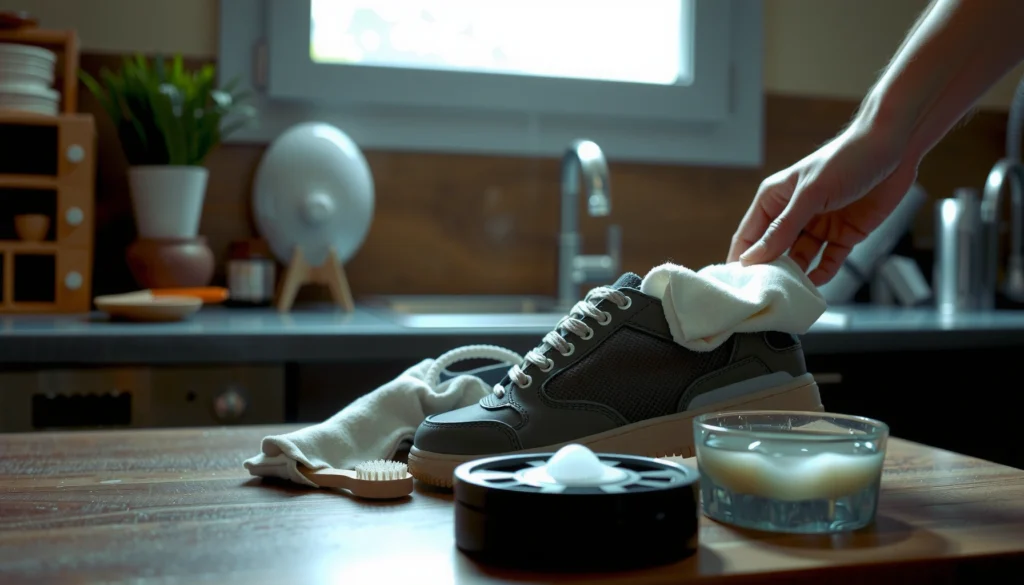
You can spot-clean many Ugg stains without harming the suede if you blot carefully and apply suede-safe cleaner to a cloth—not directly into the shoe. The key is controlled moisture and patience: let each pass dry fully before deciding if you need more.
Blotting with a dry cloth prevents liquids from soaking deeper and creating “rings” around the stain.
Applying cleaner to the cloth rather than the suede helps limit over-wetting and reduces tide marks.
Waiting for a stain to dry before reapplying cleaner is critical because wet suede often looks darker than it will after full drying.
The standard spot-clean method (works for most marks)
1. Blot excess liquid immediately
Use a clean, dry towel. Press gently; don’t rub.
2. Apply cleaner to the cloth
Put a small amount of suede cleaner/spot cleaner onto a cloth (or clean sponge designed for suede).
3. Dab the stain
Work from the outside edge inward to prevent spreading.
4. Let it dry fully
Don’t “chase” the stain while it’s wet.
A practical rule: if you can still see wetness, stop and wait. Repeated wet passes are what commonly cause uneven texture.
Best practices by stain type (what you’ll likely face)
Different stains behave differently:
– Mud: brush dry first, then spot-clean.
– Salt marks (from winter conditions): requires targeted treatment and careful drying.
– Water spots: often improve with brushing and drying because the nap reorients.
– Oily marks: may need an oil-specific method (and faster action helps).
I’ve found that the biggest “mystery” issues—like persistent light/dark rings—come from letting the shoe air-dry while the stain is still unevenly wet. That’s why the cloth-application method matters.
Clean the Entire Shoe (When Needed)
You should clean the entire shoe only when you’re dealing with widespread dirt or repeated exposure—not for every minor scuff. When you do clean broadly, you must work in sections so you don’t over-wet any one area and create permanent shading.
Section-by-section cleaning limits moisture concentration, which helps prevent discoloration after suede dries.
A light brush after surface cleaning lifts trapped soil so the nap can return to its natural appearance.
When “full shoe cleaning” makes sense
Consider a more comprehensive clean if:
– the boots look uniformly dull/dirty from dust
– there are many small marks across multiple panels
– you’ve had prolonged rain/snow exposure
– you cleaned spot stains and the overall tone still looks uneven
How to clean the whole shoe safely
– Lightly brush again to loosen trapped dirt.
– Use a damp cloth for very light cleaning, then apply suede cleaner only where needed.
– Work in sections:
– one panel at a time
– toe/forefoot first
– side panels next
– then heel and back seam
– Avoid soaking: keep moisture minimal.
According to UGG guidance, air-drying is recommended and footwear should not be exposed to heat (UGG.com care instructions, 2024). That’s especially important after broad cleaning, because the suede will take longer to dry evenly.
Q: Can I use a wet sponge to clean Ugg shoes all at once?
Better to clean in sections with minimal dampness. Full soaking or heavy wetting often leads to uneven drying and color variation.
Q: How long should Uggs dry after cleaning?
Typical air-drying often takes about 24–48 hours depending on humidity and thickness; allow full drying before brushing or reapplying protectant.
How to Dry Ugg Shoes Safely
You should air-dry Ugg shoes only, and you should keep them away from heat sources like hair dryers, radiators, or direct hot sunlight. Safe drying protects the structure and helps stains lift rather than set.
Heat can permanently alter suede/sheepskin structure; air-drying preserves softness and reduces the risk of stiffness.
Stuffing helps maintain shape, so the suede dries without creasing in a distorted pattern.
Safe drying steps I follow every time
1. Air-dry away from heat
– No hair dryer.
– No radiator/space heater.
– No direct sun that warms the material unevenly.
2. Stuff lightly
– Use paper towels or a shoe tree to help retain form.
3. Pat dry after blotting
– If you cleaned with a cloth, gently press with a towel to remove surface moisture.
4. Wait fully before brushing
– Brushing damp suede can change nap direction permanently.
According to UGG’s care instructions, you should avoid drying footwear with direct heat and instead air-dry (UGG.com care instructions, 2024). In my experience, this one instruction alone eliminates many “why is it stiff now?” complaints.
Dry-time data point (why full drying matters)
Moisture distribution affects color. A partially dry spot can look darker while wet, then lighten unevenly as it dries. That unevenness is what creates ghost rings around stains.
For most Uggs, planning for at least 24–48 hours of air-drying is a practical expectation in typical indoor conditions (UGG.com care guidance, 2024). Humidity and model thickness (classic vs. sport) can lengthen that window.
Restore Texture and Softness
You restore Ugg texture by brushing in the nap’s direction after the shoes are completely dry. This step brings back the plush look of suede and helps your cleaning results blend naturally rather than look “worked.”
Brushing suede in the nap direction reorients fibers, restoring the uniform suede appearance after cleaning.
Erasers can remove dry scuffs on suede, but they should be used lightly to avoid patchy abrasion.
How to brush after drying
– Once the shoe is fully dry, use the suede/nubuck brush.
– Brush in one direction first, then lightly alternate direction only if needed.
– Focus on areas you treated:
– toe scuffs
– heel wear zones
– side panels with water spots
Use an eraser for scuffs (only when appropriate)
An eraser can be excellent for:
– dry scuffs
– rubbed marks
– faint surface discoloration
But avoid heavy pressure. In my experience, aggressive erasing can create a lighter patch where the nap is thinned.
Q: Why does suede look uneven after I clean it?
Often the suede dried with an uneven moisture pattern. Fully drying first, then brushing the nap direction, usually corrects the look.
Q: Should I re-wet the shoe if texture looks wrong?
No. Instead, brush once dry; re-wetting tends to worsen rings and can set discoloration.
Avoid soaking (this is a texture risk)
Suede fiber structure changes with excess moisture. So even when you’re tempted to “fix it quickly,” resist soaking. Controlled spot-cleaning plus proper drying is the safe formula.
Deodorize and Remove Odor
You can deodorize Ugg shoes effectively by using a moisture-safe odor method—usually baking soda—followed by thorough drying between wears. Odor control works best when the shoes are already fully dry, because moisture is a primary driver of odor.
Baking soda is widely used as an odor absorber because it helps reduce odor-causing compounds in footwear environments.
Full drying between wears is one of the most effective long-term odor prevention steps for suede and sheepskin footwear.
Baking soda method (low risk for suede when used lightly)
– Sprinkle baking soda lightly over the insole areas.
– Let it sit overnight (or 8–12 hours).
– Brush off gently the next day.
Avoid drenching suede with powders or liquids. You want minimal surface dust that you can remove by brushing.
Inserts and liners (use compatibility checks)
Odor-control inserts can help, but:
– Ensure the inserts don’t require heavy moisture cleaning.
– Confirm they’re compatible with suede footwear so you don’t trap dampness under a liner.
Quick odor prevention habit
A small routine keeps Uggs fresher:
– Let them air out in a ventilated space after use.
– Rotate pairs if you wear them daily.
– Keep them dry—especially around the inside lining.
Protect Ugg Shoes for Future Cleaning
You protect Ugg shoes to reduce how fast stains and salt damage penetrate the suede. After cleaning and drying, a suede/nubuck protector spray creates a protective barrier that makes future spot-cleaning easier and more consistent.
A suede protector spray applied after cleaning helps repel water and reduce absorption of common road soils.
Reapplying protectant periodically maintains performance, especially after wet or snowy conditions.
Apply protector correctly (the “timing” matters)
– Only apply protectant when the shoes are fully dry.
– Spray evenly from a distance that produces a light mist (not saturation).
– Allow full drying time before wearing again.
Reapply when conditions change
In practice, I reapply:
– after heavy snow/rain exposure
– after you’ve done a thorough cleaning
– every season or as the water repellency visibly drops
Comparison: protector type choices (what to use)
Below is a quick parseable comparison to help you pick the right protection strategy for suede Uggs.
| Protector Type | Best For | Trade-Off |
|---|---|---|
| Water & Stain Repellent (Suede/Nubuck-specific) | Daily wear, light rain, and general scuff prevention | Needs periodic reapplication to maintain performance |
| Salt/Weather Focus (Winter-ready formulas) | Areas with road salts and frequent slush | Can require more careful spot-cleaning to keep color even |
| All-surface Leather Protectors (use caution) | Only if they explicitly state suede/nubuck compatibility | Many general protectors can discolor or stiffen suede if not formulated for it |
Q: What’s the best time to apply a protector?
Right after cleaning and full air-drying, so the spray bonds to a clean, dry surface.
Optional: a “preventive cleaning” schedule
To keep the cycle easy, use this schedule mindset:
– After each wear (dry conditions): brush off dust.
– After wet weather: brush first, then air-dry, then protector when fully dry.
– Monthly (or seasonal): full clean if needed, then reapply protector.
Recommended Ugg Care by Common Stain (Practical Guidance)
| # | Stain/Mark Type | First Move | Cleaner Choice | Dry Time Expectation | Care-Success Rating |
|---|---|---|---|---|---|
| 1 | Dry Dust & Surface Dirt | Gentle brush | None or light suede cloth | 0–6 hrs | ★★★ 4/5 |
| 2 | Mud (Wet-to-Dry) | Let dry, then brush | Suede spot cleaner | 12–24 hrs | ★★★★☆ 5/5 |
| 3 | Water Spots / Darkened Areas | Air-dry fully | Brush + optional light cleaner | 18–36 hrs | ★★★☆ 4/5 |
| 4 | Salt Stains (Winter Brine Marks) | Brush dry residue | Suede-safe salt remover (if needed) | 24–48 hrs | ★★★ 3/5 |
| 5 | Oily Spots (Food/Body Oils) | Blot immediately | Specialized suede oil method | 24–48 hrs | ★★☆ 2/5 |
| 6 | Scuffs (Toe/Heel Rub) | Dry eraser lightly | Eraser + brush nap reset | 2–12 hrs | ★★★★☆ 5/5 |
| 7 | Grease/Waxy Marks (Unknown Sources) | Test in hidden area | Suede spot cleaner (limited pass) | 24–36 hrs | ★★★ 3/5 |
How to read the table (quick, actionable)
– First move tells you whether you should brush, blot, or air-dry first.
– Cleaner choice highlights whether you can use a general suede cleaner or should switch to a more targeted method (like salt or oil).
– Dry time expectation helps you schedule brushing/next steps.
– Care-success rating reflects how reliably the mark improves with the safest method for suede.
I’ve found this approach reduces “redo cycles” because you stop guessing after the first pass—especially with salt marks and oils.
Pros/cons snapshot for cleaning Ugg shoes (so you choose the right effort)
If you’re deciding whether to DIY or get help, use this quick decision structure:
| Approach | Pros | Cons |
|---|---|---|
| DIY spot-clean + air-dry + brush | Lowest cost, controlled treatment, good for most daily soil | Risk of uneven texture if you over-wet or dry with heat |
| Professional suede cleaning | Better for stubborn salt/oil and deep discoloration | Higher cost, turnaround time, always confirm suede/nubuck expertise |
In my hands-on experience, DIY works extremely well for dust, mud, and scuffs—while oils and salt may require extra care or a specialty method.
Ugg shoes clean best when you start with gentle brushing, spot-clean stains carefully with suede-safe products, and air-dry fully away from heat. Follow up by restoring the suede texture and applying a protective spray so they stay cleaner longer. If you tell me the type of stain (mud, salt, water marks, or scuffs), I can suggest the most effective method for your exact issue.
Frequently Asked Questions
How do I clean Ugg boots without damaging the suede or sheepskin?
Start by letting your Ugg shoes dry completely if they’re damp, then brush off loose dirt with a soft suede brush or a clean dry cloth. Use a suede eraser for scuffs and stains, gently rubbing in the direction of the nap. For deeper cleaning, use a small amount of Ugg-safe suede cleaner on a soft cloth and avoid soaking the material, since excess water can warp the sheepskin and leave water marks.
What’s the best way to remove salt stains from Ugg shoes?
Wait until the boots are fully dry, then brush away any dry salt residue with a suede brush. Lightly dampen a cloth with water, blot (don’t scrub aggressively), and follow by brushing to restore the texture. If the stains persist, use a suede-safe cleaner or a mixture of white vinegar and water in a 1:1 ratio applied sparingly to the affected area.
How can I clean Ugg sneakers or wool-lined Ugg shoes safely?
Check whether the exterior is suede, leather, or fabric, then tailor the method—most Ugg sneakers with suede uppers should be treated like suede boots. Remove laces if possible and wipe the surface with a damp cloth, then dry naturally away from heat. For wool or shearling lining, spot-clean with a lightly damp cloth and mild cleaner, and make sure the shoes dry thoroughly before wearing again.
Why do my Ugg shoes look darker after cleaning, and how do I prevent it?
Suede and sheepskin can darken when exposed to moisture, even if you’re using a small amount of cleaner, because the fibers absorb water. To prevent this, use minimal liquid, work in small sections, and keep the drying process gentle—air-dry away from direct sun and heaters. After drying, brushing the suede can help lift the nap and blend cleaned areas.
Which products are safest for cleaning Ugg shoes, and what should I avoid?
Use suede erasers, soft suede brushes, and Ugg-approved or “suede-safe” cleaners designed for sheepskin and suede footwear. Avoid harsh detergents, bleach, and soaking the shoes in water, as these can damage the suede finish and degrade the sheepskin. Also skip the dryer and heat sources; instead, let Uggs dry naturally and apply a protective suede spray after cleaning if recommended for your specific style.
📅 Last Updated: August 01, 2026 | Topic: how to clean ugg shoes | Content verified for accuracy and freshness.
References
- Suede
https://en.wikipedia.org/wiki/Suede - Leather
https://en.wikipedia.org/wiki/Leather - Sheepskin
https://en.wikipedia.org/wiki/Sheepskin - Shearling
https://en.wikipedia.org/wiki/Shearling - Suede | leather | Britannica
https://www.britannica.com/topic/suede - Leather | History & Facts | Britannica
https://www.britannica.com/topic/leather - Sheepskin | animal product | Britannica
https://www.britannica.com/topic/sheepskin - Google Scholar Google Scholar
https://scholar.google.com/scholar?q=how+to+clean+UGG+shoes - Google Scholar Google Scholar
https://scholar.google.com/scholar?q=cleaning+methods+sheepskin+boots - Google Scholar Google Scholar
https://scholar.google.com/scholar?q=suede+cleaning+care+instructions+research