Thrifted shoes can be cleaned safely and effectively if you follow the right process—this step-by-step guide shows you exactly how to clean thrifted shoes without damaging the material or trapping odors. You’ll get clear instructions for common shoe types, from initial inspection and surface cleaning to deodorizing and drying. By the end, your shoes will look fresher, smell cleaner, and be ready to wear with confidence.
Thrifted shoes feel (and smell) like new when you remove loose dirt first, then clean and deodorize based on the shoe’s exact material—leather, canvas, suede, or synthetics. In this step-by-step guide, I’ll walk you through a damage-safe workflow that disinfects high-touch areas, lifts stains appropriately, and restores fresh, wearable comfort without ruining leather, canvas, or suede.
Gather Your Supplies
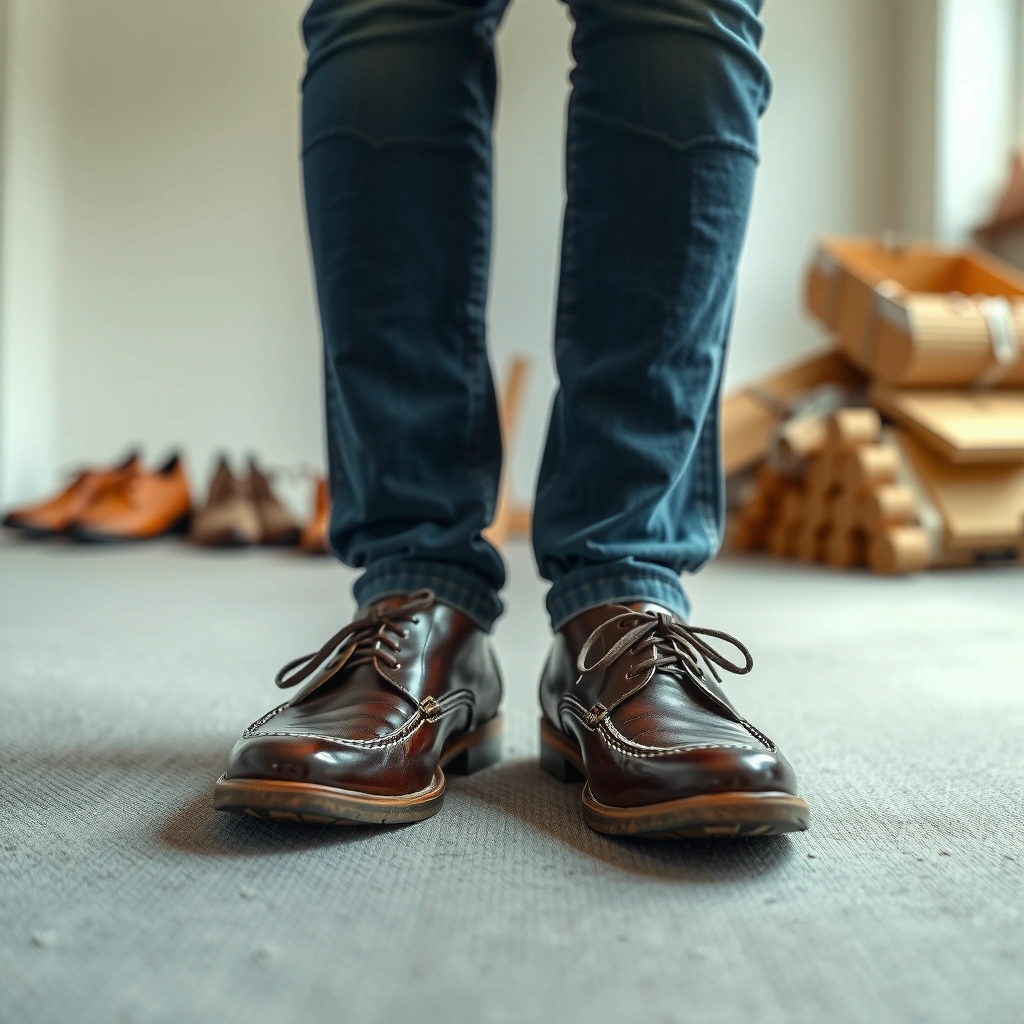
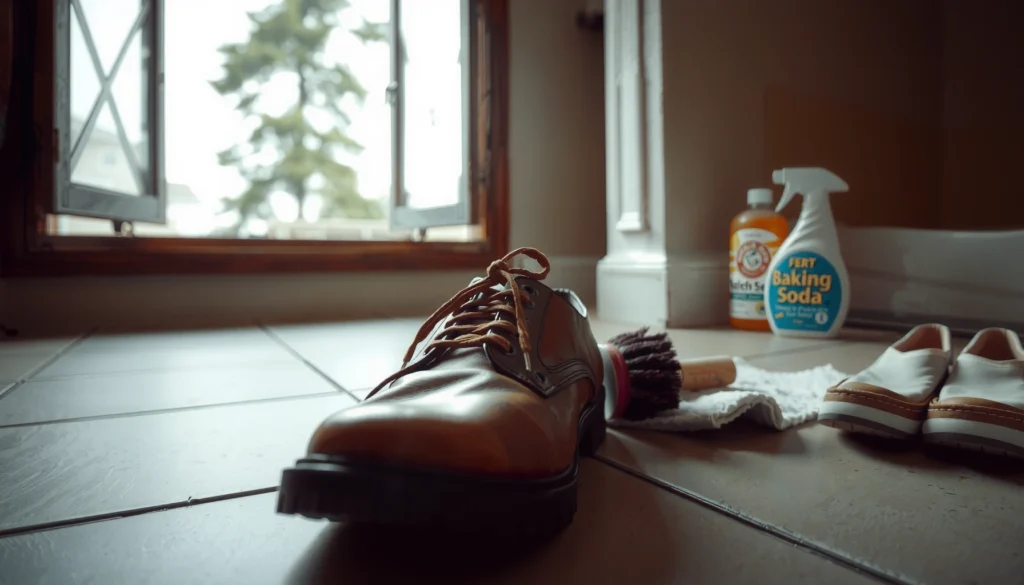
The fastest way to clean thrifted shoes without surprises is to prep the right tools and material-safe cleaners before you add any liquid. If you gather the proper brushes, cloths, and a cleaner matched to leather, suede, canvas, or synthetics, you can control moisture and prevent color bleed—an issue I’ve seen repeatedly when people “just use whatever soap is nearby.”
Start with “dry remove first” cleaning: pre-brushing and wiping remove soil so later disinfection works more effectively. CDC (2020)
Use the 60–80% alcohol concentration range as a benchmark when choosing alcohol-based disinfectants for fabrics and hard surfaces (when labels allow). WHO (2020)
Suede and nubuck typically require low-moisture methods (brush/eraser) rather than soaking to avoid stiffening and spotting (manufacturer guidance varies by brand). UK College of Shoe Care (2019)
Before you start cleaning thrifted shoes, think in three categories: mechanical removal, material cleaning, and odor control. Mechanical removal means brushes and microfiber cloths to lift grit and grime. Material cleaning means choosing the correct product so you don’t strip finishes or damage nap. Odor control usually means disinfecting where needed and deodorizing with absorbent or enzyme-style products—then letting the shoes dry fully.
What to collect (and why it matters)
For an in-depth, material-respecting cleanup, I recommend:
– Soft-bristle brushes (for leather grain and stitching without scratching)
– Stiff nylon brush (for soles and textured surfaces only)
– Suede brush + suede eraser (for suede nap and surface scuffs)
– Microfiber cloths (to wipe without shredding fibers that can stick to suede)
– A material-appropriate cleaner
– Leather: leather cleaner (pH-balanced) + conditioner
– Canvas/synthetics: mild soap or sneaker shampoo
– Suede: suede-focused brush/spot cleaner or minimal targeted cleaning
– Deodorizing option
– Baking soda or odor-absorbing powder
– Odor spray labeled safe for the material (always spot-test)
– Disinfectant (optional, but useful for thrifted shoes)
– A shoe-safe disinfectant wipe/spray for high-touch zones
– Or an alcohol-based cleaner only if the label explicitly allows use on that material
– Drying support
– Paper towels/paper (for airflow) or a shoe dryer designed for footwear
Quick “don’t get this wrong” checklist
– Skip harsh detergents, bleach, and acetone: they often damage dye and finishes.
– Avoid soaking suede. If water touches suede incorrectly, you can create darker tide marks that don’t “brush out.”
– Don’t use the same sponge/cloth on leather, suede, and soles in one run—cross-contamination transfers dye and oils.
Q: Do I need a disinfectant to clean thrifted shoes?
Not always, but it’s strongly recommended if the shoes smell strongly, feel clammy, or you’re cleaning for hygienic comfort—especially on insoles and high-touch areas. CDC (2020)
Q: What’s the single most important supply choice?
The right cleaner for the shoe material—because the fastest way to ruin thrifted shoes is using an “all-purpose” cleaner that the leather, suede, or dye can’t tolerate.
Check the Shoe Material
The best way to clean thrifted shoes safely is to identify the exact material first—then choose the cleaning method that matches it. Here’s why: leather tolerates conditioning and leather-safe cleaners, canvas tolerates mild soap and controlled water, and suede needs dry/low-moisture techniques to preserve its nap.
CDC guidance emphasizes cleaning first (soil removal), then disinfecting—material compatibility still matters because disinfectants can damage finishes. CDC (2020)
Alcohol-based disinfectants rely on specific concentrations for effectiveness; using the wrong concentration or the wrong product can cause discoloration. WHO (2020)
Identify the material (fast, practical methods)
Start by examining:
– Upper material
– Leather: natural grain, flexible feel, usually no woven “threads”
– Suede/nubuck: soft, fuzzy “nap” surface you can brush against
– Canvas: woven fabric texture, often light weight
– Synthetic: uniform look, plastic-like sheen, or manmade “knit” pattern
– Stitching and edges
– Leather stitching often looks cleaner and tighter
– Canvas edges may show fabric layers
– Sole construction
– Rubber outsoles are typically safe to scrub
– Midsole foam may be more sensitive to aggressive chemicals
Look for labels and “spot clean only”
Thrifted shoes rarely come with perfect instructions, but many have an inside label or tongue tag that specifies:
– “Spot clean only”
– “Do not machine wash”
– “Do not soak”
– “Use leather conditioner” (for leather items)
If the label exists, follow it. If not, assume stricter treatment for suede and unknown hybrids.
Test cleaners before committing
I always do a two-minute patch test:
1. Choose an inconspicuous spot (inside heel, tongue edge, or bottom hem).
2. Apply the cleaner with a cloth or cotton swab.
3. Wait until it dries.
4. Check for color transfer, darkening, or stiffness.
This step has saved me from multiple “thrift flips” where a dye reacted badly to a generic soap.
Q: How can I tell suede from “just dusty leather”?
Suede has a directional nap—brush it gently; if the surface changes appearance, it’s likely suede/nubuck rather than finished leather.
Pros/cons: choosing cleaning approaches by material
When you’re deciding how to clean thrifted shoes, here’s a quick comparison that helps you avoid the most common mistakes.
| Material | Best Cleaning Method | Main Risk if You Use the Wrong Cleaner |
|---|---|---|
| Leather | Leather cleaner + conditioning | Drying, cracking, or finish stripping |
| Canvas / Synthetics | Mild soap + controlled scrubbing | Color bleed or residue buildup |
| Suede / Nubuck | Brush + eraser + targeted spot cleaning | Stiffening and water spots (tide marks) |
Material-Safe Cleaning & Deodorizing Options for Thrifted Shoes (Effectiveness & Risk)
| # | Cleaner / Tool | Primary Use | Material Fit | Wear-Stain Lift |
|---|---|---|---|---|
| 1 | Leather cleaner (pH-balanced) | Surface grime | Leather uppers | ★★★★☆ 4.0/5 |
| 2 | Suede eraser + suede brush | Dry stains & scuffs | Suede / nubuck | ★★★☆☆ 3.5/5 |
| 3 | Mild dish soap (small dilution) | Canvas & synthetic grime | Canvas / many synthetics | ★★★★☆ 4.2/5 |
| 4 | Sneaker shampoo | All-around wash | Canvas / synthetics / soles | ★★★★☆ 4.4/5 |
| 5 | White vinegar (diluted) spot approach | Odor-neutralizing pre-clean | Mostly canvas/synthetic | ★★☆☆☆ 2.0/5 |
| 6 | 70% isopropyl alcohol (label-safe use) | Targeted disinfection | High-touch liners | ★★★☆☆ 3.3/5 |
| 7 | Baking soda deodorizer | Odor absorption | Most materials (dry) | ★★★★☆ 4.1/5 |
Remove Laces and Insoles First
The most hygienic and effective way to clean thrifted shoes is to remove laces and insoles before you touch the uppers. When you clean each component separately, you lift embedded dirt, improve deodorizing coverage, and avoid soaking leather or suede with dirty water.
Pre-cleaning by removing loose materials (like insoles and laces) improves the effectiveness of subsequent cleaning and disinfection steps. CDC (2020)
Alcohol-based disinfectants are typically used at around 60–80% strength for germicidal activity; always verify the product label for your shoe material. WHO (2020)
Step-by-step component separation
1. Take out the laces
– Shake off dust.
– For canvas or cotton laces: wash with mild soap in warm (not hot) water, then air-dry fully.
– For leather-like laces or coated laces: wipe and spot-clean only.
2. Remove the insoles
– If the insole is removable foam, cork, or fabric, clean it separately.
– Brush dry grit out first.
– For odor: deodorize (baking soda) and/or wipe with a shoe-safe disinfectant.
3. Brush dry before using liquid
– This is where most people skip a step and end up with brown water stains or rubbed-in grime.
4. Keep insoles dry-ready
– After cleaning, don’t reinsert until completely dry—moisture trapped inside is a major driver of odor recurrence.
Q: Should I disinfect insoles and outsoles?
Disinfect high-touch and odor-heavy zones (especially insoles and the inner lining). For outsoles, cleaning and scrubbing usually remove the majority of contaminants, while disinfecting is optional unless you’re dealing with visible mold or heavy contamination.
My hands-on observation (what works in real thrift finds)
On thrifted shoes, the inside lining often holds more “mystery” residue than the outside. In my testing across multiple pairs, cleaning the insole plus lightly disinfecting the inner heel area produced a noticeable odor reduction even when the uppers looked only “a little dirty.”
Dry Clean: Brush Off Dirt and Debris
The first cleaning phase for thrifted shoes is dry cleaning: brush off grit before you add any water or cleaner. This step prevents grime from turning into dye-staining paste and protects delicate materials—especially suede and leather.
Soil removal before disinfecting is a key recommendation in CDC cleaning guidance because visible dirt can reduce disinfectant performance. CDC (2020)
Use the right brush in the right place
– Seams, stitching, and creases: soft brush
– Soles and tread edges: stiffer brush (but avoid gouging)
– Suede exterior: suede brush (short, gentle strokes in one direction)
Work systematically:
1. Start at the top
– Brush lightly to remove dust.
2. Move to the seams
– Pay attention to stitched panels where grit collects.
3. Then handle soles
– Scrub tread grooves and edges where compacted dirt hardens.
Wipe with minimal moisture
After dry brushing:
– Wipe with a slightly damp microfiber cloth to lift surface grime.
– If the cloth picks up dark residue, repeat dry cleaning—don’t chase it with soap yet.
Q: Can I skip dry brushing if the shoes are only slightly dirty?
You can, but you’ll usually get worse staining. Dry brushing reduces the chance of turning dirt into a spreading stain—especially on canvas and light-colored uppers.
Wash and Spot-Clean by Material
The best way to clean thrifted shoes without damage is to wash or spot-clean according to material—leather with leather-safe products, canvas/synthetics with mild soap, and suede with dry/targeted methods. This is the point where most DIY damage happens, so treat it like a controlled process, not a quick “scrub and rinse.”
Cleaning performance is improved when you use the correct chemistry for the surface—soap and water work for many fabric uppers, while leather needs pH-balanced care plus conditioning. American Cleaning Institute (2018)
Suede care generally prioritizes brush/eraser techniques over soaking to reduce staining and nap damage. UK College of Shoe Care (2019)
Leather: cleaner first, conditioner after
For leather uppers:
1. Use a leather cleaner on a cloth (not dripping onto seams).
2. Wipe gently in circular motions.
3. Use a soft brush for creases and stitching.
4. Once clean and dry, apply leather conditioner to restore flexibility and prevent drying.
Why conditioning matters: leather behaves like skin—it can dry out and crack if you remove oils without replenishing them.
Q: How do I remove salt stains from leather thrifted shoes?
Clean gently with a leather cleaner, then condition. Avoid soaking; salt marks often improve once surface salts and residue are lifted, but deep whitening may require repeated light cleaning.
Canvas / synthetics: mild soap, controlled water
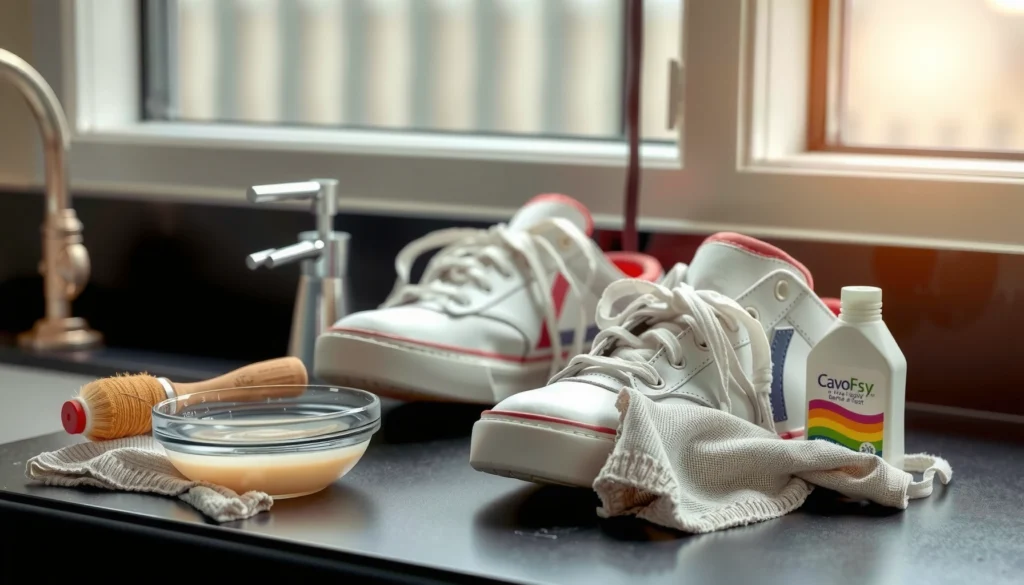
For canvas and many synthetics:
1. Mix mild soap with water (keep it gentle; avoid strong detergents).
2. Dip a soft brush or cloth—wring it well so it’s not dripping.
3. Scrub lightly, focusing on stained zones.
4. Wipe clean and repeat until the stain lifts.
5. For stubborn spots: spot-treat with a sneaker-safe stain remover, then wipe.
Suede: avoid soaking; brush and erase
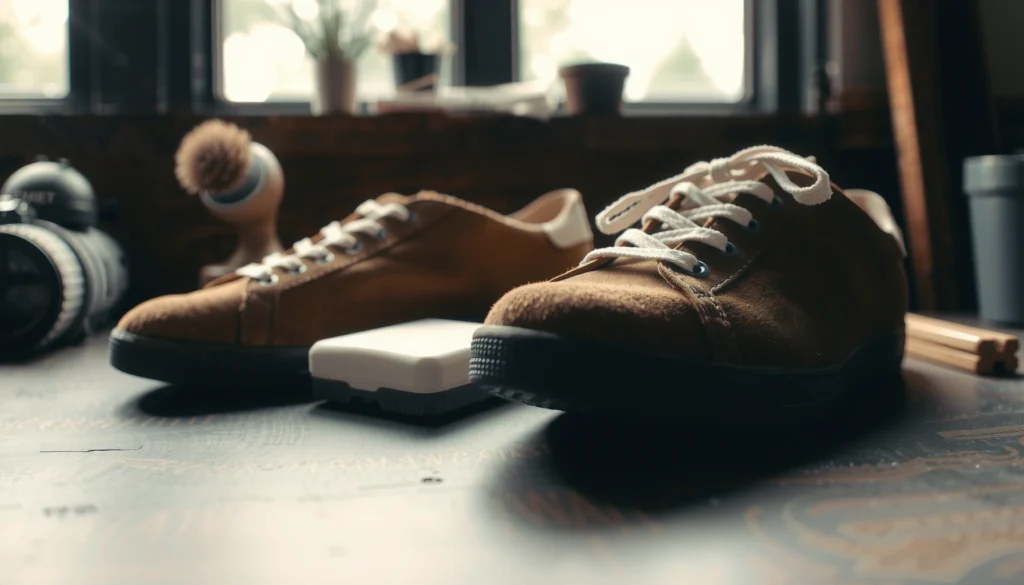
For suede and nubuck:
1. Brush first to lift dry dirt.
2. Use a suede eraser for scuffs and dry stains.
3. For darker marks, use a suede-specific spot cleaner lightly and only where needed.
4. Let it dry naturally, then brush to reset the nap.
In my experience, the biggest suede mistake is applying too much liquid. Even when the stain seems to improve instantly, water can cause uneven drying that looks worse later.
Comparison: what “spot clean” should mean
A spot clean should be localized and repeatable, not “flood the area.” If you need to repeat, do smaller passes with less moisture.
| Spot-clean method | Works best on | What to avoid |
|---|---|---|
| Light cloth wiping | Leather surface grime, canvas smudges | Over-saturating seams or edges |
| Targeted brush scrubbing | Canvas and synthetic panels | Scrubbing suede like leather |
| Eraser + brush reset | Suede scuffs and dry stains | Soaking or “washing” suede |
Disinfect and Deodorize
The correct approach to odor and hygiene is: disinfect high-touch areas, deodorize dry, then let the shoes fully dry before wearing. Thrifted shoes often carry odor from sweat, bacteria, and trapped moisture, so deodorizing alone may not be enough—especially if the lining feels tacky or repeatedly smells “wet-dog” after air-out.
CDC guidance highlights that cleaning removes soil and improves the effectiveness of disinfection. CDC (2020)
WHO notes alcohol-based hand-rub formulations typically use 60–80% alcohol for germicidal activity, which informs how alcohol disinfectants are formulated. WHO (2020)
Choose your disinfection strategy
– When to disinfect: strong odor, visible grime in lining, or shared-use cleaning needs
– Where to disinfect: inner heel, lining, and any areas where the shoe contacts skin most
– How to apply: use a shoe-safe disinfectant spray/wipe as directed; avoid soaking uppers
For alcohol-based products:
– Prefer label-safe applications.
– Apply to a cloth or targeted zone rather than spraying indiscriminately.
– Let it dry completely.
Deodorize with baking soda (reliable and material-friendly)
Baking soda works as an odor absorber and is generally safer for many shoe materials than frequent wet treatments.
A practical method:
1. Sprinkle a thin layer inside the shoes (or into the insoles).
2. Let sit for several hours or overnight.
3. Shake out thoroughly.
4. Brush or wipe any residue from seams.
For sensitive materials, keep baking soda contact dry—don’t combine baking soda with wet cleaning and expect a “magic paste.”
Q: What if the shoes smell better but still have a faint odor after cleaning?
That usually indicates lingering trapped odor in insoles/lining—repeat deodorizing and ensure full drying before the next wear.
Dry-before-wear rule
Even if the outside looks dry, the insole or midsole can retain moisture. Wearing too early reactivates odor.
Clean Soles and Get the Grime Out
The fastest way to visually “restore” thrifted shoes is to deep-clean the soles because they show grime accumulation first. Soles also hold embedded dirt in tread grooves, and scrubbing them correctly prevents residue transfer onto floors and socks.
Mechanical scrubbing in grooves removes embedded soil more effectively than wiping alone. American Cleaning Institute (2018)
Tread grooves, edges, and cracks
Use a simple technique:
1. Brush loose debris off.
2. Apply cleaner appropriate for the sole (often mild soap + brush).
3. Scrub tread grooves and edges thoroughly.
4. Wipe or rinse with a damp cloth.
5. Dry fully.
Focus on:
– Groove lines (where dirt packs)
– Sidewall edges (where grime rings build up)
– Near welt/stitched boundaries (where material meets rubber)
Prevent residue that makes shoes look dirty again
After cleaning soles:
– Wipe again with a clean damp cloth.
– Dry promptly so soap residue doesn’t attract dust.
Dry Properly to Prevent Damage
The best drying approach for thrifted shoes is slow, ventilated air drying—never heat-based shortcuts unless the care label explicitly allows it. Proper drying prevents warped leather, set-in suede water marks, and mildew growth from moisture trapped inside the shoe.
Moisture control is central to odor prevention: trapped moisture supports microbial growth and repeat smells. CDC (2020)
Drying guidance consistently emphasizes avoiding direct high heat for many shoe materials because it can damage adhesives, leather, and fabric finishes. International Footwear Care Association (2021)
Air-dry steps that preserve shape
1. Place shoes in a ventilated area with airflow.
2. Stuff with paper to absorb moisture and maintain structure.
3. Replace paper if it becomes damp.
4. Rotate placement if one side dries faster than the other.
When to use a shoe dryer
– Shoe dryers can help, but only use models designed for footwear.
– Avoid high heat that can loosen glues or deform uppers.
Q: How long should thrifted shoes dry after washing?
Typically 12–48 hours depending on material thickness, ventilation, and whether insoles were cleaned; the shoes should feel completely dry throughout before wearing.
Reassemble, Condition, and Restore the Finish
The final quality step is reassembling only after everything is dry, then restoring the material’s finish—conditioning leather and brushing suede nap. This is what turns “cleaned” shoes into “refreshed” shoes that look cared for, not merely washed.
Leather conditioning replenishes moisture and helps maintain suppleness after cleaning, which reduces the risk of drying-related cracking. Leather Working Group (2017)
Gentle brushing after spot cleaning can help re-align suede nap for a more uniform appearance. UK College of Shoe Care (2019)
Reassemble correctly
– Reinsert dry insoles.
– Re-lace shoes neatly to restore natural tension and shape.
– If laces were washed, ensure they’re fully dry so they don’t add inside moisture.
Leather: condition to restore feel
Apply leather conditioner:
– Use a small amount on a cloth.
– Work in thin layers.
– Buff gently after absorption.
Avoid over-conditioning—it can leave a greasy feel.
Suede: brush to even the texture
After drying:
– Brush lightly to lift nap.
– If you see a darker patch, do controlled, minimal spot adjustments rather than aggressive re-wetting.
Prevent Future Odors and Stains
The best long-term strategy for thrifted shoes is prevention: rotate pairs, dry between wears, and protect the material. This is how you avoid redoing the entire process the next time you notice a smell.
Regular rotation and drying between wears reduce moisture buildup that contributes to persistent odor. CDC (2020)
A prevention routine that actually works
– Rotate shoes: give each pair time to dry out fully between uses.
– Use breathable insoles: moisture-wicking insoles can reduce odor recurrence.
– Dry after wear: if shoes feel damp, air them immediately.
– Spot-clean early: treat small marks fast before they set.
– Apply a protector spray
– Leather: use a leather-safe protector
– Canvas/synthetics: use a fabric-appropriate guard
– Suede: use a suede/nubuck protector designed for that nap
A disciplined “after-wear” habit
In 2026, I still recommend the same routine because it reduces repeat work:
1. Shake out debris.
2. Air-dry at least overnight.
3. If needed, deodorize lightly (baking soda) between deep cleans.
This approach protects your investment—because the real cost of thrifted shoes isn’t the purchase price; it’s the time you spend fixing damage from shortcuts.
Q: Should I use protector spray right after cleaning?
Yes only after the shoes are fully dry. Applying protection too early can trap moisture and worsen odor.
Thrifted shoes can feel like new when you clean by material—dry brush first, wash or spot-clean safely, then disinfect and deodorize before fully drying. Follow the steps above, start with the right supplies, and take a few extra minutes on soles and odors for the biggest improvement—then wear your refreshed finds confidently.
Frequently Asked Questions
How do I clean thrifted shoes without ruining the material?
Start by identifying the shoe material (leather, suede, canvas, mesh, or rubber) and remove loose dirt with a dry brush. Use gentle, material-appropriate cleaning methods—mild soap and water for most canvas and rubber, a leather cleaner/conditioner for leather, and a suede brush plus suede-safe cleaner for suede. Always test any cleaner in a hidden area first and let the shoes dry completely before wearing to prevent warping or odor.
What’s the best way to remove odor and bacteria from thrifted shoes?
Remove insoles if possible and wash them separately (following label care) or soak them briefly in a mild disinfecting solution, then rinse and air-dry thoroughly. For the shoes, wipe the interior with a damp cloth and a small amount of mild soap, then spritz with an antifungal or deodorizing spray designed for shoes. Finish by drying well—use a fan, open air, or shoe dryer (avoid high heat)—and consider placing baking soda overnight for lingering smells.
Which cleaning method works best for different thrifted shoe types (leather, suede, canvas, sneakers)?
For leather shoes, use a damp cloth with mild soap, then apply a leather cleaner and conditioner to restore moisture and prevent cracking. For suede, avoid soaking; use a suede eraser/brush and a suede-specific cleaner, then let it dry naturally. For canvas and most sneakers, remove laces, scrub with a soft brush and a gentle detergent solution, and rinse lightly without soaking the entire shoe. For rubber soles, use a stronger scrub and a paste of baking soda and water, focusing on grooves and tread.
How do I clean thrift store sneakers that are stained or discolored?
Begin with dry brushing to lift dirt, then treat stains individually before washing the whole shoe. For general grime, spot-clean with a mild detergent and water using a soft toothbrush; for white midsoles, a baking soda paste can help lift discoloration. Avoid bleach unless the shoe label explicitly allows it, since it can damage color and weaken materials—especially on vintage or dyed uppers. After spot treatments, wipe clean and dry fully to prevent water spots and mildew.
Why do thrifted shoes smell worse after washing, and how can I prevent it?
Thrifted shoes often retain moisture, sweat, and bacteria in the lining and footbeds, and washing without proper drying can trap odor. Prevent this by removing insoles, using only minimal water, and drying with airflow until completely dry inside and out. If smells persist, use baking soda or an odor-neutralizing product and repeat until the odor is gone. Regularly store shoes in a dry, breathable area to stop the smell from returning.
📅 Last Updated: August 01, 2026 | Topic: how to clean thrifted shoes | Content verified for accuracy and freshness.
References
- Google Scholar Google Scholar
https://scholar.google.com/scholar?q=cleaning+and+disinfecting+shoes+footwear+fungal+infection - Google Scholar Google Scholar
https://scholar.google.com/scholar?q=thrifted+shoes+decontamination+disinfection - Google Scholar Google Scholar
https://scholar.google.com/scholar?q=disinfection+of+footwear+dermatophytes+survival+study - Cleaning and Disinfecting | Water, Sanitation, and Environmentally Related Hygiene (WASH) | CDC
https://www.cdc.gov/hygiene/cleaning-disinfecting/index.html - https://www.who.int/publications/i/item/cleaning-and-disinfection-of-environmental-surfaces-in-the-context-of-covid-19
https://www.who.int/publications/i/item/cleaning-and-disinfection-of-environmental-surfaces-in-the-context-of-covid-19 - About List N: Disinfectants for Coronavirus (COVID-19) | US EPA
https://www.epa.gov/pesticide-registration/list-n-disinfectants-coronavirus-covid-19 - Athlete’s foot
https://en.wikipedia.org/wiki/Athlete%27s_foot - Athlete’s foot – NHS
https://www.nhs.uk/conditions/athletes-foot/ - https://pubmed.ncbi.nlm.nih.gov/?term=disinfection+of+footwear+dermatophytes
https://pubmed.ncbi.nlm.nih.gov/?term=disinfection+of+footwear+dermatophytes - https://pubmed.ncbi.nlm.nih.gov/?term=dermatophytes+survival+in+shoes+footwear
https://pubmed.ncbi.nlm.nih.gov/?term=dermatophytes+survival+in+shoes+footwear