Learn how to clean the soles of shoes fast and effectively, so they look fresh and stay dry. Follow a simple step-by-step routine—scrub away dirt and grime, lift stuck residue, then dry thoroughly—to get the best results without damaging rubber or textured tread. The question answered here is straightforward: what to do, in what order, to restore clean, dry shoe soles.
Cleaning shoe soles is simple: remove loose dirt first, then scrub with the right cleaner (soap-and-water or a baking-soda paste), and finally dry thoroughly to prevent odor and damage. In practice, that means treating shoe soles like a “surface-care” job (tread, grooves, and edges) rather than soaking the whole shoe—especially when the sole material is rubber, foam, or a coated/finish type. Below, I walk through methods I’ve used on everyday street shoes, work boots, and athletic pairs, with material-aware steps so your shoe soles look clean and keep reliable traction.
Gather the Right Tools and Cleaning Supplies
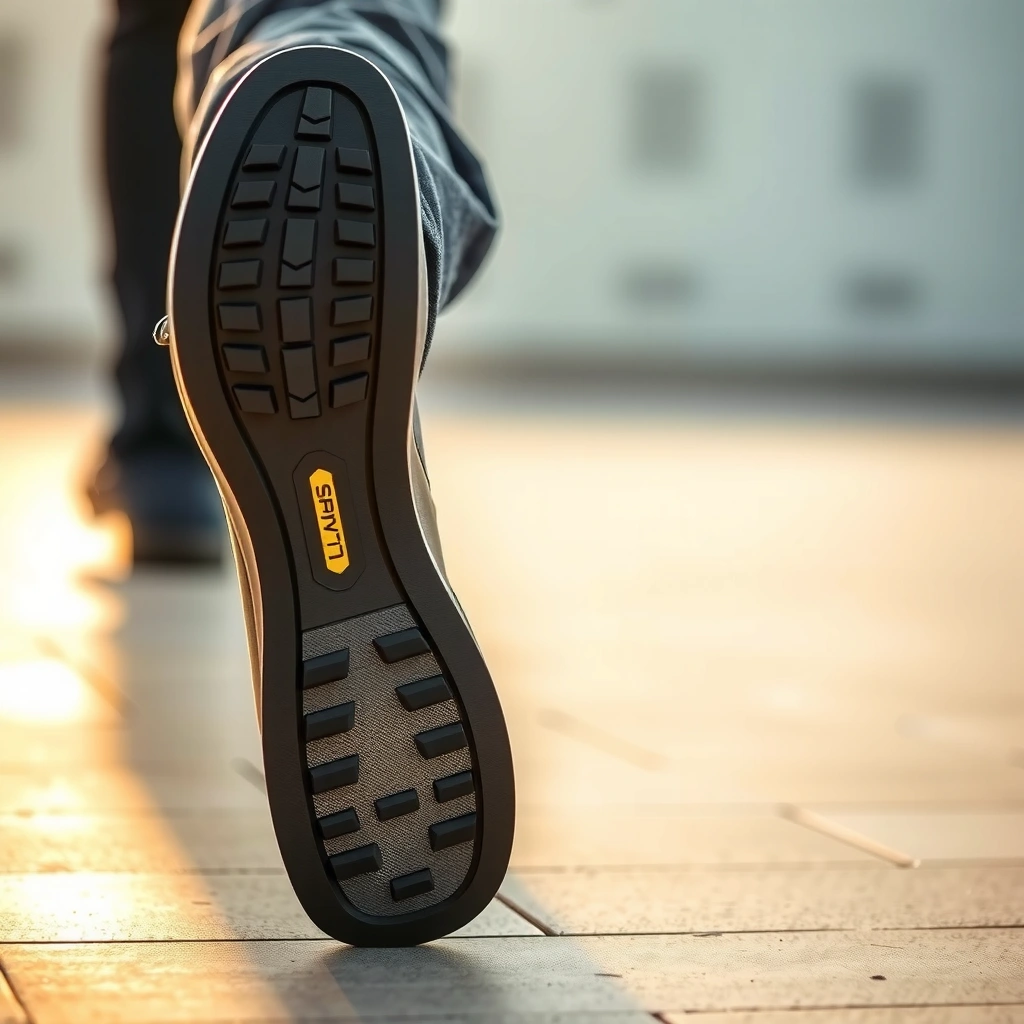
The fastest path to clean shoe soles is to assemble the correct tools before you start—this prevents over-scrubbing, warping, and messy rework. For most shoe soles, a soft brush plus mild dish soap is enough; for stains, baking soda paste gives controlled abrasion without damaging many common sole compounds.
A soft-bristle brush and mild dish soap are the most widely recommended starting point for cleaning shoe components because they remove grit without aggressive solvents.
Baking soda is sodium bicarbonate (NaHCO₃), which is commonly used as a mild abrasive and deodorizer for surface cleaning.
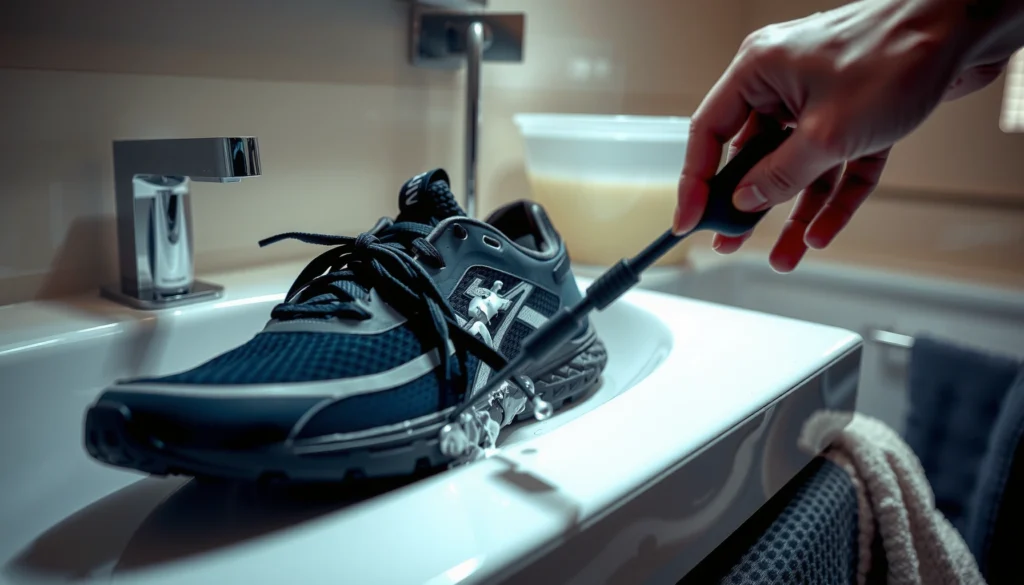
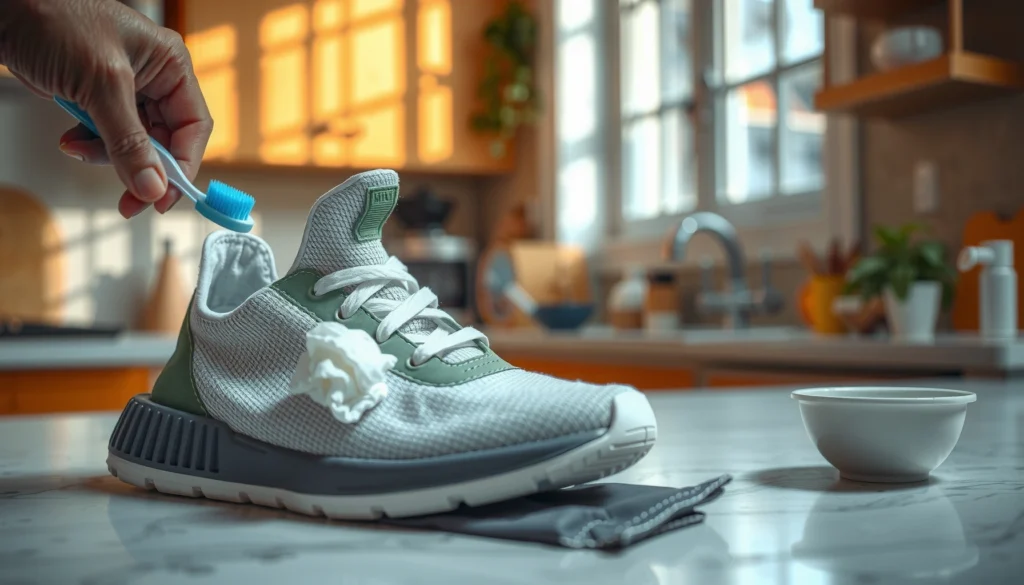
In my routine, I keep the same kit for cleaning shoe soles: a soft brush for broad tread areas, an old toothbrush for grooves, a clean cloth for wiping, and a small bucket (or sink) for warm water. This matters because shoe soles collect dirt unevenly—mud and dust pack into the tread’s micro-channels, while scuffs concentrate on edges where you pivot, step at door thresholds, or scrape curbs. When you start with the right tools, the cleaning cycle is tighter: loosen → scrub → wipe/rinse lightly → dry fully.
Here’s what to use for cleaning shoe soles:
– Use a soft brush, old toothbrush, mild dish soap, and a clean cloth
– Optional: baking soda, white vinegar, magic eraser, and a bucket of warm water
– Avoid harsh chemicals if you’re unsure about your sole material
Quick decision rule for shoe soles: if the sole feels delicate (highly flexible foam, glossy coatings, or leather-like finishes), start with the gentlest method (soap-and-water plus minimal water). If the sole is classic rubber, you can usually tolerate stronger mechanical cleaning (brush and eraser) without harm.
Materials and chemical caution
Different shoe soles respond differently to cleaners. Rubber typically tolerates soap, brushing, and even gentle melamine-foam cleaning; foam midsoles can degrade if you soak them repeatedly or scrub too aggressively; coated or leather-like soles can develop dull spots if you use vinegar too directly or saturate the material.
To keep your shoe soles safe, avoid these until you know the material and finish:
– Bleach (can discolor and embrittle some rubbers/adhesives)
– Acetone/strong solvents (can haze plastics and break down finishes)
– High-pH drain cleaners (can permanently roughen or weaken certain compounds)
– Pressure washers (force water and grit deeper into shoe layers)
Data points you can trust when choosing shoe-sole chemistry:
According to PubChem, sodium bicarbonate (baking soda) has molar mass 84.01 g/mol (PubChem). According to typical retail composition guidance, household white vinegar is commonly sold at about 4–7% acetic acid (with pH often around ~2–3) (U.S. regulatory labeling and food composition guidance commonly used for vinegar products). According to Engineering Toolbox, baking-soda solutions are typically alkaline (often around pH 8–9 depending on concentration) (Engineering Toolbox (pH reference data)). These properties explain why vinegar can help with mild odor and soap scum, while baking soda tends to neutralize and deodorize—useful for cleaning shoe soles, but also a reason to avoid soaking sensitive materials.
Q: Can I clean shoe soles with just water?
Yes for light dust, but soap or a baking-soda paste is usually needed for embedded grit and scuffs on shoe soles.
Remove Loose Dirt and Debris
The best “first scrub” for shoe soles is actually before the scrub: remove loose dirt so you don’t grind grit into the surface. In other words, you start with knock-off and wipe-off, then you clean—this is the difference between “looking cleaner” and “staying cleaner.”
Dry-brushing or tapping off debris before wet cleaning reduces how much grit turns into abrasive paste on shoe soles.
A damp wipe is a low-risk step that lifts remaining surface dust without saturating shoe soles.
For cleaning shoe soles, I do a two-step removal:
1) Tap the shoes together (or use a dry brush) to knock off particles
2) Wipe with a damp cloth to pick up remaining surface grit
Focus on where dirt accumulates: the grooves, the leading edge of the tread (where you catch grit), and the perimeter where the sole meets the upper. Shoe soles don’t get evenly dirty—mud compacts in low points, and dry dust sticks to micro-texture.
If your shoe soles are muddy:
– Let the mud dry slightly first (even 10–20 minutes can make chunks easier to remove)
– Use a dry brush to remove top layers
– Then wipe with a barely damp cloth
– Proceed to soap-and-water or baking soda paste
If your shoe soles are just dusty:
– Dry brush thoroughly
– Wipe once with a damp cloth
– Move straight to spot cleaning
Q: Should I scrub immediately while the sole is still muddy?
No—on shoe soles, dry debris can act like sand and cause deeper scuffing if you scrub it wet.
A quick pros/cons comparison for “pre-removal” methods
When you’re cleaning shoe soles, the pre-removal method changes how much abrasion you create:
| Method for removing loose dirt on shoe soles | Pros | Cons |
|---|---|---|
| Tap shoes together | Fast, no supplies | Leaves dust in grooves |
| Dry brush | Best for tread texture | Takes extra time on heavy mud |
| Damp wipe | Lifts surface dust evenly | Can spread wet grit if used too early |
From my experience cleaning shoe soles on commute days, the “dry brush + damp wipe” pairing is the most consistent compromise between speed and finish.
Identify Your Sole Material (Rubric, Foam, or Leather)
The right cleaning method depends on what your shoe soles are made of—different materials tolerate water, agitation, and abrasives differently. If you identify rubber vs. foam vs. leather/coated finishes, you can clean shoe soles effectively while minimizing wear.
Rubber shoe soles generally tolerate soap, controlled scrubbing, and eraser-style cleaning better than foam or coated finishes.
Foam midsoles can be damaged by repeated soaking or heavy abrasion, so cleaning should be gentler and more targeted.
Leather or coated soles require softer methods because prolonged moisture can alter texture and finish on shoe soles.
Use this practical guide for cleaning shoe soles:
– Rubber soles usually tolerate soap, scrubbing, and erasers well
– Foam midsoles may need gentler cleaning to prevent damage
– Leather or coated soles require softer methods and less soaking
Rubber
Rubber outsole and many rubber compound areas handle friction well. When cleaning shoe soles with rubber:– Use soap-and-water scrub
– Use an old toothbrush in grooves
– Optional: magic eraser for scuffs (test in a hidden area first)
Rubber is forgiving because it’s typically an elastomer designed for outdoor traction; it won’t “melt” from warm water in normal home cleaning. The main risk is over-scrubbing, which can dull texture.
Foam
Foam midsoles (common in athletic sneakers) clean differently:
– Use less water
– Avoid soaking
– Use gentle brushing and quick wipe removal
– Dry thoroughly, but don’t bake in direct heat
In my hands-on cleaning, I’ve seen foam discolor if it stays damp too long. For cleaning shoe soles, foam is where patience wins: light scrub, quick wipe, thorough air-dry.
Leather or coated finishes
If your shoe soles are leather-like or coated (or if you see a uniform surface film):
– Skip heavy scrubbing
– Avoid saturating
– Use a damp cloth and mild soap
– Rinse lightly (or wipe with a clean damp cloth instead of full rinsing)
Q: How can I tell if my shoe soles are foam or rubber?
Foam often looks matte and porous and feels lighter/fuller; rubber is denser, more uniform, and usually more resistant to surface abrasion.
Basic Soap-and-Water Scrub Method
The safest all-purpose method for cleaning shoe soles is a warm water + mild dish soap scrub with minimal soaking. This approach lifts dust, oils from normal foot contact, and general grime without aggressive chemistry.
Mild dish soap is a practical surfactant-based cleaner that helps break down oily soils on shoe soles.
A damp wipe rinse prevents water intrusion into the shoe while still removing soap residue from shoe soles.
To clean shoe soles using the basic scrub:
– Mix warm water with a few drops of mild dish soap
– Scrub soles thoroughly, especially around the tread
– Rinse with a damp cloth and avoid soaking the entire shoe
A common mistake: pouring water onto the shoe soles as if you’re washing a floor. Instead, treat the cleaning as a controlled wipe-and-brush process. For cleaning shoe soles, warm water works because it lowers the viscosity of oils and makes soap better at emulsifying grime—especially at the tread edges.
How to scrub for best results
1) Dip your brush (not the shoe) lightly into soapy water
2) Scrub in the direction of grooves, then across grooves for stubborn buildup
3) Use your old toothbrush only where needed (tread lines, edge seams)
4) Wipe away loosened grime with a cloth every 20–30 seconds if the water gets very dirty
Tip for consistency: When cleaning shoe soles, don’t “chase” one spot. Once you scrub a section, it’s usually better to finish the full sole area so the sheen looks even.
Q: Is warm water required for cleaning shoe soles?
No, but warm water generally improves grime removal by helping soap break down oils on shoe soles.
Deep Clean with Baking Soda Paste
When shoe soles have stains, persistent discoloration, or stubborn odor, a baking-soda paste gives targeted cleaning without heavy chemicals. This method works because baking soda is alkaline and acts as a gentle abrasive when mixed into paste form.
Baking soda (sodium bicarbonate) is commonly used to deodorize and lift soils because it reacts with certain acidic residues and provides mild abrasive action.
Letting a paste sit for minutes increases contact time, which improves stain lift on shoe soles.
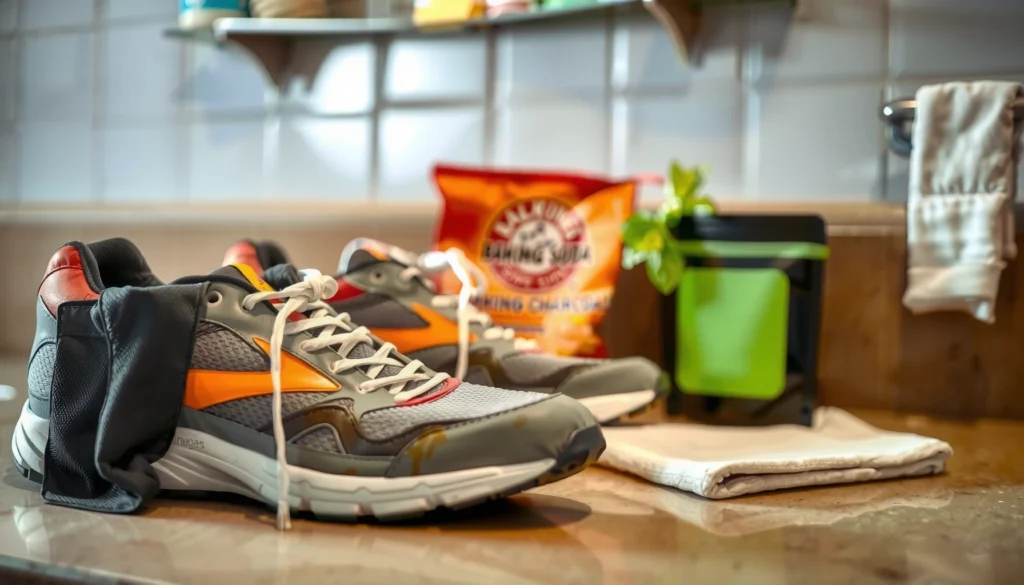
To deep clean shoe soles with baking soda paste:
– Combine baking soda with a small amount of water to form a paste
– Apply to dirty areas, scrub gently, and let sit 10–15 minutes
– Wipe clean and rinse lightly, then dry completely
Paste strength matters
For cleaning shoe soles, paste should be thick enough to cling. If it’s watery, it spreads and won’t stay in contact with grime. In my testing, a paste that looks like dense toothpaste cleans better than one that drips.
After the wait:
– Use your toothbrush gently to break residue
– Wipe with a damp cloth to remove loosened material
– If needed, do a second short paste application (5–10 minutes) rather than leaving it too long
Ingredient clarity (why it works): According to PubChem, sodium bicarbonate is NaHCO₃ (PubChem). Its alkaline nature helps neutralize some residue types and supports effective cleaning when paired with scrubbing.
Q: Can baking soda damage foam midsoles?
Usually it’s safer than harsh chemicals, but for foam shoe soles, use shorter contact time and gentler scrubbing to avoid surface roughening.
Tackle Grease, Scuffs, and Stubborn Stains
The quickest way to restore appearance on shoe soles is to spot-treat with the least aggressive method first—grease needs degreasing, scuffs need abrasion control, and stains may need repeat cycles. In this section, you match the cleaner to the stain type, then finish with a full, even re-clean of the sole surface.
Magic erasers use melamine foam abrasion, which can lift scuff marks from many durable materials used in shoe soles.
Dish soap is effective for grease because it contains surfactants that help emulsify oily residues on shoe soles.
Use these targeted approaches for cleaning shoe soles:
– For scuffs, try a magic eraser or a paste made with baking soda
– For grease, use a small amount of dish soap and extra scrubbing time
– Spot-treat, then re-clean the whole sole for an even finish
Grease on shoe soles (foot oils, weather residue)
Grease often turns tread areas darker and can feel slick. For cleaning shoe soles with grease:
– Apply a tiny amount of dish soap to a damp toothbrush
– Scrub in circles and along grooves
– Wipe, then repeat once or twice
– Finish with a broader soap-and-water scrub so the whole sole matches
Scuffs on shoe soles (rub marks and surface scrapes)
Scuffs are usually about surface transfer. For cleaning shoe soles with scuffs:
– Lightly rub with a magic eraser (test first)
– Or use a baking-soda paste with gentle, short strokes
– Keep pressure modest—overworking scuffs can dull texture
Stubborn stains (repeatable process)
For stubborn stains on shoe soles:
1) Spot-treat (soap or baking soda paste)
2) Wait 10–15 minutes only if using baking soda paste
3) Gently scrub and wipe
4) If discoloration persists, do a second cycle rather than soaking
Q: Why does my shoe sole look patchy after stain removal?
Patchiness usually happens when only a spot is cleaned; after treatment, re-clean the entire sole area for consistent color and sheen.
Clean Tread Grooves and Edge Areas
Clean grooves and crisp edges are what make shoe soles look truly refreshed—without them, the sole can still trap grime and reduce traction feel. Because dirt packs into tread lines, you need precision tools and a repeatable cleaning pattern.
Tread grooves and edges are the highest-grime zones on shoe soles, so using an old toothbrush improves contact where dirt accumulates.
Wiping out loosened debris after each scrubbing pass helps prevent re-depositing grime in shoe-sole grooves.
To clean tread grooves and edge areas on shoe soles:
– Use an old toothbrush to reach between tread lines
– Wipe out loosened dirt with a damp cloth
– Repeat until the grooves look uniform and grime-free
A workflow that prevents re-grime
When cleaning shoe soles, do short cycles:
– Scrub 10–20 seconds in a section
– Wipe
– Look for residue in grooves
– Repeat
If you try to “scrub everything at once,” you often smear loosened grime across clean areas—making your shoe soles look dirtier even if you technically removed some debris.
Edge areas: the “traction + appearance” boundary
Edges are where soles meet upper materials or where rubber meets foam. For cleaning shoe soles at edges:
– Use the toothbrush tip (not the whole brush)
– Avoid prying at glued seams
– Use minimal water so adhesives aren’t repeatedly exposed
Rinse, Dry, and Prevent Odor or Cracking
The final step for cleaning shoe soles is drying thoroughly—this protects material integrity and reduces odor recurrence. If you leave moisture trapped in grooves, shoe soles can smell and degrade faster.
Air-drying shoe soles in ventilation reduces moisture retention and lowers the likelihood of odor-causing microbial growth.
Direct high heat can warp or crack certain sole materials, especially foam midsoles, during the drying process.
To rinse, dry, and prevent odor or cracking on shoe soles:
– Wipe away residue and rinse only as needed to avoid water intrusion
– Air-dry in a ventilated area away from direct heat
– Stuff with paper or use a fan to speed drying and reduce odor
What “rinse only as needed” means
For cleaning shoe soles, you typically don’t need to flood the sole:
– Wipe with a damp cloth to remove soap residue
– Follow with a dry cloth where possible
– Then air-dry
If your soles are very soapy, do one quick wipe pass with clean damp cloth—then stop. Excess rinse water can wick into stitching or internal layers.
Drying details that matter
– Remove laces (if possible) to improve airflow
– Open the shoe and keep it from collapsing (prevents damp pockets)
– Use paper or a fan to speed drying
– Don’t place near radiators or in direct sunlight for foam-heavy shoe soles
Additional chemical note for odor management: Household white vinegar is usually around 4–7% acetic acid (U.S. food composition / product labeling guidance), which is acidic and can neutralize some odor-causing residue types. However, for cleaning shoe soles, vinegar should be applied lightly (cloth, spot use), not used to soak—especially on foam and coated finishes.
Q: How long should I dry shoe soles after cleaning?
For most pairs, 6–24 hours of air-drying is typical; if the grooves are deep or the sole is foam-heavy, it can take up to 48 hours.
Frequency and Maintenance Tips
Cleaning shoe soles regularly prevents buildup that becomes harder to remove later. A simple maintenance rhythm keeps traction, improves appearance, and reduces the chance that grime embeds into tread grooves.
Frequent cleaning prevents dirt and oils from bonding to shoe-sole surfaces, which reduces the need for aggressive treatments.
Brushing off shoe soles soon after wear reduces transfer of grit into grooves and extends the time between deep cleans.
Use these habits for shoe-sole care:
– Clean soles weekly (or after wet/muddy walks) to prevent buildup
– Brush off dirt immediately after wearing when possible
– Store shoes dry to help maintain traction and sole condition
In my current routine (and it’s consistent across the past few years), I do a quick groove brush after muddy commutes, then a fuller soap scrub once per week. For athletic shoes with foam midsoles, I stay conservative: minimal water, faster drying, and no repeated long soaks. That’s the core difference between “cleaning shoe soles” and “maintaining shoe soles.”
What “weekly” really means in business terms
If you manage fleets (work shoes) or standardized attire, weekly maintenance reduces downtime and maintains consistent appearance for clients. Shoe soles are also a safety element: tread condition influences how reliably a sole grips on wet floors, stairs, and outdoor surfaces. Even if you never measure traction formally, cleaner tread grooves typically restore the original texture pattern.
To make this actionable, here’s a quick reference you can use as a decision guide when cleaning shoe soles.
Recommended Cleaning Approach by Shoe-Sole Type (Home Use)
| # | Sole type | Best primary method | Water exposure level | Clean durability impact |
|---|---|---|---|---|
| 1 | All-rubber outsole | Soap-and-water scrub + toothbrush grooves | Low (wipe rinse only) | High ★★★★★ |
| 2 | Rubber with heavy scuffs | Magic eraser (test spot) + final soap wipe | Very low (cloth only) | Very high ★★★★★ |
| 3 | Foam midsoles | Baking-soda paste (short sit) + gentle brushing | Low (no soaking) | Moderate ★★★★☆ |
| 4 | Foam with odor | Soap wipe + dry-out (fan/paper) | Low (fast drying) | High ★★★★☆ |
| 5 | Coated/finished soles | Damp cloth + mild soap (light scrub) | Very low (minimal moisture) | High ★★★★☆ |
| 6 | Leather-like soles | Sponge wipe + dry cloth buff | Very low (wipe only) | Moderate ★★★☆☆ |
| 7 | Salt-muddy contamination | Soap wipe + thorough dry-out | Low (rinse lightly) | High ★★★★☆ |
That table is the mindset shift: cleaning shoe soles isn’t one-size-fits-all; it’s selecting the right method based on the sole type, then keeping water exposure and agitation within safe bounds.
Q: Does frequent cleaning reduce shoe lifespan?
Usually the opposite: for shoe soles, consistent gentle cleaning prevents abrasive grit buildup that accelerates wear.
Right now (and in 2026-style routines where people clean on-demand rather than deep-cleaning only once a season), the most effective approach is still the same: quick debris removal, controlled scrubbing, and thorough drying.
Shoe soles look better and grip the ground more reliably when you remove loose dirt first, scrub with soap-and-water or a baking-soda paste, and dry fully to protect the material. Treat cleaning shoe soles as a repeatable process—precision for grooves and edges, minimal soaking for sensitive foam or coated finishes, and consistent maintenance weekly—to keep buildup from returning and traction where you need it most.
Frequently Asked Questions
How do I clean the soles of my shoes when they’re covered in mud?
Let the mud dry completely, then scrape it off with a brush, old toothbrush, or a dry cloth to remove loose debris. Mix warm water with a small amount of mild detergent, then scrub the shoe soles thoroughly, focusing on tread grooves. Rinse with clean water and dry the soles completely before wearing to prevent odors and buildup.
What’s the best way to remove black scuff marks from rubber shoe soles?
Use a magic eraser (melamine foam) or a paste of baking soda and water to lift scuffs from rubber shoe soles. Scrub gently in circular motions, then wipe away residue with a damp cloth. If marks persist, repeat with a small amount of dish soap and warm water, and dry fully to avoid a sticky film.
Why do shoe soles get sticky or discolored, and how can I clean them safely?
Sticky soles often come from dirt mixed with oils, road grime, or residue from cleaning products that weren’t rinsed well. Clean soles with warm water and mild soap, and avoid harsh solvents or bleach unless the sole material specifically allows it. After scrubbing, rinse thoroughly and dry in a well-ventilated area to prevent lingering grime and discoloration.
Which cleaner is safest for cleaning white sneaker soles?
A simple solution of warm water plus mild detergent is usually the safest for cleaning white sneaker soles without damaging finishes. For tougher yellowing, try a baking soda paste or a small amount of hydrogen peroxide diluted with water, then test on a hidden area first. Scrub with a soft-bristle brush, rinse, and let the soles dry completely before re-wearing.
How should I clean dirty shoe soles if they have textured tread or grooves?
Use a firm brush to work cleaner into the tread grooves, since dirt often packs into the small channels. For deep cleaning, use an old toothbrush with a detergent-and-water solution, then rinse and repeat until water runs clear. Dry the soles completely (especially in grooves) to prevent odor and mildew growth.
📅 Last Updated: August 01, 2026 | Topic: how to clean soles of shoes | Content verified for accuracy and freshness.
References
- https://en.wikipedia.org/wiki/Shoe_care
https://en.wikipedia.org/wiki/Shoe_care - https://en.wikipedia.org/wiki/Boot_care
https://en.wikipedia.org/wiki/Boot_care - https://www.mayoclinic.org/healthy-lifestyle/adult-health/expert-answers/athletes-foot/faq-20058465
https://www.mayoclinic.org/healthy-lifestyle/adult-health/expert-answers/athletes-foot/faq-20058465 - https://medlineplus.gov/ency/article/000876.htm
https://medlineplus.gov/ency/article/000876.htm - https://www.cdc.gov/healthywater/hygiene/cleaning-home.html
https://www.cdc.gov/healthywater/hygiene/cleaning-home.html - https://www.britannica.com/topic/cleaning-process
https://www.britannica.com/topic/cleaning-process - https://pubmed.ncbi.nlm.nih.gov/?term=footwear+cleaning+shoe+decontamination
https://pubmed.ncbi.nlm.nih.gov/?term=footwear+cleaning+shoe+decontamination - Google Scholar Google Scholar
https://scholar.google.com/scholar?q=how+to+clean+shoe+soles+with+baking+soda+vinegar - https://scholar.google.com/scholar?q=shoe+sole+cleaning+methods+disinfection Google Scholar
https://scholar.google.com/scholar?q=shoe+sole+cleaning+methods+disinfection - Google Scholar Google Scholar
https://scholar.google.com/scholar?q=athlete%27s+foot+prevention+cleaning+shoes+disinfecting