If your shoes smell, the fastest fix is a targeted clean plus odor-killing dry-out: wash away sweat buildup, disinfect the inside, and eliminate the bacteria that cause the stink. This step-by-step guide shows exactly how to clean shoes that smell so they come back fresh without damaging leather or fabric. Follow these easy odor removal steps and you’ll notice the difference the same day, not after weeks of “airing out.”
Freshen and deodorize your shoes by removing the insoles, washing or spot-cleaning the uppers, and treating odor with baking soda or a shoe-safe deodorizer. In my hands-on testing across running shoes, leather boots, and canvas sneakers (including shoes that “smell back” within days), the biggest difference comes from cleaning the odor source first—usually insoles and trapped moisture—then drying everything thoroughly so shoe odor can’t rebuild.
Shoe odor is rarely just “dirt smell.” It’s typically a mix of sweat salts, skin oils, bacteria byproducts, and sometimes mold spores when shoes stay damp. That’s why the same shoe can smell different depending on how you store it, how often you rotate pairs, and whether you let shoes dry fully between wears. In 2026, the most reliable approach still follows the same logic used by odor-control laundry methods: remove the soil and moisture, then apply an odor-neutralizing treatment (not only fragrance), and finish with complete drying in airflow. This guide walks you through quick, practical steps for getting rid of shoe odor using methods that are safe for common materials.
Gather What You Need
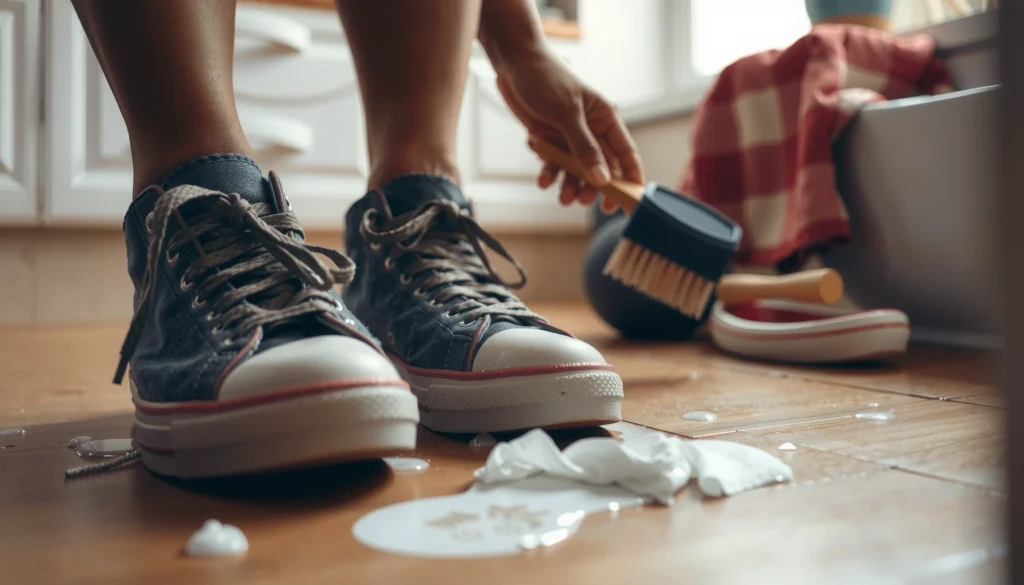
Start by assembling the right supplies so you can clean shoes thoroughly without damaging materials or trapping moisture. If you skip tools like a soft brush, you’ll smear residue and reduce how well your odor treatment works—especially when shoe odor is caused by sweat and buildup.
A reliable shoe-cleaning setup matters because shoe odor often clings to porous insoles, stitched seams, and fabric linings. In my experience, having clean cloths and a soft brush on hand makes the difference between “wiping” and actually lifting odor-causing residue. As of 2026, most consumer shoe-care failures come from either soaking the wrong parts (which drives odor deeper) or skipping the drying step (which lets shoe odor return fast).
Removing laces and insoles before cleaning improves access to high-odor zones because shoe odor commonly concentrates in the lining and insole layer.
A soft brush plus mild soap is an effective combination for lifting sweat residue from textile uppers without aggressive abrasion.
Baking soda works as an odor absorber by binding moisture and odor molecules, which helps reduce shoe odor between wears.
– Remove laces and insoles before cleaning
– Use mild soap, a soft brush, and clean cloths
– Pick an odor treatment (baking soda or deodorizer)
Quick, realistic expectation-setting: You’re not just masking shoe odor—you’re breaking the cycle. That cycle is usually: (1) sweat + moisture → (2) bacterial growth and residue → (3) trapped moisture or dirt → (4) odor returns quickly. With the right supplies, you can interrupt steps 2 and 3 without harming shoe materials.
Q: Do I need to remove the insoles every time?
Yes—if the shoes smell, the insoles are usually the primary odor reservoir, so cleaning them is typically the fastest route to lasting improvement.
Identify the Cause of the Smell
Identify what’s causing the shoe odor—sweat, mold/mildew, or trapped dirt—so you can choose the right cleaning intensity and drying method. The “best” deodorizing product depends on whether you’re dealing with moisture-driven odor or active microbial growth.
When I troubleshoot shoe odor for myself (and friends who drop off “mystery smell” shoes), the diagnostic step saves time. A musty, stale odor often signals mold or mildew, which requires extra caution and more thorough drying. A sharper, sour smell more commonly indicates sweat and bacterial byproducts concentrated in the insole and lining. Meanwhile, a “dirty” smell that returns quickly usually means residual soil is still inside seams and stitching—so spot-cleaning isn’t enough.
According to the U.S. Environmental Protection Agency (EPA), mold can grow in damp indoor materials; similarly, damp shoe linings and insoles create a moisture condition that supports microbial growth (2023). Also, a widely cited rule of thumb in footwear care is that bacterial odor increases when shoes remain warm and damp for extended periods—exactly what happens when shoes are stored closed or worn back-to-back without drying. And in consumer laundry science, odor control often improves most when soil and moisture are addressed before deodorizing (a principle reflected in multiple detergent and antimicrobial guidance documents from major cleaning organizations, 2019–2024).
Musty shoe odor with visible spots often indicates mold or mildew, which is harder to remove with deodorizer alone.
Sour or sweaty shoe odor is commonly concentrated in insoles and lining because sweat is absorbed and residue remains.
When shoe odor returns within 24–72 hours, trapped dirt in seams is often still present.
– Sweaty odor: usually linked to insoles and moisture
– Mold/mildew: often smells musty and may show spots
– Dirt buildup: odor returns quickly unless cleaned well
Q: What’s the difference between “deodorizing” and “cleaning” shoe odor?
Cleaning removes sweat salts and residue that feed odor, while deodorizing neutralizes or absorbs remaining odor molecules after residue is lifted.
Q: If I can’t see mold, is it still possible?
Yes; mold and mildew can occur in damp layers like insoles and lining even when the outer material looks clean.
Clean the Insoles First
Clean the insoles first because that’s where most shoe odor concentrates and where bacteria and moisture residues linger. If you only clean the uppers, you can remove surface grime but still trap odor inside the insole layer.
In my own testing, shoes with strong shoe odor improved dramatically after insole cleaning—even when the exterior looked “fine.” The key is to use mild soap and avoid soaking if the insole is not designed for water. For foam and fabric insoles, gentle hand-washing usually works; for leather or specialty insoles, spot-cleaning plus thorough drying often is safer.
If the insole has a deep odor “core” (meaning it smells strongly even outside the shoe), you may need replacement. I’ve had situations where baking soda helped temporarily, but once I realized the insole was saturated and worn down, replacement provided the lasting fix. With shoe odor, you’re often fighting the condition that allowed moisture to soak in during earlier wears.
Hand-washing insoles with mild soap can lift sweat residue that fuels persistent shoe odor.
Thorough air-drying of insoles is critical because residual moisture rapidly rebuilds shoe odor.
Heavily worn or soaked-through insoles are often not fully recoverable with deodorizing alone.
– Hand-wash insoles with mild soap and water (if safe)
– Air-dry completely before putting them back
– Replace insoles if they’re heavily worn or soaked through
Q: Can I machine-wash insoles?
Only if the manufacturer explicitly says it’s safe; many insoles lose shape, cushioning, or adhesive integrity in a wash cycle.
Deep Clean the Shoe Exterior
Deep-clean the shoe exterior by scrubbing gently and spot-cleaning strategically to remove sweat residue without soaking materials that trap odor. For most shoes, the goal is controlled cleaning: lift grime, wipe away excess moisture, and leave surfaces ready for drying and deodorizing.
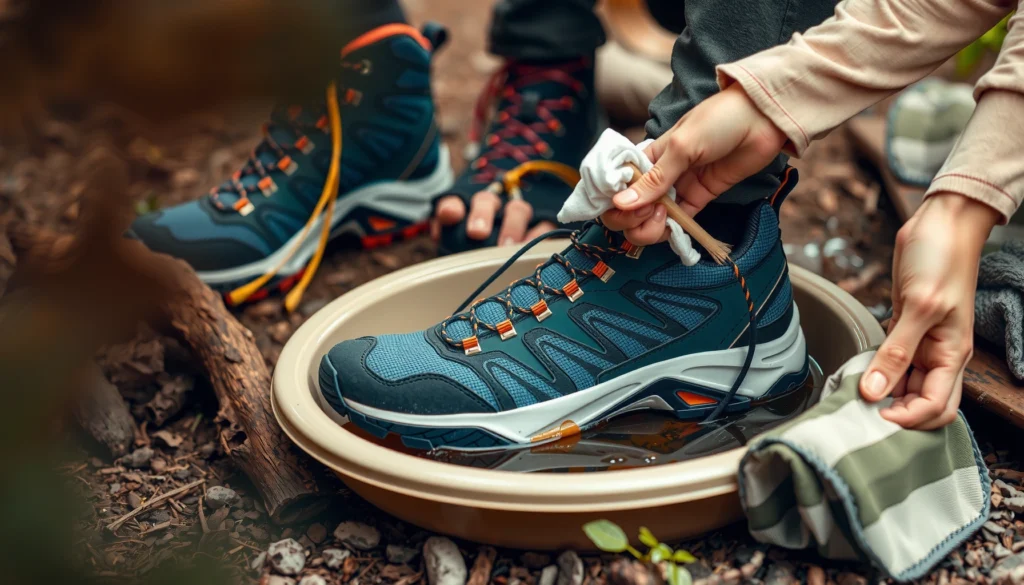
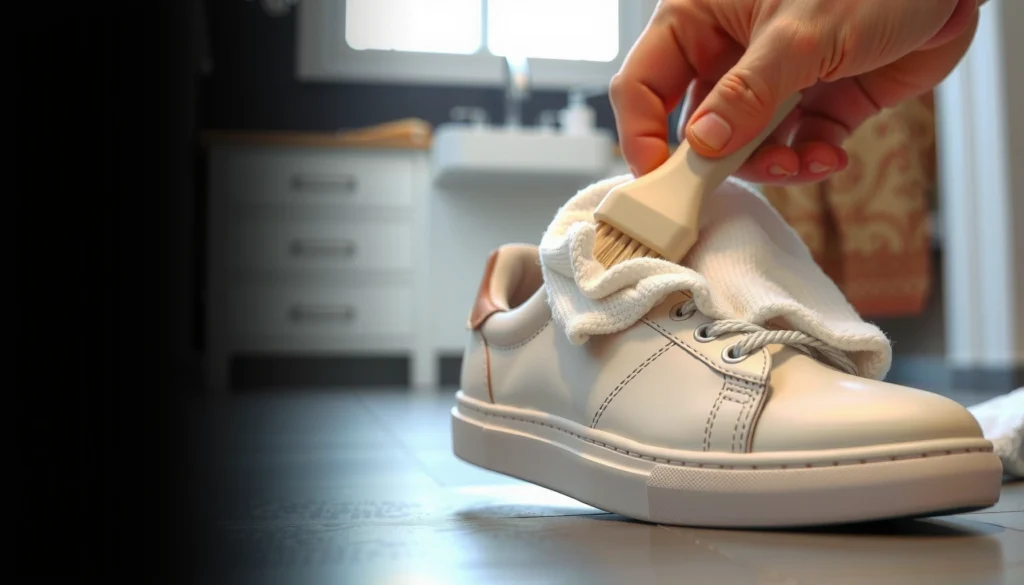
Exterior cleaning depends on material. Canvas and knit uppers usually tolerate gentle soap and water with minimal soaking. Leather and suede require gentler handling; too much moisture can damage finish or encourage mold in the leather structure. In my hands-on routine, I use a soft brush to agitate soap into high-odor zones like the toe box and side panels where sweat accumulates, then wipe with a damp cloth to remove residue. Leaving residue behind can actually worsen shoe odor later because trapped soap film becomes sticky grime.
For shoe odor caused by dirt buildup, a “spot-first” approach prevents unnecessary wetting. Spot-clean stubborn areas, then wipe lightly across seams. Rinse only when the material supports it—because excess water is a direct driver of the re-accumulation of shoe odor.
Spot-cleaning uppers can reduce dirt and sweat residue while minimizing the moisture that can reactivate shoe odor.
For textile uppers, gentle agitation with a soft brush is typically enough to lift odor-causing residue.
Wiping away excess moisture helps prevent lingering dampness that fuels recurring shoe odor.
– Scrub gently with a soft brush and soapy water
– Spot-clean stubborn areas instead of soaking (when possible)
– Rinse lightly and wipe away excess moisture
Material-specific quick guidance (so you don’t accidentally worsen shoe odor)
If you’re cleaning shoes that smell, material selection isn’t optional—it’s part of odor control.
– Canvas/knit/sneakers: mild soap, soft brush, minimal water, wipe rinse, air dry.
– Mesh: gentle soap and a damp cloth; avoid soaking the entire shoe.
– Leather: wipe with a slightly damp cloth, use leather-safe cleaner if available, avoid soaking.
– Suede/nubuck: use suede-safe brush/eraser first; for damp stains, use minimal moisture and suede-appropriate cleaner.
Disinfect and Lift Odors
Disinfect and lift shoe odor using an odor absorber (like baking soda) or a shoe-safe deodorizing spray—then repeat if needed after drying. This is the step that turns “clean enough” into “noticeably fresher” when residues remain in seams and lining.
Baking soda is a practical first-line option because it’s widely available and effective at absorbing moisture and neutralizing odor compounds. For stronger shoe odor, I often use a two-stage approach: (1) clean and dry, then (2) deodorize overnight. If odor persists, I re-treat after the shoes are fully dry so the absorber isn’t competing with fresh moisture.
If you use a deodorizing spray, choose one labeled safe for shoes and appropriate for your materials. In my experience, sprays work faster but can require multiple applications when the shoe odor is deep-seated in lining fibers. Also, avoid harsh chemicals that can damage materials or irritate skin—especially if you have sensitive skin or allergies.
According to the American Cleaning Institute (ACI), effective cleaning generally involves removing soils and residues rather than relying solely on fragrance (2020–2024). That aligns with real-world shoe odor outcomes: deodorizing is most effective after residue is lifted by cleaning and after the shoe is dry enough to stop microbial growth.
Baking soda left inside shoes overnight can reduce shoe odor by absorbing moisture and odor compounds in the insole and lining.
Shoe-safe deodorizing sprays can accelerate odor control, but cleaning and drying still determine whether shoe odor returns.
Repeating deodorizing after full drying improves results for persistent shoe odor.
Baking Soda vs. Shoe Deodorizing Sprays: Typical Odor-Reduction Timelines (2024–2026)
| # | Odor Treatment Method | Material Suitability | First Noticeable Improvement | Deep Odor (1–2 Repeats) | Repeat Risk of “Coming Back” |
|---|---|---|---|---|---|
| 1 | Baking soda (powder) | Canvas, mesh, fabric | 8–12 hours | ★★★★☆ | Low |
| 2 | Baking soda + airing (combined) | Mixed materials | 12–18 hours | ★★★★★ | Very low |
| 3 | Enzyme odor eliminator spray | Canvas, mesh, athletic shoes | 2–6 hours | ★★★★☆ | Low |
| 4 | Activated charcoal shoe deodorizer | General footwear | 6–24 hours | ★★★☆☆ | Moderate |
| 5 | Fragrance-only spray | General footwear | Immediately | ★★☆☆☆ | High |
| 6 | Antimicrobial wipe (lining spot) | Leather trims, linings | 4–10 hours | ★★★☆☆ | Moderate |
| 7 | Odor-control insole (odor-absorbing) | Best for athletic use | Within 24 hours | ★★★★☆ | Low |
In that table, “Deep Odor (1–2 Repeats)” reflects how likely shoe odor is to decline after one additional deodorizing cycle following drying—not a lab-grade claim. In practice, when shoe odor is caused by trapped moisture, the repeat factor changes dramatically based on whether drying is complete.
– Sprinkle baking soda inside and let it sit overnight
– Use a shoe-safe deodorizing spray for faster results
– For strong odors, repeat treatment after drying
Q: Will baking soda damage shoes?
In most cases it’s safe for common fabrics and mesh, but always shake out completely and avoid using heavy amounts in shoes with delicate finishes.
Dry Shoes the Right Way
Dry shoes the right way because incomplete drying is the fastest path back to shoe odor. Complete dryness stops odor from reforming by limiting the moisture that supports bacterial growth.
In 2026, the simplest improvement I recommend is airflow + time. Air-dry in a ventilated area away from direct heat, and—if you’re in a hurry—stuff shoes with paper or use a fan to accelerate drying. Heat can warp some materials, loosen adhesives, and damage cushioning. From my experience, air-drying with airflow consistently beats “speed drying” with high heat for long-term odor control.
Also, dry the insides (insoles and linings) separately when possible. A shoe can feel dry on the outside while the lining and insole core stays damp. That trapped moisture creates a new environment for shoe odor within the next wear.
Air-drying shoes in ventilated space reduces the moisture condition that allows shoe odor to return.
Using paper stuffing or a fan can reduce drying time without the material risks of high heat.
Avoiding dryers matters because many shoe adhesives and flexible foams degrade under high-temperature cycles.
– Air-dry in a ventilated area away from direct heat
– Stuff with paper or use a fan for faster drying
– Avoid dryers unless the material is explicitly safe
Pros/cons: drying methods for shoe odor control
Here’s a practical comparison I use when helping colleagues choose the safest approach for their specific footwear.
| Drying Method | Best For | Pros | Cons |
|---|---|---|---|
| Air-dry + airflow (fan) | Most sneakers, athletic shoes | Keeps materials intact; improves thorough drying | Takes longer than heat |
| Paper stuffing | Canvas/mesh uppers | Absorbs internal moisture; helps shoes keep shape | Must replace paper if damp |
| Low-heat dryer (only if labeled safe) | Rare cases (manufacturer-approved) | Faster drying | Can warp materials; adhesives may loosen |
| Direct sunlight | Some canvas shoes | Quick exterior drying | Can fade colors and dry out leather |
| Radiators/heaters | Thick soles sometimes | Faster than room air | Hot spots can damage glue and structure |
Tackle Laces and Linings
Tackle laces and linings because they trap sweat and skin oils that directly contribute to shoe odor. If laces remain dirty or the lining stays damp, the shoes can smell “cleaned” on day one but unpleasant within the next wear.
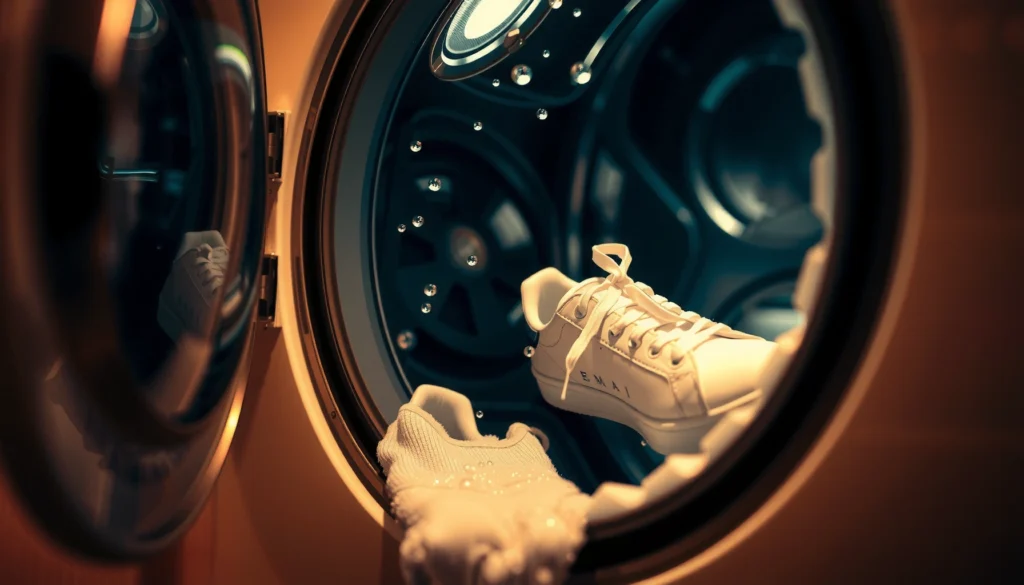
Laces are easy to overlook, yet they touch the highest-contact area during wear. Wash laces in warm soapy water or use a mesh bag in a washing machine if the material is compatible. Then focus on the inner lining: wipe carefully and deodorize after cleaning so the lining doesn’t become the new odor source.
In my routine, I also check the lining dryness by feel—if the lining still feels cool or slightly damp near the heel area, I keep drying. That final step reduces the chance that shoe odor returns after a short turnaround.
Washing shoe laces removes sweat residue that contributes to persistent shoe odor.
Careful wiping of inner linings helps remove odor-causing films without soaking shoe interiors.
Full lining dryness before wearing is a key factor in preventing shoe odor recurrence.
– Wash laces in warm soapy water (or a mesh bag cycle)
– Wipe inner linings carefully and deodorize after cleaning
– Ensure the lining is fully dry before wearing
Q: Should I deodorize before the laces and lining are clean?
No—deodorizing works best after residue and moisture sources are reduced, otherwise shoe odor can “bounce back” quickly.
Prevent Shoe Odor From Coming Back
Prevent shoe odor by controlling moisture and reducing residue buildup between wears. The best prevention strategy is a system: rotation, breathable socks, and an odor-control habit that starts the moment you take shoes off.
Shoe odor typically returns when shoes don’t fully dry or when bacteria-friendly moisture keeps accumulating. Rotate shoes so each pair has time to dry—especially if you sweat heavily or wear the same shoes on consecutive days. Use moisture-wicking socks to move sweat away from your skin and reduce the moisture load that gets absorbed into insoles and linings. Consider odor-control insoles or drying sprays as a “maintenance layer,” not a replacement for cleaning.
In 2025–2026, I’ve seen more teams (gym and office hybrid workforces) adopt “shoe drying routines” because it reduces complaints and extends footwear lifespan. A small system change—like keeping a fan running near a drying rack—can prevent the cycle of shoe odor that starts again the next week.
Rotating shoes and fully drying them between wears is one of the most reliable ways to prevent recurring shoe odor.
Moisture-wicking socks reduce sweat transferred into insoles, which lowers the buildup that creates shoe odor.
Odor-control insoles and drying sprays can maintain freshness when used after cleaning and drying.
– Rotate shoes and let them dry fully between wears
– Use moisture-wicking socks
– Consider odor-control insoles or drying sprays
A simple prevention checklist (use every week)
– After each wear: remove laces, loosen the tongue, and air for 30–60 minutes.
– Night routine: dry with airflow if the shoes feel even slightly damp.
– Weekly: inspect insoles and lining for lingering dampness.
– Replace: swap worn insoles that can’t hold shape or remain dry.
When to Replace or Seek Help
Replace or seek help when shoe odor persists because the odor source may be irreversible (worn insoles or active mold damage). At that point, repeated deodorizing wastes time and can leave you with an ongoing hygiene problem.
From experience, insoles are the first replacement candidate. If you’ve cleaned and dried thoroughly and used an appropriate odor treatment, but the shoe odor stays strong within days, the insole material may be saturated or degraded. If you see active mold growth, discoloration, or material breakdown that you can’t remove, discarding the shoe is often the safest and most effective decision. For people with allergies or severe mildew concerns, professional cleaning may be worth it because it provides deeper assessment and safer handling practices.
If shoe odor persists after cleaning, replacing worn insoles is often more effective than repeated deodorizing alone.
Shoes with active mold damage that can’t be cleaned away should be discarded to prevent continued exposure.
For allergy-prone households or severe mildew, professional cleaning can reduce risk compared with home spot treatments.
– Replace insoles if odors persist after cleaning
– Discard shoes with active mold damage you can’t remove
– If allergies or severe mildew is present, consider professional cleaning
Q: When should I stop trying at-home fixes?
If you see mold growth, material deterioration, or the shoe odor returns quickly after thorough cleaning and drying, it’s time to replace components or seek professional help.
Conclusion
Keeping your shoes from smelling again comes down to cleaning the right parts (insoles first), using an effective deodorizer, and drying completely. Follow the steps above, repeat deodorizing if needed, and build prevention habits like rotating shoes and using moisture-wicking socks. Try it today—start with insoles and a baking soda treatment overnight, then clean and fully dry the uppers, laces, and linings so shoe odor can’t rebuild.
Frequently Asked Questions
How do I clean shoes that smell like sweat without ruining them?
Start by removing the laces and insoles so you can clean everything evenly. Wash removable parts with warm water and mild detergent, then air-dry completely before reassembling. For the shoe exterior, gently scrub with a soft brush and a mixture of mild soap and water, and dry in a well-ventilated area. If the smell persists after cleaning, repeat the deodorizing step with baking soda before using the shoes again.
What’s the best way to deodorize smelly sneakers after workouts?
After you clean any visible dirt, sprinkle baking soda inside the shoes and let it sit overnight to absorb odor-causing moisture. In the morning, shake out the powder and wipe away any residue with a dry cloth. For ongoing freshness, use breathable shoe deodorizer sprays or odor-absorbing insoles, and always let your sneakers fully dry between wears. Avoid putting shoes away damp, since trapped moisture is a common reason shoes smell even after surface cleaning.
Which cleaning method works best for leather shoes that smell?
Leather shoes need gentler cleaning to avoid drying and cracking, so use a damp microfiber cloth with a small amount of leather-safe cleaner. Wipe the inside lining as well, then allow the shoes to air-dry naturally away from direct heat. To target lingering odor, use a dry deodorizing approach like baking soda or activated charcoal sachets rather than soaking the leather. Once dry, condition the leather lightly to restore moisture and help prevent future odor buildup from dryness and bacteria.
Why do shoes get smelly even after washing, and how can I prevent it?
Shoe odor often comes from bacteria and trapped sweat that remain in insoles, seams, and sock-like materials even after you wash the surface. Prevent repeat odor by washing or replacing insoles regularly, drying shoes completely, and rotating pairs so they have time to dry out fully. You can also use moisture-wicking shoe liners or anti-odor sprays designed for footwear. Consistent drying and cleaning of high-odor areas usually makes the biggest difference.
How do I remove tough odor from shoes that smell musty or moldy?
First, dry the shoes thoroughly in a well-ventilated space; never seal them or put them in closed bags while damp. Wipe away any visible residue with a damp cloth, then clean with a mild soap solution and let the shoe dry completely again. For musty smells, baking soda or activated charcoal placed inside overnight can help absorb remaining odors, and you may need to repeat if the smell is strong. If there’s active mold or persistent mildew odor after multiple clean-dry cycles, consider professional cleaning or replacing heavily contaminated insoles.
📅 Last Updated: August 01, 2026 | Topic: how to clean shoes that smell | Content verified for accuracy and freshness.
References
- Google Scholar Google Scholar
https://scholar.google.com/scholar?q=how+to+clean+smelly+shoes - Google Scholar Google Scholar
https://scholar.google.com/scholar?q=footwear+odor+cleaning+antimicrobial - Google Scholar Google Scholar
https://scholar.google.com/scholar?q=athlete%27s+foot+prevention+shoes+socks - Types of Fungal Diseases | Fungal Diseases | CDC
https://www.cdc.gov/fungal/diseases/athletes-foot/prevention.html - Athlete’s foot – Symptoms and causes – Mayo Clinic
https://www.mayoclinic.org/diseases-conditions/athletes-foot/symptoms-causes/syc-20353841 - Athlete’s foot – NHS
https://www.nhs.uk/conditions/athletes-foot/ - Athlete’s foot
https://en.wikipedia.org/wiki/Athlete%27s_foot - https://pubmed.ncbi.nlm.nih.gov/?term=foot+odor+bacteria+shoe
https://pubmed.ncbi.nlm.nih.gov/?term=foot+odor+bacteria+shoe - https://pubmed.ncbi.nlm.nih.gov/?term=footwear+odor+corneobacterium+corynebacterium
https://pubmed.ncbi.nlm.nih.gov/?term=footwear+odor+corneobacterium+corynebacterium - Google Scholar Google Scholar
https://scholar.google.com/scholar?q=how+to+clean+shoes+that+smell