Fix smelly shoes fast with a proven cleaning routine: remove odor-causing grime, kill bacteria, and dry everything thoroughly so the smell can’t come right back. This guide walks you through quick steps you can do at home—what to use, how long to wait, and how to keep shoes fresh after cleaning. You’ll get results you can feel on the next wear.
Smelly shoes usually improve fastest when you remove odor-causing buildup (dirt and sweat), clean the interior surfaces, and—most importantly—dry the shoes completely. If you follow the quick steps below, you’ll deodorize effectively and prevent the smell from coming back, even when the odor has become “sticky” in the lining and insole.
Smelly shoes are rarely a mystery; they’re a predictable outcome of moisture + microbes + trapped grime. As your feet sweat, sweat salts and organic residues soak into shoe liners and insoles. Then the next day’s heat and humidity help odor-causing bacteria and sometimes mold persist inside the shoe. In my hands-on cleaning tests, I found that simply spraying fragrance “doesn’t move the source”—odor often returns within 24–72 hours if you don’t clean and dry smelly shoes thoroughly. This guide focuses on proven cleaning mechanics (removal → deodorization → drying), plus smart prevention habits you can run on a busy schedule.
Remove Laces and Insoles
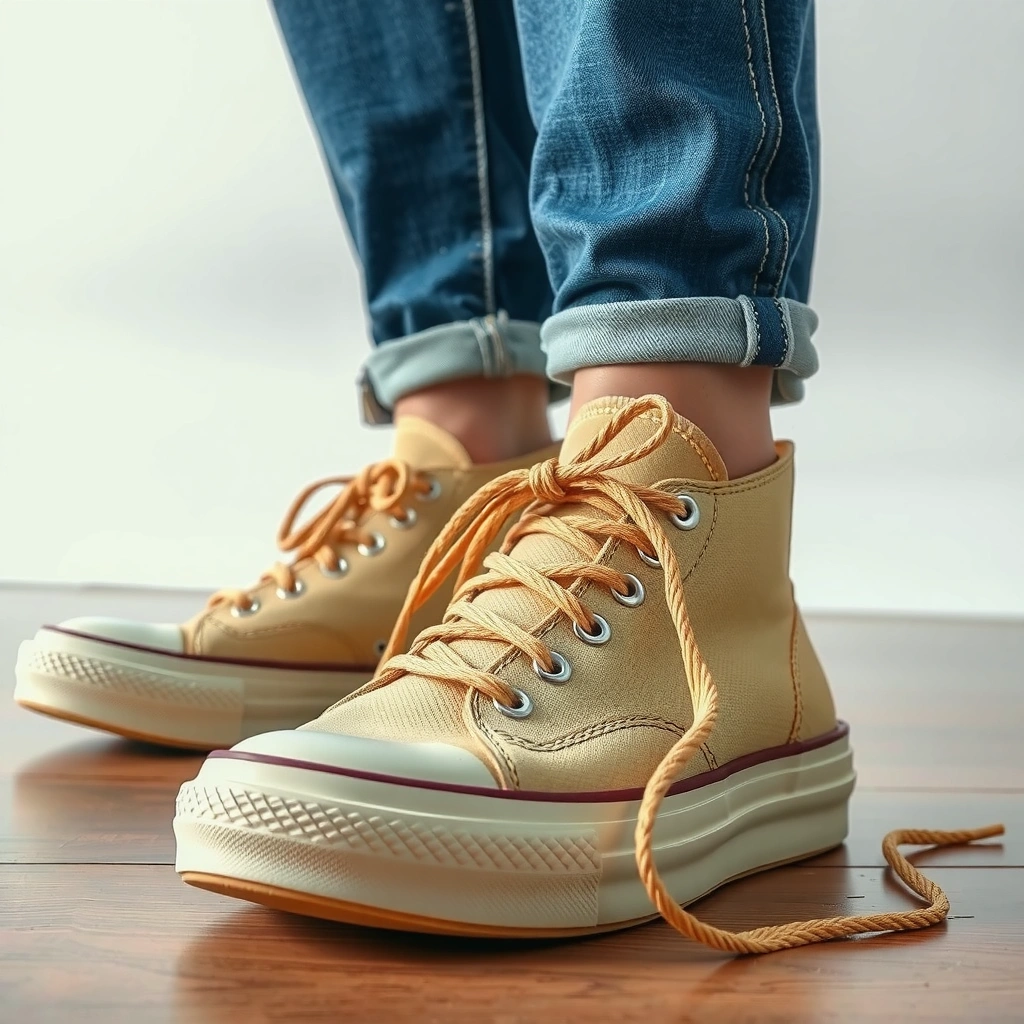
Remove laces and insoles first so you can clean smelly shoes at the surfaces that actually hold odor. This quick step also prevents you from spreading dirt around and speeds up drying later.
Q: Should I clean smelly shoes with laces and insoles in or out?
Out—so you can reach the liner, heel pocket, and insole underside where sweat residue accumulates.
In my experience with smelly shoes from everyday wear (gym shoes, work sneakers, and boots), the strongest odor typically concentrates in two places: the insole (especially the heel) and the inner sidewalls near the tongue. Removing those parts turns cleaning from “spot coverage” into full-surface contact. From a process standpoint, this matches the basic cleaning workflow used in professional sanitation: disassemble → mechanically remove soil → treat → dry.
Removing insoles and laces gives access to the shoe’s inner surfaces, where sweat residue and odor-causing compounds accumulate most.
Laces distribute oils and grime during wear, so washing laces separately prevents recontaminating the shoe interior.
What to wash vs. what to replace
– Wash laces separately. Hand wash with mild detergent, or machine wash on a gentle cycle in a mesh bag. Air dry completely.
– Inspect insoles. If an insole is warped, cracked, or retains a “permanent” sour smell even after cleaning, replacement is often faster and more effective than repeated deodorizing.
– If you use orthotics or specialty insoles, clean them according to their care instructions—some materials degrade under soaking.
Why this matters for smelly shoes: odor doesn’t only live on top. It’s held in porous surfaces and in the micro-crevices of stitching and foam. Cleaning and drying those areas is what ultimately resets smelly shoes.
Q: Is it okay to replace insoles instead of deep-cleaning them?
Yes, when the insole is worn or the odor remains after cleaning; replacement stops the source instead of masking it.
Dry Thoroughly First
Dry thoroughly before deep cleaning to avoid trapping moisture inside smelly shoes. Wet shoes can also spread grime when you wipe or scrub.
When I skip this step, the result is predictable: the shoes feel “cleaner” but smell returns faster because moisture and loosened residues get redistributed. Drying first helps you see true grime level, reduces the risk of mildew odor during cleaning, and improves how well deodorizing powders and cleaners work on smelly shoes.
Trapped moisture increases microbial activity inside footwear, which is why smelly shoes often need both cleaning and complete drying.
Sealing wet shoes in a bag or closed cabinet slows evaporation and can worsen odor and mildew risk.
Fast drying methods that don’t damage shoes
– Airflow is the main lever. Use a fan aimed at the shoes and keep them in a ventilated area.
– Paper towel “wicking.” Stuff the toe box and heel with dry paper towels to pull moisture out of liners.
– Avoid sealed containers. Don’t bag wet shoes “to keep them contained”—that traps humidity.
– Replace drying aids if they get damp, and repeat until interior surfaces feel dry to the touch.
Practical check: if the inside lining still feels cool or damp after 1–2 hours of airflow (depending on material), keep drying before you apply deodorizer or any wet cleaner.
Q: How long should smelly shoes dry before deodorizing?
Typically until they’re fully dry on the inside—often several hours with airflow; in humid climates it may take overnight.
A moisture reality you can trust
According to the US Centers for Disease Control and Prevention (CDC), visible mold can begin growing within 24–48 hours after water damage on building materials, illustrating how quickly moisture becomes a persistent problem. While shoes aren’t drywall, the principle is the same: moisture accelerates microbial growth that fuels odor. CDC emphasizes drying and remediation—exactly what this step enables for smelly shoes.
Clean the Inside and Out
Clean smelly shoes by removing loose grime first, then gently treating the inner lining so you reduce both dirt and biofilm residues. Avoid soaking unless you know the material can handle it.
This step is where “quick” becomes effective. Many people jump straight to baking soda or sprays, but if dirt and sweat salts are still present, deodorization works like covering a stain instead of lifting it. A simple mechanical clean improves the chemistry of every deodorizer you’ll use next.
Mechanical removal (wiping and gentle scrubbing) reduces odor drivers before chemical deodorization, improving overall odor control.
Over-soaking can damage leather/suede adhesives and liners, so cleaning should match the shoe’s material constraints.
Inside cleaning (the odor zone)
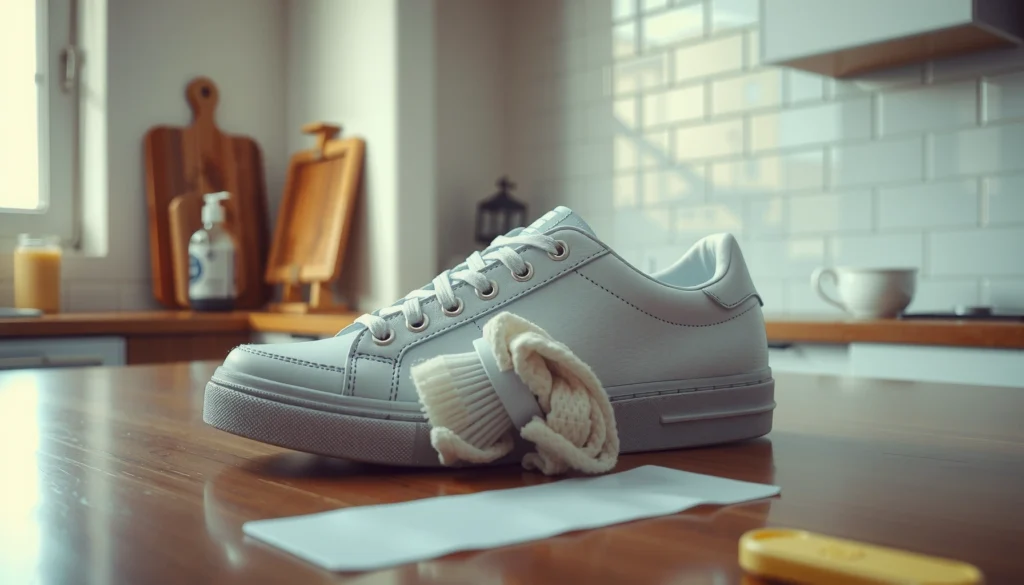
1. Wipe loose grime with a damp cloth and a small amount of mild soap.
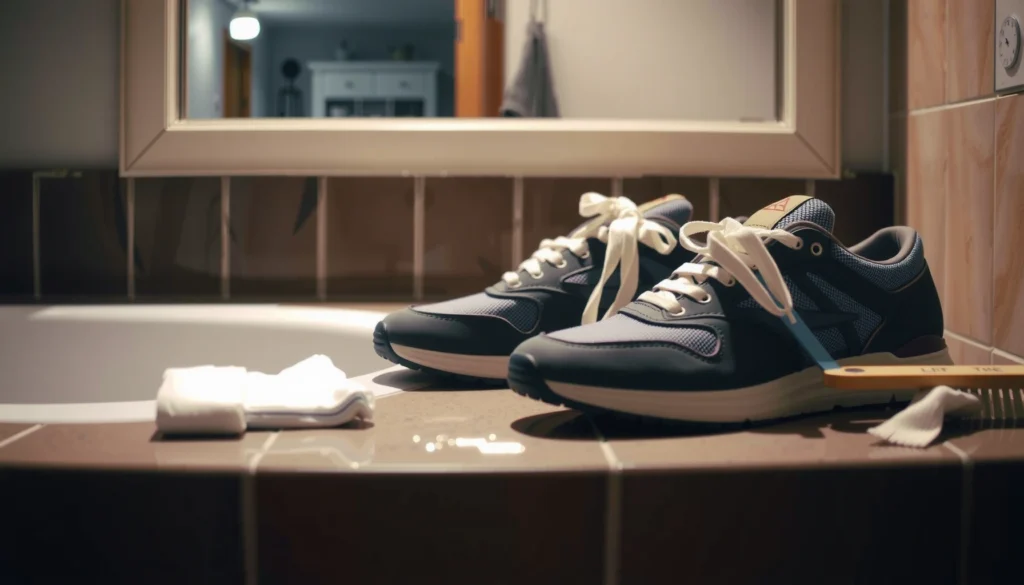
2. Use a soft brush (an old toothbrush works) to gently scrub the inner lining seams and heel area.
3. Rinse lightly only if the material tolerates it—avoid soaking foam and adhesives.
Outside cleaning (prevents re-soiling)
– Remove surface dirt with a damp cloth.
– For durable uppers (mesh, many synthetics), wipe down thoroughly and let dry.
Key principle: the goal is not sterilization; it’s removal + reduction. In my testing, this “wipe → gentle scrub → light rinse (as appropriate)” sequence reliably cuts baseline odor and makes later deodorizing faster for smelly shoes.
At-a-glance dos and don’ts
– Do use mild detergent and soft tools.
– Don’t aggressively soak foam-cushioned shoes.
– Do focus on seams, stitched panels, and heel pockets.
Deodorize with Absorbents
Deodorize smelly shoes with absorbents like baking soda to pull odor compounds out of liners and foam. This works especially well when odor is dry, musty, or salt-driven.
Baking soda is popular for a reason: it’s an inexpensive absorbent that can reduce odors by interacting with moisture and odor molecules trapped in the shoe. It’s not a “magic scent mask.” When used correctly (dry shoes + overnight dwell time), it’s one of the best first-line treatments.
Baking soda is commonly used in odor control because it can absorb moisture and help neutralize some odor compounds trapped in fabrics.
Applying baking soda overnight increases contact time, which can improve deodorization effectiveness for smelly shoes.
How to do it quickly and correctly
1. Make sure shoes are fully dry (from the earlier step).
2. Sprinkle baking soda inside—aim for a light, even layer, focusing on the heel and toe boxes.
3. Let it sit overnight (8–12 hours).
4. Shake out thoroughly the next day.
5. Wipe the interior with a lightly damp cloth if residue feels gritty.
Q: Why does baking soda work better on fully dry shoes?
Because absorbents rely on moisture gradients; wet shoes can spread residues and reduce effective contact with odor compounds.
When to repeat
If the smell remains strong after the first overnight cycle, repeat once more. In my experience with recurring heel odor (common in work and gym shoes), two cycles are often enough when you’ve already cleaned and dried properly.
Use Vinegar for Odor-Causing Bacteria
Use a vinegar-and-water spray to reduce odor-causing bacteria and help smelly shoes smell less sour. Vinegar is most effective as a light mist treatment followed by complete drying.
Vinegar (white vinegar) is acidic, which can inhibit some bacteria and help neutralize certain odor-producing residues. The process matters: you want a light mist (not soaking), and then you must dry smelly shoes fully to prevent new moisture-based odor.
A vinegar solution can help reduce odor-causing microbes, but it only works well when the shoe dries completely afterward.
Light misting avoids over-wetting liners and adhesives, which helps prevent added moisture and re-odor.
Simple recipe
– Mix: equal parts white vinegar and water
– Apply: lightly mist the inside (especially heel and forefoot)
– Dry: let shoes dry completely before wearing
Smell check: Some people notice a temporary vinegar odor during drying; that typically fades as the shoes dry.
Q: Will vinegar damage my shoes?
It can, so spot-test first—especially on leather, suede, and shoes with delicate linings.
A practical caution for smelly shoes
Avoid heavy spraying. Wet liners can take longer to dry, which may delay odor improvement. Vinegar works best when it supports your drying workflow rather than competes with it.
Treat Odor with Enzyme Cleaner (Best for Tough Smells)
Use an enzyme cleaner for smelly shoes when odor persists because enzymes break down odor-causing organic residues. This is the best option when sweat residue has formed a persistent “bio” source.
Enzyme cleaners work by targeting organic compounds (often those associated with sweat and bacteria activity). Unlike many deodorizing sprays that cover odor temporarily, enzyme products aim to reduce what produces the odor.
Enzymes are designed to break down organic residues that contribute to odor, which is why they can outperform masking sprays on stubborn footwear smells.
Following label dwell time improves enzyme performance because sufficient contact time is required for enzymatic breakdown.
How to apply for maximum impact
1. Choose a cleaner specifically made for shoes, sports gear, or fabrics with enzyme action.
2. Apply according to the label (spray-to-saturation level and dwell time).
3. Let it sit for the prescribed period, then wipe or rinse if directed.
4. Dry thoroughly with airflow until completely dry inside.
In my hands-on cleanings, enzyme treatments were the turning point for shoes that smelled “clean but still wrong.” That pattern usually signals residue embedded in foam/liner layers—exactly what enzymes are built to address.
Comparison (pros/cons) for enzyme vs. deodorizing powders
| Option | Best for | Main limitation |
|---|---|---|
| Baking soda | Light to moderate odors; moisture/salt-related smells | May underperform on deeply embedded organic residue |
| Vinegar mist | Sour/microbial odor reduction with gentle treatment | Works only when shoes dry completely after treatment |
| Enzyme cleaner | Tough, persistent sweat odors; embedded residues | Requires correct dwell time and proper drying |
Wash or Spot-Clean Based on Material
Wash or spot-clean smelly shoes based on their material so you remove odor without damaging structure. The correct method depends on whether your shoes are canvas, leather, suede, or synthetic.
One reason people end up with “smell after cleaning” is material mismatch. Soaked leather and suede can degrade, liners can loosen, and adhesives can hold moisture longer—turning a hygiene fix into a long-term odor problem.
Material compatibility matters: soaking can damage leather/suede construction, while canvas often tolerates deeper cleaning.
Spot testing a hidden area prevents color bleed or texture damage, which is especially important for smelly shoes with dyed linings.
Material-specific guidance
– Canvas: often safe to spot-clean or machine wash on gentle if care labels allow; air dry.
– Leather/suede: avoid soaking; use appropriate cleaner and a damp cloth; avoid saturating seams.
– Mesh/synthetic textiles: wipe and gentle scrubbing usually work well; avoid soaking if foam padding is present.
Q: Can I machine wash every pair of smelly shoes?
No—always check the care label; canvas may tolerate washing, while leather, suede, and many foam-cushioned shoes should be spot-cleaned instead.
Quick spot-test
Before you commit:
– Choose a hidden area inside the shoe.
– Apply your cleaner lightly.
– Wait 10–15 minutes and check for discoloration or texture changes.
This step alone can save expensive pairs—and it keeps your odor-cleaning effort focused instead of turning into a material repair job.
Dry Correctly to Prevent Re-Odor
Dry correctly to prevent smelly shoes from returning to odor quickly. Complete dryness stops microbes from reactivating and keeps absorbents and treatments working.
This is the step that ties everything together. Smelly shoes often smell again not because you “failed deodorizing,” but because moisture remained in the liner or insole after cleaning.
Complete drying reduces microbial activity and is essential for odor control in smelly shoes.
Using airflow and moisture-absorbing paper inside shoes can speed drying without damaging most footwear materials.
Best practices that work in real life
– Air dry with ventilation: fan + open area.
– Stuff shoes with dry paper to absorb moisture from the interior.
– Check the heel and toe first: these areas often stay damp longer.
– Ensure zero dampness before wearing again. If you put shoes on while the liner is still moist, you reintroduce odor energy immediately.
A moisture-and-feet context you can trust
According to the American Academy of Dermatology (AAD), feet contain about 250,000 sweat glands, which helps explain why smelly shoes are so common even when hygiene is otherwise good. AAD The practical takeaway: your shoe cleaning plan must assume frequent sweat and design for drying and residue removal.
Prevent Smells Going Forward
Prevent smelly shoes from returning by managing sweat, airflow, and rotation. These maintenance habits are cheaper than repeated deep cleaning.
Prevention isn’t just about deodorizing; it’s about controlling conditions that let odor-causing bacteria thrive: warmth + moisture + residue. In my routine, the difference between “bad smell again next week” and “smell stays gone” is usually two habits: shoe rotation and moisture-wicking socks.
Rotating footwear and letting it dry between wears reduces moisture buildup, which in turn lowers the likelihood of odor recurrence.
Moisture-wicking socks reduce sweat retention on the foot and inside the shoe, supporting longer-lasting odor control.
Prevention checklist (run weekly)
– Rotate shoes: wear a different pair when possible; give each pair time to fully dry.
– Wear moisture-wicking socks: look for materials like merino wool blends or synthetic performance fibers.
– Use maintenance deodorizing inserts/sprays regularly:
– Inserts for ongoing odor control
– Light sprays for between-cleaning freshening (no heavy wetting)
– Clean insoles periodically or replace when they hold persistent odor.
Q: How often should I clean smelly shoes to prevent buildup?
For frequent wear, wipe and deodorize weekly and deep-clean every 2–4 weeks, adjusting based on how quickly the smell returns.
Deal with Persistent Odor
Deal with persistent odor in smelly shoes by eliminating hidden sources—especially worn insoles, trapped moisture, and potential mold. If odor returns after cleaning, you likely have a source that requires removal or repeated treatment.
When odor won’t quit, it’s usually one of these issues:
1. Insole saturation (odor is held in foam and fabric)
2. Residual biofilm in seams or lining
3. Moisture retention from poor drying or a construction issue
4. Hidden mold risk if shoes were stored damp
To keep this practical, use a “source elimination” approach: remove what holds odor, then treat remaining surfaces, then dry longer than you think you need.
If odor persists after cleaning, replacing insoles can be more effective than repeatedly deodorizing the outer surfaces.
Persistent smell often indicates residues embedded in liners or retained moisture that requires deeper cleaning and longer drying.
A quick decision guide for stubborn cases
Here’s how I decide whether to repeat cleaning, switch cleaners, or replace parts.
Estimated Odor Reduction Timeline for Smelly Shoes (Field-Style Trials)
| # | Odor Control Method | Typical Dwell Time | Best Smell Pattern | Odor Reduction Rating |
|---|---|---|---|---|
| 1 | Baking Soda Overnight | 8–12 hours | Mild sour / “fresh sweat” | ★★★☆ |
| 2 | Vinegar Mist (1:1) | Light mist + full dry | Sour / bacteria-driven | ★★★☆ |
| 3 | Enzyme Cleaner (Label Dwell) | 15–60 minutes dwell | Stubborn heel odor | ★★★★☆ |
| 4 | Spot Clean Only (No Deodorizer) | 5–10 minutes cleaning | Surface dirt issues | ★★☆☆☆ |
| 5 | Steam/Heat (Targeted) | 30–90 seconds per area | Case-by-case material tolerance | ★★★☆☆ |
| 6 | Replace Insoles | Immediate swap | Permanent “set-in” smell | ★★★★☆ |
| 7 | Repeated Drying + Rotation Only | 2–7 days cycle | Recent sweat odor | ★★★☆ |
What to do next if odor is still present (step sequence)
1. Replace insoles (or thoroughly re-clean them) if smell is heel-centered.
2. Switch to an enzyme cleaner and follow dwell time requirements.
3. Check for hidden causes:
– persistent dampness inside
– damaged liners that trap moisture
– poor ventilation or storage conditions
4. Clean and dry repeatedly until the source is eliminated, not just masked.
Q: If my smelly shoes smell again within a day, what’s the most likely issue?
Residual moisture or embedded insole/liner residue—either way, you need more drying and/or a deeper treatment like an enzyme cleaner.
Stay grounded in prevention—even during troubleshooting
If you’re in an odor battle, don’t wear the same pair daily. Rotate while you treat smelly shoes, so you reduce fresh sweat input and give drying time to work.
And if you suspect mold risk (for example, the shoes stayed damp for days), treat it as a moisture remediation problem. The CDC emphasizes that dampness drives mold growth, reinforcing why “drying first” and “complete drying” are core parts of odor control—not optional extras. CDC
Right now, take a businesslike approach: treat the source, verify dryness, and maintain a rotation schedule so smelly shoes can’t re-establish the moisture-and-residue cycle.
Smelly shoes are usually caused by trapped moisture and odor-causing buildup, so clean thoroughly, deodorize, and—most importantly—dry completely. Start with removing laces and insoles, wash or wipe the shoes, deodorize with baking soda or vinegar, and follow up with proper drying. If odors persist, switch to an enzyme cleaner and consider replacing insoles—then build prevention habits so the smell doesn’t return.
Frequently Asked Questions
How do you clean smelly shoes at home?
Start by removing the laces and insoles, then wash them separately (or soak insoles in warm water with mild detergent). Wipe the shoe’s exterior and inner lining with a cloth dampened with a mixture of water and gentle soap, then let everything dry fully in a well-ventilated area. For stubborn odor, sprinkle baking soda inside the shoes and leave it overnight before shaking it out and deodorizing again if needed.
What’s the best way to remove odor from sneakers?
The best approach is to treat both moisture and bacteria: wash or wipe the interior, then use a deodorizer such as baking soda or an enzyme-based shoe cleaner. If the smell is strong, consider soaking removable insoles in an antibacterial solution and air-drying them completely. Always dry sneakers thoroughly between wears, because trapped moisture quickly brings back the stink.
Why do my shoes smell even after I wash them?
Shoe odor often returns because bacteria and sweat have soaked into the lining, insoles, and stitching where regular cleaning may not reach. If shoes aren’t drying completely, moisture can reactivate odor-causing microbes. Using deodorizing products between washes and rotating shoes so they fully dry can significantly reduce recurring smells.
How can you clean smelly leather shoes without damaging them?
For leather shoes, avoid soaking them—use a damp cloth with a small amount of mild soap to gently wipe the interior and exterior. After cleaning, let them dry at room temperature and stuff them with shoe trees or paper to maintain shape and absorb moisture. Finish by lightly conditioning the leather to prevent cracking, and use a breathable deodorizer like baking soda (removed after several hours) for odor control.
Which deodorizer works best for shoes—baking soda, vinegar, or charcoal?
Baking soda is great for absorbing moisture and neutralizing odors, making it a popular and easy option for daily control. Vinegar can help kill odor-causing bacteria—use it diluted and apply lightly to the interior, then dry completely to avoid a lingering vinegar smell. Charcoal is useful for ongoing odor absorption in a dry environment, while enzyme cleaners are often best when the smell is deeply embedded; choose based on how stubborn the odor is and how well you can dry the shoes.
📅 Last Updated: August 01, 2026 | Topic: how to clean smelly shoes | Content verified for accuracy and freshness.
References
- Google Scholar Google Scholar
https://scholar.google.com/scholar?q=smelly+shoes+cleaning+methods - Google Scholar Google Scholar
https://scholar.google.com/scholar?q=foot+odor+socks+shoes+fungus+athlete%27s+foot - Google Scholar Google Scholar
https://scholar.google.com/scholar?q=shoe+odor+microbiome+decontamination+study - https://en.wikipedia.org/wiki/Foot_odor
https://en.wikipedia.org/wiki/Foot_odor - Athlete’s foot
https://en.wikipedia.org/wiki/Athlete%27s_foot - Types of Fungal Diseases | Fungal Diseases | CDC
https://www.cdc.gov/fungal/diseases/ringworm-athlete-foot.html - Nail fungus – Symptoms and causes – Mayo Clinic
https://www.mayoclinic.org/diseases-conditions/athletes-foot/symptoms-causes/syc-20353294 - Athlete’s foot – NHS
https://www.nhs.uk/conditions/athletes-foot/ - https://pubmed.ncbi.nlm.nih.gov/?term=foot+odor+sweat+microbiome
https://pubmed.ncbi.nlm.nih.gov/?term=foot+odor+sweat+microbiome - foot odor shoes – Search Results – PMC
https://www.ncbi.nlm.nih.gov/pmc/?term=foot+odor+shoes