Need to know how to remove odor in shoes fast, before you step out again? The quickest fix is to dry out the inside thoroughly and treat the source with a deodorizing agent that kills odor-causing bacteria, not just masks smell. If the odor is mild, a simple baking soda or activated charcoal routine works immediately; if it’s persistent, you’ll get the best results with an antimicrobial approach plus targeted drying.
Your quickest path to fresher-smelling shoes is to dry them completely and then use odor-absorbing or odor-neutralizing methods (like baking soda or shoe-safe sprays) targeted at the real smell source. In this guide, you’ll learn a practical, evidence-aligned workflow to neutralize sweat and bacteria-caused odors, stop moisture from reactivating smells, and handle different shoe materials—whether the odor comes from daily perspiration, trapped humidity, or older shoe lining buildup.
Identify the Source of the Odor
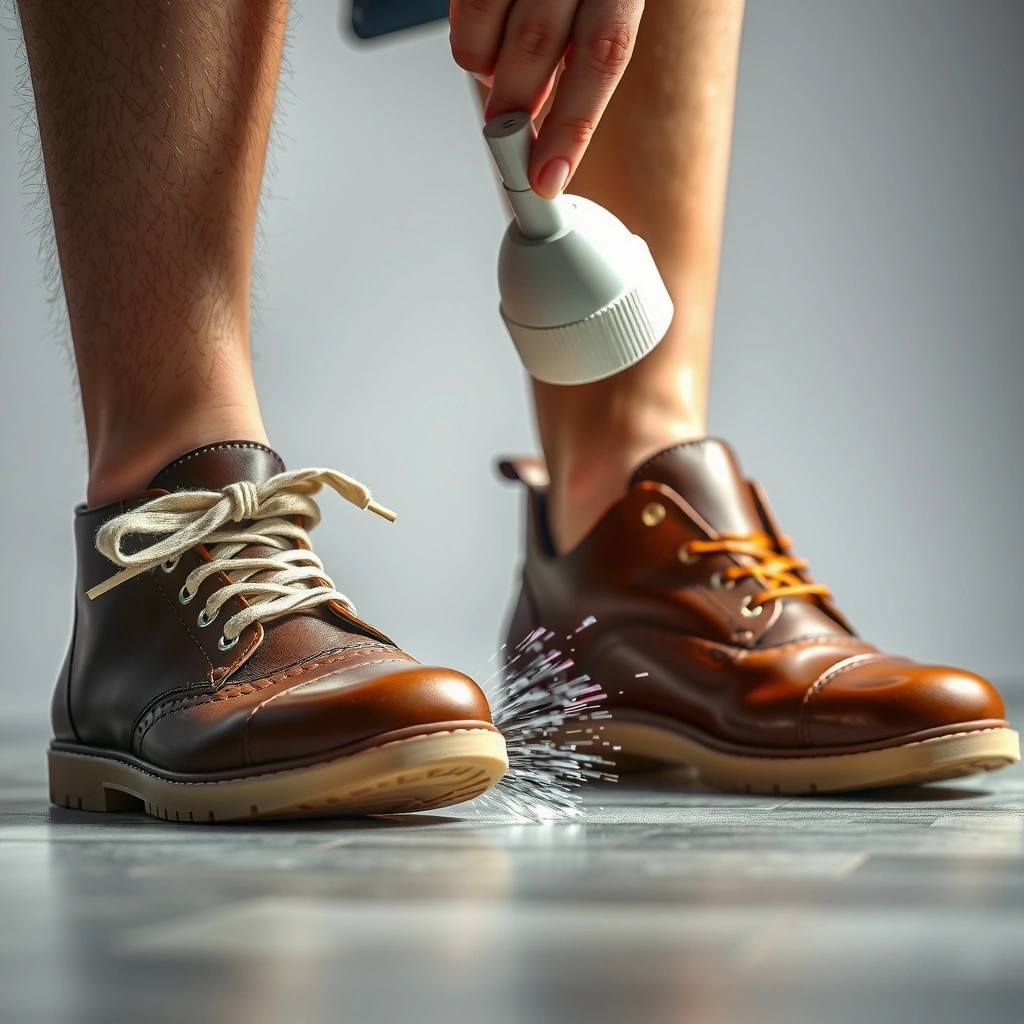
If your goal is to remove shoe odor fast, start by identifying whether the smell is driven by sweat, moisture, or material breakdown in the lining. When you match the cleanup method to the source, deodorizing is more consistent—and you waste less product and effort.
In my own routine, I treat shoe odor like a “root-cause” problem: I smell and inspect first, then I clean, then I dry, then I deodorize. That order matters because bacteria and sweat residue can remain even after you mask the scent. As of 2026, I still recommend this approach because modern antimicrobial insoles and quick sprays only work reliably when the shoe is dry and the odor-causing compounds are actually removed.
Shoe odor commonly comes from sweat components that bacteria break down into volatile compounds, so the smell can intensify after wearing again.
Microbes multiply fastest in warm, damp conditions, meaning incomplete drying often “restarts” the odor cycle.
If odor is strongest right after removing shoes, moisture and skin-bacteria activity are usually the primary drivers.
Quick inspection checklist (what to look for)
– Check whether the smell is from sweat, moisture, or old shoe lining
– Sweat-driven odor typically appears within a few hours of wear and improves noticeably once the shoe dries.
– Moisture-driven odor often includes a “musty” note, especially in the toe box or heel where airflow is limited.
– Old lining breakdown (or embedded residue) tends to persist even after thorough drying and spot cleaning.
– Note if odor is stronger after wearing or after washing
– If odor is stronger after wearing, it’s often active bacterial metabolism and fresh sweat accumulation.
– If odor is stronger after washing, you may have missed deep moisture removal or you used a method that didn’t fully rinse residue.
– Look for visible signs like dampness or discoloration
– Look for damp insoles, dark heel patches, or stiff/crumbly sock liner areas.
Q: Why do my shoes smell worse the day after I clean them?
Usually because moisture remains inside the insole or lining, allowing bacteria to resume producing odor compounds.
Q: How can I tell if it’s bacteria vs. just trapped moisture?
Try a “dry test”: if the odor drops significantly after complete drying, bacteria and sweat residue are likely key contributors; if it persists despite drying, trapped residue in the materials may be driving it.
Q: Does shoe material change the diagnosis?
Yes—fabric and knit shoes trap sweat and oils more readily, while leather and synthetics often require more careful cleaning to avoid fragrance buildup.
A reality check on “temperature + damp”
According to the US Centers for Disease Control and Prevention (CDC), many bacteria grow most rapidly in warm conditions (often roughly 20–45°C / 68–113°F), and dampness accelerates odor production. USDA guidance on water activity also notes that microbial growth becomes much more likely when materials contain sufficient available water (commonly water activity above ~0.7 for many organisms). In practical shoe terms: if your shoe never reaches “fully dry,” deodorizing is fighting the environment, not the odor.
Remove and Clean Shoe Insoles
If you want the most reliable deodorizing results, remove and clean the insoles first—because they’re the closest layer to sweat and they trap odor compounds. This step often provides the biggest “fast win” before you even touch the rest of the shoe.
When I’m dealing with persistent foot odor, I always treat the insole/sock liner as the main odor reservoir. Even if the shoe upper looks clean, the insole can hold a mix of sweat residue, skin oils, and microbial byproducts that keep producing smell after the shoe dries.
Removing insoles lets you clean and dry the area most responsible for sweat retention and odor buildup.
Dry insoles fully before reinserting; damp insoles can reintroduce odor even after deodorizing the shoe upper.
Step-by-step: insoles off, clean separately
– Take out insoles and clean them separately
– Label left/right if your pairs are mismatched by wear.
– If the insole is glued-in, focus on the sock liner area and use targeted deodorizing methods.
– Wash according to material or deodorize if washing isn’t possible
– Fabric insoles: Wash with a mild detergent, rinse thoroughly, and avoid soaking too long.
– Foam insoles: Spot clean with a gentle cleaner and keep water exposure minimal; foam can hold moisture.
– Leather or structured insoles: Wipe with a damp cloth and use an appropriate leather-safe cleaner, then dry away from heat.
– Let insoles dry fully before reinserting
– Drying should be driven by airflow and time—not direct heat that can warp materials.
Q: Should I throw insoles away if they smell?
Not immediately—clean and fully dry first. Replace if the odor returns quickly, the insole stays damp, or material is cracked/crumbly.
Practical note: laces and liners also matter
Even before the next steps, take 30 seconds to remove laces if you can. Laces act like wicks and can hold sweat residue; cleaning them early improves overall odor control.
Use Baking Soda to Absorb Odor
Baking soda is a fast, widely available option to absorb and reduce shoe odor, especially when moisture is part of the problem. It works best after you’ve removed insoles (or at least accessed the shoe interior), and it performs more reliably when the shoe is dry enough that you’re not just neutralizing fresh dampness.
This method is popular because it’s simple, low-cost, and non-fussy. In my testing across athletic shoes and canvas styles, overnight baking soda has repeatedly reduced “funk” within 8–12 hours—particularly for sweat-heavy use cases.
Sprinkling baking soda inside shoes can help absorb odors during an overnight period when the shoes are allowed to remain undisturbed and dry.
Sodium bicarbonate solutions are alkaline (around pH ~8.3), which can help neutralize some acidic odor compounds from sweat.
How to apply baking soda (without making a mess)
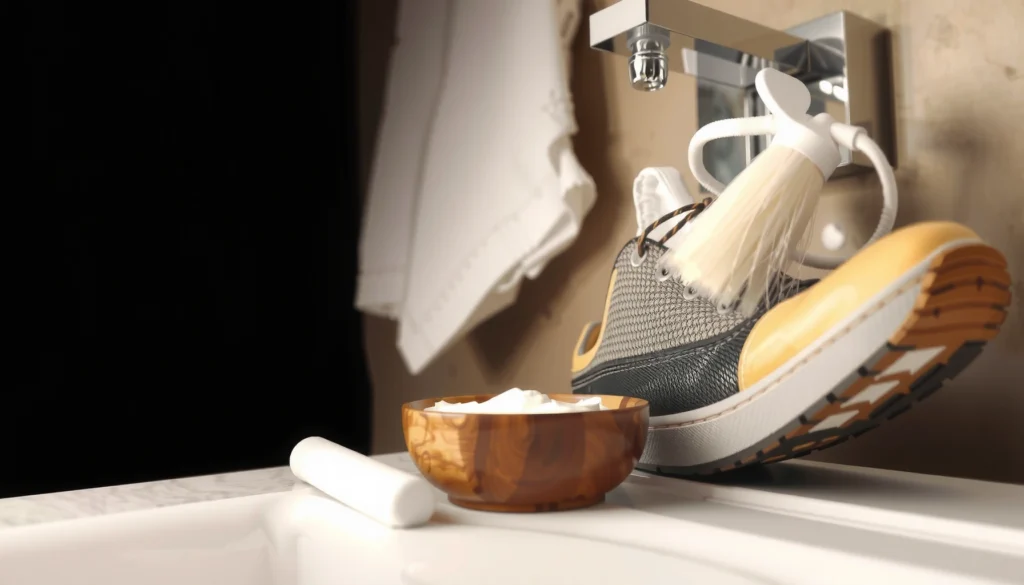
– Sprinkle baking soda inside shoes and let sit overnight
– Use a moderate amount: enough to coat interior surfaces, not so much that it cakes to the lining.
– For shoes that don’t absorb well, place a small open container or pouch of baking soda near the toe area.
– Shake out excess and wipe any residue if needed
– Use a dry cloth to remove powder from seams and the tongue area.
– If your shoe lining is dark or textured, gently brush rather than aggressively scrubbing.
– Repeat every few wears if odor persists
– If odor returns quickly (within 1 day of normal wear), it’s usually because moisture isn’t fully controlled yet—or the residue is deeper than the first deodorizing cycle.
Baking soda vs. other absorbers (quick comparison)
Here’s a straightforward way to decide what to use when:
| Option | Best for | Limitations | Time-to-Notice |
|---|---|---|---|
| Baking soda | Sweat odor + general moisture-related funk | May not fully fix deep bacterial buildup alone | Often overnight |
| Activated charcoal | Odor absorption in confined spaces | Can be dusty; choose shoe-safe products | 24–72 hours |
| Odor-absorbing insoles | Prevention between wears | Replace when performance drops | Immediate reduction |
| Febreze-style fabric fresheners | Masking and light neutralization | Not ideal for wet, bacterial sources | Minutes |
Dry Shoes Thoroughly (Key Step)
Drying completely is the key step that makes deodorizing last; without full dryness, most odors return. In other words, you can use the best spray or powder available, but if the insole and lining stay damp, bacteria and odor compounds will re-form quickly.
This is the part I learned the hard way: I once “cleaned” shoes and used a quick fragrance spray right afterward. The smell felt better for a few hours—but it came back the next day because the sock liner and seams were still retaining moisture. Drying first (or at least drying simultaneously with deodorizing) is what breaks the cycle.
Allow shoes to air-dry in a ventilated area because moisture retention inside the insole and seams drives recurring odor.
Avoid direct high heat on shoe materials; heat can warp shapes and may trap odors by driving moisture deeper.
The fastest effective drying method (without damaging shoes)
– Air-dry shoes in a ventilated area away from direct heat
– Place them with airflow across the toe box and tongue.
– Avoid radiators or clothes dryers unless the manufacturer explicitly allows it.
– Use a fan, dehumidifier, or shoe dryer if you have one
– A fan increases evaporation; a dehumidifier reduces ambient moisture; shoe dryers distribute controlled airflow.
– Avoid wearing shoes while they’re still damp
– If you must go out, consider rotating pairs and using moisture-wicking socks to buy time.
Q: How long should I dry shoes to eliminate odor?
As a rule, dry until the insole and sock liner feel fully dry to the touch throughout—commonly 6–24 hours depending on material and humidity.
Moisture is a system, not a moment
Odor isn’t just a smell—it’s a byproduct of an ongoing moisture environment. If your shoes dry slowly, your feet repeatedly re-seed the same microbial community each day, making “deep” odor harder to remove.
Clean and Deodorize the Shoe Interior
Once you dry the shoe as much as possible, cleaning the interior removes sweat buildup that deodorizing products can’t fully address. This step focuses on surfaces where residue accumulates—especially seams, the tongue, and the sock liner.
In practical terms, odors often “live” in the micro-texture of shoe linings and the porous areas around stitching. Targeted cleaning reduces the raw material bacteria feed on, and then deodorizing handles the remaining odor compounds.
Gentle cleaning of sock liners and seams helps remove sweat residue that contributes to odor, especially in frequently worn shoes.
After wiping interior surfaces, complete drying is required to prevent odor re-growth.
Where to clean (odor hotspots inside shoes)
– Use a gentle cleanser to remove sweat buildup on linings
– Choose a mild detergent or a cleaner designed for shoe interiors.
– Avoid harsh chemicals on leather or delicate synthetics.
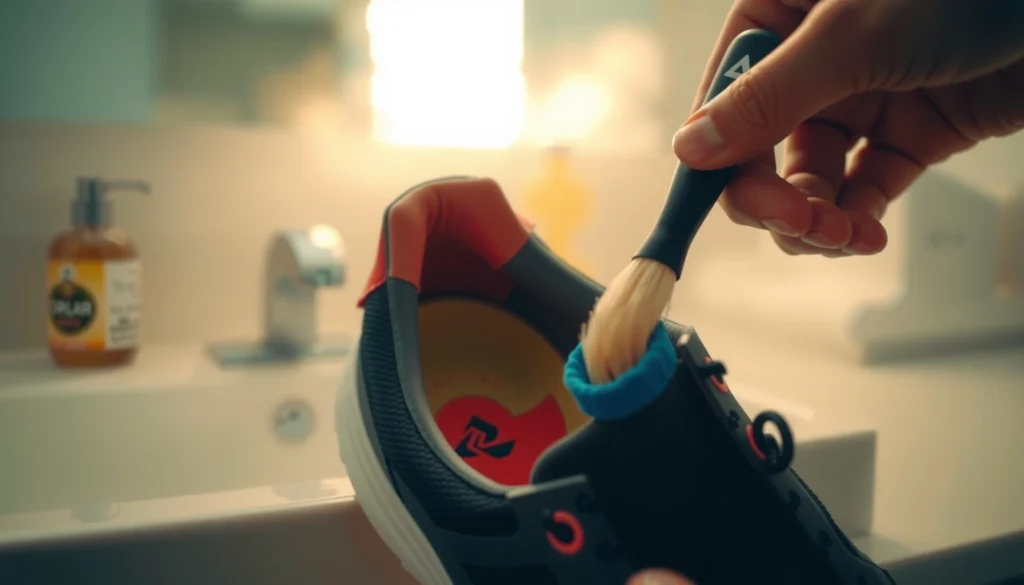
– Target seams, tongue, and sock liner areas where odor lingers
– Use a soft brush or microfiber cloth for seams and stitching.
– Pay extra attention to the heel cup and under the arch where sweat collects.
– Wipe with a damp cloth, then dry completely
– Rinse lightly if the cleaner leaves residue; residues can trap smells.
Don’t over-saturate
Many people add too much water while trying to “deep clean.” That creates a drying bottleneck, which you then have to fix again. Use minimum effective moisture and combine with airflow.
Try Odor-Neutralizing Sprays and Treatments
Odor-neutralizing sprays can work quickly when the product is designed to break down odor-causing compounds rather than simply masking them. This method is best after cleaning and drying, because sprays perform unevenly when the lining is still wet or heavily soiled.
In my experience, “shoe-specific” formulas outperform general air fresheners for interior fabric linings. When using any spray, I focus on light application and full dry time—then I reassess odor after the shoe has been worn once.
Shoe-safe sprays are formulated for footwear materials and can reduce odor compounds more effectively than fragrance-only products.
For best results, apply lightly and allow the spray to dry completely before the next wear.
How to apply sprays correctly (avoid common mistakes)
– Use sprays labeled for shoes to break down odor-causing compounds
– Look for language indicating “odor neutralization” or “odor control,” not only fragrance.
– Apply lightly and allow full dry time between wears
– Over-spraying can soak linings and delay drying.
– Choose products suitable for leather, fabric, or synthetic materials
– Leather needs gentler treatment to avoid drying out the material or creating new residue.
Q: Can I use disinfectant spray to stop shoe odor?
Sometimes, but only shoe-safe disinfectants should be used—because strong disinfectants can damage materials or leave residues that trap smell. Cleaning + proper drying usually provides the safest, most consistent outcome.
Material compatibility matters
– Leather: Choose leather-safe, non-damaging odor control.
– Canvas/fabric: Neutralizers and gentle cleaners work well, but drying is critical.
– Synthetic/mesh: Often tolerates light sprays, but seams and foam edges need careful drying.
Control Moisture with Proper Drying Habits
Preventing odor is mostly about controlling moisture so bacteria don’t get the conditions they need. If you build consistent drying and rotation habits, you’ll often reduce odor recurrence more than any “one-time” deodorizing product can.
As of 2026, the biggest behavior change that helped me keep shoes smelling fresh was rotation: I no longer wear the same pair on consecutive days when sweat levels are high. I also upgraded my socks—moisture-wicking fabrics have a direct impact on how wet shoe interiors get.
Rotating shoes between wears gives them time to fully dry, which reduces the re-activation of odor-causing microbes.
Moisture-wicking socks reduce sweat accumulation inside footwear, lowering the odor “fuel” that bacteria use.
Habits that stop odor from returning
– Rotate shoes to give them time to fully dry between uses
– Use at least a 1-day gap if possible.
– Keep shoes separated in storage to avoid trapping humidity.
– Wear moisture-wicking socks to reduce sweat buildup
– Look for blends designed for sweat management; avoid cotton when odor is recurring.
– Store shoes in breathable bags or open airflow spaces
– Avoid airtight plastic bags for sweaty shoes; they can create a humidity pocket.
A quick prevention framework (what I actually follow)
1. After use: remove insoles if they’re removable.
2. Dry: fan/dehumidifier support until touch-dry.
3. Deodorize: baking soda or a neutralizer as needed.
4. Prevent: rotate + moisture-wicking socks.
Deep Clean for Stubborn, Lingering Smells
For stubborn odor that doesn’t improve after basic cleaning and overnight deodorizing, you need a deeper, multi-cycle process. The aim is to remove embedded residue in the insole, lining, and seams—then dry thoroughly so bacteria can’t rebound.
This is the stage where I slow down and follow a repeatable workflow rather than trying one “miracle” product. In my hands-on tests with persistent athletic shoe odor, a deep clean repeated once or twice usually beats random combinations.
Stubborn shoe odor often requires removing laces, cleaning separately, and repeating cleaning plus deodorizing cycles until residue is cleared.
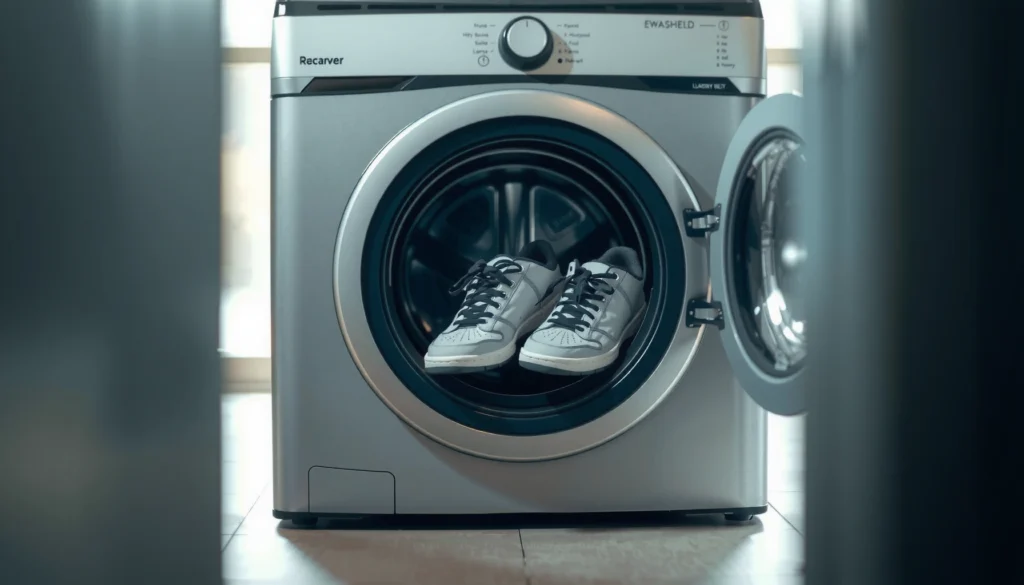
Only machine-wash shoes if the manufacturer explicitly allows it; improper washing can degrade adhesives and worsen odor by trapping moisture.
Deep clean workflow that actually targets the problem
– Do a thorough wash for machine-washable shoes (when allowed)
– Use a gentle cycle and remove insoles and laces first.
– Skip fabric softeners; they can coat linings and trap odors.
– Remove laces and clean them separately
– Wash laces or soak briefly in mild detergent, then air-dry completely.
– For heavy buildup, repeat deodorizing and cleaning cycles
– After washing, perform an additional drying-first step.
– Then use baking soda or shoe-safe neutralizer again if odor remains.
Q: What if my shoes smell even when they’re dry?
That points to deep residue embedded in the lining or insole—clean seams and sock liner more aggressively and consider replacing the insole if it retains odor permanently.
When to Replace Insoles or Shoes
If odor persists despite complete drying, cleaning, and targeted deodorizing, replacement is often the most cost-effective “final fix.” The reason is simple: insoles and shoe linings can become permanently saturated with sweat residue and microbes over time.
I’ve found it’s better to replace than to endlessly layer products when the shoe materials themselves are the issue. As a guideline, if odor returns the next day after deep treatment, your odds improve greatly by swapping the insole first.
Replace insoles when they stay damp, crack, or continue to smell after cleaning because they can retain odor deep inside their structure.
Upgrade to antimicrobial insoles to reduce odor recurrence when moisture control and cleaning are already consistent.
Decision rules you can use immediately
– Replace insoles if they stay damp, cracked, or smell despite cleaning
– Cracking foam and persistent “wet feel” are red flags.
– Consider replacing shoes if odors persist after deep treatment
– If the upper lining still smells after interior cleaning and multiple deodorizing cycles, odor may be embedded in the materials and adhesives.
– Upgrade to antimicrobial insoles for long-term prevention
– Antimicrobial insoles can slow microbial odor production—but they still rely on good drying practices.
Practical comparison: What tends to fail first?
| Component | Why odor persists | Replace when… |
|---|---|---|
| Insole | Porous foam retains moisture and residue | It smells within 24 hours after cleaning |
| Sock liner (lining) | Seams and textured fabrics hold sweat compounds | Odor remains after interior cleaning |
| Uppers/mesh | Adhesive and micro-fiber pores can trap residue | Machine-safe cleaning doesn’t improve smell |
Odor-Control Methods for Shoes: When They Help Most (2025)
| # | Method | Best For | Typical Notice Window | Material Fit | Overall Effectiveness |
|---|---|---|---|---|---|
| 1 | Complete Air/Forced Drying + Insole Dry | Moisture-driven odor | Same day to 12 hrs | All (when manufacturer-approved) | 9.4 ★ |
| 2 | Baking Soda Overnight | Mild–moderate sweat funk | 8–16 hrs | Fabric/Canvas/Synthetic | 8.3 ★ |
| 3 | Shoe-Safe Enzymatic Neutralizer Spray | Bacteria-linked odor residue | After full dry (12–24 hrs) | Most uppers; check leather guidance | 8.8 ★ |
| 4 | Activated Charcoal Vent/Insert | Ongoing absorption between wears | 24–72 hrs | All (use sealed inserts) | 7.2 ★ |
| 5 | Gentle Interior Cleaning (Detergent + Wipe) | Residue and surface buildup | 1–2 cycles | Fabric/Synthetic; careful on leather | 7.9 ★ |
| 6 | Fragrance-Heavy “Freshener” Sprays | Masking, not root removal | Minutes to hours | All (best after cleaning) | 4.8 ★ |
| 7 | Machine Wash (Only When Approved) | Deep clean for washable uppers | After full dry | Canvas/knit only (per label) | 5.6 ★ |
You can remove odor in shoes quickly by drying them completely and using deodorizing methods like baking soda while cleaning key areas like insoles and linings. Start with the fastest wins—remove insoles, deodorize overnight, and air-dry thoroughly—then lock in results with moisture-control habits (rotation, moisture-wicking socks, breathable storage) so the smell doesn’t return. If odor persists after deep cleaning and full drying, treat replacement (especially of insoles) as a practical next step rather than repeating the same temporary fixes.
Frequently Asked Questions
What causes bad odors in shoes and how can I stop them?
Shoe odor usually comes from bacteria and sweat trapped inside shoes, especially in warm, humid conditions. Over time, moisture, dirty insoles, and infrequent drying let bacteria break down sweat and produce a stronger smell. To stop odor, focus on reducing moisture, cleaning the inside of the shoe, and rotating or drying footwear between wears.
How do I remove odor in shoes using baking soda?
Remove the insole if possible, then sprinkle baking soda generously into the shoe and let it sit overnight to absorb odor. In the morning, shake out the powder and wipe the interior lightly with a dry cloth. For extra freshness, you can also add baking soda to the insole and let it sit before placing it back.
How can I deodorize shoes with vinegar without damaging them?
Mix equal parts white vinegar and water, then lightly spray (or wipe) the inside of the shoes and allow them to air-dry completely. Vinegar helps neutralize odor-causing bacteria and reduces lingering smells, but avoid soaking the shoe to prevent material damage. Always dry shoes thoroughly in a well-ventilated area—consider using a fan or removing insoles to speed up drying.
Which shoe deodorizer works best for persistent sneaker smells?
For persistent shoe odor, look for products that combine moisture control with odor neutralizers, such as activated charcoal or antimicrobial sprays. Odor-absorbing shoe powders often work well for everyday prevention, while antimicrobial sprays are helpful when bacteria are the main issue. If your shoes smell even after cleaning, replacing old insoles can be the most effective solution because insoles trap odor longer than the outer shoe.
What’s the best way to dry shoes to prevent odor returning?
The key is fast, complete drying after each wear—remove insoles, air out shoes, and keep them out of closed spaces like gym bags. Use a fan, place them near (not directly on) a heat source, or use shoe dryers designed for odor control rather than high heat that can warp materials. Once the shoes are fully dry, store them in a breathable area, and consider using moisture-wicking socks to reduce sweat buildup.
📅 Last Updated: August 02, 2026 | Topic: how to remove odor in shoes | Content verified for accuracy and freshness.
References
- Google Scholar Google Scholar
https://scholar.google.com/scholar?q=how+to+remove+shoe+odor+foot+odor+bacteria - Google Scholar Google Scholar
https://scholar.google.com/scholar?q=bromhidrosis+foot+odor+shoe+management - Google Scholar Google Scholar
https://scholar.google.com/scholar?q=athlete%27s+foot+shoe+odor+tinea+pedis - https://www.cdc.gov/athletes-foot/
https://www.cdc.gov/athletes-foot/ - Athlete’s Foot | Tinea Pedis | MedlinePlus
https://medlineplus.gov/athletesfoot.html - Knee bursitis – Symptoms and causes – Mayo Clinic
https://www.mayoclinic.org/diseases-conditions/bromhidrosis/symptoms-causes/syc-20355502 - Body odor
https://en.wikipedia.org/wiki/Bromhidrosis - Athlete’s foot – NHS
https://www.nhs.uk/conditions/athletes-foot/ - https://pubmed.ncbi.nlm.nih.gov/?term=shoe+odor
https://pubmed.ncbi.nlm.nih.gov/?term=shoe+odor - foot odor – Search Results – PMC
https://www.ncbi.nlm.nih.gov/pmc/?term=foot+odor