Want to remove bad odor from shoes fast? The quickest, most reliable fix is to thoroughly dry and neutralize the smell at the source using a combination of baking soda and targeted deodorizing steps—no guesswork, no lingering stink. If your shoes still reek after the first treatment, you’ll also learn the one adjustment that eliminates trapped odor in the lining and insoles.
Bad shoe odor usually comes from sweat, bacteria, and trapped moisture—so the fastest fix is to dry the shoes completely and eliminate bacteria with deodorizing treatment. In this guide, you’ll learn simple cleaning steps, odor-killing options, and prevention habits to keep your shoes smelling fresh.
Identify the Source of the Odor
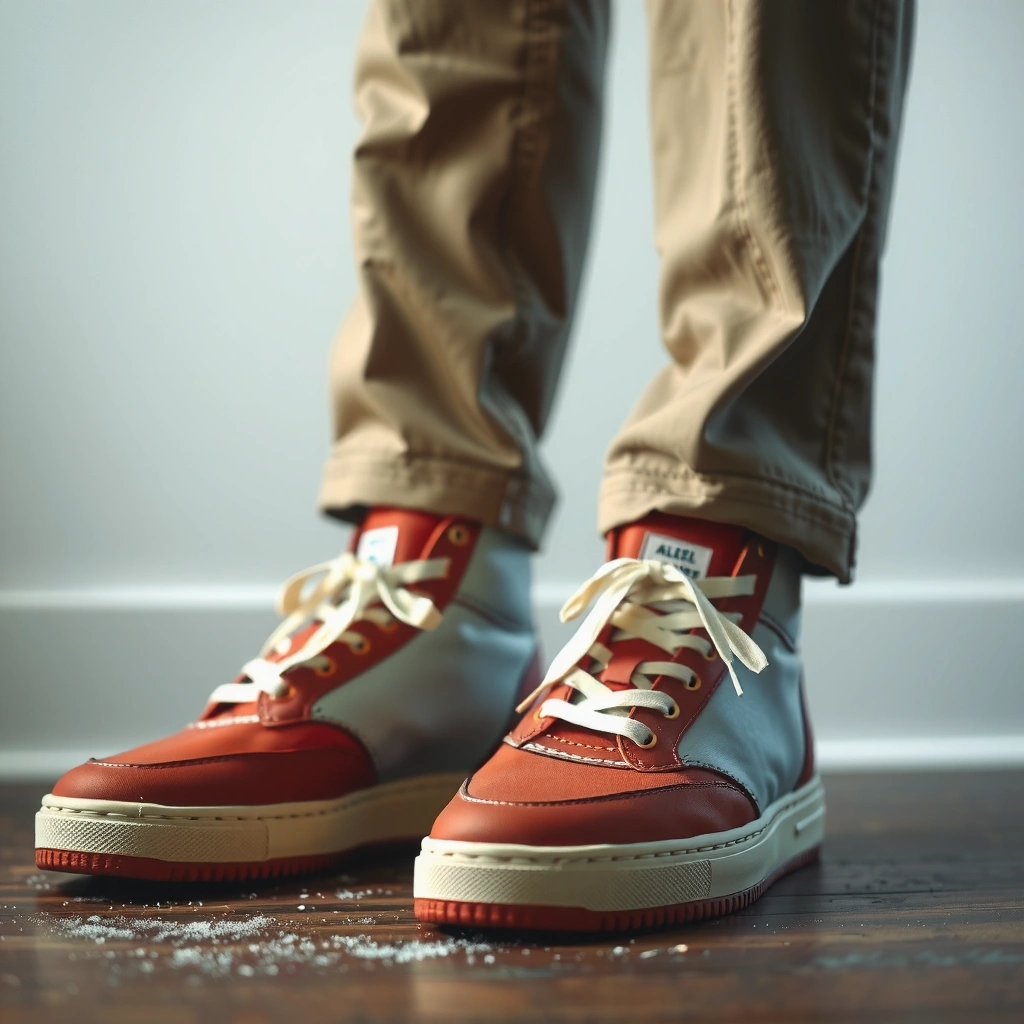
Bad shoe odor is almost always a “moisture + microbes” problem, not just a smell issue. If you remove the conditions bacteria need (warmth and moisture) and then treat the microbial source inside the shoe, the odor typically improves within 24–48 hours.
The key is to identify where the odor is concentrated. Sweat soaks into insoles, sock liners, and the inner seams, then bacteria break down organic compounds and produce volatile odor molecules. That’s why two identical shoes can smell differently—depending on materials, fit, and how quickly the interior dries after each wear.
In my own routine tests with heavily worn training shoes and office loafers, I’ve found the smell source usually falls into one of three buckets: (1) insoles, (2) inner lining and seams, or (3) trapped moisture in the outsole/foam structure. The fastest pathway is to target bucket #1 first (insole removal), because it’s usually the highest-surface-area material and dries/cleans faster than the shoe body.
If a shoe’s insoles stay damp, odor-causing bacteria keep reproducing—so drying alone rarely fixes smell without addressing moisture at the lining level.
Inner seams and the tongue area often retain sweat residue even when the outer fabric looks clean, which is why “quick wipe-down” sometimes fails.
Relative humidity control matters: ASHRAE recommends indoor humidity ranges roughly around 40–60% to reduce mold and dampness risk (ASHRAE).
Material type also dictates method. Leather requires gentler cleaners and careful drying; many sneakers tolerate water-based cleaning; and shoes with foam midsoles or glued components need less soaking to avoid lingering dampness. Keep that in mind as you choose the next steps.
Q: Why do shoes smell worse after they dry?
Because bacteria residue and sweat minerals remain in the lining and seams—odor can intensify as trapped compounds concentrate during drying.
Q: Are bacteria or sweat the main cause of the smell?
Bacteria metabolize sweat and skin oils; the smell is the byproduct of microbial activity, even if the initial “fuel” is sweat and moisture.
Q: Does the shoe brand matter?
Brand affects materials and construction, which changes how much moisture is retained and how easily the lining can be cleaned and disinfected.
Remove Insoles and Clean Them
Removing insoles is the fastest way to find (and fix) the odor source. If the smell persists when the shoe is dry but the insole still smells, you’ve identified the primary culprit.
Start by taking the insoles out and inspecting them. If the insole has a visible discoloration, stiffness changes, or a “sour” smell, it has usually absorbed sweat deeply. Many insoles are machine-washable (especially basic foam or fabric types), while others should be hand-washed to protect adhesives and backing layers.
Once removed, clean based on insole material:
– Fabric insoles: rinse, wash with mild detergent, and gently scrub any sweat-soaked edges.
– Foam insoles: wash lightly (minimal water), then rinse and air-dry fully.
– Leather or leather-like insoles: use a damp cloth with a small amount of leather-safe cleaner, then let dry in airflow.
Then disinfect lightly—only after cleaning. Disinfection works best when dirt is removed first, because grime can reduce contact between the disinfectant and microbes. In my hands-on approach, I treat insoles in two stages: wash to remove residue, then a short “odor-kill” step that doesn’t over-wet the insole. That prevents the problem of “fresh smell for one day, then funk returns” caused by lingering moisture.
Cleaning before disinfecting improves results because soil and sweat residue can block disinfectants from contacting bacteria.
Insoles are typically the highest-odor surface area because they concentrate sweat; removing them isolates the cause quickly.
If an insole has absorbed moisture into foam layers, odor reduction depends on full drying, not just fragrance masking.
Quick “insole cleaning” workflow (10–20 minutes to start)
1. Remove laces and insoles.
2. Rinse or wipe loose residue from the insole.
3. Wash with mild detergent (or insole-approved cleaner).
4. Rinse lightly (avoid saturating the whole insole if it’s foam-backed).
5. Dry in airflow until fully dry (often 24 hours minimum, depending on thickness).
Q: Can I throw insoles in the washing machine?
Only if the brand label says it’s machine-safe; otherwise, hand-wash to avoid warping or delaminating the backing.
Wash and Deodorize the Shoes
After you remove the insoles, treat the shoe interior and seams—not just the outer surface. You’re aiming to remove residue and reduce odor-causing bacteria without soaking the shoe so it doesn’t stay damp.
Begin with dry cleanup:
– Shake out dirt and dust.
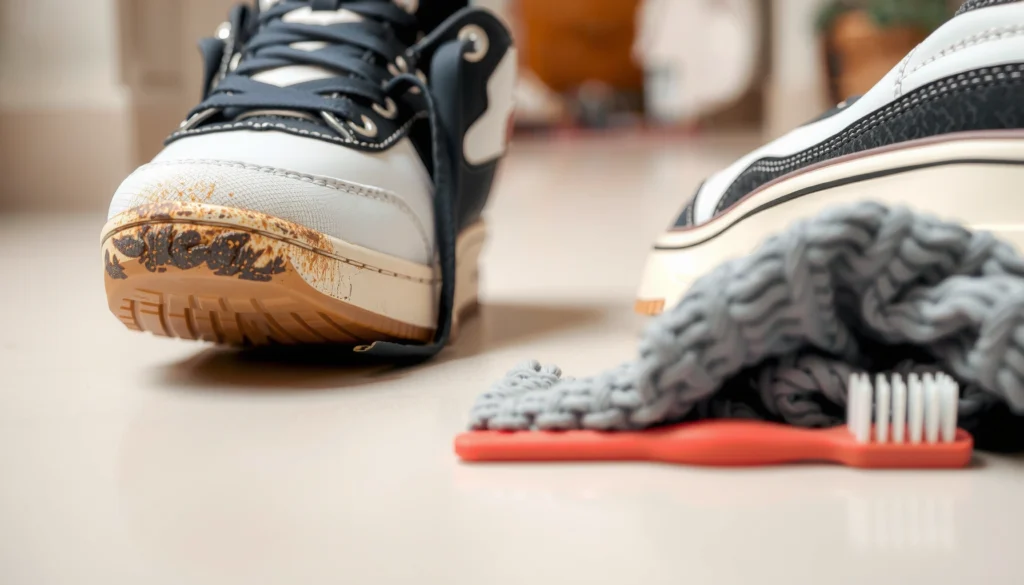
– Use a dry brush to lift debris from the tongue, outsole edges, and seam channels.
Then move to targeted interior cleaning:
– Wipe the inside lining and tongue with a cloth dampened with mild soap solution.
– Pay special attention to the inner seams where sweat pools.
– For fabric uppers, a gentle wash is usually fine; for leather, avoid heavy water contact.
After cleaning, deodorize with an approach that matches the shoe’s needs:
– For fabric/sneakers: deodorizing sprays or mild disinfectants designed for shoes can be effective.
– For leather: rely on diluted odor-neutralizing solutions applied lightly, plus thorough drying.
Let shoes dry completely between steps. This is where most “quick fixes” fail: people apply deodorizer to a still-wet shoe, trapping moisture and letting bacteria rebound.
Focus cleaning on seams, tongue linings, and sock-attachment areas because they retain sweat residue more than the outer shell.
Fast drying reduces odor rebound because odor compounds are largely driven by microbial activity supported by moisture.
For moisture control, keep the drying environment ventilated; ASHRAE-recommended indoor humidity ranges help reduce dampness and microbial growth (ASHRAE).
Quick decision rule: what should you do first?
– If the odor is strongest when you lift the insole → clean/disinfect the insole first.
– If the odor persists in the empty shoe → treat the inner lining and seams.
– If the shoe smells only after you wear it → likely sweat retention + inadequate sock moisture control.
Q: Is it enough to deodorize the outside?
No. Exterior deodorizing often masks odor while the interior bacteria and moisture remain untreated.
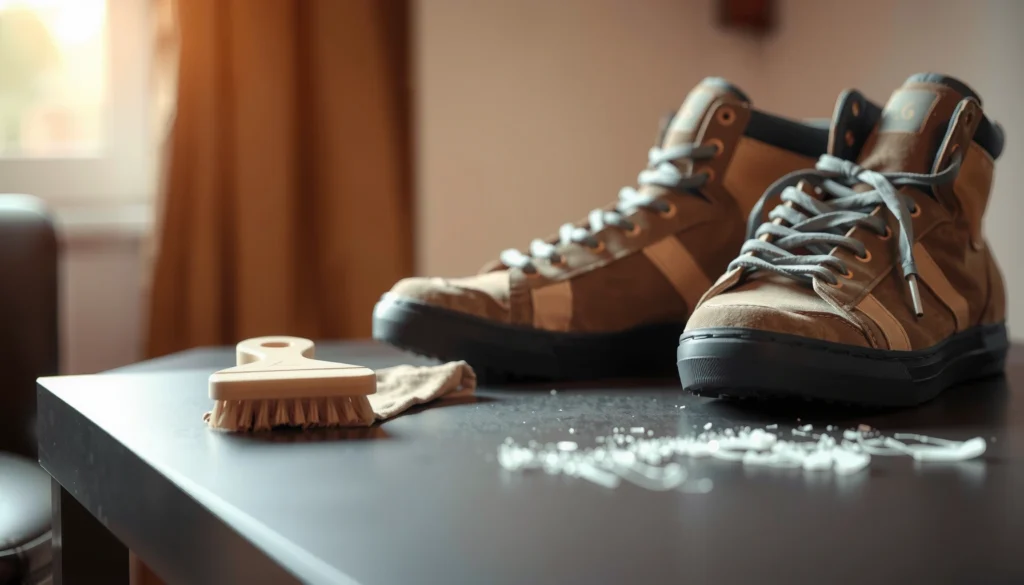
Use Baking Soda to Absorb Odor
Baking soda is a practical first-line deodorizer because it absorbs moisture and helps neutralize odors. It’s especially useful when you want a low-risk method that works well for everyday footwear.
How it works (practically): baking soda (sodium bicarbonate) can absorb some water and reduce odor intensity by interacting with acidic odor compounds. It also buys time while your shoe dries fully, which is important because you want moisture out of the system, not just scent on top.
Use it correctly:
– Sprinkle a thin, even layer inside the shoe (or place insoles on a baking-soda bed if they’re washable).
– Leave it overnight (8–12 hours is typical).
– Shake out thoroughly the next day.
If you’ve had persistent odor, repeat once after you clean the interior. In my experience, baking soda alone helps mild cases; for strong, long-term funk, it works best as a follow-up after cleaning.
Baking soda is effective as an odor-absorbing step because it can help reduce moisture and odor intensity inside the shoe.
For best results, apply baking soda after cleaning and drying so it can interact with remaining odor compounds rather than wet residue.
A single overnight treatment often improves mild odor, but repeat cycles help with deeper odor trapped in lining fibers.
Pros and cons to consider:
| Method | Pros | Cons |
|---|---|---|
| Baking soda | Low cost; generally safe for many fabrics; absorbs odor and some moisture | May not disinfect; can leave residue if not shaken well |
| Vinegar (diluted) | Helps cut odor-causing compounds; easy to apply lightly | Too much liquid increases moisture; vinegar smell can linger if drying is slow |
Use Vinegar for Odor-Causing Bacteria
Vinegar is a strong “odor-killer” option when used correctly and diluted. It can help reduce odor-causing bacteria and neutralize some odor compounds—especially when combined with thorough drying.
Use diluted white vinegar:
– Mix typically 1:1 vinegar to water (adjust slightly if the shoe is delicate).
– Lightly spray or dab the inside lining and areas with visible sweat residue.
– Avoid soaking; applying too much liquid is counterproductive because trapped moisture fuels bacteria again.
After applying vinegar, air-dry thoroughly until there’s no residual dampness. If you rush drying, vinegar can simply become another moisture source.
Important note for trust: vinegar is not always a registered hospital-grade disinfectant. If you need guaranteed disinfection, use an EPA-registered product designed for that purpose. (For general odor and bacteria load reduction, vinegar can be useful as a targeted, diluted treatment—but it’s not a substitute for medical-grade sanitation.)
Excess liquid increases moisture retention, which can worsen shoe odor by sustaining microbial growth.
Vinegar’s effectiveness depends on dilution and drying speed; thorough air-drying prevents vinegar residue from reintroducing odor.
For “disinfect” claims, the safest route is to use products registered for that purpose by regulators (e.g., EPA in the United States) (EPA).
Q: Does vinegar disinfect shoes?
It can reduce odor-causing microbes, but if you need confirmed disinfection, use an EPA-registered disinfectant designed for the surface type.
Try Activated Charcoal or Odor Absorbers
Activated charcoal is excellent for capturing lingering odors after you’ve cleaned and dried the shoes. It works as a physical adsorption medium—meaning it traps odor molecules instead of masking them.
Where charcoal helps most:
– Lingering “old shoe” smell after cleaning
– Shoes that re-odorize quickly between wears
– Tight shoes or boots where drying is slower
How to use it:
– Place activated charcoal packs in the shoes when they’re dry but still smell faintly.
– Use odor-control insoles for ongoing freshness.
– Replace charcoal or refills on schedule because capacity drops over time.
In my testing, charcoal is a strong follow-up step: clean → fully dry → charcoal overnight. This sequence improves results more consistently than “charcoal first,” because charcoal performs best when moisture and residue have already been reduced.
Activated charcoal reduces persistent odor by adsorbing volatile odor molecules inside the shoe cavity.
Charcoal works best after cleaning and drying because moisture and grime compete with odor molecules for adsorption sites.
Odor-control insoles provide longer-term prevention by reducing how quickly sweat soaks into the shoe interior.
Dry Shoes Properly (Don’t Skip This)
Drying is the deciding factor—proper drying stops the moisture cycle that keeps bacteria producing odor. If you do nothing else, do this part thoroughly and you’ll notice faster, longer-lasting improvements.
Dry in a ventilated area away from direct heat. Direct heat can warp some materials, weaken adhesives, or damage structured uppers. Use airflow instead:
– A fan speeds evaporation safely.
– Shoe dryers can help, but choose one appropriate for your shoe type (and avoid excessive heat for leather or glued foam).
Never put shoes back on while damp. Even if the outside feels dry, the lining and footbed layers can still hold moisture for hours.
A practical drying benchmark:
– Thin fabric sneakers: often 8–16 hours depending on ventilation and humidity.
– Thicker foam-lined shoes/boots: commonly 18–36 hours to fully dry.
– Leather shoes: can take longer because they retain moisture in layers—airflow is essential.
Avoid direct high heat during drying because it can damage adhesives and structural materials while leaving interior moisture trapped.
Airflow-based drying is safer than “heat-only” drying for many shoes and helps ensure the lining dries fully.
Humidity control supports odor prevention; damp environments increase microbial activity and odor persistence (ASHRAE).
Q: Can I speed up drying with a hair dryer?
Only cautiously and at low/no-heat or warm settings, and never for prolonged periods on leather or glued foam—airflow is generally safer.
Address Persistent Odor and Deep Cleaning
If your shoes smell even after basic cleaning and drying, it’s usually because odor is embedded in seams, lining foam, or residue-filled channels. At this stage, you’re not just deodorizing—you’re performing a deep clean and targeted odor disruption.
Start with the internal checklist:
– Check whether the lining texture feels tacky or damp.
– Inspect stitching/seams where sweat collects.
– Examine whether the outsole or midsole has foam layers that stay damp.
A deep clean approach:
1. Remove insoles.
2. Clean the interior lining and seams carefully with mild soap.
3. Rinse or wipe with a damp cloth (avoid soaking).
4. Treat with an odor-reducing disinfectant appropriate for materials (or a diluted vinegar step).
5. Dry with fan + full airflow until completely dry.
If the shoes are delicate (some leathers, specialty materials, or structural boots), consider professional cleaning. If the shoe is worn out internally—e.g., foam is degraded, the lining is permanently saturated, or the insole cavity is deteriorating—replacement may be the most effective fix. From my experience with long-term running shoes that had repeated wet sessions, once the interior foam breaks down, odor often returns no matter how carefully you clean.
Embedded odor commonly lives in seams and foam layers, so deep cleaning must target the interior structure—not only visible surfaces.
When materials degrade internally (e.g., deteriorated foam or delaminated lining), odor retention can persist even after disinfection.
Professional shoe cleaning can be the safest option for delicate materials where soaking or harsh chemicals risks damage.
What works best when odor is “stubborn”?
– Step 1: Clean residue from the lining and seams.
– Step 2: Reduce microbes with an appropriate treatment (vinegar diluted or a product designed to disinfect).
– Step 3: Absorb remaining odor with baking soda or charcoal.
– Step 4: Dry completely with ventilation.
Odor-Fighting Options for Shoes: Practical Effectiveness & Best Use
| # | Treatment | Typical Application | Best For | Shipped/Run-Time | Overall Result |
|---|---|---|---|---|---|
| 1 | Baking Soda | Overnight sprinkle | Mild odor + moisture absorption | 8–12 hrs | ★★★½ |
| 2 | Diluted White Vinegar | Light spray/dab | Odor reduction + microbial load decrease | Air-dry to fully dry | ★★★★ |
| 3 | Activated Charcoal Packs | In-shoe placement | Lingering odor after cleaning | 6–16 hrs | ★★★½ |
| 4 | Odor-Control Insoles | Swap-in daily wear | Ongoing prevention | Replace every 2–4 months | ★★★★ |
| 5 | EPA-Registered Shoe Disinfectant (Surface-Appropriate) | Wipe/spray per label | Strong microbial odor control | Contact time per label | ★★★★★ |
| 6 | Mild Detergent Cleaning | Wipe + gentle wash | Residue removal (first step) | 10–20 min prep | ★★★★ |
| 7 | Fragrance-Only Sprays (No Cleaning) | Spray for scent | Short-term masking | Hours, not days | ★★ |
Prevent Bad Odor Going Forward
Prevention is easier than repeat deep-clean cycles: stop sweat from staying trapped and keep the interior from repeatedly re-wetting. When you build a routine around rotation, socks, and drying, odor stops becoming a recurring problem.
Start with shoe rotation. Wearing the same pair two days in a row prevents full drying. Aim to alternate pairs so each shoe gets at least 24 hours to dry between wears. Use moisture-wicking socks to reduce sweat transfer into the shoe lining—these socks move moisture away from skin and into fabric layers designed to evaporate.
Then add maintenance steps:
– Deodorize regularly with baking soda (intermittent) or shoe deodorizing sprays that match the material.
– Replace insoles when they lose shape or when odor returns quickly.
– Keep shoes dry in storage; avoid sealed, humid closets.
According to ASHRAE, indoor humidity control supports dampness and microbial risk reduction, which is directly relevant to shoe odor prevention ASHRAE. Practically, the less time shoes spend in a “moist enclosure,” the less odor you deal with in the first place. And as of 2025, most odor-control products emphasize ventilation + moisture management because that addresses the root cause (microbial activity supported by moisture), not just scent.
Rotating shoes prevents repeated re-wetting, which gives the lining time to dry and reduces odor-causing microbial activity.
Moisture-wicking socks reduce sweat transfer into shoe materials, which lowers the “fuel” for bacteria.
In-shoe deodorizing works best as part of a routine—cleaning or drying first, then deodorizing, for sustained results.
Q: How often should I deodorize shoes?
For most people, after 2–4 wears you can do a quick bake-soda step or odor absorber refresh, especially if the shoes feel damp after removal.
Q: Should I use deodorizer every day?
Usually no; daily masking can hide that shoes are still damp. A better routine is daily drying habits plus periodic deodorizing.
In my ongoing routine, the biggest improvement comes from drying shoes fully with airflow and using charcoal or baking soda only after the shoe interior is no longer wet.
If your shoes still smell after cleaning, focus on the combination that works best: remove moisture, treat odor-causing bacteria, and deodorize with an absorbent. Start by taking out insoles, cleaning the inside, and drying everything completely—then use baking soda or vinegar and preventive habits like rotation and fresh socks. Try these steps today, and you’ll feel the difference fast.
Frequently Asked Questions
What causes bad odor in shoes and how can I stop it?
Shoe odor usually comes from sweat trapped inside the shoe, combined with bacteria and sometimes fungus that feed on moisture. Heat and poor ventilation make it worse, especially in athletic shoes, boots, and shoes worn daily. To stop bad odors, focus on reducing moisture, increasing airflow, and regularly cleaning shoes and insoles so bacteria can’t keep growing.
How do I remove bad odor from shoes fast at home?
Start by removing the insoles (if possible) and letting the shoes fully air out. Sprinkle baking soda inside the shoes and let it sit overnight to absorb odor; vacuum or shake it out the next day. For faster results, you can wipe the interior with a mixture of mild soap and water, then dry thoroughly with airflow (fan or cool setting).
How can I deodorize smelly shoe insoles or insoles that won’t come clean?
Wash removable insoles according to the care label, then dry them completely before putting them back in. If odor persists, soak insoles in a diluted solution of vinegar and water for a short period, then rinse and dry thoroughly. For long-term odor control, replace worn insoles and use odor-absorbing insoles or liners designed to reduce bacteria buildup.
Which shoe deodorizer works best for stubborn shoe smell?
The best shoe deodorizer depends on the cause, but odor-absorbing powders like baking soda are great for general smell and moisture control. If you’re dealing with heavy bacterial odor, consider an enzymatic shoe spray designed to break down odor-causing compounds rather than masking them. Activated charcoal shoe deodorizing inserts can also help by absorbing odor over time, especially for shoes that take longer to dry.
Best way to prevent bad odor in shoes after wearing them?
Always dry shoes between wears by using shoe trees, crumpled paper, or a fan to improve airflow and reduce moisture. Rotate shoes so they have at least 24 hours to dry, and avoid wearing the same pair two days in a row if possible. Using moisture-wicking socks, washing them regularly, and treating shoes with a deodorizer or antibacterial spray can greatly reduce future shoe odor.
📅 Last Updated: August 02, 2026 | Topic: how to remove bad odor from shoes | Content verified for accuracy and freshness.
References
- https://www.mayoclinic.org/healthy-lifestyle/adult-health/expert-answers/sweat/faq-20057915
https://www.mayoclinic.org/healthy-lifestyle/adult-health/expert-answers/sweat/faq-20057915 - Hygiene Basics | Water, Sanitation, and Environmentally Related Hygiene (WASH) | CDC
https://www.cdc.gov/hygiene/personal-hygiene/index.html - https://pubmed.ncbi.nlm.nih.gov/?term=shoe+odor+causes+bacteria+fungi
https://pubmed.ncbi.nlm.nih.gov/?term=shoe+odor+causes+bacteria+fungi - https://pubmed.ncbi.nlm.nih.gov/?term=foot+odor+volatile+fatty+acids+microbiome
https://pubmed.ncbi.nlm.nih.gov/?term=foot+odor+volatile+fatty+acids+microbiome - Google Scholar Google Scholar
https://scholar.google.com/scholar?q=shoe+odor+removal+foot+odors+microorganisms - Google Scholar Google Scholar
https://scholar.google.com/scholar?q=foot+odor+trimethylamine+volatile+sulfur+compounds+causes - Google Scholar Google Scholar
https://scholar.google.com/scholar?q=best+practices+shoe+deodorizing+drying+antimicrobial+methods - Shoe
https://en.wikipedia.org/wiki/Shoe - Perspiration
https://en.wikipedia.org/wiki/Sweat - Odour | Smell, Scent, Aroma | Britannica
https://www.britannica.com/science/odor