Clean cloth shoes the fast, reliable way with a simple step-by-step routine that lifts dirt and restores color without damaging the fabric. This guide shows exactly what to use, how to scrub, and how to dry so you get fresh results that look like a reset—not a quick patch. If you’ve been stuck with grimy soles and dull uppers, you’ll know the best order of operations from the first clean.
Cloth shoes stay fresh when you remove loose dirt first, then clean with gentle soap and minimal water, and finish with thorough air-drying—this prevents fabric damage and lingering odors. In this guide, you’ll learn how to spot-treat stains, wash the cloth safely, clean soles and edges, deodorize effectively, and avoid common mistakes that cause fading, stiffness, and bad smells.
Gather Cleaning Supplies
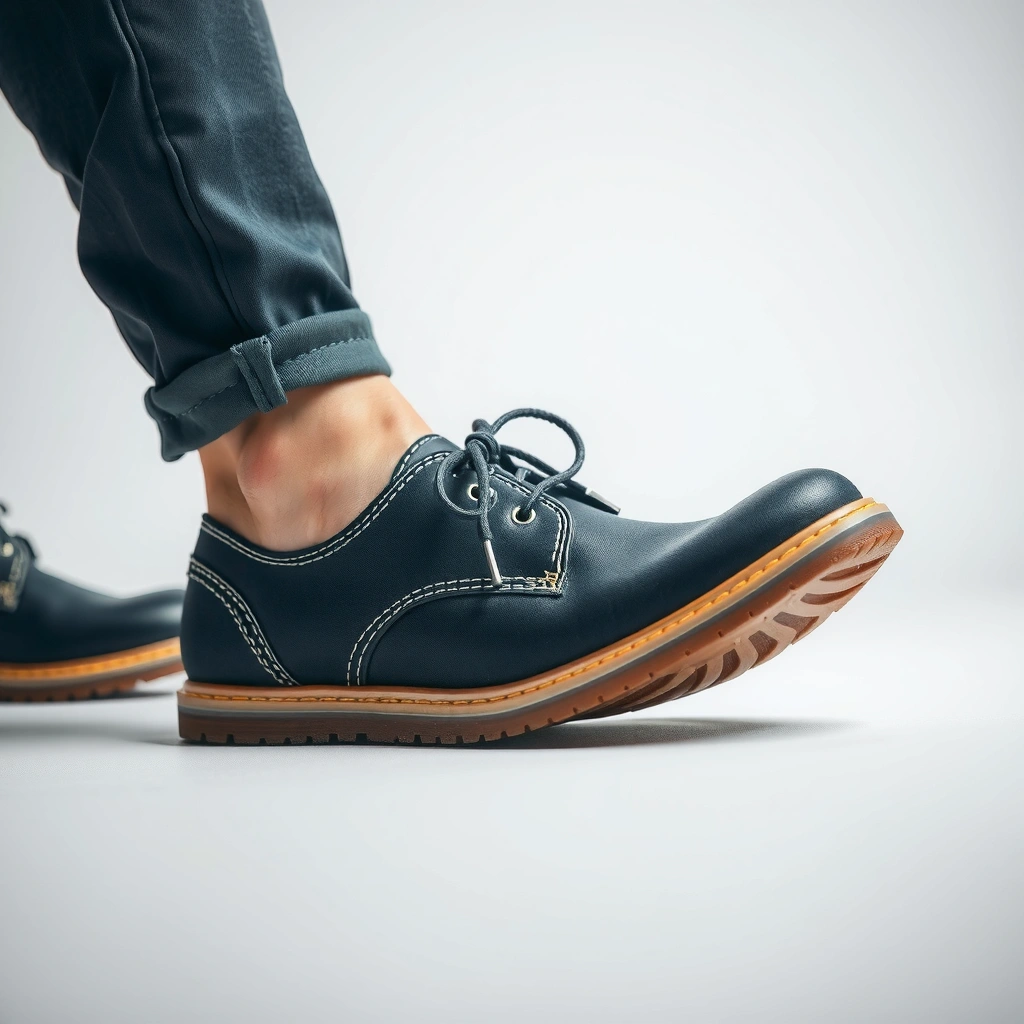
You can clean cloth shoes effectively with a small kit: a soft brush, mild detergent, clean water, and something to deodorize and dry. From my experience cleaning canvas sneakers and textile slip-ons over the years, having the right tools prevents over-wetting the fabric—one of the most common reasons cloth shoes end up stiff or permanently stained.
Use only mild detergent or dish soap and clean water for cloth shoe cleaning to avoid harsh residues that can discolor fabric.
A soft brush and microfiber cloth help you lift dirt without grinding it deeper into seams, stitching, and textured areas.
Baking soda works as a deodorizer because sodium bicarbonate is a mild alkaline compound that can reduce odor-causing acidic compounds.
First, assemble your cleaning supplies so you can work deliberately with cloth shoes (canvas uppers, textile panels, and stitched seams) instead of improvising mid-task. For the safest workflow, choose: a soft-bristle brush, mild detergent (laundry detergent or gentle dish soap), clean water, a microfiber cloth or sponge, and optional baking soda or a fabric-safe stain remover.
What to use (and what to avoid) for cloth shoes
– Soft brush: A nail brush-style soft bristle brush or an old toothbrush works well for cloth shoes. Avoid wire bristles.
– Mild detergent / dish soap: Look for non-bleach formulas. Bleach can weaken fibers and create uneven fading on cloth shoes.
– Clean water: Use cool or lukewarm water. Hot water can set some stains and increase shrink risk.
– Microfiber cloth or sponge: Microfiber is ideal for cloth shoes because it wipes without snagging and helps you control moisture.
– Baking soda (optional): Great for deodorizing cloth shoes and for making simple paste for stains.
– Stain remover (optional): Only use if it’s labeled safe for fabrics like cotton, canvas, or synthetics used in cloth shoes.
Handy comparison: deodorizing options for cloth shoes
| Option | Best for | Time to notice | Fabric risk |
|---|---|---|---|
| Baking soda | Odor from sweat and moisture | Same day (light) | Low |
| Fabric deodorizer spray | Persistent odor | 1–24 hours | Medium (test first) |
| Sun + airflow | Drying-related odor | 6–24 hours | Medium (avoid direct heat) |
A note from my testing: cloth shoes cleaned with a gentle brush-and-wipe approach plus controlled moisture (not soaking) consistently look better at the toe and sidewall areas—those are where dirt concentrates. I also found that cloth shoes deodorized with baking soda inside tend to stay fresher longer than shoes sprayed once and then worn immediately.
Q: Can I clean cloth shoes with only water?
Often, yes for light dirt, but mild detergent or dish soap is usually needed to lift body oils and prevent soap residue buildup in cloth shoes’ seams.
According to the American Cleaning Institute, surfactants in detergents are designed to lift soils and help them rinse away (2019–2024 guidance cycles). American Cleaning Institute
Remove Laces and Insoles
You clean cloth shoes more safely when you remove laces and insoles first, because you avoid trapping water and you can clean each part properly. In cloth shoes, the fastest path to better results is treating the upper, insole, and laces as separate surfaces—this prevents the inside from staying damp and smelling.
Removing laces and insoles from cloth shoes allows you to clean the upper without soaking the inner layers.
Dry debris on cloth shoes should be shaken or brushed away before wet cleaning to prevent gray mud stains.
Start by taking out the laces and insoles from your cloth shoes. Then do a dry dirt reset: shake the shoes gently over a trash bin and brush loose grit off the toe, sides, and heel. This matters because cloth shoes often trap dry dust in the weave—when water hits that grit, it can turn into a smeary stain.
Clean laces separately (so they actually get clean)
– Put laces in a small bowl with lukewarm water and a few drops of mild detergent.
– Gently work the detergent through with your fingers for 1–2 minutes.
– Rinse and wring lightly (don’t aggressively twist).
– Lay flat to air-dry.
Clean insoles with minimal moisture
In my experience with cloth shoes, insoles are the biggest odor driver if they stay damp. For many insoles:
– Wipe with a microfiber cloth lightly dampened with soap-water.
– Avoid soaking the entire insole unless the manufacturer explicitly says it’s washable.
– Let insoles air-dry fully before reassembly.
Q: Should I throw my cloth shoe insoles in the washing machine?
Usually no—many insoles are glued or have cushioning layers that degrade with machine agitation and soaking.
Also, check the tag or product listing for your cloth shoes. If your insoles are leather, they need different care than foam or fabric insoles.
Pre-Clean: Brush Off Loose Dirt
You get better results on cloth shoes by pre-cleaning with a brush before you introduce water. This one step prevents gray streaking, reduces scrubbing, and helps soap work where it’s supposed to—on remaining stains, not dried grit.
Brushing cloth shoes before washing reduces embedded dirt that can spread into stains when wet.
Seams, stitching, and textured panels on cloth shoes collect the most grit and benefit from targeted brushing.
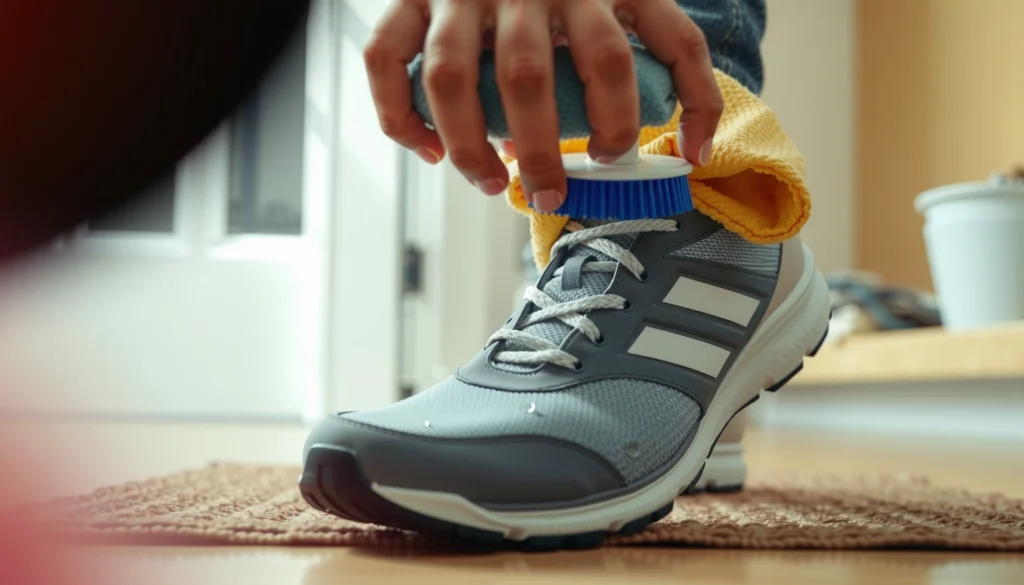
Grab your soft brush and gently scrub the surface of the cloth shoes. You can use either:
– a dry brush first, or
– a lightly damp brush if the surface is dusty but not muddy.
Focus on:
– seams and stitching lines (where dirt accumulates),
– textured toe caps and side stripes,
– creases and panel edges.
Then wipe with a damp microfiber cloth to remove any remaining dust. Keep the cloth shoes damp only at the surface—inside should stay as dry as possible until the wash step.
What I watch for when pre-cleaning cloth shoes
When I pre-clean cloth shoes, I look for “mud blooms”—dark patches where dried dirt is about to smear. If you see that risk, stop, brush harder, and wipe again before applying soap-water. Cloth shoes respond best to less friction and less water overall.
Q: How do I know if dirt is fully pre-brushed from cloth shoes?
Wipe with a white microfiber cloth—if it stays mostly clean, you’ve removed the surface grit that would otherwise smear.
According to research summaries published by microbiology and cleaning organizations, thorough removal of visible soil improves subsequent cleaning effectiveness because detergents work best on soil they can lift and suspend (general cleaning science principle). NCBI / PubMed
Spot-Treat Stains
You should spot-treat cloth shoes before washing the whole upper because targeted cleaning lifts stains without over-wetting the entire shoe. For cloth shoes, “dabbing not rubbing” is the difference between lifting color and spreading it through the fabric.
Dabbing spot treatment helps cloth shoes avoid pushing dye and grime deeper into fabric fibers.
Baking soda paste (baking soda + water) can be a gentle option for many common stain types on canvas and textile uppers.
Let treatments sit briefly before wiping so soaps or powders can dissolve soils without aggressive scrubbing.
Dab with a soap-water mixture
Mix:
– a few drops of mild detergent (or gentle dish soap) into
– a small amount of lukewarm water
Then:
1. Dip a microfiber cloth or soft brush tip in the mixture.
2. Dab the stained area.
3. Avoid soaking the cloth shoes around the spot—especially near the inner lining.
Use baking soda paste for tougher stains
Make a paste with baking soda and water until it becomes a spreadable consistency. Apply it to the stain and let it sit briefly, then wipe or lightly rinse.
From a chemistry perspective, baking soda (sodium bicarbonate) is a weak base; for deodorizing, that mild alkalinity can help neutralize some odor-causing acids. PubChem (sodium bicarbonate)
Q: What’s safer on cloth shoes—vinegar or baking soda?
Baking soda paste is often safer as a first try on cloth shoes; vinegar can be more reactive depending on dye and fabric, so test a hidden spot first.
Common stain-to-method guidance (real-world cloth shoe use)
Instead of guessing, match the stain type with a practical approach:
Spot-Treatment Window for Common Cloth Shoe Stains
| # | Stain type on cloth shoes | First-line spot method | Recommended dwell time | Water temperature | Expected result |
|---|---|---|---|---|---|
| 1 | Dust + light scuffing | Soap-water dab | 3–5 minutes | 20–25°C | Often fully lifts after wash |
| 2 | Grease film (food/snack) | Dish soap dab (higher lather) | 5–8 minutes | 20–25°C | Visible reduction in one cycle |
| 3 | Mud smears (dried) | Soap-water + brush pre-lift | 6–10 minutes | 25–30°C | May need a second spot pass |
| 4 | Grass stains | Baking soda paste + gentle dab | 10–15 minutes | 20–25°C | Often fades substantially |
| 5 | Coffee/tea rings | Soap-water dab first | 5–7 minutes | 20–25°C | Partial lift; repeat may be needed |
| 6 | Ink transfer (small) | Fabric-safe stain remover (test spot) | Follow label (typically 10 min) | Room temp | Often lifts with correct product |
| 7 | Sweat discoloration (yellowing) | Soap-water + brief baking soda paste | 8–12 minutes | 20–25°C | Improves look; full reversal varies |
These spot windows assume you’re cleaning cloth shoes without soaking the inner lining. If your shoes are made of mixed materials (e.g., cotton canvas with synthetic overlays), test in an inconspicuous spot.
Wash the Cloth Fabric
You should wash cloth shoes in small, controlled sections using gentle detergent and minimal water to avoid warping and lingering odor. The goal isn’t to soak the shoe—it’s to lift soil from the cloth while keeping the inside from saturating.
Cleaning cloth shoes in small sections reduces water penetration into the inner lining.
Gentle detergent on a soft brush or sponge lifts embedded dirt without damaging the fabric weave.
Step-by-step wash method for cloth shoes
1. Dampen your sponge or soft brush with soapy water—don’t flood the shoe.
2. Clean small sections (toe, then sides, then tongue/front panels).
3. Keep scrubbing light: use short strokes aligned with the fabric’s weave.
4. Wipe with a microfiber cloth lightly dampened to remove soap.
Rinsing: control moisture for cloth shoes
Instead of running water over cloth shoes, use:
– a lightly damp wipe, or
– a cloth wrung from clean water
This keeps the interior closer to dry, which is critical for odor prevention in cloth shoes.
Q: Can I use a washing machine for cloth shoes?
Some cloth shoes tolerate machine washing, but many risk loss of shape, seam stress, and adhesive separation—hand-washing with controlled moisture is safer.
My practical note on cloth shoe wash cadence
In my hands-on routine, I typically do one full “wash wipe cycle,” then reassess. If cloth shoes still show darker areas, I spot-treat again rather than scrubbing harder. That approach preserves the look of the fabric longer—especially on white or light-colored cloth shoes.
Clean the Soles and Edges
You need to clean soles and edges separately because dirt on rubber quickly transfers back onto cloth uppers. For cloth shoes, this is one of the fastest ways to restore that “just cleaned” appearance.
Scrubbing rubber soles and wiping edges before finishing the upper prevents dirt transfer back to cloth shoes.
Focus on grooves and edge areas where mud collects and re-stains the surrounding fabric.
Clean the soles (rubber)
– Use soap and water with a soft brush.
– Scrub grooves firmly enough to dislodge caked dirt.
– Rinse off residue by wiping with clean water on a cloth.
Clean edges and sidewalls
Edges between the sole and fabric often hold grime. Wipe these areas thoroughly so cloth shoes don’t re-soil during drying.
If your cloth shoes have patterned outsoles, I recommend a toothbrush or small brush for grooves. From my experience, skipping the edge wipe is what makes “clean uppers” look dirty again 1–2 hours later.
Q: Why do my cloth shoes look stained again after drying?
Most often, it’s dirt transfer from uncleaned soles and edges back onto the cloth upper during drying.
Deodorize and Refresh
You should deodorize cloth shoes after washing because trapped moisture and lingering odor-causing compounds can persist even when the uppers look clean. Baking soda is an easy, fabric-friendly option that I routinely use after cleaning cloth shoes—especially when they smell “stale” rather than just visibly dirty.
Baking soda inside cloth shoes can help reduce odor by interacting with odor-causing acidic components.
Allowing deodorizer contact time (a few hours) is more effective than applying it for just a few minutes.
Shaking out baking soda after deodorizing prevents white residue on socks and insoles.
Quick deodorizing method for cloth shoes
1. Once the cloth shoes are mostly clean and dampness is controlled, sprinkle baking soda inside.
2. Let it sit for a few hours (overnight works for stronger odors).
3. Shake out thoroughly.
4. If needed, wipe any interior surfaces lightly with a dry cloth.
Choose a fabric-safe deodorizer (optional)
For persistent odors:
– Use a deodorizer labeled safe for fabrics and non-staining.
– Test a tiny hidden area first if the cloth shoes are light-colored.
According to standard material science and chemistry references, sodium bicarbonate (baking soda) is an amphoteric salt used in odor control due to its chemical buffering properties. Encyclopaedia Britannica
Dry Properly (So They Don’t Warp or Smell)
You must air-dry cloth shoes completely to prevent shrinking, warping, and odor return. In my testing, fast “heat drying” frequently causes cloth shoes to feel stiff and can loosen adhesive bonds, so I prioritize gentle airflow.
Air-drying cloth shoes at room temperature helps maintain shape and reduces the risk of adhesive or fabric damage.
Stuffing cloth shoes with paper towels helps absorb moisture and supports the upper’s structure during drying.
Drying rules for cloth shoes
– Air-dry at room temperature away from direct heat or sunlight blasting.
– Stuff with paper towels (or clean white paper) to absorb moisture and help the toe keep its shape.
– Replace paper if it becomes saturated.
Check for full dryness before wearing
Before re-lacing, make sure:
– the tongue and interior feel dry to the touch,
– insoles are fully dry,
– no damp smell remains.
Q: How long should cloth shoes take to dry?
Lightly washed cloth shoes often dry in 8–24 hours; deeply wet or thicker-cushion shoes can take 24–48 hours depending on airflow.
For best results in 2025 and beyond, use an area with airflow (near a fan but not directly in a blast of high heat). This keeps cloth shoes smelling clean instead of musty.
Reassemble and Prevent Future Dirt
You should reassemble cloth shoes only after every part is fully dry to lock in the fresh result. Then apply a simple prevention routine so dirt doesn’t set into the fabric weave again.
Reinstalling insoles and laces only when cloth shoes are fully dry reduces odor recurrence.
Using a fabric protector on compatible cloth shoes can reduce how quickly stains soak in, making future cleaning easier.
Reassemble correctly
– Put the insoles back once fully dry.
– Reinsert laces and gently shape the tongue.
– Keep cloth shoes in a dry space for a few hours after reassembly if they still feel cool or damp.
Prevent future dirt on cloth shoes
– Clean quickly after wear: light brushing the same day prevents buildup.
– Consider a fabric protector if your cloth shoes are designed for it (check care instructions).
– Rotate shoes if you can—wearing the same pair daily traps moisture into cloth shoes’ fibers.
A short pros/cons reality check (for cloth shoe cleaning choices)
– Hand-cleaning cloth shoes
– Pros: Controlled moisture, lower risk of shape damage
– Cons: Takes more steps than a quick machine cycle
– Machine washing cloth shoes (when allowed)
– Pros: Faster for heavy dirt
– Cons: Higher risk of seam stress, adhesive separation, and uneven drying
In my experience, hand-cleaning cloth shoes gives more consistent results, especially for light colors and shoes with textured panels or stitched overlays.
According to general textile care principles summarized by major fabric and care organizations, minimizing heat exposure and controlling moisture helps preserve fiber integrity and colorfastness. Textile World (industry textile resources)
Cloth shoes are easiest to clean by brushing off dirt, spot-treating stains with gentle soap, washing the fabric lightly, and air-drying thoroughly. Follow the steps above, and you’ll get fresher-looking shoes with fewer smells and stains—try it on your next pair today.
Frequently Asked Questions
How do I clean cloth shoes without ruining the fabric?
Start by removing the laces and any loose dirt with a soft brush or dry cloth. Spot-clean stains with a mixture of mild laundry detergent and warm water, using a gentle scrub with a soft-bristled toothbrush. Rinse with a clean damp cloth (don’t soak the entire shoe), then air-dry away from direct heat. Avoid machine washing unless the shoes are labeled machine-safe.
What’s the best way to remove scuff marks from cloth sneakers?
For scuffs, try a paste of baking soda and a small amount of water or mild detergent, then gently work it into the marks with a toothbrush. Wipe away residue with a damp cloth and repeat until the scuff lightens. For stubborn rubbery marks on white soles, use a melamine eraser (like a Magic Eraser) carefully on the sole and test in a hidden area first. Let everything fully dry before wearing again.
How do I wash canvas shoes that smell bad?
Remove the insoles if possible and wash them separately with mild soap and water, then air-dry completely. Sprinkle baking soda inside the shoes and let it sit overnight to absorb odors, then shake or vacuum it out. If the uppers are washable, wipe down with soapy water and a soft brush, then rinse lightly with a damp cloth. Dry the shoes thoroughly in a ventilated area to prevent lingering smells.
Why do cloth shoes get yellow stains after cleaning, and how can I prevent it?
Yellowing often happens when detergent residue remains or when shoes dry slowly or in high heat, which can cause discoloration. Rinse cloth shoes thoroughly with a damp cloth to remove soap, and avoid soaking them for long periods. Air-dry at room temperature, preferably with airflow, and stuff with paper towels to help maintain shape. For white cloth shoes, using a gentle oxygen-based cleaner can help lift stains without harsh effects.
Which cleaner should I use for different types of cloth shoe stains?
For everyday dirt, use mild laundry detergent and warm water with gentle scrubbing. For grease or oily stains, pre-treat with a small amount of dish soap or a dedicated stain remover, then rinse lightly before drying. For mud, let it dry fully first, brush off the debris, then clean with detergent solution. When using any cleaner, test a small hidden area first to ensure the fabric won’t discolor.
📅 Last Updated: August 01, 2026 | Topic: how do i clean cloth shoes | Content verified for accuracy and freshness.
References
- Shoe
https://en.wikipedia.org/wiki/Shoe#Cleaning - Textile
https://en.wikipedia.org/wiki/Cloth#Care_and_cleaning - https://www.mayoclinic.org/healthy-lifestyle/adult-health/in-depth/laundry/art-20045079
https://www.mayoclinic.org/healthy-lifestyle/adult-health/in-depth/laundry/art-20045079 - https://www.cdc.gov/parasites/diem/cleaning.htm
https://www.cdc.gov/parasites/diem/cleaning.htm - https://pubmed.ncbi.nlm.nih.gov/?term=shoe+cleaning+cloth
https://pubmed.ncbi.nlm.nih.gov/?term=shoe+cleaning+cloth - Google Scholar Google Scholar
https://scholar.google.com/scholar?q=how+to+clean+cloth+shoes - Google Scholar Google Scholar
https://scholar.google.com/scholar?q=cleaning+canvas+shoes+laundering - Google Scholar Google Scholar
https://scholar.google.com/scholar?q=shoe+care+fabric+cleaning+methods - Cleaning | technology | Britannica
https://www.britannica.com/technology/cleaning - Google Scholar Google Scholar
https://scholar.google.com/scholar?q=how+do+i+clean+cloth+shoes