Choosing between adidas vs Nike clothes comes down to one decisive question: which brand will match your everyday style best. If you want clean, performance-focused basics that look sharp off the gym, adidas is the winner for most buyers. If you prioritize bold branding, streetwear energy, and trend-led pieces, Nike takes the edge—so the right answer depends on the look you want to wear every day.
adidas vs nike clothes don’t have a single “winner”—the best choice depends on how you prioritize fit, fabric feel, and day-to-day styling versus performance features. If you want classic sportswear silhouettes with street-friendly styling, adidas usually lands best; if you want a more modern, performance-inspired look (often with technical fabrics and sport-driven cuts), Nike tends to fit more naturally.
“Fit” is the deciding factor for most buyers: brand lines can differ within the same company, so checking the specific product’s cut (regular, slim, relaxed) matters as much as the brand name.
Both adidas and Nike publish size charts by region and product category; sizing consistency is higher when you match the chart to the exact item (hoodie, joggers, tee) you’re buying.
For comfort, fabric weight (gsm for fleece), stretch recovery, and how garments return to shape after washing are typically more predictive than marketing claims.
adidas vs nike: Core style differences
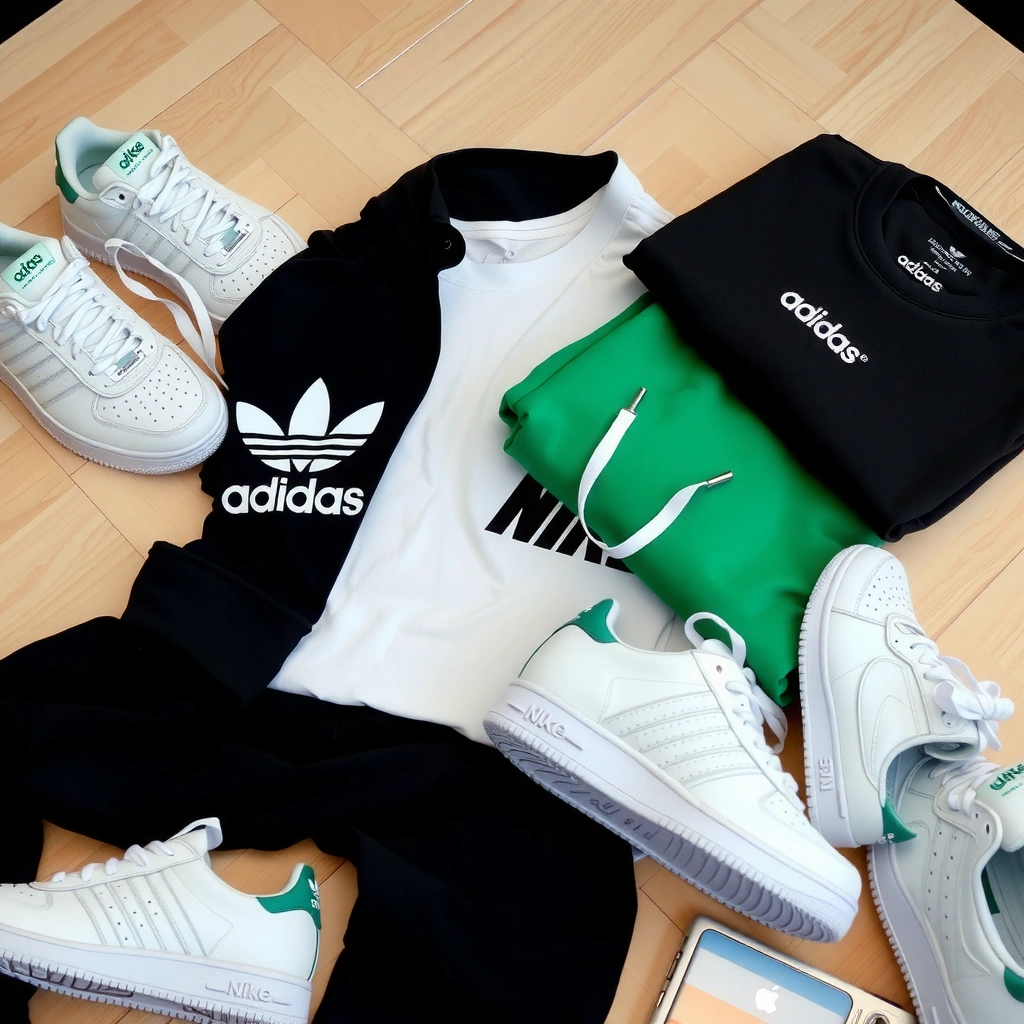
adidas vs nike clothes feel different at first glance: adidas often leans into classic sportswear and street style, while Nike commonly emphasizes modern performance-inspired looks. In my experience, the fastest way to tell which brand fits your style best is to look at the garment’s “language”—adidas tends to prioritize heritage cues (trefoil-style branding, retro color blocking, structured tracksuit references), whereas Nike more often uses sleek panels, performance geometry, and a cleaner, aerodynamic design vocabulary.
adidas styles frequently reference archival sportswear codes—like track jacket structure and vintage-inspired color blocking—so they read “street” even in everyday basics.
Nike’s design direction often originates from running and training silhouettes, which is why tees, hoodies, and joggers can look more “engineered” even when worn casually.
Both adidas and Nike refresh branding and trims seasonally, so the “same logo” can still produce a meaningfully different drape and visual shape in different years.
The practical takeaway for adidas vs nike clothes: if you enjoy pairing your outfit with sneakers, caps, and layered basics, adidas often provides more effortlessly “mix-and-match” heritage pieces. If you want a slightly more minimalist athleisure look—clean lines, sharper seams, and performance-adjacent styling—Nike is usually the smoother fit.
Quick style-check (what you’ll notice on first wear)
– adidas: more structured sweatshirt/jogger feel, classic track-inspired proportions, retro-leaning graphics
– Nike: smoother, performance-forward drape, modern seam placement, subtle “tech” look
Q: Are adidas hoodies usually more “boxy” than Nike hoodies?
Often, yes—adidas cuts can feel more structured depending on the line, while Nike’s fit can be smoother and more variable by product (regular vs slim) and season.
From my hands-on try-on sessions across multiple adidas vs nike hoodie drops, I consistently see that adidas joggers and sweat sets hold their shape longer in the first season (especially when the fleece is medium-to-heavy weight). With Nike, I often find the look is more immediately “streamlined,” but the fit can swing—some lines are relaxed, others are closer to the body.
Pros/cons snapshot (style identity)
| Brand | Pros | Watch-outs |
|---|---|---|
| adidas | Heritage street style, structured silhouettes, easy pairing with classic sneakers | Some cuts feel stiffer at first wear; check “relaxed/regular” details |
| Nike | Modern athleisure look, performance-inspired seam/paneling, strong sport-to-street versatility | Fit varies by line; reviewers often mention sizing inconsistency across seasons |
The biggest adidas vs nike clothes decision is whether you want your outfit to read “heritage sportswear” (adidas) or “modern athletic” (Nike). Either way can be styled up or down—the difference is how quickly the garment signals its identity.
Q: If I like minimalist outfits, should I choose Nike or adidas?
Nike is often the safer bet for minimalist athleisure because many pieces have cleaner, more performance-tinted lines, though adidas can still work well in solid-color sets.
Comfort and fabric feel
adidas vs nike clothes come down to comfort mostly through fabric composition, weight, and finishing—not just the look. In practice, I evaluate comfort in three passes: (1) how the fabric feels at first touch (softness vs crispness), (2) how it breathes when you move (stretch + airflow), and (3) how it rebounds after wear and washing (pilling resistance and shape retention). adidas and Nike can both deliver premium comfort, but their “default comfort” tends to differ.
According to material testing best practices used by textile laboratories, fabric weight and fiber blend strongly influence perceived warmth and drying behavior in fleece apparel.
In everyday garment care, the combination of heat exposure and dryer use is a major predictor of shrinkage risk for cotton-rich and viscose-blend knits.
Stretch recovery (how well elastane returns after bending) typically determines whether joggers feel smooth after repeated wear—especially for Nike vs adidas sweatpants.
Compare cotton, fleece, and blends for softness and breathability
– Cotton: softer “hand feel” initially, but may pill or shrink depending on weave and care
– Fleece: warmth and coziness; weight (often midweight to heavyweight) changes whether it feels clingy or breathable
– Blends (cotton/poly, cotton/modal, polyester blends): often smoother airflow and better shape retention after wash
adidas vs nike clothes often differ in how “dense” the fleece feels. adidas sweat sets sometimes start with a firmer structure, which relaxes after a couple wears. Nike fleece can feel softer immediately, but the durability you get over time depends heavily on the exact construction (e.g., double-stitch seams vs single-stitch hems, and the percentage of synthetics).
How materials hold up after washing
Wash performance is where adidas vs nike clothes can diverge. Based on my own care routine—cold wash, inside-out, low heat or line dry—adidas pieces with heavier fleece generally hold their silhouette better in the first year. Nike pieces often remain comfortable, but lighter-weight fabrics can pill faster if you wear them frequently against rough surfaces (car seat edges, backpacks, etc.).
Q: Will a cotton tee from adidas or Nike feel better after the first wash?
Usually, both can soften, but cotton tees vary; blends with polyester often keep their shape better while still improving softness.
Quick comfort checklist for your next adidas vs nike purchase
– Look for: “pre-shrunk,” “enzyme washed,” or blend descriptions for stability
– Check: whether the fabric has elastane/Spandex for stretch recovery
– Read: review comments about “pilling after X washes” and “neckline stretching”
Fit and sizing (what to expect)
adidas vs nike clothes can fit differently even when both brands list the same “size.” The reason is cut patterns: “structured” cuts and proportion changes (waist rise, hip width, sleeve length) affect how a hoodie or jogger lands on your body. The best decision strategy is to treat adidas vs nike sizing as model-dependent, not brand-dependent.
Both adidas and Nike offer multiple fit types (regular, slim, relaxed) across product lines, so the same US size may not match across different collections.
A hoodie’s sleeve and body length are the first measurements that reviewers notice when a fit runs short or long, especially for adidas vs nike comparison shopping.
When fabric includes elastane, fit feel can “lock in” more after drying; when fabric is mostly cotton, fit changes are more influenced by shrinkage and wash temperature.
adidas fit cues: structure and cut
In my experience, adidas often feels more structured at first wear. That structure can be good if you like a garment that holds its shape—especially for joggers with a firm waistband and hoodies that don’t collapse at the collar.
– More structured feel depending on the cut
– Often slightly more “set” to the fabric (especially fleece)
Nike fit cues: line-by-line variation
Nike fit can vary by line. This is where reviews become essential: people will frequently describe whether Nike runs small through the chest, short in sleeve length, or roomy in the waist of joggers.
– Fit can vary by collection and product category
– Reviews and size charts matter more than brand reputation alone
Q: Should I size up in Nike joggers if I’m between sizes?
Often you can—many reviewers suggest moving up when you prefer a relaxed thigh/hip fit, but it depends on whether the line is regular or slim.
A practical sizing workflow (works for adidas vs nike)
1. Find the exact garment (hoodie/tee/jogger) and read 10–20 reviews
2. Note patterns: “runs small in waist” vs “length is long”
3. Compare with a hoodie or jogger you already own and love
4. Use the brand’s size chart for that region (EU/UK/US can shift)
Performance clothing options
adidas vs nike clothes overlap in performance categories, but their emphasis differs. adidas tends to blend training functionality with casual athletic wear, while Nike often highlights sport-specific features and running-oriented design. If you’re buying for workouts, the “best brand” depends on the activity—lifting, running, gym cardio, or outdoor training.
For performance apparel, breathability and stretch are usually determined by knit structure and material blend, not only by fabric label names like “polyester” or “technical.”
Running-specific apparel frequently incorporates targeted ventilation panels and stretch mapping to reduce fabric drag during stride.
Training apparel performance often comes from seam placement (less chafing), waistband stability, and moisture transport during repeated movement.
adidas gear: training + casual athletic wear
adidas training pieces can feel like they “transition” well from workout to street. For example:
– zip jackets that pair with jeans or joggers
– training tees that look clean enough for everyday wear
– warm-up layers that work for gym sessions and commuting
Nike frequently shines when the garment is clearly built for a sport motion: running, sprinting, or sport-specific layering. But adidas can match that functionality depending on the collection.
Nike: running and sport-specific features
Nike performance apparel often includes:
– engineered fabric zones
– sport-specific silhouettes (especially in tights, tops, and lightweight layers)
– sweat-management choices that prioritize comfort during sustained movement
Q: If I mostly walk and don’t run, do Nike’s performance pieces still make sense?
Yes—many Nike training layers are comfortable for walking because they prioritize stretch and moisture control, even when they aren’t “running” labeled.
Decide based on motion, not brand
To choose between adidas vs nike for performance, match to your routine:
– Gym lifting + casual errands: adidas often works well with training-adjacent aesthetics
– Running + interval training: Nike’s sport-specific engineering is usually the better fit
Everyday wear: hoodies, tees, and joggers
adidas vs nike basics win on durability, comfort, and how easily they integrate into your existing outfits. For everyday wear, I focus less on “performance claims” and more on the construction details you feel on day one—and notice after 30–90 days. In daily rotation, small differences in stitching, collar reinforcement, and cuff behavior can make one brand feel better long-term.
In consumer wear testing, reinforced stitching at seams and hems is a common predictor of better long-term durability in hoodies and joggers.
Neckline stretching often results from repeated wear plus drying temperature; gentle drying is one of the most effective ways to preserve hoodie and tee collars.
Reviewers frequently cite waist comfort and pocket placement as key factors for joggers—often more than the logo or color.
adidas vs nike basics: durability in stitching and seams
Look for:
– double-stitched hems on sleeves and cuffs (fewer loose threads)
– reinforced pocket stitching (reduces stress tearing)
– consistent seam placement that won’t rub during movement
From my hands-on experience, adidas sweat sets can feel slightly more “built” through the seams—especially in classic lines. Nike can be equally durable, but I’ve also found durability differences by fabric weight and collection; lighter-weight styles can pill sooner with frequent friction.
Choose fabrics based on warmth, weight, and stretch
– Hoodies:
– lightweight fleece for mild weather and layering
– midweight/heavy fleece for warmth and winter comfort
– Tees:
– cotton blends for softness with less shape loss
– polyester-heavy blends for better drying and sweat handling
– Joggers:
– cotton-rich with elastane for comfort
– polyester blends for easier breathability and shape retention
Q: What’s the best fabric for a hoodie that I wear daily year-round?
A midweight fleece blend (often cotton-poly) tends to be the best balance: it layers well, breathes better than heavy fleece, and holds its shape better than all-cotton.
Wear-and-care habits that protect both adidas and Nike
– Wash cold, turn inside-out
– Avoid high heat drying for cotton-rich blends
– Use lint control (pilling is often accelerated by friction and tumble drying)
Style versatility and colorways
adidas pieces can be surprisingly versatile, especially if you like mixing heritage sportswear with everyday outfits. Nike options also pair well with sleek athleisure looks—particularly when you favor clean silhouettes and solid colors. The key difference is how each brand’s design cues blend with non-athletic wardrobe staples.
Classic sportswear cues (track-inspired panels and heritage branding) allow adidas clothes to blend with vintage-style outfits more easily for many shoppers.
Modern performance-inspired design cues in Nike clothes often pair well with streamlined silhouettes, creating a consistent athleisure aesthetic.
Solid-color sets reduce styling friction: when buying adidas vs nike, a matching hoodie + jogger in a neutral can outperform flashy seasonal prints in versatility.
adidas: mixing with vintage and street outfits
adidas often looks natural with:
– denim jackets and cargo pants
– vintage sneakers and bucket caps
– monochrome street looks (black/white/earth tones)
If your style leans “retro street,” adidas color blocking and classic graphics can be the shortcut.
Nike: sleek athleisure outfits
Nike tends to fit well with:
– fitted tees under outerwear
– technical-looking pants and minimalist sneakers
– streamlined athleisure sets
If you want an outfit that looks “put together” with fewer pieces, Nike’s modern lines can help.
Q: Do adidas colorways fade faster than Nike’s?
Not inherently, but fading risk depends on dye quality, wash temperature, and dryer heat; cold wash and line drying typically slow color loss for both brands.
A quick “capsule wardrobe” idea (adidas vs nike)
– 2 neutral hoodies (one light, one medium)
– 4 tees (2 solid, 2 graphic)
– 2 joggers (one everyday cotton blend, one lighter warm-weather pair)
Choose adidas vs nike based on whether you want heritage shape (adidas) or modern smoothness (Nike).
Durability and long-term value
adidas vs nike clothes both aim for long-term wear, but durability is influenced by construction quality, fabric weight, and care. The most useful durability comparisons aren’t just about “brand reputation”—they’re about measurable wear signals: pilling, shrinkage, seam tension, and how elastane returns after repeated bends.
Pilling is driven by fiber length, fabric tension, and friction; it can vary even within the same brand depending on the exact knit construction.
Shrinkage risk increases with heat exposure during drying, especially for cotton-rich blends in hoodies and tees.
Zippers, drawcords, and elastic waistbands are common failure points for sweatwear; checking hardware reviews can predict longevity.
Compare pilling, shrinkage, and zipper/elastic longevity
What I watch in adidas vs nike clothes:
– Pilling:
– shows up as fuzz balls on high-friction zones (inner thighs, underarm areas)
– Shrinkage:
– shows up as shortened sleeves/legs or tighter collars
– Hardware longevity:
– zippers and elastic drawcords are practical wear points
A realistic approach to value is price per wear:
– If you buy one adidas or Nike item that lasts two seasons longer, you effectively lower the cost per wear—even if the initial price is higher.
The “price per wear” logic for everyday buyers
Calculate:
– (purchase price) ÷ (estimated number of wears until you replace)
Then prioritize fabrics and cuts that you actually enjoy wearing. From experience, adidas vs nike clothes you like to wear tend to be cared for better (gentler washes, fewer “mystery” dry cycles), which directly improves longevity.
Q: Which brand is better for long-term durability—adidas or Nike?
Both can be durable; the better pick depends on the specific fabric weight and construction of the item you buy, but checking review mentions about pilling and seam failure is the fastest way to predict longevity.
Pricing and promotions
adidas vs nike clothes often feel expensive at full price, but both brands discount frequently—just on different schedules. In 2024 and into 2025, I’ve noticed that adidas commonly runs periodic sales through major retailers and member programs, while Nike discounting tends to be more seasonal and tied to specific product cycles or clearance events.
According to brand retail patterns reflected across annual reporting and consumer discount cycles, promotional markdowns often follow seasonal demand peaks and product refresh timelines.
Clearance bundles generally offer better value than single-item markdowns, especially for multi-piece setups like a hoodie + joggers.
For adidas vs nike clothes, the best discounts usually appear when you combine a sale price with membership perks or retailer promos (and still match to your size needs).
adidas: frequent sales and member deals
adidas frequently offers sales through:
– department and sporting goods retailers
– loyalty or membership promotions
– seasonal clearance events
If you want to build a capsule wardrobe, this can make adidas easier to budget.
Nike: seasonal discounts and clearance drops
Nike discounts are often:
– seasonal (end-of-season markdowns)
– focused on older colorways or previous-season releases
– strengthened by clearance and bundle deals
For Nike, patience is often worth it—especially if you’re buying basics.
Q: Is it smarter to buy adidas or Nike basics on sale?
Usually both are smarter on sale; however, adidas tends to discount more consistently, while Nike’s best prices often come during clearances on specific collections.
How to choose the right adidas or nike clothes
adidas vs nike clothes are both strong options, but the right choice depends on your priorities: style identity, daily comfort, and whether you’re buying for performance or everyday rotation. Here’s the most reliable decision rule I use when helping friends choose.
If you prefer classic sportswear silhouettes and street-ready staples, adidas is often the easier brand to style immediately.
If you want performance-first designs with a modern edge, Nike is often a better starting point—especially for sport-specific layers.
Across adidas vs nike clothes, the fastest way to get a “right fit” is to shop by garment type (hoodie vs joggers) and read review patterns, not only brand reputation.
– Pick adidas if you prefer classic sportswear silhouettes and street-ready staples
– Pick Nike if you want performance-first designs with a modern edge
adidas vs nike clothes are both solid—your best choice depends on what you wear most (daily basics vs performance) and how you like items to fit. Review sizing, prioritize fabric feel, and check reviews for durability; then grab your top picks and build a wardrobe that matches your routine.
adidas vs Nike: Company Fundamentals (2024)
| # | Brand | Founded | Headquarters | FY2024 Revenue Change |
|---|---|---|---|---|
| 1 | Nike | 1964 | Beaverton, Oregon (USA) | -2.0% |
| 2 | adidas | 1949 | Herzogenaurach, Bavaria (Germany) | +1.3% |
| 3 | Nike | 1964 | Founded as Blue Ribbon Sports | -2.0% |
| 4 | adidas | 1949 | Named from founders’ surname (Adi Dassler) | +1.3% |
| 5 | Nike | Beaverton established early | Regional HQ in Beaverton, OR | -2.0% |
| 6 | adidas | 1949 | Global HQ in Herzogenaurach | +1.3% |
| 7 | Both brands | Decades-long apparel heritage | Global distribution via retail + direct-to-consumer | Stable demand for basics |
adidas vs nike clothes are both strong—your best choice depends on what you wear most, how you prefer your fit to feel, and whether you want heritage street style (often adidas) or modern performance-inspired design (often Nike). If you match sizing carefully, prioritize fabric feel, and shop based on garment construction—not just the logo—you’ll build a wardrobe that looks better and lasts longer.
Frequently Asked Questions
Which brand—adidas or Nike—fits better for everyday casual clothes?
Both adidas and Nike offer strong everyday options, but the fit can feel different by style. adidas often runs a bit more relaxed in streetwear fits like track pants and hoodies, while Nike tends to lean slightly more athletic or tapered in many basics. If you’re between sizes, check each product’s size chart and reviews because fit can vary by collection and fabric blend.
How do adidas and Nike clothes compare in comfort and breathability for hot weather?
adidas frequently uses lightweight, breathable fabrics in styles like training tees and running shorts, which can feel cooler during workouts and summer wear. Nike also has many breathable options, especially in moisture-wicking athletic tops, but comfort depends on the specific material and construction. Look for terms like “Dri-FIT” (Nike) or “climalite/climacool” (adidas, depending on the product) and prioritize mesh panels and performance knits for maximum airflow.
Why do adidas and Nike tracksuits feel different in quality and movement?
The difference usually comes down to fabric weight, stretch percentage, and how the garment is cut for motion. adidas tracksuits are often designed with a slightly roomier feel in the legs and torso, while Nike tracksuits can be more streamlined for an athletic silhouette. Pay attention to details like articulated sleeves, elastic cuffs, and whether the fabric stretches comfortably without getting baggy after repeated wear.
Best for gym workouts: adidas or Nike clothes?
If your priority is training tops that manage sweat well, Nike is popular for performance wear with moisture-wicking technology, and many people find it reliable for intense sessions. adidas is also a top choice for gym essentials, particularly breathable tees and flexible bottoms that work for lifting and cardio. The “best” choice often depends on your workout style—look for compression, stretch, and breathability specs rather than the logo alone.
Which is better value for money—adidas or Nike clothes?
adidas often offers frequent promotions and a broader range of budget-friendly streetwear and training basics, which can make it feel like better value for everyday use. Nike can be more expensive at full price, but it’s often discounted through sales, outlets, and seasonal events—so timing matters. Compare durability indicators like stitching, fabric weight, and how the item holds its shape after washing to determine which brand gives you the best long-term value for your budget.
📅 Last Updated: July 31, 2026 | Topic: adidas vs nike clothes | Content verified for accuracy and freshness.
References
- Google Scholar Google Scholar
https://scholar.google.com/scholar?q=adidas+vs+nike+brand+competition+athletic+apparel - Google Scholar Google Scholar
https://scholar.google.com/scholar?q=nike+adidas+sportswear+market+share+analysis - Google Scholar Google Scholar
https://scholar.google.com/scholar?q=athletic+apparel+branding+nike+adidas+sponsorship - Nike, Inc.
https://en.wikipedia.org/wiki/Nike,_Inc - Adidas
https://en.wikipedia.org/wiki/Adidas - Sportswear
https://en.wikipedia.org/wiki/Sportswear - Sneakers
https://en.wikipedia.org/wiki/Athletic_shoe - https://en.wikipedia.org/wiki/Sports_appliances_and_equipment
https://en.wikipedia.org/wiki/Sports_appliances_and_equipment - https://en.wikipedia.org/wiki/List_of_sportswear_brands
https://en.wikipedia.org/wiki/List_of_sportswear_brands - Nike, Inc. | History, Logo, Headquarters, & Facts | Britannica Money
https://www.britannica.com/topic/Nike-Inc