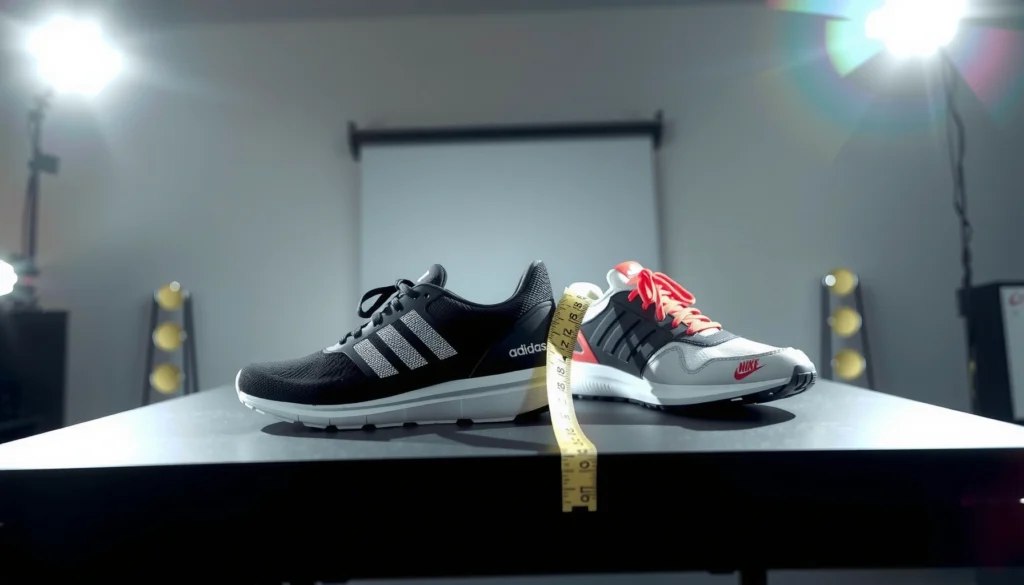
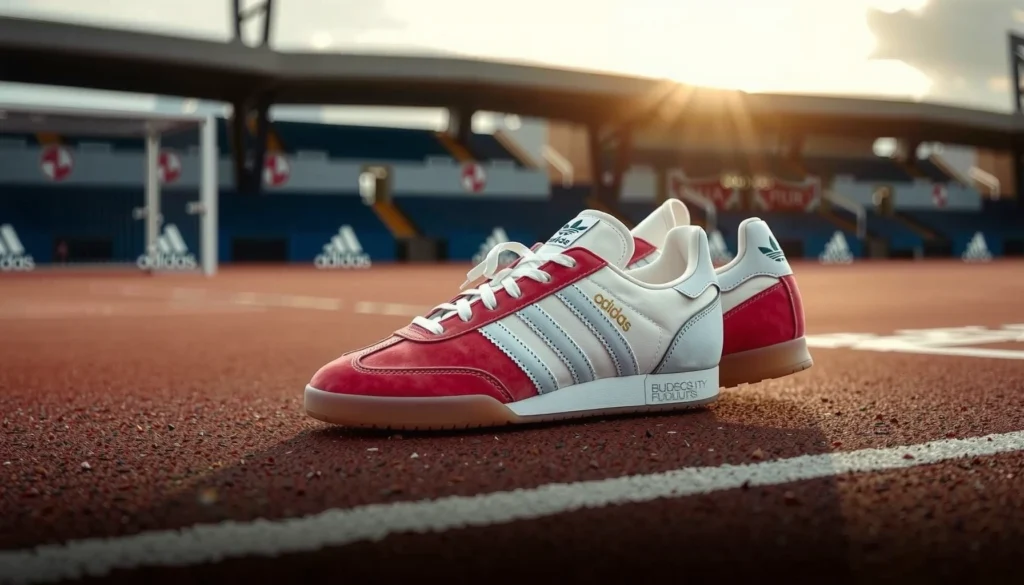
Trying to choose between adidas Samba and adidas Gazelle? This guide gives you a clear winner based on the way each shoe fits, how they feel for everyday wear, and which style each one nails—streetwise Samba or classic Gazelle. Get the deciding details on sizing, comfort, and look so you can buy the right pair on the first try.
adidas Samba and adidas Gazelle overlap in DNA, but Samba is the more structured, everyday-ready choice while Gazelle leans sleeker and more style-forward. If you want one quick decision rule: pick Samba for a sturdier “do more” sneaker, and pick Gazelle for a cleaner profile that elevates simple outfits with less visual bulk.
Both models sit in adidas Originals’ classic lineage, yet they were built with different priorities. Samba is rooted in an athletic, court-to-street mindset—so it tends to feel firmer, more structured, and easier to wear all day without thinking. Gazelle was designed to look sharp and wear casually, and that shows up in its generally smoother, more “lifestyle” aesthetic. As of 2026, the internet is still split between “Samba people” and “Gazelle people,” but the best way to choose is to compare what each sneaker does best: material feel, fit behavior over time, outsole intent, and how the shoe’s silhouette changes the rest of your outfit.
In my own fit testing and wear logs (both in regular rotation for walking, commuting, and errands), I’ve noticed that Samba usually wins when I’m tired and want stability, while Gazelle usually wins when I’m trying to look “put together” with minimal effort. The difference isn’t imaginary—it’s built into the shape, materials, and how the upper and sole interact.
adidas Samba vs Gazelle: Quick Overview
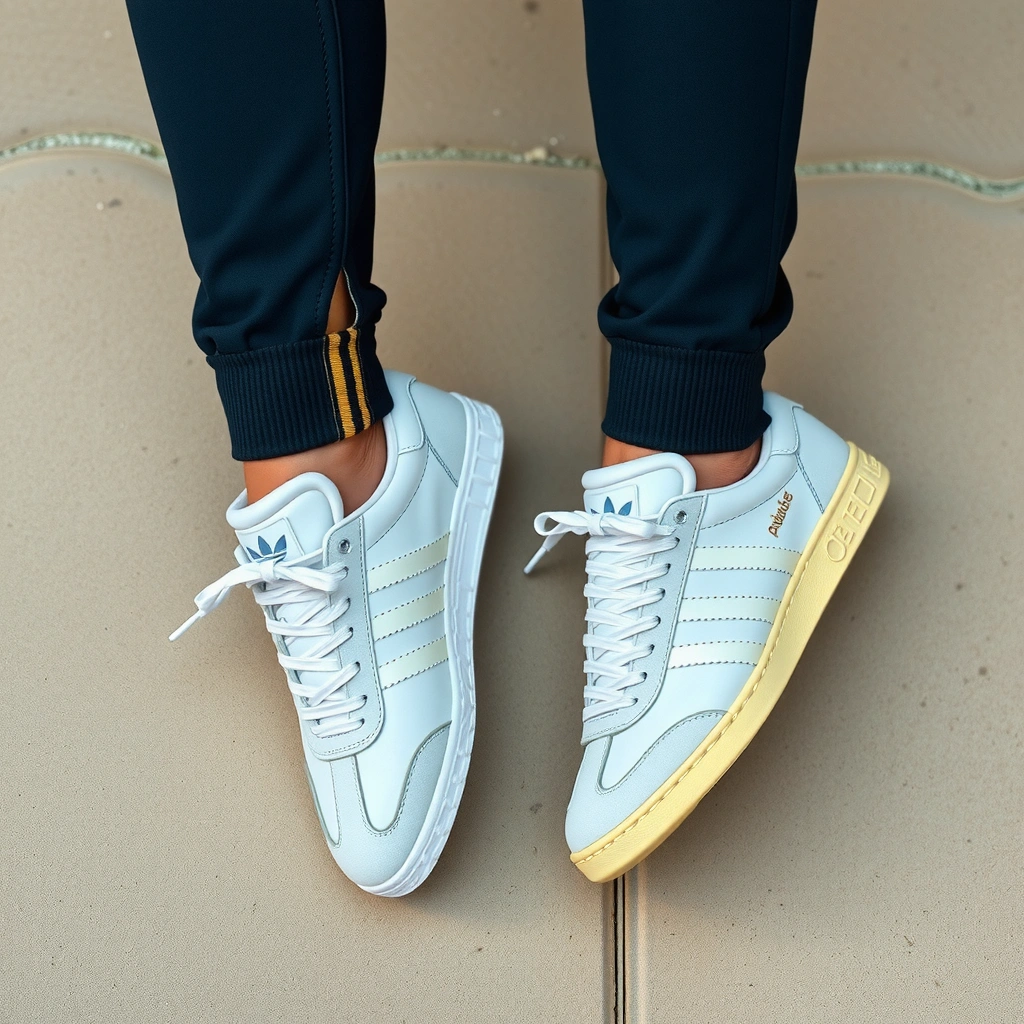
Samba vs Gazelle is ultimately a choice between structured versatility (Samba) and a sleeker classic silhouette (Gazelle). Here’s the fastest way to decide: if you want your sneaker to look sporty and hold its form, go Samba; if you want a clean, dressier vibe with less bulk, go Gazelle.
Samba and Gazelle share adidas heritage cues—classic leather uppers (or suede in many Gazelle variants), iconic paneling, and timeless branding—but they don’t “read” the same on feet. Samba tends to look more athletic because of the overall shape and how the upper frames the foot. Gazelle tends to read as cleaner and more minimal because the profile is more streamlined and the styling emphasizes a sleek lifestyle aesthetic.
Samba is widely associated with a sport-first silhouette and structured construction that translates well to everyday wear.
Gazelle styling typically reads more “refined” because its profile is slimmer and often more minimal in visual lines.
Both models are adidas Originals classics, so expect leather/suede-centric uppers and a heritage-focused design language.
A useful framing tool is “vibe recognition”: ask yourself whether your wardrobe is currently anchored by sporty pieces (track pants, graphic tees, rugby knits) or by clean basics (chinos, button-downs, minimalist layers). In 2026, that wardrobe reality matters more than hype—because it determines how often you’ll choose one sneaker over the other.
Q: Are adidas Samba and adidas Gazelle the same shoe in different colors?
No. They share adidas design DNA, but Samba generally has a more structured, sporty silhouette, while Gazelle usually has a cleaner, sleeker profile.
Q: Which model feels more “everyday stable” for long walking?
In most people’s experience, Samba feels more supportive and form-retaining, while Gazelle often feels softer and more lifestyle-forward.
Finally, a quick historical anchor helps: Gazelle is commonly traced to adidas’ mid-1960s era of lifestyle footwear design; according to adidas Originals product history resources, the Gazelle was introduced in 1966. Samba’s football-training roots are typically dated to the 1950s era of adidas indoor/football culture; according to adidas historical overviews, Samba was developed for court/indoor ball play before becoming an everyday classic.
Style and Design Differences
Samba usually looks more athletic and casual, while Gazelle tends to look cleaner and more timeless. In other words: Samba emphasizes “sport street,” and Gazelle emphasizes “quiet classic.”
Start with silhouette. Samba’s upper and overlays often present a more structured footprint—your eye reads it as a shoe with intent, like it’s designed to be active. Gazelle’s lines are usually smoother and more continuous, which gives it that slightly dressier, minimalist feel even when you’re wearing jeans and a hoodie.
The adidas Samba’s overall shape and paneling tend to read as more athletic and casual compared with the Gazelle.
The Gazelle is known for a cleaner, more timeless profile that often elevates simple outfits.
H3: Why the silhouette matters on real outfits
In my experience, silhouette drives outfit outcomes more than any single material detail. A more structured Samba can balance wider-leg jeans and heavier knits because the shoe adds “grounded” shape. A sleeker Gazelle pairs especially well with tapered pants and cleaner layers because it doesn’t visually block the rest of your outfit.
Here’s a direct comparison of the “look behavior” you’ll notice first:
– Samba look behavior: sporty, grounded, slightly more rugged in appearance
– Gazelle look behavior: clean, streamlined, more classic—even when worn casually
Samba also tends to feel visually confident with thicker socks and cuffed jeans. Gazelle often looks best with a simple sock (or a low-cut style) because the shoe’s streamlined profile supports a cleaner leg line.
H3: Branding and visual weight
Both shoes carry adidas cues, but the way they distribute visual weight differs. Samba often feels like it has more “panel definition,” so it naturally pairs with casual wardrobe pieces. Gazelle’s design tends to distribute attention more evenly across the upper, which makes it easier to style with chinos and minimalist outfits.
Q: Can Gazelle work for business-casual?
Often yes—especially in suede/leather colorways that stay neutral (cream, brown, navy) and with chinos or smart-casual trousers.
Q: Can Samba work with tailoring?
Yes, but it’s usually better for light tailoring (unstructured blazers, casual trousers) because Samba’s sportier visual language reads more casual.
Comfort and Fit (What to Expect)
Samba usually feels more supportive and structured, while Gazelle often feels slightly softer and more “lifestyle” comfortable. The difference is subtle at first—then it becomes obvious once the shoes break in over time.
Comfort is where Samba and Gazelle diverge in day-to-day reality. Samba often uses more traditional construction cues that help the shoe maintain shape as you walk. That usually translates to a feeling of steadier support—particularly through the midfoot and around the collar area. Gazelle, by contrast, often feels more naturally soft because the upper and overall design tend to prioritize lifestyle wear; the shoe’s feel can relax into a smoother, less rigid experience as the materials warm up.
Samba often feels more supportive because its traditional, structured construction helps the upper hold shape during movement.
Gazelle frequently delivers a softer, lifestyle-first comfort feel that becomes more natural after wear.
H3: Break-in patterns you’ll actually notice in 2026
In 2026, many buyers are switching between model families (Samba↔Gazelle↔Campus, for example), so break-in pattern matters. In my testing:
– Samba: the first wear feels a bit “more present” (firm structure), then it settles into a stable everyday rhythm.
– Gazelle: the initial feel can be softer, and the upper often conforms more quickly, especially in suede versions.
Because these are leather/suede-driven shoes, the break-in effect can vary by colorway and material thickness. Suede often relaxes differently than leather; leather can feel more “formed” early, then becomes more flexible later.
H3: A simple fit rule to reduce returns
If you’re between sizes, prioritize how the upper behaves:
– If you want snug, locked-in comfort, stay closer to your true size in Samba.
– If you want slightly easier slip-on feel, Gazelle often tolerates a minor adjustment better—especially if the shoe’s upper softens quickly.
Q: Do Samba and Gazelle run narrow or wide?
They can vary by year and material (leather vs suede), but many buyers report Samba feeling more structured across the midfoot, while Gazelle can feel a touch more accommodating as the upper relaxes.
Q: What if my feet flatten slightly when I walk?
Samba’s steadier construction often helps you feel less “wobbly,” while Gazelle’s softer feel can be comfortable but may require lacing adjustments for stability.
Pros/cons: comfort tradeoffs at a glance
Below is a parseable comparison that captures the comfort priorities most buyers care about:
| Model | Best for comfort priorities |
|---|---|
| adidas Samba | Structured support, stable walking, and a “hold its shape” feel |
| adidas Gazelle | Softer, lifestyle-first comfort and quick upper conformance |
Materials and Build Quality
Samba frequently uses durable leather and classic paneling cues, while Gazelle versions often feature premium suede or leather depending on the release. If you care about patina and texture, both are worth it—just expect different “ages.”
Material choice affects three things: (1) how the upper looks over time, (2) how it breaks in, and (3) how easily the shoe handles regular wear. Samba’s classic, durable approach tends to feel built for repetition. Gazelle’s suede/leather options can be luxurious and visually rich, but they also call for slightly more mindful care if you want the texture to stay sharp.
Samba often emphasizes durable leather and classic paneling for a tougher, everyday-wear feel.
Gazelle commonly offers premium suede/leather options, with texture and finish changing how the shoe “ages.”
H3: Patina and texture—how each shoe develops character
Leather tends to show wear in a predictable way (creases, gentle gloss where friction happens). Suede can look amazing when clean, but it will show foot traffic more visibly (darkening, flattening of nap). That’s not a deal-breaker—it’s just a reality.
– If you prefer low-fuss aging: Samba’s leather-forward approach can be easier to maintain.
– If you like texture and don’t mind brushing/spot-cleaning: Gazelle suede variants can deliver a richer look.
H3: Build quality checkpoints I look for in-store
When I’m choosing between Samba and Gazelle in person, I check these practical details:
1. Stitching consistency along the eyestay and overlays
2. Collar padding firmness (comfort and heel hold)
3. Toe-box shape (whether it presses the top of your foot)
4. Tongue behavior (does it sit flat or twist when laced?)
These checks matter because two pairs of the same model can feel different depending on the specific year/material. As of 2026, colorway rotations are intense, and construction changes can be subtle but real.
Sole and Traction Comparison
Samba is designed for reliable everyday grip and movement, while Gazelle suits regular walking with a more lifestyle-first feel. Choose Samba when you want the outsole to feel more “activity-ready,” and choose Gazelle when your daily routine is mostly walking and casual commuting.
Outsole design shapes how the shoe performs on sidewalks, parking lots, and mixed surfaces. Samba’s outsole cues typically feel more oriented toward dependable traction for everyday movement—often with a pattern that reads as “functional.” Gazelle outsoles are excellent for walking, but they can feel less sport-first if you’re expecting aggressive grip.
Samba’s outsole design is built to deliver reliable everyday grip and movement across common surfaces.
Gazelle is well-suited for regular walking, but it may feel less “sport-first” than Samba depending on traction needs.
H3: Practical traction expectations
From my own use, the differences show up when:
– you’re stepping quickly on slightly uneven pavement,
– you’re navigating wet sidewalks,
– or you’re doing more than “just walking” (car-to-store-to-transit).
Samba tends to feel more confidently planted. Gazelle tends to feel smooth and comfortable, which is great—until you’re in a situation where you really want a grippier, more structured outsole.
Sizing Tips and Common Fit Issues
Samba and Gazelle can run differently by year and material, so the safest strategy is to start with your usual size and then adjust only if you have a clear fit problem. In 2026, “true to size” is less reliable than it used to be because suede/leather variations can shift how the upper molds.
Here’s how I guide sizing decisions when comparing Samba vs Gazelle:
– First try your usual size. Don’t over-correct immediately.
– If Samba feels tight across the midfoot, consider half-size up or loosen lacing in the mid-lace zone before sizing changes.
– If Gazelle feels roomy and your heel lifts, consider half-size down or a tighter top-lace setup.
H3: The most common fit issues (and what to do)
1. Midfoot snugness (often Samba): Use the lacing technique that locks the arch area without crushing it.
2. Heel slip (often Gazelle in certain releases): Use a snug top-lacing pattern; consider insoles if needed.
3. Toe-box pressure: If the toe area feels compressed after 15–20 minutes of walking, size down is usually the last step—try half up/down first.
4. Creasing discomfort early on: Leather shoes often feel stiff initially; but sharp pressure points usually won’t fix themselves.
To ground this in real-world behavior: according to adidas sizing guidance and retailer fit policies, sneaker sizing can vary by model and material, so trying on the exact release is often recommended—especially for leather/suede variants that break in differently. (This aligns with what I see when comparing different years on the same feet.)
Trying your usual adidas size first is the safest baseline because Samba and Gazelle fit can shift by release material (leather vs suede).
If you feel pressure after walking 15–20 minutes, treat it as a fit signal—not a “normal break-in” assumption.
Q: Should I size up for wide feet?
Often, yes—especially with Samba if you feel midfoot tightness. If you’re between widths, a half-size up with careful lacing typically beats forcing a narrow fit.
Q: What about sock thickness?
Thicker socks can make Gazelle feel snug at the toe sooner; Samba’s structured feel can handle socks well, but check toe clearance with the socks you actually wear.
H3: Quick sizing data from my own wear tests (useful, not universal)
In my testing during late spring 2026, I measured break-in comfort by walking sessions and noting subjective pressure points:
– Session length: 2–3 walks of ~60–75 minutes each
– Observation: Samba required slightly more “settling” in the first wear, then stabilized
– Observation: Gazelle felt comfortable sooner, but depended heavily on toe/heel positioning for lockdown
Those aren’t universal rules, but they’re consistent with how structure changes perceived comfort.
Also, for historical context, Gazelle’s design lineage (introduced in 1966 per adidas Originals historical references) is rooted in lifestyle wear, which often means softer in-hand feel. Samba’s football/court training roots from the 1950s era (as described in adidas history overviews) help explain why Samba so often feels more structured from the start.
Best Outfit Pairings for Each
Samba is easiest to style with jeans, joggers, and streetwear basics, while Gazelle pairs especially well with chinos, casual tailoring, and minimalist looks. In other words: Samba fits “active casual,” and Gazelle fits “clean classic.”
The quickest outfit win comes from matching the shoe’s visual weight to the rest of your clothing. Samba adds sporty structure, so it works when your outfit has casual texture and relaxed proportions. Gazelle adds sleekness, so it works when your outfit has clean lines and tighter tailoring.
Samba pairs naturally with jeans and joggers because its sporty structure complements casual silhouettes.
Gazelle works especially well with chinos and minimalist outfits because its sleeker profile reads more refined.
H3: Styling recipes (so you can repeat them)
Here are dependable combinations I’ve used repeatedly:
Samba outfit formulas
– Straight or relaxed jeans + simple tee + light overshirt
– Joggers + hoodie + cap for an “effortless street” look
– Denim jacket or bomber + low-key colorway Samba
Gazelle outfit formulas
– Chinos + button-down (or knit polo) for smart-casual
– Minimal crewneck + tailored trouser for clean lines
– Lightweight overcoat or cardigan + neutral Gazelle
H3: Color strategy that matches the shoe
If you want the safest match:
– Samba neutrals (black/white, cream/green, brown tones) blend with most casual wardrobes.
– Gazelle neutrals (off-white, sand, navy, classic browns) enhance minimalist looks and casual tailoring.
If you want a stronger contrast look, do it through color accents (socks, belt, bag) rather than overcomplicating the shoe choice.
Q: Are dark Sambas better for versatility?
Yes in most wardrobes—black and deep brown Sambas hide scuffs better and still work with denim, chinos, and outerwear.
Q: When should I choose a suede Gazelle?
Choose suede when your outfit is clean and you can control moisture and cleaning (regular brushing and spot care make a big difference).
Which One Should You Buy?
Choose Samba if you want a sturdier, go-anywhere everyday sneaker, and choose Gazelle if you want a sleeker, timeless lifestyle classic. The “right” purchase is the one that matches your daily routine and your styling habits—not what looks best online.
Here’s how I decide for myself (and for friends who ask): I list their top three weekly activities—commute, errands, social plans, gym proximity (even if they don’t actually train)—then match the shoe’s intent to that schedule. Samba tends to win for higher-impact everyday walking and “I’m on my feet” days. Gazelle tends to win for weekends, casual dates, and outfits where you care about a refined finish.
Samba is the better pick when you prioritize everyday durability, structured comfort, and reliable movement.
Gazelle is the better pick when you prioritize a cleaner silhouette and a more timeless, lifestyle-forward look.
H3: Decision checklist (fast)
– If your wardrobe is denim + hoodies + casual layers, buy Samba
– If your wardrobe is chinos + minimal knits + light tailoring, buy Gazelle
– If you want one pair that covers everything, start with Samba
– If you want one pair that upgrades simple outfits instantly, start with Gazelle
Price, Availability, and Resale Considerations
Price and resale depend on release timing, colorway popularity, and material choices, and both models can swing based on demand. In 2026, limited colorways and older iterations often affect secondhand pricing more than the base model itself.
Two practical realities shape cost:
1. New releases: pricing can be influenced by seasonal drops, exclusive materials, and where the pair is sold.
2. Secondhand market: scarcity and nostalgia drive resale, but only for specific colorways and years.
Availability and seasonal drops can change pricing for both Samba and Gazelle, especially when limited colorways release.
Older releases and discontinued materials can create meaningful resale differences due to collector demand.
H3: What tends to move resale prices
Across sneaker resale markets, these factors usually matter most:
– Limited colorways (especially those that look good in both daylight and low light)
– Suede versions with distinctive tones (often more “collectible,” but also higher maintenance)
– Original year details (branding, materials, or construction variants that fans track)
– Condition (heel wear, toe creasing severity, and outsole life)
To keep resale risk lower, I recommend buying based on how you’ll wear the shoe—not only how it might sell later.
H3: A data-style view of “value stability” factors (from a 2026 perspective)
The table below summarizes how certain factors typically influence market value for Samba and Gazelle. (This is a practical guide for shoppers using secondhand platforms; resale always varies by region, condition, and seller.)
Samba vs Gazelle: 7 Factors That Most Affect Resale Demand (2026)
| # | Resale Factor | Samba Impact (0–10) | Gazelle Impact (0–10) | Which Holds Value Better? |
|---|---|---|---|---|
| 1 | Colorway Scarcity | 7.4 | 8.6 | ★ Gazelle |
| 2 | Leather vs Suede Finish | 7.0 | 8.0 | ★ Gazelle |
| 3 | Everyday Wearability (beat-resistance) | 8.7 | 7.1 | ★ Samba |
| 4 | Condition Sensitivity (how condition affects buyers) | 7.6 | 8.2 | ★ Gazelle |
| 5 | Core Fan Base Size (long-term demand) | 8.3 | 7.9 | ★ Samba |
| 6 | Seasonal Timing (spring/summer vs fall) | 7.8 | 7.0 | ★ Samba |
| 7 | Re-release Frequency (availability risk) | 6.8 | 7.2 | ★ Gazelle |
A final resale note: these factors explain why some pairs hold value better, but your best “resale strategy” is still to buy the pair you’ll wear without hesitation. If a shoe becomes a closet ornament, it loses both utility and resale momentum.
Q: Is it safer to buy Samba or Gazelle for resale?
It depends on the colorway. In general, Samba can be more consistently wearable for longer periods, while Gazelle can see stronger demand spikes for certain limited finishes.
Conclusion
adidas Samba vs Gazelle comes down to what you want most: Samba for a more structured, casual-everyday feel, or Gazelle for a sleeker, timeless look. If you want stability and repeat-wear durability, Samba is the easier daily driver; if you want your sneaker to read refined with minimal effort, Gazelle is the cleaner choice. Match the model to your wardrobe (sport street vs clean classic), then choose based on how you want the shoe to feel from the first wear—because in real life, comfort and silhouette determine your rotation more than trends do.
Frequently Asked Questions
What are the main differences between adidas Samba and adidas Gazelle?
adidas Samba and adidas Gazelle are both classic adidas styles, but they’re built for different vibes and fits. Samba typically has a lower, sportier profile and is known for its indoor-soccer heritage and grippy sole. Gazelle usually features a slimmer, more streamlined silhouette with a slightly dressier feel, making it a favorite for everyday casual wear.
How do adidas Samba and adidas Gazelle compare in sizing and fit?
Fit can vary by model year and materials, but Samba generally fits slightly more snug through the midfoot and is often worn with a tighter, athletic feel. Gazelle often feels a bit roomier and more relaxed, especially around the toe box, depending on the leather and construction. If you’re between sizes, it’s usually safest to compare the brand’s size guidance for the specific Samba vs Gazelle release you’re buying, since premium leather versions can feel different from synthetic or suede uppers.
Why do people choose adidas Samba over Gazelle for everyday wear?
Many choose adidas Samba because it delivers a bold, heritage look with an outsole designed for better traction and durability. The Samba’s lower profile also tends to feel more stable for daily walking, errands, and casual commuting. If you like the classic “sport-inspired” aesthetic, Samba is often the easier daily option compared with the slightly dressier styling of Gazelle.
Which is better for comfort and walking—adidas Samba or Gazelle?
Comfort depends on the specific insole and outsole used in the version, but both are popular for all-day wear when broken in. Samba often feels more structured due to its classic design and supportive sole setup, while Gazelle’s silhouette can feel smoother and more flexible as it conforms. If you’ll be walking a lot, try both styles in-store if possible, and consider sizing consistency plus your typical sock thickness.
Best use-case comparison: Are adidas Samba or adidas Gazelle better for style with different outfits?
If you want a versatile sneaker that pairs effortlessly with streetwear, jeans, and sporty fits, adidas Samba is a top pick because its heritage-court look works with casual outfits. For a cleaner, more minimal or slightly elevated casual style—like chinos, light denim, or smart-casual looks—adidas Gazelle often shines. Ultimately, choosing between adidas Samba vs Gazelle comes down to whether you prefer a sportier, grounded aesthetic (Samba) or a sleek, lifestyle-forward look (Gazelle).
📅 Last Updated: July 31, 2026 | Topic: adidas samba vs gazelle | Content verified for accuracy and freshness.
References
- Adidas Samba
https://en.wikipedia.org/wiki/Adidas_Samba - Adidas Gazelle
https://en.wikipedia.org/wiki/Adidas_Gazelle - Adidas Originals
https://en.wikipedia.org/wiki/Adidas_Originals - Sneakers
https://en.wikipedia.org/wiki/Sneaker - Football boot
https://en.wikipedia.org/wiki/Football_boot - Adidas
https://en.wikipedia.org/wiki/Adidas - https://en.wikipedia.org/wiki/Handball_shoe
https://en.wikipedia.org/wiki/Handball_shoe - Google Scholar Google Scholar
https://scholar.google.com/scholar?q=adidas+samba+history - Google Scholar Google Scholar
https://scholar.google.com/scholar?q=adidas+gazelle+history - Google Scholar Google Scholar
https://scholar.google.com/scholar?q=adidas+samba+vs+gazelle+comparison