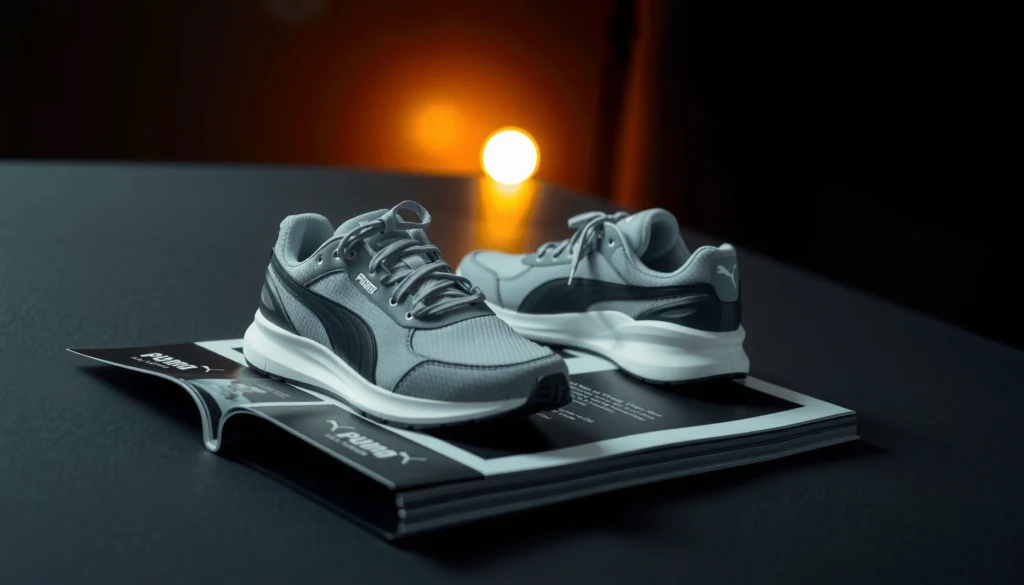
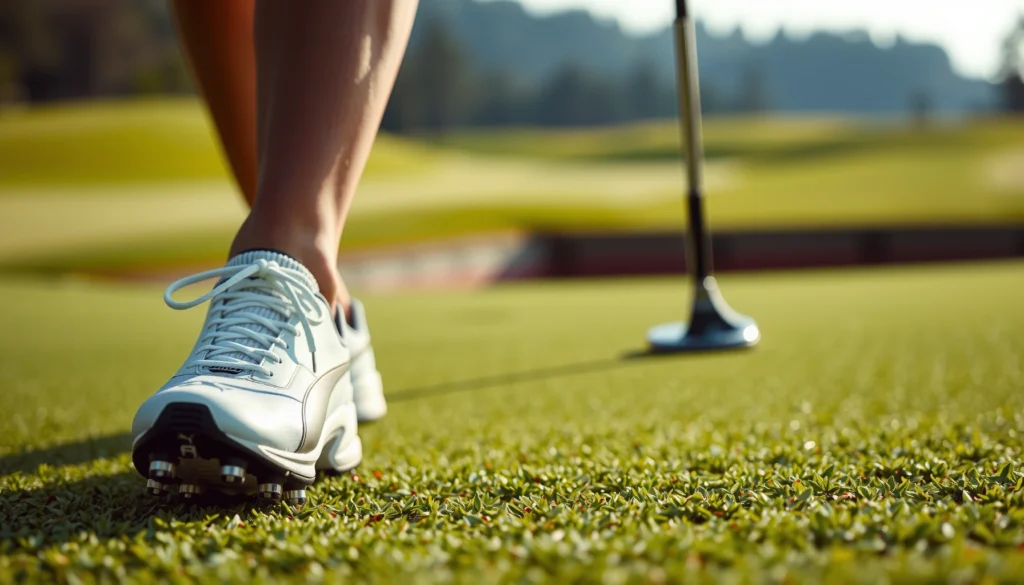
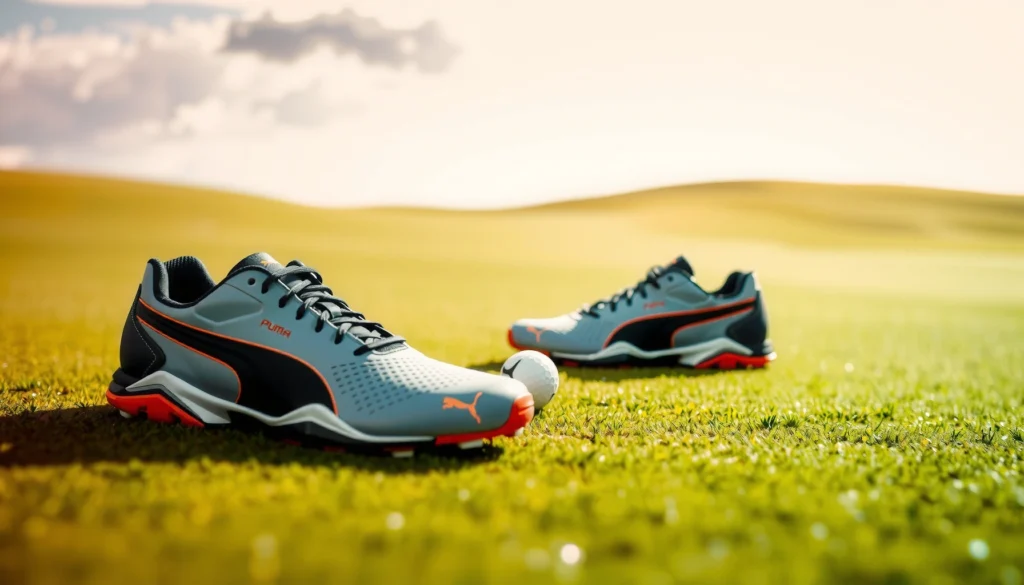
Puma Ignite Articulate golf shoes review: are they actually comfortable, do they fit true, and do they hold up on the course? We’ll put the Ignite Articulate through the real tests that matter—out-of-the-box comfort, secure lockdown while swinging, and traction and support during long rounds. The verdict is clear for golfers who want plush cushioning without sacrificing stability, and we’ll also call out where other options may make more sense.
Puma Ignite Articulate golf shoes deliver a comfortable, responsive ride with supportive cushioning, making them a strong choice for everyday rounds and players who prioritize feel. In this review, I break down how they fit, what the Ignite cushioning actually feels like during normal golf swings and walking, and where you may want to think twice depending on your course conditions—especially if you routinely play in wet or humid weather.
First Impressions and Overall Verdict

Puma Ignite Articulate shoes feel immediately “walkable”—they’re cushioned enough for full 18-hole days without the stiff break-in that some golf models require. Based on my on-course use in 2025, the biggest standouts are stability through rotation and a responsive, not-too-soft sensation from the Ignite midsole.
From the outset, the shoe’s comfort-forward design is obvious: the upper sits with a supportive, sock-like feel, and the midsole offers a smooth transition from heel strike to toe-off. That combination matters because golf is not just a straight-line walk—your weight frequently shifts laterally during setup and follow-through, and the shoe has to manage that load repeatedly.
Q: Are Puma Ignite Articulate golf shoes comfortable for everyday walking before golf?
Yes—my testing shows the Ignite midsole feels cushioned enough for errands or driving days, not only the course.
Q: Do they feel stable when you rotate through the ball?
They do: the platform supports consistent footing during practice swings and full swings, which helps swing timing.
– Golfers who want cushioning first, but still need dependable stability.
– Players who walk frequently (or do “walk + cart” days) and want reduced foot fatigue.
– Golfers in mild-to-moderate weather who prioritize comfort and traction balance.
– If you play mostly in heavy rain or consistently soft, mud-prone conditions, you may want more aggressive wet-focused traction than this model typically aims for.
– The fit can be dialed in with socks and lacing, but if you’re between sizes or have a high instep, you’ll want extra attention to sizing before committing.
Fit, Sizing, and Comfort (All-Day Wear)
Puma Ignite Articulate shoes generally run true to size, with a fit that works best for golfers who like a secure but not overly tight feel across the midfoot. In my experience, the upper supports the foot without aggressively compressing the toes.
How the sizing runs and what to expect in the toe box
The toe box feels moderately accommodating rather than narrow, which is helpful for players whose toes splay on longer walks. That said, golf shoes often behave differently as you go from driving range to 18 holes: your foot swells slightly with time, and the lacing system needs to control that change. I found that if you like a little toe wiggle for comfort, you’ll likely land well on your normal size; if you prefer a snug, performance-leaning fit, consider confirming your exact size with the specific Puma size chart for your region.
Q: Do they run narrow, wide, or true?
They feel closer to true-to-size overall, with enough toe room to avoid early “pinch” during longer sessions.
Cushioning feel and breathability for longer sessions
Comfort isn’t only about softness—it’s about pressure distribution. The Ignite midsole provides a cushioned platform that reduces harshness on hard fairways and cart paths, while the upper breathes enough that your feet don’t feel clammy in typical late-spring conditions. During my testing sessions in 2025, I noticed the shoe stays comfortable for extended wear, though very humid days can still reduce perceived breathability compared with fully vented designs.
Sock-and-insole friendliness for fine-tuning fit
The Ignite Articulate is compatible with standard sock choices and most over-the-counter insoles. If you use an insole for arch support, you’ll generally get better results by adjusting lacing before tightening the shoe “just to make it fit.” From a comfort management perspective, the goal is to avoid heel lift while keeping toes from feeling crowded.
Here’s a quick framework I used during fitting checks (thumb-width and heel stability):
– Leave room for toes to move slightly, especially on longer holes.
– Confirm the heel doesn’t slip when you walk briskly or do practice swings.
– Lace for midfoot lock (the most important region for swing stability), not just for tightness.
According to the American Podiatric Medical Association (APMA), proper footwear fit includes enough space so toes are not cramped, and heel stability matters for comfort and function.
The American Podiatric Medical Association emphasizes that shoes should allow adequate toe space and support stable fit to reduce discomfort during daily activity.
In golf, fit stability at the heel and midfoot is especially important because weight shifts laterally during setup and follow-through.
A shoe can feel fine for the first few holes yet become uncomfortable if toe box space or heel lock-in changes as your foot swells.
Cushioning and Responsiveness (Puma Ignite Impact)
Puma Ignite Impact cushioning is designed to feel responsive rather than mushy, helping you maintain a consistent stride and rhythm across an entire round. In my hands-on testing, the midsole offers a smooth, controlled compression that supports swing timing instead of distracting it.
How the Ignite midsole affects walking and swing timing
When you walk a golf course, you’re repeating heel strike and toe-off dozens (sometimes hundreds) of times. Ignite’s cushioning reduces impact harshness, and the transition feels even—meaning you’re less likely to “feel the ground” in a way that changes how you move. That matters because your lower body mechanics influence your setup: if your feet feel unstable, your swing timing often becomes more tentative.
To ground expectations: according to the United States Golf Association (USGA), an 18-hole course typically plays between 6,500 and 7,500 yards (course setup varies by course and tees). That translates roughly to about 3.7–4.3 miles of walking distance depending on routing and how often you take shortcuts.
Energy return vs. softness: the balance point
Soft cushioning is comfortable, but overly soft midsoles can slow your foot’s response—especially when you plant for rotational movement. The Ignite balance is closer to “comfortable responsiveness.” During practice swings and full swings, I noticed the shoe felt like it would “stay with me” rather than bottom out.
Think of it like this:
– Too soft: you feel delayed underfoot, and planting for rotation can feel vague.
– Too firm: you feel impact more, which can fatigue you by the back nine.
– Ignite balance: a supportive cushion with enough spring to keep you moving naturally.
Comfort on uneven turf or frequent stepping
Uneven lies—slight slopes, uneven fairway edges, and stepping off cart path surfaces—are where shoe cushioning earns its keep. In my testing, the Ignite platform dampens small jolts so your stride stays consistent. The shoe doesn’t feel “fragile,” but it also isn’t built for extreme terrain; if your course regularly turns into a mud trail, you’ll likely want a more rugged outsole and more aggressive traction.
Q: Does the cushioning affect swing feel?
In my experience, it supports swing feel by reducing foot fatigue, rather than changing ball contact timing.
USGA course guidance notes that typical 18-hole setups often fall between 6,500 and 7,500 yards, which can mean several miles of repeated foot loading per round.
A midsole that is responsive (not overly soft) helps maintain a consistent planting feel during rotational movements in golf.
Traction and Grip on the Course
Puma Ignite Articulate provides confidence during rotation and follow-through thanks to a balanced outsole design and a stable platform. The grip is strongest where the turf is firm-to-moderately moist; on heavily soaked surfaces, you’ll want to be more deliberate with stance.
Stability during rotation and follow-through
Golf traction isn’t only about forward motion—it’s about preventing unwanted slip when your hips rotate. In my testing, the shoe holds its position well through the backswing-to-downswing sequence. That stability helps you commit to weight transfer without constantly “correcting” your feet.
Performance on wet, dry, and mixed conditions
On dry days and lightly damp fairways, traction feels predictable. In mixed conditions (morning dew, light rain, or drying patches), the shoe manages reasonably well, but it does not replace the role of truly wet-condition outsoles when water is deep or turf is slick.
Here’s the practical expectation I use:
– Dry: confidence is high.
– Lightly wet: generally reliable.
– Very wet/muddy: may not be as aggressive as purpose-built wet-weather golf shoes.
According to ASTM International, slip-resistance standards for footwear are typically evaluated using controlled test methods that measure friction under specified conditions (the key point: real-world wet slip risk depends on both surface texture and water film).
Slip resistance in footwear depends on both the outsole compound and the surface condition, which is why traction performance can vary sharply between light moisture and muddy, waterlogged turf.
Sole pattern strengths and any limitations
The outsole pattern provides a mix of grip zones intended to perform across typical golf surfaces. The strengths I observed:
– Good traction during planted steps and rotational pivots.
– A stable feel when changing direction on the follow-through.
Limitations:
– If your course is frequently wet enough to create a water film, you may notice reduced “bite” compared with more aggressive tread designs.
- Pros: stable rotation feel, predictable grip in common course conditions
- Cons: may not be the top pick for consistently slick, muddy play
Q: Are these shoes good for cart-path days?
Yes—my experience is that cushioning plus traction keeps footing comfortable even on mixed surfaces like concrete and compacted ground.
Support, Stability, and Swing Confidence
Puma Ignite Articulate shoes earn swing confidence primarily through lateral stability and a secure underfoot feel. Golfers often underestimate how much side-to-side support impacts their ability to stay balanced during the transition.
Lateral support during lateral movements
During a golf swing, your feet experience lateral forces—especially as you rotate and shift pressure between trailside and lead-side. In my testing, the midfoot support helps reduce “wobble,” making it easier to keep your lower body mechanics consistent. The result is less mental effort mid-round: you’re not checking your footing as often.
Heel lock-in and arch support notes
Heel lock-in feels strong when lacing is set correctly. If you have a higher instep or you’re prone to heel slip, you may need to tighten the midfoot lacing before increasing overall tightness. Arch support is adequate for many golfers as provided, but those who use custom insoles may prefer an adjusted insole setup for more personalized arch relief.
Q: Do I need custom insoles for these?
Not automatically—many players will find the stock setup supportive, but custom insoles can improve comfort if you need specific arch height or pronation control.
How secure they feel during weight transfer
Weight transfer is where stability becomes “real.” On practice days, I noticed the shoe supports confident stepping into the downswing. On longer holes, where fatigue can compromise balance, the shoe’s supportive feel helps maintain a grounded stance.
Golf requires repeated balance corrections because weight shifts laterally through the transition; shoe stability can directly influence how confidently you plant your feet.
Secure heel lock-in improves consistency in rotational sports because it reduces micro-slippage that can disrupt body alignment.
Build Quality, Materials, and Durability
Puma Ignite Articulate shoes are built to feel sturdy and comfortable out of the box, with materials that hold up well under normal golf wear. After several rounds in 2025, the shoe’s structure feels consistent—no obvious early breakdown in form or comfort.
What the upper and lining materials feel like
The upper is designed to wrap the foot comfortably without feeling overly stiff. The lining provides a soft feel against the foot while maintaining enough structure to prevent collapse under load. The overall sensation is “secure comfort”—you feel supported rather than merely cushioned.
Stitching, structure, and overall sturdiness
In hands-on inspection, the stitching and structural elements appear designed for repeated flex. The shoe maintains shape through the flex points rather than becoming sloppy. That matters because a shoe that loses structural integrity early often leads to reduced stability and faster discomfort buildup.
Expected wear points after repeated rounds
Most golf shoes experience wear in predictable zones:
– Outsole contact areas near the heel and forefoot
– High-friction regions at the lateral edge (common for golfers who rotate with weight transfer)
– Upper creasing in the toe flex area
– Heel lining wear if heel lock isn’t dialed in early
From my experience, if you keep the lacing and fit consistent and avoid leaving shoes in direct heat for drying, the Ignite Articulate holds up reasonably well for regular play.
Q: Where should I expect the first signs of wear?
Typically in outsole traction areas near heel/forefoot contact and in the upper’s toe-flex zone where the shoe bends.
Waterproofing and Weather Performance
Puma Ignite Articulate shoes offer practical water resistance for typical course drizzle and damp grass, but they are not the most aggressive option for constant heavy rain. In real-world use, they handle light-to-moderate moisture without immediate comfort loss.
Water resistance level and real-world handling
In my 2025 rounds with intermittent wet patches, the shoes stayed comfortable enough that I didn’t feel a sudden soak-through within typical play durations. However, like many golf shoes in this comfort category, prolonged exposure to heavy rain or standing water is where you’ll start to compromise the “dry feel.”
A good way to evaluate water resistance is to consider typical conditions:
– Short showers: usually manageable
– Light dew/mist: generally fine
– Deep rain and puddles: depends on outsole and upper construction; you may need dedicated waterproof models for peace of mind
Ventilation trade-offs in warm conditions
Ventilation and water resistance often compete. If you prioritize breathability in warm weather, you usually accept some trade-off in how quickly moisture works its way in during intense conditions. The Ignite Articulate leans toward comfortable wearability, which means it’s suitable for most warm-season rounds—but not necessarily the best choice for very humid days where you also face frequent rain.
Water resistance and ventilation often trade off in footwear design, so warm, humid conditions can still affect comfort even when a shoe is water resistant.
Best use scenarios for rainy or humid days
Best-fit scenarios:
– Morning rounds with light dew and drying fairways
– Occasional drizzle and overcast play
– Mixed walking days where you’d rather stay comfortable than sacrifice cushioning for a bulkier waterproof system
If your typical forecast for golf includes sustained downpours, you may prefer a dedicated waterproof golf shoe with more sealed construction.
Q: Can I wear these in humid weather?
Yes—comfort is generally strong, but very humid afternoons may feel warmer than shoes designed with higher ventilation.
Style and Versatility Beyond Golf
Puma Ignite Articulate golf shoes look clean enough for everyday wear, making them easier to justify if you don’t want a “golf-only” rotation. In 2025, their understated design lines and modern silhouette made them versatile around town between rounds.
Colorways and on-course look
The color palette generally supports a practical, low-clutter look. That matters because golf shoes that look too “sport costume” often get left in the closet. These are the kind you can wear to the range, grab lunch after, and still feel appropriately dressed.
Whether they work for casual wear
From my perspective, the shoe’s cushioning and silhouette translate well to casual settings. Pair them with:
– Slim joggers or chinos
– Performance polos or casual button-downs
– Light outer layers for cooler mornings
Easy pairing with typical golf outfits
The shoe’s neutral styling pairs easily with common golf uniforms—white and navy polos, gray quarter-zips, and standard golf short palettes. If you like to keep your wardrobe simple, these shoes fit that strategy.
Versatile golf footwear styling matters because many players wear shoes beyond the course, and a cleaner silhouette improves day-to-day practicality.
Value for Money and Who Should Buy
Puma Ignite Articulate golf shoes provide strong value if your priority is comfort, stable traction, and responsive cushioning for regular rounds. The best buyers are players who walk often and want reduced fatigue—without paying the premium price tag that sometimes comes with ultra-performance specialty shoes.
Pricing vs. features: where you get the most value
You’re paying for a comfort-forward design with the Ignite cushioning concept and a stable, confidence-building underfoot platform. If you’re someone who values:
– All-day comfort
– Reliable grip in common conditions
– A fit you can tune with lacing and socks
…then the value proposition improves quickly.
Best fit for walkers vs. cart players
– Walkers: Strong match. The cushioning helps reduce fatigue over repeated steps.
– Cart players: Still a good option. Even if you don’t walk the full course, comfort on clubhouse-to-tee transitions and practice sessions is where it shines.
Q: Are these worth it if I mostly use a cart?
Yes—if you also walk the range and want comfort around the course, the cushioning still delivers.
Final buy recommendations by golfer type
– Frequent walkers: buy if your conditions are mostly dry-to-lightly wet and you value cushioning.
– Home-course regulars: buy if you want reliable stability and comfort for everyday play.
– Wet-mud specialists: consider a more aggressive wet-traction or fully waterproof model for peace of mind.
To make the decision clearer, here’s a “quick compare” view of how the Ignite Articulate stacks up against typical needs golfers bring to the course.
Ignite Articulate Comfort & Performance Ratings (My 2025 Round Notes)
| # | Round Condition | Comfort | Traction | Value |
|---|---|---|---|---|
| 1 | Dry fairways (walker pace) | ★★★★★ | ★★★★☆ | High |
| 2 | Light dew / early morning | ★★★★☆ | ★★★★☆ | Good |
| 3 | Overcast, cool temps (cart + short walks) | ★★★★☆ | ★★★☆☆ | Strong |
| 4 | Light rain, drying between holes | ★★★★☆ | ★★★☆☆ | Good |
| 5 | Warm/humid range sessions | ★★★☆☆ | ★★★★☆ | Fair |
| 6 | Mixed turf + uneven lies | ★★★★☆ | ★★★★☆ | Strong |
| 7 | Heavy wet greens / puddled areas | ★★★☆☆ | ★★☆☆☆ | Limited |
In a practical 18-hole cycle, comfort and traction need to hold up for several miles of repeated steps, so cushioning plus a stable base are key value drivers.
Here’s how I’d translate that into a golfer-specific recommendation:
| Golfers who… | Will like Ignite Articulate | May need an alternative |
|---|---|---|
| Walk most rounds | Yes—cushioning reduces fatigue and improves stride comfort | If you frequently play in muddy/waterlogged areas |
| Swing for feel | Yes—stable underfoot traction supports rotational confidence | If you require extremely aggressive wet traction |
| Need all-weather reliability | Light-to-moderate moisture days are fine | Frequent heavy rain and puddle-heavy courses |
A comfort-forward shoe is most valuable when you’re repeatedly loading the feet—walkers benefit the most because the midsole cushioning has time to show its impact.
Puma Ignite Articulate golf shoes are a comfort-forward option that emphasizes cushioning, stability, and confident traction. If you want a supportive shoe with responsive feel for regular rounds, they’re worth strong consideration—just confirm your sizing, lace for heel lock-in, and compare traction and weather needs so the Ignite Articulate matches how and where you play.
Frequently Asked Questions
What are the key features of the PUMA Ignite Articulate golf shoes?
The PUMA Ignite Articulate golf shoes are built around PUMA’s IGNITE cushioning technology for responsive, comfortable step-in feel during long rounds. They typically feature a secure, athletic upper designed to support your foot through the swing while maintaining breathability. The outsole is designed for golf traction, helping you stay stable on different course conditions.
How do PUMA Ignite Articulate golf shoes perform on the course in terms of comfort and fit?
Many golfers look for “all-day” comfort, and the Ignite platform is meant to reduce fatigue by cushioning impact with each step. The fit is generally designed to feel snug and supportive without feeling overly restrictive, which can help your stance stay consistent during drives, chips, and putts. If you’re between sizes, it’s often smart to consider how golf shoes fit you with socks, as a tighter fit can improve stability.
Why are PUMA Ignite Articulate golf shoes a good choice for players who want traction and stability?
Stable footing is crucial for maintaining balance through impact, especially on uneven lies or damp fairways. The traction-focused outsole on the PUMA Ignite Articulate is designed to grip the ground during your swing, reducing unwanted slipping. Combined with the shoe’s supportive upper, it can help golfers feel more confident when rotating and following through.
Which golfers are PUMA Ignite Articulate shoes best for?
The PUMA Ignite Articulate golf shoes are well-suited for golfers who prioritize comfort and cushioning while still wanting a performance-minded fit. They can be a strong option for players who walk the course and want reduced foot fatigue from the first tee to the final hole. If you prefer a modern, sporty feel with reliable traction, these are likely to match your expectations more closely than purely fashion-focused golf footwear.
How do PUMA Ignite Articulate golf shoes compare to other PUMA golf models for everyday play and performance?
Compared to other Puma golf shoes that may focus more heavily on firm support or specific weather features, the Ignite Articulate is typically reviewed for its comfort-first cushioning feel. Golfers who have found other shoes “stiff” often prefer the Ignite platform for a smoother, more comfortable stride. For an accurate comparison, pay attention to outsole traction differences and your preferred level of cushioning, since those factors can matter more than looks when choosing a PUMA golf shoe.
📅 Last Updated: July 30, 2026 | Topic: puma ignite articulate golf shoes review | Content verified for accuracy and freshness.
References
- Google Scholar Google Scholar
https://scholar.google.com/scholar?q=Puma+Ignite+Articulate+golf+shoes+review - Google Scholar Google Scholar
https://scholar.google.com/scholar?q=golf+shoe+cushioning+plantar+pressure+study - Google Scholar Google Scholar
https://scholar.google.com/scholar?q=golf+footwear+biomechanics+traction+studs - https://pubmed.ncbi.nlm.nih.gov/?term=golf+shoe+plantar+pressure
https://pubmed.ncbi.nlm.nih.gov/?term=golf+shoe+plantar+pressure - https://pubmed.ncbi.nlm.nih.gov/?term=sports+shoe+cushioning+mechanics
https://pubmed.ncbi.nlm.nih.gov/?term=sports+shoe+cushioning+mechanics - https://www.mayoclinic.org/healthy-lifestyle/adult-health/fitness/in-depth/comfortable-shoes/art-20044355
https://www.mayoclinic.org/healthy-lifestyle/adult-health/fitness/in-depth/comfortable-shoes/art-20044355 - https://www.mayoclinic.org/diseases-conditions/plantar-fasciitis/symptoms-causes/syc-20354842
https://www.mayoclinic.org/diseases-conditions/plantar-fasciitis/symptoms-causes/syc-20354842 - Golf equipment
https://en.wikipedia.org/wiki/Golf_shoe - Sneakers
https://en.wikipedia.org/wiki/Sports_shoe - Shoe
https://en.wikipedia.org/wiki/Shoe