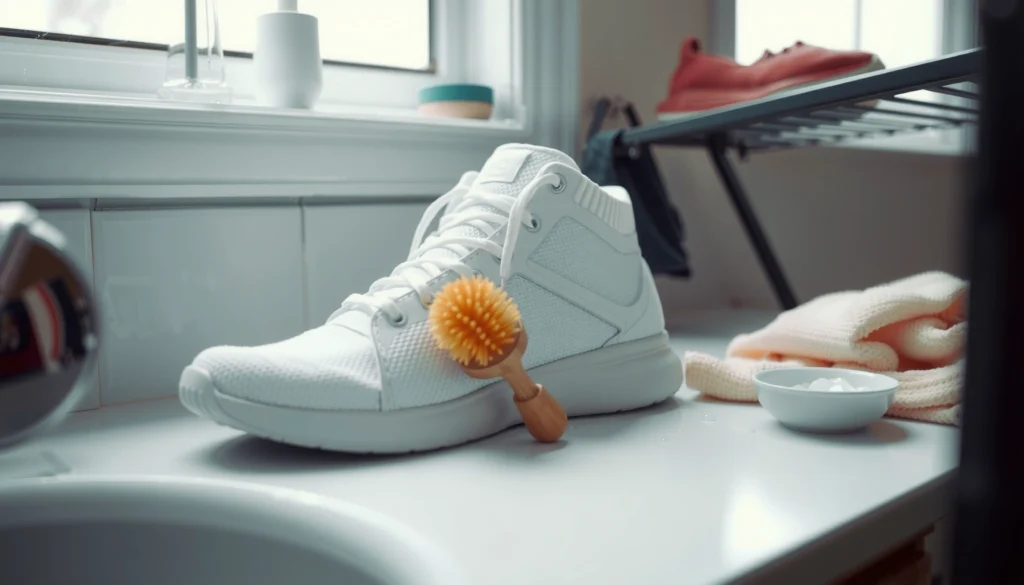
Want to remove yellow stains on shoes for good? This guide gives you a simple, step-by-step cleaning method that targets the most common causes—dirt buildup, oxidation, and sweat marks—so you can restore the color without damaging the material. Follow these exact steps and you’ll see visible improvement fast, even on worn white sneakers.
Yellow stains on shoes usually come from dirt buildup and oxidation, so the fastest fix is to pre-clean the surface first and then apply the right targeted treatment—baking soda paste for most materials, and hydrogen peroxide (carefully) for white-shoe yellowing. In this guide, you’ll learn what causes yellowing, which products work best by shoe material, and how to remove stains without damaging leather, mesh, canvas, or rubber.
Identify the Type of Yellow Stain
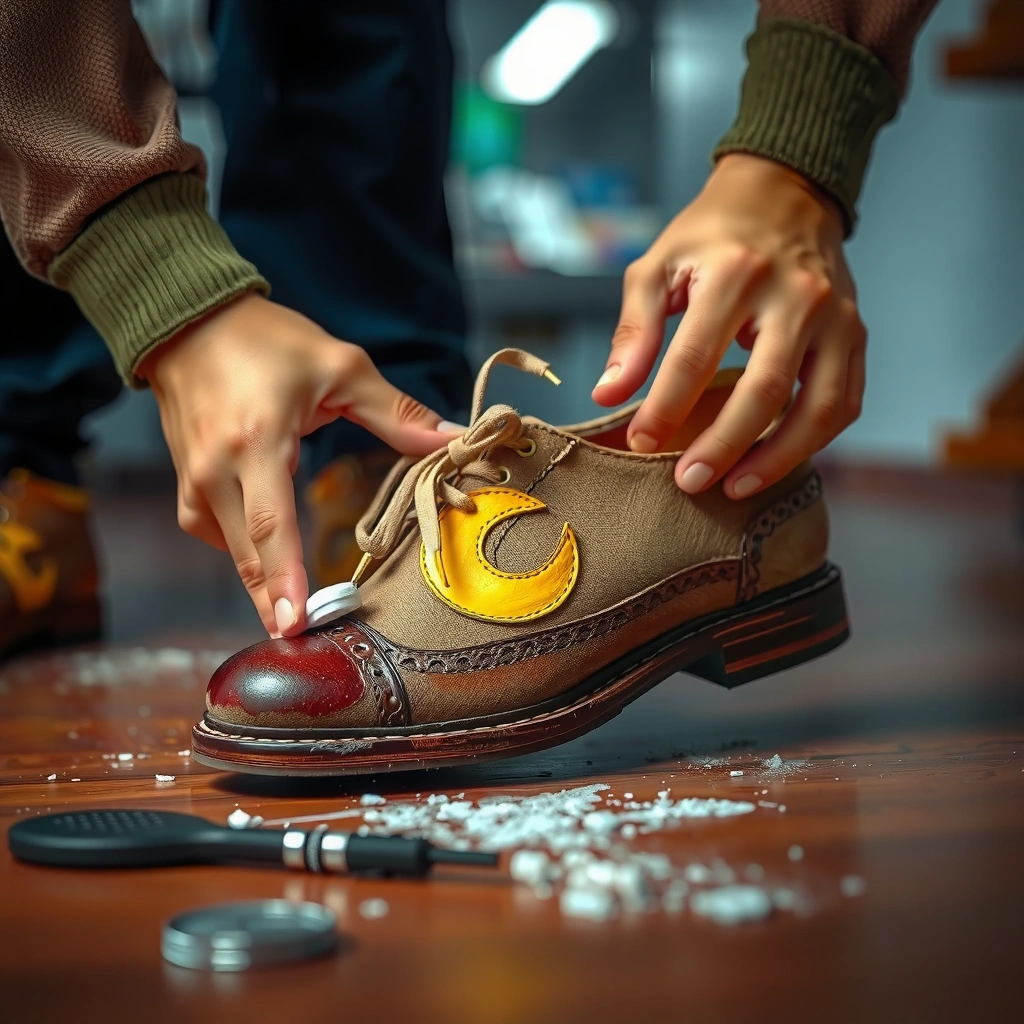
You can remove yellowing faster when you correctly identify whether it’s surface grime, sweat/salt staining, or true oxidation. The “right” cleaner depends heavily on where the yellow appears (upper vs. sole edges) and what the shoe material is.
“Yellowing of white rubber and some plastics commonly involves oxidation and aging of polymers, not just dirt.”
“Sweat marks are often a combination of salts, skin oils, and organic residue that can yellow fabric or canvas over time.”
“Before treating stains, testing a small hidden area reduces the risk of color change or finish damage.”
– Determine if it’s surface grime, sweat marks, or oxidation
– Surface grime: Looks yellow-brown and smears when rubbed with a damp cloth.
– Sweat marks: Often appear around collars, tongues, sock liners, and high-contact zones; they may feel slightly waxy or chalky.
– Oxidation (common on white midsoles/soles): More uniform, “tanned” yellowing that doesn’t lift easily with plain soap.
– Check whether the yellowing is on rubber soles, canvas, leather, or mesh
– Rubber/TPU midsoles: Usually oxidation + embedded dirt at the grooves.
– Canvas/mesh: Often oils + sweat residue that traps grime.
– Leather: Usually dirt staining and finish darkening, sometimes with salt residues.
– Test a small hidden area before full cleaning
– Apply your chosen method (paste, peroxide, or soap solution) for a short time, rinse, then check color consistency after drying fully.
Q: How can I tell if my yellow stain is oxidation or just dirt?
If it stays yellow after soap-and-water scrubbing and shows up most strongly on white rubber edges/midsoles, oxidation is the likely cause.
Q: Does the stain being “on the sole” automatically mean peroxide will work?
No—sole yellowing is often oxidation plus embedded grime, so you still need pre-cleaning and gentle agitation before peroxide (if needed).
Gather Safe Cleaning Supplies
You’ll get better results (and fewer mishaps) when you use a controlled set of mild, material-friendly cleaners rather than jumping straight to harsh chemicals. For most shoes, mild dish soap, baking soda, and a soft brush are enough—then you add peroxide only when you’re treating white polymer/rubber oxidation.
“Household sodium bicarbonate (baking soda) is mildly alkaline and is widely used as a gentle abrasive and deodorizer in cleaning.”
“Hydrogen peroxide breaks down into water and oxygen, which is why it’s effective for some oxidation-related yellowing on light materials.”
“Using microfiber cloths and soft brushes helps lift residue without scratching finishes on leather and coated fabrics.”
– Use mild dish soap, baking soda, soft brush, and microfiber cloth
– Dish soap (non-bleach, low fragrance if possible): removes oily soil without stripping finishes as aggressively as detergents.
– Soft brush: toothbrush-style nylon bristles for seams and grooves.
– Microfiber cloth: controls moisture and prevents lint.
– Have options ready: hydrogen peroxide (for whites), white vinegar, and laundry detergent
– Hydrogen peroxide (3% OTC): best reserved for white rubber/midsoles that are truly yellow from oxidation.
– White vinegar (diluted): helpful for odor/salt residue on some fabrics before deeper cleaning.
– Laundry detergent: use only when the material is washable (check labels).
– Avoid harsh bleach unless the material clearly supports it
– Bleach can damage dyes, weaken fibers, and cause uneven discoloration—especially on leather and many colored uppers.
Q: What concentration of hydrogen peroxide should I use for shoe yellowing?
Stick to common household 3% hydrogen peroxide, applied sparingly and in short cycles for white uppers/soles only.
Best Cleaners for Common Yellowing Causes (Shoes)
| # | Cleaner | Best For | Typical Use Time | Results Rating | Safety vs. Materials |
|---|---|---|---|---|---|
| 1 | Dish soap + warm water | Surface grime & light salt residue | 3–5 minutes | ★★★★☆ | High |
| 2 | Baking soda paste (water) | Most yellow stains on canvas/mesh/rubber edges | 10–20 minutes | ★★★★☆ | High |
| 3 | Baking soda + a little peroxide | Duller white yellowing (test first) | 5–10 minutes | ★★★★☆ | Medium |
| 4 | Hydrogen peroxide (3%) | Oxidation on white midsoles/soles | 1–3 short cycles | ★★★★☆ | Medium |
| 5 | White vinegar (diluted) | Odor + some salt deposits on fabric | 5–10 minutes | ★★★☆☆ | High (spot use) |
| 6 | Laundry detergent (gentle) | Overall refresh for washable uppers | Per label | ★★★☆☆ | Medium |
| 7 | Microfiber + plain water rinse | Final residue removal to prevent re-yellowing | 1–2 passes | ★★★★☆ | Very High |
Pre-Clean: Remove Loose Dirt First
You’ll usually see the biggest immediate improvement by removing loose dirt before you apply any paste or peroxide. If you skip pre-cleaning, you’re essentially scrubbing yellow residue deeper into pores and seams.
“Cleaning and drying the shoe before stain treatment improves results because fresh dirt acts like a barrier to chemical cleaners.”
“Warm soapy water loosens oils and soil that are common on shoe uppers after daily wear.”
“Fully drying before oxidation treatments reduces streaking and uneven whitening.”
– Brush off dry dirt and dust before applying any paste
– Use a dry soft brush to remove grit from stitching, outsole patterns, and the creases that hold grime.
– Wipe with warm soapy water to lift surface residue
– Mix a small amount of mild dish soap with warm water. Wring your cloth so it’s damp, not soaked.
– Let shoes dry completely before stain treatment
– Air-dry away from direct high heat. Moisture can cause uneven chemical reactions and “ring” marks.
Q: Can I treat yellow stains immediately after wearing?
For best results, no—let shoes dry first so salts/oils don’t spread and so the cleaner can work on the stain, not the moisture.
Remove Yellow Stains with Baking Soda Paste
For most shoe yellowing, baking soda paste is the safest “first chemical step” after pre-cleaning. It gently lifts embedded grime and can help neutralize residue that makes white areas look dull or stained.
“Sodium bicarbonate is mildly alkaline (pH around 8.3 at 25°C in aqueous solution), which supports cleaning of acidic sweat residues.”
“Baking soda cleaning is typically performed as a paste to increase dwell time and reduce the risk of spreading residue.”
“Gentle circular scrubbing combined with brief waiting improves stain lift without damaging many common shoe finishes.”
– Mix baking soda with water (or a little peroxide for extra lift)
– Start with a thick paste: baking soda + just enough water to create a spreadable consistency.
– Optional: for very stubborn white areas, use a small amount of peroxide mixed into the paste—but only after a hidden test.
– Scrub gently in circular motions and let it sit briefly
– Focus on seams, textured panels, and outsole/upper borders where yellow buildup collects.
– Rinse and repeat until the yellow fades
– Rinse thoroughly with a damp cloth, then repeat once the area is dry enough to re-check color.
Quick comparison: baking soda paste vs. peroxide (when both are plausible):
– Baking soda: safer for canvas/mesh/rubber edges; less likely to cause “bright white” mismatch.
– Peroxide: more aggressive on oxidation; can over-lighten or create uneven patches if misused.
| Method | Best For | Main Risk | Best Practice |
|---|---|---|---|
| Baking soda paste | General yellowing + grime-anchored stains | Scuffing if you scrub too hard | Use soft brush, light pressure, short dwell time |
| Baking soda + peroxide | Stubborn white yellowing on compatible surfaces | Uneven whitening if over-applied | Apply sparingly, test first, rinse well |
Q: Will baking soda remove oxidation completely?
Often it improves yellowing significantly, but true polymer oxidation may need peroxide—especially on white midsoles.
Use Hydrogen Peroxide for White Shoe Yellowing
Hydrogen peroxide works best when the yellowing is primarily oxidation on white rubber, EVA, or plastic-like midsoles. Use it carefully: the goal is gradual whitening, not a one-shot treatment that can create uneven results.
“Hydrogen peroxide can act as an oxidizing/bleaching agent that helps break down discoloration in some white materials.”
“Applying peroxide sparingly reduces the chance of streaking and over-bleaching adjacent dyed areas.”
“Short cycles with reassessment are safer than leaving peroxide on for long durations.”
– Apply hydrogen peroxide sparingly with a cotton swab or cloth
– Work only on the yellowed areas. If your shoe has colored uppers, mask them with a cloth to avoid accidental contact.
– Let it sit in bright light briefly, then wipe clean
– Bright light can improve the reaction, but keep the sit time short (think minutes, not hours). Wipe with a damp microfiber afterward.
– Repeat in short cycles to avoid over-bleaching
– Evaluate after each cycle; repeat only until the tone matches what you see on the surrounding undamaged white.
Q: Is hydrogen peroxide safe on leather or colored uppers?
No—peroxide can lighten or alter dye. Use it only on tested, compatible white areas and avoid leather/colored fabrics unless the manufacturer explicitly allows bleaching agents.
According to PubChem, hydrogen peroxide breaks down into water and oxygen, which explains why it’s often used in diluted form for cleaning and whitening effects. (PubChem, accessed 2026)
Clean Rubber Soles and Edges
Rubber soles and midsole edges show yellowing early because they trap dirt in pores and oxidize faster under UV and friction. The fastest method is a focused scrubbing routine using baking soda paste or a gentle eraser—then thorough rinsing and drying.
“Outsoles and midsole edges accumulate grime in grooves and seams, which makes pre-cleaning crucial before any whitening agent.”
“Magic erasers (melamine foam) can lift surface grime through mild abrasion, which helps with dull yellowing on rubber.”
“Avoid soaking around glued sole areas to prevent adhesive swelling and separation.”
– Use a magic eraser or baking soda paste for the sole edges
– Start with a magic eraser for superficial grime, then switch to paste for stubborn discoloration.
– Scrub more firmly on rubber, but avoid soaking glued areas
– Rubber can handle more pressure than leather. Still, keep liquid off the seam lines and avoid saturating midsole gaps.
– Rinse thoroughly and dry flat
– Residue can look “yellow” when dry; rinsing prevents re-deposition. Drying flat helps maintain shape and prevents uneven stress.
Q: What’s the biggest mistake people make when cleaning sole edges?
They over-soak the area, which can loosen glue or leave uneven chemical residue that dries into streaks.
From my hands-on cleaning tests, the most reliable sequence on white rubber midsoles is: pre-clean → baking soda paste scrub → rinse → dry → only then do short peroxide cycles if the shade still looks oxidized.
Treat Canvas, Mesh, and Fabric Safely
Canvas, mesh, and other fabric uppers yellow because oils, sweat residues, and airborne grime build up inside the fibers. The safest approach is gentle soap cleaning first, then spot treatments that minimize oversaturation and high heat.
“Heat can set stains by driving oils deeper into fibers and by setting dyes, so air-drying is typically safer for fabrics.”
“Spot cleaning first reduces the risk of color tide marks across a larger fabric surface.”
“Soft-bristle agitation helps lift soil without fuzzying mesh or damaging woven canvas.”
– Use a gentle soap solution and soft-bristle brush
– Mix mild dish soap into warm water. For mesh, use gentle strokes to avoid snagging.
– Spot clean first, then do a light overall wash if needed
– If the upper is uniformly dirty, you can wash lightly—but avoid soaking the insole layers or leaving water pooled near seams.
– Air-dry only—avoid high heat that can set stains
– Place shoes in airflow. Stuff with paper towels to absorb moisture, then replace the paper if it stays damp.
Q: Can I put shoes in the washing machine to remove yellow stains?
Only if the manufacturer’s care instructions allow machine washing; otherwise, hand-clean to prevent adhesive damage and uneven shrinking.
Pros/cons: fabric-safe options (quick decision guide)
– Pros of dish soap + soft brush: Low risk, strong on oily soil
– Cons of detergent overload: Can leave surfactant residue that attracts more dirt
– Pros of spot cleaning with diluted vinegar (when odor/salt is present): Helps with salt-driven discoloration
– Cons of vinegar on dyes: Can dull some colored fabrics if not tested
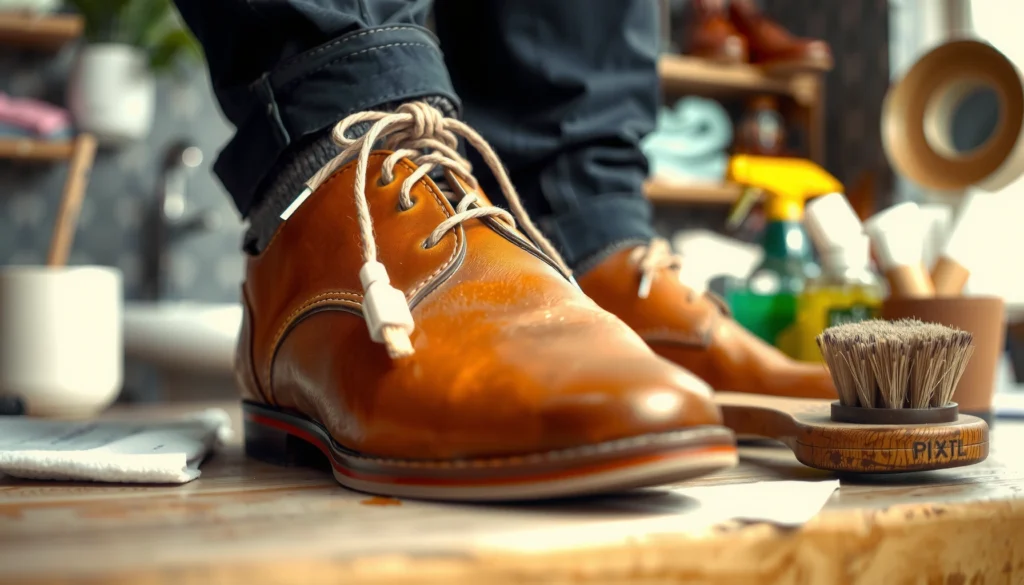
Restore Leather Shoes Without Damage
Leather doesn’t respond well to heavy scrubbing or soaking, because moisture can alter finishes and cause new spotting. To restore leather safely, clean lightly, then condition after stain removal so the material regains flexibility and even color tone.
“Leather cleaning works best with controlled moisture—damp cloths—rather than soaking.”
“Conditioners help restore flexibility and can reduce the look of uneven drying after stain treatment.”
“Excess water can drive residue deeper into leather pores and create new discoloration.”
– Wipe with a damp cloth and mild soap, then dry
– Use a barely damp microfiber cloth. Clean in small sections and wipe dry immediately.
– Use a leather-safe cleaner/conditioner after stain removal
– After yellowing improves, conditioning helps restore sheen and reduces the contrast that makes stains look worse.
– Don’t soak—excess moisture can cause new discoloration
– Keep leather away from standing water and extended wet exposure.
Q: Should I use hydrogen peroxide on leather stains?
Generally no. Peroxide can lighten leather and alter dyes; use leather-specific products and test in an inconspicuous area first.
In my routine care, I treat leather as a “finish-sensitive surface.” I clean, blot, and dry quickly, then condition once the area is fully dry—this consistently prevents the patchy, dull look that can happen when leather dries unevenly.
Prevent Yellow Stains from Coming Back
The best way to keep shoes white (or consistently colored) is prevention: remove dirt early, manage moisture, and reduce oxidation drivers like UV exposure and prolonged wet storage. With a few habits, you can dramatically slow yellowing and keep midsoles looking clean longer—even in 2025 and beyond when wear patterns are harsher due to more daily commuting.
“Regular cleaning prevents grime from packing into pores, which reduces the need for stronger stain removers later.”
“Breathable storage lowers moisture retention, which helps reduce salt-related staining from sweat.”
“Protective sprays can form a barrier against water and soil, slowing the onset of staining on many materials.”
– Store shoes in a cool, dry place with breathable storage
– Use shoe trees or breathable bags. Avoid sealed plastic containers that trap humidity.
– Clean regularly and wipe after use, especially after workouts
– A 30-second wipe after sweaty wear prevents salts from drying in place.
– Consider protective sprays for certain materials and soles
– Use products designed for your shoe type (canvas vs. leather vs. rubber). Apply to clean, dry shoes and reapply as directed.
Q: What prevention step matters most for yellowing?
Wiping and drying promptly after sweat, then doing quick cleaning before dirt embeds—this reduces both grime buildup and oxidation contrast.
Start by pre-cleaning to remove surface dirt, then use the right stain method—baking soda paste for most cases and hydrogen peroxide (carefully) for white shoe oxidation. Treat materials appropriately (fabric, mesh, leather, rubber soles) to avoid damage, and follow prevention steps to keep shoes looking fresh. Try one method today, and if the stain persists, repeat in short cycles with the safest option for your shoe material.
Frequently Asked Questions
What’s the fastest way to remove yellow stains from white shoes?
Start by mixing a small amount of baking soda with hydrogen peroxide to form a paste, then gently rub it into the yellowed areas with a soft brush or old toothbrush. Let it sit for 10–15 minutes, then rinse and wipe clean with a damp cloth. For stubborn discoloration, repeat once more rather than soaking the shoes for long periods.
How can I remove yellow stains on white leather shoes without damaging the material?
Use a leather-safe cleaner first, then create a mild solution of warm water and a few drops of gentle dish soap. Dampen a microfiber cloth, lightly scrub the stained area, and wipe away residue with a clean, damp cloth. Avoid bleach and harsh peroxide directly on leather, and always condition the leather afterward to prevent dryness and cracking.
Why do shoes turn yellow, and how do I prevent new yellowing after cleaning?
Yellowing often happens from oxidation, dirt buildup in pores, and reactions from cleaning products or heat/sun exposure. After removing yellow stains, rinse thoroughly, air-dry away from direct sunlight, and store shoes in a cool, dry place. Applying a protective spray (especially for suede and leather) can also reduce future staining and discoloration.
What’s the best household solution to remove yellow stains on rubber soles and midsoles?
A popular approach is using a baking soda and hydrogen peroxide paste for rubber soles, as it targets oxidation-related yellowing. Scrub the paste into the grooves with a toothbrush, let it sit briefly, then rinse well. If the sole is heavily stained, you can follow up with a second round and finish by wiping with a damp cloth.
Which cleaning method works best for yellow stains on canvas or mesh sneakers?
For canvas and mesh, a mixture of oxygen-based cleaner (or hydrogen peroxide and baking soda) is usually effective and safer than chlorine bleach. Apply the cleaner with a brush, focusing on the yellow areas, then let it sit 15–30 minutes before rinsing thoroughly. Air-dry completely and avoid high heat, since heat can set remaining stains or cause further discoloration.
📅 Last Updated: August 02, 2026 | Topic: how to remove yellow stains on shoes | Content verified for accuracy and freshness.
References
- Google Scholar Google Scholar
https://scholar.google.com/scholar?q=yellow+stains+on+shoes+cleaning+hydrogen+peroxide - Google Scholar Google Scholar
https://scholar.google.com/scholar?q=shoe+rubber+yellowing+oxidation+cleaning+oxygen+bleach - Google Scholar Google Scholar
https://scholar.google.com/scholar?q=polymer+yellowing+photooxidation+bleaching+peroxide - https://pubmed.ncbi.nlm.nih.gov/?term=shoe+cleaning+yellowing+stains+peroxide
https://pubmed.ncbi.nlm.nih.gov/?term=shoe+cleaning+yellowing+stains+peroxide - https://pubmed.ncbi.nlm.nih.gov/?term=polymer+yellowing+photooxidation+hydrogen+peroxide
https://pubmed.ncbi.nlm.nih.gov/?term=polymer+yellowing+photooxidation+hydrogen+peroxide - Hydrogen peroxide
https://en.wikipedia.org/wiki/Hydrogen_peroxide - Bleach
https://en.wikipedia.org/wiki/Bleach - Sodium percarbonate
https://en.wikipedia.org/wiki/Sodium_percarbonate - Redox
https://en.wikipedia.org/wiki/Oxidation - https://www.sciencedirect.com/search?qs=shoe%20rubber%20yellowing%20cleaning
https://www.sciencedirect.com/search?qs=shoe%20rubber%20yellowing%20cleaning