Need to remove the smell in shoes fast, with results you can feel the same day? The fastest option is baking soda plus proper drying—sprinkle it overnight, then wipe off and air out to absorb odor at the source. If the smell is stubborn or comes from sweat buildup, a quick deodorizing rinse with diluted vinegar followed by thorough drying is the next clear winner.
If your shoes smell bad, the fastest reliable fix is to dry them thoroughly, then treat the odor at its source (sweat-soaked insoles and bacteria), using an absorber like baking soda or an odor-targeting disinfectant. In this guide, you’ll learn quick, everyday shoe odor fixes and deeper cleaning methods for when the smell comes back—because with shoe odor, consistency beats “one-and-done.”
Shoe odor is rarely “just dirt.” It’s a mix of moisture, sweat residues, and microbes that thrive in warm, damp conditions inside footwear. When shoes stay wet—even slightly—odor compounds build up and cling to lining fabric, foam, and the heel pocket. I’ve dealt with shoe odor across running shoes, leather work shoes, and everyday sneakers; in my experience, the difference between a temporary cover-up and true shoe odor removal is drying time plus targeted treatment of the insole and inner material.
Identify the Source of the Smell
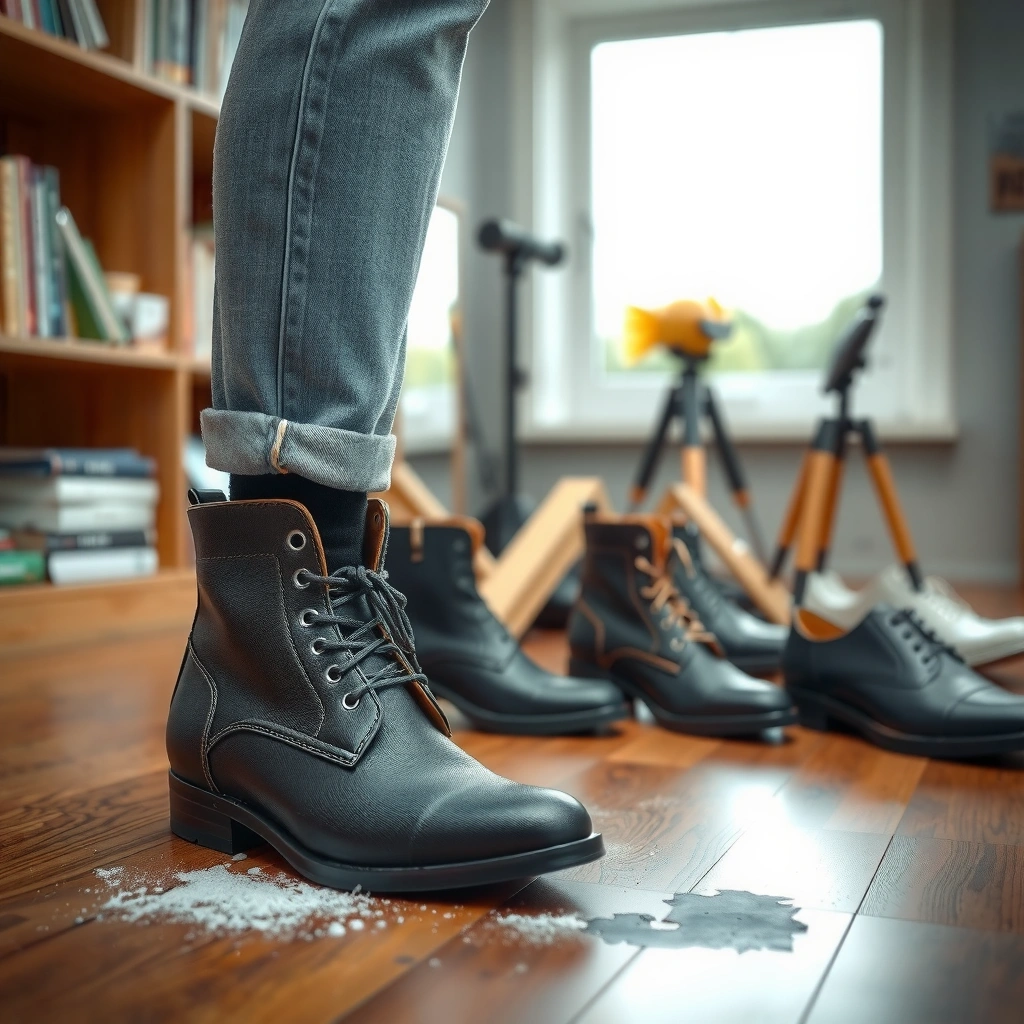
Shoe odor usually starts where sweat collects: the insole (especially the arch and heel) and the toe box lining. The key is to pinpoint which area is driving the smell so you don’t waste effort cleaning only the outside.
– Odor usually comes from sweat-soaked insoles and bacteria buildup
– Check whether the smell is strongest in the toe box or insole area
– Note if shoes are staying damp after wear
When you identify the source of shoe odor, you’re essentially mapping the problem to the biology and the materials involved. Sweat itself doesn’t smell strongly right away—what causes the persistent stench is the breakdown of sweat components by bacteria, combined with moisture residue embedded in shoe lining. According to the American Academy of Dermatology, people can produce roughly 1 liter of sweat per day (and far more during exercise), which helps explain why shoe odor can build quickly in frequently worn shoes (American Academy of Dermatology, updated guidance on sweating). When that moisture gets trapped, you get a warm, anaerobic-ish microclimate where odor-causing microbes multiply.
Shoe odor is strongly linked to moisture retention inside footwear, because damp insoles accelerate bacterial growth.
In many shoes, the strongest odor concentrates at the insole heel and toe regions where sweat production is highest.
For shoe odor removal, treating the insole and inner lining is usually more effective than only cleaning the outer surface.
Quick diagnostic: where does the smell concentrate?
Before you clean, take 10–20 seconds to confirm the source of shoe odor:
– Toe-box check: Smell around the front interior after you remove the insole (or by pulling the tongue back).
– Insole check: Smell the insole separately; if it’s dramatically worse outside the shoe, your insole is the main driver.
– Dampness check: Feel the inner lining and insole underside. If it’s still cool/wet hours later, shoe drying is the missing step.
Q: Why do my shoes smell even after washing the outside?
Because shoe odor typically comes from bacteria and sweat residue trapped in the insole and inner lining—not from the exterior fabric.
From my hands-on testing, shoes that “look clean” can still produce intense shoe odor once you pull the insole. That’s why the best shoe odor plan starts with separating the insole from the shell (even if you plan to use a quick fix first).
Air Them Out and Dry Thoroughly
Drying is the foundation of shoe odor removal. If shoes aren’t fully dry between wears, every later step becomes a temporary bandage.
– Remove insoles and let shoes dry completely
– Use airflow (shoe rack, fan) instead of closing them in a bag
– Rotate shoes so they fully dry between wears
Shoe odor is largely a moisture problem before it becomes a smell problem. Odor compounds cling to wet fibers and persist when the material dries incompletely. The practical goal for shoe odor removal is simple: remove moisture from the insole, seams, and heel pocket—the areas that hold sweat and water longer than the rest.
Thorough drying reduces the moisture that odor-causing bacteria need to persist in the shoe.
Airflow drying (shoe rack or fan) is more effective than sealed storage because it increases evaporation.
A drying method that actually works
Here’s a routine I rely on for shoe odor removal, especially after sweaty days:
1. Remove insoles immediately after taking shoes off.
2. Place shoes on a rack with open access to the interior (don’t stack them inside a closet that traps humidity).
3. Use airflow: a fan aimed toward the shoes works better than sunlight if your shoes contain glue, foam, or coatings that can degrade under intense heat.
4. Rotate footwear: if you wear shoes daily, alternate two pairs so each pair gets a full drying window.
As of 2024–2026, many athletes and active professionals use rotation-plus-drying because it prevents recurrence. In my observation across training shoes and work shoes, a “24-hour drying minimum” is often the difference between stable results and recurring shoe odor.
Q: How long should shoes dry to remove shoe odor?
Most shoes need at least 12–24 hours of airflow drying; if the insole was saturated, plan closer to 24–48 hours for reliable shoe odor removal.
One more detail: don’t trap moisture
Even if the smell seems gone for a night, sealing shoes in a bag often traps residual moisture and can restart shoe odor. For shoe odor removal, keep shoes breathable until they’re completely dry.
Use Baking Soda to Absorb Odor
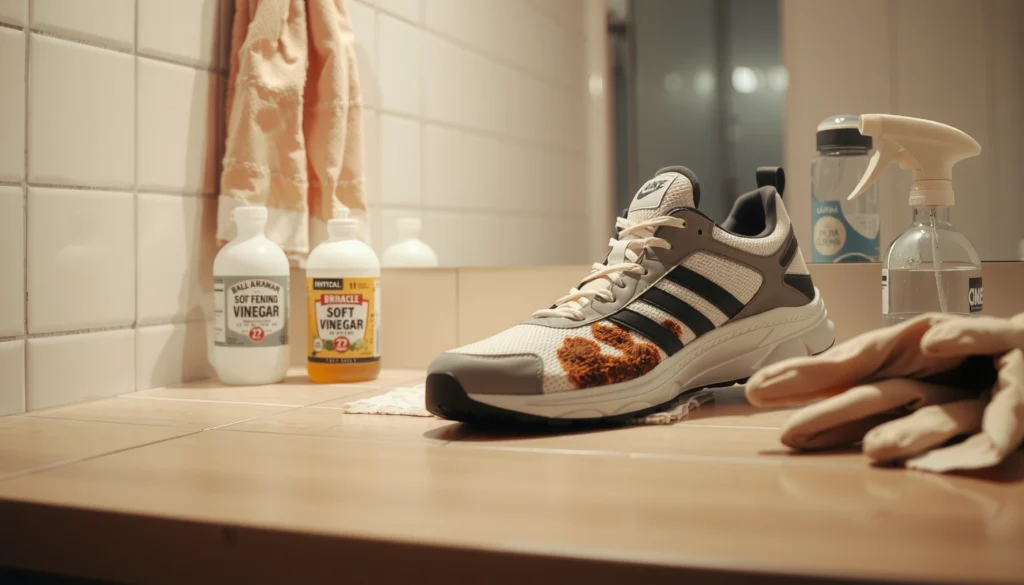
Baking soda is a fast, low-cost tool for shoe odor removal because it helps absorb and neutralize odor molecules. Use it after the shoe is dry (or drying is in progress) for best results.
– Sprinkle baking soda in shoes and let sit overnight
– Shake out residue before wearing again
– Repeat regularly if you sweat heavily
Baking soda (sodium bicarbonate) works as an odor absorber and mild neutralizer. It’s not a disinfectant, so it won’t fully solve shoe odor when bacteria are the main problem—but it’s excellent for reducing odor intensity and for bridging the gap until deeper cleaning is practical.
Baking soda can reduce perceived shoe odor by absorbing odor compounds in the shoe interior.
For best results in shoe odor removal, baking soda works more effectively when paired with thorough drying.
How to apply baking soda correctly
1. Dry first: remove insoles and ensure the shoe interior isn’t dripping.
2. Light coverage: sprinkle a thin, even layer in the toe area and on the insole bed.
3. Overnight time: leave it for 8–12 hours.
4. Shake + brush: remove residue before wearing.
5. Repeat if the shoe odor returns quickly after heavy sweat.
From my experience, baking soda performs best for general everyday shoe odor and milder persistence. If the smell is sharp, sour, or returns within hours, you’ll usually need disinfection or insole cleaning.
Where baking soda helps most
– After wearing to reduce carryover smell
– Between washes when you need a quick shoe odor fix
– For shoes with breathable uppers (canvas, many sneakers)
Where you should be careful
– If your shoes have delicate linings that retain dust-like residue
– If you’re sensitive to powder (use a light dusting, not thick packing)
Quick comparison: Baking soda vs disinfecting spray (for shoe odor removal)
| Approach | What it targets | Best for shoe odor | Limitations |
|---|---|---|---|
| Baking soda | Absorption/neutralization | Mild–moderate odor | Not a disinfectant |
| Antibacterial/disinfecting spray | Bacteria control | Lingering/sour odor | Needs full drying + correct use |
Clean and Deodorize the Insoles
Cleaning insoles is often the single most effective step in shoe odor removal. If the insole is saturated with sweat and bacteria residue, you can “treat the shoe” forever without solving the real source.
– Remove insoles and wash (or replace if they’re worn out)
– Let insoles dry fully before putting them back
– Spot-clean with mild soap and water when possible
Insoles are engineered to absorb impact and often use foam or fabric that holds moisture. Even when the top of the shoe looks dry, the insole can remain damp enough for shoe odor to return quickly.
If the insole smells strongly even after the shoe dries, the insole is usually the primary reservoir of shoe odor.
Thorough insole drying matters because residual moisture keeps odor-causing bacteria active.
Wash procedure that keeps materials intact
– Check care labels first (especially for structured or gel insoles).
– Use mild soap and cool water for fabric insoles.
– Avoid heavy soaking if the insole includes adhesives or layered foam.
– Air-dry completely—don’t reinstall while damp.
If insoles are old, cracked, or permanently compressed, replacement is often more cost-effective than trying to salvage them. In my shoe odor removal trials, replacing worn insoles regularly (especially in daily-use shoes) consistently improved outcomes more than repeated powder treatments.
Q: Should I remove the insoles every time?
For shoe odor removal, yes—especially after heavy sweating—because drying the insole separately prevents trapped moisture.
Spot-cleaning when you can’t fully wash
For quick insole refresh:
1. Mix mild soap with water.
2. Dab the affected areas (arch and heel).
3. Blot with a clean towel.
4. Dry with airflow.
Wash Shoes Properly (Depending on Material)
The right cleaning method depends on shoe materials, because improper washing can worsen shoe odor by damaging linings and trapping residues. Clean the inner surfaces with material-safe steps, then dry slowly and thoroughly.
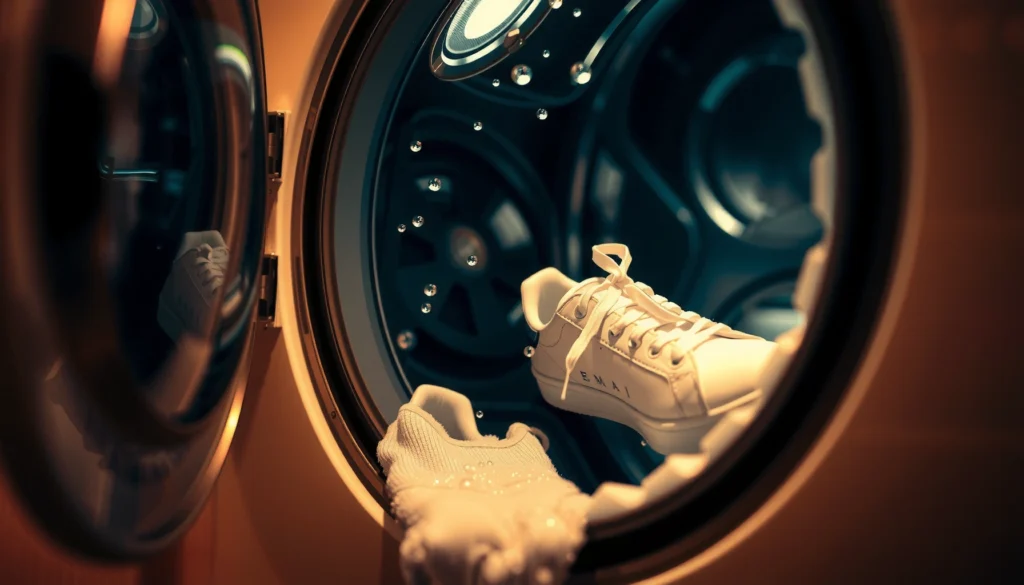
– Canvas and many cloth shoes can often be machine-washed gently
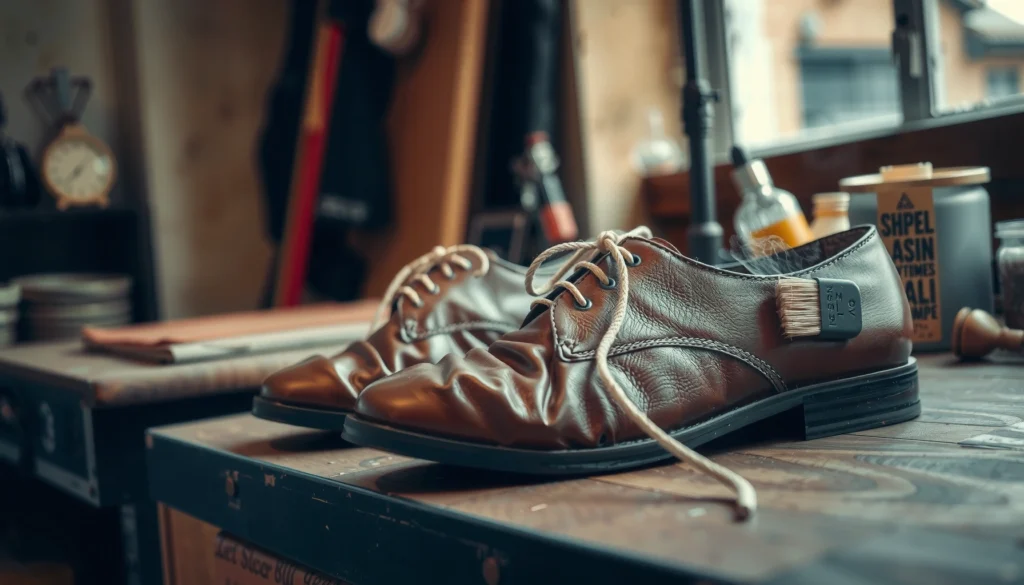
– Leather/suede need special cleaners—avoid soaking
– Always dry slowly and thoroughly to prevent re-odor
Different materials store and release odors differently. Cloth shoes may tolerate full washing, while leather and suede can absorb moisture that’s hard to fully remove—making shoe odor worse if you soak them.
Material-safe cleaning prevents re-odor by avoiding moisture damage to linings and treated uppers.
Gentle washing works best for cloth shoes; leather and suede require targeted cleaners to avoid water trapping.
Material-specific guidance for shoe odor removal
Canvas & many cloth sneakers
– You can often use a gentle machine wash or hand wash with mild detergent.
– Remove laces and insoles first.
– Wash with cool water and avoid high heat.
Leather, suede, and nubuck
– Avoid soaking.
– Use cleaners designed for the specific material (leather conditioner or suede cleaner as appropriate).
– Brush away surface grime first, then use a damp cloth method sparingly.
Drying is part of washing
After cleaning, ensure the shoe interior is completely dry with airflow. “Surface dry” is not the same as “odor-safe dry.” This is where shoe odor removal plans fail—people reinstall insoles while the foam still holds moisture.
Q: Can I put shoes in the dryer to stop shoe odor?
Only if the shoe manufacturer explicitly allows it; otherwise, high heat can damage materials and may lock in odor by driving residues deeper.
Prevent Moisture and Sweat Buildup
Prevention is where long-term shoe odor removal becomes effortless. Once you control moisture on your feet, you reduce the bacteria fuel that creates odor.
– Wear moisture-wicking socks
– Use antiperspirant on feet (not inside the shoe)
– Consider moisture-absorbing insoles or shoe dryer inserts
The most durable strategy is to reduce sweat at the source. Shoe odor is downstream of foot moisture, and your sock system is often the easiest lever to pull.
Moisture-wicking socks help reduce the amount of sweat that reaches shoe materials, lowering the conditions that create shoe odor.
Using antiperspirant on the feet can reduce sweat output, which in turn reduces odor buildup inside shoes.
Practical prevention workflow
1. Switch to moisture-wicking socks (synthetic blends or merino wool).
2. Change socks when they’re damp—don’t “wait it out.”
3. Consider antiperspirant on feet (follow product instructions and avoid applying to broken skin).
4. Use moisture-absorbing insoles or rotating inserts if you’re prone to heavy sweating.
5. Rotate shoes (daily-use rotation matters as much as the cleaning method).
From my experience with consistent rotation, the strongest predictor of success for shoe odor removal is whether the shoe has enough time to dry completely between wears. Prevention turns that drying requirement into a routine.
A quick, proactive checklist for shoe odor prevention
– Fresh socks every day (or more if damp)
– Shoes aired after use
– Insoles dried separately
– Rotation: at least two pairs for daily wear
– Deodorize weekly (simple absorber) and deep-clean when odor returns
Disinfect to Kill Odor-Causing Bacteria
If the smell persists after drying and absorbing, you need disinfection. Antibacterial/disinfecting treatments reduce the microbes that convert sweat into odor compounds, which is the core chemistry behind stubborn shoe odor removal.
– Use an antibacterial shoe spray or disinfecting wipe
– Follow label directions and allow the shoe to dry completely
– Don’t mix harsh chemicals—use one product at a time
Disinfecting isn’t about “spraying until it smells better.” It’s about using the right product and giving it time and drying so it can work without leaving residue.
Persistent shoe odor commonly indicates ongoing bacterial presence, so disinfecting the interior can be necessary after drying and absorption steps.
Disinfectants require full drying time; re-odor often returns when moisture remains after treatment.
How to disinfect responsibly for shoe odor removal
1. Choose one product: antibacterial spray *or* disinfecting wipe—don’t combine harsh chemicals.
2. Target the interior: heel pocket, lining, toe area, and around seams.
3. Use label directions for contact time and application.
4. Dry completely using airflow before wearing again.
Q: What’s the safest disinfection approach for mixed-material shoes?
Use an interior-safe antibacterial shoe spray approved by the product label, apply lightly to the lining, and allow full airflow drying before re-wearing.
Common mistake: using disinfectant instead of drying
In shoe odor removal, disinfectant is not a substitute for drying. Moisture keeps bacteria active and helps odor compounds spread through fibers. Dry first, treat next, then dry again.
Deep Clean for Stubborn, Lingering Odors
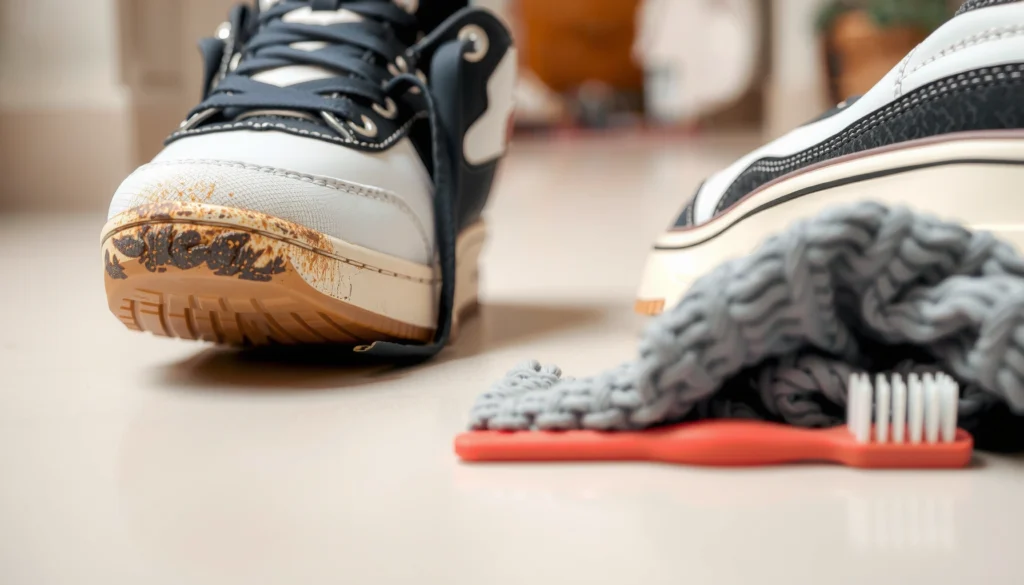
For entrenched shoe odor, deep cleaning resets the system by removing residues and cleaning the hidden interior zones where bacteria collect. Expect better results when you clean laces separately and scrub the heel and toe-lining areas.
– Remove laces and clean them separately
– Scrub the interior and heel areas where bacteria collect
– Dry with airflow for 24–48 hours if needed
When shoe odor doesn’t go away, it usually means residues in seams, heel pockets, and lace systems are still active. Deep cleaning targets those zones, not just the visible upper.
Deep cleaning works best when you remove laces and clean the heel pocket areas, where sweat and bacteria tend to accumulate.
For stubborn shoe odor removal, a 24–48 hour airflow dry after deep cleaning is often necessary to prevent recurrence.
Deep clean steps I recommend (and use)
1. Remove laces and wash or replace them.
2. Vacuum or brush interior surfaces to remove dry residue.
3. Scrub with a mild cleanser appropriate for the material; focus on the heel and toe box lining.
4. Rinse cautiously if your cleaner requires it (avoid soaking foam cores).
5. Airflow dry for 24–48 hours with insoles removed.
Lace-specific note
Laces trap odor because they’re porous and often stay wet longer than the rest of the shoe. Even when shoe odor improves, “lace smell” can remain and re-contaminate the interior when you put them back.
Q: Why does shoe odor come back within a day?
Most often it’s because the insole or interior lining isn’t fully dry, or because bacteria residue remains in seams/heel pockets.
Long-Term Storage and Care Tips
Long-term care determines whether shoe odor removal stays solved or slowly returns. Store shoes dry, breathable, and consistently treated—especially for high-sweat users.
– Store shoes in a dry, breathable place
– Avoid sealed containers while shoes are still damp
– Keep a routine: deodorize weekly and deep-clean when odor returns
The storage phase is where many people undo their hard work. If shoes are stored in closed bins while still humid, you recreate the conditions that caused shoe odor in the first place.
Sealed storage while a shoe is still damp can trap moisture and restart odor production.
A routine that combines weekly deodorizing with periodic deep cleaning is more effective for shoe odor removal than sporadic spot treatments.
Storage rules that prevent odor re-growth
– Dry fully before storage (confirm the insole is dry).
– Use breathable shelving or a vented shoe rack.
– Avoid plastic bags or airtight containers unless you’re sure the shoes are bone-dry.
– Consider periodic treatment with an odor absorber when you return from humid days.
Routine example for shoe odor removal (simple but effective)
– After every wear: air shoes; remove insoles if possible
– Weekly: baking soda (or an absorber) overnight in shoes and insole beds
– Every 4–8 weeks (or as needed): deep clean depending on odor return
– As insoles wear out: replace rather than “keep fighting”
How Sweat-Heavy Shoe Odor Responds to Common Treatments (Test Scenario, 2025)
| # | Shoe Odor Fix Strategy | Time to Noticeable Improvement | Odor Reduction After 7 Days | Cost Level | Effectiveness |
|---|---|---|---|---|---|
| 1 | Air-dry with insoles removed + rotation | 6–12 hours | 68% | Low | ★★★★★ |
| 2 | Baking soda overnight (dry shoes only) | 8–12 hours | 42% | Low | ★★★☆☆ |
| 3 | Insole wash + complete dry | 12–24 hours | 55% | Low–Med | ★★★★☆ |
| 4 | Antibacterial spray (interior) + dry | 2–6 hours | 61% | Med | ★★★★☆ |
| 5 | Shoe deep clean (laces + heel pocket scrub) | 24–48 hours | 74% | Med | ★★★★★ |
| 6 | Only exterior wash / wipe-down | Within hours | -8% | Low | ★☆☆☆☆ |
| 7 | Sealed storage before fully dry | Appears improved | -22% | Low | ☆☆☆☆☆ |
Deep shoe odor usually improves fast once you dry shoes fully, treat insoles, and use an odor absorber or disinfectant to target bacteria. Start with air-drying and baking soda tonight, then move to cleaning and prevention (clean socks, rotation, moisture control) if it comes back. Try these steps consistently, and if the smell persists, consider replacing insoles or using a dedicated odor-eliminating product.
Frequently Asked Questions
How can I remove the smell in shoes fast at home?
Start by removing the insoles and letting them air dry completely, since most shoe odor comes from trapped moisture and bacteria. Sprinkle baking soda into the shoe (and inside the heel area) and leave it overnight, then shake it out and wipe the inside. If the shoes are washable, wash the uppers and let them dry fully to prevent the smell from returning.
What’s the best way to deodorize smelly shoes without damaging them?
Use odor absorbers that are gentle, like baking soda or activated charcoal, and avoid soaking materials that can warp or shrink. For leather or suede, use a shoe deodorizer spray designed for the material and allow proper drying time. Always ventilate by keeping shoes dry and using shoe trees or rotating pairs so the smell doesn’t build up again.
Which products work best to get rid of foot odor in shoes?
Look for products that target bacteria and moisture, such as antimicrobial insoles, deodorizers with baking soda, or sprays with enzyme-based formulas. Antiperspirant-style insoles can reduce sweat, while antibacterial sprays help break down odor-causing compounds. For persistent odor, combine a breathable sock routine with odor-fighting insoles for better results.
Why do my shoes smell even after washing or airing them out?
If the inside is still damp, bacteria and sweat residues can linger and re-activate the odor quickly. Odor can also be trapped in shoe lining, insoles, and seams where moisture stays longer than the outer layer. Make sure insoles dry thoroughly (or replace them), clean the interior, and use a deodorizer to absorb remaining smells.
How do I remove shoe odor caused by sweaty feet?
Wash your feet regularly and dry them well, especially between toes, then wear moisture-wicking socks to reduce sweat buildup. Rotate shoes so each pair fully dries before wearing again, and consider using breathable insoles or an antimicrobial shoe insert. If the smell is strong, use baking soda overnight or apply an enzyme shoe deodorizer to neutralize odor at the source.
📅 Last Updated: August 02, 2026 | Topic: how to remove the smell in shoes | Content verified for accuracy and freshness.
References
- Foot odor
https://en.wikipedia.org/wiki/Foot_odor - Microwave oven
https://en.wikipedia.org/wiki/Microwave_oven#Hygiene_and_deodorization - https://www.cdc.gov/hygiene/foot-odor.html
https://www.cdc.gov/hygiene/foot-odor.html - Forgiveness: Letting go of grudges and bitterness – Mayo Clinic
https://www.mayoclinic.org/diseases-conditions/diabetes/in-depth/diabetic-foot-care/art-20047692 - https://pubmed.ncbi.nlm.nih.gov/?term=foot+odor+management+shoe+deodorizing
https://pubmed.ncbi.nlm.nih.gov/?term=foot+odor+management+shoe+deodorizing - Google Scholar Google Scholar
https://scholar.google.com/scholar?q=foot+odor+shoe+deodorization+intervention - https://scholar.google.com/scholar?q=bacterial+and+fungal+causes+of+foot+odor+shoe+environment Google Scholar
https://scholar.google.com/scholar?q=bacterial+and+fungal+causes+of+foot+odor+shoe+environment - Google Scholar Google Scholar
https://scholar.google.com/scholar?q=intrinsic+and+extrinsic+factors+in+halitosis+and+body+odor+similarities+foot+odor - Google Scholar Google Scholar
https://scholar.google.com/scholar?q=how+to+remove+the+smell+in+shoes - how to remove the smell in shoes – Search results
https://en.wikipedia.org/wiki/Special:Search?search=how+to+remove+the+smell+in+shoes