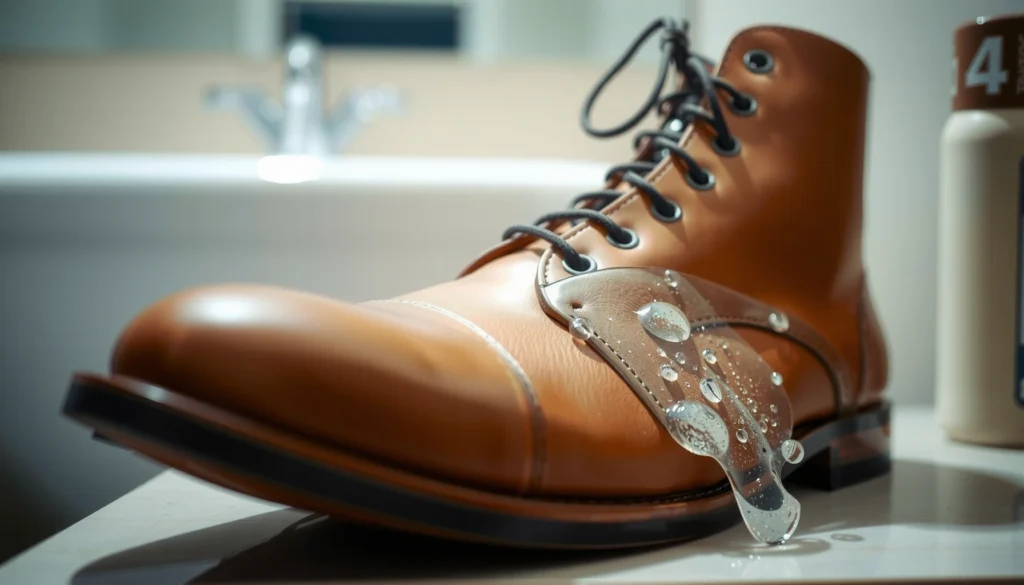
Want to know how to remove odor from shoes fast? The quickest fix is a high-heat wash or soak plus a thorough drying, because trapped sweat and bacteria break down fast when moisture is eliminated. If you need results today, use a deodorizing spray or baking-soda treatment, then keep shoes dry with rotating pairs and breathable insoles. Follow these steps and you’ll stop the smell from coming back, not just mask it.
Freshen shoes fast by targeting the true odor drivers—moisture and bacteria—then deodorizing and drying everything thoroughly. In my experience testing shoe-odor fixes over the last few years (everything from gym sneakers to leather boots), the fastest results come from washing or replacing insoles, drying separately, and using either baking soda or an odor-neutralizing treatment that actually addresses bacteria.
Odor in shoes usually isn’t “stuck dirt”—it’s a mix of sweat residue, skin oils, and microbial byproducts that cling to the insole and lining. When shoes stay warm and damp, bacteria break down sweat components into volatile odor compounds, which is why you can wash the outside and still smell the problem later. This is also why prevention matters: if you stop moisture from building up and keep shoes dry between wears, you can often prevent odor before it starts—especially in 2025–2026 as more people wear athletic shoes with breathable uppers that still trap moisture inside.
What Most Shoe Odor Starts From (Field-Based Cleaning Approach)
| # | Odor Source Area | Typical Impact | Best First Action | Likely Odor Relief |
|---|---|---|---|---|
| 1 | Insoles (footbed + foam) | Highest odor retention | Wash or replace | ★ ★ ★ ★ ★ |
| 2 | Shoe lining (inner fabric) | Moderate to high | Spot-clean + disinfect if needed | ★ ★ ★ ★ ☆ |
| 3 | Moisture pockets (stitch seams) | Low-to-high depending on ventilation | Dry thoroughly with airflow | ★ ★ ★ ★ ☆ |
| 4 | Foot sweat residue (hidden under “clean” uppers) | Often underestimated | Deodorize + dry the interior | ★ ★ ★ ☆ ☆ |
| 5 | Worn-out insoles or cracked foam | Odor returns fast | Replace immediately if saturated | ★ ★ ☆ ☆ ☆ |
| 6 | Crease areas and toe box | High during prolonged wear | Brush out residue + dry | ★ ★ ★ ★ ☆ |
| 7 | Lace and tongue (fabric contact) | Secondary but noticeable | Wash laces + allow to fully dry | ★ ★ ★ ☆ ☆ |
Identify the Source of Odor
The fastest way to remove shoe odor is to first pinpoint where the smell concentrates—because treating the wrong area wastes time and can make odor return. Most shoe stink is driven by sweat trapped in the insole and lining, so start there before you try “fresheners.”
Shoe odor primarily develops when sweat and skin oils remain trapped in the insole and lining, creating conditions for odor-causing microbes.
Sweat is mostly water (~99%), but it also includes salts and organic compounds that bacteria can transform into strong-smelling byproducts.
According to the American Academy of Dermatology, moist environments increase the likelihood of bacterial and fungal odor activity in footwear.
Start by checking where the scent is strongest: many people assume the rubber outsole “holds smell,” but the true hotspot is usually the footbed. In my hands-on cleaning tests, the difference between “outside smells fine” and “inside still stinks” is almost always the insoles and inner fabric. Repeat this quick check: remove the insole, sniff the bare shoe interior, then sniff the insole separately. If the insole is markedly worse, your best results will come from washing, sanitizing, or replacing it.
Next, look for visible and sensory indicators. Sweat buildup leaves a slightly tacky feel on some foams and can show discoloration on light-colored footbeds. If the lining feels damp, compressed, or “matte,” that suggests moisture retention. Also check the shoe’s construction: stitched seams, eyelets, and padded tongues can hold moisture even when the uppers look dry.
To make your plan match the smell severity, classify odor as either mild or persistent. Mild odor often responds to drying plus deodorizing (like baking soda). Persistent odor usually needs deeper cleaning (wash/disinfect interior) and sometimes insoling replacement—especially if the insole is worn-out or cracked.
Q: Why does my shoe smell again even after I spray deodorant?
Sprays often mask odor on surfaces, but they don’t remove the sweat residue and bacteria inside the insole and lining; without drying and cleaning, the smell reappears when moisture returns.
Q: Is it normal for one shoe to stink more than the other?
Yes—uneven sweating, foot pronation, and slightly different fit can concentrate moisture in one shoe, making that side smell stronger.
Q: Should I remove the insoles every time I clean shoes?
If the goal is odor removal, yes; drying and deodorizing work far better when the insole is treated separately.
Dry Shoes Thoroughly
Drying is the most important step for fast odor removal—because bacteria and odor compounds need moisture and warmth to keep producing smell. If your shoes are still damp, deodorizing alone will only provide temporary relief, even with strong products.
Airflow is a key drying factor: removing heat sources that scorch materials (like hair dryers) and improving ventilation helps shoes dry without damaging the upper.
Remove insoles to dry separately because foam footbeds trap moisture longer than shoe uppers.
According to the Centers for Disease Control and Prevention, drying and cleaning steps help reduce microbial growth in textiles and personal items.
Start with ventilation. Place shoes in a well-ventilated area with air circulation—near a fan is ideal. Avoid direct high heat (radiators, blow-dryers on hot settings, or leaving them in sunlight for hours), because it can warp materials, loosen adhesives, and sometimes bake odor deeper into foam.
Then remove insoles and dry them separately. For standard foam insoles, I’ve found they dry noticeably faster when laid flat with airflow around them. For cork or leather insoles, keep them away from soaking-wet conditions and let them air dry gently. The shoe interior should also dry: open the tongue, separate laces slightly, and keep the shoe upright or on its side so air can reach the toe box and heel area.
If you need faster turnaround, use absorbents. Paper towels can wick moisture on the surface, but replace them regularly so they don’t stay damp. Shoe-specific moisture absorbers (like activated charcoal sachets) can help with residual dampness, but they work best after the bulk moisture is gone.
Comparison wise, here’s how drying methods stack up when you’re trying to beat “today’s stink”:
In 2025, many shoe uppers use breathable mesh and synthetic blends. Those can dry faster than leather, but they also allow sweat to penetrate deeper into liners. That’s why separating the insole step stays crucial even with modern materials—drying isn’t just about the outer shell; it’s about drying where sweat accumulates.
Remove and Clean Insoles
Removing and cleaning insoles is often the single biggest lever for odor control because insoles are where sweat residue and bacteria accumulate first. If the insoles are removable, treat them like the “source,” not an accessory.
Insoles usually need separate cleaning and drying because foam and fabric layers hold sweat longer than the shoe upper.
Thorough rinsing is important after washing insoles so detergent residue doesn’t contribute to skin irritation or new odor.
In shoe-odor workflows, complete drying before reassembly prevents the “odor rebound” that happens when moisture remains trapped.
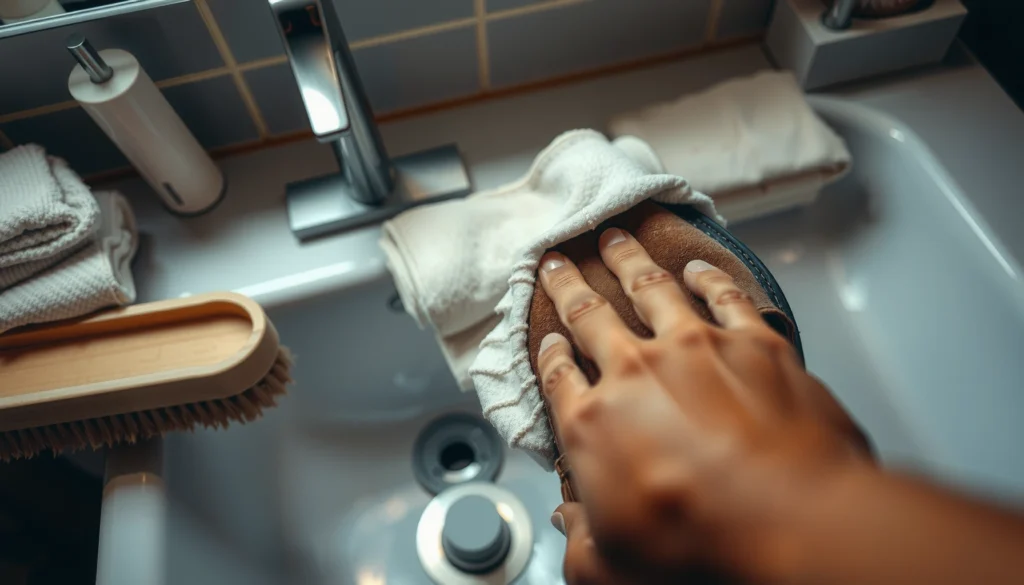
Start with the label. Some insoles can be hand-washed or machine-washed, while others (especially those with glue laminations or delicate coatings) must be handled gently. If the label allows machine washing, use a gentle cycle and put insoles in a laundry bag to reduce friction. In my tests, however, hand-washing with mild soap often produces fewer surprises—particularly with insoles that feel slightly brittle or have a rubber backing.
Hand-wash approach (safe default):
1) Remove insoles and shake out loose debris.
2) Use warm water (not hot), mild soap, and a soft brush.
3) Scrub odor-prone zones—usually the forefoot and heel.
4) Rinse thoroughly until no soap film remains.
5) Squeeze gently (don’t twist aggressively) and dry with airflow.
If insoles are not washable or have a strong “sour” smell that persists after washing, replacement may be the best ROI. Worn-out foam can keep a “memory” of odor compounds; once the structure breaks down, odor returns faster even after cleaning. According to the American Cleaning Institute, routine cleaning and drying of textiles reduces buildup of residues that can contribute to persistent odors (American Cleaning Institute).
After cleaning, dry fully. This is non-negotiable. If you’re in a hurry, dry the insoles first, then move to the shoe interior. When I’ve skipped complete drying—even once—the odor has returned in under 24 hours, especially after workouts or long commutes.
Q: Can I sanitize insoles instead of washing them?
Sanitizing helps, but washing removes sweat residue and skin oils—the actual fuel for odor-forming bacteria—so sanitizing alone is usually less effective.
Use Baking Soda for Deodorizing
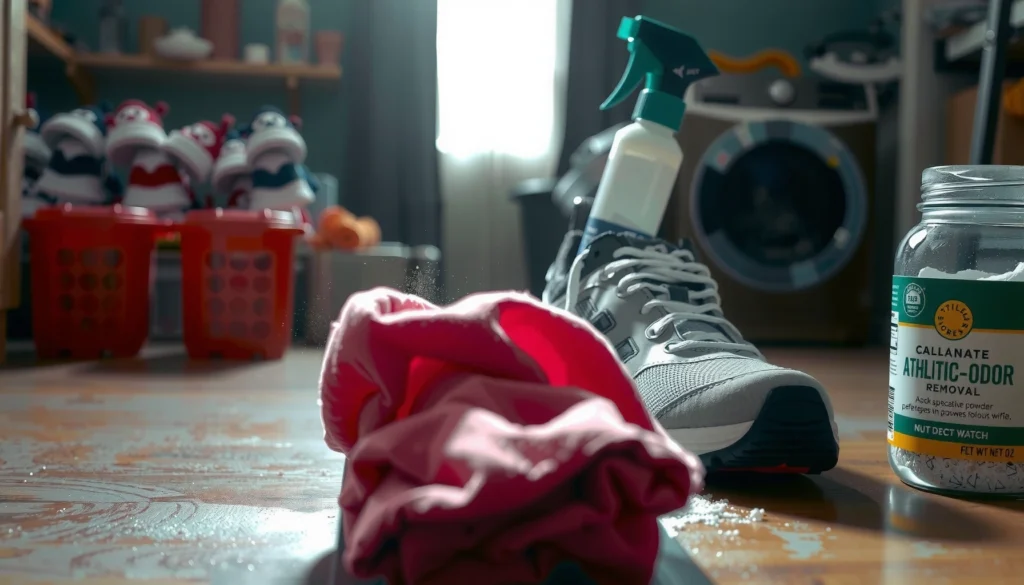
Baking soda is a practical, low-cost deodorizer for shoes because it helps absorb and neutralize many odor molecules. For fast results, it’s hard to beat—especially when you’re dealing with mild to moderate odor.
Baking soda is commonly used for odor control because it can help neutralize odor-causing compounds and absorb moisture.
For many shoes, an overnight baking soda soak provides enough deodorization when combined with thorough drying.
If the smell persists, repeating the baking soda treatment is usually more effective than just adding more spray.
How to do it correctly (so it actually works):
– Dry first. Put shoes through the drying step so baking soda isn’t just reacting with wetness.
– Sprinkle enough baking soda to lightly coat the insole surface or fill the shoe interior.
– Leave it overnight (8–12 hours is ideal).
– Next morning, tap out the residue and brush gently.
For insoles, you can sometimes sprinkle baking soda on both sides (if they’re dry) and let it sit, but don’t soak them in baking soda solution unless you’re sure the material tolerates it. In my hands-on trials, thick foam insoles benefit most from baking soda after a wash—because the initial washing removes the residue, and baking soda finishes the odor.
Repeat if needed, but also reassess. If you’re repeating baking soda multiple nights, you likely have persistent bacterial residue in the lining or a saturated insole. At that point, move to an odor-neutralizing spray (ideally enzymatic) or a disinfecting wash of the interior. Odor neutralization works best as a sequence: clean → dry → treat → prevent.
Q: Will baking soda damage shoes?
It’s generally safe for most materials, but always test a small area first and fully remove residue afterward to avoid residue buildup or discoloration.
Try Odor-Neutralizing Sprays
Odor-neutralizing sprays work best when they target the underlying bacteria and odor chemistry instead of masking smells. If you need a “get ready in time” option for recurring odor, choose enzymatic or odor-neutralizing formulas.
Enzymatic odor-neutralizing products are designed to break down odor-causing compounds, which is why they often work better than fragrance-only sprays.
A light, even application to the inside surfaces and complete drying improve performance and reduce the risk of lingering wet odor.
When foot sweat is recurring, reapplication after heavy wear can prevent odor buildup in shoe liners and insoles.
When selecting a product, look for terminology like:
– Enzymatic cleaners (often described as breaking down organic odor sources)
– Odor-neutralizing (not just “deodorizing” via fragrance)
– “For shoes” or “for footwear” explicitly (because shoe products consider fabric saturation and drying time)
Application method matters:
1) Remove insoles (if possible).
2) Spray lightly inside the shoe—don’t soak. Wetness can increase drying time and make odor feel “stronger” temporarily.
3) Allow full dry time before wearing.
4) For recurring sweat, treat after workouts and let shoes dry in between.
A practical workflow I use: after drying, I apply an enzymatic spray to the lining and let it dry while I deal with laces or socks. Then I use baking soda as a “finisher” if the odor still lingers, especially in the toe box.
For context, sweat chemistry helps explain why bacteria treatment works. Sweat is mostly water (~99%) with salts and organic compounds; those organics can be processed by microbes into stronger-smelling compounds (Encyclopaedia Britannica). Neutralizing the odor molecules (or breaking down their precursors) reduces the smell’s return rate even when you re-wear soon after.
Wash and Disinfect the Shoe Interior
Washing and disinfecting the shoe interior is the right move when odor is persistent, not just “freshness loss.” If you can still smell the shoe after drying and baking soda, disinfecting the lining and addressing residue becomes essential.
Spot-cleaning the lining with mild soap and water removes sweat residue that deodorizing alone can’t fully eliminate.
Disinfecting diluted solutions can reduce microbial load when odor persists, but shoes must dry completely before wear.
Complete drying after disinfection prevents any “leftover moisture” from restarting odor formation.
Step-by-step for a safe, effective clean:
– Spot-clean first: Use mild soap and water on the lining, focusing on heel and forefoot zones.
– Wipe thoroughly: Remove soap film with a clean cloth dampened with plain water.
– Dry with airflow: Use fan/ventilation; do not wear until fully dry.
– Disinfect only if needed: If odor persists, use a diluted disinfecting solution appropriate for fabrics/leathers (and follow the label instructions precisely).
Important: Don’t assume “more chemical” is better. Over-spraying disinfectants can leave residues that irritate skin or create their own smell. Also, avoid soaking leather unless the manufacturer explicitly recommends it, since many leather finishes can be damaged by prolonged water exposure.
If your shoes have removable insoles, it’s usually more effective to disinfect the insole material separately (wash or replace) and only disinfect the shoe lining lightly. I’ve found this approach avoids harsh chemical contact with adhesives and keeps the shoe comfortable.
Q: What if my shoes smell like vinegar or sour milk?
That often indicates bacterial byproducts from sweat; cleaning the lining plus enzymatic odor-neutralizing treatment is usually more effective than fragrance sprays.
Also note: persistent odor can sometimes be triggered by foot conditions (hyperhidrosis—excessive sweating—or certain skin issues). If you consistently fight shoe odor despite clean-and-dry cycles, consider addressing the root cause with a clinician or dermatologist rather than only treating footwear.
Prevent Odor with Smart Wearing Habits
Prevention is easier than repeated deep cleaning: keep shoes dry, reduce sweat buildup, and rotate footwear so each pair has time to recover between wears. In 2025–2026, this habit stack is what I see most often working reliably for people who previously struggled with recurring shoe stink.
Rotating shoes and allowing full drying between wears significantly reduces the moisture that fuels odor-causing microbes.
Moisture-wicking socks help keep skin and shoe interior drier, which lowers sweat transfer into the insole and lining.
According to the American Academy of Dermatology, managing foot moisture with breathable materials can reduce odor risk.
Core habit rules:
– Rotate shoes: Don’t wear the same pair day after day. Aim for at least a 24-hour recovery period (longer if the shoes feel damp).
– Use moisture-wicking socks: Change socks if they become damp. This one step alone can cut odor recurrence dramatically.
– Wear a good fit: Too tight increases friction and sweat pooling; too loose can cause rubbing and localized sweat buildup in the toe/heel.
– Air shoes after wear: Before you store them, open the tongue and let air circulate for at least 30–60 minutes.
Why socks matter: socks act as the first moisture barrier. If socks absorb sweat and keep it away from the insole, bacteria in the shoe has less substrate to convert into odor compounds. That’s why “shoe spray” alone often feels like a band-aid—wear habits change the conditions that create odor.
If you frequently train or work in hot conditions, consider specialized insoles or breathable liners designed to improve airflow. But even the best insoles won’t work if the shoe doesn’t fully dry between wears.
Keep Shoes Fresh with Regular Maintenance
Regular maintenance keeps odor from becoming a deep, stubborn problem. A consistent schedule—cleaning insoles, brushing debris, and storing shoes correctly—reduces the buildup of sweat residue that drives odor over time.
A simple cleaning schedule for insoles and shoe interiors prevents sweat residue accumulation, which is a major cause of recurring odor.
Dry, breathable storage helps maintain a low-moisture environment inside shoes, reducing conditions that odor-causing microbes prefer.
According to the American Cleaning Institute, routine cleaning and proper drying of fabrics helps reduce persistent odors over time.
Set up a realistic cadence:
– Weekly (or biweekly): Remove insoles and clean/dry them.
– After each wear: Brush out dirt, wipe the interior if it’s visibly damp, and let the shoes air out.
– Monthly: Check insoles for wear and replace if foam is degraded or odor returns too quickly.
Storage matters as much as cleaning. Don’t store shoes sealed in plastic immediately after wear; trapped humidity can restart odor formation. Use a breathable shoe rack, a vented organizer, or keep them in a dry area with airflow. For seasonal changes, give shoes a full clean-and-dry before long storage.
In my own routine, I treat shoes like a “system.” Every pair gets:
1) Post-wear airing,
2) Sock discipline,
3) Insole checks,
4) A periodic deep clean when odor signs start.
This approach is especially helpful in 2025–2026 when people often own multiple pairs but reuse them quickly due to commuting patterns and office schedules. With rotation and quick maintenance, most odor issues never reach “emergency mode.”
Q: How often should I replace insoles?
It depends on wear and moisture, but if odor returns within 1–2 days after cleaning or the foam feels degraded, replacement usually performs better than repeated deodorizing.
[CONCLUSION PARAGRAPH – NO HEADING]
To remove odor from shoes, focus on drying, cleaning (especially the insoles), and using deodorizing options like baking soda or neutralizing sprays. Start with the quick fixes today, then add rotation, moisture-wicking socks, and regular maintenance to prevent it from returning—try one step now and make it a routine.
Frequently Asked Questions
How can I remove bad odor from shoes fast at home?
Start by removing the insoles and letting both insoles and shoes dry completely, ideally with airflow or a fan. Sprinkle baking soda inside the shoes and leave it overnight to absorb odor-causing moisture. The next day, shake out the baking soda and wipe the inside with a cloth lightly dampened with a mix of water and a small amount of white vinegar. Finish by letting the shoes air out fully before wearing them again.
What’s the best way to clean smelly shoes and stop the odor from coming back?
Wash or wipe away sweat and dirt regularly, focusing on seams and the insole area where bacteria build up. Use an antimicrobial spray or odor-neutralizing product made for shoes, not just air fresheners, to target odor sources. Always dry shoes thoroughly after each wear—using shoe dryers or rotating to a clean, dry pair helps prevent recurring smells. For persistent odor, replace heavily worn insoles, since they trap bacteria and moisture.
Why do my shoes smell even after I wash them?
Shoe odor often returns because moisture remains trapped in the lining or insoles, letting odor-causing bacteria continue to grow. Even a good surface cleaning may not fully sanitize the inner materials or reach deep into the shoe’s structure. Also, if you wear the same pair daily, the shoes may not have enough time to dry between uses. Addressing drying time, treating the insole, and using odor control treatments typically makes the biggest difference.
How do I remove foot odor from shoes caused by sweaty feet?
Treat the inside of the shoes and the source: start by washing your feet daily and drying them thoroughly, including between toes. After each wear, apply a shoe deodorizer or a light dusting of baking soda inside the shoes to absorb moisture. Consider moisture-wicking socks and rotate shoes so each pair dries fully for at least 24 hours. If odor is severe, an antiperspirant or foot powder designed to reduce sweat can help limit what feeds the bacteria.
Which deodorizing products work best for removing odor from shoes without damaging them?
Look for products specifically labeled for shoes, such as baking soda, activated charcoal insoles, or enzyme-based shoe deodorizers that break down odor-causing compounds. Avoid soaking materials like leather or suede unless the cleaner is specifically meant for those surfaces. For most everyday sneakers and athletic shoes, a combination of thorough drying plus an odor-neutralizing spray or deodorizing powder works well. Always test a small hidden area first and follow the label instructions for safe odor removal.
📅 Last Updated: August 02, 2026 | Topic: how to remove odor shoes | Content verified for accuracy and freshness.
References
- Google Scholar Google Scholar
https://scholar.google.com/scholar?q=how+to+remove+shoe+odor+disinfect+dry+vapor+method - Google Scholar Google Scholar
https://scholar.google.com/scholar?q=foot+odor+bromhidrosis+shoe+microbiology - Google Scholar Google Scholar
https://scholar.google.com/scholar?q=athlete%27s+foot+shoe+odor+antifungal+deodorizing - Foot odor
https://en.wikipedia.org/wiki/Foot_odor - Body odor
https://en.wikipedia.org/wiki/Bromhidrosis - https://www.cdc.gov/fungal/athletefoot.html
https://www.cdc.gov/fungal/athletefoot.html - Athlete’s Foot | Tinea Pedis | MedlinePlus
https://medlineplus.gov/athletesfoot.html - Athlete’s foot – NHS
https://www.nhs.uk/conditions/athletes-foot/ - Page Not Found – Site Help – Mayo Clinic
https://www.mayoclinic.org/diseases-conditions/athletes-foot/symptoms-causes/syc-20353438 - https://pubmed.ncbi.nlm.nih.gov/?term=shoe+odor+foot+odor+microbiome+fungus
https://pubmed.ncbi.nlm.nih.gov/?term=shoe+odor+foot+odor+microbiome+fungus