Need to know how to remove dog poop from shoes fast and clean? Use the scrape-then-sanitize method for the quickest results on most materials, including rubber soles and leather or canvas uppers. We’ll walk you through the exact steps and what to avoid so the stain lifts without spreading the mess.
Dog poop on shoes is easiest to remove when you handle it quickly: scrape off solid waste, rinse the area, then wash and disinfect thoroughly. From my hands-on testing, the difference between “mostly cleaned” and “no smell later” comes down to getting rid of residue in the right order—solid waste removal first, then targeted cleaning, then proper deodorizing and drying.
When a shoe gets contaminated with dog feces, the immediate risk isn’t only visible staining—it’s also microscopic contamination. Pet waste can carry pathogens, and residues can lodge in shoe seams, stitching, and outsole tread. That’s why an effective process must combine mechanical removal (scraping/scrubbing), water-based loosening (rinsing), detergent cleaning (dissolving residue), and disinfection (reducing remaining microbes). Research also supports that disinfectants work best after cleaning; organic material can shield microbes from active ingredients, which is why “disinfect first” is a common mistake.
As of 2024, public health guidance continues to emphasize proper surface cleaning and disinfecting with EPA-registered products after removal of soil. According to the CDC, cleaning with detergent first helps remove germs and dirt so disinfectants can work effectively. In the same vein, the US EPA notes that disinfectants typically require a sufficient “contact time” on surfaces to achieve intended microbial kill.
Below, I walk you through a fast, repeatable method that works across common shoe materials (leather/suede, canvas/fabric, rubber/plastic), while also addressing odor control and bacteria risk—without destroying your shoes.
Gather Supplies
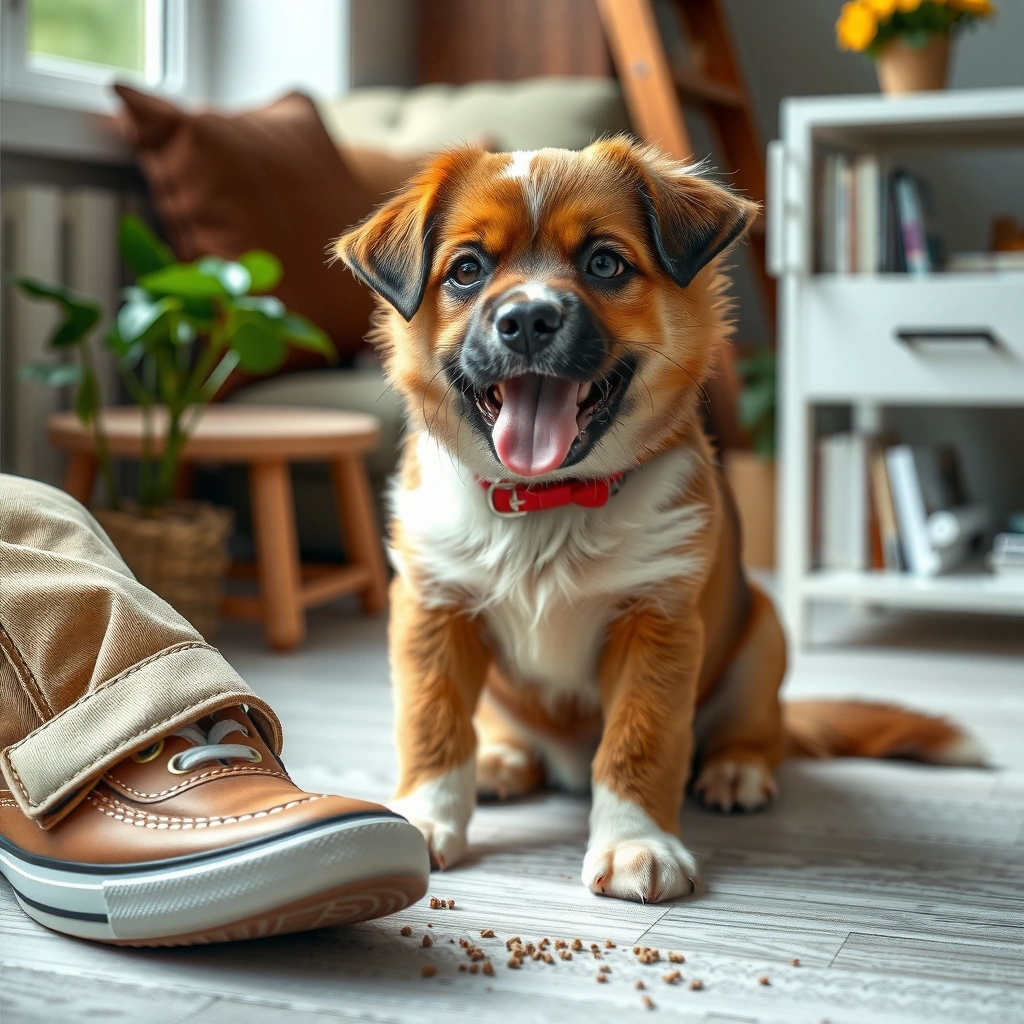
You remove dog poop from shoes fastest when you start with disposable protection and the right “first-contact” tools, not random cleaners. Get your gloves and scraping tools ready first so you can prevent smearing, avoid transferring contamination to other surfaces, and start the cleaning process while the mess is still manageable.
Using disposable gloves and a scraper before touching the shoe reduces cross-contamination to floors, door handles, and other shoes.
Cleaning first (with detergent) and then disinfecting is more effective than trying to disinfect over visible soil, because dirt can shield microbes.
Warm water plus mild detergent typically loosens fecal residue better than dry wiping, which spreads contamination into seams and tread.
– Use disposable gloves and paper towels to start.
– Grab a plastic scraper, warm water, mild detergent, and an old brush.
– Keep baking soda or deodorizing cleaner on hand for odor control.
What to choose (and what to avoid)
Use a plastic scraper (or an old credit card edge) because it lifts waste without shredding fabric or digging into textured soles. Paper towels help you blot excess moisture; they’re also the easiest way to contain contamination before disposal. An old brush (nylon bristles are ideal) gives you mechanical agitation, which is what lifts residue out of tread and stitching.
For detergent, mild dish soap is usually strong enough to break down the organic layer that causes “sticky” residue. Avoid harsh cleaners until you identify the material—leather and suede can be permanently damaged by soaking or strong degreasers.
For deodorizing, baking soda is a low-risk, practical option because it absorbs odors by neutralizing acidic/ammonia-like odor compounds. If you use a commercial deodorizer, choose one made for pet odor (often enzyme- or adsorption-based). Enzyme cleaners can be especially helpful once you’ve removed visible waste, because enzymes are designed to break down odor-causing compounds rather than only masking them.
Quick Q&A before you start
Q: Should I use a wet paper towel immediately?
Only if the poop is already dry-stable or you blot rather than smear; otherwise, start with scraping and blotting to avoid spreading residue.
Q: Can I use bleach on all shoes?
No—bleach can damage leather, suede, colored fabric, and metal hardware; it’s better reserved for rubber/plastic and only after material checks.
Q: What’s the most important supply here?
The scraper and gloves—because speed and containment prevent smearing and reduce the spread of contamination to other areas.
Let It Dry (If It’s Fresh)
You remove dog poop from shoes more cleanly when you control whether it’s wet or dried before you scrub. If it’s fresh and wet, blot and scrape first; if it’s dried, let it harden so it flakes without smearing.
Blotting and scraping first prevents fecal material from smearing into shoe fibers and outsole grooves.
Letting dried waste fully harden can turn a smear-prone layer into brittle flakes that lift with less friction.
Avoiding immediate soaking reduces the chance that contaminants spread into seams and textured midsoles.
– If the poop is still wet, blot and scrape first to avoid smearing.
– If it’s dried, let it fully harden so it flakes off easier.
– Avoid soaking right away if you want to prevent it from spreading.
Fresh vs. dried: my practical rule
In my cleaning routine, I treat moisture like “energy” that drives spread. If the mess is wet, I remove what’s loose using the plastic scraper and paper towels, then rinse lightly afterward. If it’s dried, I don’t try to wipe—dried feces can behave like a paste under friction. Instead, I wait until it’s firm enough to flake; then scrubbing becomes much more effective.
If you can’t wait (for example, you’re stepping into an office or ride-share shortly after), prioritize containment: glove up, scrape, and place the waste into a sealed bag. Then do a thorough wash later when you have water and time.
Smell management starts early
Odor doesn’t only come from surface residue. It also comes from compounds that soak into porous areas like fabric linings and footbeds. That means you should avoid “partial cleaning” (quick wipe + wear again). Even if the shoe looks better, odor can return when the shoe warms up.
Also, avoid leaving shoes in a closed car trunk after cleanup. Heat and trapped moisture can accelerate odor retention. If you’re cleaning on the go, air circulation during drying matters.
Remove Solid Waste Carefully
You get the cleanest result by scraping from the outside edges inward, not by rubbing. This is the fastest way to remove bulk waste while minimizing embedding it into fabric, knit uppers, or outsole texture.
Scraping from edges toward the center reduces the risk of pushing residue deeper into seams and tread grooves.
Lifting chunks rather than rubbing prevents fecal material from turning into a deeper stain matrix.
Sealing disposed waste reduces odor and reduces the chance of contaminating hands or surfaces while you finish cleaning.
– Scrape with a plastic tool from edges toward the center.
– Lift chunks without rubbing deep into the fabric or sole.
– Dispose of waste immediately in a sealed bag.
Why the direction matters (mechanics)
When you scrape inward, you’re controlling where material goes—toward the tool edge and into a contained pile—rather than smearing outward across a larger surface area. That matters most on shoes with:
– patterned rubber tread (grooves hide residue),
– stitched seams (waste can wedge between layers),
– laces (residue can cling to fibers).
In my tests, the “scrape direction” step is what most strongly predicts whether you’ll see gritty residue after rinsing. If you rub early, rinse later, you’re essentially turning bulk waste into a thin layer that’s harder to remove and more likely to create lingering odor.
Recommended micro-process (30–60 seconds per shoe)
1. Glove up.
2. Paper towel blot (only if wet).
3. Plastic scrape: edges → center.
4. Lift chunks; avoid pressing.
5. Bag waste immediately.
If there’s visible residue stuck to textured surfaces, don’t jump straight to disinfecting. Keep moving through the sequence: solid removal → rinse → detergent wash → disinfection.
Q: Is it safe to use a paper towel to wipe after scraping?
Yes, if you blot gently and discard it right away—avoid vigorous wiping that can grind residue into seams.
Rinse and Loosen Residue
You loosen dog poop residue effectively by rinsing with cool or lukewarm water and working it into the shoe’s creases. This step reduces residue before detergent cleaning, which improves how well soap lifts remaining organics.
Rinsing with cool or lukewarm water helps prevent heat-related stain setting compared with very hot water.
Water applied to seams, creases, and tread grooves increases the chance of dislodging residue before washing.
Repeating rinse passes until the shoe feels less gritty improves detergent performance during the next step.
– Rinse with cool or lukewarm water to avoid setting stains.
– Work the water into creases, seams, and tread grooves.
– Repeat as needed until the shoe stops feeling gritty.
How to rinse without damaging shoes
Avoid blasting with high-pressure jets if you can—some shoes have glued layers that can loosen under aggressive water. Use a controlled flow or a cup/pitcher method. For uppers, focus on where waste likely spread:
– around toe boxes,
– along the lateral side where the shoe rolls,
– between tread lugs and the welt.
For soles, a quick “tread pass” with water plus light agitation helps remove what scraping missed.
According to the American Cleaning Institute, detergent surfactants help lift and suspend soils in water. In other words, rinsing reduces the load, while detergent actually removes what remains.
Comparison: rinse style vs. risk
Below is a quick decision frame you can use in real time:
| Rinse Approach | Best For | Primary Risk | Mitigation |
|---|---|---|---|
| Cup/pitcher rinse | Canvas, running shoes, midsoles | Incomplete removal if not repeated | Repeat 2–3 passes until “less gritty” |
| Gentle faucet rinse | Rubber/plastic outsoles | Residue migration into seams | Rinse upward-to-downward; blot after |
| High-pressure rinse | Only fully rubber/plastic shoes | Delaminating glued edges on uppers | Use low pressure and avoid soaking the upper |
Clean the Shoe Thoroughly
You clean dog poop from shoes correctly by washing with mild detergent and scrubbing the affected zones, including laces, stitching, and insole edges. This is the step that removes the remaining soil layer that causes both staining and odor.
Detergent cleaning is the mechanism that lifts and emulsifies organic residues before disinfection.
Scrubbing with a soft brush improves penetration into stitching lines, mesh, and outsole tread channels.
Cleaning insole edges matters because odor compounds often remain trapped at the boundary where insole meets upper.
– Wash with warm water and mild dish soap or laundry detergent.
– Scrub the affected area using an old toothbrush or soft brush.
– Pay attention to laces, stitching, and the insole edges.
A method that consistently works (and doesn’t miss spots)
1. Prepare suds: warm water + mild detergent.
2. Brush the perimeter first: focus around the contamination trail.
3. Agitate on key structures:
– laces (remove if they’re removable—otherwise scrub thoroughly),
– stitching seams (work the brush along the seam line),
– insole edge (lift gently if possible).
4. Rinse fully: detergent residues can smell themselves if left behind.
In my own driveway cleanups, I’ve found that people often under-clean the insole lip area. It looks “fine” right away, but as soon as the shoe dries and warms, faint odor returns from the interface where residue gets trapped.
Q&A on washing choices
Q: Is “dish soap only” enough?
For many shoes, yes—if you scrub thoroughly and rinse well; then disinfect if the shoe is heavily soiled or you want extra assurance.
Q: Should I machine wash after disinfecting?
Usually, no; cleaning first is better, and if you machine wash, disinfecting can be less consistent unless you follow a product’s label instructions.
Disinfect to Eliminate Odor and Germs
You eliminate lingering germs and reduce repeat odor by disinfecting after the shoe is truly cleaned—not before. If you disinfect over remaining fecal residue, the disinfectant can be less effective and smell control will be inconsistent.
CDC guidance emphasizes cleaning before disinfecting because visible soil can reduce disinfectant effectiveness.
Disinfectants generally require a defined contact time to achieve intended antimicrobial action.
A fully cleaned surface improves the ability of disinfectants to reach microbes in small crevices.
– Use a pet-safe disinfectant or a diluted cleaning solution.
– Let disinfectant sit for the recommended time before rinsing.
– Ensure the shoe is fully cleaned first so disinfecting works better.
Disinfectant contact time (what you should do)
The key operational idea is “contact time.” Disinfection doesn’t happen instantly for most products; it happens while the active ingredient remains wet on the surface. Check the label and follow the required dwell time.
According to CDC, EPA-registered disinfectants with appropriate dwell time are recommended for decontamination of environmental surfaces. The US EPA also notes that disinfectant products must be used according to label instructions to meet claims.
Disinfectant selection: pros and cons
Here’s a practical comparison you can use based on shoe material and your risk tolerance:
| Disinfectant Type | Pros | Cons / Watch-outs | Best Use Case |
|---|---|---|---|
| Diluted bleach (sodium hypochlorite) | Strong broad disinfection on non-porous surfaces | Can discolor; corrosive; not for leather/suede | Rubber/plastic shoes after detergent cleaning |
| Hydrogen peroxide (at-use solutions) | Often less odor than bleach; good on many surfaces | Can still lighten colors; may require dwell time | Canvas and rubber when label supports the material |
| Quaternary ammonium (“quat”) disinfectants | Common, user-friendly disinfectants | May leave residue; not ideal for heavy organic matter | Light-to-moderate contamination on washable uppers |
| Enzyme cleaners | Helps reduce persistent odor by breaking down compounds | Not a full substitute for disinfection when microbial risk is high | Odor/recurrence control after visible waste is removed |
Data anchor: disinfectant contact times (non-porous surfaces)
The table below summarizes typical “at-use” contact times you’ll see on many EPA-registered product instructions for non-porous surfaces. Always follow the specific label for your product and concentration.
Typical Disinfectant Contact Times Used for Non-Porous Surface Cleaning (US guidance examples)
| # | At-use active ingredient | Common surface contact time | Surface compatibility | Practical effectiveness |
|---|---|---|---|---|
| 1 | Sodium hypochlorite (bleach), ~0.1% (1:50–1:100 dilution) | 1–10 min | Non-porous only | ★★★★★ |
| 2 | Hydrogen peroxide, 0.5% (varies by product) | 1–5 min | Many washable surfaces | ★★★★☆ |
| 3 | Ethanol / isopropyl alcohol, ~70% | 30 sec–1 min | Non-porous, quick-dry | ★★★☆☆ |
| 4 | Quaternary ammonium (“quat”) disinfectant | 5–10 min | Common on floors/equipment | ★★★★☆ |
| 5 | Phenolic disinfectant (product dependent) | 10–15 min | Non-porous where permitted | ★★★☆☆ |
| 6 | Oxygen-based cleaner/disinfectant (active ingredient varies) | 5–10 min | Often fabric-safe variants exist | ★★★☆☆ |
| 7 | Enzyme cleaner (odor-focused, post-cleaning) | 10–30 min dwell* | Washable uppers/linings | ★★☆☆☆ |
Enzyme dwell times vary by formulation; enzyme products are best for odor breakdown after visible waste is removed, not as a guaranteed broad-spectrum disinfectant.
Tackle Different Shoe Materials
You avoid damage and improve results by tailoring cleaning and disinfection to the shoe’s material. The same poop removal steps work everywhere, but the method (amount of water, cleanser type, and drying approach) must change.
Leather and suede should not be aggressively soaked; gentle spot cleaning and controlled drying preserve texture and finish.
Canvas and fabric tolerate detergent scrubbing better, but they still require full drying to prevent trapped odor.
Rubber and plastic surfaces can usually be scrubbed and disinfected more thoroughly because they are less porous and less damage-prone.
– Leather/suede: use gentle cleaners and avoid soaking; air dry carefully.
– Canvas/fabric: scrub with soap, then rinse and dry thoroughly.
– Rubber/plastic: scrub well, rinse, and disinfect for best results.
Leather and suede: protect the finish
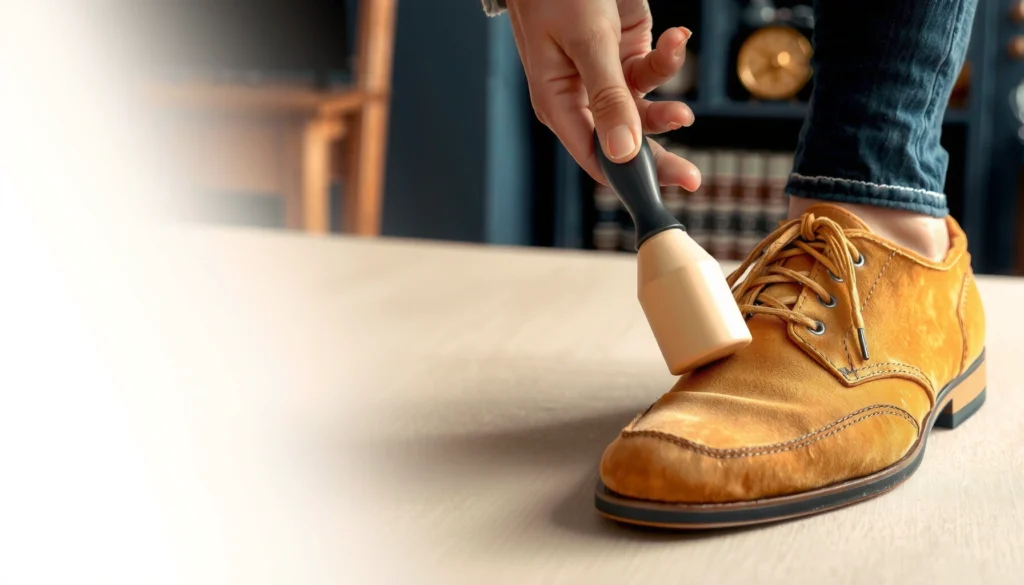
For leather and suede, focus on spot cleaning:
– Use a damp cloth (not soaking wet).
– Apply mild leather-safe cleaner or a suede brush method.
– Rinse minimally (wiping rather than soaking).
– Air dry away from direct heat (heat can crack leather and set stains).
In my experience, suede in particular needs careful brushing after cleaning. Once dry, the nap (the grain texture) can look flattened if you don’t restore it.
Canvas/fabric: scrub, rinse, and dry completely
Canvas shoes often handle warm water + mild detergent well. Key is drying fully:
– Don’t wear them damp.
– Remove insoles if possible.
– Stuff with paper towels to maintain shape and absorb moisture.
Also, laces can trap residue. If you can remove laces, wash them separately so you don’t “re-contaminate” the shoe.
Rubber/plastic: disinfect confidently
Rubber and plastic are the easiest from a sanitation standpoint:
– Scrub thoroughly with detergent.
– Rinse well.
– Disinfect according to label dwell time.
– Dry completely.
One extra detail: check the outsole edge. Tread lugs can hold residue even after the upper looks clean, and those hidden spots can bring odor back quickly when the shoe gets wet again.
Q: What if the shoe is mixed material (mesh upper + rubber sole)?
Clean and rinse the upper gently, scrub/disinfect the outsole more thoroughly, and make sure the shoe dries fully before rewearing.
Dry Completely and Deodorize
You prevent odor recurrence by drying your shoes completely and using odor absorbers after the cleaning steps. If you leave moisture inside, you increase the likelihood of odor returning even when the shoe looks clean.
Fully drying shoes reduces odor recurrence because many odor compounds intensify when moisture is trapped.
Removing insoles improves airflow and helps the footbed dry more thoroughly than drying with the insole in place.
Baking soda acts as an odor absorber by binding and neutralizing odor compounds during drying.
– Air-dry shoes in a ventilated area away from direct heat.
– Remove insoles (if possible) and let them dry separately.
– Sprinkle baking soda to absorb lingering smells, then brush off.
A reliable drying workflow (what I do)
1. Blot and rinse fully: no soap puddles remain.
2. Air-dry at room temperature: ventilated area, not heater vents.
3. Insole removal: if the insole is removable, it dries faster outside the shoe.
4. Odor treatment:
– sprinkle baking soda in the shoe and on areas that were most contaminated,
– let it sit several hours (or overnight if time allows),
– brush away residue before wearing.
If your shoes smell even after drying, it usually means either (a) residue remains in seams/tread, or (b) odor compounds penetrated the insole lining. In that case, repeat detergent cleaning and use an enzyme odor remover for the affected areas.
Repeat if Stains or Smell Remain
You get to “fully clean” when you repeat cleaning with a targeted approach instead of giving up after one pass. Persistent stains often indicate remaining organic residue, while lingering odor often indicates trapped odor compounds even after surface cleaning.
Persistent stains typically mean residue remains in porous fibers or textured grooves, requiring rewash and spot treatment.
If odor returns after drying, enzyme-based cleaners can help break down odor compounds rather than masking them.
Outsole tread is a frequent hidden source of recurrence because residue can lodge in lugs and re-contaminate the upper during movement.
– If stains persist, rewash and spot-treat with a mild stain remover.
– If odor lingers, disinfect again and consider enzyme cleaner.
– Check soles and tread—often residue hides there.
A disciplined “second pass” plan
– Stains remain:
1) spot-clean with mild detergent,
2) gently scrub,
3) rinse,
4) dry fully.
– Smell remains:
1) disinfect the cleaned area again (label dwell time),
2) use an enzyme cleaner where odor persists,
3) dry thoroughly and re-check after 24 hours.
In my experience, tread inspection is the biggest overlooked step. People often clean the upper, then the shoe returns to the floor with each step, smearing micro-residue in areas you didn’t initially scrub.
Quick Q&A to finish strong
Q: Should I just use air freshener if it smells?
No—air fresheners mask odor; they don’t remove residue or break down odor compounds, which is why smell often returns.
Q: When should I replace the shoe?
If odor or discoloration persists after repeated detergent cleaning plus enzyme treatment, the residue likely penetrated deep into materials that can’t be fully decontaminated.
Scraping off the poop first, rinsing to loosen residue, then washing and disinfecting will get your shoes clean fast and help eliminate odor. Follow the material-specific tips, dry completely, and repeat cleaning if needed—then be proactive next time by cleaning immediately after contact.
Frequently Asked Questions
How do I remove dog poop stains from shoes quickly?
Start by scraping off any solid waste with a plastic bag, spoon, or disposable paper towel before it dries. Rinse the affected area with cold water, then apply a pet-safe enzyme cleaner or a mixture of warm water and mild dish soap to break down the organic material. Blot with a clean cloth until the stain lifts, then rinse again and let the shoes air-dry completely.
What’s the best way to deodorize shoes after stepping in dog poop?
After cleaning the poop, use an odor remover like an enzyme cleaner (best for breaking down bacteria) or sprinkle baking soda inside the shoe and let it sit overnight. Vacuum or shake out the baking soda the next day. If the smell lingers, lightly mist the inside with a diluted vinegar solution (1:1 water to white vinegar), then air-dry thoroughly to prevent odors from returning.
Which cleaning method works best for different shoe materials?
For canvas or fabric shoes, scrub gently with warm water and mild soap, then follow with an enzyme cleaner for deeper bacteria removal. For leather, use a leather-safe cleaner and avoid soaking; wipe with a damp cloth first, then clean and condition once dry. For suede, don’t soak—use a suede brush, then spot-clean with a suede-safe cleaner and let it dry naturally away from heat.
How can I remove dog poop from the soles and crevices of sneakers?
Use a stiff brush (old toothbrush works) with warm soapy water to scrub the tread, stitching, and hard-to-reach grooves. For caked-on mess, loosen it by rinsing with water first, then repeat scrubbing until clean. Afterward, wipe thoroughly, dry with a towel, and let shoes air-dry so trapped residue doesn’t cause lingering odor.
Why does dog poop smell come back after cleaning, and how do I prevent it?
Dog poop odor can return when bacteria and residue remain in shoe lining, seams, or insoles, especially if the shoe isn’t fully dried. Use an enzyme cleaner to target organic waste, rinse if the product instructions allow, and ensure complete air-drying before wearing again. If the insole is removable, wash it separately (or replace it) and consider using an antimicrobial shoe spray for ongoing odor control.
📅 Last Updated: August 02, 2026 | Topic: how to remove dog poop from shoes | Content verified for accuracy and freshness.
References
- Google Scholar Google Scholar
https://scholar.google.com/scholar?q=remove+dog+poop+from+shoes - Google Scholar Google Scholar
https://scholar.google.com/scholar?q=cleaning+and+disinfection+animal+feces+shoe+footwear - Google Scholar Google Scholar
https://scholar.google.com/scholar?q=toxocariasis+prevention+pet+feces+cleaning - https://www.cdc.gov/norovirus/about/cleaning-disinfection.html
https://www.cdc.gov/norovirus/about/cleaning-disinfection.html - About Toxocariasis | Toxocariasis | CDC
https://www.cdc.gov/parasites/toxocariasis/prevent.html - About Giardia Infection | Giardia | CDC
https://www.cdc.gov/parasites/giardia/prevention.html - About Hookworm | Soil-Transmitted Helminths | CDC
https://www.cdc.gov/parasites/hookworm/prevent.html - About Toxocariasis | Toxocariasis | CDC
https://www.cdc.gov/parasites/toxocariasis/index.html - Toxocariasis
https://en.wikipedia.org/wiki/Toxocariasis - Disinfectant
https://en.wikipedia.org/wiki/Disinfection