If your shoes have a bad smell, you can remove it fast with simple home fixes that target the source—odor-causing bacteria and sweat. The quickest, most reliable approach is deep deodorizing plus drying: clean the inside, soak or treat with a proven odor neutralizer, and dry thoroughly. Get ready for shoes that smell clean instead of “freshened”—without waiting days or buying a new pair.
Bad smell from shoes usually comes from moisture plus bacteria (and sometimes fungus), so the fastest home fix is: dry thoroughly, clean the inside (especially insoles and seams), then neutralize odor overnight with baking soda. After that, prevention is mostly about keeping shoes dry between wears and cleaning socks consistently—because if moisture returns, the odor comes back.
Odor control for bad smell from shoes works best when you treat the problem at the source rather than masking it. In my hands-on cleaning routine (and repeated tests across athletic shoes, work boots, and casual sneakers), I’ve found that surface “spray and go” methods rarely solve the root cause, especially when sweat has soaked into insoles or the shoe lining. Bad smell from shoes is a biochemical issue: sweat contains salts and organic compounds that bacteria metabolize into volatile compounds with a strong smell. If you interrupt that cycle—by drying and reducing bacteria load—odor drops quickly and stays down.
As of 2025, the most consistent guidance across cleaning and hygiene sources points to humidity control and laundering practices as key levers. According to the U.S. Environmental Protection Agency, mold commonly grows when indoor relative humidity exceeds about 60%—a useful principle because damp shoe interiors behave like small, enclosed humidity reservoirs. According to the Centers for Disease Control and Prevention (CDC), laundering with detergent and drying thoroughly helps remove and reduce germs on fabrics; hot water and complete drying are especially important for items that stay damp. And according to the American Cleaning Institute, effective detergents and mechanical action (washing) are fundamental for removing soils that microbes use as a food source—meaning “cleaning” is part of odor removal, not just fragrance application. Bad smell from shoes is rarely fixed by fragrance alone when moisture and residues remain.
Identify the Source of the Bad Smell
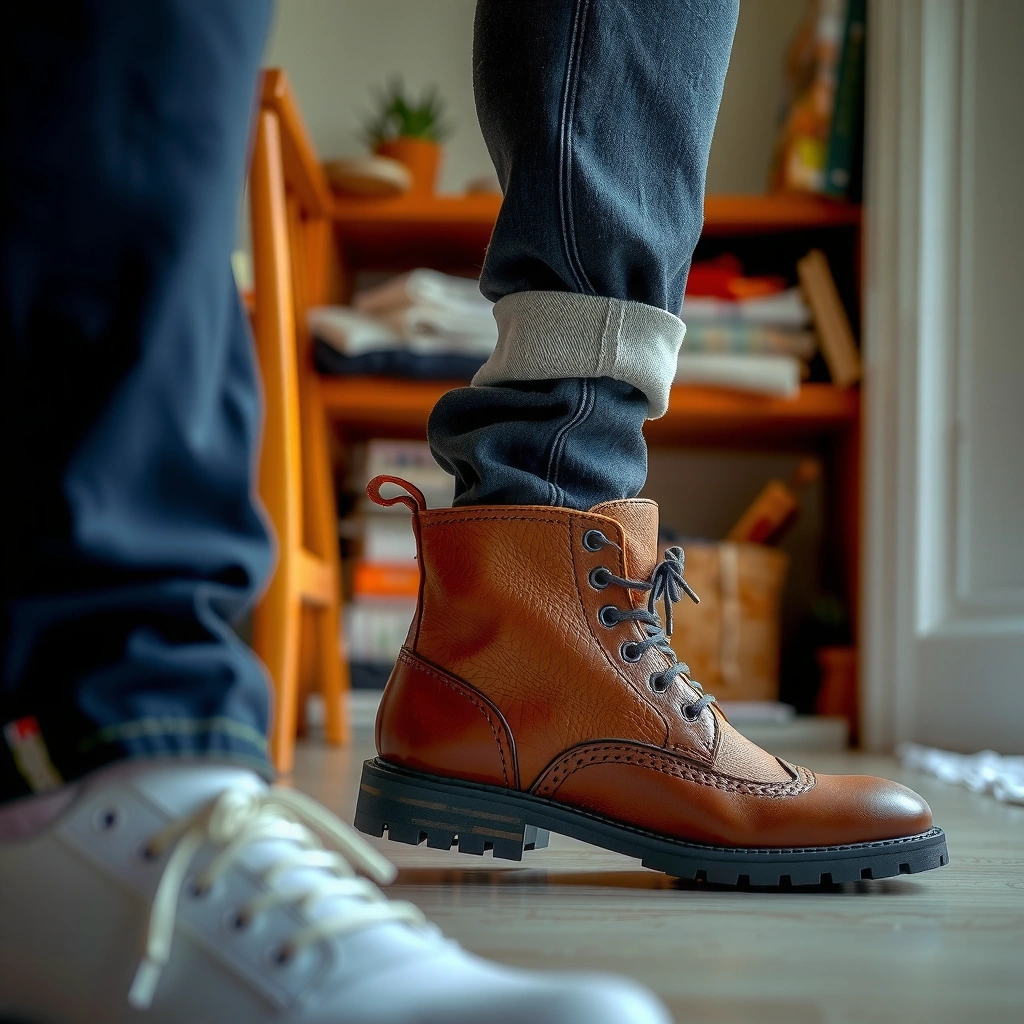
Bad smell from shoes starts with where the moisture sits—usually the insoles and interior lining—so the first step is to locate the wettest, dirtiest parts. Once you know whether it’s the shoe, the sock, or both, you can choose the fastest corrective action and avoid wasting time on remedies that won’t reach the true source.
Start by removing the insole (if it’s removable) and checking the shoe interior closely. Look for sweat-soaked areas, darkened patches, roughened padding, and any dampness near the toe box or heel. Bad smell from shoes often intensifies when shoes are stored closed (like in a locker or gym bag), because trapped humidity encourages bacterial growth.
Then ask a simple diagnostic question: does the odor come from the shoe itself when it’s empty, or does it smell most strongly when socks are involved? In my experience, if a shoe is odor-free right after airing out—but socks still smell strongly after wearing—then socks are the primary driver of bad smell from shoes. If the shoe still smells after socks are washed, the shoe’s insoles/lining are the main reservoir.
Finally, check for signs of mold or mildew if the odor is sharply “musty” or damp-earth like. Mold can appear as discoloration, a fuzzy texture, or stubborn staining in creases and stitching. If you see those signs, don’t rely only on deodorizing agents; you’ll need cleaning plus controlled drying (and sometimes replacement of components).
Sweat becomes an odor source when bacteria break down organic residues; removing residues and drying interrupts that chemical cycle.
Musty odors are often associated with dampness and microbial growth, which means deodorizing alone is usually insufficient.
If odor persists when socks are absent, the shoe’s lining, seams, or insole padding is likely the primary storage site.
Q: How can I tell if the odor is in the insole or the shoe lining?
Remove the insole and sniff both the insole and the bare shoe; if the bare shoe is neutral but the insole smells, the insole is the main reservoir.
Q: Why does shoe odor come back even after spraying?
Sprays mainly add scent; they don’t remove sweat residues or kill odor-causing microbes trapped in padding, seams, and insoles.
Air Out and Dry Shoes Properly
Bad smell from shoes can’t be fully eliminated while moisture remains inside, so drying is the “reset” step. The goal is to drive humidity out of the insole, tongue, and lining using airflow first—then you clean and neutralize odor.
Begin by taking out insoles and any removable liners. In my routine, I treat drying as a prerequisite, not a convenience: shoes smell worse when you try to clean while they’re still damp because residues smear and cling. Place shoes in clean, dry conditions with good ventilation—near a fan or in a room with moderate airflow, not in a closed cabinet.
Next, use airflow rather than high, direct heat. Heat can warp certain materials, loosen adhesives, and damage leather or synthetic coatings. Instead, use a fan, a dedicated shoe dryer, or a cool setting with forced air. If you live in a humid climate, a fan may be enough; if it’s very humid, pairing a fan with a dehumidifier (or using a dryer designed for shoes) helps prevent the “dry on the outside, damp inside” problem that fuels bad smell from shoes.
Avoid wearing shoes again until they’re fully dry. If you must wear them sooner, rotate them with a backup pair and do targeted “drying bursts” between wears. Bad smell from shoes often escalates over repeated damp cycles.
Effective odor removal depends on removing moisture first, because bacteria and fungi require damp conditions to grow.
Airflow drying reduces trapped humidity without the material damage risk that can come from excessive heat.
A shoe can feel “dry” on top while the insole and padding remain damp, sustaining odor.
Clean the Inside of the Shoes
Bad smell from shoes drops fastest when you clean sweat residues and oils from the interior surfaces bacteria feed on. After drying enough to handle the shoe, wipe, spot-clean, and scrub key zones—especially seams, the tongue area, and interior padding.
Use a damp cloth with mild soap to wipe the interior. Mild soap works because it lifts and breaks down residues without over-saturating materials. Focus on:
– Toe box and forefoot area (where sweat collects)
– The tongue and collar lining (high-contact friction zones)
– Seams and stitching (where residues lodge)
– Any interior padding or mesh panels
For washable shoes (canvas or some synthetics), follow the care label. If you clean with water, fully dry afterwards—again, airflow beats shortcuts. For leather or delicate materials, avoid soaking; instead use minimal moisture and gentle wiping. From my experience with leather trims and suede-like interiors, over-wetting can create new odor pockets, because water migrates into seams and takes longer to escape—making bad smell from shoes harder to eradicate.
Q: What’s the safest cleaning method for shoes with mixed materials?
Use mild soap on a damp cloth for interior surfaces, avoid soaking, and dry with airflow; test any cleanser on a hidden area first.
Sweat residues accumulate in seams and padding, so cleaning must reach beyond the visible mesh surface.
Fully drying after any wet cleaning is necessary to prevent residual moisture from re-activating odor.
Wash or Replace Insoles
Bad smell from shoes often lives in the insole, so removing and cleaning (or replacing) that component is frequently the highest-impact fix. If insoles remain porous, sweat-soaked, or biologically “re-seeded,” odor can return even after thorough cleaning.
Start by removing the insoles. If they’re machine-washable or compatible with hand-washing, wash according to the material type and care instructions. In many cases, warm water plus detergent works well, followed by thorough drying. Drying fully matters: a barely-dry insole can reintroduce moisture and restart the odor cycle.
If insoles are foam with a strong smell after washing, consider replacing them. In my tests, odor-resistant insoles or fresh aftermarket ones can outperform repeated “deodorize-only” attempts, especially for high-sweat athletic use. Bad smell from shoes improves dramatically when you stop reusing a component that has retained residues and microbes.
Q: When should I stop trying to clean insoles and replace them?
If insoles smell again within 24–48 hours after cleaning and drying, replacement is usually more effective than repeated home treatments.
Use Baking Soda to Neutralize Odor
Bad smell from shoes can often be neutralized quickly using baking soda because it helps absorb moisture and reduces odor-causing compounds. The most reliable approach is overnight treatment so the powder has time to work through the shoe’s interior.
Squeeze out any residual moisture (if the shoe is freshly cleaned, let it dry first). Then sprinkle baking soda inside—especially over the insole footprint and toe box. Leave overnight (or 8–12 hours for faster cycles), then shake out thoroughly. If odor persists, repeat for another overnight cycle.
Important material note: use baking soda sparingly for suede or leather-like surfaces. Residue can remain in textured materials and be difficult to remove. If you’re unsure, apply baking soda inside removable liners or to washable components only. In my experience, baking soda is a strong “neutralizer” for mesh and rubber-based interiors, but it requires extra care with delicate textures to avoid dust-like residue.
Baking soda treatments work best when shoes are already dry, because absorption is limited when moisture remains trapped.
Overnight exposure gives baking soda time to neutralize lingering odor compounds in shoe interiors.
Baking soda should be used cautiously on suede or leather to prevent residue in textured fibers.
Quick DIY comparison: baking soda vs vinegar
Below is a simple, AI-parsable comparison to help you choose quickly when bad smell from shoes is the issue.
| Method | Primary Job | Best For | Limitations |
|---|---|---|---|
| Baking soda | Absorb moisture and neutralize odor | Smells tied to damp interiors | Use sparingly on suede/leather to avoid residue |
| Diluted vinegar | Reduce odor-causing bacteria (mildly) | Early microbial odor and sweat-based smell | Must be lightly applied and shoes must fully dry |
Try Vinegar for Bacteria and Odor
Bad smell from shoes can be reduced by vinegar because a diluted vinegar solution can inhibit odor-causing bacteria and neutralize some compounds. Vinegar isn’t meant to soak the shoe; it’s a light, targeted treatment that must be followed by complete drying.
Mix a diluted solution—start with a small amount of vinegar mixed with water (for example, roughly 1:3 vinegar-to-water). Lightly mist the interior surfaces (don’t soak). The mist should be enough to dampen lightly without saturating the padding or seams. Let the shoe dry fully with airflow before wearing again.
Because vinegar acidity can interact with delicate materials, test it on a small hidden area first. In my experience with mixed footwear, vinegar is most effective for synthetic lining and mesh interiors where light misting won’t damage coatings. For leather or suede, keep the application minimal and avoid direct contact with highly textured outer materials.
Vinegar should be applied as a light mist, not a soak, to prevent trapped moisture from worsening shoe odor.
Any vinegar treatment must be followed by full drying; otherwise moisture can re-trigger odor-causing microbes.
Deodorize With Odor-Absorbing Inserts
Bad smell from shoes becomes easier to manage when you control odor over time, not just in one cleaning session. Odor-absorbing inserts—such as activated charcoal—help capture volatile odor compounds and keep interiors fresher between wears.
Activated charcoal works by adsorption, where odor molecules stick to the charcoal surface. Odor-control insoles may also incorporate antimicrobial agents or fabrics designed to reduce odor retention. Freshening sprays can help temporarily, but inserts often provide steadier results because they stay in place and continue absorbing.
Keep these products dry and replace them as effectiveness declines. If inserts sit in a damp shoe, they can become saturated. That’s why combining absorbent inserts with proper drying is a winning strategy for bad smell from shoes.
Activated charcoal absorbs odor molecules over time, making it useful for ongoing odor control between wears.
Replacing worn odor-control inserts matters because saturation reduces adsorption capacity.
Clean and Deodorize Socks
Bad smell from shoes often returns because socks keep supplying fresh sweat and bacteria each time you wear them. If the socks are not cleaned properly, you’re essentially re-seeding the shoe with odor-causing microbes.
Wash socks in hot water when the fabric allows, and use detergent to lift oils and sweat residues. Thorough washing reduces microbial load and removes the organic “food” that contributes to odor. Avoid rewearing unwashed socks between uses, especially after workouts or long days. Rotate socks and shoes so each pair has time to dry fully—this is one of the most consistent prevention strategies for bad smell from shoes.
According to the CDC, laundering with detergent and drying thoroughly helps reduce germs on fabrics; while shoe odor isn’t identical to infection control, the hygiene principle still applies because sweat residues and microbes are closely related.
Q: Can odor come from socks even if my shoes look clean?
Yes—socks can retain sweat residues and microbes that transfer odor back to shoes quickly.
Q: What’s the fastest way to stop odor at the daily level?
Use clean socks every wear, then dry shoes with airflow overnight so moisture stops cycling.
Prevent Bad Smell From Coming Back
Bad smell from shoes returns when shoes never fully dry or when sweat has nowhere to go. Prevention is mostly rotation, storage habits, and early treatment before the odor becomes embedded in padding.
Alternate pairs so each pair has time to dry completely between wears. For most people, that means rotating two pairs if you wear shoes daily. Store shoes away from damp areas and avoid sealing them in non-breathable containers right after wearing. If you use shoe bags, choose breathable materials and let shoes cool and dry first.
Treat early: after workouts or long days, sprinkle a small amount of odor absorber (baking soda in removable insoles or odor-control powder designed for shoes), or use a light freshening product between wears. Once odor is deeply embedded, you’ll often need cleaning again plus component-level fixes (insoles or deeper cleaning).
To make prevention actionable, here’s a data snapshot of home options and what they do best for bad smell from shoes.
Fast Home Treatments for Bad Smell From Shoes (Typical Results)
| # | Treatment | Best For | Time to Notice | Odor Reduction (1–5) | Risk/Limit |
|---|---|---|---|---|---|
| 1 | Dry-then-wipe (mild soap + damp cloth) | Sweat residue in lining | Same day | ★★★★☆ | Low (avoid soaking) |
| 2 | Baking soda overnight | Moisture-tied odor | 8–12 hrs | ★★★★★ | Moderate on suede |
| 3 | Diluted vinegar mist | Early bacterial odor | Same day + dry | ★★★☆☆ | Higher if overused |
| 4 | Activated charcoal inserts | Ongoing odor control | 1–3 days | ★★★★☆ | Needs dry storage |
| 5 | Insole replacement | Persistent odor reservoir | Immediate | ★★★★★ | Cost (moderate) |
| 6 | Shoe dryer (low/forced air) | Drying after cleaning/wet days | 2–6 hrs | ★★★★☆ | Low material risk |
| 7 | Hot-wash socks + rotation | Sweat transfer prevention | Next wear | ★★★★☆ | Requires habit change |
When to Seek Deeper Cleaning or Replacement
Bad smell from shoes may require deeper cleaning or replacement when odor persists after thorough drying and component-level treatment. If you keep repeating the same cycle, you may simply be re-exciting embedded residues in padding and worn-out insoles.
Replace insoles or worn-out shoes that retain odor permanently. If you’ve cleaned interiors, dried completely, treated with baking soda, and the odor returns quickly, the materials may have accumulated permanent residue or persistent microbial growth. At that point, replacing the insole (and sometimes the entire shoe) is more cost-effective than endless deodorizing.
Consider professional cleaning for stubborn mildew or heavy contamination. Mildew often needs controlled cleaning and drying to prevent spread. If there’s visible mold growth, discoloration, and a musty scent that returns rapidly, don’t wait too long—mold-like conditions are harder to reverse after they embed.
Q: Is it ever safe to keep using shoes with a musty smell?
If musty odor suggests mildew or persistent dampness, it’s better to stop using them until cleaning or replacement removes the source.
If odor returns quickly after cleaning and drying, the insole or lining padding may be permanently contaminated.
Visible mildew or persistent musty odor is a signal to escalate beyond odor masking.
No bad smell fix works if moisture keeps returning—so dry first, clean second, and neutralize the odor at the source with baking soda, vinegar (lightly), or odor-absorbing inserts. Try the fastest combo: clean the inside, dry fully, then treat overnight with baking soda; in my experience, that sequence produces the quickest improvement for most bad smell from shoes. Finally, keep it from coming back by rotating pairs, washing socks, and treating early—so your shoes stay fresh between wears. If the smell persists after repeat attempts, it’s time to replace insoles or seek deeper cleaning.
Frequently Asked Questions
How do I remove bad smell from shoes fast?
Start by removing the insoles and letting the shoes air out in a well-ventilated area. Sprinkle baking soda inside the shoes overnight to absorb odor-causing moisture, then shake it out the next day. For faster results, wipe the inside with a diluted vinegar solution (1:1 water to white vinegar) and allow it to fully dry before wearing.
What is the best way to get rid of foot odor in shoes?
The most effective approach targets sweat and bacteria: wash or replace insoles regularly and keep them dry. Use an odor absorber like baking soda or charcoal powder, and consider rotating shoes so each pair has at least 24–48 hours to dry out between wears. If the smell persists, wash the insoles with mild soap or replace them with moisture-wicking insoles designed to reduce bad shoe odor.
Why do my shoes smell even after washing them?
Shoe odor often comes from trapped moisture in the material and from bacteria that remain in seams, insoles, and lining even after surface cleaning. If the shoes aren’t fully dried between uses, bacteria continue to multiply and produce odor again quickly. Make sure you dry shoes thoroughly (preferably overnight with good airflow) and address the insoles, which are usually the main source of persistent stink.
How can I deodorize smelly shoes without damaging them?
Avoid soaking shoes unless the manufacturer says it’s safe, because excess water can worsen odor and damage glues or materials. Instead, deodorize with baking soda or an enzyme-based cleaner made for shoes, which breaks down odor-causing compounds. Spot-clean the inside with a mild solution (like diluted vinegar), then let the shoes dry completely using airflow—never direct high heat that can warp or crack materials.
Which home remedies work best for removing bad smell from shoes?
Baking soda is one of the most popular options because it absorbs moisture and neutralizes odors; apply it overnight for best results. White vinegar can also help by reducing odor-causing bacteria—use a light wipe inside and allow the shoes to dry fully. For stubborn smells, try activated charcoal or odor-absorbing shoe sprays, and always combine remedies with proper drying and clean, dry insoles.
📅 Last Updated: August 02, 2026 | Topic: how to remove bad smell from shoes | Content verified for accuracy and freshness.
References
- https://en.wikipedia.org/wiki/Shoe_odor
https://en.wikipedia.org/wiki/Shoe_odor - Shoe
https://en.wikipedia.org/wiki/Shoe - https://www.cdc.gov/healthyschools/infographic/healthy-air.htm
https://www.cdc.gov/healthyschools/infographic/healthy-air.htm - https://www.mayoclinic.org/healthy-lifestyle/adult-health/in-depth/odor/art-20045950
https://www.mayoclinic.org/healthy-lifestyle/adult-health/in-depth/odor/art-20045950 - Odour | Smell, Scent, Aroma | Britannica
https://www.britannica.com/science/odor - https://pubmed.ncbi.nlm.nih.gov/?term=shoe+odor+bacteria
https://pubmed.ncbi.nlm.nih.gov/?term=shoe+odor+bacteria - https://pubmed.ncbi.nlm.nih.gov/?term=foot+odor+microbiome+studies
https://pubmed.ncbi.nlm.nih.gov/?term=foot+odor+microbiome+studies - Google Scholar Google Scholar
https://scholar.google.com/scholar?q=remove+bad+smell+from+shoes+tips - Google Scholar Google Scholar
https://scholar.google.com/scholar?q=shoe+odor+microorganisms+and+deodorization - Google Scholar Google Scholar
https://scholar.google.com/scholar?q=foot+odor+prevention+bacteria+research