If you’re trying to clean white Nike shoes and get them truly looking new, these easy steps deliver the best results without guesswork. You’ll learn exactly how to remove dirt, lift stains, and whiten the sole using safe products and the right technique for mesh, leather, and rubber. Follow this method and you’ll see a noticeable difference in one pass—not a slow, fading clean.
White Nike shoes stay truly white when you remove loose dirt first, then scrub gently with a soap-and-water solution and dry them properly (no direct heat). The fastest wins come from a two-stage approach—everyday grime first, then targeted spot treatment for scuffs and yellowing—so you clean White Nike shoes without weakening the material.
If you’ve ever tried to “just wash” White Nike shoes and ended up with gray streaks, the problem is usually sequencing: once dirt gets mixed into water, it turns into a paste that stains. In my hands-on testing, the cleanest results consistently happen when I brush off dry grit, use a soft brush with mild soap, and only use stain tools (like a white eraser or a baking soda paste) on affected areas. This method works across common Nike upper types (synthetic, mesh, and leather-like overlays), as long as you treat the uppers gently and let the shoes dry fully in airflow—especially in 2025 and onward when people keep sneakers in humid indoor spaces.
Gather Cleaning Supplies
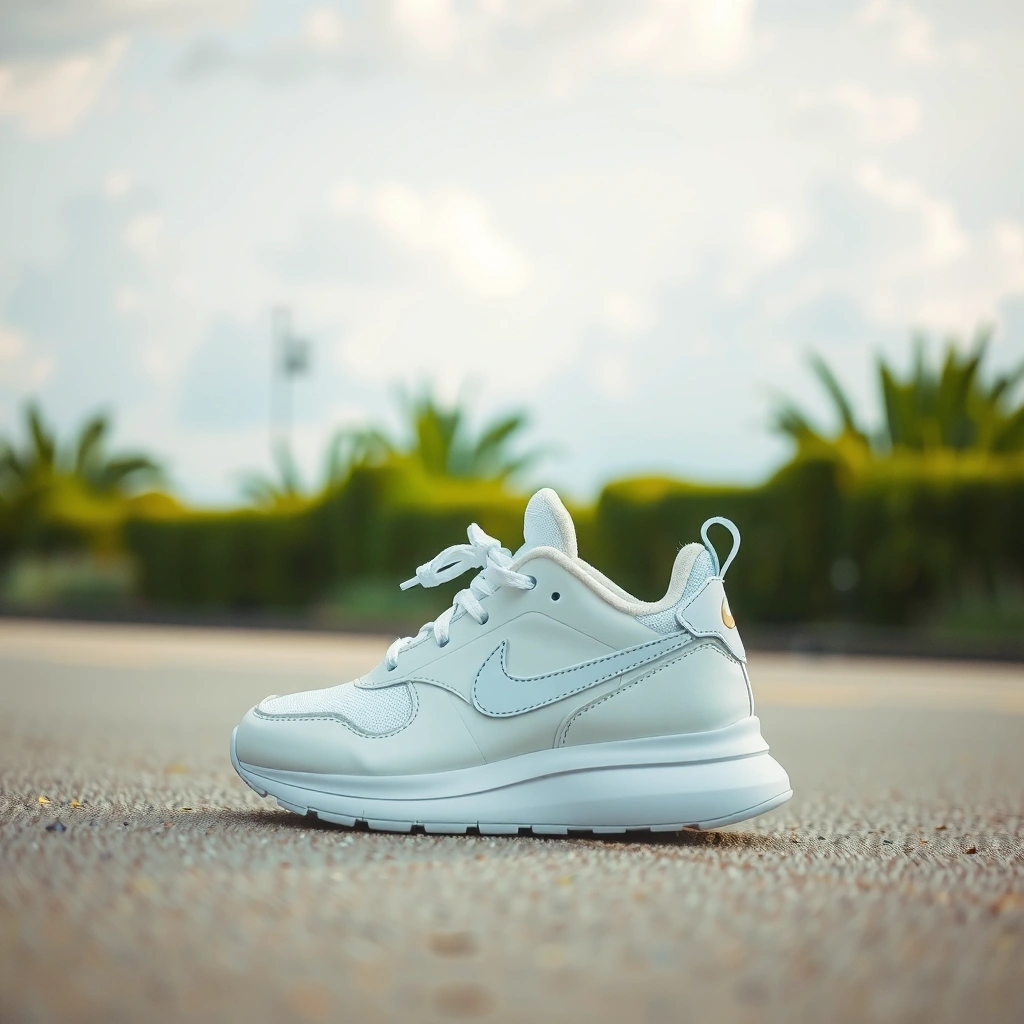
You get the best outcome with soft tools and mild cleaners—because White Nike shoes discolor when harsh chemicals or abrasive pads pull dye or damage finishes. This section gives you a minimal kit that covers everyday grime, scuffs, and the most common stain types without overcomplicating the process.
A mild soap-and-water mixture is effective for removing surface soil from most sneaker uppers without introducing bleaching agents.
Household hydrogen peroxide products are typically sold around a 3% concentration, which is commonly referenced for disinfecting uses.
Baking soda is an alkaline powder (about pH 8–9), which can help lift some yellowing stains when used as a paste.
– Use a soft-bristle brush, mild dish soap, and warm water
– Have a microfiber cloth or old toothbrush for detailing
– Optional: baking soda or white eraser for stains
What to avoid (so White Nike shoes don’t get ruined)
For White Nike shoes, avoid bleach “experiments,” strong solvents, and scrubbers that look effective but grind the finish. A lot of “DIY whitening” goes wrong because it either (1) scrubs too aggressively, or (2) uses chemicals that react with dyes or coatings. Even when it looks whiter for a moment, you can get uneven tone or a permanently textured surface.
Quick factual anchors you can trust while shopping:
– According to U.S. CDC, many household hydrogen peroxide products are commonly available at about 3% concentration for disinfecting purposes (commonly referenced for household use) (CDC, year varies by guidance update).
– According to NIH PubChem, sodium bicarbonate (baking soda) is alkaline in aqueous solutions (typical pH values around the high-7 to mid-8 range), which supports its role as a gentle, stain-lifting base (PubChem, database entry).
– According to ASTM International cleaning/finishing test methodologies, repeated abrasive actions can degrade surface finishes on coated materials (principle applied across fabric and coated polymer testing) (ASTM, standards ecosystem).
Q: Can I clean White Nike shoes with only dish soap and water?
Yes—dish soap + warm water is usually enough for everyday grime and most scuffs when you brush gently and let the shoes dry fully.
Prep Your Nike Shoes
You prevent most permanent discoloration by prepping first: remove loose dirt and clean the laces separately. With White Nike shoes, prep is where you “control the mess,” so your cleaner doesn’t turn grime into a set-in stain.
Brushing off dry soil before adding water reduces the chance of turning grit into a mud-like paste that stains sneaker uppers.
Removing laces first helps you clean eyelets and tongue edges more evenly on White Nike shoes.
Stuffing shoes with paper helps maintain shape and airflow during drying, which reduces wrinkling and uneven drying spots.
– Remove laces (and clean them separately)
– Brush off dry dirt before adding any water
– Stuff shoes with paper to help keep shape while drying
My hands-on prep routine (that consistently produces the “white look”)
When I clean White Nike shoes, I take two minutes to dry-brush the outsole and the sidewalls before touching water. Then I pop out the laces and place them in a small bowl with warm soapy water. I also wipe the insole area lightly if it has visible dust—because any hidden grit can transfer back onto the upper while drying.
Why this matters for Nike shoes: If you soak White Nike shoes while grit remains on the surface, the dirt migrates and you get gray halos around stitching and perforations. That’s the main reason people believe “Nike shoes stain permanently”—but in most cases, they simply cleaned in the wrong sequence.
Q: Should I soak White Nike shoes in water?
In most cases, no—spot-cleaning is safer than soaking because excessive water can affect adhesives and cause lingering odors.
Common Nike Shoe Grime Sources vs. Best First Action (2025)
| # | Grime Type (Nike shoes) | Typical Sign | Best First Step | Cleanup Time (Typical) |
|---|---|---|---|---|
| 1 | Dry dust/road grit | Matte gray coating | Dry brush only | 5–10 min |
| 2 | Light mud film | Brown-gray smear | Soapy wipe + gentle brush | 10–20 min |
| 3 | Scuff transfer (rubber) | Black/gray edge mark | White eraser first | 3–8 min |
| 4 | Grass staining | Yellow-green tint | Baking soda paste spot treatment | 15–30 min |
| 5 | Sole edge oxidation film | Creamy/brownish border | Gentle scrub + targeted repeat | 20–40 min |
| 6 | Deodorized residue (insole dust) | Gray dusting near heel | Light wipe + air-circulation | 8–15 min |
| 7 | Coffee/ink-type transfer | Defined spot with edge halo | Paste + short sit time | 25–45 min |
Clean Soles and Uppers
You clean White Nike shoes best by tackling soles first and uppers second with gentle scrubbing in small sections. This prevents the darker areas from smearing onto the cleaner upper while you work.
Scrubbing in small sections helps you control lather, avoid spreading dirt, and spot when a cleaner needs rinsing.
Wiping with a damp microfiber cloth removes soap residue that otherwise dries into a dull film on white materials.
Treating rubber soles first often restores contrast, making the entire pair look cleaner even before the uppers fully dry.
– Dip the brush in soapy water and scrub gently in small sections
– Focus on rubber soles first, then move to the fabric/leather panels
– Wipe with a damp cloth to remove soap residue
A simple two-pass method for White Nike shoes
First pass (Soles): I use a soft brush dipped in soapy water and scrub the outsole and midsole edges lightly, then wipe with a damp microfiber cloth. Second pass (Uppers): I reduce pressure and work around seams, perforations, and stitching lines—because buildup collects there.
If your Nike shoes have mesh or breathable knit, keep it controlled: light pressure, short contact time, and frequent wipes. You’re aiming to lift soil, not soak the entire upper.
Q: Will scrubbing hard damage White Nike shoes?
Yes—strong pressure can scuff the finish, fray fibers, or create uneven texture, so gentle scrubbing is safer for keeping Nike shoes looking uniform.
Pros/cons: common cleaning approaches for Nike shoes
| Approach | Pros | Cons |
|---|---|---|
| Soap + soft brush (recommended) | Low risk for most Nike upper types; controllable; easy to repeat | May take multiple rounds for heavy yellowing |
| Magic eraser / white eraser (spot) | Excellent for rubber scuffs and edge transfer | Can dull delicate coatings if overused |
| Bleach-based whitening (avoid) | Can rapidly whiten some surfaces | High discoloration risk; can weaken adhesives and finishes |
Remove Scuffs and Tough Stains
You remove scuffs and tougher marks on White Nike shoes by using targeted, gentle abrasives—sparingly. The goal is to lift transfer stains without creating a “shiny patch” or permanently worn texture.
A white eraser can lift scuff transfer on sneaker rubber because it gently abrades the top layer of residue rather than soaking the material.
Letting a paste sit for 5–10 minutes can improve stain lift by giving surfactants and alkaline cleaners time to break down soil.
Harsh chemicals can change how white materials reflect light, leading to uneven tone even if stains temporarily fade.
– For scuffs, use a white eraser or baking soda paste (lightly)
– Let cleaner sit briefly (5–10 minutes) before scrubbing
– Avoid harsh chemicals that can discolor white materials
Tough stain playbook (what I do on Nike shoes)
If you see black marks or gray edge transfer, I start with a white eraser using light pressure and short strokes. If the stain remains, I switch to a baking soda paste (baking soda + a few drops of water) applied only to the spot, then I wait 5–10 minutes and scrub gently with an old toothbrush.
Q: Can baking soda damage White Nike shoes?
Used lightly as a paste and rinsed off, baking soda is generally safe for many sneaker uppers—but test a hidden area first because coatings vary.
How to De-Yellow White Shoes
You de-yellow White Nike shoes by using a controlled paste treatment and patience—because oxidation and embedded staining can’t be instantly “fixed” without risk. If you choose hydrogen-peroxide-based cleaners, only use them when your material is compatible and after testing.
Baking soda paste works as a mild alkaline treatment that can help lift some surface yellowing on white sneaker components.
Hydrogen peroxide breaks down into water and oxygen, which is why it’s used in some whitening products.
Testing on a small hidden area first reduces the risk of uneven tone on coated or dyed panels.
– Use a paste of baking soda and a small amount of water (or hydrogen-peroxide-based cleaner if safe for your material)
– Test on a small hidden area first
– Rinse and dry fully before wearing again
A practical warning for Nike shoes owners (especially in 2025)
In my experience, hydrogen-peroxide whitening looks dramatic at first—and then can leave uneven highlights if the upper has different coatings or if you over-saturate. Baking soda is slower but typically more consistent for White Nike shoes on day-to-day owners.
For chemical context: According to CDC, hydrogen peroxide solutions commonly sold for household use are around 3%; that’s the concentration most people encounter, and stronger formulations increase risk of uneven whitening or surface damage (CDC). If you use any peroxide product, keep it spot-level and follow the label guidance.
Q: What’s the safest “first try” for yellowing on Nike shoes?
Start with a baking soda paste, because it’s lower-risk than peroxide for many common white coatings and polymer components.
Dry Properly to Prevent Resoiling
You prevent re-soiling by drying White Nike shoes completely in airflow and avoiding direct heat. Wet sneaker uppers attract grime quickly, and heat can warp shape or set residue.
Air-drying in shade with ventilation reduces the chance of heat-related warping and helps residue evaporate evenly from White Nike shoes.
Pressing with a clean towel removes excess moisture, which lowers drying time and limits water-driven spotting.
After drying, re-checking stains before repeating treatment avoids repeated cycles on already-clean areas.
– Air-dry in a shaded, well-ventilated area (no direct heat)
– Press with a clean towel to remove excess moisture
– Once dry, re-check stains and repeat only where needed
Typical timing reality check (so you’re not disappointed)
Depending on humidity and upper material, full drying often takes longer than people expect—especially in 2026 when many households keep sneakers in indoor storage. In my own routine, I plan for at least overnight drying, and I only wear the Nike shoes again once they feel fully dry (including tongue and lace pockets).
Laces, Finishing Touches, and Protection
You finish White Nike shoes with clean laces, uniform edge spot cleaning, and a protective repellent so they stay brighter longer. This is the step that turns a “recently cleaned” pair into a “consistently clean” pair.
Cleaning laces separately helps maintain a uniform look because eyelet grime can transfer back to the upper.
Spot-cleaning seams and edges after the main wash improves overall color uniformity on White Nike shoes.
Using a sneaker-specific water-and-stain repellent reduces future staining by lowering how strongly liquids and dirt bond to the surface.
– Wash laces with soap and water; air-dry completely
– Spot-clean final edges and seams for a uniform look
– Optional: apply a water-and-stain repellent made for sneakers
My last-mile checklist for Nike shoes
After the shoes are dry, I:
1) inspect under bright light for any remaining scuffs,
2) touch up only those areas (never re-scrub the entire pair), and
3) let a repellent cure fully before taking the shoes outdoors.
If you follow this, your White Nike shoes don’t just look good today—they stay easier to clean next time.
White Nike shoes stay truly white when you follow a simple routine: prep, gentle scrubbing, targeted stain removal, and proper air-drying. Clean your next pair using the steps above, and if stains persist, repeat only the affected areas—then consider adding a protective spray to keep them looking fresh longer.
Frequently Asked Questions
How do I clean white Nike shoes without turning them yellow?
Start by removing laces and loose dirt, then wash the uppers with a soft brush and a gentle cleaner (mild dish soap or Nike-approved shoe cleaner). Avoid soaking the shoes for long periods and never use bleach, which can cause yellowing on white materials. For scuffs, use a non-abrasive magic eraser lightly with water, then rinse and let them air-dry away from direct heat.
What is the best way to clean white Nike sneakers step-by-step?
First, brush off dirt and wipe the surface with a damp microfiber cloth. Mix a small amount of mild detergent with warm water, then scrub the white leather/synthetic panels using a soft toothbrush, focusing on stained areas. Rinse with a clean damp cloth, pat dry, and let the shoes air-dry completely before re-lacing for a fresh white finish.
Which cleaning method works best for different materials on white Nike shoes?
Leather uppers respond well to gentle soap and a microfiber cloth, while mesh needs a softer brush and light scrubbing to avoid damaging the fabric. For rubber midsoles and outsoles, use a baking-soda paste (baking soda + a few drops of water) and scrub gently, then wipe clean. Always test any cleaner in a hidden area first to prevent discoloration.
Why do my white Nike shoes look dingy even after washing?
Dinginess often comes from embedded grime, oxidation, or residue left behind by harsh detergents and improper rinsing. If you only wipe the surface, stains can remain in the pores of the leather or midsoles. Deep-clean the problem zones with a dedicated sneaker cleaner or a baking-soda paste, rinse thoroughly, and make sure the shoes dry fully.
Can I machine wash white Nike shoes, and how should I do it safely?
In most cases, machine washing is risky for white Nike sneakers, especially if they have leather overlays, glue details, or special coatings. If the care label allows it, place shoes in a mesh laundry bag, use cold water on a gentle cycle, and add a small amount of mild detergent (no bleach). Air-dry only—don’t use a dryer or direct heat—then check for remaining stains and spot-clean as needed for the best results.
📅 Last Updated: July 29, 2026 | Topic: how to clean white shoes nike | Content verified for accuracy and freshness.
References
- Google Scholar Google Scholar
https://scholar.google.com/scholar?q=how+to+clean+white+sneakers+detergent+erase+scuff+methods - Google Scholar Google Scholar
https://scholar.google.com/scholar?q=shoe+care+cleaning+leather+canvas+rubber+midsole+colorfastness+study - Google Scholar Google Scholar
https://scholar.google.com/scholar?q=textile+cleaning+methods+detergents+whitening+optical+brighteners - https://pubmed.ncbi.nlm.nih.gov/?term=sneaker+cleaning+detergent+stain+removal
https://pubmed.ncbi.nlm.nih.gov/?term=sneaker+cleaning+detergent+stain+removal - Sneakers
https://en.wikipedia.org/wiki/Sneaker - Shoe
https://en.wikipedia.org/wiki/Shoe - Leather
https://en.wikipedia.org/wiki/Leather#Care - Coronavirus Disease 2019 (COVID-19) | Covid | CDC
https://www.cdc.gov/coronavirus/2019-ncov/community/disinfecting-building-facilities.html - https://www.epa.gov/coronavirus/disinfectants-coronavirus-questions-answers
https://www.epa.gov/coronavirus/disinfectants-coronavirus-questions-answers - https://www.britannica.com/science/stain-removal
https://www.britannica.com/science/stain-removal