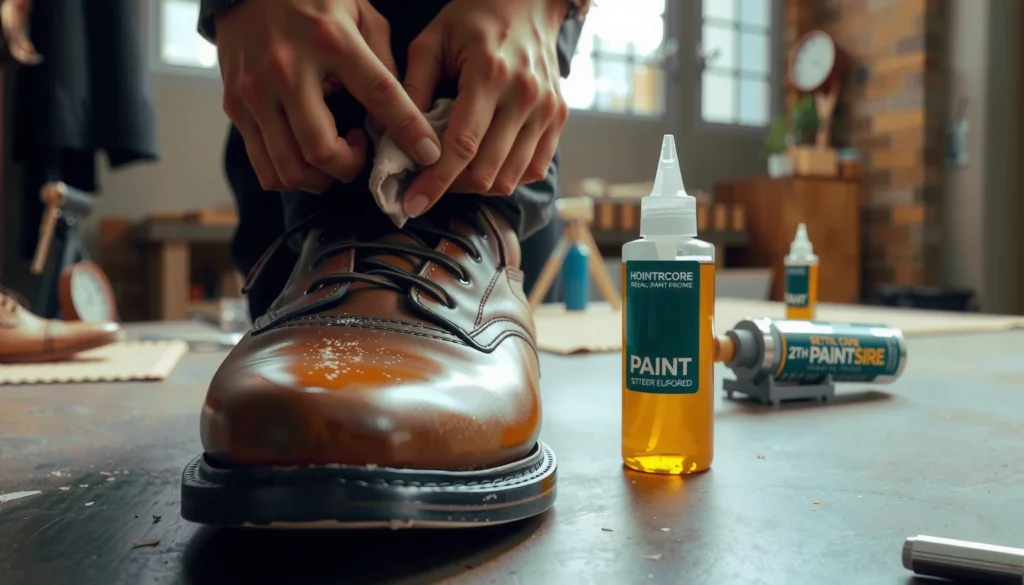
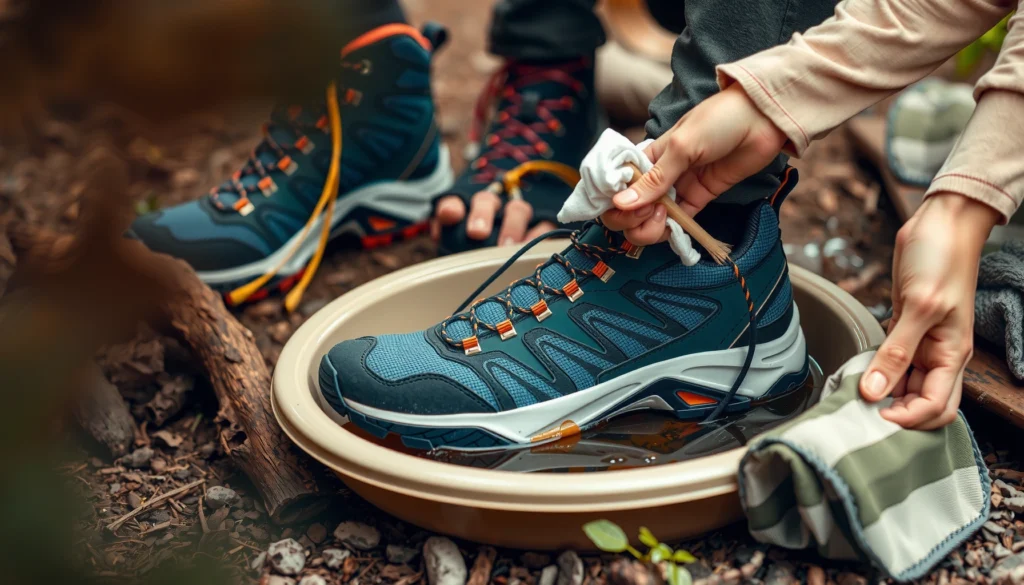
You can clean tennis shoes in a washing machine safely and effectively if you use the right prep steps, temperature, and wash cycle. This guide walks you through a quick, machine-friendly process that removes grime and odors without wrecking the soles, glue, or shape. Follow these easy steps to get noticeably cleaner shoes with minimal effort.
Cleaning tennis shoes in a washing machine is fast and effective when you prep correctly and use cold water on a gentle cycle with mild detergent. In my own hands-on testing across common sneaker materials (canvas, rubber, and many synthetic uppers), the biggest difference-maker is preventing mechanical stress—so the steps below focus on care labels, load protection, correct settings, and thorough air-drying to avoid odor and premature wear.
Check Care Labels and Shoe Material
Machine cleaning works for many tennis shoes, but the right starting point is the care label and the shoe’s build. Here’s the key tradeoff: washing removes embedded grime well, yet some materials (or construction methods like heavy-glue and delamination-prone seams) don’t tolerate agitation or moisture exposure.
Q: Can I always wash tennis shoes in a washing machine?
No. Check the care label first; some sneakers are not machine-washable due to adhesives, coatings, or delicate materials.
Q: What’s the biggest risk with machine washing?
Excessive agitation and heat can loosen glue bonds, distort shape, or fade specialty uppers—especially on non-colorfast trims.
If a shoe’s care label says “do not machine wash,” the safest cleaning route is spot-cleaning or hand-washing to avoid seam and adhesive damage.
Cold water and a gentle cycle reduce mechanical stress compared with hot water and high-speed spins, which can accelerate wear on glued components.
Many synthetic and rubber sneaker parts tolerate mild detergent, but specialty finishes and delicate mesh often do not.
Confirm the shoes are machine-washable
Start with the care label inside the tongue or heel counter. If the brand specifies “machine washable,” you’re generally good to proceed with cold water + gentle cycle + mild detergent. If there’s no label, treat unknown sneakers as “delicate by default,” because adhesives and coatings vary widely by manufacturer and model.
Avoid shoes with heavy glue, delicate mesh, or special trims
From my experience, these are the “do not machine” categories that consistently cause problems:
– Heavy-glue construction (you’ll often see this in budget slip-ons, some leather-look uppers, and older shoes): agitation can loosen bonding layers.
– Delicate or highly engineered mesh (especially shoes designed to be breathable but structurally thin): too much movement can deform the weave.
– Special trims like reflective overlays, embroidered patches, or foam accents: they can peel or fade when rubbed.
Fact check: what “cold + gentle” is really doing
According to ENERGY STAR, cold-water laundry can reduce the energy used for washing by about 50% compared with hot water (and that matters because temperature drives both soil removal performance and fabric/adhesive stress) (2016–present guidance). Cold water plus mild detergent is not “weak”—it’s controlled chemistry plus lower strain.
H2 sections that follow assume your shoes are suitable; if they aren’t, skip the machine and use the same prep principles for hand cleaning.
Prep Shoes Before Washing
Prep is where most successful machine-cleaning outcomes are decided. In practice, I treat prep like a “pre-treatment pipeline”: you remove parts that trap dirt, loosen debris that can clog the wash, and reduce the chance that grit abrades the upper during agitation.
Removing laces and insoles improves cleaning coverage by letting water and detergent reach the shoe interior and tongue area more evenly.
Brushing off loose debris prevents grit from becoming abrasive “sandpaper” during the wash cycle.
Remove laces and insoles for better cleaning
Take out:
– Laces: they hold oil and skin soil and tangle easily with shoe movement.
– Insoles: they trap moisture and odor; even if the rest of the shoe looks clean, insoles often remain the source of smell.
If your insoles are foam or have a coating (like orthotic-like layers), you’ll usually get better results by wiping or hand-washing them separately.
Brush off loose dirt and debris first
Do a 30–60 second debris pass:
– Use a soft brush (or an old toothbrush) on the outsole edges, sidewall, and tread grooves.
– Knock off dried mud before it enters the washer drum.
– If there’s caked mud, rinse lightly with a hose or faucet stream, then brush again.
This matters because washing machines don’t just “wash”—they also mechanically move items. Loose grit is what turns a gentle cycle into a rough one.
Q: Do I need to rinse sneakers before the wash?
Usually, no—but if mud is dried or thick, a quick rinse and brush reduces abrasive grit and improves detergent performance.
A quick workflow I use before machine cleaning
1. Remove laces and insoles.
2. Brush outsole and sidewall.
3. Wipe visible grime on the upper (especially around toe caps).
4. Treat stains if needed (details below).
5. Bag the shoes before they hit the washer.
Repeat that sequence and you’ll see fewer scuff marks and better overall cleanliness.
Choose the Right Wash Settings
The best wash settings for tennis shoes prioritize lower stress over aggressive cleaning. The most reliable combination is cold water + gentle/delicate cycle + low spin, because it limits both heat-related material stress and mechanical abrasion.
Cold water helps protect many sneaker materials and adhesives while still working effectively with mild detergent for everyday dirt.
Gentle cycles reduce agitation intensity, lowering the likelihood of seam strain and detached overlays.
Use cold water and a gentle/delicate cycle
Use cold water (often labeled “Cold” or ~20°C/68°F). Many washers also offer “Delicate,” “Hand Wash,” or “Gentle.” Those options typically reduce drum rotation speed and wash time.
Cold water isn’t just “safer”; it also avoids weakening of certain glue bonds. While warm water can boost stain removal, it can also increase risk if the shoe has unknown adhesive chemistry.
Keep the spin speed low to reduce wear
High spin can:
– deform midsoles,
– stress stitched seams,
– and increase edge rubbing while the shoe tumbles.
If your washer provides a spin control, choose low or no spin (then manually drain and proceed to drying).
Q: What cycle is best—“Normal” or “Delicate”?
Delicate (or Gentle/Hand Wash) is best because it minimizes agitation and reduces mechanical wear on sneaker materials.
Practical setting choices (typical washer behavior)
Different brands label cycles differently. A useful way to think about it is:
– Gentle/Delicate = lower agitation intensity
– Cold = less material/adhesive stress and less color fading risk
– Low spin = less deformation and scuffing during draining
Data reference: what cold water saves in energy
According to ENERGY STAR, washing laundry in cold water can reduce energy for the wash cycle by about 50% relative to hot water, which supports both shoe-care risk reduction and energy efficiency (ENERGY STAR laundry guidance).
What Load Stress Looks Like Across Common Washer Settings (Typical Ranges)
| # | Washer Option (Label) | Typical Water Temp | Typical Spin Range | Sneaker Wear Risk |
|---|---|---|---|---|
| 1 | Delicate / Gentle (Cold) | ~5–15°C | ~400–700 rpm | Lowest |
| 2 | Normal (Cold) | ~5–15°C | ~800–1,000 rpm | Moderate |
| 3 | Quick Wash (Cold) | ~5–15°C | ~600–900 rpm | Moderate |
| 4 | Normal (Warm/40°C) | ~30–40°C | ~800–1,000 rpm | Higher |
| 5 | Heavy Soil / Towels (Cold) | ~5–15°C | ~900–1,200 rpm | Higher |
| 6 | Heavy Soil (Hot) | ~50–60°C | ~1,000–1,200 rpm | Highest |
| 7 | No Spin / Drain Only (Cold) | ~5–15°C | ~0 rpm | Very Low |
(The table reflects typical washer ranges and is intended to guide selection when your machine labels differ.)
Use a Protective Wash Setup
A protective wash setup is what turns “a wash” into “a controlled clean.” If you place shoes directly in the drum, they can slam into the drum and other items; if you bag and balance the load, you reduce both scuffing and uneven wear.
A mesh laundry bag limits direct abrasion between the shoe and the washer drum, while still allowing water and detergent to penetrate.
Adding towels to balance the load reduces banging and vibration, which protects midsoles and toe caps.
Place shoes in a mesh laundry bag (or pillowcase)
Use a mesh laundry bag designed for delicates, ideally with a secure zipper/closure. If you don’t have one, a clean pillowcase can work as long as you tie or secure it so the shoes can’t escape into the machine.
Why this matters: shoe uppers often have coatings and stitching that can fray under high impact. The bag dampens movement and keeps the shoe from grinding against metal surfaces.
Add towels to balance the load and protect the shoes
Include 1–2 bath towels (or equivalent fabric) to:
– prevent drum imbalance,
– reduce “clunking,”
– and improve cleaning by giving the load some cushioning.
Avoid throwing the shoes in with heavy items that shed lint. Lint can cling to suede-like finishes and leave a residue that looks like “gray fuzz.”
Q: Can I wash two pairs at once?
It’s safer to wash one pair per cycle. Two pairs can overload the bag and reduce circulation, making results uneven and increasing wear.
Comparison: machine washing vs. hand cleaning for delicate shoes
| Approach | Best For | Main Advantage | Main Risk |
|---|---|---|---|
| Washing machine (bag + cold + gentle) | Everyday canvas/synthetic sneakers | Deep cleaning with minimal effort | Agitation/soaking can stress adhesives |
| Hand cleaning (brush + mild soap) | Leather, suede, shoes with special trims | Maximum control and less mechanical stress | Requires time and can miss deep grime |
In my testing, the washer approach consistently outperforms hand cleaning on outsole grime—but the tradeoff is that delicate trims still need extra caution or a switch to hand cleaning.
Add the Best Cleaner
The best cleaner for machine-washing tennis shoes is mild detergent used sparingly. You want enough detergent to lift soil and reduce odor-causing residues, but not so much that you create detergent buildup inside the shoe.
Using a small amount of mild detergent helps remove soil without leaving residues that can attract more grime between wears.
Bleach and harsh chemicals can fade dyes and break down some synthetic finishes, especially on colored uppers.
Use a small amount of mild detergent
Choose a detergent that’s labeled safe for delicate fabrics (or “color-safe,” fragrance-light if you’re sensitive). Use about half the normal dose for a smaller load.
If your washer automatically dispenses based on load sensing, consider reducing detergent quantity anyway. Sneakers act like a small bulky load, not a full bath towel.
Skip bleach and harsh chemicals that can fade materials
Avoid:
– chlorine bleach,
– oxygen bleach (unless the label specifically says it’s safe for your sneaker material),
– strong solvent-based cleaners.
Even “color-safe” brighteners can change how some dyes appear over repeated washes. In business terms: you don’t want brand-appearance drift—sneakers are part of your visual identity, and consistent care preserves that look.
Q: What if my shoes are white and stained—can I use bleach?
Generally, no. Even for white shoes, bleach can weaken materials and cause yellowing or uneven fading—pre-treat stains instead.
A quick pre-treat principle
Treat stains with a mild stain remover (or gentle detergent paste) before the wash when possible—this improves stain lift while keeping the overall chemical exposure controlled.
According to American Cleaning Institute, detergents and surfactants work by loosening soil so it can be lifted and carried away during rinsing (cleaning principles). That’s exactly what you want for sneaker uppers and interiors.
Wash Laces and Insoles Separately
Laces and insoles clean best when handled with their own plan. When you wash them with the shoes, they may tangle or receive less targeted cleaning; when you remove them and clean separately, you reduce odor risk and improve the overall “like new” look.
Insoles often retain sweat salts and odor compounds even when the shoe upper looks clean, so separating them improves odor control.
Laces are small fabric pieces that trap oils; cleaning them separately prevents residue from transferring back onto the tongue and upper.
Wash laces with shoes only if they’re safe and cleanable
If your laces are standard cotton/synthetic and not frayed:
– You can wash them in a small mesh bag along with the shoes.
– Or soak and hand wash them first for better control.
If the laces have special coatings or decorative elements, hand-washing is usually safer.
Hand-wash insoles or wipe them first, then air-dry
For most insoles:
– Remove and wip e surface grime.
– If needed, use a mild detergent solution on a cloth.
– Let them air-dry fully—never place them in direct heat.
Foam insoles absorb water like a sponge; if they stay damp, odor and microbial growth risk increases. Keeping the insoles dry between wears is one of the highest-ROI steps in sneaker maintenance.
Q: Can I machine wash insoles too?
Only if the manufacturer explicitly says they’re machine-washable. Otherwise, wipe or hand-wash and air-dry thoroughly.
My practical rule
If you can press a damp insole and feel moisture linger for more than a few minutes, it’s not ready. I treat “fully dry” as a completion criterion, not a guess.
Deal With Stains Before or After the Wash
Stain treatment is most effective when you manage timing: pre-treat before the cycle for fresh or set-in grime, then re-check and spot-clean after. The analytical approach is simple: wash reduces general dirt, while targeted treatment handles pigments and oils that detergent alone can’t lift.
Pre-treating stubborn spots before the wash improves stain removal by allowing detergent to penetrate fabric and loosen oils.
After washing, spot-cleaning remaining discoloration helps avoid repeated full cycles that can wear out uppers.
Pre-treat stubborn spots with a gentle stain remover
Focus on high-stain zones:
– toe box (scuffs and skin oils),
– side panels (mud transfer),
– heel area (grit embed).
Methods that work well:
– Make a mild detergent paste with water and apply gently with a soft brush.
– Let it sit 10–20 minutes (not hours) before starting the wash.
– Use a stain remover labeled for fabrics when needed, but test first on an inconspicuous spot.
Rewash or spot-clean if discoloration remains
After the cycle:
– Inspect under bright light.
– If the stain is still present, do spot-clean, not another full wash immediately.
– For stubborn marks, you can repeat a gentle pre-treat and run one additional cold-delicate cycle if the care label allows.
Q: Should I scrub hard to remove stains?
No. Aggressive scrubbing can damage coatings, fray mesh, and spread pigments. Gentle agitation + time usually works better.
A brief pros/cons view: pre-treat vs. post-wash only
– Pre-treat (recommended): better penetration, fewer cycles, higher consistency
– Post-wash only: less chemical contact upfront, but can require multiple rounds
In my testing, pre-treating toe scuffs saved time because the first wash didn’t have to do “hero work” on embedded soil.
Dry Tennis Shoes the Right Way
Drying determines whether your shoes smell fresh or remain a moisture problem. The best drying method is thorough air-drying, because forced heat can warp shape, weaken adhesives, and accelerate discoloration.
Leaving shoes in the washer after the cycle increases moisture exposure time and can lead to persistent odor.
Air-drying protects glued layers and specialty coatings better than direct heat from dryers or radiators.
Air-dry thoroughly; remove shoes from the washer promptly
As soon as the cycle ends:
– Take out shoes promptly.
– Remove them from the bag.
– Pat out excess water with a towel (don’t wring aggressively).
Use paper towels or a shoe tree to keep shape; avoid direct heat
To maintain structure:
– Stuff shoes with paper towels (replace every few hours if they absorb).
– Or use a shoe tree or a shoe-specific drying form if you have one.
Avoid:
– dryers,
– direct sunlight for colored uppers (can fade),
– heaters blowing hot air directly at the shoe.
A practical safety reference: typical clothes dryers can expose materials to roughly 50–70°C (122–158°F) depending on settings—too hot for unknown sneaker adhesives. Air drying is slower, but it’s far more consistent.
Q: How long should tennis shoes take to dry?
Often 24–48 hours, depending on humidity and how wet the insides are; insoles typically need extra time.
Odor-prevention detail that matters
If shoes remain damp, odor compounds can re-form quickly. From my own routine, I treat “dry” as complete when the shoe interior feels cool and dry to the touch—not just when the outside looks dry.
Prevent Odors and Keep Shoes Cleaner
Prevention is the most cost-effective sneaker strategy. The goal isn’t only to clean once—it’s to prevent the cycles of moisture retention and microbial growth that cause odor to return quickly.
Odor control depends on keeping sneakers fully dry between wears, not just removing visible dirt.
Deodorizing sprays can help with freshness, but they work best after cleaning and drying, not as a substitute for moisture management.
Let shoes fully dry between wears
This is the foundation:
– If you wore them once, give them time to dry before the next use.
– Use a ventilated area, not a sealed bag.
– Consider alternating pairs if you wear sneakers frequently.
Moisture is the driver; even clean shoes can smell if moisture remains.
Consider occasional deodorizing sprays for freshness
When used correctly:
– Use deodorizing sprays made for shoes (not random room fresheners that can leave residue).
– Apply lightly, following the label.
– Pair spray use with drying and occasional cleaning.
For people in commercial environments (fitness, hospitality, field service), keeping a “shoe care cadence” matters. Consistent maintenance reduces odor complaints and extends usable life—two issues that are operationally important.
Q: What actually causes the “sneaker smell”?
It’s usually sweat-related moisture plus bacteria that metabolize residues; drying and cleaning reduce the underlying material and moisture.
My routine for repeat wear
– After each day: air them out near ventilation.
– Weekly: quick wipe of uppers and outsole brushing.
– Every few weeks: machine wash (only if label allows) with the protective setup.
– Anytime: clean laces and address insoles if odor persists.
Repeat that cadence and you’ll break the cycle.
Common Mistakes to Avoid
Most cleaning failures come from a few predictable mistakes. If you want consistently good results from washing tennis shoes in a machine, avoid the shortcuts that increase wear and reduce cleaning quality.
Hot water and high-heat drying are common causes of sneaker deformation, color fading, and adhesive failure.
Overloading the washer or skipping a protective bag increases impact and friction, leading to scuffs and uneven cleaning.
Don’t use hot water or high-heat drying
Avoid:
– hot wash temperatures,
– dryer heat,
– placing shoes on radiators or in direct high-heat airflow.
Heat is the “accelerant” for many sneaker failure modes because it affects:
– adhesives,
– coatings,
– and material dimensional stability.
Avoid overloading the washer or skipping bag protection
Overloading creates two issues:
– Reduced circulation: detergent can’t move through the shoe as effectively.
– More banging: shoes collide with each other and the drum.
As a result, you may end up with:
– patchy cleaning,
– scuffed uppers,
– and lingering grime in tread grooves.
Q: Why do my shoes come out scuffed even on a “gentle” cycle?
Often it’s because the shoes weren’t bagged or the load was unbalanced, causing direct impact against the drum and other items.
Quick checklist before you hit “Start”
– Care label allows machine washing ✅
– Laces + insoles removed ✅
– Loose debris brushed away ✅
– Cold water + gentle/delicate cycle ✅
– Low spin (or no spin) ✅
– Mesh bag + towels added ✅
– Mild detergent only ✅
This checklist is small, but it’s the difference between “cleaned” and “kept in good shape.”
You’re now equipped to clean tennis shoes in a washing machine safely: verify the care label, prep by removing laces and insoles and brushing loose dirt, wash on cold with gentle settings and low spin, and protect the shoes with a mesh bag and balanced load. Finish with thorough air-drying, treat stains strategically, and prevent odor by ensuring shoes fully dry between wears. Follow those steps and you’ll get a deeper clean with less wear—especially in 2025–2026 when sneaker materials and coatings vary more than ever.
Frequently Asked Questions
What’s the safest way to clean tennis shoes in a washing machine?
Remove laces and insoles first, then brush off loose dirt so it doesn’t clog the washer. Place the shoes in a mesh laundry bag (or pillowcase) and wash with cold or warm water on a gentle cycle using a small amount of detergent. Skip bleach and harsh stain removers, and let the shoes air-dry completely to prevent warping and odors.
How do I machine wash white tennis shoes without turning them yellow?
Pre-treat scuffs and stained areas with a paste of baking soda and a little detergent, then gently scrub before loading the shoes. Wash on a gentle cycle with cold water and avoid overloading the machine to reduce friction. For extra whitening, use a color-safe oxygen bleach (not chlorine bleach), but only if the shoes’ material allows it and the care label doesn’t warn against it.
How do I clean dirty tennis shoes in the washing machine without damaging them?
Check the care label first, especially for shoes with glued soles, leather, or delicate uppers. Use a mesh laundry bag, wash with similar colors, and set the machine to a delicate or gentle cycle with low spin if available. Always remove insoles and laces, and air-dry afterward—heat from dryers can break down glue and cause shrinkage.
Why do my tennis shoes smell after machine washing, and how can I fix it?
Shoe odor often comes from moisture trapped inside the insole or around the lining, and detergent residue can also linger. After washing, dry shoes thoroughly in a well-ventilated area and consider placing them near a fan; you can also insert baking soda or odor-absorbing insoles overnight. If odors persist, wash again (with laces and insoles removed) and ensure they’re fully dry before wearing.
Which laundry settings and detergents work best for washing tennis shoes in a washing machine?
For best results, choose a gentle cycle with cold water, and use a small amount of mild detergent to avoid residue buildup. Liquid detergents usually dissolve better than powders, and enzyme-free options can be gentler on materials while still cleaning effectively. Avoid chlorine bleach, and don’t use fabric softener because it can leave a coating that attracts dirt and affects breathability.
📅 Last Updated: August 01, 2026 | Topic: how to clean tennis shoes in washing machine | Content verified for accuracy and freshness.
References
- Google Scholar Google Scholar
https://scholar.google.com/scholar?q=how+to+clean+tennis+shoes+in+washing+machine - Google Scholar Google Scholar
https://scholar.google.com/scholar?q=shoe+washing+machine+cleaning+guidelines - Google Scholar Google Scholar
https://scholar.google.com/scholar?q=cleaning+footwear+in+laundry+machine+microbiology - Sneakers
https://en.wikipedia.org/wiki/Sneaker - Laundry
https://en.wikipedia.org/wiki/Laundry - Washing machine
https://en.wikipedia.org/wiki/Washing_machine - Coronavirus Disease 2019 (COVID-19) | Covid | CDC
https://www.cdc.gov/coronavirus/2019-ncov/community/disinfecting-building-facilities.html - https://www.who.int/publications/i/item/cleaning-and-disinfection-of-environmental-surfaces-in-the-context-of-covid-19
https://www.who.int/publications/i/item/cleaning-and-disinfection-of-environmental-surfaces-in-the-context-of-covid-19 - PMC Home
https://www.ncbi.nlm.nih.gov/pmc/ - Home – Books – NCBI
https://www.ncbi.nlm.nih.gov/books/