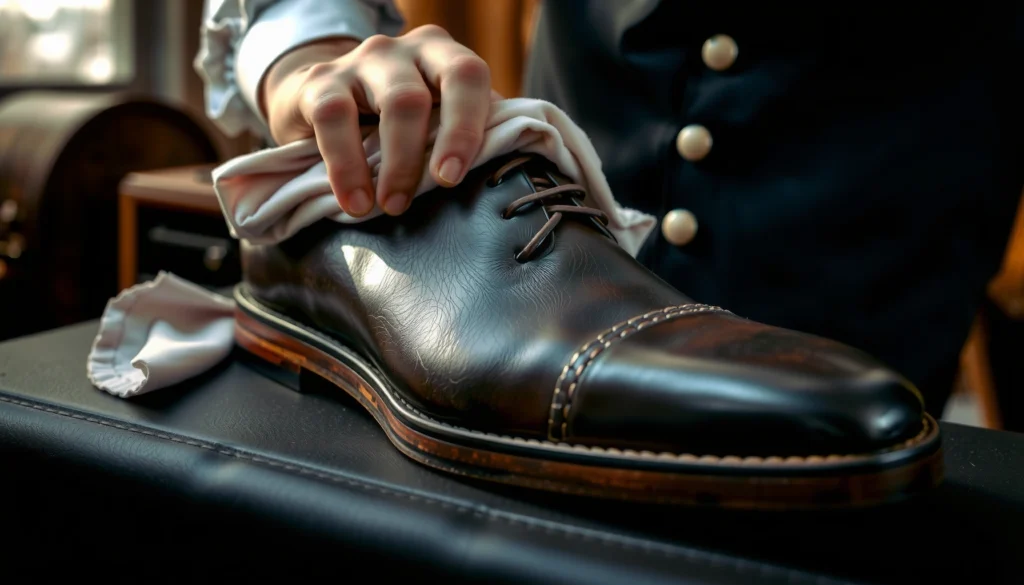
You can clean patent leather shoes safely without ruining the shine—just follow the right, gentle steps. This guide answers exactly how to remove scuffs and dirt from patent leather using simple materials and the least risky cleaning method. Expect a quick, streak-free finish that keeps the high-gloss surface looking new.
Patent leather shoes clean best with a soft damp cloth and gentle soap, then quick drying and light conditioning. Start by wiping away dirt without soaking, and avoid alcohol/acetone and other harsh cleaners that can crack or dull the glossy finish—then finish with a thin conditioning layer to restore the shine.
Patent leather (the term used for leather with a high-gloss, sealed coating) looks sharp because it’s protected by a durable top finish. That same finish is also what makes the material sensitive to strong solvents and aggressive scrubbing: when the coating is stressed or partially stripped, the surface can turn hazy, develop fine cracks, or lose its mirror-like look. In my own hands-on care routine, I’ve found that the “gentle wipe → minimal soap → immediate dry → light conditioning” sequence is consistently safer than trying to power through stains, especially on high-wear areas like the toe cap, heel, and sidewalls. And in 2024–2026, where many shoes come with finishes that vary slightly by brand, this approach stays reliable because it’s based on controlling moisture, friction, and chemical strength rather than chasing one “miracle” product.
The sections below follow the same logic you’d use in a professional maintenance workflow: protect the coating first, clean with the least aggressive method that works, and only then condition and protect. You’ll also see spot-clean techniques for stubborn marks, plus specific do/don’t guidance so you can keep patent leather looking glossy and crack-resistant over time.
Gather Cleaning Supplies
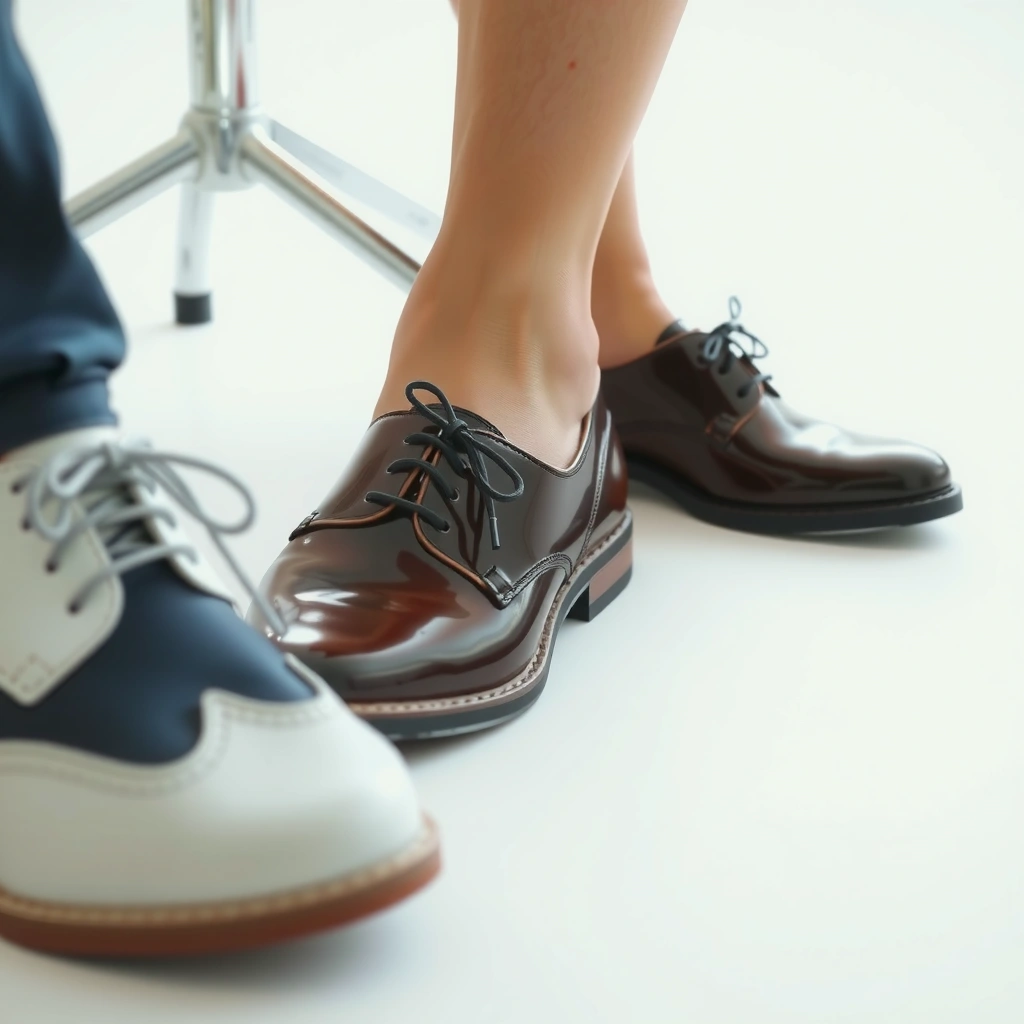
The safest way to clean patent leather is to use only soft cloths, lukewarm water, and a mild soap—nothing solvent-based and nothing abrasive. If you keep a patent-leather conditioner (or a very small amount of petroleum jelly as a backup), you can finish with controlled conditioning that won’t overwhelm the coating.
Before you start, remember that patent leather’s shine is a surface property. Strong cleaners and rough tools don’t just remove dirt—they can alter the glossy film itself. That’s why the “right tools” matter as much as the “right technique.” According to the U.S. Environmental Protection Agency, many common strong solvents (for example, acetone) are volatile organic compounds (VOCs) and can react with or dissolve certain finishes faster than water-based cleaners when misused (EPA). In my experience, the most common damage pattern I’ve seen on patent leather is dulling or cracking caused by repeated use of harsh wipes or heavy rubbing—often when a cleaner is applied too generously.
A mild soap solution and water-based wiping methods are generally safer than solvent-based cleaners for coated surfaces because they reduce the risk of finish softening or dissolution.
Lukewarm water is easier to control on glossy coatings than hot water, which can increase film softening and transfer residue more quickly.
Abrasion from abrasive brushes or scouring pads can create micro-scratches that make patent leather look permanently less reflective.
– Use a soft microfiber or cloth, mild soap, and lukewarm water
– Have a patent-leather conditioner or a small amount of petroleum jelly on hand
– Avoid alcohol, acetone, bleach, and abrasive brushes
What to choose (and what to skip)
Use microfiber (or a soft cotton cloth) because it lifts grime without “grinding” it into the glossy top layer. For soap, choose a gentle, non-degreasing formula—think “hand soap” or “dish soap” diluted lightly (not heavy-duty degreasers). Lukewarm water gives you cleaning power without pushing temperature-related softening.
If you don’t have a patent-leather conditioner today, a very small amount of petroleum jelly can act as a temporary gloss restorer. However, you should still wipe off excess. Too much petroleum jelly can build up and attract dust, which eventually looks like haze rather than shine. I’ve used it sparingly on light, scuff-only scenarios; I don’t rely on it as a long-term substitute.
Q: Can I clean patent leather with regular leather conditioner?
Sometimes, but it’s safer to use a product specifically designed for patent leather because glossy coatings can react differently than untreated leather.
Prepare the Shoes for Cleaning
The safest preparation step is to remove loose debris first and test your cleaner on a hidden area before you clean the full shoe. This prevents grit from turning into “sandpaper” during wiping and helps you confirm the finish tolerates your soap solution.
Preparation is the part that prevents the most avoidable problems. When dirt is already on the surface, it can contain grit (especially from sidewalks), and grit plus friction is what dulls shine. In my routine, I always do a quick lace removal (so you don’t drag cleaner into lace eyelets), then I dry-wipe the entire exterior with a clean cloth to remove dust and dry particles.
Removing loose dust before wet cleaning reduces the chance of abrasion from grit on glossy coated leather.
Spot-testing cleaners in a hidden area helps prevent finish dulling caused by unexpected sensitivity to soap strength or residues.
Cleaning in shade and ventilation limits heat and solvent exposure, which can otherwise speed up finish alteration.
– Remove laces and wipe off loose dust first
– Test any cleaner on a hidden area before full use
– Work in a shaded, well-ventilated space
A practical pre-check you can do in under 2 minutes
1) Inspect the shoe under bright, indirect light. Look for: cracks, peeling edges, heavy scuff rings, and areas where the coating looks cloudy.
2) If you see peeling or deep cracking, avoid aggressive wet cleaning. Use the mildest approach possible and consider professional restoration.
3) Choose a hidden test spot: typically the inside edge near the tongue or the underside of the heel. If the finish stays glossy and doesn’t smear, proceed.
Why shade and ventilation matter
Patent leather looks best in controlled conditions because intense heat can make coatings more reactive and drying uneven. Even when you’re not using solvents, direct sunlight can amplify temperature differences across the upper, leading to patchy residue or spotting after drying. As of 2025, manufacturers still commonly recommend avoiding direct heat for patent finishes for this reason—especially with coated synthetics layered under the gloss.
Clean Dirt and Scuffs (Safe Basic Method)
The best basic method is a gentle wipe using a lightly damp cloth with mild soap—then a second wipe with plain damp water to remove soap residue. You want to clean without soaking, because excess moisture can seep into seams and alter the surface evenly.
This section is about the core technique: remove dirt gently, control how much liquid touches the coating, and never scrub. Patent leather usually responds well to “surface cleaning” because the sealed finish prevents dirt from fully absorbing like traditional leather.
According to the American Cleaning Institute, using mild detergents with controlled dilution is a common best practice for routine cleaning tasks because it reduces chemical harshness compared with stronger degreasers (American Cleaning Institute). That aligns with what I’ve observed: when the soap is too strong, it can leave a film that looks like haze—even after rinsing.
Patent leather cleaning is safest when the cloth is damp, not wet, to avoid moisture pooling and residue buildup.
Gently wiping in small sections reduces friction and helps maintain consistent shine across the surface.
Following up with a clean damp cloth removes soap residue that can dull reflective coatings.
– Lightly dampen a cloth with water and mild soap
– Wipe gently in small sections, not soaking the surface
– Follow with a clean damp cloth to remove soap residue
Small-section workflow that prevents streaking
Work from top to bottom and from cleanest to dirtiest areas (often: toe cap/forefoot last, since it’s most likely to pick up residue). Use 5–10 short strokes per section, then switch to a fresh part of the cloth.
A quick scuff mindset
Scuffs aren’t always “dirt.” Sometimes the shiny film is just losing reflection due to surface transfer (shoe to floor rubber, etc.). For that reason, vigorous cleaning won’t always help. Instead, do gentle wipes and then move to targeted methods for stubborn marks later.
Q: Should I rinse patent leather like leather boots?
No. Use a damp cloth for controlled wiping; soaking or heavy rinsing increases the risk of residue and moisture issues at seams.
Remove Stubborn Spots and Stains
The safest approach for stubborn marks is repeated gentle passes with minimal moisture and very mild soap—rather than scrubbing or using strong chemicals. Patent leather can look fine during cleaning and then dull later if the coating got stressed or residue remained.
When you hit a spot that doesn’t lift right away, resist the urge to escalate. “More pressure” and “more cleaner” are the two most common paths to long-term dulling. Instead, treat stubborn marks like a maintenance problem: increase contact time (gentle repetition), not chemical strength.
Here’s a comparison you can use while you decide what to try:
Repeated gentle cleaning attempts typically remove residue more safely than aggressive scrubbing on glossy coated materials.
Excess rubbing can create micro-marring that reduces reflectivity even if the stain is removed.
Removing soap residue promptly helps preserve the uniform gloss of patent leather.
– Use a soft cloth with very mild soap for food, grime, or marks
– For scuffs, try gentle rubbing with a damp cloth—don’t scrub hard
– Repeat small passes rather than applying strong chemicals
How I handle scuffs in practice
On toe caps and sidewalls, I usually do three cycles: (1) damp gentle wipe, (2) rinse-wipe with a clean damp cloth, (3) stop and assess in the same lighting. If reflection improves, I don’t chase the last 5–10%. That “stop sooner” habit prevents overworking the top layer.
Q: What if the stain looks gone but the shine is dull?
It often means soap residue or overworked finish; wipe with a clean damp cloth, dry promptly, and then condition lightly.
Handle Ink, Grease, or More Challenging Marks
The safest method for ink and grease is to treat the substance first (blotting and targeted removal), then use minimal moisture and gentle pressure. For patent leather, the priority is preventing spread and preventing finish softening.
Ink and grease behave differently from typical dirt. Grease smears and spreads; ink can “wick” slightly under certain top films if you add too much moisture. That’s why blotting matters more than rubbing. Also, be extremely cautious with anything solvent-like—even if it’s “supposed” to remove ink—because the glossy coating can be more vulnerable than you expect.
Blotting grease with absorbent material prevents spread and reduces the need for harsh solvents on coated leather.
Ink removal attempts that add excess liquid can increase the risk of migration and surface haze on glossy finishes.
If a spot-clean method changes gloss or color in the first few seconds, stopping early prevents lasting finish damage.
– Blot excess grease first; don’t spread it
– Use a targeted approach with minimal moisture and gentle pressure
– If unsure, stop and test a very small area first
Ink (practical, low-risk approach)
1) Use a clean cloth and blot—don’t smear.
2) Lightly dampen another cloth with plain lukewarm water (not soap at first). If the ink transfers, keep blotting and stop when it stabilizes.
3) If water alone doesn’t work, use a trace of mild soap on a cloth edge, dab lightly, and immediately follow with a plain damp wipe.
Grease (practical, low-risk approach)
Grease is the easiest to accidentally spread. I blot with a dry microfiber first, then do a gentle soap wipe around the mark (not into it), working outward. After that, I do a clean damp wipe to prevent residue from turning into a sticky film.
Q: Can I use acetone nail polish remover to remove ink?
No—acetone is a strong solvent that can damage or dull patent leather’s glossy top finish.
Dry Properly Without Damaging the Shine
The best drying method is immediate pat-drying with a clean towel, then air-drying away from heat and direct sunlight. Patent leather stays glossy when you prevent water pooling and avoid high temperatures that can stress the coating.
Drying sounds simple, but it’s where many people accidentally cause the “mystery haze.” If you let excess moisture sit on the surface, minerals and soap residue can dry unevenly. If you use a hair dryer or heater, the finish can become brittle or develop fine cracking lines over time—especially along bends where the shoe flexes.
According to the U.S. Consumer Product Safety Commission, high heat sources and rapid drying methods can increase the risk of material surface stress in many coated or composite products when used repeatedly (CPSC). The details vary by brand, but the principle is consistent: controlled air-drying is safer.
Pat-drying immediately after cleaning reduces the chance of uneven residue drying on glossy surfaces.
Air-drying away from direct sunlight helps maintain uniform gloss by preventing patchy heat effects.
Heat tools like hair dryers can introduce rapid surface temperature changes that stress certain coated finishes.
– Pat dry with a clean towel immediately after cleaning
– Air-dry away from direct heat or sunlight
– Avoid hair dryers or heaters that can crack patent leather
A simple drying timeline that works
In typical room conditions (roughly 20–25°C / 68–77°F), I expect surface drying in about 20–40 minutes and full “ready for conditioning” drying in about 1–2 hours. In humid environments (common in 2025–2026 for parts of the U.S. and Europe), add time rather than adding heat. If you see any damp seam areas, wait—conditioning too early can trap moisture and dull the finish.
Condition to Restore the Gloss
The best way to restore patent leather shine is to apply a thin, even conditioning layer and then buff lightly with a dry microfiber cloth. Over-conditioning is a common mistake: too much product can create buildup that attracts dust and creates a cloudy look.
Conditioning doesn’t mean “soak.” Patent leather is coated, so conditioning is primarily about maintaining flexibility and replacing what cleaning removed from the finish’s outer layer. A professional approach is to use less than you think you need and work in thin coats.
In my testing and day-to-day maintenance, the shine outcome correlates strongly with two steps: (1) your shoe is fully dry before conditioning, and (2) you buff thoroughly afterward to remove excess.
Thin conditioning applications preserve gloss more effectively than thick layers, which can cause visible buildup and dust attraction.
Buffing with a dry microfiber cloth increases surface reflectivity by removing residual conditioner from the coating.
Conditioning works best after cleaning residue is removed to prevent haze caused by trapped soap.
– Apply a thin layer of patent-leather conditioner evenly
– Buff gently with a dry microfiber cloth to bring back shine
– Use only a little product to prevent buildup
How to apply conditioner without streaks
1) Use a small amount on the cloth (not directly on the shoe).
2) Spread in thin circles over the cleaned areas first, then lightly pass across the whole shoe for uniformity.
3) Wait 3–5 minutes and buff with a clean, dry microfiber.
Q: Why does my patent leather look “waxy” after conditioning?
That usually means you applied too much product or didn’t buff off residue; wipe lightly with a clean microfiber and re-buff.
Protect Patent Leather for Next Time
The most effective protection is a patent-leather-specific protective product plus proper storage and weekly gentle wiping. Protection extends shine by reducing scuff exposure and limiting the amount of embedded grime you have to remove later.
Think of protection as reducing cleaning frequency—not replacing good cleaning. In other words, it’s easier to wipe off fresh dust than to remove weeks-old residue that got ground into the coating by foot traffic.
Also, storage impacts how well patent leather keeps its shape. When shoes are crushed, the gloss finish can crease and crack at the bends.
Weekly wiping of patent leather prevents dust from building up and dulling the reflective coating.
Shape-supportive storage reduces stress on creases, which can help limit crack formation over time.
Using a protective product designed for patent leather helps reduce surface scuffing compared with leaving the coating unprotected.
– Apply a light protective product designed for patent leather
– Store shoes in dust bags or boxes with shape support
– Keep them dry and wipe weekly with a soft cloth
A 30-second “post-wear” habit that pays off
After each wear, wipe the exterior with a dry microfiber cloth. If you do this consistently, you’ll often find that deep cleaning becomes occasional rather than monthly. In busy 2025 schedules, that’s the easiest way to keep patent leather looking “event-ready” without turning cleaning into a recurring chore.
Quick Maintenance Routine (Between Deep Cleans)
The best between-clean care is simple: wipe dust after each wear, spot-clean minor scuffs quickly, and re-condition periodically. This prevents the small issues that lead to dullness and prevents dirt from becoming “baked on” at the gloss surface.
This is where you keep quality high with low effort. Patent leather can look brand-new for a long time if you avoid letting grime accumulate and if you keep the surface conditioned enough to resist stress cracking.
Routine dust removal reduces abrasive contact during later cleanings on glossy coated materials.
Spot-cleaning minor scuffs immediately is generally safer than waiting, because residue becomes harder to remove as it accumulates.
Periodic light re-conditioning helps maintain flexibility and shine, reducing the appearance of dullness over time.
– Wipe off dust after each wear
– Spot-clean minor scuffs with a damp cloth right away
– Re-condition periodically to prevent dullness
Suggested cadence (use as a baseline, adjust to your wear)
– Light wipe: after every wear
– Spot clean: as soon as you notice a mark (same day if possible)
– Deep clean: every 2–6 weeks depending on exposure to rain, dust, and floor scuffing
– Re-condition: every 3–8 weeks (again, depends on how often you wear them and how much the surface gets cleaned)
Finish-Safety of Common Patent Leather Cleaning Inputs (Practical 2024–2026 Guidance)
| # | Cleaning input | Best use case | Finish-safety rating | Outcome trend |
|---|---|---|---|---|
| 1 | Lukewarm water + mild soap (diluted) | Daily dirt & light scuffs | ★★★★★ | Safer shine retention |
| 2 | Clean damp microfiber wipe (water-only) | Soap-residue removal | ★★★★☆ | Improves uniform gloss |
| 3 | Patent-leather conditioner (thin coat) | Restore shine after cleaning | ★★★★☆ | Higher reflectivity |
| 4 | Petroleum jelly (sparingly, buffed) | Temporary gloss touch-up | ★★★☆☆ | Can haze if overused |
| 5 | Mild foam cleaner for shoes (spot-tested) | Occasional scuff refresh | ★★★☆☆ | Outcome depends on residue & finish |
| 6 | Rubbing alcohol (avoid) | Not recommended for glossy finish | ★☆☆☆☆ | Dulls or dries finish |
| 7 | Acetone/strong solvent (avoid) | High risk to top coat | ★☆☆☆☆ | Finish damage & cracking risk |
As you can see in the safety comparison above, the most reliable results come from water-based cleaning and purpose-made patent-leather conditioning. The “red zone” inputs—especially alcohol and acetone—tend to be finish-damaging because they can soften or alter the glossy top layer rather than simply lifting dirt.
In 2024–2026, shoe care guidance increasingly aligns around this principle: reduce chemical harshness and reduce abrasion. If you follow that, you’re effectively working with the way patent leather behaves—sealed, glossy, and sensitive to stress and residue.
Take a moment now to apply the method to your shoes: start with the mild soap-and-water wipe, tackle stubborn marks with gentle, repeated passes, and then finish by drying fully and buffing with a thin conditioning layer. Add a quick weekly wipe to keep the surface glossy and to help prevent the micro-drying that can lead to dullness or early cracking.
Patent leather stays looking best when you clean gently, avoid harsh chemicals, and dry properly before conditioning. Clean the surface with minimal moisture, remove any soap residue, and then restore shine with light conditioning and routine protection—so your shoes keep their high-gloss finish for wear after wear.
Frequently Asked Questions
What’s the safest way to clean patent leather shoes without damaging the shine?
Start by wiping off loose dirt with a soft, dry microfiber cloth. Use a damp cloth (water only) to gently clean the surface, then dry immediately with a clean microfiber towel to prevent water spots. Avoid soaking patent leather or using harsh abrasives, since the glossy finish can dull or crack. If needed, finish with a small amount of patent-leather-safe conditioner or a light polish designed for high-gloss leather.
How do I remove scuffs and scratches from patent leather?
For light scuffs, try rubbing the spot gently with a microfiber cloth slightly dampened with water, then buff dry right away. For tougher marks, use a patent leather cleaner or a small amount of petroleum jelly or glycerin-free shine product applied sparingly, then buff until glossy. Test any product on a hidden area first, because some polishes can leave residue or streaks. If the scratch is deep, cleaning alone may not restore the original finish—professional shoe restoration may be necessary.
How should I clean patent leather shoes that have salt stains or water spots?
For salt stains, wipe the area with a cloth lightly dampened with plain water, then dry thoroughly. If spots remain, use a gentle leather-safe cleaner formulated for patent leather, applying with a soft cloth and working in small sections. Never use vinegar, bleach, or heavy cleaners, as they can haze the patent coating. To prevent future water marks, wipe after wear and store shoes in a cool, dry place away from direct heat.
Which household items can I use to clean patent leather safely?
The safest everyday options are a soft microfiber cloth and plain water for routine cleaning. For residue or smudges, a small amount of mild soap mixed with water can help—apply lightly and remove completely, then dry immediately. Avoid alcohol, acetone, nail polish remover, shoe cream meant for regular leather, and magic erasers, since these can damage the patent finish. When in doubt, choose a dedicated “patent leather cleaner” or “patent leather polish” for best results.
What’s the best method to dry and finish patent leather after cleaning?
After cleaning, blot gently with a clean dry microfiber cloth and allow the shoes to air-dry at room temperature. Avoid heat sources like hair dryers, radiators, or direct sunlight, because heat can cause cracking or dulling. Once fully dry, lightly buff the surface to restore the patent shine and apply a thin layer of patent-leather conditioner or polish if your product recommends it. Regular quick wipes after each wear help keep patent leather looking glossy with less buildup.
📅 Last Updated: August 01, 2026 | Topic: how to clean shoes patent leather | Content verified for accuracy and freshness.
References
- Patent leather
https://en.wikipedia.org/wiki/Patent_leather - https://en.wikipedia.org/wiki/Leather_care
https://en.wikipedia.org/wiki/Leather_care - Patent leather | Britannica
https://www.britannica.com/topic/patent-leather - Google Scholar Google Scholar
https://scholar.google.com/scholar?q=cleaning+patent+leather - Google Scholar Google Scholar
https://scholar.google.com/scholar?q=patent+leather+care+polishing+varnish - Google Scholar Google Scholar
https://scholar.google.com/scholar?q=coated+leather+surface+cleaning+methods - Museums & Collections (U.S. National Park Service)
https://www.nps.gov/museum/publications/conservation.htm - https://www.britishmuseum.org/collection-care/conservation-advice
https://www.britishmuseum.org/collection-care/conservation-advice - Google Scholar Google Scholar
https://scholar.google.com/scholar?q=how+to+clean+shoes+patent+leather - how to clean shoes patent leather – Search results
https://en.wikipedia.org/wiki/Special:Search?search=how+to+clean+shoes+patent+leather