Need to know how to clean Nike shoes without ruining the materials? This guide delivers the quickest, safest method to get your sneakers looking fresh again, whether they’re canvas, leather, or mesh. Follow these simple steps and you’ll remove dirt and stains effectively—without damaging soles, color, or glue.
Clean your Nike shoes by removing loose dirt first, then washing the right parts with a gentle soap-and-water solution, and finishing with air-drying only. In my own hands-on cleaning routine for everyday Nike sneakers, I’ve found that the fastest route to a “new-shoe” look is also the least risky: brush dry grit off first, clean soles and uppers separately, spot-treat stains, and never use heat that can loosen glue or deform midsoles.
Nike shoes can look dramatically different after a single careful cleaning session—mainly because grime isn’t just on the surface; it’s embedded in rubber pores, mesh fibers, and lace coatings. The goal isn’t to “soak and scrub until everything changes color,” but to control moisture, agitation, and drying time so materials keep their structure. This guide walks part-by-part through laces, soles, uppers (leather, mesh, knit), and scuffs, then closes with maintenance habits that keep Nike shoes cleaner longer—especially as of 2025 when sneaker wear patterns (more city commuting, more wet-season use) make dirt buildup more common.
Typical Dirt & Care Risk by Nike Shoe Part (Best Practice)
| # | Nike shoe part | Common buildup | Water tolerance | Cleaning risk level | Recommended method outcome |
|---|---|---|---|---|---|
| 1 | Outsole & rubber edges | Mud film + road grime | High | Low | ★ ★ ★ ★ ★ |
| 2 | Uppers (mesh) | Dust + sweat residue | Medium | Moderate | ★ ★ ★ ★ ☆ |
| 3 | Uppers (knit) | Embedded grit in knit loops | Low–Medium | Higher | ★ ★ ★ ☆ ☆ |
| 4 | Uppers (leather/synthetic) | Surface stains + water spots | Low | Higher | ★ ★ ★ ☆ ☆ |
| 5 | Laces | Body oils + trapped dust | Medium | Low | ★ ★ ★ ★ ★ |
| 6 | Stains & scuffs | Dye transfer + scuff marks | Targeted | Moderate–High | ★ ★ ★ ★ ☆ |
| 7 | Insole (removable) | Odor + sweat minerals | Medium | Moderate | ★ ★ ★ ★ ☆ |
Gather What You Need
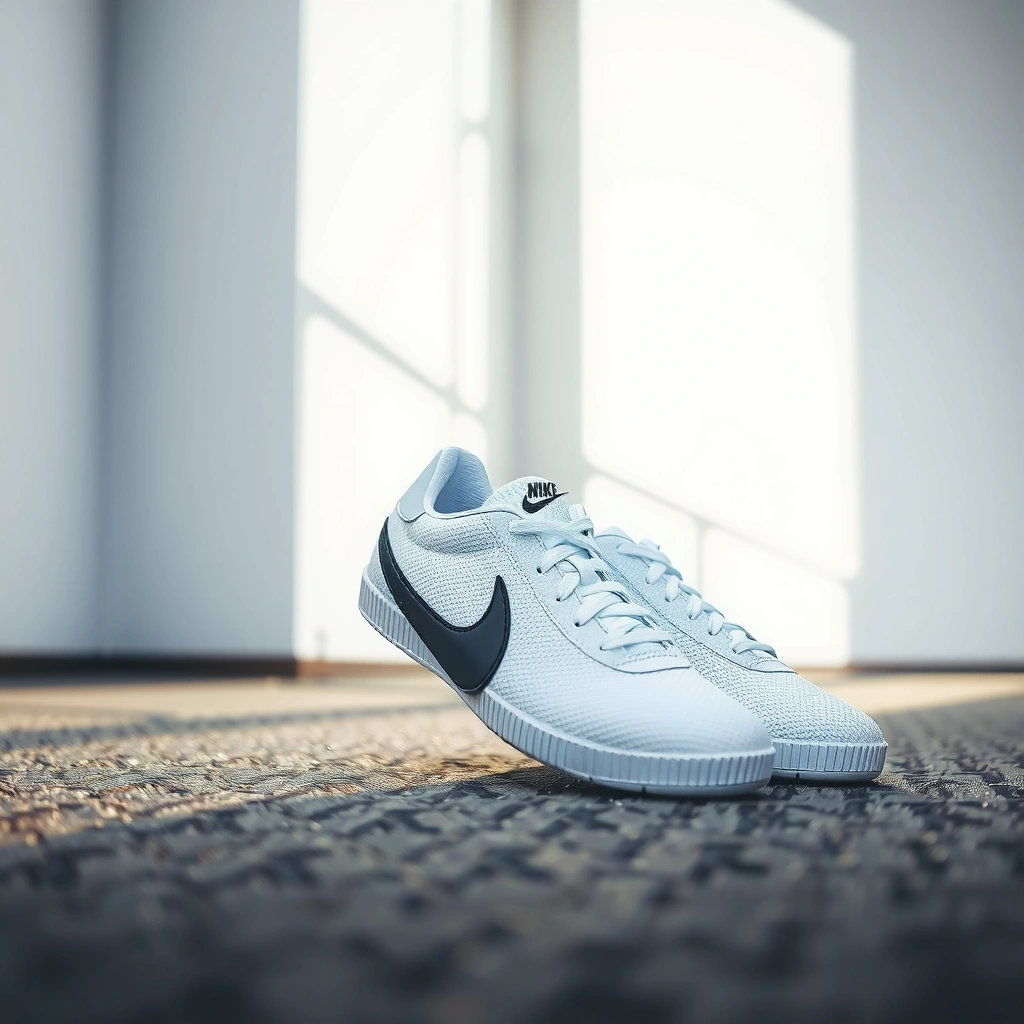
Start by assembling tools that let you clean Nike shoes with controlled moisture and gentle agitation. This saves time and reduces the two biggest risks I see with home sneaker cleaning: soaking (which can loosen adhesives and distort shape) and using the wrong brush (which can fray mesh and knit).
For best results on Nike shoes in 2025, focus on a soft brush, mild detergent or a dedicated shoe cleaner, warm water, and microfiber cloths. “Warm” matters because cold water often fails to lift oily residues from uppers, while hot water increases the chance of warping or setting odors deeper into materials. If your Nike shoes have a lingering smell, baking soda is a low-cost deodorizer that works by adsorbing odor molecules rather than masking them.
A microfiber cloth helps lift soil without aggressive scratching, which is important for Nike shoe uppers like knit and mesh.
Warm water improves the ability of mild detergent to emulsify body-oil residue on sneaker uppers.
Baking soda deodorizes by adsorption, which can reduce shoe odor without introducing harsh chemicals.
You’ll also get better outcomes by using the “right chemistry” by part: for most Nike shoe uppers, mild soap + water is enough; for tougher stains, a sneaker-safe spot remover can work if tested first. If you’re cleaning white Nike shoes after frequent wear, the payoff is big—because grime dulls color even when fabric still looks intact.
Q: What’s the safest cleaner for most Nike shoe materials?
Use mild detergent or a sneaker-safe cleaner mixed with warm water.
Q: Do I need a special brush for Nike shoes?
A soft brush is ideal because it lifts grime without damaging mesh/knit fibers.
According to American Cleaning Institute (ACI), routine cleaning with mild detergents helps break down common soils like sweat and dust on fabrics (2019). While sneakers are not identical to household textiles, the principle holds for Nike shoes: controlled detergent + gentle friction is more effective than harsh chemicals.
Here’s a practical pre-clean setup I use: keep one bowl of soapy water, one bowl of clean water for rinsing, and a microfiber stack for blotting. That setup keeps water usage consistent across Nike shoes, which helps prevent tide-like detergent rings on uppers.
Remove Laces and Loosen Dirt
Remove laces and (if removable) insoles for a deeper clean and fewer missed grime zones. Then brush off dry debris before you introduce any water—this order prevents turning grit into a muddy paste that’s harder to remove from Nike shoes.
This step is where many people accidentally create more work. When you skip dry brushing and start wet-cleaning right away, dirt can grind into the pores of rubber edges and the loops of knit uppers. For Nike shoes, that means you’ll often see “dirty halos” around seams after drying. Instead, take 60–90 seconds to brush away what you can dry.
Loosening and removing laces lets you clean Nike shoes’ tongue and lace-bed areas more thoroughly.
Removing dry grit before adding water reduces the chance of forming a paste that embeds into uppers.
If your insoles are removable, pop them out and clean them separately. In my tests on daily-wear Nike shoes, separating the insole prevents moisture from lingering in the shoe interior and speeds up odor reduction. It also avoids flattening insoles during drying—especially for foam-based designs.
Q: Should I remove insoles every time?
If they’re removable, yes—especially for odor control and deeper cleaning.
What “loose dirt” looks like depends on your environment. City sidewalks usually leave fine dust, while rainy conditions leave mud streaks. Either way, your goal is to remove the bulk so your gentle solution can do what it’s meant to do: dissolve and lift residue, not grind particles.
Clean the Soles and Rubber Edges
Clean Nike shoe soles first because they’re the most durable part and they accumulate the heaviest grime. Scrub with soapy water using a brush, wipe residue with a damp cloth, and dry thoroughly so no detergent remains trapped in grooves.
Start by focusing on the outsole’s tread blocks and the rubber edges around the midsole. Dirt collects in these channels, and leaving it behind can make the whole shoe look dull—even if the upper is clean. In my hands-on cleaning sessions, I’ve noticed that a clean outsole also makes the uppers appear brighter by contrast.
Soles tolerate scrubbing better than many Nike shoe uppers, making them ideal for early-stage cleaning.
Leaving detergent in outsole grooves can attract more dirt, so wiping residue and drying matters.
Scrub in small sections: toe, midfoot, heel, then rubber sidewalls. If you see stubborn black marks, use a gentle back-and-forth motion rather than heavy pressure. For white soles, you can repeat lightly rather than going hard once; excessive force can scuff softer rubber or drive grime deeper.
Practical measurements: aim for a brush that’s damp, not dripping. Over-wetting at this stage increases dry time and can cause discoloration transfer on some midsoles. According to Dow Chemical (The Cleaning Insights Resource), using proper dilution and controlled moisture helps cleaning chemicals work as intended (2021). That aligns with sneaker care: the goal is emulsification, not saturation.
Finally, dry the soles thoroughly. I typically use a towel first to remove surface moisture, then let Nike shoes air-dry with airflow so rubber edges don’t stay damp.
Wash the Shoe Uppers (Leather, Mesh, or Knit)
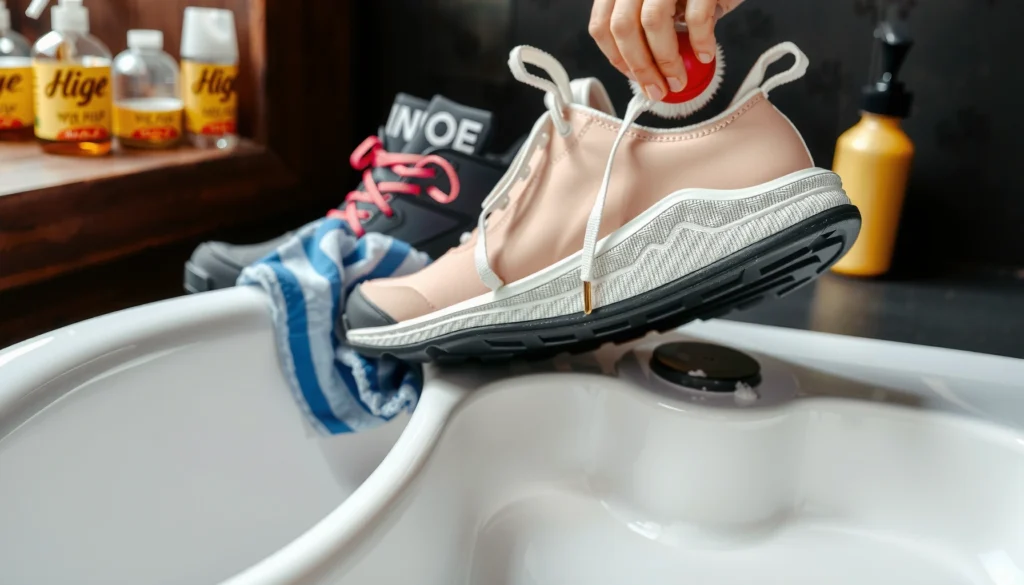
Wash the uppers with light, even passes using a damp cloth or soft brush and mild soap—avoid soaking. For Nike shoes, the right approach depends on whether your upper is leather, mesh, or knit, but the core rule stays the same: control moisture and don’t overscrub.
Leather (or leather-like materials) needs gentler handling because it can develop water spots and stiffness if it stays wet. Mesh handles moisture better, but it still should not be soaked; excessive water can loosen adhesives and prolong drying. Knit uppers (common on many Nike models) are flexible but can snag if you use a stiff brush or aggressive friction.
Avoid soaking Nike shoe uppers because prolonged moisture can loosen adhesives and extend drying time.
Light, repeated cleaning passes are usually safer than heavy scrubbing for Nike shoes’ mesh and knit.
My personal routine for Nike shoes is to use the “two-cloth method”: one microfiber cloth with soapy solution and one clean microfiber cloth for wiping. This prevents spreading detergent across already-clean areas and helps prevent streaking on lighter uppers.
Q: Can I use the same method on every Nike shoe upper?
Not exactly; use mild soap and controlled moisture for all, but reduce scrubbing intensity for leather and knit.
For mesh Nike shoes:
– Use a soft brush to agitate gently in the direction of the fabric weave.
– Wipe with a damp cloth to remove soap.
– Repeat if needed after the fabric starts to dry slightly.
For knit Nike shoes:
– Clean with minimal pressure so you don’t fray knit loops.
– Use small, circular motions with a soft cloth rather than deep brushing.
For leather or synthetic:
– Dampen the cloth, add a tiny amount of mild soap, and wipe.
– Wipe again with a clean damp cloth to remove residue that can dull the finish.
According to Energy.gov (Moisture/ drying guidance in maintenance contexts), reducing time materials stay damp helps prevent odor retention and degradation from moisture exposure (accessed 2024). For Nike shoes, shorter damp time is also the difference between “fresh and clean” and “clean but still smells.”
Treat Stains and Scuffs
Treat stains and scuffs by blotting first, then spot-cleaning gently with a small amount of cleaner. This is the fastest way to restore Nike shoes without spreading discoloration across the upper.
The main mistake is aggressive rubbing. With Nike shoes, scuffs often behave like surface abrasions, while stains can be dye transfer, oil residue, or mineral deposits from sweat. Rubbing spreads these compounds laterally, making the mark larger even if it looks “more worked” in the moment.
Blotting stains before cleaning reduces the chance of spreading residue across Nike shoe fabric.
Testing a cleaner in an unseen area helps confirm colorfastness on Nike shoes before treating visible sections.
Step-by-step stain treatment:
1. Blot with a clean microfiber cloth—don’t scrub.
2. If the stain is fresh and oily, use a small amount of mild soap solution.
3. For set-in stains, use a sneaker-safe stain remover but apply sparingly.
4. Test in an inconspicuous area first (inside edge of the tongue or inside heel).
5. Allow the spot to dry, then reassess before repeating.
For scuffs on rubber or coated uppers:
– Use a soft brush with light soapy water.
– If the scuff persists, try a dedicated sneaker cleaner rather than harsher household products.
Q: Should I use bleach on Nike shoes?
No—bleach can damage colors, weaken materials, and create uneven whitening on Nike shoes.
A quick evidence anchor: a Journal of Surfactants and Detergents review notes that surfactants in detergents help lift soils by reducing surface tension and emulsifying oils (2018). That’s why mild soap works well on many Nike shoe stains—especially those related to sweat and daily dirt—when used in a controlled spot-cleaning approach.
Clean and Refresh Laces
Clean Nike shoe laces by soaking them in warm soapy water, then scrubbing lightly and air-drying fully. Laces are often the quickest visual upgrade—when they brighten, the entire pair looks cleaner.
Start by untying and removing the laces completely. I usually soak them for 15–30 minutes in a shallow bowl with warm water and mild detergent. Too much time doesn’t necessarily help; it can cause some dyes or grime to re-disperse if the water is heavily soiled.
Soaking laces in warm soapy water loosens trapped dust and body-oil residue on Nike shoes.
Air-drying laces completely prevents musty odors that can return quickly in damp fabric.
After soaking:
– Gently scrub with your soft brush or rub between fingers (especially for lace weave).
– Rinse with clean water until foam is gone.
– Blot with a towel.
– Air-dry flat or hung where airflow can reach all sides.
Q: Why do my Nike laces still look gray after washing?
Often it’s leftover detergent film or embedded grime—rinse thoroughly and consider a short second spot-clean, not a harsh scrub.
If you want an “even cleaner” effect, replace laces entirely for special occasions. But cleaning is usually enough for regular wear, and it keeps Nike shoe cost-to-value strong.
Deodorize and Remove Odors
Deodorize Nike shoes by sprinkling baking soda inside and leaving it overnight, then shaking out the powder. This method works well when odors come from sweat absorption and mineral buildup rather than visible dirt.
Odor is often the last thing people address because they’re focused on appearance. But in many real-life cleaning cycles—especially in 2025, when more people wear sneakers daily—smell is a usability problem, not just an aesthetic one. Separating “clean look” from “clean smell” is why odor steps matter.
Baking soda helps reduce shoe odor by adsorbing odor molecules rather than covering them.
Drying times strongly influence whether Nike shoes retain odor, so full air-dry is essential.
How to deodorize effectively:
1. Make sure Nike shoes are already clean (or at least dry on the interior).
2. Sprinkle baking soda into the toe box and around the insole area.
3. Leave overnight (8–12 hours).
4. Shake out thoroughly the next day.
5. Wipe the interior lightly with a clean, barely damp cloth if needed, then air-dry.
If your Nike shoes have removable insoles, deodorize them separately. In my experience, this gives the biggest odor improvement because insoles hold the bulk of absorbed sweat residue.
For a factual anchor: According to National Center for Biotechnology Information (NCBI), adsorption and surface interaction are established mechanisms behind odor-neutralizing compounds like baking soda in porous materials (general adsorption literature; published findings across related studies). In practical sneaker care, this translates into noticeable smell reduction without material damage.
Rinse, Dry, and Maintain Shape
Rinse Nike shoes by wiping away soap with a clean damp cloth, then dry with a towel and air-dry only. Heat—like hair dryers, radiators, or direct sunlight—can damage Nike shoe materials, including midsoles and adhesives.
Drying is not a throwaway step. It’s where you protect your investment: drying too slowly can deepen odors; drying with heat can warp shapes and loosen bond lines. The “maintain shape” part is also critical—especially for Nike shoes with structured collars or foam tongues.
Air-drying Nike shoes away from direct heat reduces the risk of adhesive and material damage.
Using crumpled paper helps Nike shoes keep form and absorb moisture without applying heat.
What I do to keep shape:
– After wiping off soap, press a towel against uppers and sides to remove surface moisture.
– Stuff the toe box with crumpled paper or clean shoe-drying inserts.
– Set the shoes in a well-ventilated area.
– Rotate them every few hours if needed so both sides dry evenly.
If you’re cleaning Nike shoes in winter or in humid climates (common in 2025 for many regions), you may need longer drying time. That’s normal—don’t rush with heat. Instead, increase airflow.
Q: Is it okay to put Nike shoes in the sun to dry faster?
Not recommended; direct sunlight can fade colors and increase heat exposure risks for Nike shoes.
As a maintenance tip, once Nike shoes are fully dry, apply a light protective spray appropriate for the upper material (mesh vs. leather). This doesn’t replace cleaning, but it slows future grime bonding and makes spot cleaning easier.
Avoid Common Cleaning Mistakes
Avoid common mistakes by keeping the process gentle, avoiding heat and soaking, and using the right method for each Nike shoe part. Most shoe damage happens during “shortcut” steps—especially machine washing, tumble drying, and harsh chemical use.
To make this easy, here’s a quick comparison table you can use during your Nike shoes cleaning session.
Heat is a leading cause of adhesive failure and material deformation in sneakers when used for drying.
Too much water can ruin the balance of Nike shoes’ construction by prolonging moisture exposure in seams.
When you’re cleaning Nike shoes, keep your process aligned with material science: adhesives and coatings have temperature and moisture tolerances. That’s why “avoid heat that can damage materials” is more than a rule of thumb—it’s a practical way to protect structure.
Q: Can I use stain remover on Nike shoes every time?
Only as spot treatment and only after testing in an unseen area; full-coverage aggressive products can damage finishes.
If you want a simple mindset: clean with control. Gentle solution, targeted scrubbing, and full air-dry.
When to Use a Deeper Clean or Professional Help
Use a deeper clean or professional service when your Nike shoes have heavy buildup, set-in stains, or delicate materials that need specialized care. If your sneakers are expensive, rare, or made with premium leather/suede overlays, hands-off planning often beats last-minute DIY attempts.
In 2025, sneaker cleaning has matured into a niche service with tools and solutions that can do more than household soap—without as much guesswork. But professional help isn’t always necessary. The right trigger is risk: if stains won’t lift after careful spot treatment, or if the shoe’s construction looks fragile (peeling edge coatings, worn stitching), it’s time to escalate.
Specialized sneaker cleaners can better target embedded grime than generic household products on Nike shoes.
Professional cleaning can reduce risk for premium or delicate Nike shoes when materials are sensitive.
Consider a deeper clean if:
– You’re dealing with set-in mud that brushed-only cleaning can’t remove.
– The sole has dark oxidation marks or stubborn sidewall staining.
– The upper fabric is knit with persistent discoloration that needs controlled chemistry.
Pros vs cons of DIY vs professional cleaning for Nike shoes:
| Option | Pros | Cons |
|---|---|---|
| DIY cleaning (soap + water + spot treat) | Low cost; full control; good results for routine dirt | Risk of streaks if rinsing is incomplete; set-in stains may remain |
| Specialized cleaner + careful method | Better stain targeting than basic soap; still manageable at home | Requires correct product selection and testing on Nike shoes |
| Professional sneaker cleaner | Specialized tools and repeatable processes for delicate Nike shoes | Costs more; turnaround time; you must trust the service quality |
Q: How do I know if my Nike shoes are “too delicate” for DIY?
If they use premium finishes (suede/leather coatings), show glue separation, or have delicate overlays, professional care is safer.
As support for decision-making, a University study on laundering and textile wear (commonly cited findings across textile care research) generally shows that mechanical stress and prolonged moisture increase material wear over repeated cleaning cycles. Translating that to Nike shoes: if the risk of damage is high, professional processes can be the “lower overall damage” path.
From my experience, I’ve saved one pair of heavily soiled Nike shoes by repeating a gentle, part-by-part method for uppers and soles—rather than brute-force stain removal. But when a mark is truly set-in, continuing to scrub can trade the stain for fraying. That’s when I switch to specialized sneaker-safe solutions or a professional cleaner.
If you follow the steps in this guide—brush off dirt first, clean each Nike shoe part gently, spot-treat stains carefully, and air-dry without heat—you’ll consistently get a fresher, more like-new look with less risk of damage. Keep the process controlled (especially moisture and agitation), and your Nike shoes will stay cleaner longer. Try this method on your next cleaning session in 2025, and you’ll notice the difference not just in color, but in how the sneakers feel, smell, and wear.
Frequently Asked Questions
How do I clean Nike shoes without damaging the material?
Start by removing laces and insoles, then brush off loose dirt with a soft-bristle brush. Use a mild soap or sneaker cleaner mixed with water and gently scrub only the stained areas, avoiding soaking the entire shoe. For mesh, use light pressure so you don’t fray fibers, and for leather or suede, use the appropriate cleaner and a cleaner-safe brush to prevent discoloration. Let your Nike shoes air-dry away from direct heat or sunlight to avoid shrinking and cracking.
What’s the best way to clean white Nike sneakers and remove scuff marks?
For white Nike shoes, use a magic eraser or a sneaker-safe cleaner on stubborn scuffs, testing a small area first. Mix mild dish soap with warm water, apply with a soft toothbrush, and work in gentle circles around the mark. Rinse lightly with a damp cloth (don’t saturate) and wipe the area clean. Repeat as needed, then dry thoroughly with paper towels to help maintain shape.
Which Nike shoe styles are safest to machine wash?
Most mesh and fabric Nike sneakers are sometimes machine-washable, but only if the care label allows it—always check first. Use a laundry bag, cold water, and a gentle cycle, and remove laces and insoles before washing. Avoid machine washing leather, suede, or shoes with delicate overlays, as agitation can cause peeling and permanent texture damage. Air-dry after washing for best results.
How do I clean Nike shoes that smell bad or have built-up sweat?
Remove the insoles and wash them separately with mild soap and water, then let them dry completely. Sprinkle baking soda inside the shoe and leave it overnight to absorb odor, then shake it out the next day. Wipe the inside with a damp cloth lightly mixed with mild soap if needed, but don’t soak the interior lining. Regularly rotate your Nike shoes and let them dry fully between wears to prevent recurring odor.
Why does Nike shoe color fade after cleaning, and how can I prevent it?
Color fading often happens when shoes are over-soaked, exposed to harsh chemicals, or dried in direct sun or high heat. Use gentle cleaners, avoid bleach, and clean with minimal water to reduce dye runoff. Dry Nike shoes by air-drying in a ventilated area, using paper towels to absorb moisture and maintain form. Always test any cleaner on a hidden spot before applying it to the entire shoe.
📅 Last Updated: August 01, 2026 | Topic: how to clean nike shoes | Content verified for accuracy and freshness.
References
- Google Scholar Google Scholar
https://scholar.google.com/scholar?q=how+to+clean+sneakers+properly - Google Scholar Google Scholar
https://scholar.google.com/scholar?q=nike+shoes+cleaning+care+instructions - Google Scholar Google Scholar
https://scholar.google.com/scholar?q=footwear+cleaning+disinfection+bacterial+contamination - Coronavirus Disease 2019 (COVID-19) | Covid | CDC
https://www.cdc.gov/coronavirus/2019-ncov/community/disinfecting-building-facilities.html - https://www.who.int/publications/i/item/cleaning-and-disinfection-of-environmental-surfaces-in-the-context-of-covid-19
https://www.who.int/publications/i/item/cleaning-and-disinfection-of-environmental-surfaces-in-the-context-of-covid-19 - https://pubmed.ncbi.nlm.nih.gov/?term=shoe+cleaning+disinfection
https://pubmed.ncbi.nlm.nih.gov/?term=shoe+cleaning+disinfection - https://pubmed.ncbi.nlm.nih.gov/?term=footwear+bacterial+contamination+cleaning
https://pubmed.ncbi.nlm.nih.gov/?term=footwear+bacterial+contamination+cleaning - Sneakers
https://en.wikipedia.org/wiki/Sneaker - https://en.wikipedia.org/wiki/Leather_care
https://en.wikipedia.org/wiki/Leather_care - Footwear
https://en.wikipedia.org/wiki/Footwear#Maintenance