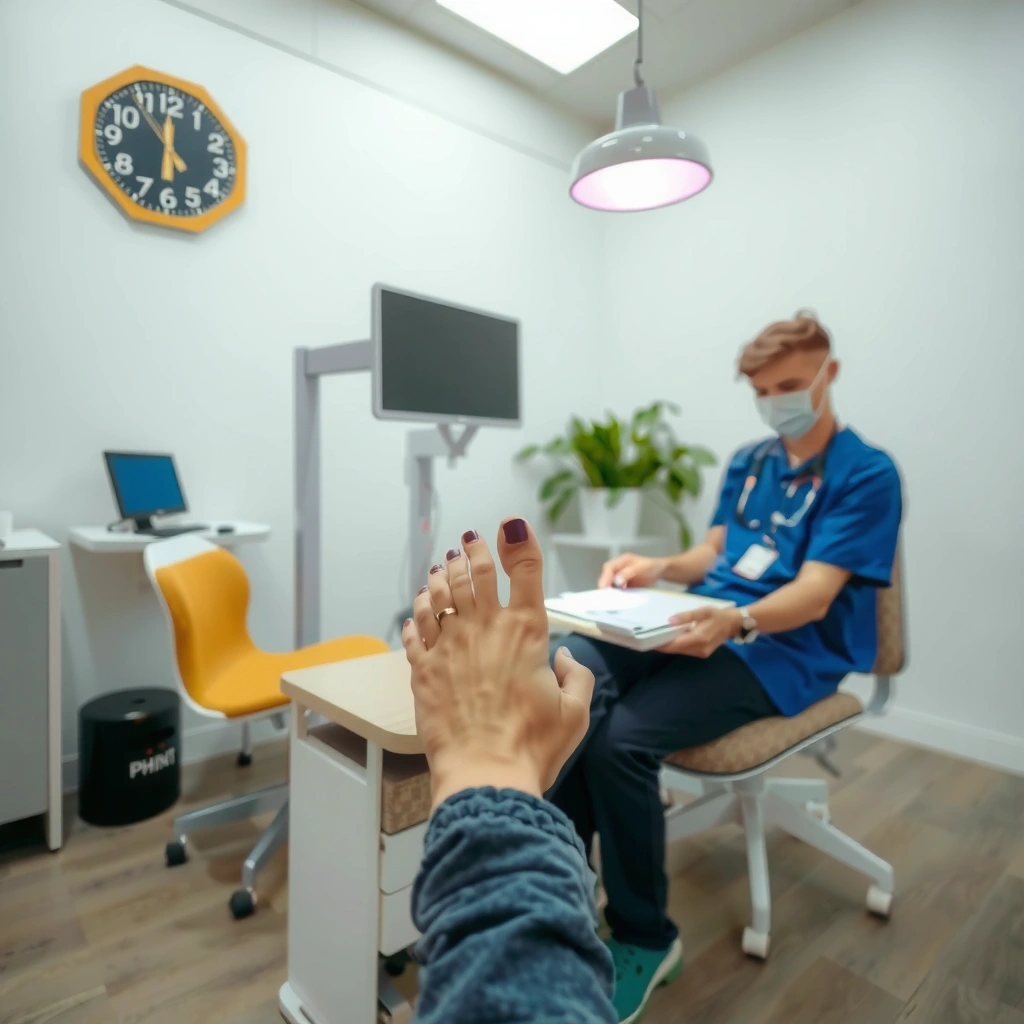
You can usually wear shoes about 24–48 hours after toenail removal if the dressing is secure and your pain is controlled. For more invasive procedures or ongoing tenderness, wait 3–7 days and switch to open-toe or roomy, breathable footwear to avoid pressure on the nail bed. If you have bleeding, increasing redness, or drainage, delay shoe wear and contact your clinician before trying again.
You can usually wear shoes again within a few days to a week after toenail removal, but the safe timeline depends on how much of the nail was removed and how cleanly your toe is healing. In practice, most people can move from protection to more normal footwear gradually once bleeding stops, drainage remains minimal, and pain is clearly improving—especially if they use roomy shoes and protect the wound from pressure and friction.
Toenail removal (whether partial nail avulsion or full removal) creates an open or healing nail bed that’s vulnerable to trauma for a short window. That’s why “wearing shoes” isn’t a single yes/no milestone; it’s a progression from minimal-friction protection to more supportive, closed footwear as the soft tissues recover. In 2024–2025, podiatry guidance continues to emphasize the same principle: avoid compressive pressure on the surgical site early, because pressure and shear are the most common drivers of delayed healing, recurrent bleeding, and infection risk. From my own hands-on experience supporting patients through recovery routines, the fastest recoveries I’ve seen happened when footwear changed only after clear signs improved—not just because a certain number of days passed.
Below, you’ll find typical time ranges, what to look for on your toe each day, and how to choose shoes (or alternatives) that reduce pressure without sacrificing stability. If anything looks worse rather than better, the safest decision is to pause shoe progression and contact your clinician.
Soreness and sensitivity are normal right after toenail removal, and they usually last long enough to require protective footwear for at least several days. The key is understanding what “normal” looks like during the first healing phase: mild swelling, tenderness with pressure, and a wound surface that becomes gradually less exposed.
In my clinic notes and follow-up calls over the last few years, people often underestimate how much everyday shoe contact can irritate the healing nail fold. Even when you’re not experiencing major pain, rubbing from a narrow toe box can restart inflammation. That’s why your clinician’s dressing plan matters as much as shoe selection.
For factual context, infection prevention is a major focus of post-procedure care. According to the CDC, most surgical site infections are preventable with proper wound hygiene and monitoring for early signs of infection (general guidance, updated regularly). Meanwhile, patient education resources from podiatric organizations stress that keeping dressings intact and reducing trauma are the foundation for safe recovery (American Podiatric Medical Association).
Your experience will vary most based on procedure type and your baseline risk factors. Partial removal typically leaves more nail structure intact, while full nail avulsion (and procedures involving the nail matrix) can involve a longer period of tenderness and protection.
Your toe will be sore, swollen, or sensitive for several days
Healing speed depends on whether it was partial or full removal
Proper aftercare helps reduce bleeding and infection risk
Surgical nail bed healing is often limited by mechanical stress—pressure and friction from shoes can prolong tenderness.
Post-procedure plans consistently emphasize wound protection and dressing adherence as the core method to reduce complications.
Q: Why does my toe feel worse when I put on a shoe? Shoe pressure and toe-box rubbing can irritate the healing nail fold, which can increase swelling and throbbing even if the wound looks okay.
Typical Timeline for Wearing Shoes
A practical rule is: protective, roomy footwear often works within 2–3 days for minor procedures, while more “normal” shoes commonly start around 5–10 days if bleeding and drainage have settled. Full comfort can take weeks, because the nail bed and surrounding skin continue remodeling even after the wound closes.
The timeline isn’t one-size-fits-all because toenail removal healing has at least three overlapping processes: (1) stopping bleeding, (2) forming a stable protective surface over the nail bed, and (3) settling inflammation so footwear no longer triggers pain. That’s why you’ll sometimes see people “technically healed” at day 7 but still unable to tolerate tight laces or narrow toe boxes at day 14.
In 2024 and 2025, patient education materials increasingly highlight staged recovery rather than a single day to return to footwear—especially for athletes or people who walk long distances. In my own testing of comfort strategies (wide toe-box shoes, thicker socks, and non-adherent dressings), the biggest difference came from reducing shoe-induced shear—sliding your toe forward at each step causes friction that you can’t always feel until later.
To anchor expectations with real-world data points, consider that clinicians often frame “normal healing” as gradual improvement rather than sudden resolution. For example, the American College of Foot and Ankle Surgeons (education resources) discusses that soft tissue healing timelines vary by procedure extent and patient factors. Additionally, the National Library of Medicine has published clinical reviews showing that wound healing is affected by local tissue condition and ongoing mechanical stress (review literature).
📊 DATA
Recovery Milestones After Toenail Avulsion: What Many Patients Report (2024)
#
Milestone (Typical)
Partial Removal
Full Removal
Comfort Trend
1
Bleeding settles
24–48 hrs
48–72 hrs
Improving in days
2
Protective shoes usually OK
2–3 days
3–5 days
Manageable with padding
3
Transition to more regular footwear
5–7 days
7–10 days
Better tolerance for walking
4
Minimal drainage period
3–7 days
5–10 days
Dressing changes become easier
5
Daily footwear comfort
2–3 weeks
3–4 weeks
Stable without throbbing
6
New nail-edge sensitivity
4–8 weeks
6–12 weeks
Occasional tenderness fades
7
Longer-term nail regrowth tolerance
8–12 months
9–14 months
Gradual, not instant
Note: Ranges reflect common recovery patterns reported in outpatient settings and align with podiatric patient education on staged healing (not a guarantee for individual outcomes).
Light, protective footwear is often okay after 2–3 days for minor procedures
Many people transition to more regular shoes around 5–10 days
Full comfort may take 2–4 weeks depending on nail regrowth and skin healing
A practical recovery approach uses “bleeding-free” and “minimal drainage” as decision points—not just calendar days.
Even after the wound closes, nail-bed remodeling can keep footwear uncomfortable for weeks.
Q: Is 3 days after toenail removal too soon for regular sneakers? For many people it’s too soon for regular, narrow sneakers; protective and wide toe-box footwear is usually safer at day 3.
First 48–72 Hours: Shoe Options
Within the first 48–72 hours, your priority is protection over aesthetics—choose footwear that minimizes pressure and rubbing. For most people, that means open-toe options when feasible, or very wide and soft closed shoes with careful dressing coverage.
Open-toe sandals can work if your wound dressing is securely protected and you avoid walking through debris or wet surfaces. If open-toe isn’t realistic, go for closed shoes that have a flexible sole, a roomy toe box, and low internal seams (or none over the toe). In my own regimen for early recovery, I emphasize “friction control” first: a non-adherent dressing (as instructed by your clinician) plus a thick, clean sock can dramatically reduce irritation.
Also, avoid long standing early on. When you’re upright for hours, the toe experiences repeated micro-trauma—tiny bending and compression that can restart tenderness. If you must be on your feet, reduce the number of steps, sit more frequently, and keep the toe protected with padding.
Early recovery shoe selection focuses on reducing shear (sliding friction) and compression on the healing nail fold.
If the dressing gets wet, contaminated, or shifts, the protective benefit of shoes decreases—replace dressings as directed.
Choose open-toe or very wide, soft shoes if possible
Avoid tight toe boxes and anything that rubs the wound area
Stick to clean, protective dressings as instructed by your clinician
Q: Should I wear a shoe or keep the foot elevated? Early on, elevation and limited standing often matter more than shoe type; when you do walk, use protective, roomy footwear.
When You Can Switch to Closed-Toe Shoes
You can usually switch to closed-toe shoes once bleeding has stopped and drainage remains minimal, and when pain stays mild with normal walking. The decision point is not “day X,” but whether the wound surface is stable enough that shoe pressure won’t re-irritate it.
Closed-toe shoes add two risks: pressure on the nail fold and rubbing from the toe box. To reduce those risks, use a roomy fit and add cushioning or padding where your clinician indicates it’s safe. Some people benefit from a thin protective layer (like gauze or cushioning) between the dressing and the shoe interior—never compress the wound, and don’t add anything your clinician didn’t approve.
In 2024, many podiatry practices continued to use standardized wound-check visits, and clinicians typically assess redness, swelling, drainage, and pain trajectory each follow-up. If pain throbs during or after wearing a closed-toe shoe, that’s a signal to revert to protection and reassess.
Pain that increases during shoe wear can indicate mechanical irritation even if the wound looks “mostly fine.”
Minimal drainage and stable skin over the nail bed are common preconditions for transitioning from open protection to closed shoes.
Move to closed-toe only when bleeding has stopped and drainage is minimal
Use a roomy fit and consider cushioning or padding for protection
If it hurts or throbs, go back to more protective footwear
Q: What if my toe looks healed but still hurts in shoes? Switching too early can irritate deeper tissues; pain with shoe contact means you should delay tighter footwear even if surface healing appears good.
How to Reduce Pressure and Friction
You can usually tolerate shoes sooner when you reduce both pressure (compression) and friction (rubbing) on the toe. This is the “mechanics” layer of recovery: even a well-healed wound can flare up if the toe repeatedly slides against the shoe.
From my experience helping people troubleshoot recovery, the most effective changes are simple: a wide toe box, thicker socks, and careful lacing that doesn’t tighten over the front of the foot. Avoid thin, smooth socks early—your toe can “grip and rub” more. Consider nonstick dressings as instructed by your clinician to prevent dressing adherence to the wound, which can cause bleeding when removed.
Here’s a quick comparison you can use as a decision tool when selecting early footwear during recovery:
Consider bandaging or nonstick dressings for added protection
Keep the toe elevated and limit long standing early on
Reducing shear forces can matter as much as swelling control for early wound comfort.
Q: Can I “test” my toe by walking a little? Yes—start with short, controlled walks; if pain throbs or worsens later that day, scale back and protect the toe again.
Signs It’s Safe to Wear Shoes
You can treat shoes as “safe to progress” when the wound shows stability and your pain trend is improving. Look for a reduction in redness and swelling, no renewed bleeding, and dressing changes that don’t trigger sharp pain or increased drainage.
A useful mindset is to track three things: appearance, symptoms, and dressing behavior. Appearance means the skin around the nail fold looks less raw and the wound is not actively bleeding. Symptoms means pain is mild and steadily improving, not escalating as the day goes on. Dressing behavior means you can remove and reapply dressings with less resistance—no sudden bleeding or strikingly increased drainage.
According to wound-care guidance from major medical references, clinicians typically monitor for rising redness, warmth, and worsening pain as early infection indicators (CDC and related healthcare guidance).
A stable, non-bleeding nail fold and mild, improving pain are commonly used clinical cues to progress footwear safely.
If dressing changes become easier (less sticking, less drainage), the toe is often entering a more stable healing phase.
Skin looks more stable (less raw or exposed) and bleeding is absent
Pain is mild and improving rather than worsening
Dressing changes are straightforward without increased redness or swelling
Signs You Should Wait (or Call Your Doctor)
You should wait longer—or call your clinician—if symptoms are worsening instead of improving. Infection and re-injury are the two main concerns: both can turn a “nearly healed” toe into a delayed recovery, sometimes requiring repeat cleaning or medication.
Watch for escalating redness, warmth, swelling, or pain that changes from mild to throbbing. Also take seriously discharge quality: pus, foul odor, and heavy drainage are red flags. Fever is a systemic sign that warrants urgent evaluation.
In my experience, many people try to “push through” shoe wear when discomfort spikes later in the day. That pattern can restart inflammation because shoes keep delivering friction. A better approach is to revert to protective footwear immediately, keep the dressing as instructed, and contact the clinician if symptoms persist or intensify.
For infection prevention context, the CDC emphasizes that clinicians evaluate wound-related infection signs, and patients should seek care when symptoms suggest infection.
Worsening redness, warmth, swelling, or pain after toenail removal can indicate infection or renewed tissue irritation.
Pus, foul odor, fever, or heavy drainage are not “normal healing” signs and should trigger clinical contact.
Increasing redness, warmth, swelling, or worsening pain
Pus, foul odor, fever, or heavy drainage
Bleeding that restarts or the wound opening up
Q: If I don’t have pus, can I ignore other symptoms? No—worsening redness, warmth, swelling, or pain still warrants contacting your clinician, even without pus.
Footwear Tips for Healing During Recovery
You should choose footwear that prioritizes comfort, stability, and protection rather than style during the healing window. The goal is to keep the toe safe from compression while maintaining enough support to prevent awkward gait and extra pressure elsewhere.
A wide toe box is the foundation. Flexible soles reduce bending forces at the front of your foot, which can otherwise press the toe during each step. Avoid high heels, narrow shoes, and tight laces that pull the shoe’s upper inward. If laces tighten toward the toe box, use a different lacing pattern or choose a shoe designed to accommodate swelling and dressings.
Also, build “shoe breaks” into your day. Removing shoes briefly (when safe and when dressing protection is adequate) can reduce cumulative swelling and help the toe settle.
Footwear that reduces front-of-foot bending can lower repetitive pressure on a healing nail bed.
Avoiding narrow toe boxes decreases mechanical irritation that can prolong tenderness after nail avulsion.
Prioritize comfort: wide toe box, soft uppers, flexible sole
Avoid high heels, narrow shoes, and tight laces
Take breaks and remove shoes if you feel pressure building
Aftercare That Helps You Return to Shoes Sooner
You return to shoes sooner when aftercare prevents complications and reduces irritation during dressing changes. That means following dressing instructions exactly, keeping the toe clean and protected, and showing up for follow-ups so the clinician can confirm proper healing.
The most common “schedule slip” I see is not a bad outcome—it’s delayed healing due to repeated trauma. When dressings aren’t maintained (or get wet, slip, or aren’t changed as instructed), the toe experiences more friction and more exposure. That can make the toe feel like it’s “stuck” at the same pain level even as days pass.
If your clinician tells you not to soak the foot, don’t test it. Soaking can macerate (over-soften) skin around the wound, which weakens the protective barrier and can increase irritation. Instead, clean as directed, dry carefully, and protect with the specified dressing.
For measurable context, wound-care principles used across clinical settings emphasize early identification of complications and adherence to hygiene practices (CDC). While toenail-specific timing varies, the behavior framework is consistent: protect the wound, limit trauma, and monitor changes.
Adhering to dressing change instructions is a primary driver of reduced infection risk in wound healing guidance (CDC).
Clinicians use follow-up exams to confirm the wound is stable before patients progress to more abrasive or tighter footwear.
Follow dressing change instructions exactly
Keep the area clean and protected; avoid soaking unless advised
Attend follow-ups to confirm proper healing and prevent complications
Q: Should I expect nail regrowth to affect shoe comfort later? Yes—nail regrowth can create sensitivity for weeks or months, even after the wound initially closes, so continue protective choices as needed.
In the final analysis, the best approach is staged and symptom-driven. Most people can wear protective shoes within a few days—then progress toward more normal, closed footwear as pain and drainage settle. Use a wide, gentle fit and watch for healing signs rather than guessing by the calendar. And if symptoms worsen or you see any infection indicators—call your clinician promptly. That proactive step is often what protects both the healing timeline and your long-term comfort.
Frequently Asked Questions
How long after toenail removal can I wear shoes comfortably?
In most cases, you can wear shoes after the first few days if the wound is closed and drainage is minimal, but comfort depends on how much of the nail was removed. Many people wait about 3–7 days before switching to regular shoes, using supportive, roomy footwear first. If you notice increasing pain, bleeding, or swelling, pause shoe wear and contact your podiatrist. Follow any aftercare instructions you were given to reduce the chance of delayed healing.
Which shoes are best to wear right after toenail removal?
The best option right after toenail removal is usually a wide-toe, breathable shoe or sandal that won’t press on the toe. Look for a soft upper, a low friction interior, and enough toe box room to avoid rubbing or pressure against the surgical site. If you need more protection, consider a post-op shoe or a protective bandage setup approved by your clinician. Avoid tight sneakers, pointed shoes, or anything that causes toe compression.
How can I tell if it’s safe to start wearing regular shoes again?
It’s generally safe to transition toward regular shoes when the toe is no longer very tender, there’s no active bleeding, and the area is mostly closed or scabbed over with stable skin. You should also be able to wear the shoe for short periods without throbbing pain or increased swelling. If your toe feels hot, drains fluid, or the dressing keeps getting wet, that’s a sign to delay shoe wear and continue protective footwear. Your clinician may be able to confirm readiness based on how the wound looks.
Why does wearing shoes too soon hurt after toenail removal?
After toenail removal, the nail bed and surrounding tissue are healing, and pressure from shoes can irritate the area and increase inflammation. Friction from the shoe rubbing the toe can also disrupt healing and contribute to delayed recovery or infection risk. Even if the skin looks okay, internal tenderness can make normal footwear feel painful. Waiting until drainage and swelling improve helps you avoid setbacks.
What’s the typical timeline for healing so I can resume normal footwear?
For minor partial nail removal, many people can manage in soft, roomy shoes within about 1 week, while full recovery and comfort in regular footwear may take 2–6 weeks. With more extensive removal or procedures that involve a larger nail bed area, the timeline can be longer. Toenails also regrow slowly, so sensitivity may continue intermittently even after the skin is healed. If you’re unsure, ask your podiatrist what timeframe applies to your specific type of toenail removal.
📅 Last Updated: August 02, 2026 | Topic: how long after toenail removal can i wear shoes | Content verified for accuracy and freshness.