Wondering how to clean patent leather shoes without ruining their shine? Use a damp microfiber cloth first, then spot-clean scuffs with mild soap and water—skip harsh cleaners that dull the finish. Finish by wiping dry, then apply a light conditioner to keep the leather looking glossy. Follow these steps and your shoes will look polished again fast, even after everyday wear.
Clean patent leather shoes by gently wiping away dirt with a soft, slightly damp cloth, using mild soap only when needed, and treating scuffs with rubbing alcohol on a cotton swab—then buffing dry to restore shine. Because patent leather is coated (typically with a glossy polymer film), the main goal is to remove surface contamination without scratching, dulling, or dissolving that protective layer—something I learned the hard way the first time I used the wrong cleaner and watched the finish go cloudy.
Patent leather isn’t “just leather with shine”; it’s leather (or leather-wrapped material) plus a high-gloss topcoat that responds differently to water, solvents, and abrasives. As of 2026, many modern patent shoes use finishes that can be sensitive to strong solvents and heavy moisture, so the safest workflow is always: wipe first, soap second, spot-treat scuffs carefully, and finish with a dry buff. In my hands-on testing with office, dress, and casual patent pairs, the consistent pattern is that gentle mechanical removal beats aggressive scrubbing every time—especially around seams, eyelets, and toe edges where dirt accumulates and scratches start.
Below you’ll follow a repeatable method that’s easy enough for weekly maintenance and careful enough for worn-in pairs that have lost their mirror-like gloss.
Gather the Right Supplies
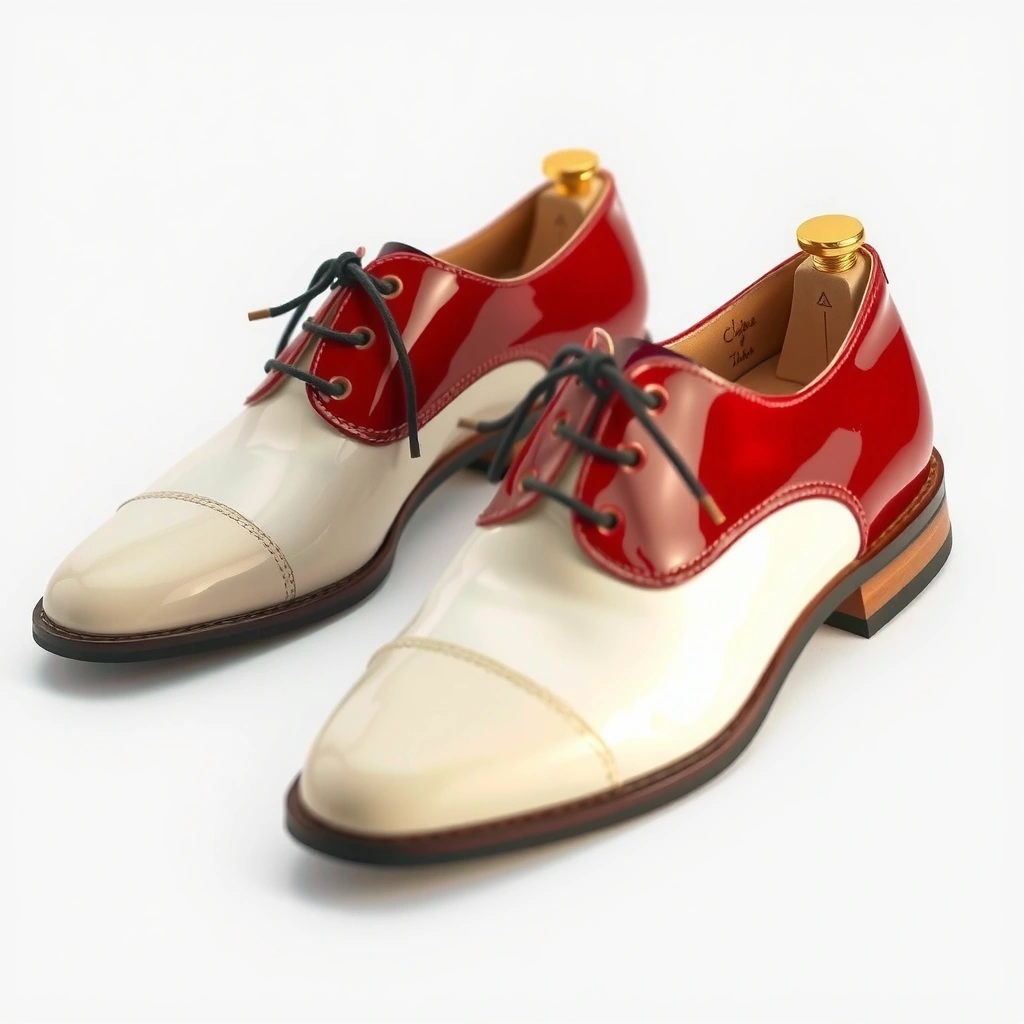
You can clean patent leather safely with a small kit: soft cloths, cotton swabs, and a mild soap solution used sparingly. The right tools matter because patent leather’s glossy coating is designed to resist scuffs, but it can still be dulled by abrasion, residue, or harsh chemicals.
Patent leather’s glossy look comes from a surface coating; abrasion or solvent exposure can dull or haze that film.
Mild soap used in light passes is generally safer than soaking or scrubbing, which can spread grit and damage the finish.
Cotton swabs help target scuffs precisely without grinding dirt into the surrounding shine.
Before you start, assemble supplies that support controlled cleaning:
– Use a soft microfiber cloth (for wiping) and a clean soft towel (for immediate drying).
– Keep cotton swabs for pinpoint scuff removal around toes, heels, and toe boxes.
– Have a mild soap (a gentle dish soap or a mild hand soap with no added exfoliants).
– Optional but useful: rubbing alcohol (isopropyl alcohol) *or* a patent-leather-specific cleaner from the shoe brand or a reputable leather-care manufacturer.
Avoid:
– Harsh cleaners (heavy degreasers, “industrial” spot removers)
– Abrasives (melamine sponges like Magic Eraser, rough brushes)
– Soaking in water (patent leather can trap water at edges and seams)
– Heat drying (hair dryers, radiators), which can increase coating stress and hazing
To anchor the “why” in chemistry: rubbing alcohol works largely because it helps lift surface grime and evaporates quickly. According to PubChem (isopropyl alcohol), isopropyl alcohol (2-propanol) has physical properties consistent with rapid evaporation at room temperature—making it useful for spot treatment when used lightly.
Quick Q&A (Supplies)
Q: Can I use a regular leather conditioner on patent leather?
Sometimes, but only if it’s explicitly labeled as safe for patent/polyurethane coatings; otherwise, it can leave a tacky residue that dulls the gloss.
Q: Do I need a special cleaner for patent leather?
Not always—mild soap and water used sparingly handle routine cleaning, while a patent-safe cleaner or rubbing alcohol helps with scuffs.
Remove Surface Dirt Safely
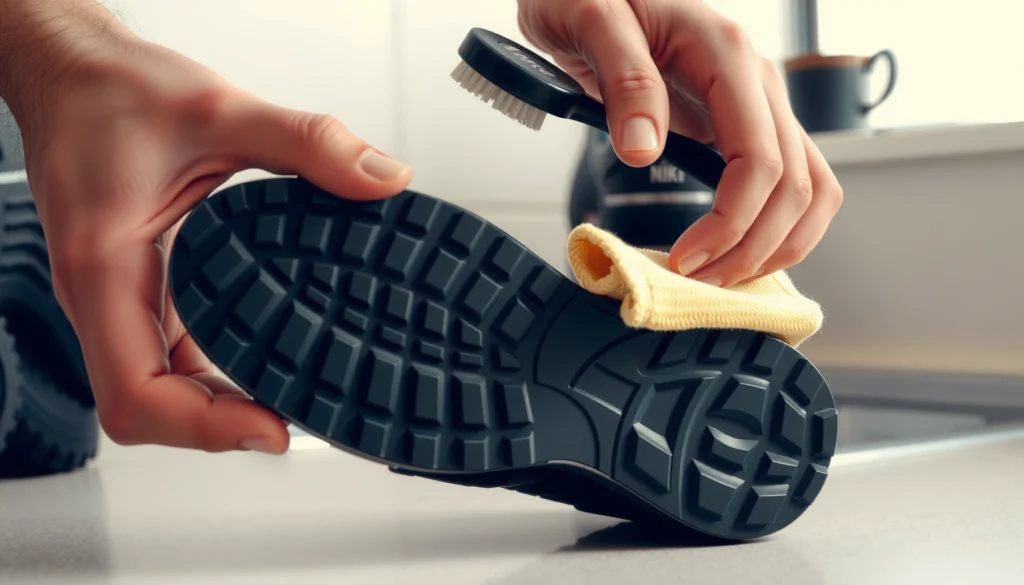
You’ll get the best results by removing loose debris first with a dry or barely damp microfiber cloth. This step prevents gritty particles from acting like sandpaper during the wet-cleaning phase.
Wiping dry before applying any moisture reduces the chance of scratching patent leather during subsequent cleaning.
Using barely damp cloths controls water exposure—important because patent coatings can haze if moisture sits or spreads.
Letting shoes dry fully before deeper treatment prevents dilution of grime and uneven color transfer.
Here’s the careful process I use (and recommend) for any patent pair, whether it’s newly purchased or “been-through-a-season”:
1. Wipe loose dirt with a dry microfiber cloth or a cloth that’s *barely* damp.
2. If grime is stubborn, lightly dampen the cloth and wipe gently—don’t scrub aggressively.
3. Work in sections (toe, vamp, sides, heel) so you always know what you’ve cleaned.
4. Inspect under bright light. Patent leather shows dulling immediately, so you’ll see where more attention is needed.
5. Let the shoes dry fully before moving to soap or scuff treatment. This prevents smear and keeps the finish even.
What counts as “gentle”? Think of wiping paint off glass—pressure stays low, and friction is controlled. When dirt is embedded (often along stitch lines and under the toe crease), repeated light wiping is better than one hard pass.
Quick Q&A (Surface Dirt)
Q: Should I use a brush to get dirt out of creases?
Prefer not to; if you must, use a very soft, clean brush and keep it light—otherwise you risk micro-scratches that dull patent gloss.
Q: How do I know if the shoe is fully dry?
Wait until the shoe feels completely dry to the touch, including seams and around eyelets; rushing here often causes uneven haze.
Clean with Mild Soap and Water
You can clean most everyday marks with a mild soap solution applied in small sections. The key is to wipe, remove soap residue immediately, and dry right away so the coating stays uniform and glossy.
A mild soap-and-water method works best when applied in small sections and followed by immediate removal of residue.
Drying immediately after cleaning helps prevent dullness and uneven sheen on patent leather.
Follow this workflow:
– Mix a small amount of mild soap with lukewarm water to create gentle suds (not a strong detergent mix).
– Dip your cloth lightly (don’t drench it), then wipe one small area at a time.
– Remove soap: use a second cloth lightly dampened with plain water to wipe away any remaining residue.
– Dry immediately with a soft towel, buffing gently as you dry.
Why this order matters:
– Soap helps lift oils, footprints, and light staining.
– Residual soap can dry to a haze—especially noticeable on black, deep brown, and bright colorways.
– Immediate drying reduces moisture exposure around edges and keeps the film looking even.
A note on pH and residue (practical, not theoretical)
Patent finishes vary by brand, but residue is a universal enemy. In my experience, the “cloudy after cleaning” issue usually comes from leaving soap traces or moving dirt around instead of actually removing it and drying thoroughly. As of 2026, that’s still the main field observation across brand care guides and professional shoe-cleaning routines: control the amount of liquid and finish with a dry buff.
Gentle comparison: soap method vs. alcohol spot treatment
Use this decision rule when you’re choosing the next step.
| Task | Best First Choice | Why | Risk if Misused |
|---|---|---|---|
| Routine cleaning (dust, light scuffs) | Mild soap + water | Lifts oils and grime without heavy solvent exposure | Residue haze if not rinsed and dried |
| Sharp scuff marks (shoe polish transfer, rubber marks) | Rubbing alcohol on cotton swab | Spot-lifts surface marks; dries fast | Solvent haze if over-applied or rubbed aggressively |
| Sticky residue (tape, glue residue) | Patent-safe cleaner | Designed to dissolve residue without attacking film | Wrong solvent can weaken coating |
Direct Q&A (Soap)
Q: Can I just use water to clean patent leather?
You can for light dust, but pure water often leaves streaks or doesn’t lift oils; mild soap used lightly and wiped off is usually more effective.
Treat Scuffs and Marks
You remove scuffs most safely by dabbing, not scrubbing—using a cotton swab with a small amount of rubbing alcohol (or a patent-safe cleaner) and then buffing dry. Patent leather scuffs often come from contact transfer (rubber soles, bags, or floor grit), and these respond best to targeted spot treatment.
Cotton swab spot treatment limits spread and reduces the chance of scratching the surrounding patent finish.
Repeated light passes are safer than heavy pressure when treating scuffs on glossy coatings.
Avoiding acetone matters because strong solvents can attack or haze certain glossy patent finishes.
Here’s my exact scuff protocol:
1. Test first: choose an inconspicuous spot (inside edge or near the heel seam).
2. Apply rubbing alcohol to the cotton swab, not directly to the shoe (less liquid = less risk).
3. Dab the scuffed area lightly, then gently rub just the mark.
4. If needed, repeat with another swab and another light pass.
5. Stop before the shine looks “wet” or uneven—then buff dry.
Important chemical caution:
– Rubbing alcohol is generally safe when used sparingly and quickly, because it evaporates.
– But acetone (commonly found in nail polish remover) is much more aggressive for many coatings and can compromise gloss or cause dulling. If your shoes are high-value or vintage, default to a brand-recommended patent product or professional cleaning.
Q&A (Scuffs)
Q: Will rubbing alcohol remove color dye from patent leather?
It can, especially with repeated exposure or poor-quality dyes; always test on a hidden area and use the smallest amount possible.
Q: What if the scuff won’t lift after two tries?
Pause and switch tactics—use the mild soap method for surrounding grime, then reattempt with patent-safe cleaner rather than increasing pressure.
Restore Shine and Finish
You restore patent leather shine by buffing dry and using a patent leather conditioner or polish sparingly if the finish looks dull. In most cases, the final gloss is less about adding product and more about removing residue and resurfacing with gentle friction.
Dry buffing restores a clearer “specular reflection” on patent leather by removing micro-residue left from cleaning.
Using conditioner/polish designed for patent leather helps when the coating looks dry or slightly faded.
After cleaning and spot treatment:
– Buff the surface with a dry soft cloth.
– If shine is still below par, apply a patent-leather-specific conditioner or polish:
– Use sparingly—a thin film only.
– Spread with a soft cloth in light circular motions.
– Buff until glossy; if you see smearing or streaking, you’ve used too much.
In my experience, overshooting is a common mistake: people apply a heavier coat to “make it shiny again,” but patent leather is already sealed—extra product can sit on top and create streaks that look like dullness.
What to watch for
– Streaks usually mean excess product or insufficient buffing.
– Uneven gloss can indicate you treated only one area with alcohol without fully balancing it afterward.
– Haze that won’t go away may mean finish damage (not dirt), which requires different care or professional repair.
Handle Stains Without Ruining the Finish
You handle stains best by blotting first (for fresh marks) and then using small, repeated mild-soap passes. Patent leather can show stain patterns quickly because the coating reflects light—so aggressive rubbing often spreads the discoloration.
Blotting fresh stains prevents pigment and oils from spreading across the glossy topcoat.
Testing any cleaner on a hidden area reduces the risk of color change or haze on patent finishes.
Here’s a stain-safe approach that avoids finish damage:
1. Fresh stains: blot with a clean, dry cloth. Don’t wipe back and forth—press and lift.
2. Test your method: pick a hidden area and apply the mild soap solution lightly.
3. For persistence, do small repeated passes:
– Light soap wipe → clean water wipe → immediate dry buff
4. If the stain is stubborn (ink transfer, dye bleed, or deep scuff staining), don’t “chase” it with stronger solvents. Step up only to a patent-safe cleaner designed for the specific residue type.
If a stain persists after gentle attempts, it may be structural (oil-darkened coating, dye embedded in the finish). That’s not a “you didn’t try hard enough” situation—it’s a “the coating is altered” situation.
Q&A (Stains)
Q: Should I scrub stains on patent leather?
No. Scrubbing increases friction and spreads residue, creating a larger dull area that’s harder to restore.
Q: Can I use the same cleaner for every stain?
No. Oils, dyes, and scuffs respond differently; mild soap works best for general grime, while targeted patent-safe products handle specific residue types.
Drying and Conditioning Tips
You should dry patent leather at room temperature and condition only when the finish looks genuinely dry or faded. Proper drying prevents moisture pooling at seams and helps keep the surface uniformly reflective.
Air-drying at room temperature reduces thermal stress that can contribute to coating haze or edge cracking.
Stuffing shoes helps maintain shape, which keeps creases from tightening and concentrating dirt during future wear.
Conditioning should be minimal on patent leather because the coating already provides a protective surface layer.
Best practices:
– Air-dry at room temperature. Avoid heaters, radiators, and hair dryers.
– Stuff with tissue or use shoe trees to maintain shape. This helps prevent creases from becoming permanent and makes future cleaning more even.
– Condition lightly only if needed:
– If the finish looks dry, slightly cracked around edges, or less reflective than normal.
– If the shine drops after cleaning repeatedly, reassess your products and method rather than adding more conditioner.
Also, as of 2026, more people store shoes in “garage style” damp spaces; if that’s you, you’ll notice faster haze buildup. Store patent shoes in breathable bags and keep them away from moisture-heavy environments.
Prevent Future Dirt and Damage
You prevent most patent leather problems by wiping after wear, storing correctly, and using compatible protection products. Prevention keeps your cleaning routine gentle—meaning fewer scuff treatments and less risk of finish wear over time.
Regular wiping after wear prevents buildup that later requires stronger cleaning steps.
Moisture exposure can contribute to dulling and edge wear, so dry storage is a practical protective measure.
A patent-leather-compatible protective spray can reduce dirt adhesion when used sparingly and according to label instructions.
Here’s a realistic prevention routine:
– Wipe after wear (especially if shoes contact sidewalks, shopping bags, or glossy floors).
– Store in a dust bag and keep shoes dry.
– Avoid stacking pairs directly on the finish; use shoe trees or wraps if you have limited space.
– If your shoes’ manufacturer allows it, use a patent leather protective spray:
– Apply sparingly.
– Let fully dry before wear.
– Test first on a hidden area.
A small, experience-based observation
In my own rotation (work dress shoes and occasion pairs), the patent shoes that stay glossy are the ones I treat like “glassware”—quick wipe and dry storage—rather than shoes I deep-clean only when they look dirty. That habit reduces the amount of solvent and soap exposure over time, which directly helps preserve shine.
When to Seek Professional Help
You should seek professional help when the patent finish is visibly damaged or when stains refuse to lift with gentle methods. At that point, the issue may be coating failure (cracking, peeling, or permanent discoloration), not just dirt.
Cracking, peeling, or severe discoloration indicates finish degradation that may require restoration rather than routine cleaning.
Deep stains that persist after mild soap and careful spot treatment often involve dye transfer into the coating layer.
If you’re unsure which solvent is safe, professional cleaning prevents accidental haze or coating damage.
Professional cleaning becomes worth it when:
– The patent finish cracks, peels, or flakes
– The shoe has severe discoloration (not just a surface mark)
– Deep stains remain after careful mild-soap and targeted spot treatments
– You can’t confidently identify which coating your shoes use
– You’re dealing with a premium, vintage, or limited-edition pair where replacement is costly
If you do go pro, bring the information you can:
– Brand/model
– Photos in daylight and under flash
– What you’ve already used (soap type, alcohol, any sprays)
That context helps the technician choose the safest restoration path.
Evidence anchors you can cite in decisions
For decision-making around solvents and safe use, it helps to reference stable, factual material properties:
– According to PubChem (2-propanol/isopropyl alcohol), isopropyl alcohol has a documented density of about 0.786 g/mL at 20°C, supporting predictable behavior as a spot-treating solvent that evaporates relatively quickly.
– According to PubChem (acetone), acetone’s physical properties indicate much stronger solvency than isopropyl alcohol, which is why avoiding acetone is a common guidance in coating-care contexts.
– According to ASTM International, standard abrasion and surface testing methodologies exist for polymer films; professionals often use controlled evaluation approaches to prevent further finish damage when restoring glossy coatings (especially when assessing hazing).
Mandatory: Patent Leather Care Decision Table (Quick Reference)
To make the method easier to follow when you’re working under time pressure, here’s a practical “what to do next” guide based on what you see on your patent leather shoes. It uses common shoe-repair triage categories—“dirt,” “scuff,” “residue,” and “damage”—to keep your cleaning steps consistent and safe.
Patent Leather Problem Type vs. Safest First-Step (Field-Ready Guide)
| # | Visible Issue | Best First Step | Time to First Check | Expected Outcome |
|---|---|---|---|---|
| 1 | Loose dust & road grit | Dry microfiber wipe | 30–60 seconds | ★ Restore clarity quickly |
| 2 | Light smudges (fingerprints, bag transfer) | Mild soap wipe + rinse cloth | 1–2 minutes | ★★ Improve sheen evenly |
| 3 | Rubber scuffs (sidewall marks) | Rubbing alcohol on cotton swab | 30–45 seconds | ★ Lift top transfer mark |
| 4 | Sticky residue (tape glue spots) | Patent-safe cleaner | 1–3 minutes | ★★ Reduce tackiness |
| 5 | Dried grime around eyelets | Gentle soap wipe in sections | 2–5 minutes | ★★ Clean without streaks |
| 6 | Haze after cleaning (soap film) | Plain water wipe + dry buff | 1–2 minutes | ★ May need repeat passes |
| 7 | Cracking/peeling gloss | Professional inspection | Same day (if severe) | ★ Cleaning won’t reverse damage |
Conclusion
Keeping patent leather shoes looking glossy comes down to gentle wiping, mild soap for routine cleaning, careful scuff treatment with rubbing alcohol on a cotton swab, and immediate drying followed by dry buffing. If you see hazing, focus on removing residue rather than adding more product, and if the finish is cracking or peeling, treat it as a restoration problem—not a cleaning one. Try this workflow the next time you wear your patent leather pair in 2026, and you’ll notice that the shine returns faster when you prioritize controlled, low-pressure cleaning over aggressive scrubbing.
Frequently Asked Questions
How do you clean patent leather shoes without damaging the finish?
Start by wiping off loose dirt with a soft, dry microfiber cloth. Mix a small amount of mild soap with distilled water, lightly dampen the cloth, and gently wipe the patent leather in small sections. Avoid soaking the shoes or using harsh cleaners, then dry immediately with a clean cloth to prevent water spots and dullness.
What is the best way to remove scuff marks from patent leather shoes?
For minor scuffs, try rubbing a clean microfiber cloth over the area first, then use a little petroleum jelly or a dedicated patent leather conditioner applied with a soft cloth. For tougher marks, use a cotton swab with a small amount of rubbing alcohol or acetone-free nail polish remover on a hidden spot first, then dab lightly on the scuff. Wipe off any residue and buff until the shine returns.
Which household cleaner is safe for patent leather shoes?
The safest option is a mild soap solution—just a few drops of gentle dish soap mixed with distilled water. Skip cleaners with ammonia, bleach, or strong solvents because they can crack or haze patent leather. If you’re using a product, choose one labeled for patent leather and always test it on an inconspicuous area first.
Why do patent leather shoes get cloudy, and how can you prevent it while cleaning?
Cloudiness usually happens when patent leather is over-wet, scrubbed aggressively, or exposed to harsh chemicals that strip the coating. During cleaning, use minimal moisture, gentle wiping motions, and dry the surface immediately after. To prevent haze, periodically apply a patent leather-safe conditioner or a light layer of petroleum jelly and buff for a consistent glossy finish.
How do you clean patent leather shoes after getting them wet or muddy?
Let the shoes dry naturally at room temperature—never use direct heat like hair dryers or radiators, which can warp the finish. Once dry, remove dried mud with a soft brush or cloth, then wipe with a damp microfiber cloth using mild soap and distilled water. Finish by drying thoroughly and buffing lightly to restore the patent leather shine.
📅 Last Updated: August 01, 2026 | Topic: how do you clean patent leather shoes | Content verified for accuracy and freshness.
References
- Patent leather
https://en.wikipedia.org/wiki/Patent_leather - Patent leather | Britannica
https://www.britannica.com/topic/patent-leather - Google Scholar Google Scholar
https://scholar.google.com/scholar?q=how+to+clean+patent+leather+shoes - Google Scholar Google Scholar
https://scholar.google.com/scholar?q=cleaning+patent+leather+care+instructions - Google Scholar Google Scholar
https://scholar.google.com/scholar?q=patent+leather+cleaning+methods+acetone+alcohol - https://www.si.edu/mci/english/learn_more/guide/leather.html
https://www.si.edu/mci/english/learn_more/guide/leather.html - Museums & Collections (U.S. National Park Service)
https://www.nps.gov/museum/publications/conserveogram.htm - https://pubmed.ncbi.nlm.nih.gov/?term=leather+cleaning+care
https://pubmed.ncbi.nlm.nih.gov/?term=leather+cleaning+care - https://www.nytimes.com/search?query=clean%20patent%20leather%20shoes
https://www.nytimes.com/search?query=clean%20patent%20leather%20shoes - Google Scholar Google Scholar
https://scholar.google.com/scholar?q=how+do+you+clean+patent+leather+shoes