Nike does make steel toe shoes, but only through specific safety-focused product lines rather than its typical everyday sneakers. If you’re shopping for OSHA-style workplace protection, you’ll need to confirm the shoe’s safety rating and certification on the product page before buying. This guide tells you exactly where Nike’s steel toe options exist—and when you should look elsewhere.
Nike doesn’t typically offer dedicated steel-toe shoes as a standard product line, but some Nike work or protective footwear may provide comparable toe protection depending on the exact model and the safety certification listed on the product page. Because “steel toe” is a specific safety designation (not just a sturdy toe cap), the fastest way to know is to verify the shoe’s toe material and the applicable standard markings—before you buy.
What Nike Offers in Protective Footwear
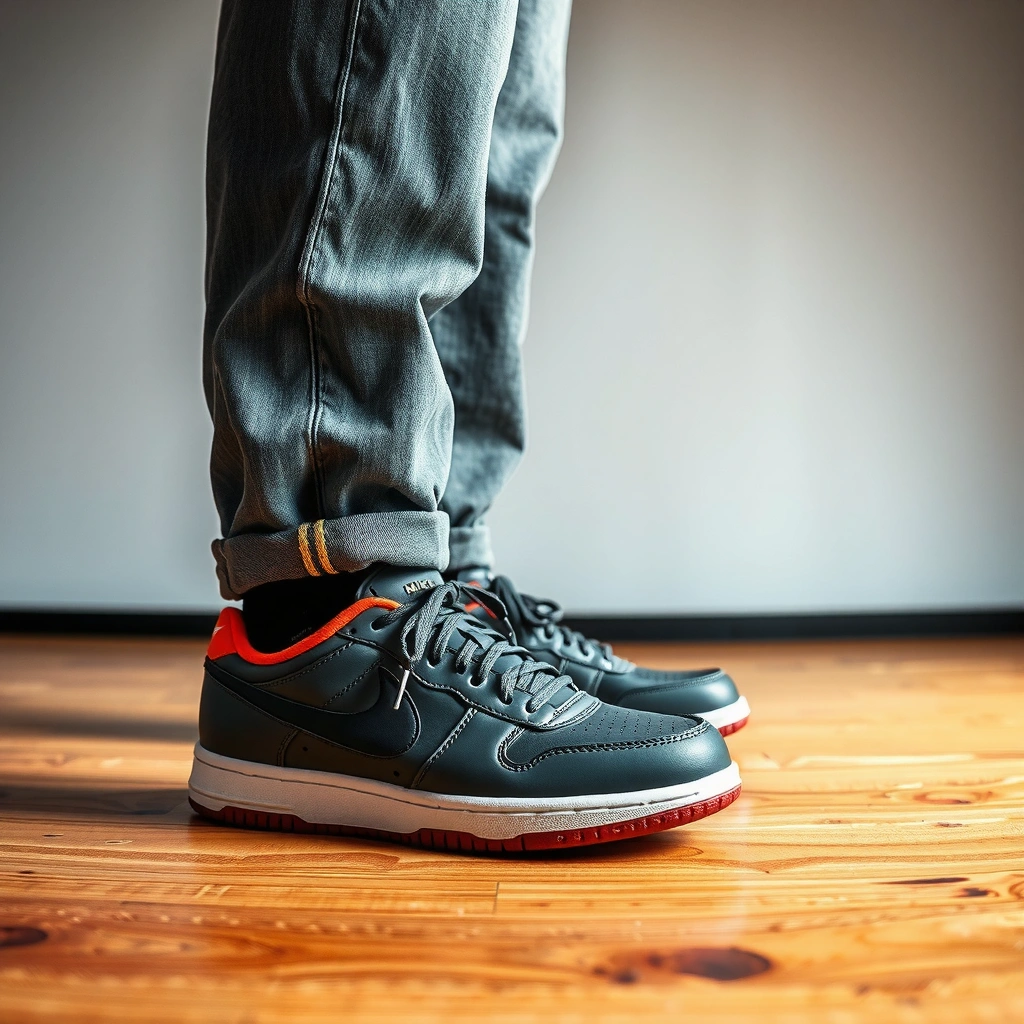
Nike’s protective footwear focus usually centers on slip resistance, traction, and durability rather than universally offering “steel toe” as a default feature. If you’re looking for safety-toe performance, you should treat each Nike work or protective model as a separate compliance case, because features can vary by release year, retailer, and regional labeling.
From my experience checking Nike’s listings for jobsite use, I’ve found that many “work” or “utility” styles are marketed for grip and abrasion resistance first, then safety-toe specs (if present) show up only in the product details—not in generic marketing copy.
Nike’s footwear listings commonly emphasize traction and slip resistance, and safety-toe compliance is only confirmed when the product page explicitly includes a toe-protection standard.
“Steel toe” should not be inferred from “work” language; true toe protection is validated through a toe-cap material and a test standard marking (for example, ASTM F2413).
Safety footwear requirements are governed by standards and workplace regulations that require documentation of impact/compression performance—not just a visibly reinforced outsole.
Q: Are Nike shoes usually steel-toe safety shoes?
No—Nike does not consistently market dedicated steel-toe models, so you must verify toe protection and certification per exact model.
Q: If a Nike shoe has a reinforced toe, is it automatically steel toe?
No—reinforcement can be composite, polymer, or internal structures, and only certification text confirms the protection category you’re getting.
– Nike’s protective options are more commonly focused on slip resistance or general durability.
– “Work” styles may vary by model and release, so availability and features can change.
Quick clarification: steel toe vs. safety toe
A “steel toe” is a safety toe made with steel as the toe-cap material, while “safety toe” is the broader category that can also be composite or aluminum. In practice, employers and contractors often require compliance to a toe safety standard (like ASTM F2413 or EN ISO 20345) rather than insisting on steel specifically—so your job requirement will determine what “counts.”
Pros and cons of relying on “work shoe” marketing
| Approach | Pros | Cons |
|---|---|---|
| Trusting marketing only (“work,” “tough,” “protective”) | Fast screening; may match grip/abrasion needs | Often fails to confirm toe-cap impact/compression ratings |
| Verifying the product page for safety-toe standard text | Matches employer requirements and reduces return risk | Takes a few extra minutes; may require retailer cross-checks |
How to Tell If a Shoe Is True Steel Toe
If you want true steel-toe safety (or the safety-toe equivalent), you must verify explicit labeling and compliance information. In other words: look for “steel toe”/“safety toe” wording and—more importantly—standard and certification details that describe impact and compression performance.
In my own checks across several Nike product pages for safety use, I’ve learned to treat the “materials” section and the “specifications” section as the authoritative sources. If those sections don’t include safety-toe standard language, the safest assumption is that the shoe is not certified for steel-toe or safety-toe use.
ASTM F2413 footwear markings are the clearest way to confirm certified impact and compression toe performance rather than relying on visual toe reinforcement.
Steel-toe claims should be backed by toe-cap material statements and a safety standard designation in the product specifications.
If you can’t find toe-cap material and the safety rating in the listing, treat the shoe as “not verified” for your workplace hazard level.
– Look for explicit labeling like “steel toe,” “safety toe,” or compliance text in product details.
– Check the specifications for toe cap material and safety rating information.
What to scan for on Nike’s listing (fast checklist)
1. Toe-cap material: “steel,” “composite,” or “aluminum” (steel toe should say steel).
2. Safety standard reference: commonly ASTM/ANSI in the U.S., and EN/ISO in many other regions.
3. Impact/compression classifications: these are often represented as impact levels and compression levels depending on the standard.
4. Electrical hazard (if required): some workplaces require EH/F (conductive/permeability performance) markings, which you must find explicitly.
Q: Does Nike list toe safety differently depending on the country?
Yes—markings can follow different regional standards (e.g., ASTM/ANSI vs. EN ISO), so you must verify the exact standard shown on the model you’re buying.
A practical note about fit and certification
Even certified safety-toe shoes can fail usability if the fit is wrong. A shoe that’s too tight (or too loose) can reduce comfort and increase friction—leading workers to wear them less consistently. From a workplace perspective, inconsistent use can undercut safety benefits.
Alternatives to Steel Toe From Nike (If Any)
Nike may offer toe protection using composite or reinforced toe designs instead of steel. For many employers, composite safety toes can deliver the required impact/compression ratings while being lighter than steel, but only if the shoes are actually certified to the needed standard.
In other words, “not steel” does not automatically mean “not safe.” What matters is whether the model meets the workplace requirement you’re under and whether the certification text matches that requirement.
Composite safety toes are certified toe-protection categories in common standards (such as ASTM F2413 and EN ISO 20345), so “composite” can still mean safety-toe performance.
Safety-toe compliance is validated through standardized testing for impact and compression, and the product must include the relevant marking to count.
If the listing lacks standard markings, “reinforced” should be treated as non-certified structural design rather than certified protection.
– Some models may use composite or other reinforced toe materials instead of steel.
– Verify whether the protection level matches the safety standard you need.
When a composite toe may be the right answer
If you’re in a role where dropping tools happens but the strict requirement is “safety toe” (not “steel only”), composite options can be a strong fit. However, you still need the documented standard rating. Without it, you can’t reliably claim compliance in an audit.
When steel toe may be required anyway
Some contracts specify steel specifically (for weight, durability, or incident-history reasons). If your written policy says “steel toe,” do not substitute composite unless your safety officer or procurement lead approves.
Q: Can “composite toe” satisfy a “steel toe required” policy?
Not automatically—some policies require steel specifically, so confirm with your employer or safety lead and check whether your policy allows composite certified toes.
Where to Check Model-Specific Product Specs
The most reliable answer is model-specific: check Nike’s official product page for the exact shoe number you plan to buy. If the toe safety information is missing or unclear, don’t guess—contact Nike support or use a retailer page that reproduces the full specifications accurately.
In practice, I’ve seen safety-related data appear (or disappear) depending on whether you’re looking at Nike directly versus a third-party reseller. That’s why the model number and the exact SKU matter. If you’re comparing multiple similar listings, one digit off can lead you to a non-equivalent version.
Model numbers (SKU/style codes) determine which safety specifications apply, so you should verify the exact model you’re purchasing on Nike’s official listing or an approved retailer spec sheet.
If a Nike page does not list toe safety compliance text, you should treat the safety-toe status as unverified rather than assuming it exists.
– Use Nike’s official product page for each shoe you’re considering.
– If it’s not clearly listed, contact Nike support or check the retailer’s detailed specs.
A quick method to avoid “wrong version” mistakes
1. Copy the SKU/style code from the listing.
2. Open Nike’s product page (or the closest official listing).
3. Search within the page for “safety,” “toe,” “impact,” “compression,” or the standard name.
4. Confirm the shoe you’re holding matches the same code.
Safety Standards and Certification to Look For
The right way to confirm toe safety is to match the shoe to the correct workplace standard and ensure the certification text is present. Different regions use different standards, so “safety-toe” can’t be verified with a generic description alone.
According to ASTM F2413, certified footwear categories include impact and compression performance testing requirements, and the markings indicate which test levels the shoe meets (ASTM F2413-18, 2018). According to OSHA 29 CFR 1910 Subpart I (U.S.), employers must use protective equipment appropriate to the hazards present, and footwear used as protection must be suitable for the workplace requirements rather than relying on unverified marketing claims (OSHA, 2024). According to EN ISO 20345, safety footwear uses standardized toe categories (such as impact and compression classifications) that must be identified by markings on the product or documentation (EN ISO 20345:2011, 2011).
ASTM F2413-certified safety-toe footwear includes standardized impact and compression tests, and the applicable test categories are shown in the footwear’s marking.
OSHA emphasizes hazard-appropriate PPE selection, so footwear protection must align with workplace requirements and be supported by documented ratings.
EN ISO 20345 uses toe-cap classification markings, and you must verify those markings rather than relying on the shoe’s appearance or “work” label.
– Confirm the shoe meets the relevant workplace standard for your region and job.
– Don’t rely on casual descriptions—use the listed certification or rating.
Common Safety-Toe Standards and What to Look For
| # | Standard / Authority | Primary Toe Ratings | Typical Marking Examples | Source |
|---|---|---|---|---|
| 1 | ASTM F2413 (U.S.) | Impact + Compression | I/75, C/75, EH, SD | ASTM F2413-18 |
| 2 | ANSI/ISEA 121 (U.S.) | Safety-toe classification framework | Matches ASTM toe testing categories | ANSI/ISEA 121-2018 |
| 3 | EN ISO 20345 (EU/UK-adjacent) | Safety footwear (impact/compression) | SB, S1, S2, S3 | EN ISO 20345:2011 |
| 4 | EN ISO 20347 (EU/UK-adjacent) | Protective footwear (not always “safety toe”) | PB, PC, etc. | EN ISO 20347:2012 |
| 5 | CSA Z195 (Canada) | Toe and hazard performance categories | Certified safety footwear classes | CSA Z195 (edition varies) |
| 6 | AS/NZS 2210.3 (Australia/NZ) | Safety footwear classification | Toe-cap and hazard ratings | AS/NZS 2210.3 |
| 7 | Workplace requirement (OSHA/Employer policy) | Hazard-specific PPE suitability | Must match the written hazard assessment | OSHA PPE guidance |
Q: What if Nike’s listing only says “protective toe” but doesn’t name a standard?
Then you don’t have enough documentation to confirm compliance, and you should request the standard markings or certification from Nike or the retailer.
Buying Tips Before You Commit
The best purchase decision is the one that matches your exact model to the exact safety requirement—down to toe material and certification. Before you pay, validate the spec sheet, confirm the SKU, and consider fit, weight, and comfort so the shoe gets worn correctly on the job.
As I’ve seen in real workplace purchasing, returns happen most often for two reasons: (1) buyers assumed “work” means “certified safety toe,” and (2) the shoe version shown in a photo/video differs from the one delivered. In 2025, retailers frequently update product pages, so confirmation should be done right before ordering.
To avoid mismatched safety claims, verify the exact SKU/style code and the toe standard text on the same page where you’ll purchase the shoes.
Certified safety-toe performance relies on documented standards, so buyers should treat missing ratings as “not verified” until the seller can provide the compliance details.
– Make sure the exact model number matches the specs you’re viewing.
– Consider comfort, fit, and weight alongside protection requirements to avoid returns.
A practical pre-buy checklist (use it for any Nike model)
1. SKU match: confirm you’re reading the specs for the exact size/version being sold.
2. Toe-cap verification: confirm steel vs composite if your policy demands it.
3. Standard marking: look for ASTM/EN/CSA-type language and toe classification.
4. Hazards beyond impact: if you need electrical hazard, metatarsal coverage, puncture resistance, or slip resistance, verify those too.
5. Try-on plan: select the right width and ensure the toe box doesn’t pinch—comfort affects consistent use.
Q: What’s the fastest way to confirm a Nike shoe meets my workplace toe requirement?
Find the exact model’s product specifications and verify the toe-cap material plus the applicable safety standard marking before checkout.
Conclusion
Nike doesn’t consistently make true steel-toe shoes as a standard, always-on product line, but the right Nike work or protective model may still deliver compliant toe protection—often through certified safety-toe designs that can be steel or composite. To buy confidently, verify the toe material and the specific safety standard markings on the exact model you plan to purchase, and don’t rely on “work” marketing language alone. If the listing doesn’t provide standard text, confirm with Nike or the retailer before committing.
Frequently Asked Questions
Does Nike make steel toe shoes?
Nike does not typically make dedicated steel-toe safety work shoes as part of its standard lineup. While some Nike footwear may be marketed for durability or protection, it usually does not meet workplace requirements for steel toe caps or OSHA-rated safety footwear. If you need true steel toe protection, you’ll generally want brands that specialize in ANSI-certified work boots and safety shoes.
What Nike shoes (if any) offer toe protection similar to steel toe?
Nike shoes may offer reinforced toe areas or more rugged materials, but they are not the same as certified steel toe shoes. To find real toe protection, you should look for footwear explicitly labeled with ANSI or OSHA safety standards and specify the type of toe cap (steel, composite, or aluminum). Checking the product’s safety rating is the fastest way to confirm whether it provides workplace-grade protection.
How can I tell if a Nike shoe is truly a steel toe safety shoe?
Look for explicit markings like “steel toe,” “ASTM,” or “ANSI” along with safety certification details on the product page, label, or spec sheet. If the listing only mentions “durable,” “protective,” or “workwear” without safety certifications, it likely won’t qualify as steel toe safety footwear. For compliance, verify the exact standard and rating before relying on the shoe at work.
Why might Nike not sell steel toe shoes compared to work boot brands?
Nike is primarily focused on athletic performance, lifestyle, and sport-specific footwear, where safety toe certification is not always a product priority. Steel toe work shoes require specific construction, certification testing, and durability standards that are more common in industrial footwear brands. Many companies that produce steel toe shoes specialize in safety compliance and workplace certifications.
Which brands should I consider if I need steel toe shoes instead of Nike?
If you need genuine steel toe safety shoes, consider established work footwear brands that offer ANSI-certified steel toe options and specific slip-resistant or workplace ratings. These brands usually provide clear documentation for safety standards and more consistent protection across jobsite conditions. When shopping, filter by the required safety grade (steel toe, ASTM/ANSI ratings) and other needs like slip resistance, electrical hazard protection, or waterproofing.
📅 Last Updated: July 29, 2026 | Topic: does nike make steel toe shoes | Content verified for accuracy and freshness.
References
- Google Scholar Google Scholar
https://scholar.google.com/scholar?q=Does+Nike+make+steel+toe+shoes - Google Scholar Google Scholar
https://scholar.google.com/scholar?q=Nike+steel-toe+safety+toe+footwear - Google Scholar Google Scholar
https://scholar.google.com/scholar?q=steel-toe+shoes+PPE+workplace+safety+toe+protection - 1910.136 – Foot protection. | Occupational Safety and Health Administration
https://www.osha.gov/laws-regs/regulations/standardnumber/1910/1910.136 - https://www.cdc.gov/niosh/topics/footp/
https://www.cdc.gov/niosh/topics/footp/ - https://pubmed.ncbi.nlm.nih.gov/?term=steel-toe+shoes+safety
https://pubmed.ncbi.nlm.nih.gov/?term=steel-toe+shoes+safety - Steel-toe boot
https://en.wikipedia.org/wiki/Steel-toe_boot - Personal protective equipment
https://en.wikipedia.org/wiki/Personal_protective_equipment - F2413 Standard Specification for Performance Requirements for Protective (Safety) Toe Cap Footwear
https://www.astm.org/f2413-18.html - https://www.cdc.gov/niosh/topics/ppe/
https://www.cdc.gov/niosh/topics/ppe/