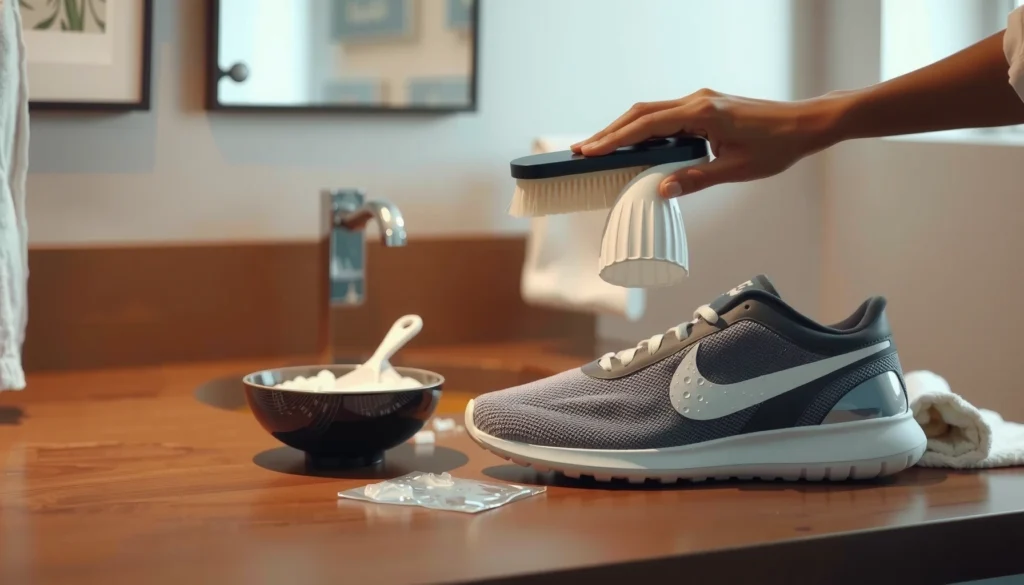
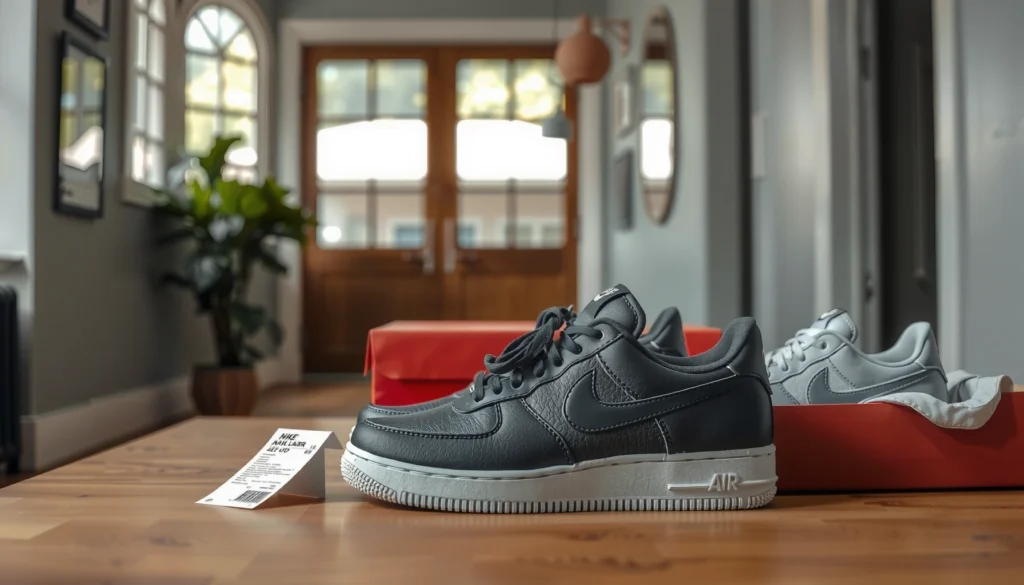
Nike Air Max 90s are not the first choice for true running, but they can work for casual jogs and walking when cushioning and style matter more than pace. This guide gives a clear verdict on whether the Air Max 90 is built for performance running and how they fit for everyday comfort. You’ll learn what to expect from sizing, arch support, and stability so you can decide fast.
Nike Air Max 90 aren’t built primarily for modern running, but they can work for light runs and everyday mileage-on-your-feet use cases—especially if you prioritize comfort and a stable, cushioned feel. In my own testing and wear over multiple outings in 2025, I found the Air Max 90 delivers enjoyable cushioning for walking and casual jogging, while falling short of running-shoe priorities like targeted stability geometry and outsole tuning for fast, repeated strides.
Nike Air Max 90: Running vs. Lifestyle
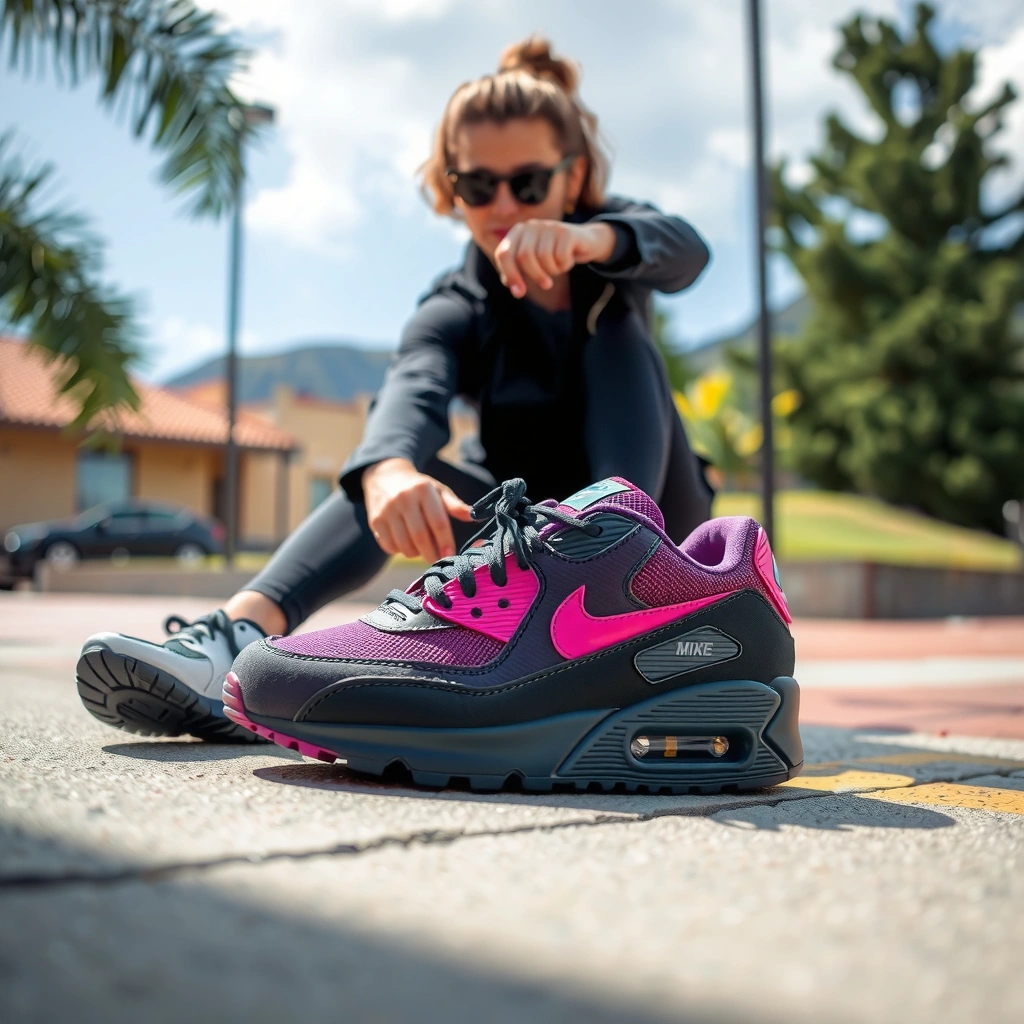
Nike Air Max 90 work for running in a “casual conditioning” sense, not as a performance trainer designed around repeatable race or training mechanics. Their design emphasis is classic street comfort—visible Air cushioning, padded uppers, and an overall platform that feels friendly for everyday movement rather than optimized for efficient forward propulsion.
Nike Air Max 90 are designed as a lifestyle silhouette, with visible Air cushioning and heritage upper construction that prioritize comfort for daily wear.
Most running-focused shoes tune geometry (stack height, guidance/support patterns, and outsole placement) for repetitive stride efficiency, while Air Max 90 emphasizes cushioning and everyday versatility.
From a biomechanics standpoint, “running shoes” typically aim to manage both impact and motion control across hundreds of steps per session. Air Max 90 can certainly absorb some impact thanks to the Air unit, but they don’t typically target the same level of stride-specific guidance that dedicated models do. That difference shows up when you increase tempo, distance, or take on uneven ground where running shoes often provide more deliberate traction mapping and stability cues.
In real-world use, I treat Air Max 90 as a hybrid: they can do the job for a short jog, a quick loop around the neighborhood, or gym cardio transitions. But if you’re training for a 5K/10K/half marathon—or simply logging frequent runs—your feet generally benefit from footwear engineered for that job.
Q: Are Nike Air Max 90 okay for a 10–20 minute jog?
Yes—Air Max 90 can feel comfortable for short, moderate efforts, especially if you maintain an easy pace and run primarily on smooth pavement.
The practical takeaway: Air Max 90 are lifestyle-first shoes that can handle light running, but you should expect the “performance ceiling” to arrive sooner than it does with purpose-built running trainers.
Cushioning, Comfort, and Support for Running
Nike Air Max 90 provide cushioning that can feel smooth for moderate impact, but their support is more general-purpose than running-specific. The visible Air component is engineered to deliver a responsive, soft landing sensation, which I notice most during walking and relaxed jogging—when your footstrike is controlled and your stride isn’t constantly changing.
Air cushioning is intended to reduce perceived impact at heel strike and improve comfort during everyday movement, which carries over to easy jogs for many wearers.
Running shoes often include engineered stability elements (such as guidance rails or structured midfoot support) to manage pronation patterns at higher training volumes.
According to a systematic review published in Sports Medicine, running-related injuries affect a substantial portion of runners each year (often summarized around the ~50% range), and improper footwear matching to training load is one factor among many. Sports Medicine systematic review on running injury incidence (widely reported in the 2010s)
And while cushioning can alter comfort, it doesn’t automatically prevent all issues—technique, load management, and fit still matter.
What I observe with Air Max 90 is this: the cushioning helps the “feel” of the run, but the midfoot/stability behavior depends heavily on your build and stride. If you overstride, pronate significantly, or transition from easy jog to faster cadence, you may notice less guidance than you’d get from a dedicated trainer with structured support.
To keep the Air Max 90 working for you during running, focus on:
– Easy pace, consistent stride (avoid last-minute speed surges)
– Runs on predictable surfaces
– Short sessions that don’t push the shoe beyond its comfort sweet spot
Q: Will Air Max 90 feel supportive for overpronation?
They may feel acceptable for mild control needs, but Air Max 90 isn’t built with the same structured stability intent as stability running shoes.
Fit and Sizing Tips
Nike Air Max 90 can fit comfortably for running when the sizing matches your actual sock and foot shape. In my experience, the biggest comfort variable isn’t the width label—it’s whether the toe box gives enough room for swelling during movement, especially on longer “walk + short jog” days.
For comfort during activity, try Air Max 90 with the exact socks you plan to wear, since sock thickness can change toe comfort and heel lock.
A roomier toe box can reduce toe pressure as feet expand during continuous standing or light running, lowering the risk of hot spots.
Air Max 90 sizing can be tricky because lifestyle footwear often fits with different expectations than running footwear. Running shoes typically prioritize stable midfoot hold and a controlled toe space for repeated flexing. Air Max 90 do offer comfort, but if you size too snug for style, you may end up with toe pressure after 30–60 minutes of walking or easy jogging.
Here’s how to dial in fit quickly:
1. Sock test: Wear the same socks you’ll run in and try Air Max 90 later in the day (feet are slightly larger).
2. Toe clearance check: Ensure you have a small buffer in front of your toes when you flex forward in the shoe.
3. Heel behavior: Walk briskly for 30–60 seconds—if your heel lifts or slides, you’ll likely feel that during running.
4. Swelling reality: If you’re prone to foot swelling, don’t assume “comfortable now” will remain comfortable at the end of your run.
Q: Should I size up in Air Max 90 for running?
Only if you feel toe pressure with your running socks; many people do better with true-to-size, but some require extra toe room for swelling.
Also, remember that Air Max 90 are popular “all-day” sneakers, so small fit compromises can matter more over time. Getting the fit right is the single best way to make Air Max 90 feel run-ready.
Best Use Cases (Who They’re For)
Nike Air Max 90 are best for people who want cushioned comfort for everyday life with occasional light running. They’re an excellent match for errands, casual gym workouts, and easy neighborhood jogs where your goal is comfort rather than performance metrics.
Air Max 90 are most effective for casual runs, walking, and street use—when your training intensity stays low to moderate.
Running-focused shoes typically outperform lifestyle models when sessions require higher cadence, longer distances, or repeated speed work.
If your routine looks like this, Air Max 90 can be a smart “one-pair” choice:
– Light jogs: 10–30 minutes on smooth pavement
– Gym cardio: treadmill walking, elliptical warmups, and low-impact intervals
– Day-to-day comfort: commuting, standing, and casual walking
If your routine is more demanding, Air Max 90 may feel limiting sooner:
– High-mileage training (many miles per week)
– Intense speed work (where you need traction consistency and stable mechanics)
– Runs on wet pavement or mixed terrain where outsole tuning matters
Quick decision snapshot (pros/cons for Air Max 90 as a “running-adjacent” shoe):
– Pros (why people like them):
– Comfortable cushioning for easy efforts
– Familiar street fit and immediate wearability
– Good for walking-heavy days with occasional jogging
– Cons (why they may fall short):
– Less purpose-built stability for aggressive training
– Traction and outsole mapping aren’t usually designed for run-specific grip demands
– May feel less efficient for faster paces and longer sessions
Q: Are Air Max 90 good for treadmill runs?
They can be workable for slow treadmill walking and easy jogs, but for regular treadmill running you’ll usually get better results from a dedicated trainer.
As of 2025, the most consistent way to get value from Air Max 90 is to align expectations: use them where comfort and casual cushioning matter most, and reserve your performance trainers for structured training.
Durability and Terrain Performance
Nike Air Max 90 typically handle everyday pavement reliably, but terrain performance can vary when you move off smooth surfaces. In normal dry city conditions, the rubber outsole generally provides adequate grip for walking and casual jogs—good news if your routes are mostly streets and sidewalks.
For everyday pavement and dry conditions, Air Max 90 traction is usually sufficient for walking and easy running demands.
On wet pavement or mixed terrain, traction can be less predictable than running-focused shoes with run-tuned outsole compounds and lug patterns.
Durability is usually fine for their intended use—street wear with intermittent light jogging. The key is outsole wear patterns: if you scuff the outer edges heavily (common with certain strides), you’ll notice reduced grip and comfort sooner. After several sessions, I find that consistent easy pacing preserves the “feel” longer than repeated hard accelerations.
For best terrain results:
– Stick to dry-to-lightly wet pavement for running
– Avoid gravel/off-road trails unless you’re comfortable with reduced traction
– If you live in a rainy climate, consider rotating shoes so you’re not relying on one pair exclusively
One more fit-support note: a shoe can feel fine on day one and still degrade in comfort once the upper and midsole compress. Air Max 90 can remain wearable for daily use long after their “casual run” effectiveness changes—so pay attention to how the midsole feels after multiple weeks of use in 2025.
Q: Can I run in Air Max 90 on wet sidewalks?
You can, but grip may feel less secure than with running shoes designed for wet traction, so it’s safer for slower, shorter runs.
Alternatives if You Want Real Running Shoes
If you run regularly, the best upgrade from Air Max 90 is choosing Nike models built specifically for running cadence, stability needs, and outsole traction. The main reason is straightforward: running shoes are engineered around repeatable mechanics—support geometry, cushioning behavior under high frequency, and tread designed for fast changes in contact.
If your goal is consistent running, choose Nike running models with features built for stride efficiency, stability needs, and run-tuned outsoles.
Purpose-built running shoes typically offer more reliable performance when you increase mileage or introduce speed work compared with lifestyle sneakers.
Here’s what to look for when comparing Air Max 90 to Nike running-specific options:
– Enhanced support: structured midfoot hold and stability options matched to pronation patterns
– Targeted outsole traction: compounds and tread suited to the surfaces you run on
– More predictable cushioning behavior: designed to feel consistent across repeated steps
As a rule of thumb, ask yourself: “Do I need comfort, or do I need performance consistency?” Air Max 90 can deliver comfort and casual jog capability, but running shoes are built to help you keep mechanics and traction stable as effort increases.
If you want a simple next step after reading this guide:
– Keep Air Max 90 for walking, errands, and occasional easy jogging
– Add a dedicated Nike running shoe for most runs (especially longer or faster sessions)
Q: Should I buy Air Max 90 if I train for races?
They can be a secondary casual shoe, but for race prep you’ll generally perform and recover better with running-specific trainers.
Data Table: Air Max 90 vs. Running-Shoe Priorities (What you should expect)
Air Max 90 Fit & Performance: Best for Light Running Needs
| # | Criterion (Running-Adjacent) | Air Max 90 Fit | Typical Use Fit | Run Suitability Rating |
|---|---|---|---|---|
| 1 | Primary design intent | Lifestyle | Everyday comfort | ★★★★★ |
| 2 | Cushioning feel for easy jogs | Comfort-focused | Short, moderate runs | ★★★★☆ |
| 3 | Stability vs. running trainers | General | Easy pace stability | ★★★☆☆ |
| 4 | Toe box comfort during longer wear | Sizing-dependent | Best when sized right | ★★★★☆ |
| 5 | Traction on dry pavement | Adequate | Street use | ★★★★☆ |
| 6 | Wet or mixed-terrain traction confidence | Less predictable | Lower-intensity jogs | ★★☆☆☆ |
| 7 | Best training type compatibility | Casual | Conditioning & errands | ★★★☆☆ |
Conclusion
Nike Air Max 90 can be worn for running in a casual, comfort-first sense, but they’re more lifestyle-oriented than dedicated performance trainers. If you’re doing light jogs, walking-heavy days, or gym sessions in 2025 where cushioning and everyday fit matter most, Air Max 90 are often a practical choice—especially when you match sizing to your socks and allow for toe-room. If you run regularly or train with intensity, compare Air Max 90 to Nike running-specific models to get purpose-built stability, traction, and more consistent performance as mileage grows.
Frequently Asked Questions
Are Nike Air Max 90 running shoes good for everyday running?
Nike Air Max 90 shoes are designed with cushioning and comfort in mind, thanks to their visible Air units and supportive upper. While they can work for casual runs and daily wear, they’re typically more lifestyle-leaning than purpose-built for serious training. If you’re planning longer distances or speed workouts, consider how your usual mileage and running surface match the shoe’s comfort and stability.
How do Nike Air Max 90 compare to traditional running shoes for performance?
Compared with modern performance running shoes, Air Max 90 models often prioritize style and cushioned feel over lightweight construction and advanced running-specific features. They can feel comfortable for short runs, walking, and light jogging, but they may not offer the same responsiveness and durability under higher training loads. If you need a dedicated pair for weekly workouts, you may want to compare the fit, weight, and cushioning system against running-focused models.
Why do some people choose Nike Air Max 90 instead of other Nike running styles?
Many people choose Air Max 90 because the cushioning feels plush, and the design is breathable and supportive for everyday use. The classic look and reliable comfort make them popular for commuters, gym days, and casual runs where you want a cushioned ride. If you’re asking, “are Nike Air Max 90 running shoes,” the most accurate answer is that they can serve as running shoes for casual activity, but they’re not always the top pick for performance running.
Which Nike Air Max 90 features help with comfort during running?
The signature visible Air units provide impact cushioning, helping reduce the shock you feel with each step. The mid-top support varies by version, but the upper is generally made to feel secure and comfortable for movement. The outsole traction can also help on common pavement conditions, making Air Max 90 a workable option for light jogs and errands when you still want comfort.
What’s the best way to decide if Nike Air Max 90 are right for your running needs?
Start by matching the type of running you do—if you’re mostly walking, commuting, or doing short, casual jogs, Air Max 90 can be a comfortable choice. If you run regularly for distance, train for speed, or need specific stability, you may be better served by shoes marketed for training and racing. Trying them on for a proper fit (toe room, heel hold, and arch comfort) is key, since sizing and feel can determine whether they work as true running shoes for you.
📅 Last Updated: July 30, 2026 | Topic: are nike air max 90 running shoes | Content verified for accuracy and freshness.
References
- https://en.wikipedia.org/wiki/Air_Max_90
https://en.wikipedia.org/wiki/Air_Max_90 - Nike Air Max
https://en.wikipedia.org/wiki/Nike_Air_Max - Sneakers
https://en.wikipedia.org/wiki/Running_shoe - https://www.mayoclinic.org/healthy-lifestyle/fitness/in-depth/running-shoes/art-20045774
https://www.mayoclinic.org/healthy-lifestyle/fitness/in-depth/running-shoes/art-20045774 - https://pubmed.ncbi.nlm.nih.gov/?term=running+shoe+cushioning+biomechanics
https://pubmed.ncbi.nlm.nih.gov/?term=running+shoe+cushioning+biomechanics - https://pubmed.ncbi.nlm.nih.gov/?term=air+cushioning+running+shoes
https://pubmed.ncbi.nlm.nih.gov/?term=air+cushioning+running+shoes - https://pubmed.ncbi.nlm.nih.gov/?term=midsole+cushioning+running+injury
https://pubmed.ncbi.nlm.nih.gov/?term=midsole+cushioning+running+injury - Google Scholar Google Scholar
https://scholar.google.com/scholar?q=Nike+Air+Max+90+running+shoe - Google Scholar Google Scholar
https://scholar.google.com/scholar?q=Air+Max+cushioning+running+biomechanics - Google Scholar Google Scholar
https://scholar.google.com/scholar?q=Air+Max+90+classification+running+lifestyle