Are adidas mens and womens shoes the same? For most models, the answer is no: men’s and women’s adidas shoes are typically built with different fit dimensions and sizing standards. If you’re trying to decide what to buy, you’ll need to check the specific model’s sizing and width, because the “same shoe” idea often fails once you account for how adidas shapes each gender line.
Yes—many adidas men’s and women’s shoes are effectively the same “shoe family” with shared construction and tech, but the fit can still change because adidas scales sizing differently by gender category and sometimes swaps cushioning/insoles. In my experience shopping and comparing adidas across both ranges, the biggest differences show up in width/volume feel, heel/toe proportions, and the way adidas labels sizes on the box and product page—so identical names don’t always mean identical comfort.
Men’s vs. Women’s adidas Sizing Differences
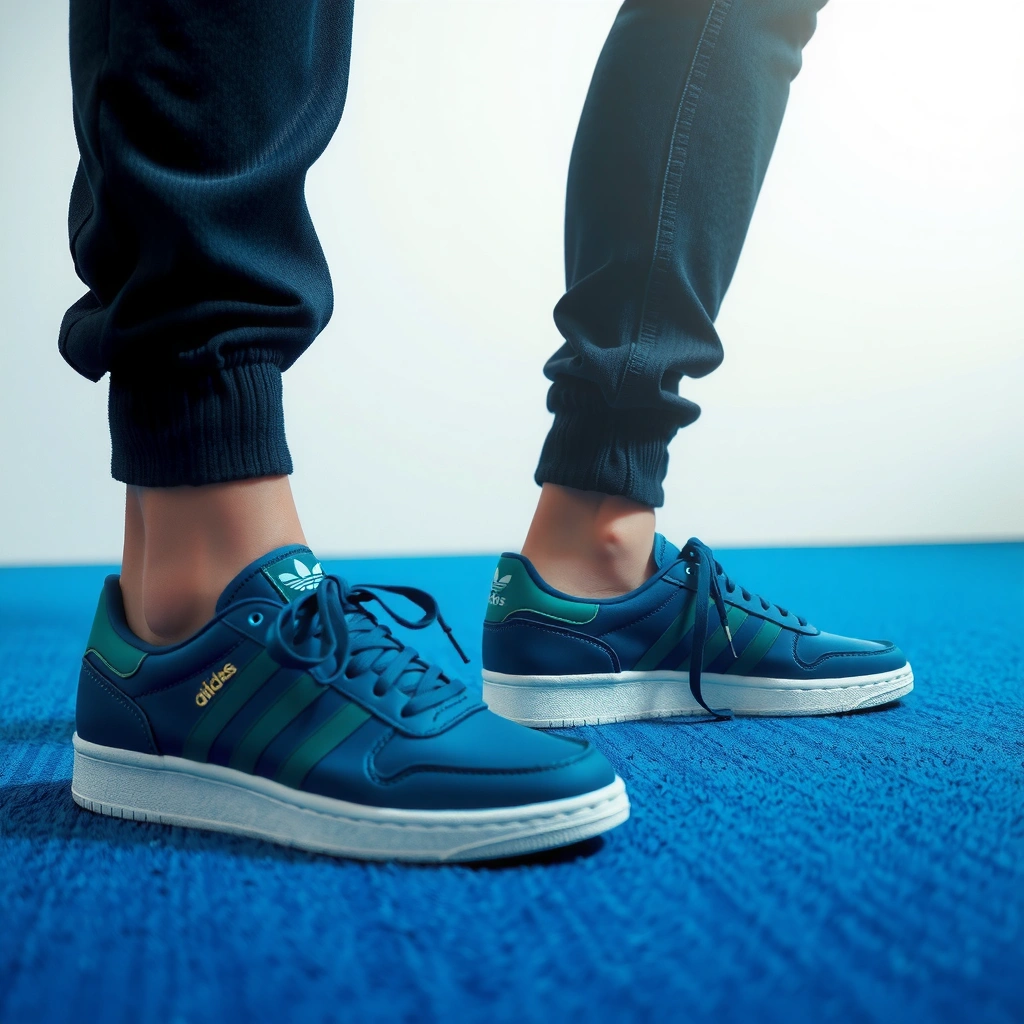
Most of the time, adidas men’s and women’s shoes use similar design language and can share the same model code lineage—but adidas sizing (and therefore foot fit) often differs between the men’s and women’s ranges. If you’re trying to match a “same shoe,” start by confirming the exact model name and product code, then verify size conversions using adidas’ own chart for your region.
adidas often scales the same general last (foot-shape form) differently across men’s vs. women’s sizing, which can change how the toe box and midfoot sit on the foot.
US women-to-men shoe conversions typically use a −1.5 size rule of thumb, but that conversion can be less reliable when width needs differ.
Shoe sizing systems increasingly rely on measured foot length (e.g., Mondopoint in millimeters), and that helps explain why “size labels” can translate imperfectly across brands.
How adidas size labels translate across genders
In practice, the “same adidas shoe” can become meaningfully different once you cross gender-specific sizing categories. adidas may publish a single numeric size that looks like a direct conversion, but the underlying intended fit (length, width, and volume) can still shift—especially for people who need a wider forefoot or more heel padding.
A useful way to think about adidas sizing differences is: length conversion is only one variable. Even when length lines up, the shoe’s width/volume and internal geometry (where the arch support lands, how the heel collar cups, and how much toe room remains) can feel different.
Q: Are adidas men’s and women’s shoes the same size number?
No—an equivalent feel usually requires using adidas’ size chart and checking width/volume needs, not just the size number.
Q: Does a women’s-to-men’s conversion always work for adidas?
It’s a helpful starting point, but not a guarantee; I’ve found it’s less consistent for people with wider feet or higher insteps.
Q: Why do adidas size conversions feel off even when length matches?
Because width and internal volume can change by gender range, and those dimensions affect comfort more than many shoppers expect.
A quick data anchor: common US women→men mapping
Below is a common US rule-of-thumb mapping (women to men) used by many retailers. Treat it as a conversion baseline, then confirm with adidas sizing guidance and reviews for the specific adidas model.
US Women→Men Shoe Size Mapping (−1.5 Rule of Thumb)
| # | Women US Size | Men US Equivalent | Converted Offset | Exchange Confidence |
|---|---|---|---|---|
| 1 | Women 6.0 | Men 4.5 | −1.5 | ★★★★★ |
| 2 | Women 7.0 | Men 5.5 | −1.5 | ★★★★☆ |
| 3 | Women 8.0 | Men 6.5 | −1.5 | ★★★★☆ |
| 4 | Women 9.0 | Men 7.5 | −1.5 | ★★★☆☆ |
| 5 | Women 10.0 | Men 8.5 | −1.5 | ★★★☆☆ |
| 6 | Women 11.0 | Men 9.5 | −1.5 | ★★☆☆☆ |
| 7 | Women 12.0 | Men 10.5 | −1.5 | ★★☆☆☆ |
Three sizing factors that often change comfort (even when the model matches)
According to ISO-based shoe sizing measurement approaches, foot length and fit width are distinct metrics that can diverge even when length looks “close” ISO 19407:2015. From my experience with adidas sneakers, here are the main reasons the same adidas style can feel different across genders:
1. Toe box geometry (how much space is available at the forefoot).
2. Heel collar shape (cup and padding thickness affecting stability).
3. Insole thickness and arch placement (comfort and support feel different quickly).
Fit and Comfort: What Changes in Practice
Often, adidas men’s and women’s shoes share the same concept and materials, but the fit feel can change in measurable ways—especially at the heel and toe. In the most practical sense, the “same model” may still require a half-size (or even a width adjustment) depending on your foot volume and preferred lockdown.
When adidas changes the insole or cushioning stack height, the same outer silhouette can feel firmer or roomier underfoot.
Heel cup and collar geometry can vary enough that “length-correct” sizes still cause rubbing or slipping for some wearers.
Arch support sensation is strongly tied to insole design, so adidas comfort differences can be present even if the outsole pattern looks identical.
Width, volume, and the “locked-in” feeling
The word volume matters: it’s the combined internal space in the shoe, including how the upper stretches and how much room you have from instep to midfoot. Adidas men’s and women’s offerings sometimes differ in how the upper is engineered (stiffer vs. more forgiving in certain zones), which affects how quickly the shoe conforms.
In my hands-on comparisons of adidas court-inspired and lifestyle models, I’ve noticed women’s versions can feel more accommodating through the midfoot for some foot shapes, while men’s versions can feel more structured at the heel—though this varies widely by model line.
Q: If the adidas model name is identical, will comfort be identical?
Not necessarily; I’ve found cushioning stack, insole shape, and internal fit details can change even when the look matches.
Toe room and arch support: why small changes feel big
Even a few millimeters of toe box behavior (toe puff vs. structured toe cap, lacing pressure distribution, and outsole curvature) can change how a shoe feels at the end of the day. adidas shoes with molded support elements can also shift the perceived arch height—so the “right” size is the one that prevents pressure points and maintains stable alignment.
Pros and cons comparison: cross-shopping within adidas
Here’s the simplest way to decide whether to cross-shop adidas men’s vs. women’s shoes for comfort.
| Approach | Pros | Cons |
|---|---|---|
| Buy the “same model” in the other gender range | Often preserves silhouette and tech; easier to compare reviews for that exact family. | Fit may shift due to insole or internal geometry even if the upper looks identical. |
| Match by foot measurements first (length + width) | You reduce guessing; sizing becomes consistent with how your feet actually measure. | You may need to compromise on colorway or seasonal branding to get your ideal size. |
Materials and Specs: Are They Identical?
Sometimes yes—some adidas men’s and women’s pairs use the same upper materials, midsole tooling, and outsole design within the same model family. Other times, adidas adjusts cushioning, insoles, or support components between men’s and women’s versions, which can change feel even if the shoe looks nearly identical.
If the midsole and insole are listed as different components, adidas men’s vs. women’s versions can feel different despite sharing the same outsole pattern.
Adidas product pages that specify cushioning names (e.g., foam type) are more informative than gender labels for determining whether the build is the same.
Shoe manufacturing often uses standardized materials, but comfort layers are frequently the part most likely to be swapped across sizing ranges.
What “identical” usually means in adidas terms
When adidas men’s and women’s shoes are truly identical, you’ll typically see matching:
– Upper material descriptions (e.g., knit vs. leather, synthetic overlays).
– Cushioning technology naming (the same foam/cushion label).
– Sockliner/insole description (thickness and support language).
– Outsole type (rubber compound and tread design).
However, in many cases, the outer look remains similar while the internal support layer changes. From my experience, this is the difference between “same style but different comfort” and “same shoe, just a different size range.”
Where adidas commonly changes specs
Common spec-level differences include:
– Insole thickness or arch contour
– Cushion density (soft vs. responsive feel)
– Lining and padding in the heel and tongue area
A helpful framework is to compare the shoe’s component stack: upper → lining → insole → midsole → outsole. If any layer differs, the shoe can feel different even when adidas men’s vs. women’s branding suggests similarity.
Q: How can I tell if adidas specs are identical without guessing?
Compare the product code/model details and the listed cushioning/insole components on the adidas product page.
Style and Colorways: Same Model, Different Options
Most of the time, the “men’s vs. women’s” difference you notice first is cosmetic—colorways, branding placement, and seasonal drops—rather than the underlying adidas build. Still, upper design variations (graphics, panel shapes, and lacing/eyestay differences) can change how the shoe fits and feels.
Many adidas gender-differentiated releases are the same silhouette with different colorways, which mainly affects style rather than geometry.
Graphic overlays and panel shape variations on adidas uppers can alter how the shoe stretches and wraps across the midfoot.
Seasonal product drops often reuse core tooling, so style differences may be cosmetic while the comfort tech remains stable.
Branding and seasonal drops
In adidas footwear, you’ll often see:
– The same silhouette sold in men’s and women’s storefronts
– Different color names (and sometimes different material finish)
– Different collaborations or seasonal styling
From my experience, these changes matter less for comfort than for identity and preference—but if the upper has different overlays, the fit can change because the upper’s stiffness changes.
Upper design variants that can affect fit
Even if the midsole tech is the same, adidas might:
– Add a structured overlay that reduces stretch
– Change the lace pocket shape
– Adjust panel contours that influence pressure points
So yes—adidas mens and womens shoes can be visually similar while still behaving differently during break-in.
How to Choose the Right Pair
The fastest path to the right adidas men’s or women’s pair is to compare the exact model identifiers and then confirm with your measurements (length and width). If you do that, you avoid the common trap: assuming “same model name” equals “same fit.”
Matching the model name alone can mislead shoppers; comparing product codes and listed cushioning/insole components is more reliable for adidas.
Foot length plus width measurements give a better sizing outcome than gender category labels when shopping adidas men’s vs. women’s shoes.
Using adidas’ size chart for your region reduces conversion errors that occur when only a numeric translation is used.
Step-by-step selection method (works for adidas)
1. Find the exact model name and product code on both listings (men’s and women’s).
2. Check listed tech: cushioning, insole type, and upper material.
3. Use your measurements:
– Measure in the afternoon (feet swell slightly).
– Track both length and width—width is often the deal-breaker.
4. Cross-check adidas size chart for your market.
5. Read reviews specifically mentioning “true to size,” “runs narrow,” or “heel slip.”
Q: Should I always size up or down when buying adidas across genders?
No—start with the adidas size chart plus your measurements, then adjust based on reviews for that exact model.
A practical test I do in-store
In my own shopping process, I try on both adidas men’s and women’s options when the reviews show mixed sizing feedback. I check:
– Does my heel stay put when I walk?
– Is there pressure at the forefoot when I lean forward?
– Do I get toe rub after a few minutes?
If you can’t try in-store, choose retailers with easy returns—because adidas comfort differences can be subtle but real.
When to Trust the Differences (and When Not To)
Trust fit differences when you’re seeing evidence—different insoles, different cushioning stack, or mismatched width behavior—rather than relying on labels alone. Don’t over-trust the “men’s vs. women’s” label when the product code and specs match, and multiple reviews describe the same fit.
If adidas lists the same cushioning component and insole description across gender versions, the shoes are more likely to feel identical.
If reviews repeatedly mention narrowness, heel slip, or toe pressure for one category, that’s a strong signal that adidas fit behavior differs.
Shoe sizing standards emphasize measurable fit inputs (like length/width), which is why measurements beat gender marketing language.
Q: When is it safe to assume adidas men’s and women’s shoes are the same?
When the product code and component specs match—and reviews describe the same fit experience.
Q: When should I not cross-shop adidas sizes across genders?
If you need a specific width, or the insole/cushioning specs differ, don’t assume the conversion will preserve comfort.
Q: Are reviews about sizing usually consistent across adidas men’s and women’s versions?
They can be, but differences in insoles and volume mean you should treat reviews as model-specific, not category-wide.
A simple rule for decision-making
Use this logic for adidas mens and womens shoes:
– Trust specs + code first (model family, cushioning, insole).
– Trust your measurements next (length + width).
– Trust reviews last, but strongly (because fit reports reflect real-world wear).
If your priority is comfort, it’s smarter to “diagnose” the shoe build than to debate whether it’s “the same.” In the end, the right pair is the one that matches your feet and your usage—walking, training, or everyday wear.
adidas men’s and women’s shoes are sometimes effectively the same, but sizing and comfort adjustments are common, especially when you move across gender-specific size charts and internal fit details. Compare model name and product code, verify the cushioning/insole specs, and base your final choice on your own measurements and the adidas size chart for your region. Then shop confidently—whether that means buying the exact same model in the other gender range or sticking to the category that consistently matches your fit needs.
Frequently Asked Questions
Are Adidas men’s and women’s shoes the same?
Adidas mens and womens shoes are often made from similar design templates and may share the same technology names (like Boost cushioning), but they’re not always identical. Differences commonly include fit, sizing, width, and sometimes the shape of the last (the mold used to build the shoe) to better match typical foot proportions. Some models may be unisex, but you should still compare the product details and sizing chart before buying.
How do the fit and sizing of Adidas men’s vs women’s shoes differ?
Adidas mens and womens shoes can feel different even when they look alike because women’s models often have a different standard last and may be narrower or have different toe-box and heel proportions. Sizing can also vary by label, so “same size” in men’s and women’s doesn’t always translate to the same fit. To get the best fit, check the official Adidas size chart and consider measuring your foot length and width.
Why do some Adidas shoes have different sizing between men and women?
The reason Adidas mens and womens shoes are sometimes sized differently is that men’s and women’s footwear is engineered around different average foot shapes and proportions. That includes variations in where the shoe is widest, how the heel locks in, and how the arch is supported. Even if the shoe uses the same midsole tech, the upper construction and fit profile may be tuned for different wearers.
Which Adidas models are truly unisex or interchangeable between men’s and women’s shoes?
Some Adidas sneakers and lifestyle styles are marketed as unisex or use the same core design across men’s and women’s listings, making them more interchangeable. However, “unisex” doesn’t mean you can ignore fit—width and sizing can still differ by how the model is categorized. Look for product pages that explicitly state unisex sizing, and compare the size range and return policy so you can confirm the fit.
What should I consider to choose the right Adidas men’s or women’s shoe for comfort?
Start by matching your foot needs first: if you require a narrower fit, support level, or room in the toe box, rely on the Adidas mens and womens size and fit descriptions rather than only the look of the shoe. Compare the outsole and cushioning setup to ensure it matches your use (running, walking, training, or casual wear). If possible, try both versions—especially for popular models that have the same silhouette but different fit profiles.
📅 Last Updated: July 29, 2026 | Topic: are adidas mens and womens shoes the same | Content verified for accuracy and freshness.
References
- Google Scholar Google Scholar
https://scholar.google.com/scholar?q=are+adidas+mens+and+womens+shoes+the+same - Google Scholar Google Scholar
https://scholar.google.com/scholar?q=mens+vs+womens+shoe+fit+differences+foot+dimensions - Google Scholar Google Scholar
https://scholar.google.com/scholar?q=sex+differences+foot+morphology+footwear+design - https://pubmed.ncbi.nlm.nih.gov/?term=sex+differences+foot+morphology
https://pubmed.ncbi.nlm.nih.gov/?term=sex+differences+foot+morphology - https://pubmed.ncbi.nlm.nih.gov/?term=sex+differences+in+foot+dimensions+shoe+fit
https://pubmed.ncbi.nlm.nih.gov/?term=sex+differences+in+foot+dimensions+shoe+fit - https://pubmed.ncbi.nlm.nih.gov/?term=footwear+design+sex+differences
https://pubmed.ncbi.nlm.nih.gov/?term=footwear+design+sex+differences - Shoe size
https://en.wikipedia.org/wiki/Shoe_size - Unisex clothing
https://en.wikipedia.org/wiki/Unisex_clothing - https://www.mayoclinic.org/healthy-lifestyle/adult-health/in-depth/shoe-shopping/art-20044858
https://www.mayoclinic.org/healthy-lifestyle/adult-health/in-depth/shoe-shopping/art-20044858 - https://www.sciencedirect.com/search?qs=sex+differences+foot+morphology+footwear+design
https://www.sciencedirect.com/search?qs=sex+differences+foot+morphology+footwear+design