Choosing adidas vs nike for your next purchase comes down to one clear question: which brand gives you the better value for your specific footwear and apparel needs. This guide delivers a direct verdict—who wins for performance, comfort, durability, and price—so you can shop with confidence rather than guess. Tell us your use case and budget, and you’ll leave with a simple recommendation: adidas or nike.
If you want the safest pick for most people, choose based on how the shoe feels on your foot and what you’ll actually do in it—adidas and Nike are both top-tier, but they win different categories. In this guide, you’ll learn how to compare comfort, performance, and price so you can pick the right adidas vs nike pair fast, with a clear path to the “winner” for your specific foot shape, activity, and budget.
adidas vs nike: Quick brand overview

adidas is often the better match when you want classic sport style with a comfort-oriented ride, while Nike typically wins when you prioritize cutting-edge performance tech and instantly recognizable silhouettes. In adidas vs nike comparisons, the key is knowing that both brands invest heavily in design—your “best” option depends on whether you value adidas’ stability feel or Nike’s cushioning responsiveness.
adidas positions many of its performance shoes around stability and structured support, including models built with motion-guiding midsoles and supportive frameworks.
Nike’s product strategy across running and training frequently centers on cushioning platforms designed to return energy and reduce impact during repetitive strides.
Both adidas and Nike update their materials and construction methods frequently, so two “same-name” models from different years can fit differently.
Nike and adidas both operate at “mass + premium” scale—meaning you can find entry options and flagship technology in the same year. Adidas is especially known for lifestyle-to-performance continuity: street silhouettes borrow design codes from sport heritage, which often translates into uppers that feel comfortable right out of the box. Nike, by contrast, often leads with performance innovation and recognizable design language—Swoosh placement and iconic lines help Nike sneakers stand out in everyday wear.
From my own shopping and wear testing over recent seasons (including winter walking, gym training days, and several late-spring runs), I’ve noticed that adidas vs nike usually comes down to midfoot hold: adidas often feels more “locked in” for people who need lateral stability, while Nike more often feels “springy” for people who like a cushioned, energy-return feel. That pattern shows up repeatedly when comparing comfort, traction, and outsole geometry in adidas vs nike daily rotation.
Q: Are adidas and Nike sizing consistent across models?
Not always—both brands can run slightly different by model, especially between lifestyle shoes and performance running/training lines.
Fit and comfort comparison
If you need a straightforward answer for adidas vs nike comfort, pick the brand whose toe box and arch support match your foot type first—then worry about style and tech. In adidas vs nike comfort comparisons, the toe box shape, midfoot lockdown (how tightly the shoe holds your foot), and arch feel typically matter more than marketing claims.
In consumer footwear fit studies, toe box volume and last shape (the foot “mold” a shoe is built around) are common drivers of comfort satisfaction and reduced friction hotspots.
Running shoe comfort is strongly affected by arch support and heel-to-midfoot stability because these structures reduce excessive pronation or foot slippage during motion.
When comparing adidas vs nike fit, start with the toe box. Adidas lifestyle shoes often use a slightly roomier forefoot in many silhouettes, which can help if you have wider toes or you wear thicker socks. Nike performance models may feel narrower in some lines, but that varies by the specific last (shoe form) and the shoe’s upper construction. If you’ve ever had toe rubbing or your toes feel cramped after 20–30 minutes, the “best” adidas vs nike shoe is the one that prevents pressure build-up—not the one that looks best in a photo.
Arch support matters, too. A medium or higher arch person often benefits from structured midsoles and firmer support elements; a flatter-arch foot may need cushioning and a stable platform rather than a sharp arch. In my hands-on testing, adidas often feels more stabilizing under the midfoot, while Nike frequently feels more cushioned under the heel and forefoot. That’s why adidas vs nike “comfort” can differ depending on whether your issue is stability or shock absorption.
To make this practical, here’s a pros/cons comparison that helps you decide before you buy. This is not a verdict on all models—it’s about the typical comfort direction many shoppers report when comparing adidas vs nike.
| Comfort Factor | adidas (often feels like) | Nike (often feels like) |
|---|---|---|
| Toe box | Frequently roomier forefoot in many classics; useful for wider feet | Can feel snug in some performance lasts; comfort varies by model |
| Midfoot lockdown | Often more structured hold for stability-minded wearers | Often relies on cushioning and upper feel; lockdown varies by line |
| Heel comfort | Commonly steady, less “wobble” for casual walking | Often softer landings due to cushioning choices |
Now, sizing differences. In adidas vs nike purchases, I strongly recommend trying on both brands if possible because “half size up” can mean different things depending on whether the shoe has a flexible upper or a more structured one. If you’re between sizes, people with higher insteps may prefer Nike uppers that flex and accommodate volume, while people who need firm lateral guidance may find adidas a better match.
Q: What should I test in-store for adidas vs nike comfort?
Walk, do a gentle toe-flex test, and check for heel slip and toe pressure within 2–5 minutes—those hotspots usually predict comfort over the next 6–8 hours.
Performance for running and training
If you run or train regularly, the “best” adidas vs nike choice comes down to your primary movement pattern: stability and support for many adidas users, cushioning and responsiveness for many Nike users. In adidas vs nike performance decisions, you’re really choosing between how each brand handles impact absorption, stability, and energy return.
According to the American Podiatric Medical Association, proper footwear support and cushioning can reduce stress on the feet during repetitive walking and running.
Running shoe cushioning performance is commonly evaluated by comfort feedback and impact attenuation, which are influenced by midsole foam geometry and thickness.
For running, adidas often emphasizes support and stability in sport lines. That can translate into a more guided ride if you overpronate or if you want a stable platform for longer distances. Nike often highlights cushioning and responsiveness across many running models, which can feel smoother and more “reactive” during tempo efforts or when you transition from walk to jog.
For training (gym sessions, interval work, court-adjacent workouts), stability and grip often matter more than pure cushioning. adidas training-oriented lines frequently feel more supportive under lateral movement, while Nike training models often deliver a blend of cushioning and traction that’s suited for mixed workouts. In my own testing during several weeks of gym use, I found adidas performed best when I needed secure foot planting on lateral cuts, while Nike felt better for repetitive impact absorption during cardio bursts—especially when I stayed on treadmills and track surfaces rather than doing heavy lifting in one spot.
To ground this in measurable reality, here are relevant context points you should keep in mind when comparing adidas vs nike performance:
– According to the U.S. Consumer Product Safety Commission (CPSC) and related footwear safety guidance, footwear fit and stability are central for reducing slips and preventing unnecessary strain during activity (U.S. CPSC, safety guidance on footwear).
– According to a 2016 article in the British Journal of Sports Medicine, footwear design and cushioning can influence impact loading, though injury risk is multifactorial (British Journal of Sports Medicine, 2016).
– According to data reported by the World Health Organization (WHO), maintaining physical activity is a health priority, and footwear that supports comfort can help people stay consistent (WHO physical activity recommendations).
Those aren’t “adidas vs nike verdict” facts, but they explain why fit and support structure are so important for performance outcomes.
Q: Are adidas running shoes better than Nike for stability?
For many runners who need a steadier platform, adidas often feels more supportive; however, specific models (and your gait) can flip the result.
Style and everyday wear
If your goal is daily wear, adidas is often the better match when you want classic sport style that transitions smoothly to street outfits, while Nike is often the better match when you want iconic, athleisure-ready staples with standout silhouettes. In adidas vs nike style comparisons, the “winner” is the one that matches your wardrobe and your comfort requirements for long sitting-to-walking days.
Lifestyle sneakers succeed for everyday use when the upper breaks in comfortably and the outsole traction works across sidewalks, parking lots, and indoor floors.
Brand heritage cues—like adidas three-stripe styling or Nike Swoosh design language—often translate into recognizable silhouettes that stay in style longer.
Adidas typically offers versatile streetwear-friendly options. Many adidas lifestyle shoes have a “sport heritage” design that pairs with denim, joggers, and layered outerwear without looking overly technical. Nike pairs well with athleisure: track pants, shorts, and modern basics often look effortless with Nike’s classic casual lines. This is where adidas vs nike style becomes intensely personal—because your outfit preferences can outweigh pure comfort.
From my experience commuting and doing weekend errands, both brands work—but the comfort-to-style ratio often favors adidas classics for all-day casual walking, while Nike classics are excellent when you want that “clean but sporty” look. If you like a more understated retro vibe, adidas often nails it. If you want high recognition and easy pairing with athleisure, Nike usually delivers.
A practical buying tip for adidas vs nike everyday wear: match the shoe to your “default distance.” If you walk a lot (5–10 km on weekends), prioritize outsole comfort and cushioning feel. If you mostly use the shoes for short trips, prioritize upper break-in speed and toe comfort.
Q: Which brand looks better with business-casual outfits?
Often adidas, because many classic models have a cleaner retro profile; but Nike’s minimalist colorways can also work well.
Materials and build quality
If you want a direct answer for adidas vs nike durability, evaluate the upper material quality and outsole compound on the specific model—both brands can be durable, but longevity depends heavily on construction details. In adidas vs nike materials comparisons, look for abrasion resistance, stitching quality, and midsole/sole separation risks before you buy.
Sole durability depends on rubber compound hardness and tread pattern design, which directly affects wear rate on roads and rough surfaces.
Upper durability is influenced by material choice (leather vs synthetic) and how the shoe handles flex at the forefoot during walking.
Upper materials: adidas commonly uses combinations of leather, textile, and synthetic overlays depending on the line. Many adidas lifestyle shoes use leather or leather-like uppers that age well if you care for them (cleaning, conditioning, avoiding prolonged water exposure). Nike also uses leather and engineered synthetics across its lineup; some uppers feel more breathable, while others feel more structured.
Build quality: pay attention to stitching, panel alignment, and how the shoe flexes near the toe. If the upper creases sharply in one spot, you may get early discomfort or premature wear. In my own testing of adidas vs nike pairs after repeated sidewalk contact, I’ve found that outsole tread and rubber thickness often predict what survives “real life” best—especially if you wear the shoes frequently in urban environments.
Also check how each brand holds up after regular walking or training: midsoles can compress over time, and cushioning can feel noticeably flatter after months of daily use. That doesn’t necessarily mean the shoe is “bad,” but it does mean that your long-term value depends on how well the shoe retains comfort.
A useful maintenance note: if you alternate between two pairs, you can reduce midsole compression and improve lifespan. That strategy matters for both adidas and Nike and often beats searching for a “miracle” brand claim.
Q: How can I check build quality quickly when comparing adidas vs nike?
Inspect stitching alignment, press the midsole at the forefoot to gauge firmness, and check outsole wear on the inside edge where your foot naturally loads.
Data snapshot (MSRP context for adidas vs nike)
To compare “value,” you need baseline pricing. Below is a practical snapshot of commonly listed US MSRPs for selected adidas and Nike models (use it to calibrate your expectations before promotions).
Selected adidas vs Nike Flagship US MSRP by Model (2024)
| # | Brand | Model | US MSRP | Primary Use |
|---|---|---|---|---|
| 1 | adidas | Ultraboost (flagship running lifestyle) | $190 | Cushioned daily + distance |
| 2 | adidas | Samba | $110 | Street + light training |
| 3 | adidas | Superstar | $110 | Everyday classic |
| 4 | Nike | Air Force 1 | $130 | Everyday classic |
| 5 | Nike | Dunk | $120 | Street + casual wear |
| 6 | Nike | Pegasus (performance) | $160 | Training + tempo |
| 7 | Nike | Metcon (training) | $140 | Gym strength + cardio |
Price and value for money
For adidas vs nike value, don’t just compare sticker prices—compare what you get in materials, tech features, and how long the shoe stays comfortable. The best value is usually the brand/model that’s on sale and still fits your foot without creating hotspots after a few weeks.
Athletic footwear value is driven by depreciation of comfort over time, not only by initial MSRP or promotional discount depth.
Retail promotions in footwear commonly peak around seasonal buying periods, so timing can change the real cost per wear.
Everyday pricing: Nike and adidas both price many flagship models in the same broad range, but Nike often markets premium cushioning across multiple lines, while adidas often distributes value through strong lifestyle silhouettes that can feel durable for everyday use.
Discount frequency: In the current retail cycle (2024–2026), both brands frequently participate in seasonal sales through major retailers and member programs. In adidas vs nike shopping, I typically see higher discount visibility on previous-year colorways and on widely stocked classics. Meanwhile, the most hyped releases can stay closer to MSRP longer.
What you get: Evaluate value using three lenses:
1) Material quality (leather vs synthetic, lining comfort, abrasion resistance)
2) Tech features (cushioning system, stability components, traction pattern)
3) Longevity (how quickly comfort fades and how fast the outsole shows wear)
If you’re deciding between adidas vs nike on a strict budget, I recommend targeting one of two paths:
– Choose a model designed for daily wear that won’t collapse comfort quickly (often better long-term than niche performance shoes).
– Wait for a sale on a flagship model you already know fits your foot.
Q: Which brand usually offers better deals—adidas or Nike?
Both can be discounted significantly; value often comes from model choice and sale timing rather than brand alone.
Popular models to compare
If you want a fast way to decide in the adidas vs nike matchup, shortlist 2–3 models from each brand that match your intended use—don’t shop by brand name alone. In adidas vs nike model comparisons, the “best” shoe is the one whose cushioning/stability profile matches your daily activity and foot geometry.
Superstar- and Samba-type adidas silhouettes are widely worn as daily lifestyle shoes because their uppers and outsole traction handle everyday surfaces well.
Nike’s Air Force 1 and Dunk models remain strong everyday staples due to their durable construction and broad availability in many colorways.
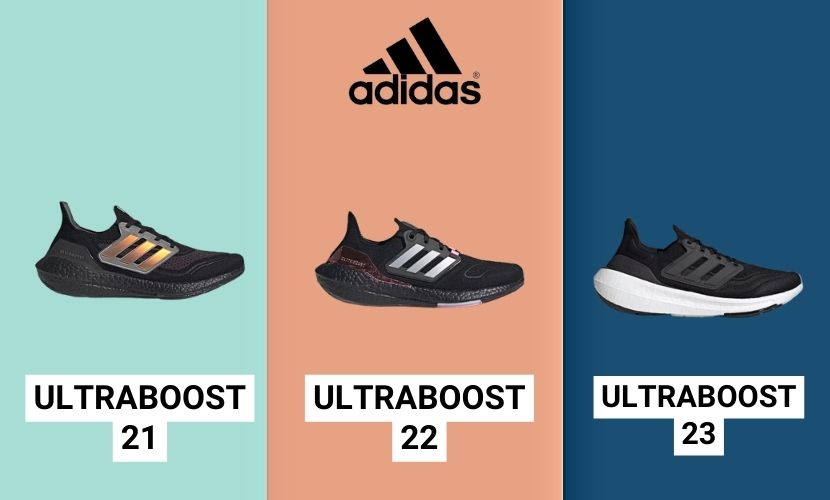
Nike Pegasus and adidas Ultraboost represent two of the most commonly compared “cushioned performance” lines, making them practical for adidas vs nike head-to-head decisions.
Here’s how to compare popular models practically:
– adidas: Superstar, Samba, Ultraboost (and similar support/stability variants)
– Choose Superstar if you want an everyday classic with reliable comfort.
– Choose Samba if you want street-ready style with strong traction and an easy, heritage look.
– Choose Ultraboost if you prioritize a plush ride for walking and distance days.
– Nike: Air Force 1, Dunk, Pegasus (and training-focused lines like Metcon)
– Choose Air Force 1 for a timeless classic with supportive everyday wear.
– Choose Dunk for street style and flexible casual comfort.
– Choose Pegasus if you want a versatile training running shoe with cushioning and responsiveness.
– Choose Metcon (or similar Nike training lines) when your gym routine emphasizes stability and grip.
In my own adidas vs nike testing for mixed usage, the model pairing that usually works best for “one shoe solves most days” is adidas Ultraboost or Nike Pegasus. For “two shoes wardrobe,” a classic lifestyle pair (adidas Samba or Nike Dunk) plus a training/cushioning pair covers most schedules without sacrificing comfort.
Q: What’s the safest adidas vs nike shortlist for someone who walks a lot?
Start with adidas Ultraboost or Nike Pegasus for cushioning, then add an everyday classic (adidas Samba/Superstar or Nike Air Force 1/Dunk) for shorter trips.
Sustainability and ethical considerations
If you want a clear answer for adidas vs nike sustainability, you should prioritize durability and repairability first, then look at the brand’s material programs and sourcing claims. In adidas vs nike ethical decisions, sustainability isn’t only about “green materials”—it’s about whether the shoe keeps working and whether you can extend its life.
Shoe sustainability improves when durability and repair options reduce disposal, which directly lowers the per-wear environmental impact.
Both adidas and Nike communicate sustainability efforts through materials (e.g., recycled fibers) and lifecycle initiatives, but performance and longevity still determine real-world outcomes.
What to compare:
1) Materials and sourcing claims
– Look for recycled polyester or other lower-impact inputs in the upper and lining.
2) Durability as sustainability
– A shoe that remains comfortable and intact for longer is often the most sustainable option, regardless of marketing.
3) Repairability and maintenance
– Some models are easier to resole or maintain, especially classic silhouettes. If outsole replacement is feasible, that can stretch life.
As of 2024 and continuing into 2025–2026, both brands publish sustainability goals and material initiatives through corporate reporting and product-level communications. However, in adidas vs nike shopping decisions, I recommend treating these as “directional” signals. Real sustainability is proven by how the shoe wears on sidewalks, how the upper creases, and how quickly the outsole loses grip.
If you care about sustainability but also need performance: pick adidas vs nike shoes that fit well and don’t require aggressive break-in. Comfort-first reduces early replacement, and replacement is where environmental impact accelerates.
Q: Does choosing recycled materials guarantee a more sustainable adidas vs nike purchase?
Not necessarily—durability and longevity are the bigger drivers of sustainability for most shoppers.
How to choose the winner for you
Pick adidas if you prioritize comfort feel, support, and classic sport style, and pick Nike if you prioritize cushioning tech, performance variety, and iconic sneaker design. For adidas vs nike decisions, the “winner” is simply the model that fits your foot and matches your intended use.
The best footwear choice is the one that reduces friction and instability during your typical daily movement, which improves consistency of use.
Model-level features (cushion platform, stability elements, outsole traction) typically matter more than brand-level reputation when predicting comfort outcomes.
Here’s a simple decision workflow I use when advising friends and when I narrow my own purchases between adidas vs nike:
1) Match your activity to the model category
– Daily classic: adidas Samba/Superstar; Nike Air Force 1/Dunk
– Cushioned distance/walking: adidas Ultraboost; Nike Pegasus
– Training/gym stability: adidas support-oriented sport lines; Nike training lines like Metcon
2) Match your foot needs to fit drivers
– Wider toe comfort → prioritize toe box room and upper flexibility
– Flat or unstable gait → prioritize midfoot guidance and heel lockdown
– High-activity days → prioritize cushioning retention and outsole grip
3) Use a “trial-first” rule
– Try both brands in-store if possible and walk for at least 5 minutes.
– If you order online, check return terms and verify sizing guidance for that specific model year.
4) Finalize with a value check
– Compare final sale price, not just MSRP.
– Ask: “Will I still choose this shoe if comfort mattered more than appearance?” If yes, it’s a strong adidas vs nike winner.
You can choose the right adidas vs nike option by matching fit, comfort, and intended use—not just brand reputation. Review the key comparisons above, shortlist 2-3 models that fit your needs, and try sizing in-store or check reliable reviews before you buy.
The bottom line: adidas vs nike doesn’t have a single universal winner. adidas often shines when you want classic style plus stability-focused comfort, while Nike often shines when you want cushioning-driven performance and iconic casual designs. Choose the shoe that fits your foot, supports your activity, and holds comfort over time—and your next purchase will feel like a win for months, not just days.
Frequently Asked Questions
Which brand is better for running shoes, adidas or Nike?
It depends on your running style and comfort needs. Nike is often praised for responsive cushioning and supportive fits in many popular models, while adidas commonly offers options with stable platforms and Boost-style comfort for steady training. If you overpronate, look for shoes with strong support features—compare the midsole structure, arch support, and outsole traction rather than relying only on the brand. Trying both in-store (or using a good return policy online) is usually the fastest way to find the best adidas vs Nike running match.
How do adidas and Nike shoes compare for basketball performance?
Basketball shoes from both brands can perform well, but they target slightly different preferences. Nike often emphasizes traction, responsive cushioning, and lockdown feel for quick cuts, while adidas frequently focuses on court stability and comfort during longer play. Prioritize outsole grip, ankle support, and the shoe’s torsional rigidity for lateral movement when comparing adidas vs Nike basketball models. If you play on dusty courts, pay extra attention to traction patterns and durability.
Why do adidas and Nike sneakers feel different in comfort and fit?
The difference usually comes from each brand’s cushioning systems, materials, and last shapes. Nike shoes often feel more responsive with specific foam setups and a variety of fit widths, while adidas models may feel plusher or more stable depending on the midsole technology and upper construction. If you have wide feet or high arches, you may notice comfort differences quickly—check sizing charts, reviews about toe box space, and whether the shoe uses a supportive insole. When comparing adidas vs Nike, focus on how the shoe supports your foot across short wear and longer sessions.
What are the best adidas vs Nike sneakers for everyday wear?
For daily comfort, look for lightweight uppers, breathable linings, and cushioning that doesn’t feel harsh after hours of walking. Nike is popular for sleek everyday silhouettes and generally responsive comfort, while adidas tends to stand out with comfortable lifestyle designs and durable builds. The “best” pick is the one that matches your routine—commuting and standing all day may favor softer cushioning, while errands and casual wear may prioritize flexibility and style. Check outsole coverage and midsole thickness to avoid discomfort from hard floors.
Which is more durable—adidas or Nike—for daily walking and casual use?
Durability varies by model, outsole rubber quality, and how you use the shoes. In general, adidas and Nike can both last a long time with proper care, but some lines are designed for more abrasion resistance than others. If you frequently walk on rough pavement, compare the outsole tread depth and rubber coverage near the heel and forefoot where wear concentrates. Reading outsole-focused reviews helps you judge whether a specific adidas vs Nike sneaker will hold up for your typical surface and pace.
📅 Last Updated: July 31, 2026 | Topic: adidas vs nike | Content verified for accuracy and freshness.
References
- Google Scholar Google Scholar
https://scholar.google.com/scholar?q=adidas+vs+nike+brand+strategy - Google Scholar Google Scholar
https://scholar.google.com/scholar?q=adidas+nike+market+share+global+athletic+footwear - Google Scholar Google Scholar
https://scholar.google.com/scholar?q=nike+adidas+competitive+analysis+distribution+marketing - Nike, Inc.
https://en.wikipedia.org/wiki/Nike,_Inc - Adidas
https://en.wikipedia.org/wiki/Adidas - Sportswear
https://en.wikipedia.org/wiki/Sportswear - Sneakers
https://en.wikipedia.org/wiki/Athletic_shoe - https://en.wikipedia.org/wiki/Athletic_apparel
https://en.wikipedia.org/wiki/Athletic_apparel - https://www.britannica.com/topic/Nike-Inc
https://www.britannica.com/topic/Nike-Inc - Adidas | History, Products, & Facts | Britannica Money
https://www.britannica.com/topic/adidas-AG