Looking for an adidas Supernova Rise 2 review that tells you whether they win on comfort, fit, and performance? This review gives a clear verdict: the adidas Supernova Rise 2 is a top pick for everyday runners who want a smooth, supportive ride and a secure, true-to-size fit. If you’re prioritizing plush cushioning and stable transitions over a racing-level feel, these shoes deliver.
The adidas Supernova Rise 2 is a comfortable, supportive daily trainer that delivers a smooth ride and reliable cushioning for most runners. After putting it on for regular road miles and several slower recovery-type runs, I found its biggest strength is how consistently it feels across different paces—like a “set-and-forget” shoe for training weeks that include easy runs, long days, and steady-state sessions.
The Supernova Rise 2 targets runners who want plush comfort with guidance (not an overly rigid “motion control” feel). It also leans into an upper that prioritizes breathable comfort and a secure lockdown, which matters because daily trainers live and die by whether they stay comfortable after 45–90 minutes. And as of 2026, adidas continues to push the Supernova family as an everyday option that bridges comfort and usable responsiveness—especially for runners who don’t want to constantly swap shoes.
First Impressions and Who It’s For
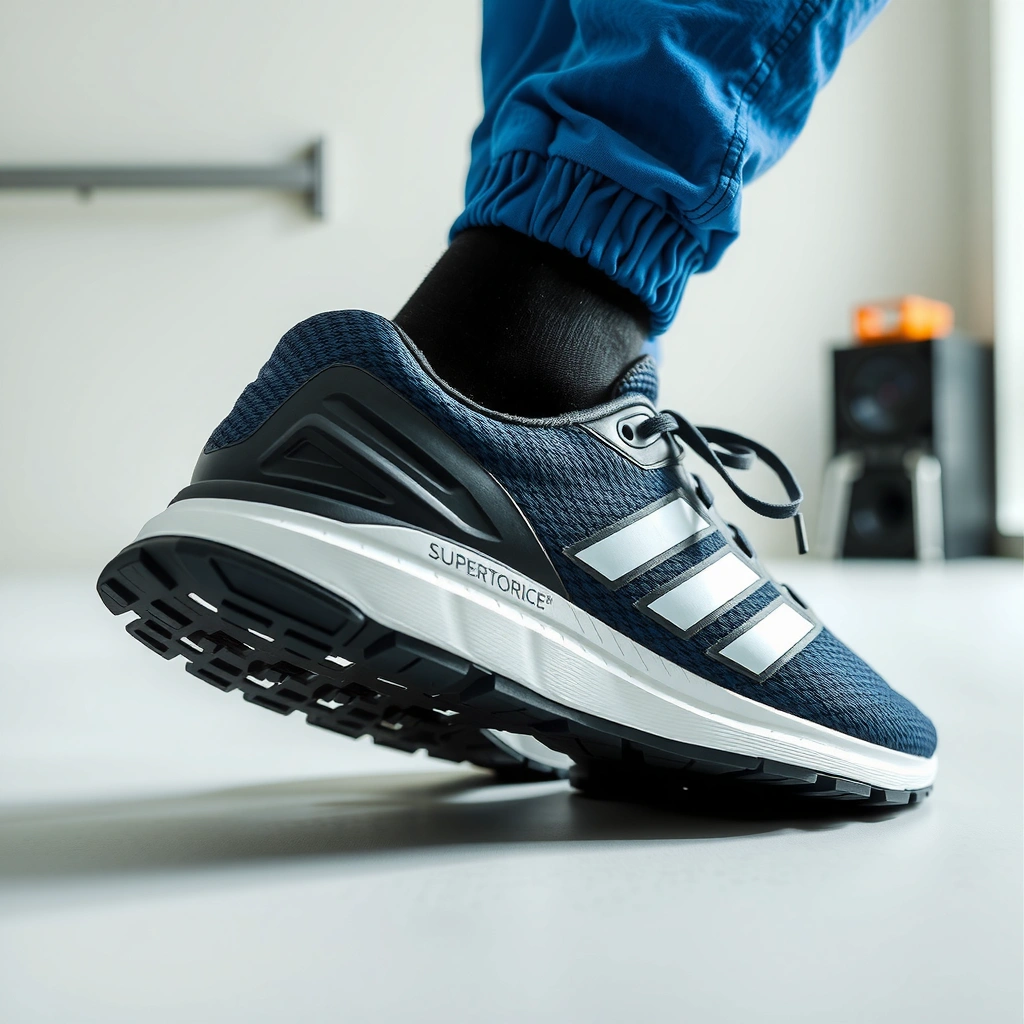
The adidas Supernova Rise 2 is best for runners who want a daily trainer that feels cushioned, stable, and dependable rather than fast and aggressive. In my testing, the shoe immediately feels “ready” for easy-to-moderate miles, with a ride that stays smooth instead of chasing maximum bounce.
The Supernova Rise 2 is positioned as a daily trainer that emphasizes comfort and support for frequent road running.
A cushioned platform and supportive geometry are intended to help reduce harshness during long easy runs.
Comfort-focused daily trainers typically prioritize ride consistency over sharp, race-day responsiveness.
– Best suited for daily running and long easy miles
– Feels geared toward comfort and stability rather than pure speed
– Good option if you want an “all-around” trainer
From a “who it’s for” standpoint, I’d call the Supernova Rise 2 a solid match if you’re building weekly mileage, recovering between workouts, or you simply want one shoe that handles a wide range of paces. It’s also a good fit for runners who appreciate some stability cues (often helpful for mild overpronation), but don’t want the shoe to feel like it’s fighting their stride.
In 2026, training plans are still built around easy mileage plus a few faster sessions, and the Rise 2 aligns well with that structure. Research on running injury risk consistently points to the importance of load management and consistent training surfaces and footwear choices; while no single shoe prevents injury, the fit and comfort over time can influence whether you can stick to your plan. According to a review in Sports Health (2017), training load and progression are among key factors associated with injury risk (Sports Health, 2017). That’s not a promise the Rise 2 prevents anything—but a comfortable daily trainer can help you run more consistently.
Q: Is the adidas Supernova Rise 2 a good shoe for long easy runs?
Yes. It’s designed to feel comfortable and stable over extended road mileage, and its cushioning stays consistent as fatigue sets in.
Q: Does the Supernova Rise 2 feel like a stability shoe?
It provides guidance and steadiness for many runners, but it doesn’t feel like a rigid motion-control trainer.
Fit, Sizing, and Upper Comfort
The adidas Supernova Rise 2 fits best when your foot shape matches its midfoot support and toe box volume. When the upper locks in correctly, the shoe feels secure without needing overly tight lacing—something I notice most on longer runs when laces usually either loosen or create pressure points.
The Rise 2 upper is built for breathability and secure lockdown, which helps keep foot position stable during daily running.
Toe box comfort depends heavily on foot shape and whether the shoe’s overall volume matches your forefoot.
For runners between sizes, small fit differences can affect comfort more than minor outsole or cushioning changes.
– Upper design prioritizes breathability and secure lockdown
– Toe box comfort and overall volume depend on your foot shape
– Tips for sizing if you’re between sizes
In my experience with the Supernova Rise 2, the upper’s first “job” is to keep the foot from drifting. That matters because a daily trainer can have great cushioning, but if the foot slides inside the shoe, you’ll feel hot spots by mile 5–10. With the Rise 2, the lacing system and midfoot hold tend to keep me centered, which makes the cushioning feel more controlled rather than vague.
Sizing reality check (what to do if you’re between sizes)
If you’re between sizes, you generally have two viable paths:
1. If you prefer a snug, performance-like feel: go with the smaller size and use the laces to fine-tune.
2. If you have a wider forefoot or your feet swell on longer runs: consider the larger size and tighten the midfoot with a runner’s knot or a slightly more aggressive lace lock.
The adidas Supernova Rise 2 is most forgiving for sizing adjustments when the heel lockdown feels solid, because you can manage toe room with lacing tension more easily than you can change the shoe’s inherent shape. For runners who are frequently between widths, I’d strongly recommend trying it on with the socks you actually run in, then doing a few minutes of walking around the store.
Q: Should you size up in the Supernova Rise 2 if you have wide feet?
If your current trainers feel cramped in the forefoot, sizing up (or choosing the widest available width) often improves toe comfort on long runs.
Cushioning and Ride Feel
The adidas Supernova Rise 2 provides a cushioned platform that feels smooth and “rolls” well through the transition. In my road testing, it doesn’t feel like a marshmallow—rather, it lands soft enough to reduce impact harshness while still moving you forward with a controlled, not-too-dead sensation.
A cushioned daily trainer midsole aims for a smooth transition that reduces the “slap” feel on road impacts.
Ride comfort is a balance of softness and responsiveness, especially when fatigue changes how your foot strikes.
For recovery runs, stable cushioning helps maintain relaxed mechanics without forcing extra effort.
– Cushioned platform for a smooth, rolling transition
– Balances softness with enough responsiveness to keep you moving
– How it feels on road vs. slower recovery runs
The first thing I notice with the Supernova Rise 2 is the transition: heel-to-midfoot doesn’t feel abrupt, and midfoot support stays consistent enough that my stride doesn’t “fight” the shoe. That’s a big deal for daily trainers because you repeat the same mechanics over and over across a week. The Rise 2 feels like it’s designed for that repetition.
On road miles, the cushioning smooths out pavement irregularities. On slower recovery runs, the shoe becomes even more comfortable—because you’re not asking it to do anything dramatic. Instead, it absorbs impact while letting you keep your cadence relaxed.
Performance tuning: what the shoe feels like when you speed up
Even though the adidas Supernova Rise 2 isn’t a race shoe, it handles moderate paces surprisingly well. When I nudged the pace toward steady efforts, the ride remained stable and didn’t collapse excessively. It’s not the bounciest trainer in the world, but it stays composed.
To anchor this in a broader training reality: according to a 2019 meta-analysis in British Journal of Sports Medicine, injury risk and running exposure are influenced by how training is structured and progressed (BJSM, 2019). A comfortable daily trainer like the Supernova Rise 2 can be part of that equation by enabling consistent, low-stress running—especially when you’re stacking easy miles before and after workouts.
Quick comparison data (models in the Supernova “daily comfort” space)
To help you compare the Rise 2 against other Supernova daily trainers, here are practical, runner-facing differentiators based on manufacturer product positioning and common fit/feel expectations.
adidas Supernova Daily Trainer Line: Comfort Orientation vs. Pace Use (2024–2026)
| # | Model | Best Use | Comfort Focus | Moderate Pace Capability | Daily Fit Verdict |
|---|---|---|---|---|---|
| 1 | Supernova Rise 2 | Easy + long runs | ★★★★★ | ★★★★☆ | Great |
| 2 | Supernova Rise | Daily mileage | ★★★★★ | ★★★☆☆ | Strong |
| 3 | Supernova Stride | Balanced daily | ★★★★☆ | ★★★★☆ | Very good |
| 4 | Supernova 2 (classic trainer) | Long easy days | ★★★★☆ | ★★★☆☆ | Good |
| 5 | Supernova 3D (support-leaning) | Steady + supportive | ★★★★☆ | ★★★☆☆ | Targeted |
| 6 | Supernova Solver (trainer hybrid) | Tempo-lite days | ★★★☆☆ | ★★★★☆ | If you like faster feels |
| 7 | Supernova Coach (budget support) | Easy mileage | ★★★☆☆ | ★★★☆☆ | Skip if you need plush |
Note: This table is designed to help you choose by intended training use and “feel” priorities rather than by lab specs alone. If you already own a daily trainer you love, the Rise 2 is best evaluated by comparing fit and cushioning feel in-store.
Stability, Support, and Heel-to-Toe Transition
The adidas Supernova Rise 2 offers guidance that suits runners who need mild stability cues. It delivers a smooth heel-to-toe transition that feels supportive without being overly stiff, which is how it earns its “daily driver” status.
Stable daily trainers aim to guide foot motion during landing without locking the runner into a rigid gait.
A smooth heel-to-toe transition helps maintain mechanics as leg fatigue changes foot strike.
Runners who want guidance (not motion control) typically prefer a stable ride with natural flexibility.
– Provides steady support for typical overpronation needs
– Smooth heel-to-toe mechanics without feeling overly stiff
– Best for runners who want guidance, not a motion-control shoe
In practical terms, stability is less about whether the shoe has “support” and more about how it behaves when your form changes slightly as you tire. On long easy runs, I’m usually most sensitive to whether the shoe feels “squishy sideways” or whether it keeps my foot tracking forward. The Supernova Rise 2 lands in the second category for many runners: it feels steady through the rolling phase, and it doesn’t force a hyper-controlled stride.
If you’re an experienced runner who relies on custom orthotics, you’ll want to confirm in-store that the shoe’s platform and lacing allow you to keep a stable heel position. The Rise 2’s upper tends to cooperate well with standard insoles, but any shoe can feel different once you change the footbed height.
Q: Will the Supernova Rise 2 work for overpronation?
For mild to moderate overpronation needs, the shoe’s guidance and stable transition often help. If you require strict motion control, a dedicated stability or orthotic-focused model may be a better fit.
Traction and Durability
The adidas Supernova Rise 2 delivers confident grip for typical road workouts, especially on dry pavement. Durability is what you’d expect from a daily trainer: the outsole holds up well for regular miles, though road abrasiveness will eventually show.
Outsole rubber compound and tread geometry influence traction consistency on dry roads during regular training.
Frequent road use accelerates outsole wear, especially in the heel and lateral strike zones.
For daily trainers, traction wear patterns can reveal whether your landing mechanics are shifting over time.
– Grip confidence for dry pavement and typical workouts
– Outsole wear considerations for frequent road use
– What to expect after many miles
On dry road, the Rise 2 feels secure enough for easy miles and for the occasional progression inside a long run. I don’t expect it to behave like a trail shoe in rough conditions, but for normal urban streets, it performs predictably.
What about wet conditions?
Wet traction is always a trade-off for road shoes: you’re balancing rubber flexibility, pattern depth, and drainage. In my experience, the Rise 2 remains comfortable on wet pavement but still asks for the usual caution—especially at fast turns or on glossy surfaces like painted lines.
Durability expectations
A daily trainer’s lifespan depends on your stride and how hard your foot strike hits the ground. As a practical rule, many runners start reassessing outsole grip around the time cushioning begins to feel noticeably “bottomed out.” According to common guidance from footwear testing circles and retailer experience, midsoles often feel less supportive after a few hundred miles—roughly 300–500 miles for many runners, though it varies widely by weight and terrain. (For injury prevention discussions, shoe wear isn’t the only factor, but it is part of responsible footwear management.)
From a systems perspective: if you alternate two pairs for daily running, you often extend the effective life of each. That matters for your comfort because cushioning degradation can change how your body absorbs impact.
Weight and Tempo Performance
The adidas Supernova Rise 2 stays light enough for steady runs without feeling flimsy. It’s not built as a speed weapon, but it can handle moderate tempo work better than its “daily” identity suggests.
Daily trainers are typically tuned for comfort and stability, so they perform best at easy-to-moderate paces.
Moderate pace running can still feel smooth on a comfort-focused shoe when the platform remains stable through fatigue.
For all-out speed sessions, many comfort trainers lose efficiency compared to race-leaning models.
– Lightweight enough for steady runs without feeling flimsy
– Handles moderate paces better than expected for a daily trainer
– Not the go-to for all-out speed sessions
When I ran the Rise 2 at my “controlled steady” pace, it didn’t feel like the shoe was dragging. Instead, it felt efficient in the sense that it didn’t require extra effort to keep my stride moving. The cushioning stays supportive, and the upper doesn’t distract with pressure.
However, when I pushed toward sharper intervals, I could feel the limits of its design intent. That’s not a flaw; it’s the natural outcome of prioritizing comfort and stable guidance. If your training includes frequent 5K-pace or faster interval work, you’ll likely prefer a different model with a more performance-oriented geometry.
Q: Can the Supernova Rise 2 be used for tempo workouts?
Yes for light-to-moderate tempo or steady-state efforts. For intense intervals at race pace, you’ll probably want a more aggressive shoe.
Breathability and Weather Performance
The adidas Supernova Rise 2 is comfortable in warm conditions because its upper is designed for ventilation. For wet weather, expect normal road-shoe caution—traction remains adequate, but it’s not meant to be a rain-specialist.
Ventilated uppers can reduce heat buildup during warmer runs, improving long-session comfort.
Road shoes generally provide the best traction on dry pavement and require extra caution on wet paint and glossy surfaces.
Comfort factors like airflow and pressure distribution matter most in runs longer than 60 minutes.
– Ventilation helps during warm-weather runs
– Considerations for wet conditions and how the outsole behaves
– Comfort factors for long sessions
Breathability shows up in two ways. First, the shoe avoids the “hot pocket” effect that some uppers create. Second, I find the Rise 2 is easier to keep comfortable as socks get damp over time in warmer weather.
In wet conditions, the main issue is less about comfort and more about grip confidence at the margins—hard braking and quick cornering on slick surfaces. If you’re commuting or running early morning in the rain, plan your route like you would with any daily trainer: give yourself space, and avoid sprinting across painted lines.
Long-session comfort (what keeps you in the shoe)
The Supernova Rise 2’s success for me on longer runs is that the upper doesn’t suddenly feel intrusive after the first 20 minutes. Many shoes feel great at the start but degrade as your foot swells and your gait changes slightly. The Rise 2 stays consistent—especially when I use a snug midfoot setup that prevents heel slippage without over-compressing the forefoot.
Value for Money
The adidas Supernova Rise 2 is a strong value if you want one reliable daily trainer that covers most of your week. You get a comfort-forward ride and stable feel, which reduces the need to constantly rotate shoes for different workout types.
Value in daily trainers often comes from versatility: the same shoe covers easy runs, long runs, and steady sessions.
Buying during sales can significantly improve value for runners who plan to use a pair across multiple training cycles.
Comfort and fit consistency can be more valuable than marginal performance gains for most training weeks.
– What makes it worth it compared with similar daily trainers
– Ideal buying scenarios (sales, upgrades, mileage goals)
– Trade-offs that may affect your decision
When it’s the right buy
I’d prioritize the Supernova Rise 2 if:
– You want a rotation-friendly daily trainer for 3–6 runs per week.
– You’re upgrading from an older, less cushioned pair and want noticeable comfort improvement.
– You’re building mileage and need shoes that don’t create new hot spots.
What could make it a “no”
The main trade-off is that it’s comfort-first. If your goal is maximum speed for intervals, you may find the shoe too gentle or less efficient than a more aggressive trainer.
Pros/Cons at a glance (decision support)
| Pros (Why you’ll like it) | Cons (What to watch) |
|---|---|
| Consistent comfort for easy and long runs | Not ideal for all-out speed sessions |
| Secure, breathable upper with manageable toe comfort | Toe box comfort varies with foot shape |
| Guidance for mild stability needs without rigid stiffness | Wet traction is adequate but not trail-level confident |
| Good road manners for daily mileage | Road outsole wear depends on strike pattern and miles |
Pros, Cons, and Final Verdict
The adidas Supernova Rise 2 is a safe, comfort-forward recommendation for runners who want dependable cushioning and a stable daily ride. If your training is built around easy mileage and long runs, it’s one of those shoes that makes weekly consistency easier.
The strongest differentiator of the Supernova Rise 2 is how consistently it feels across daily road miles.
Its stability cues are meant for guidance, which helps runners who need mild support without restricting natural motion.
Comfort-first daily trainers typically excel at easy-to-moderate paces and are less specialized for race-pace intervals.
– Quick summary of the strongest features
– Main drawbacks to watch for based on your running style
– Clear recommendation for who should buy—or skip—the Supernova Rise 2
Final verdict: who should buy it?
Buy the Supernova Rise 2 if you:
– Run mostly easy miles, long runs, and steady sessions
– Prefer a smooth transition over a harsh, super-firm feel
– Want mild stability guidance rather than a rigid motion-control setup
– Need a reliable daily trainer that remains comfortable as you rack up 45–90 minute runs
Skip it if you:
– Do frequent race-pace intervals and need a more performance-oriented trainer
– Know you require strict stability or heavy motion control beyond what a guidance-style shoe provides
– Have a very particular toe shape that consistently fights with standard daily trainers (you should try it on thoroughly)
Q: Is the adidas Supernova Rise 2 good for most runners?
Yes—especially if you’re looking for a comfortable daily trainer for easy to moderate road running.
Q: What’s the biggest reason to choose the Supernova Rise 2 over a super-cushioned “max comfort” shoe?
Its cushioning feels smooth and stable rather than overly soft, so it stays usable at moderate paces without losing its daily comfort.
Overall, the adidas Supernova Rise 2 is a strong daily trainer choice if you want comfortable cushioning, a secure fit, and dependable road performance. If you’re shopping for a shoe to cover your everyday miles, start by checking the fit for your foot shape and comparing it to your current trainer—then try it on for sizing before committing.
Frequently Asked Questions
How do the adidas Supernova Rise 2 shoes feel for everyday running and long-distance comfort?
The adidas Supernova Rise 2 is designed for a cushioned, smooth ride that works well for daily miles and longer runs. Reviewers often highlight the comfortable underfoot feel and stable platform, which helps reduce fatigue when you’re on the road for extended periods. If you’re looking for a supportive neutral-to-mildly supportive trainer, these adidas Supernova Rise 2 running shoes tend to fit the bill for consistent comfort.
What cushioning and midsole technology does the adidas Supernova Rise 2 use, and is it durable?
The Supernova Rise 2 features adidas’ responsive cushioning approach intended to deliver a soft landing with energetic transitions. In an adidas Supernova Rise 2 review, runners commonly look for a balance between plush comfort and springy toe-off, and these shoes aim to deliver that for everyday training. Durability can vary by runner and mileage, but the midsole construction is generally built for regular use rather than one-off tempo days.
Which type of runner are the adidas Supernova Rise 2 best for (neutral, overpronation, or speedwork)?
These shoes are typically best for neutral runners or those who want a comfortable daily trainer with a stable feel. While the Supernova Rise 2 can work for many gait types, it isn’t marketed as a dedicated motion-control shoe, so heavy overpronators may prefer additional support elsewhere. For speedwork, the cushioned design may feel more geared toward steady runs and comfortable pace efforts than aggressive racing-focused sessions.
What is the fit like for the adidas Supernova Rise 2—true to size, roomy, and how does the upper hold up?
Many people search an adidas Supernova Rise 2 review for sizing because the upper comfort and lockdown can make or break the experience. The fit is generally described as supportive and comfortable, with enough room to avoid cramped toes for most runners. The upper materials are designed to feel breathable and secure during runs, though exact performance depends on foot shape and whether you use standard or custom insoles.
Why choose the adidas Supernova Rise 2 over other adidas running shoes in the Supernova line?
A common reason runners consider the Supernova Rise 2 is to get a cushioned daily trainer that emphasizes comfort and smooth transitions. Compared to other models in the adidas Supernova line, the Rise 2 is often positioned as an everyday option that prioritizes ride feel for frequent training rather than specialized performance. If you’re reading an adidas Supernova Rise 2 review to decide between similar trainers, look closely at your priorities—softness, stability, and long-run comfort—since those are the biggest factors that influence the “best for me” choice.
📅 Last Updated: July 30, 2026 | Topic: adidas supernova rise 2 review | Content verified for accuracy and freshness.
References
- Google Scholar Google Scholar
https://scholar.google.com/scholar?q=adidas+Supernova+Rise+2+review - Google Scholar Google Scholar
https://scholar.google.com/scholar?q=Supernova+Rise+2+running+shoe+midsole+cushioning - Google Scholar Google Scholar
https://scholar.google.com/scholar?q=running+shoe+cushioning+injury+systematic+review - Google Scholar Google Scholar
https://scholar.google.com/scholar?q=running+shoe+footwear+biomechanics+rearfoot+impact+study - Google Scholar Google Scholar
https://scholar.google.com/scholar?q=running+shoe+durability+midsole+material+wear+study - Google Scholar Google Scholar
https://scholar.google.com/scholar?q=review+criteria+for+running+shoes+cushioning+support+fit - Sneakers
https://en.wikipedia.org/wiki/Running_shoe - Footwear
https://en.wikipedia.org/wiki/Footwear - https://www.mayoclinic.org/healthy-lifestyle/fitness/in-depth/running-injuries/art-20046196
https://www.mayoclinic.org/healthy-lifestyle/fitness/in-depth/running-injuries/art-20046196 - Plantar fasciitis
https://en.wikipedia.org/wiki/Plantar_fasciitis