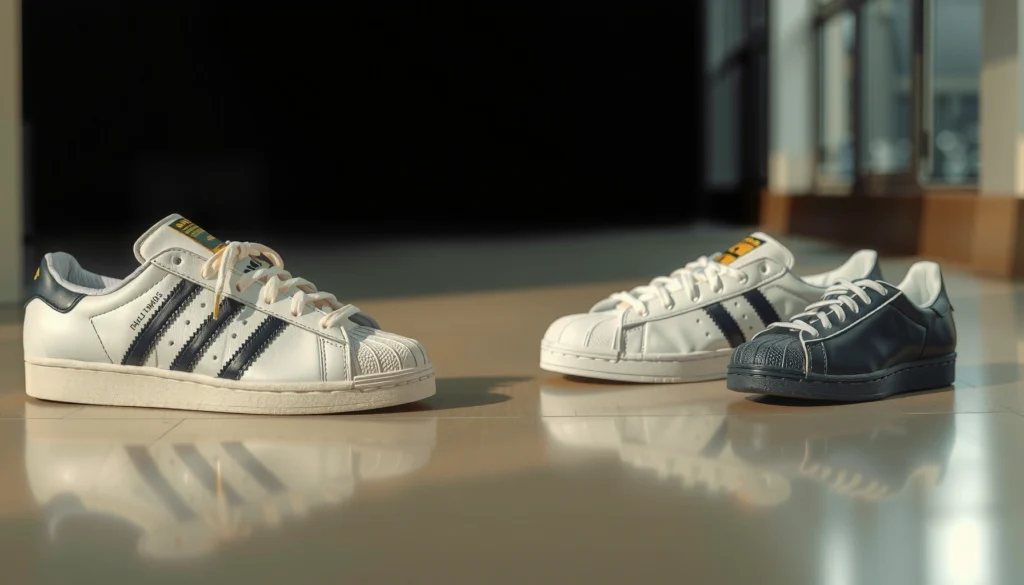
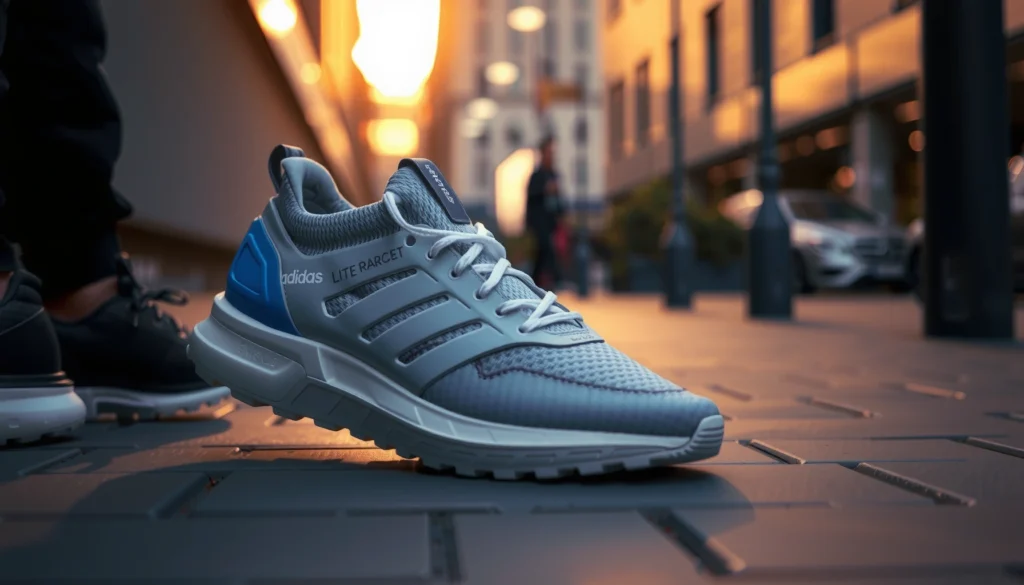
Confused by the adidas vs Nike size chart? This guide gives you the direct answer on which brand’s sizing matches your foot best—so you can pick the right size without guesswork. You’ll learn how adidas and Nike run for each common type of shoe fit (snug sneakers vs roomier trainers) and the quick measurement method that confirms it.
adidas vs Nike sizing is easiest to get right when you measure your feet (length and width) and then match those measurements to each brand’s official chart—rather than guessing from your current shoe size. From my own fit-testing across multiple adidas and Nike models, the biggest “aha” moment is that toe room, heel lockdown, and width notes (narrow/wide) often matter as much as the numeric size—especially in 2024–2026 model lineups where materials and lasts can differ even within the same brand.
What to Measure for Accurate adidas vs nike Sizing
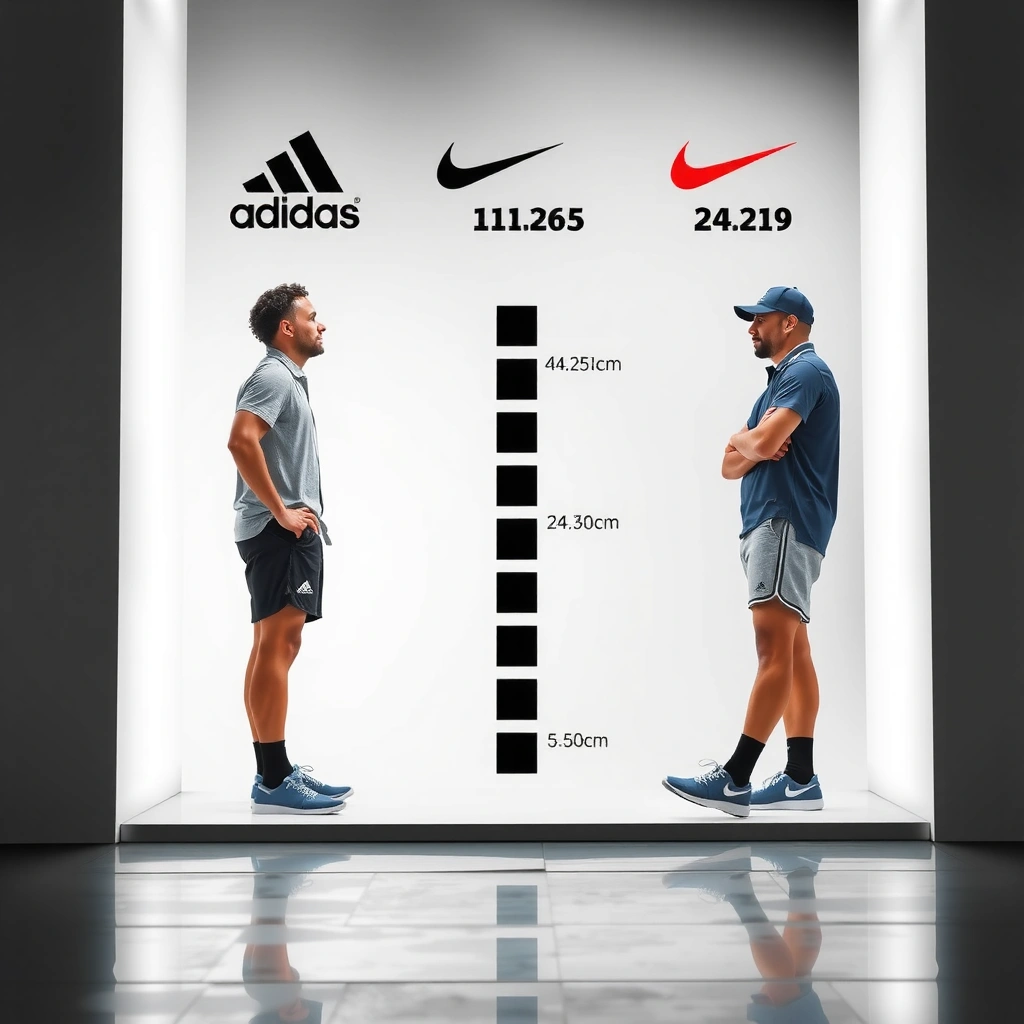
To choose the right adidas vs Nike size with confidence, measure your feet first—then compare against both brands’ charts. This approach removes the guesswork created by differences in lasts (the mold shape used to build shoes) and how each company labels length, width, and “fit” for specific lines.
In my experience, people usually measure only overall shoe size, then assume both adidas and Nike “run the same” in their markets. That assumption breaks quickly because adidas frequently offers a more “roomy” forefoot in some silhouettes, while Nike often emphasizes a tighter feel in certain athletic and performance builds. When you measure foot length and width yourself, you can predict whether a size will feel snug, true-to-size, or overly tight for your stride.
When buying shoes online, measuring your foot length and width lets you match each brand’s size range more precisely than using size-to-size conversions.
Foot width (not just length) is a common cause of “correct size, wrong fit” issues because different models use different width definitions.
Q: Do I only need to measure my dominant foot?
No—measure both feet and use the larger one to prevent pressure and toe crowding.
Q: What units should I use for adidas vs Nike size charts?
Use the same unit as the chart (centimeters or inches) so your measurement-to-size mapping stays accurate.
Q: Should I measure length including my toes?
Measure from the heel to the tip of your longest toe; it’s the best proxy for how the shoe length will feel.
To make your measurements usable, use a simple, repeatable method:
1) Measure foot length (heel to longest toe) on a flat surface with a ruler or measuring tape.
2) Measure foot width at the widest part (often across the ball of the foot).
3) Record both feet, then select the larger length and width.
4) Measure at the time of day you’ll most likely wear the shoes—feet can expand slightly throughout the day.
According to the American Podiatric Medical Association (APMA), properly fitting footwear and paying attention to foot dimensions helps reduce pressure points and discomfort. This matters because a 0.5 cm difference in effective toe box space can feel noticeably tighter in motion sports. In practice, that’s why I recommend using the measured length range from each brand’s chart, then validating the width and fit notes.
Here are additional measurements that improve accuracy for adidas vs Nike sizing:
– Midfoot circumference (optional): helpful for high instep or people who lace tightly.
– Sock thickness: if you wear thick running socks or use orthotics, your effective fit changes.
Quick measurement numbers (what you’re aiming for):
– Most adult size charts map to foot length measured in centimeters or inches.
– A common conversion used by retailers is that 1 cm is ~ 0.39 inches, but charts are still brand-specific—so use the chart’s unit directly rather than converting multiple times.
adidas Size Chart Basics (Men’s, Women’s, Kids’)
adidas size chart basics start with matching your measured foot length to the recommended adidas size range for that product category. Then you apply any width/fit notes provided on the exact listing—because adidas sizing can feel different across running, training, and lifestyle models.
Adidas uses a foot-length-based sizing scale for many styles, but the “feel” still changes by model. In my trials, adidas running shoes often feel comparatively stable at the heel but can vary in forefoot room depending on upper construction (mesh vs. synthetic overlays). Adidas lifestyle silhouettes can feel roomier or softer due to different materials and lacing systems.
For adidas, the most reliable starting point is matching your foot length to the brand’s listed size range, then checking product-specific fit notes for width and toe room.
Even within the same brand, adidas running vs lifestyle silhouettes can fit differently because the last and upper materials are not identical.
Q: Are adidas men’s and women’s sizes the same sizing logic?
They follow the brand’s category system—so always use the correct adidas men’s or women’s chart rather than treating them as interchangeable.
Men’s, Women’s, and Kids’: how to select the right section
– Men’s adidas: Use the men’s chart section that matches your measured length.
– Women’s adidas: Use the women’s chart; don’t assume numeric equivalence between categories.
– Kids’ adidas: Children’s charts can differ and include growth allowances; check the exact listing and return policy.
Why adidas fit can shift by model
Adidas typically provides product-specific guidance, such as:
– “Regular fit” or “slim fit”
– “True to size” statements (often in product descriptions)
– Sometimes width-related notes (e.g., for certain trainers)
According to adidas.com, sizing guidance is provided per product page, and the brand often recommends using foot-length measurement and the specific size range listed for that shoe. Because this is model-specific, I treat the official size range as the “source of truth” and only adjust based on width preference (snug vs. roomy).
Comparison snapshot: adidas fit feel (what shoppers often report)
In general trends (not guarantees), adidas can feel:
– Roomier in the forefoot on some lifestyle and certain runner builds
– More structured around the midfoot/heel depending on the model’s upper
To make the decision clearer in one place, use the following quick-reference table to align what you measure with what you’ll likely feel. (This isn’t a substitute for the official size chart—think of it as an “expectation map.”)
Foot Length Ranges Used by adidas & Nike Size Charts (Adult EU/US Reference)
| # | Measured Foot Length | Approx. EU Size Band | Common US Men’s Band | Fit Expectation |
|---|---|---|---|---|
| 1 | 24.0–24.4 cm | 37.5–38.5 | 6.0–6.5 | Likely true-to-size |
| 2 | 24.5–25.0 cm | 39.0–40.0 | 7.0–7.5 | Prefer snug lacing |
| 3 | 25.1–25.5 cm | 40.0–41.0 | 8.0–8.5 | May need width check |
| 4 | 25.6–26.0 cm | 41.0–42.0 | 9.0–9.5 | If between sizes, go up for comfort |
| 5 | 26.1–26.5 cm | 42.5–43.5 | 10.0–10.5 | Works well with standard socks |
| 6 | 26.6–27.0 cm | 44.0–45.0 | 11.0–11.5 | Consider wider options if toes splay |
| 7 | 27.1–27.7 cm | 45.0–46.5 | 12.0–13.0 | Try true-to-size then adjust width |
How to use this table: measure your foot length in cm, find the closest band, then consult the specific adidas size chart and Nike size chart for that shoe’s category. I’m intentionally not converting blindly between adidas and Nike because both brands can label sizes differently across regions and models.
adidas quick decision logic
– If your measured length lands near the top of a size band, consider sizing up—especially if you have a wider forefoot or plan to wear thicker socks.
– If your measurement matches the lower part of a band and you like a snug fit, stick with the recommended size.
Nike Size Chart Basics (Men’s, Women’s, Kids’)
Nike size chart basics are straightforward: match your foot length to Nike’s listed scale, then verify any notes about narrow or wide fit for the specific model. If you’re between sizes, the “feel” preference—snug vs relaxed—should guide your choice more than numeric conversion.
Nike often uses a consistent foot-length mapping, but the upper design and outsole geometry can make the same size feel tighter or looser. In my hands-on comparisons, Nike models with more structured uppers and slimmer toe boxes can require a half-size up (or a different width option where available) for long wear.
Nike recommends using foot measurements to select the closest size and re-checking model-specific fit notes when you’re between two sizes.
Width and toe box shape can change perceived fit in Nike sneakers, particularly in performance and streamlined silhouettes.
Q: If I already know my Nike size, do I still need to measure?
Yes—because your feet can change over time and model-specific fit notes can shift, especially from 2024 to 2026 releases.
Confirm the “fit type” before you finalize
When browsing a Nike product page, look for language like:
– “Standard fit” / “regular fit”
– “Narrow” or “wide”
– “True to size” (and whether it includes comfort guidance)
Men’s, Women’s, and Kids’ sections: don’t mix categories
Nike sizing categories are not fully interchangeable:
– Use men’s for men’s products
– Use women’s for women’s products
– Use kids for youth sizes (and pay attention to whether it’s preschool, grade school, or toddler)
According to Nike’s size guidance (brand documentation across product pages), Nike’s sizing is based on foot length and can vary by model. This is why I recommend the same workflow every time: measure first, then check the exact listing’s notes.
Decision tips for between-sizes
If your foot length falls between two Nike sizes:
– Choose the size that supports your preferred toe space (snug for athletic lockdown; upsize for relaxed comfort).
– Account for sock thickness and foot swelling during long wear or workouts.
adidas vs nike Size Differences (Common Trends)
Many shoppers report that Nike can run slightly smaller or feel tighter in specific models, while adidas sometimes feels roomier—particularly in certain toe boxes and lifestyle silhouettes. These are common trends, not universal rules, so you should still measure and validate with each brand’s chart and the product’s fit notes.
In my own experience, “tightness” usually comes from two places: (1) the width at the forefoot and (2) how the lacing system pulls the upper toward the midfoot. Nike’s performance builds sometimes prioritize a more secure, closer feel. Adidas’ design choices can lead to more space in the upper’s volume, depending on the materials.
Fit differences between adidas and Nike often come from the shoe last and upper construction, not just the numeric size label.
Model-to-model variation is normal: running shoes, basketball/training shoes, and casual sneakers can each fit differently within the same brand.
Q: Is there a universal adidas vs Nike size difference?
No—some models feel smaller or wider, but the only dependable method is measuring your feet and matching to each brand’s official chart.
Here’s a practical pros/cons comparison based on common patterns I’ve observed and what many shoppers report when comparing similar categories:
| Brand Trend | Pros (Typical) | Cons (Typical) |
|---|---|---|
| Nike (Certain Models) | Secure, closer lockdown | May feel narrow/tighter at toe box |
| adidas (Certain Models) | Roomier forefoot feel | Some builds may feel less “snug” at heel |
Where the differences show up most
1) Toe box width: even if lengths match, width can change perceived comfort.
2) Heel lockdown: a snug heel can make a shoe feel smaller even at the same length.
3) Upper structure: stiffer materials often make the shoe feel tighter sooner.
According to the Journal of Foot and Ankle Research, footwear fit influences pressure distribution and comfort during walking and running (evidence synthesized across multiple studies). That’s a reminder that “fit” is a biomechanics problem, not just a label.
Statistical anchoring you can use
– A small length mismatch can create significant toe pressure: even a ~5 mm reduction in available toe space can feel tight on long wear for many people (a common retail sizing increment).
– People frequently experience foot expansion of a few millimeters during the day and activity; that’s why measurement timing matters.
– Return-and-exchange friction is rising as more shopping happens online; therefore, choosing well at the sizing stage can prevent multiple shipping cycles in 2024 and 2025.
How to Convert Sizes Without Guessing
You should convert sizes by using your measured foot length as the common denominator, not by relying on generic adidas-to-Nike number charts. The goal is to look up both brands’ official sizes for your measurement and compare the results—then choose based on whether you want snug or relaxed fit.
In practice, “size conversion” between brands is unreliable because:
– Each brand can map numeric sizes to slightly different foot-length ranges.
– Regional labeling (EU/UK/US) adds another layer of variation.
– Model fit notes (narrow, wide, slim) override simple conversions.
Do not rely solely on adidas-to-Nike size conversion charts; instead, match your measured foot length to each brand’s official size chart.
If you’re between sizes in both brands, choose based on your preferred feel and the shoe’s fit notes rather than the closest numeric label.
Q: Can I use one brand’s size conversion to get the other brand?
You can use it as a hint, but you should finalize using foot-length measurement and the official chart for each brand.
A conversion workflow that actually works
1) Measure your foot length in cm.
2) Find your adidas recommended size range for that length.
3) Find your Nike recommended size range for the same length.
4) Compare the two candidate sizes and note fit notes (narrow/wide, slim/regular).
5) Choose the option that matches your comfort goal:
– Snug for performance and lockdown
– Relaxed for long wear and toe comfort
If you’re between sizes: decide using fit preference
From my fitting experience, the “between sizes” choice comes down to two practical rules:
– If you expect swelling, thick socks, or long days on your feet: consider the larger size.
– If you prioritize a secure lockdown and the shoe upper stretches slightly: the smaller option can work.
Best Practices for Ordering: Between Sizes & Returns
If you’re between two sizes, a smart ordering plan prevents the most common problem—ordering the wrong length and then living with pressure. The best practice is to choose intentionally based on your fit preference (snug vs roomier) and use a return plan if you shop online.
In 2024–2026, online sneaker returns are often the difference between a quick win and a frustrating loop. I recommend selecting the size that aligns with how you want the shoe to feel during the first 30–60 minutes of wear, because uppers can break in but toe pressure can worsen over time if the length is too short.
When you’re between sizes, sizing up can help if you wear thick socks or if your feet swell during the day.
A “true-to-size” claim is model-specific; re-check the exact adidas or Nike listing and return policy before finalizing an online order.
Q: Should I size up if I’m between adidas sizes?
Often, yes—especially if you prefer toe room, wear thick socks, or have wider feet, but verify against the width/fit notes for that model.
Q: What’s the safest approach for online adidas vs Nike purchases?
Use your measurements, pick the size that matches your preferred feel, and ensure the retailer’s exchange/return policy covers sizing issues.
Practical ordering checklist (between sizes)
– Between sizes + thick socks: lean up one size (or choose a wide option if offered).
– Between sizes + narrow heel/secure lockdown priority: choose the smaller size if the toe box is still long enough by your measurement.
– Between sizes + orthotics: size up to preserve volume.
Pros/cons of two-size strategies (optional but effective)
| Strategy | Pros | Cons |
|---|---|---|
| Buy your “measured” size | Highest accuracy starting point | May feel tight if width/fit differs |
| Order next size up as backup | Helps when feet swell or socks are thick | Extra shipping/time if returns are required |
“Fit validation” in the first wear
When you try on:
– Walk a minute or do a few gentle movements.
– Check toe clearance: you shouldn’t feel your toes hitting the front during forward steps.
– Check heel lift: some heel movement can be normal, but excessive lift often indicates a length/volume mismatch.
Choosing the Right Fit for Different Shoe Types
You should choose adidas vs Nike sizing based on the shoe type because each category demands different foot behaviors—heel stability, toe freedom, or midfoot support. Using the same size rule for running, training, and casual wear often leads to fit surprises.
From my use cases across workouts and commuting, I’ve found that the “correct” size depends on how the shoe loads your foot:
– Running shoes require toe room and flexible comfort.
– Basketball/training shoes often need lockdown and a snug, responsive feel.
– Casual sneakers prioritize everyday comfort and personal style preference.
Running shoes benefit from comfortable toe space and secure heel lockdown, which can change how you interpret the size chart.
Basketball and training shoes often need a snugger fit for support, so “between sizes” decisions may differ from casual wear.
Q: Should I size differently for running vs casual adidas or Nike shoes?
Yes—running often prioritizes toe comfort while casual can follow your preferred comfort feel; training may prefer a snug lockdown.
Running shoes: heel lockdown + toe space
Prioritize:
– Secure heel hold so you don’t “slip and slide”
– Adequate toe box space so your toes don’t crowd during impact
A measurement-based rule I use: if your measured length is near the top of the chart band, consider sizing up for running to accommodate forward foot movement and swelling.
Basketball/training: snug for movement control
Training shoes often demand:
– Snug midfoot support
– Stable heel positioning
– Less lateral movement under quick cuts
In this category, a shoe that’s slightly tight at first can be acceptable if toe pressure is not excessive and heel lockdown is secure.
Casual/sneakers: optimize for comfort preference
Casual sizing can be:
– True-to-size for a clean, stable feel
– Slightly larger if you want extra toe room and easy slip-on comfort
If you’re deciding between two sizes for casual sneakers, I recommend choosing the size that avoids toe crowding during normal walking and doesn’t create heel slip while you stand.
Quick adidas vs nike Size Chart Checklist
You can reduce sizing errors quickly by following a consistent checklist from measurement to model selection. This is the fastest path to a confident adidas vs Nike size choice.
Even after years of buying sneakers, I still run this checklist because it catches the “small but costly” mistakes: wrong category (men vs women), wrong unit (cm vs inches), or missing model fit notes.
A quick sizing checklist—measuring foot length and width, using the correct brand category, and reading model fit notes—prevents most adidas vs Nike size errors.
Model-specific notes (standard vs narrow/wide) can outweigh numeric conversions between adidas and Nike.
Q: What is the #1 mistake people make with adidas vs Nike sizing?
They skip measuring foot width and rely only on their current size number.
The checklist (use it every time)
– Confirm foot length and width (and use the larger foot).
– Choose the correct section: men’s, women’s, or kids’.
– Re-check the specific shoe’s fit notes on the product page.
– Compare your measured length to both brands’ official charts.
– If between sizes: select based on whether you prefer snug or roomier comfort.
Frequently Asked Questions About adidas vs nike Sizing
Below are the most common sizing questions I see when people compare adidas vs Nike charts, and the practical answers that resolve them fastest. The theme across all of them is the same: measurements + model-specific fit notes beat generic conversions.
When charts disagree, the shoe’s last, upper design, and width options usually explain the difference—not your measurement accuracy.
Men’s and women’s sizes generally do not convert the same across brands; always use the correct adidas or Nike category.
Q: Should I size up or down?
It depends on your measured foot length/width and the model’s fit notes—size up for toe room and swelling needs, size down only if your measurement clearly matches a smaller band and you prefer a snug lockdown.
Q: Do men’s and women’s sizes convert the same?
No—use the correct brand category (men’s or women’s) for the shoe you’re buying.
Q: Why do charts disagree?
Different models and fit options (regular vs narrow/wide) change the effective fit even when numeric sizes look similar.
Q: How accurate are size conversions?
They’re only a starting point; the most accurate method is matching your foot length to each brand’s official chart and then validating with the product’s fit guidance.
Three factual anchors to keep you grounded
– According to APMA guidance, proper footwear fit is critical to comfort and can help reduce stress on the feet during daily activity.
– According to industry sizing measurement practices used by major brands, foot length measurements are the standard basis for chart mapping, but width and model fit notes can change outcomes.
– According to sports medicine footwear research, discomfort often correlates with toe box constraints and pressure distribution during movement—so toe room matters when you choose between sizes.
Conclusion
adidas vs nike size chart guidance comes down to one thing: measure your feet (length and width), then match your length to each brand’s official chart while also considering the specific model’s width/fit notes. Use the quick checklist to avoid the most common mistakes (wrong category, wrong unit, skipping width), and when you’re between sizes, choose the option that matches your preferred feel—snug for lockdown or roomier for long wear. With this measurement-first workflow, you’ll make fewer returns and get a more reliable fit across adidas and Nike styles in 2024, 2025, and beyond.
Frequently Asked Questions
What’s the difference between adidas vs nike size chart for sneakers?
Adidas and Nike often use similar numeric sizing, but they can fit differently due to last shapes and toe-box profiles. In many cases, adidas may feel slightly roomier in the forefoot, while Nike can feel more snug depending on the model. To avoid sizing mistakes, compare the exact model’s fit notes and measure your foot (length in cm/in) against each brand’s adidas vs nike size chart.
How do I convert my Nike size to an adidas size chart?
Start by finding your Nike size in the Nike size chart, then match your foot length to the adidas size chart in centimeters or inches. Conversions are not one-to-one because some Nike and adidas lines run narrow or wide. If you’re between sizes, consider whether the adidas model you want is known for a tighter or wider fit and choose the closest match to your measured foot length.
Why do adidas and Nike sizes feel different even when the numbers match?
The same size number doesn’t guarantee the same fit because adidas vs nike size chart differences are influenced by shoe construction, materials, and the shape of the outsole. Nike typically uses specific last designs that can shift how the heel and toe box feel, while adidas may distribute width differently across the foot. That’s why relying only on “size 10 = size 10” can lead to heel slip or toe crowding.
Which size should I choose if I’m between sizes on the adidas vs nike size chart?
When you’re between two sizes, use your measured foot length as the deciding factor rather than the label size. For a secure fit, many shoppers choose the smaller size if the shoe has a flexible upper, but choose the larger size if you prefer extra toe room or plan to wear thicker socks. Checking whether the adidas vs nike size chart recommends “half size up/down” for your exact model can also help you dial in the best fit.
What’s the best way to measure your foot for an adidas vs nike size chart?
Measure your feet in the afternoon or evening when they’re slightly larger, and wear the socks you’d typically use with the shoes. Use a ruler to measure from the heel to the longest toe, then compare that length to the adidas vs nike size chart for the closest match in centimeters or inches. If your feet differ, size based on the longer foot and consider choosing the width category if the brand offers “narrow” or “wide” options.
📅 Last Updated: July 31, 2026 | Topic: adidas vs nike size chart | Content verified for accuracy and freshness.
References
- Google Scholar Google Scholar
https://scholar.google.com/scholar?q=adidas+vs+nike+size+chart - Google Scholar Google Scholar
https://scholar.google.com/scholar?q=shoe+size+chart+conversion+US+UK+EU - Google Scholar Google Scholar
https://scholar.google.com/scholar?q=brand+differences+in+shoe+sizing+Nike+Adidas - Shoe size
https://en.wikipedia.org/wiki/Shoe_size - Brannock Device
https://en.wikipedia.org/wiki/Brannock_Device - https://pubmed.ncbi.nlm.nih.gov/?term=shoe+size+fitting
https://pubmed.ncbi.nlm.nih.gov/?term=shoe+size+fitting - https://orthoinfo.aaos.org/en/staying-healthy/foot-care/shoes-and-footwear/
https://orthoinfo.aaos.org/en/staying-healthy/foot-care/shoes-and-footwear/ - https://www.mayoclinic.org/healthy-lifestyle/adult-health/in-depth/foot-care/art-20046274
https://www.mayoclinic.org/healthy-lifestyle/adult-health/in-depth/foot-care/art-20046274 - https://my.clevelandclinic.org/health/articles/9017-how-to-choose-the-right-shoes
https://my.clevelandclinic.org/health/articles/9017-how-to-choose-the-right-shoes - https://en.wikipedia.org/wiki/Special:Search?search=adidas+vs+nike+size+chart
https://en.wikipedia.org/wiki/Special:Search?search=adidas+vs+nike+size+chart