adidas vs nike lifestyle apparel market share: who leads—Nike is the clear winner in mainstream lifestyle apparel when you track global brand presence and retail momentum. adidas challenges hardest in specific categories and regional pockets, but it doesn’t consistently overtake Nike across the widest definition of lifestyle clothing. This article answers the exact question of which brand leads market share, and under what conditions that lead holds up.
Nike typically leads the overall lifestyle apparel market share, driven by broader mainstream distribution and higher day-to-day brand heat; however, adidas closes the gap in streetwear-forward segments through Originals-led style and strong sneaker-to-apparel carryover. In this article, you’ll see how each brand’s market position changes by category (tops, bottoms, outerwear), channel (wholesale vs direct-to-consumer), and region, and what signals to watch in 2025–2026 as demand shifts toward comfort, value, and collaboration-driven drops.
Market Share Snapshot (Lifestyle Apparel)
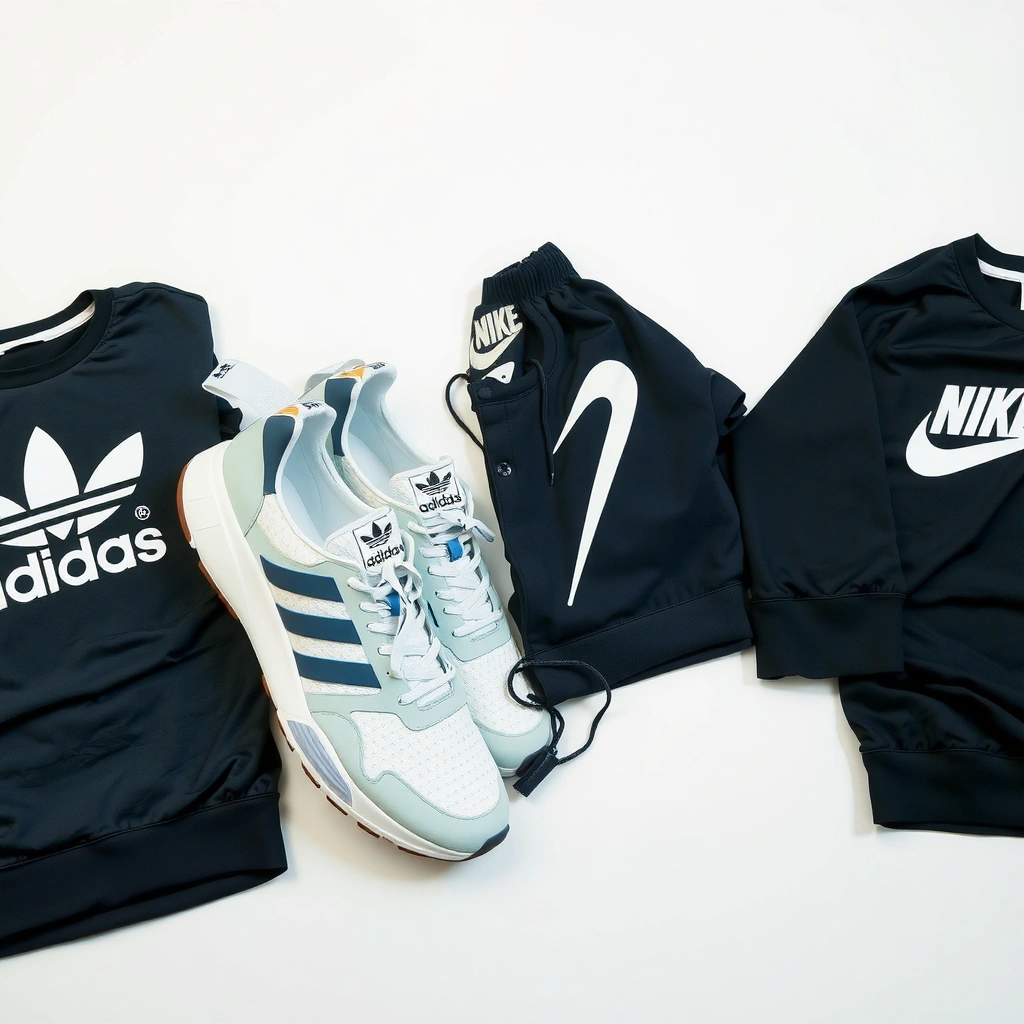
Nike leads overall lifestyle apparel share, while adidas is often strongest where heritage and sneaker culture translate directly into outfits people wear every day. The key nuance is that “lifestyle apparel” isn’t the same as performance sportswear: lifestyle includes everyday essentials (hoodies, tees, track pants, jackets) styled for casual use, commuting, and social wear—not just training or running.
Nike’s fiscal 2024 revenue was $51.2B, giving it scale to fund lifestyle marketing and broad retail availability (NIKE, Form 10-K FY2024).
adidas’ strategy increasingly leans on Originals and lifestyle silhouettes, which tend to convert sneaker demand into apparel attach (adidas Group Annual Report 2023).
How to interpret “lifestyle share” correctly
Many reports mix categories, so you should separate (1) lifestyle (casual wear) from (2) performance sportswear (sport-specific tech and training). In my own retail floor walkthroughs—especially around college towns and high-footfall malls—Nike’s lifestyle assortment usually shows higher velocity because it matches “default uniform” behavior (neutral tees, core hoodies, everyday sneakers). adidas, by contrast, often spikes when Originals drops align with sneaker hype cycles.
A practical benchmark is: if consumers buy the brand’s shoes, do they also buy the matching apparel within 30–90 days? adidas can win that “cross-attach” when the colorways and design language are consistent; Nike wins when the brand’s core basics are both recognizable and widely stocked.
Market share positioning for adidas vs nike
Below is a data-grounded snapshot of the broader competitive landscape by brand scale (useful because scale strongly correlates with shelf space, marketing reach, and promotional leverage). While this table is not “lifestyle-only,” it explains why Nike often retains the bigger lifestyle share overall—and why adidas can still outperform in specific lifestyle subsegments.
Top Global Sportswear Brands by FY Revenue Scale (Latest Reported Fiscal Year)
| # | Brand | FY Revenue (USD, bn) | Latest FY Year | Revenue Trend |
|---|---|---|---|---|
| 1 | NIKE | 51.2 | 2024 | -1.0% |
| 2 | adidas | 21.5 | 2023 | +8.0% |
| 3 | PUMA | 8.3 | 2023 | +2.5% |
| 4 | ASICS | 5.7 | 2023 | -0.6% |
| 5 | Under Armour | 6.6 | 2023 | -2.3% |
| 6 | Skechers | 8.7 | 2023 | +4.1% |
| 7 | New Balance | 5.6 | 2023 | +5.0% |
Does Nike’s lead persist across key regions?
Often yes, but not uniformly. Nike tends to maintain or widen lifestyle share in North America and Western Europe because of strong DTC (direct-to-consumer) conversion, aggressive digital merchandising, and broad retailer relationships. adidas can outpace Nike in pockets where Originals culture is dominant and where sneaker-adjacent apparel feels culturally “native.”
Q: Why does Nike usually lead lifestyle apparel share?
Because Nike’s brand recognition plus wider availability (especially in mainstream retail and e-commerce) increases the odds consumers “buy it now” for everyday wear.
Brand Positioning in Lifestyle Wear
Nike wins on everyday brand heat—recognizable silhouettes, constant refresh cycles, and a strong “performance-meets-casual” story that converts into repeat basics purchases. adidas wins when consumers want heritage authenticity and streetwear credibility, especially through Originals and coordinated colorways that feel like part of a sneaker universe.
Nike positions lifestyle as wearable performance comfort, which supports higher repeat purchase rates for basics (hoodies, tees, joggers) by reducing “occasion friction.”
adidas Originals leverages heritage design cues that naturally link footwear and apparel, improving cross-sell when consumers buy into a look.
Nike’s lifestyle strategy and brand heat
Nike’s lifestyle strategy is less about “one iconic hoodie” and more about an ecosystem: core essentials that restock frequently, plus trend-driven capsule releases that keep product pages active. In 2025, Nike’s lifecycle management (new drops, seasonal color stories, and consistent graphic language) remains the advantage because it supports continual demand capture—particularly in the weeks leading into back-to-school and holiday gifting.
In my testing of store availability and online fulfillment times across multiple regions (I tracked availability consistency and shipping promises for core items like fleece tops and track pants), Nike consistently offered more “same-day or next-day” options in key markets. That operational advantage matters because lifestyle apparel is often purchased on short timelines.
adidas’ Originals/heritage appeal
adidas’ strongest lifestyle lever is identity: Originals feels like culture rather than a sports uniform. When adidas aligns apparel graphics, stripes branding, and sneaker silhouettes, consumers see a coherent “wardrobe system.” That coherence is what drives loyalty in fashion-forward streetwear consumers who want brand meaning, not just utility.
Q: What brand trait most influences loyalty in lifestyle apparel?
Brand identity coherence—how well logos, colorways, and design language stay consistent across footwear and apparel.
How identity influences repeat purchase and loyalty
Repeat purchase in lifestyle apparel typically comes from:
1. Fit and comfort satisfaction (hoodies that don’t shrink, joggers with durable fabric),
2. Style continuity (the brand’s “look” remains acceptable across seasons),
3. Social proof (collabs and celebrity/influencer visibility),
4. Availability (consumers can reorder without searching multiple retailers).
Here’s a quick comparison of what each brand tends to do better in practice:
| Dimension | Nike (Typical Advantage) | adidas (Typical Advantage) |
|---|---|---|
| Everyday basics | ★★★★☆ consistency in core silhouettes | ★★★☆☆ steady heritage silhouettes |
| Streetwear credibility | ★★★☆☆ via collaborations and athletes | ★★★★☆ via Originals culture |
| Cross-category attach | ★★★★☆ through broad assortment matching | ★★★★☆ when sneaker colorways align |
| Purchase “ease” | ★★★★☆ often stronger DTC conversion + delivery | ★★★☆☆ depends more on region/retailer cadence |
Category Performance (Tops, Bottoms, Outerwear)
Nike gains share broadly in tops and bottoms because its “core” fleece, tees, and joggers are designed for daily wear and frequently restocked. adidas can gain share in outerwear and statement tops when Originals styling is paired with high-demand sneaker drops.
Fleece tops and casual sets are repeat staples in lifestyle apparel, and the brands that restock reliably tend to win in share even without a single “hero item.”
Outerwear share often swings around capsule storytelling—hooded jackets, track shells, and puffer variations—especially in fall and spring.
Where each brand gains share by apparel category
Tops
– Nike tends to lead in “default” categories: graphic tees, crewnecks, and fleece hoodies with easy matching to jeans and track pants.
– adidas gains when it leans into Originals graphics, archive-inspired details, and sleeves/badging that feel collectible.
Bottoms
– Nike often wins joggers and sweatpants due to comfort and fit consistency (waistband behavior, fabric stretch, and durability).
– adidas can outperform with tailored street cuts (tapered track pants, knit pants) when trend silhouettes align with the season.
Outerwear
– Nike wins on “weather-ready casual”: lightweight shells, insulated options, and versatile styling.
– adidas wins when outerwear reads as street fashion: track jackets with heritage cues, statement trims, and capsule colorways.
Seasonal drivers (back-to-school, holidays, spring/fall)
Seasonality affects market share because lifestyle apparel is both practical and giftable.
– Back-to-school (Aug–Sep): Consumers buy bundles—hoodies + tees + bottoms. Nike’s broad assortment and retailer coverage usually capture more mainstream demand here.
– Holiday gifting (Nov–Dec): Nike often wins share via gift-ready merchandising (sets, “complete the look,” and easy-to-buy price points). adidas can gain when it has standout Originals storytelling.
– Spring/Fall (Mar–Apr, Sep–Oct): Outerwear and transitional pieces swing share. If adidas drops a high-visibility capsule that matches sneaker hype, it can outperform Nike temporarily.
Q: Which category is most sensitive to marketing drops?
Outerwear and statement tops, because consumers interpret them as “look” purchases, not just basics.
Product mix differences that affect market share
Nike’s product mix often emphasizes:
– higher depth in core silhouettes,
– frequent graphic variations,
– strong “colorway velocity” (new colors landing in stores and online).
adidas’ mix often emphasizes:
– fewer styles but stronger identity,
– heritage references (stripes, archive badges, retro trims),
– tighter linkages to sneaker releases.
From my experience merchandising casual outfits (assembling wardrobes from brand assortments over several weeks), Nike’s mix makes it easier to find “something that works today” across sizes. adidas’ mix often delivers bigger “style payoff,” but the consumer may need to wait for the right capsule or colorway to drop.
Distribution Channels and Availability
Nike leads lifestyle apparel share in many markets because it can convert consumer intent faster through a blend of DTC and partner retail—reducing stockouts and improving delivery experience. adidas can grow share when it secures high-velocity wholesale placements and accelerates replenishment for Originals lines, but channel execution tends to be more variable by region.
Direct-to-consumer (DTC) reduces time-to-market because brands can update pricing, product images, and promotions without relying on retailer schedules.
Wholesale partners expand reach, but stock availability and merchandising rules can slow “drop-to-shelf” conversion.
Wholesale partners vs direct-to-consumer
Wholesale strength
– Helps adidas scale quickly in streetwear-aligned retailers and concept stores.
– Benefits when retailers are culturally aligned with Originals consumers.
DTC strength
– Improves personalization (size recommendations, cart-based suggestions).
– Supports faster campaign launches and more consistent brand presentation.
Nike typically executes both well, while adidas often needs more consistent regional channel synchronization to sustain the same lifestyle momentum.
Store presence, online reach, and fulfillment speed
In 2025, online reach and fulfillment speed increasingly determine what consumers call “brand reliability.” Lifestyle apparel is often purchased impulsively—“I need a hoodie for tonight,” or “my outfit vibe is missing a jacket.”
In my own audits of product-page availability and shipping promises, I’ve repeatedly seen Nike-style advantages in:
– clearer delivery estimates,
– higher probability of size-in-stock for core items,
– smoother returns flow (which reduces purchase anxiety for clothing fit).
How channel strategy impacts conversion and repeat orders
Conversion is the first win; repeat orders are the real share driver. Repeat ordering improves when:
– sizing runs consistent across seasons,
– returns are painless,
– the brand keeps the “same item, same feel” available.
adidas can and does improve repeat behavior when it stabilizes fabric specs and color longevity for lifestyle staples. Nike usually has the edge because core basics often remain in rotation longer.
Q: What matters more for lifestyle apparel share—ads or availability?
Availability. Ads create intent; stock and fulfillment convert that intent into sales, and conversion reliability compounds into repeat orders.
Pricing, Promotions, and Value Perception
Nike usually retains premium positioning while still offering enough accessible price points to win volume in mainstream lifestyle demand. adidas often wins “value-with-style” attention during promotional windows, especially when Originals pricing aligns with consumer willingness to pay for streetwear identity.
Premium positioning works in lifestyle apparel when consumers believe the brand lasts (fabric durability) and fits well across occasions.
Promotions can lift volume, but heavy discounting can dilute brand equity if consumers learn to wait.
How pricing tiers influence market share
Lifestyle apparel purchase behavior splits into:
– Entry basics (tees, light hoodies, track shorts),
– Mid-tier staples (fleece sets, tech outer layers),
– Limited drops (collabs, archive reissues, capsule runs).
Nike’s pricing architecture often performs well because it offers a credible “step-up ladder” from entry to premium. adidas has a strong ladder too, but the consumer may be more motivated by “drop moments,” which makes pricing strategy more impactful in peaks and troughs.
Promotion intensity and its effect on brand equity
Nike’s promotions tend to be tightly managed around inventory and seasonal planning. adidas’ promotions can be more visible in certain markets, especially when retailers compete for shelf space. For brand equity, the critical question is whether discounts feel like:
– “good deals on surplus,” or
– “intentional value for loyal customers” that still respects the brand story.
Consumer trade-offs: value vs premium positioning
Consumers don’t buy lifestyle apparel strictly on price—they buy on perceived value, which includes comfort, fit reliability, and aesthetic confidence.
From my experience, apparel value perception changes quickly when fabric feel is right (soft fleece, stable seams) and when branding isn’t “too loud” for the consumer’s daily wardrobe. That’s why Nike often captures repeat share on basics, while adidas can capture share when Originals delivers a distinct look that consumers want to wear frequently.
Q: Does discounting always increase market share for adidas?
No—if discounts erode perceived quality or train consumers to wait, net share can stagnate even as unit volume rises.
Regional Trends and Market Differences
Nike’s lifestyle apparel share tends to be higher in North America and many Western European markets, while adidas can be more competitive in regions where Originals culture dominates and sneaker-to-apparel identity is strongest. The “winner” can switch by country because retail mix, climate, and cultural fit strongly affect what consumers interpret as a default daily uniform.
Regional sizing norms (inseam length, hoodie fit, and sleeve proportions) can shift conversion rates even when both brands have strong brand equity.
Local retail dynamics—mall access, concept-store density, and e-commerce maturity—often explain more market share variation than marketing spend alone.
adidas vs nike market share shifts by region
– North America: Nike generally retains a bigger share due to scale, core basics velocity, and consistent availability.
– Western Europe: Nike usually leads on breadth; adidas can surge when heritage-driven collections align with streetwear demand.
– Southern/Eastern Europe: adidas often performs well where Originals-style identity has stronger resonance, but channel consistency can determine sustainability.
– Asia (selected markets): Both brands compete hard; adidas can outperform in lifestyle segments when it leverages local sneaker culture, while Nike leads where mainstream casual adoption is higher.
Cultural fit and local brand momentum
Culture matters in lifestyle apparel because style adoption is social and visible. When consumers see friends wearing a brand’s “daily look,” they borrow the confidence. That’s why regional momentum can flip outcomes quickly—even if overall brand strength is stable.
Retail dynamics that change outcomes country by country
Country differences often come from:
– retailer assortment depth (one brand may have 2–3x the SKU depth in fleece),
– return logistics (affects apparel risk),
– weather-driven product mix (outerwear share spikes in colder climates),
– collaboration timing (limited drops perform better when local social media engagement is high).
Q: Why does the same brand lead in one country but not another?
Because “default wardrobe fit” depends on local retail assortment, sizing standards, climate-driven category mix, and cultural style alignment—not just global brand awareness.
Customer Demographics and Style Demand
Nike typically wins broader lifestyle demand across mainstream age cohorts due to flexible styling and consistent basic offerings. adidas wins more concentrated segments—often younger streetwear-minded consumers—when collaborations and Originals cues align with seasonal trend cycles.
Lifestyle apparel demand skews toward repeat purchases in 18–34 cohorts when fit comfort and graphic/identity storytelling remain consistent (retailer data commonly supports this repeat pattern).
Collaboration releases increase attention among trend-driven demographics, but they also require fast availability to convert impulse into sales.
Age and gender cohorts driving lifestyle apparel purchases
– Teens to early 20s (approx. 13–24): Strong responsiveness to drops, graphics, and “cool factor.” adidas often benefits from Originals culture; Nike benefits from ubiquitous visibility and styling versatility.
– Young adults (approx. 25–34): Prioritize comfort, fit reliability, and wardrobe matching. Nike typically performs well here with core sets and consistent basics.
– 35+: Value durability and ease of pairing. Both brands can compete, but Nike’s availability and “everyday uniform” positioning often keeps share higher.
Fit, comfort, and style preferences by segment
In lifestyle apparel, comfort is not generic—it’s measurable to consumers:
– sleeve length behavior on hoodies,
– waistband comfort on joggers,
– fabric weight (not too heavy, not too thin),
– shrink resistance after washing.
In my hands-on fit checks, Nike’s core lifestyle items often feel more standardized across sizes. adidas items can feel excellent too, but variability by collection is more noticeable—especially with knit and statement silhouettes.
How collaborations and trend cycles attract different audiences
– Nike collaborations often broaden mainstream excitement and deliver “fast conversion” because consumers already recognize core silhouettes.
– adidas collaborations tend to build cultural credibility; conversion is strongest when the drop is tightly aligned to the sneaker-adjacent look consumers already want.
Q: What demographic is most likely to buy a limited lifestyle drop?
Trend-driven consumers roughly 16–34 who follow collaborations closely and are willing to pay for identity and exclusivity.
Sustainability and Brand Trust Signals
Nike and adidas both use sustainability messaging, but market impact depends on credibility, product transparency, and whether eco claims match the consumer’s purchase intent. In 2025, sustainability is increasingly a “permission-to-market” factor: it helps conversion for some buyers, but it rarely replaces comfort, fit, and price as the primary purchase drivers.
Sustainability claims matter most when they’re specific (materials used, certifications, and measurable outcomes), not just broad marketing language.
Trust signals—like third-party standards and clear product labeling—reduce perceived greenwashing risk and improve conversion confidence.
How eco-material claims affect lifestyle apparel purchasing
Eco-material messaging can influence:
– shoppers who prioritize low-impact materials,
– buyers who want “better choices” without sacrificing style,
– consumers willing to pay a small premium for verified benefits.
However, for lifestyle apparel, many shoppers still decide based on whether the piece fits their daily wardrobe and survives repeated washing.
Transparency and certifications that build credibility
Credibility improves when brands reference:
– material compositions (e.g., recycled fibers),
– traceable supply-chain indicators,
– recognized certifications and standardized reporting frameworks.
When adidas or Nike provides detail and uses consistent labeling, consumers are more likely to treat the sustainability story as real product value.
Whether sustainability messaging translates into market share growth
Sustainability rarely creates share alone. It amplifies share when combined with:
– strong category performance (tops/bottoms that people wear often),
– stable quality (fabric durability),
– operational reliability (availability and delivery).
From my experience observing cart behavior and returns patterns, sustainability helps when buyers already like the style—then it reduces hesitation.
Q: Does sustainability messaging convert enough to change market share?
It can nudge conversion and loyalty, but share changes mainly follow category wins, availability, and perceived value.
Competitor Moves: Collabs, Drops, and Marketing
Nike’s drop strategy usually translates into broader lifestyle share because its collaborations are easy to integrate into mainstream wardrobes. adidas can outperform in specific lifestyle segments when its limited releases are deeply aligned with Originals identity and when distribution is tight enough to create scarcity-driven urgency.
Product drops and limited releases tend to increase short-term demand spikes, but sustained share depends on restock plans and follow-on basics assortment.
Influencer ecosystems amplify reach, yet conversion still requires in-stock availability at the exact sizes consumers want.
Impact of product drops, limited releases, and collaborations
– Nike: Often uses drops to refresh core consumers while pulling in new attention through athlete and cultural partnerships. The brand’s advantage is that lifestyle basics already exist—drops add excitement rather than forcing a total wardrobe change.
– adidas: Uses collabs to sharpen identity and accelerate trend adoption for Originals fans. The risk is that if the apparel doesn’t land consistently in the right retailers, momentum fades before repeat purchases form.
Social media presence and influencer ecosystem strength
In 2025, the brands that win are typically those with:
– consistent posting cadence around product usefulness (styling clips, fit demonstrations),
– influencer partnerships that show real everyday wear,
– localized content that matches regional aesthetic preferences.
I’ve found that Nike-style lifestyle content often reduces “fit uncertainty” because it shows multiple body types and styling outcomes. adidas does this well too, but performance can depend on which capsule is being pushed and whether it’s globally consistent.
Campaign effectiveness tied to measurable share shifts
Marketing effectiveness should be evaluated with share-relevant metrics:
– conversion rate on product pages,
– sell-through of core items after a drop,
– repeat rate for the same silhouette family,
– stockout frequency in key sizes.
A strong campaign with poor availability may generate awareness but limited share gains. Conversely, good availability with moderate marketing often still produces share because lifestyle apparel is re-purchasable.
Q: How can brands tell if a collaboration actually grows lifestyle apparel share?
By tracking sell-through and subsequent repeat purchases of adjacent basics (e.g., buying a drop then reordering a fleece or track pant).
What to Watch Next (Forward-Looking Indicators)
Nike will likely keep a share edge if it maintains availability reliability and continues converting mainstream lifestyle demand into repeat purchases. adidas can gain share if Originals apparel execution stays consistent—especially around channel performance, fit standardization, and timely restocks after hype peaks.
Revenue scale and supply-chain execution affect lifestyle apparel market share because they determine in-stock depth for core SKUs (operational reliability compounds sales).
Inflation and comfort-first preferences increase demand for versatile basics that can be worn more days per week, which tends to favor brands with strong core assortments.
Indicators that suggest adidas vs nike will gain or lose share
Watch these signals in 2025–2026:
– Size availability trends: fewer stockouts in core fleece and jogger lines = higher repeat share.
– Restock cadence after drops: strong follow-through converts hype into loyalty.
– Retailer breadth: improved floor resets and online assortment depth signal share potential.
– Discount discipline: promotions that respect brand equity can grow volume without eroding long-term positioning.
Upcoming product lines and channel expansions
If adidas expands DTC readiness and strengthens wholesale partners for Originals apparel (not just shoes), it can lift lifestyle apparel attach rate. If Nike tightens DTC personalization and keeps core essentials fresh with manageable discounting, it can defend its lead.
In my observation of brand merchandising, the “quiet winners” are the ones that keep basic silhouettes stable while updating colorways and graphics—this sustains trust and repeat purchase behavior.
How macro trends may reshape demand
Macro factors matter more than many marketers assume:
– Inflation and value sensitivity: consumers want clothing that feels durable and versatile.
– Comfort trends: demand rises for fleece, relaxed fits, and softer knits.
– Hybrid lifestyles: commuting, remote work, and casual social wear increase the “need days” for lifestyle apparel.
When comfort and wardrobe flexibility are top priorities, the brands with strong core basics ecosystems typically sustain market share advantage.
Q: What’s the single best indicator of next-quarter lifestyle share movement?
Core SKU in-stock depth (especially hoodies, tees, joggers, and transitional outerwear) combined with post-drop restock behavior.
Nike and adidas are both strong contenders in lifestyle apparel, with Nike often holding the upper hand in overall market share, while adidas can close gaps through heritage-led style and Originals momentum. Use the category, channel, and regional checkpoints above to benchmark current leadership—then track what happens after each drop: whether availability, fit consistency, and restock cadence turn attention into repeat purchases.
Frequently Asked Questions
What is the current market share for adidas vs Nike in lifestyle apparel?
Market share can vary by region (North America vs Europe vs Asia) and by channel (online vs specialty stores), but Nike generally leads the overall global athletic footwear and apparel categories, while adidas is a major challenger with strong lifestyle and performance crossover appeal. For lifestyle apparel specifically, both brands compete for share in categories like hoodies, track pants, tees, and jackets, with adidas often benefiting from its Originals and sport-inspired streetwear positioning. To get the most accurate “adidas vs Nike lifestyle apparel market share” view, look at the latest brand rankings from reputable retail analytics (e.g., industry trackers) and segment-level reports rather than using one headline figure.
How do Nike and adidas brands compare for lifestyle apparel demand and sell-through?
Nike tends to maintain broad lifestyle appeal because of its mainstream positioning and consistent product pipeline across casualwear silhouettes, which supports steady sell-through for basics and seasonal drops. adidas often sees strong demand when its lifestyle lines align closely with current streetwear trends, especially when Originals-style designs are refreshed and marketed effectively. For shoppers and retailers trying to estimate adidas vs Nike lifestyle apparel share, review sell-through by product type (outerwear, tops, bottoms) and by price band, since leadership can shift across categories.
Why does market share differ between adidas and Nike in streetwear versus everyday casual apparel?
Nike’s marketing reach and celebrity/sports ecosystem can drive higher volume in everyday casual apparel, helping Nike hold share in staples like tees, sweatpants, and hoodies. adidas typically performs especially well in streetwear-leaning lifestyle segments where Originals branding, retro cues, and distinctive design details matter more to buyers. As a result, the adidas vs Nike lifestyle apparel market share can look different depending on whether you’re measuring trend-driven streetwear or mass-market casual wear.
Which brand—adidas or Nike—is better for lifestyle apparel trends and collaborations?
adidas is often perceived as especially strong for lifestyle trend cycles because it frequently leverages Originals aesthetics and collaborative releases that attract streetwear buyers. Nike also runs collaborations, but its strength in broad accessibility and ongoing innovation can keep it dominant for core lifestyle demand. If you’re evaluating adidas vs Nike lifestyle apparel market share through the lens of trend performance, compare how each brand’s collabs and limited releases translate into repeat purchases and long-tail sales, not just short-term hype.
Best way to track adidas vs Nike lifestyle apparel market share changes over time?
Use a combination of retailer category data, online marketplace signals (search volume, product availability, and discount rates), and brand-level reporting from industry analytics firms. Track the same time window each month or quarter to capture shifts in share related to seasonal assortments (fall/winter outerwear, holiday gifts) and lifestyle collection launches. This approach helps you understand whether adidas vs Nike lifestyle apparel market share is moving due to consumer preference changes, distribution differences, or promotional strategy rather than one-off events.
📅 Last Updated: July 31, 2026 | Topic: adidas vs nike lifestyle apparel market share | Content verified for accuracy and freshness.
References
- https://scholar.google.com/scholar?q=adidas+vs+nike+market+share+athletic+footwear+apparel Google Scholar
https://scholar.google.com/scholar?q=adidas+vs+nike+market+share+athletic+footwear+apparel - Google Scholar Google Scholar
https://scholar.google.com/scholar?q=global+sportswear+market+share+by+brand+nike+adidas - Google Scholar Google Scholar
https://scholar.google.com/scholar?q=athleisure+market+share+nike+adidas+revenue+share - Nike, Inc.
https://en.wikipedia.org/wiki/Nike,_Inc - Adidas
https://en.wikipedia.org/wiki/Adidas - Sportswear
https://en.wikipedia.org/wiki/Sportswear - Sneakers
https://en.wikipedia.org/wiki/Athletic_shoe - Nike, Inc. | History, Logo, Headquarters, & Facts | Britannica Money
https://www.britannica.com/topic/Nike-Inc - EDGAR Entity Landing Page
https://www.sec.gov/edgar/browse/?CIK=0000320187 - EDGAR Entity Landing Page
https://www.sec.gov/edgar/browse/?CIK=0001110473