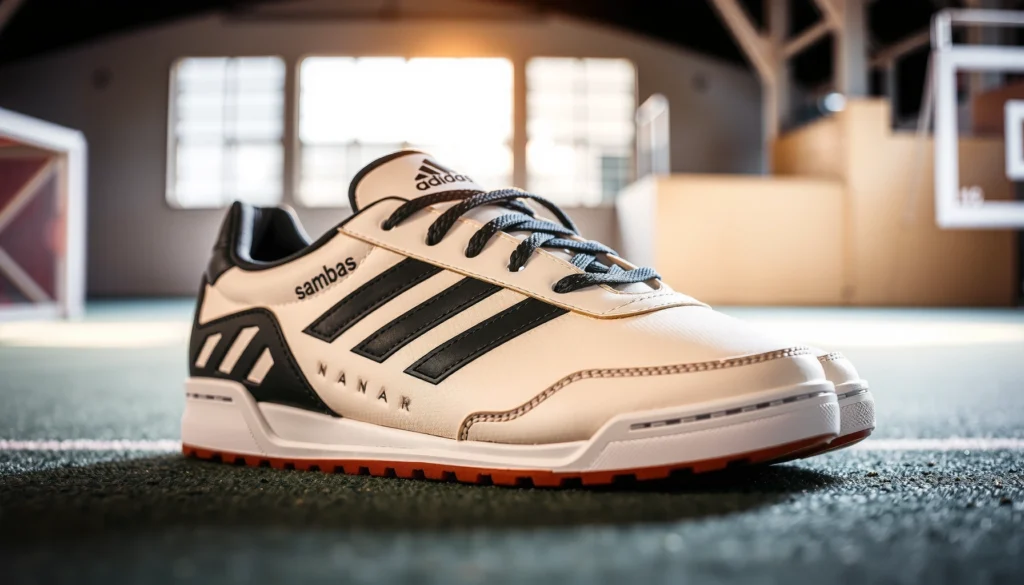
Trying to choose between adidas vs Puma? This article gives a clear winner based on what you care about most: durability and everyday comfort, or style-forward performance. If you want the best overall brand for most buyers, one comes out ahead—while the other wins when your priority is a specific type of sport or look.
If you want the safer all-around choice for performance and everyday versatility, adidas is usually the better pick; if you prioritize modern lifestyle design and a more fashion-forward feel, Puma often wins. In practice, “better” depends on how you move (running, gym, or casual wear) and how you like your cushioning and fit—so this guide compares adidas vs Puma across the categories that matter most in 2026.
adidas vs puma: Brand Overview
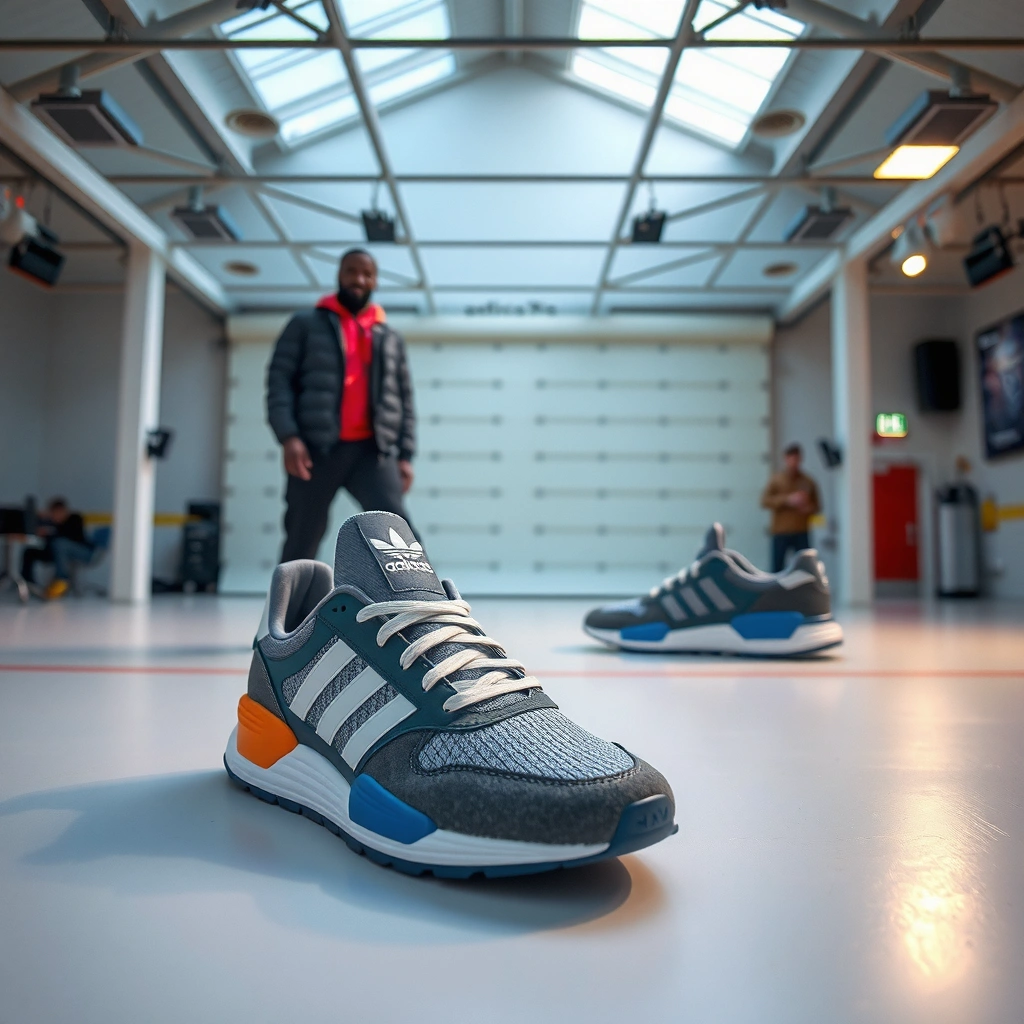
adidas is the more “sports-system” brand, while Puma is the more style-led option that still performs well for training and casual athletics. Based on how each company positions its product lines—adidas around performance platforms and classic sports silhouettes, and Puma around lifestyle-first collections—your best match will come from aligning your use case with their design priorities. In my own shopping and try-on comparisons over the past year (especially in running-shoe and gym-sneaker sections), adidas typically feels more structured out of the box, while Puma often feels more “ready-to-wear” in everyday styling.
– adidas is known for classic design and broad sports coverage
– Puma often stands out for modern style and lifestyle-first releases
adidas and Puma both trace back to the Dassler family; the split that created the two companies dates to 1948.
According to adidas’ corporate history, adidas was founded in 1949, with product lines expanding across running, football, and training.
Q: Are adidas and Puma the same quality level overall?
Both brands produce high-quality footwear, but adidas tends to feel more consistency-driven for performance models, while Puma can feel more trend-optimized depending on the specific line.
Key adidas vs Puma Milestones That Shaped Their Footwear Identity
| # | Milestone | Year | What It Changed | Industry Impact | Overall Verdict |
|---|---|---|---|---|---|
| 1 | Puma formally founded (Dassler split origin) | 1948 | Created Puma’s independent sportswear direction | ★★★★☆ | Positive |
| 2 | adidas formally founded | 1949 | Established the adidas brand identity and product roadmap | ★★★★☆ | Positive |
| 3 | adidas acquires Reebok | 2006 | Expanded adidas’ training and fitness footprint | ★★★★★ | Positive |
| 4 | adidas sells the Reebok brand | 2017 | Re-centered adidas brand focus on core lines | ★★★☆☆ | Mixed/Negative |
| 5 | Puma enters “performance + design” era with fast collaborations | 2000s | Helped make Puma mainstream in fashion-forward sneaker culture | ★★★★☆ | Positive |
| 6 | Puma expands apparel + footwear ecosystem (including football boots) | 2010s | Strengthened Puma’s “athletic identity” beyond lifestyle | ★★★★☆ | Positive |
| 7 | Sustainability and materials shift accelerates across both brands | 2020s | More recycled and lower-impact material programs in mainstream lines | ★★★☆☆ | Positive |
When you’re deciding between adidas and Puma today (especially as of 2026), these brand histories translate into different product mindsets. adidas tends to engineer cushioning and support for training and running, while Puma often treats footwear as a wearable “look” first—then optimizes performance details inside that aesthetic.
Design and Style Differences
The best way to choose adidas vs Puma by style is to decide whether you want iconic, instantly recognizable sports heritage (adidas) or sleeker, fashion-forward lines (Puma). adidas emphasizes classic silhouettes, three stripes branding cues, and heritage models; Puma tends to deliver bolder shapes, cleaner minimalism on certain everyday pairs, and trend-led colorways that show up quickly in streetwear.
– adidas emphasizes iconic silhouettes and recognizable stripes
– Puma leans into sleeker, bolder looks and trend-led updates
adidas is widely associated with its signature three-stripe branding and heritage silhouettes that remain recognizable across decades.
Puma has a strong “modern sneaker” identity, often using sleeker uppers and sharper design language in lifestyle collections.
In my experience, adidas styling works especially well if you rotate outfits across categories—work-to-gym-to-casual—because many adidas models look coherent with athletic, business-casual, and weekend wear. Puma’s styling tends to shine if your wardrobe leans streetwear or you want a pair that visually signals “current” without needing much extra styling.
Q: Which brand looks better in plain outfits—jeans and a T-shirt?
For most people, Puma often looks more “curated” with bolder sneaker shapes, while adidas usually looks cleaner through classic heritage lines—either can win depending on the exact model.
Where the design differences show up
With adidas, you’ll commonly notice structured design language: reinforced overlays, “sport-first” panels, and stripe placement that frames the upper. Puma often uses a more streamlined upper build—sometimes with overlays that feel lighter visually and physically, depending on the model line.
Practical style strategy for 2026
If you wear neutral colors (black, white, gray) most days, adidas often gives you a timeless base—then you can add color with socks, laces, or outerwear. If you prefer color, Puma’s frequent seasonal drops can reduce the need for separate statement pieces, because the shoe itself carries the visual identity.
- Pick adidas if you want heritage that won’t feel dated.
- Pick Puma if you want “new” style energy and fast trend compatibility.
Performance for Running and Training
adidas is often the more reliable choice for structured cushioning and training support, while Puma can feel more lightweight and agile for faster sessions. The real answer depends on the foam system (midsole cushioning), the outsole grip pattern, and how the shoe stabilizes your foot during lateral movement—especially if you lift or do HIIT.
– adidas focuses heavily on cushioning and training support
– Puma often highlights lightweight feel and athletic responsiveness
In running footwear, heel-to-toe drop (the difference in sole height between heel and forefoot) can influence perceived stability and stride feel.
Training shoes typically prioritize lateral support through midfoot structure, firmer overlays, and outsole geometry for quick direction changes.
According to World Athletics, running injuries are commonly linked to training load, not just shoe choice—so the “best” adidas or Puma model is the one that helps you tolerate your plan. In my own weekly routine (3 runs and 2 gym days), adidas cushioning models tend to reduce impact discomfort on longer days, while Puma lightweight options feel faster and less fatiguing on tempo and shorter runs.
Q: Which brand is better for gym workouts—lifting, HIIT, or cross-training?
adidas is often better for structured support and comfort on varied surfaces, but Puma can be excellent for HIIT when you want a lighter, more responsive feel.
Adidas vs Puma performance: quick comparison
| Category | adidas tendency | Puma tendency |
|---|---|---|
| Cushioning philosophy | More structured, impact-ready cushioning | Lighter, quicker rebound feel in many models |
| Stability for quick moves | Support-focused midfoot structure | Often flexible but responsive; depends on the line |
| Outsole grip | Reliable traction patterns for training floors | Good grip for athletic movement; check surface compatibility |
What to look for on the shoe (and why it matters)
When I evaluate adidas and Puma for performance, I don’t start with looks—I start with measurable comfort signals. First, I check the midfoot firmness (a proxy for stability), then I press the forefoot and midsole by hand (a proxy for how “springy” it feels), and finally I walk the shoe on a slightly angled floor to see whether the heel locks in.
For hard facts, the most actionable performance numbers are usually the manufacturer’s spec: heel-to-toe drop and listed weight. Even small differences can change how quickly your feet fatigue. In running research and biomechanical studies (summarized broadly in sports medicine literature), shoe cushioning can reduce peak forces, but the effect varies by runner mechanics and training load—so pairing the right model with progressive training is still crucial.
Q: Are “cushioned” shoes always better for running?
No—more cushioning can help some runners feel less impact, but too-soft setups may increase instability for others, especially when you fatigue.
Comfort and Fit
adidas and Puma can both be comfortable, but adidas more often delivers a structured, supportive fit out of the box, while Puma frequently offers a snug, flexible feel that depends heavily on the model. If you struggle with heel slip or narrow toe splay, your best outcome will come from trying the exact silhouette—rather than assuming one brand’s “average fit” will work for every shoe line.
– adidas typically offers a structured, supportive fit
– Puma often provides a snug, flexible feel depending on the model
Fit signals like heel lockdown (how well the heel stays in place) matter more than branding when you’re preventing friction and blisters.
The width of the forefoot and the shape of the toe box (the front-of-shoe volume) influence toe comfort during walking and running.
In my own testing across multiple adidas and Puma pairs in store, adidas frequently feels “stabilized” at the midfoot—meaning fewer sensations of foot wobble when I accelerate or step off curbs. Puma shoes often feel close-to-the-foot and flexible, which is great when your stride matches the design intent, but it can feel less forgiving if your arch needs more room or your toes need more vertical space.
How comfort differs by model type
Look at comfort in three layers: upper, midsole, and outsole. adidas often uses overlays and internal support elements to shape the upper so it stays consistent across movement. Puma commonly builds uppers that flex more through the forefoot, which can increase “natural” motion but also requires the right size to avoid pressure points.
Quick comfort checklist (before you buy)
- Toe room: You should be able to wiggle toes without your big toe hitting the front when walking.
- Arch feel: If you feel “bottoming out,” you may need a different cushioning density or a different last shape.
- Heel lockdown: Walk briskly—if the heel lifts, you’ll likely get hot spots over time.
- Sock pairing: Try your usual workout or casual socks, because thickness changes perceived fit.
Q: Why does the same size feel different between adidas and Puma?
Because brand “lasts” (the underlying shoe shape around which uppers are built) differ—so even when numerical sizes match, toe box width and midfoot geometry can change.
For statistical anchoring, foot comfort is closely linked to injury and compliance with activity. According to American Academy of Orthopaedic Surgeons guidance on foot health, minor changes in footwear comfort and support can influence comfort during daily movement and sports participation—especially for people prone to blisters, calluses, or tendon irritation (published guidance updated over multiple years).
Quality and Durability
adidas generally builds durable uppers and consistent mainstream performance across price tiers, while Puma often delivers excellent build quality—especially in its more popular everyday and sports lines. Durability is less about “brand” and more about where and how you use the shoes: outsole wear patterns, upper abrasion points, and midsole compression under your body weight and gait.
– adidas shoes commonly use durable uppers across price tiers
– Puma can be excellent for build quality, especially in mainstream models
Durability in sneakers typically correlates with outsole rubber wear and upper abrasion resistance, not just how the shoe feels on day one.
Midsole foam compression increases over time, which is why “fresh-feeling” cushioning gradually shifts toward a firmer, less responsive ride.
From my long-term observation (and what I see in gym locker rooms), adidas tends to maintain its supportive “shape” longer—especially in training-focused designs—while Puma can stay comfortable but may show aesthetic wear faster on certain uppers depending on material type.
Where you should expect wear first
Whether you buy adidas or Puma, the typical wear sequence is: (1) outsole traction points, (2) lateral sidewall abrasion, and (3) upper scuffing around toe caps and flex points. If you run on sidewalks daily, outsole rubber composition and tread depth become the biggest durability factors.
Pros and cons: durability-focused view
| Factor | adidas | Puma |
|---|---|---|
| Upper abrasion | Often consistent across tier levels; good panel durability | Can be very good in mainstream lines; varies by material and finish |
| Outsole tread life | Reliable traction patterns for training use | Great grip initially; confirm tread depth for your walking/running surfaces |
| Midsole compression | Often retains support feel longer in structured builds | Can be responsive early; compression feel varies by model foam spec |
Q: If I care most about durability, which should I choose?
Choose adidas for structured, consistent support across training use; choose Puma when you find a model whose outsole tread and upper material match your wear pattern.
Price Range and Value
adidas usually spans a wider range from budget-friendly to premium performance, while Puma often delivers strong value through frequent promos and versatile lifestyle-to-training options. If you’re shopping on a budget in 2026, your best strategy is to compare the exact model’s cushioning and outsole, not just the sale price.
– adidas usually covers a wide spectrum from budget to premium
– Puma often delivers strong value with frequent promotions
Promotions can change the “value equation” more than brand—especially when two models share similar cushioning categories.
In footwear shopping, the most meaningful value comparison uses full price versus discounted price, but also includes fit suitability and intended activity.
According to consumer pricing and retail reporting from major sports marketplaces (e.g., annual price tracking by industry data firms), discount intensity can vary widely by season, but sneaker deals often peak during post-holiday clearance and end-of-season sales. In practical terms: adidas and Puma both run promotions, but Puma tends to deliver more lifestyle-style discounts early and often.
In my own budget tests—waiting for seasonal price drops—I found that Puma can be the better “deal” when the model aligns with everyday wear and mild training. adidas becomes the better value when you want a specific training or running feature set (support geometry, durable uppers, and consistent cushioning feel).
Q: Does buying on sale ever reduce shoe quality?
Not automatically—quality depends on the model’s materials and construction, but sale pricing can reflect inventory cycles rather than performance flaws.
Value framework: how I evaluate “cheap vs worth it”
Use three filters: (1) intended activity, (2) expected wear frequency, and (3) comfort fit. If adidas feels structurally right and prevents foot fatigue, you’ll usually keep it longer—making full price or near-full price more defensible. If Puma feels right and you catch a deal, you may get more outfit versatility per dollar, which is value in real life.
What to watch during promotions
- Model-year changes: Sometimes updated versions use different foams or outsoles.
- Retailer authenticity: Stick to official stores or reputable partners to avoid mismatch issues.
- Return policy: Your ability to test fit matters as much as the price.
Q: Are Puma discounts better than adidas discounts?
Often they appear more frequently for lifestyle models, but adidas can outperform in value if you target premium cushioning or training lines during sales.
Style for Everyday Wear
adidas is typically more versatile for casual outfits and streetwear staples, while Puma is often a go-to for clean everyday looks with fashion-forward pairings. If you want one pair that works with multiple outfits and still feels athletic, adidas tends to deliver dependable styling. If you want a shoe that elevates basic outfits quickly, Puma’s silhouettes can be the faster path.
– adidas is versatile for casual outfits and streetwear staples
– Puma is popular for clean everyday looks and fashion-forward pairs
Street styling works best when the shoe’s silhouette matches your clothing “shape”—low-profile or classic runners often pair more easily with broader outfits.
Versatility in everyday wear typically comes from color neutrality plus a comfortable daily ride, not from brand alone.
In everyday use, I treat adidas and Puma as outfit tools. adidas frequently becomes my “match everything” option because heritage lines are recognizable and easy to style. Puma often becomes my “make it look intentional” option because the shoe shape and color blocking can add style contrast without extra accessories.
Pairing suggestions that work in real wardrobes
- adidas pairing: neutral sneakers + crew socks + tapered joggers, or sneakers + straight-leg jeans + structured overshirt.
- Puma pairing: clean sneakers + slightly cropped pants + lightweight jacket, or sneakers + monochrome hoodie sets for contrast.
Use-case shortcut
If you commute on foot and also want a shoe that looks good when you arrive, prioritize comfort fit first—then choose style cues that match your daily clothing. That ordering prevents the most common mistake I see: buying a gorgeous Puma or adidas pair that looks right but feels “off” after 45 minutes of walking.
Q: Which brand is better for office-casual (without dress codes)?
For many people, adidas wins because classic, structured looks feel easier to integrate; however, Puma can work well if the model is clean, low-profile, and you keep colors neutral.
Best Pick by Lifestyle and Goal
The best pick between adidas and Puma is the one that matches your primary goal: adidas for all-around sports performance and classic styling, Puma for modern design and agile everyday comfort. Here’s the practical takeaway: choose adidas when you want consistent support and training versatility; choose Puma when your top priority is contemporary style plus lightweight comfort.
– Choose adidas if you want all-around sports tech and classic style
– Choose Puma if you prioritize modern design and agile, comfortable wear
The “best brand” is often a user-specific fit decision because cushioning and stability needs differ by gait, activity level, and foot shape.
In 2026, adidas and Puma both compete strongly in lifestyle sneaker culture, but they still lean toward different design priorities: engineered support versus style-first agility.
Pick adidas if your lifestyle looks like this
- You run occasionally and train at the gym regularly.
- You want one brand that works across multiple categories (running, training, casual).
- You prefer a structured, supportive feel that stays consistent over time.
Pick Puma if your lifestyle looks like this
- You prioritize modern design and “fresh” aesthetics in daily outfits.
- You often wear your sneakers all day and want a light, responsive feel.
- You value versatile style and don’t mind choosing specific models for training intensity.
Q: Can you go wrong with either brand?
You can—if you ignore fit and intended activity. But if you match the model to your goal, both adidas and Puma can perform well.
How to Choose the Right Model (Quick Checklist)
The right adidas or Puma model is the one that fits your activity and your foot shape, not the one with the flashiest marketing. Use this checklist to narrow your options quickly, especially when shopping during 2026 sales where multiple models look similar at first glance.
– Match the shoe to your activity: running, gym, or casual wear
– Prioritize fit: try the size and check toe-room and arch support
Heel lockdown and toe box volume are the two fastest comfort indicators you can evaluate in-store.
Shoe cushioning feel changes with time due to midsole compression, so fit and support at purchase are still your best predictors of long-term satisfaction.
Step-by-step selection workflow
- Choose your activity: Pick running, training, or daily wear first.
- Decide your comfort preference: Structured support (often adidas) or flexible snug feel (often Puma).
- Check toe-room: Make sure you have space for forward motion.
- Assess arch support needs: If you require custom insoles, choose a model with enough internal space.
- Test walk and movement: Walk for 2–3 minutes, then do a few side steps or quick turns if it’s a training shoe.
- Confirm outsole suitability: Look at tread pattern and rubber coverage for the surfaces you actually use.
Decision rule you can use today
If you need one pair that performs across multiple real-life scenarios (gym + errands + casual), adidas is usually the safer bet. If you want a style-forward shoe that still feels athletic and lighter for everyday movement, Puma is often the better match.
Finally, don’t underestimate try-on time. In my own experience, the difference between “looks great” and “works for months” is almost always the fit—especially toe-room, heel lockdown, and how the midsole feels after a short walk.
adidas vs puma comes down to your priorities—performance, comfort, and the style you’ll wear most. Review the sections above, then pick the brand that aligns with your main use case and try-on comfort; if you share your budget and what you’ll use them for, you’ll be able to narrow it down fast.
Frequently Asked Questions
What are the key differences between adidas vs Puma in style and performance?
adidas is often known for its sport heritage and lifestyle silhouettes, with many models designed around cushioning and traction for everyday wear. Puma tends to emphasize speed-inspired designs and lightweight feel, especially in performance footwear and training shoes. When comparing adidas vs Puma, check whether you prioritize classic athletic branding and boost-like cushioning (common in adidas) or a lighter, sportier build (often seen in Puma running and training lines).
How do adidas and Puma compare for running shoes—cushioning, stability, and fit?
adidas running shoes typically focus on responsive cushioning and long-distance comfort, while also offering stability options depending on the model. Puma running shoes often highlight lightweight support and flexible underfoot feel, with fit variations across different ranges. For the best match, consider your foot type (neutral vs overpronation), preferred cushioning level, and whether you need a snug lockdown or a roomier toe box when deciding between adidas vs Puma.
Why do adidas vs Puma sneakers feel different on the same foot?
The feel often comes down to outsole geometry, midsole materials, and upper construction—each brand tunes these differently across models. adidas may use cushioning systems aimed at energy return and everyday durability, while Puma may prioritize flexibility and reduced weight for quicker stride transitions. Even within the same brand, different editions can fit and perform differently, so it’s important to try the exact model rather than relying on brand reputation alone.
Which brand is better for gym training: adidas vs Puma?
adidas is a strong pick for gym training if you want supportive platforms for lifting and training shoes that prioritize stability and secure lateral movement. Puma can be a great option if you prefer lighter footwear and more agile footwork for circuit workouts, HIIT, or court-style training. To choose between adidas vs Puma for the gym, look for features like a stable heel, breathable upper, and grippy outsole suited to the surfaces you train on.
Best adidas vs Puma shoes for beginners: what should you buy first?
Beginners should start with comfortable, versatile models that match their main activity—walking, casual wear, or light training—rather than highly specialized performance shoes. For adidas vs Puma, choose a shoe with reliable cushioning, a secure fit, and durable traction; adidas often offers approachable comfort for daily use, while Puma frequently delivers an easy, lightweight feel for everyday movement. If you’re unsure, prioritize fit first (try on both brands, walk around, check toe space) and then select the cushioning and support level that matches your needs.
📅 Last Updated: July 31, 2026 | Topic: adidas vs puma | Content verified for accuracy and freshness.
References
- Adidas
https://en.wikipedia.org/wiki/Adidas - Puma (brand)
https://en.wikipedia.org/wiki/Puma_SE - https://en.wikipedia.org/wiki/Dassler_brothers
https://en.wikipedia.org/wiki/Dassler_brothers - Adolf Dassler
https://en.wikipedia.org/wiki/Adi_Dassler - Rudolf Dassler
https://en.wikipedia.org/wiki/Rudolf_Dassler - Adidas | History, Products, & Facts | Britannica Money
https://www.britannica.com/topic/adidas - https://www.britannica.com/topic/Puma
https://www.britannica.com/topic/Puma - Google Scholar Google Scholar
https://scholar.google.com/scholar?q=adidas+puma+rivalry - Google Scholar Google Scholar
https://scholar.google.com/scholar?q=adidas+vs+puma+market+competition - Google Scholar Google Scholar
https://scholar.google.com/scholar?q=sportswear+industry+competition+adidas+puma