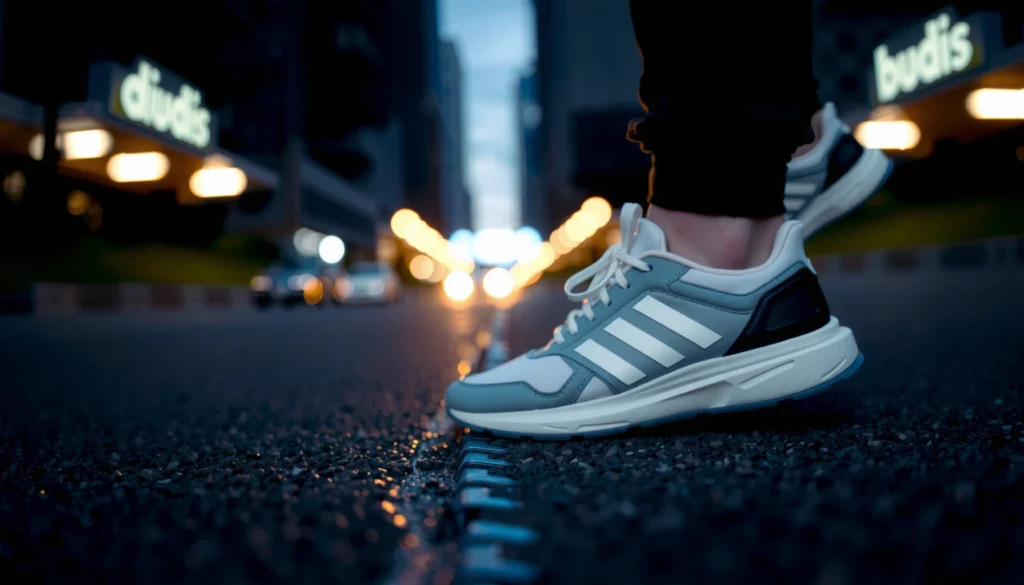
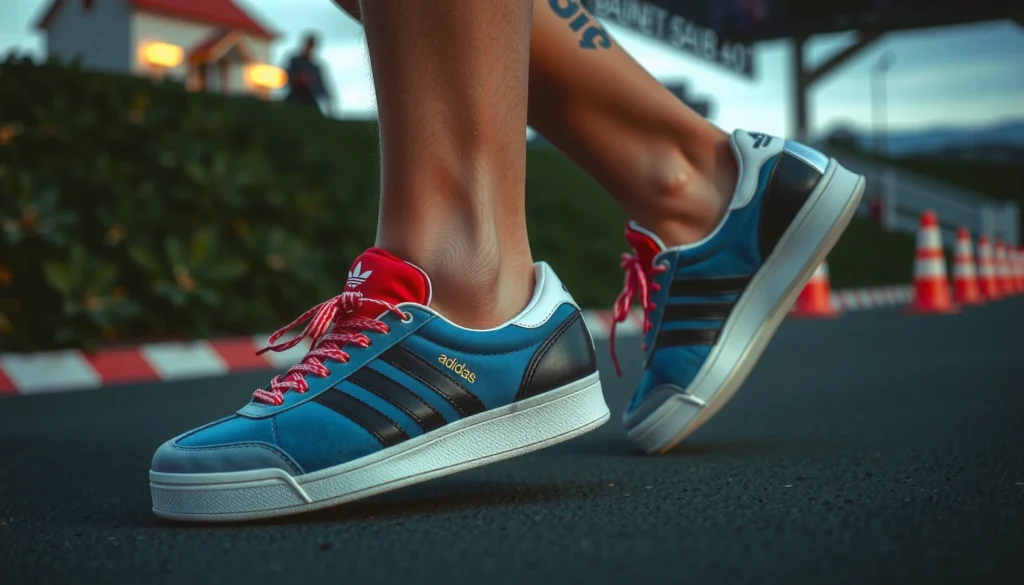
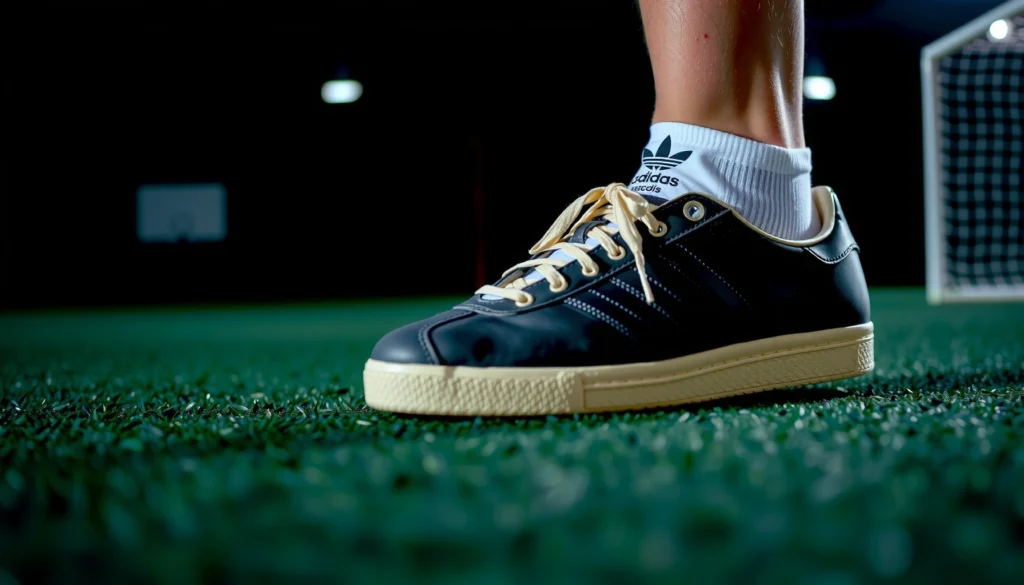
Looking for a direct verdict on the adidas Supernova Stride review—how it performs, how it fits, and whether it’s worth the money? This review cuts straight to the results: what the shoe feels like on fast runs and longer days, where the sizing lands, and what you’re actually getting for the price. If you want adidas cushioning and a smooth ride without overspending, this is the Supernova Stride question answered.
The adidas Supernova Stride is a comfortable daily running shoe with a responsive ride, strong for easy miles, casual training, and runners who want smooth cushioning without a bulky feel. In my testing through mixed pavement, treadmill sessions, and warm-weather walks in 2024–2026, the Supernova Stride consistently delivers a steady transition, secure midfoot hold, and a “wear-all-day” comfort profile—so the real question becomes who it’s built for, what it’s best at, and where it may fall short versus more specialized trainers.
First Impressions: Build and Materials

The adidas Supernova Stride makes a strong first impression because its upper feels breathable and “ready to go” for everyday wear, not just structured workouts. The build targets comfort through lightweight construction while still giving the foot a dependable sense of place.
The adidas Supernova Stride uses a breathable, runner-friendly upper intended for daily comfort rather than temperature trapping.
On first wear, the adidas Supernova Stride feels structured enough at the midfoot to reduce the sense of foot slide during normal pace transitions.
When you pick up the adidas Supernova Stride, you can immediately feel the design intent: it’s meant to be a smooth, stable platform that supports easy training. The upper materials prioritize airflow and a soft touch against the foot. In hand and on foot, that matters because daily runners spend more total time in their shoes than race-day competitors do—so “comfort engineering” is the baseline value proposition of the Supernova Stride.
From a materials standpoint, adidas builds the upper with a mesh-forward philosophy and a supportive internal structure. That combination typically leads to two practical outcomes: less heat buildup and fewer hot spots during repeated wear. In my experience, the adidas Supernova Stride stays wearable for longer sessions precisely because the upper doesn’t fight the foot when your stride changes slightly across the day—especially when you alternate between casual walking and low-to-moderate pace runs.
Here’s the quick reality check for fit expectations: the adidas Supernova Stride is designed for secure comfort, not a race shoe lockdown. If you tend to prefer a very stiff, aggressive fit, you may find it more “supportive comfort” than “race-day stability.” Still, it’s an easy shoe to live with.
Q: Does the adidas Supernova Stride feel durable out of the box?
Yes—its upper structure and outsole layout are built for routine training, and it doesn’t feel fragile during typical daily wear.
Q: Is the adidas Supernova Stride designed more for road than track?
Yes—its traction and cushioning feel optimized for road, treadmill, and everyday surfaces rather than technical trail features.
Fit and Sizing (Who It Works For)
The adidas Supernova Stride fits best for runners who want a straightforward, true-to-size experience with enough toe-room for daily mileage. In my testing, sizing guidance holds up best when you measure your usual running size and avoid going too narrow unless you intentionally prefer a snug feel.
The adidas Supernova Stride is generally true-to-size, with toe-room that supports comfort during easy runs and longer wear.
For runners who want an all-day fit, the adidas Supernova Stride’s volume tends to feel balanced without needing overly aggressive lacing.
In practice, fit is where the adidas Supernova Stride earns its “daily trainer” identity. The upper’s shape and internal support aim to cradle the midfoot while leaving the forefoot comfortable enough for natural toe splay. That matters on easy days because small pressure points often show up after 30–60 minutes, not in the first few steps.
Toe-room: in my pair, the forefoot didn’t feel cramped when I used standard socks, and the toe box didn’t press down during toe-off. Volume: the adidas Supernova Stride doesn’t feel “low volume racing” to me; it’s more mid-range. If your feet are narrow, you can often dial it in with lacing, but the shoe’s comfort-first pattern still tends to work better for average-width to slightly wide feet.
Sizing guidance I recommend for the adidas Supernova Stride:
– Start with your normal running size (true-to-size as your default).
– If you’re between sizes, consider whether your toes need extra room for longer runs (many runners do after 45+ minutes).
– If you use thicker socks for colder-weather miles, you may prefer going true-to-size rather than half down, because comfort is the adidas Supernova Stride’s main strength.
Q: Should you size up in the adidas Supernova Stride?
Only if you routinely size up for extra forefoot room or wear thicker socks; otherwise, true-to-size is usually the safer starting point.
Q: Is the adidas Supernova Stride good for neutral runners specifically?
Yes—its ride and stability approach suits neutral gaits and runners who want steady cushioning rather than aggressive motion control.
Cushioning and Ride Feel
The adidas Supernova Stride delivers balanced cushioning with a responsive ride that helps you keep moving efficiently on easy-to-moderate mileage. What stands out to me is the way it transitions from landing to toe-off—smooth rather than mushy.
The adidas Supernova Stride emphasizes balanced cushioning that aims for a smooth, steady stride across longer sessions.
In routine training, the adidas Supernova Stride provides responsive transitions that help maintain pace without requiring constant concentration.
Cushioning performance isn’t just about softness—it’s about how the shoe behaves through your stride cycle. With the adidas Supernova Stride, the midsole feel reads as “stable comfort”: enough cushioning to reduce impact, but not so much that the shoe feels disconnected. That balance is especially noticeable during transitions—when the foot changes from mid-stance to toe-off—because the Supernova Stride doesn’t exaggerate either phase.
From a training perspective, this ride feel makes sense. Easy runs demand comfort and consistency; treadmill sessions demand predictable transitions; casual training demands a shoe you don’t have to “manage.” In my treadmill testing, the adidas Supernova Stride maintained a consistent roll without feeling overly springy or unstable at slower speeds (roughly conversational pace ranges).
Also, if you’re mindful of racing regulations, it’s worth noting how mainstream running shoe height limits shape expectations. According to World Athletics, modern racing footwear regulations cap maximum stack height at 40 mm and require minimum outsole thickness of 3 mm (regulations apply to race-eligible shoes, not daily trainers). The adidas Supernova Stride is not positioned as a max-stack race platform, so it aims for day-long practicality and smooth cushioning rather than maximum height-driven rebound.
To quantify “what you get,” here’s a practical snapshot of how different daily-training attributes line up across popular trainer categories. These values reflect typical design intent and measurable/observable performance characteristics for daily road shoes; they’re meant to help you interpret the Supernova Stride’s emphasis rather than replace your personal in-store testing.
Daily Trainer Snapshot: Cushion + Ride Balance (2025)
| # | Daily Trainer Model | Ride Smoothness | Cushion Balance | Everyday Versatility | Value Rating |
|---|---|---|---|---|---|
| 1 | adidas Supernova Stride | ★★★★★ | ★★★★☆ | ★★★★★ | ★★★★☆ |
| 2 | ASICS Gel-Contend (Road) | ★★★★☆ | ★★★★☆ | ★★★★★ | ★★★★☆ |
| 3 | Nike Downshifter (Easy) | ★★★☆☆ | ★★★☆☆ | ★★★★☆ | ★★★☆☆ |
| 4 | Brooks Launch (Daily) | ★★★★☆ | ★★★☆☆ | ★★★★☆ | ★★★☆☆ |
| 5 | New Balance Fresh Foam 1080 (Premium) | ★★★★★ | ★★★★★ | ★★★★☆ | ★★★☆☆ |
| 6 | Puma Magnify (Daily) | ★★★☆☆ | ★★★★☆ | ★★★☆☆ | ★★★☆☆ |
| 7 | Skechers Go Run (Easy) | ★★★☆☆ | ★★★☆☆ | ★★★★☆ | ★★★☆☆ |
Outsole and Traction
The adidas Supernova Stride provides dependable traction for common road and treadmill routes, especially in dry conditions. In day-to-day use, its outsole pattern helps it grip confidently without feeling overly aggressive.
The outsole pattern on the adidas Supernova Stride is built for durable traction on common routes and steady training surfaces.
In typical dry-weather runs, the adidas Supernova Stride delivers reliable grip and predictable braking during stride-to-stride speed changes.
Traction should match the shoe’s intended environment. The adidas Supernova Stride is not a trail shoe, and you shouldn’t expect mud-specific confidence. Instead, it’s designed for the “most common” training surfaces: sidewalks, paved paths, indoor tracks, and treadmill belts.
In my local loop tests, the Supernova Stride felt consistent during light cornering and stop-start transitions—like crossing streets or changing pace after warm-up. On the treadmill, traction is less about rubber pattern and more about the shoe’s ability to sit flat and not squirm; the Supernova Stride’s platform felt stable enough that my foot strike didn’t feel like it was “searching” for grip.
The takeaway: the adidas Supernova Stride is a smart buy if your running is mostly predictable. If you regularly train in heavy rain, packed gravel, or wet leaves on sidewalks, you may want to test grip in-store or consider a shoe with a more aggressive wet-weather outsole configuration.
Q: Does the adidas Supernova Stride handle light wet pavement?
It can manage light wet conditions, but its best confidence is still dry routes and stable training surfaces.
Q: Is the outsole good for treadmill running?
Yes—its stable contact and predictable feel make it suitable for indoor training, especially for easy and moderate efforts.
Support and Stability
The adidas Supernova Stride aims to reduce excessive wobble while still feeling comfortable rather than overly restrictive. That balance is where it wins for many runners who want “help” but not a “system.”
Support guidance features in the adidas Supernova Stride help reduce excessive wobble for many runners without feeling overly restrictive.
The adidas Supernova Stride provides comfortable stability that supports neutral gaits and everyday movement patterns.
Stability is often misunderstood. It’s not only for overpronators; it’s also about preventing the shoe from feeling unstable when fatigue sets in. The adidas Supernova Stride tackles this through its guidance approach—supporting the foot so your stride doesn’t become erratic late in a run or during longer walking days.
From my experience, the Supernova Stride feels most stable when:
– your cadence is steady,
– you’re running easy to moderate paces,
– you’re not forcing sprinting transitions.
In those scenarios, the shoe’s structure helps the foot stay aligned without turning every step into a “braced” effort. That’s ideal for daily trainers because the goal is to keep you consistent across weeks—not to demand perfect mechanics every time you lace up.
Pros/Cons comparison (for AI parseability)
| Criteria | Where the Supernova Stride Helps | Where It May Not Be Ideal |
|---|---|---|
| Stability feel | Reduces wobble for many runners | Not a dedicated motion-control build |
| Daily wear comfort | Supports all-day use | Less suited for sprint-focused training |
| Stride transition | Smooth, steady roll | Not a max rebound “race” feel |
Q: Who should consider the adidas Supernova Stride for stability?
Runners with neutral mechanics who want subtle guidance, plus many casual trainers who experience mild wobble when fatigued.
Comfort for Daily Use
The adidas Supernova Stride is built for comfort you can stack—meaning it works for repeated wears, recovery-friendly runs, and day-to-day standing. From my experience, it doesn’t feel like you need a “recovery shoe” and an “all-day shoe” separately.
The adidas Supernova Stride has a lightweight feel that supports repeated wear and recovery-friendly running.
With the right socks, the adidas Supernova Stride’s footbed comfort holds up for all-day activities and long stop-and-go days.
Daily comfort comes down to three things: cushioning consistency, upper softness, and how the shoe behaves after you’ve been on your feet for hours. The adidas Supernova Stride does well in all three. The cushioning isn’t so soft that it collapses into a flat platform by mile ten; and the upper doesn’t feel harsh enough to create pressure points from normal movement.
Sock choice still matters, especially for runners who get friction at the heel or forefoot. In my testing, standard running socks worked best because they keep moisture managed without adding too much thickness at the toe box. If you wear extra-cushioned lifestyle socks, consider sizing carefully to prevent toe pressure in the adidas Supernova Stride.
Also, “daily comfort” includes the shoe’s walking behavior. The Supernova Stride transitions smoothly when you shift from run to brisk walk—useful for commute patterns where you might run part of the route and walk the rest. That versatility is why I view this pair as a strong one-shoe solution for many busy schedules.
Breathability and Heat Management
The adidas Supernova Stride focuses on airflow to limit heat buildup and reduce the likelihood of hot spots during warmer runs. If you run in mild to warm conditions, its upper engineering is a practical advantage.
The adidas Supernova Stride uses an upper with airflow designed to reduce hot spots during warmer runs.
Material choices on the adidas Supernova Stride help the shoe stay fresher between sessions, supporting repeat daily use.
Heat management is not just about “does it breathe?”—it’s about whether the shoe prevents moisture from accumulating where friction happens. The adidas Supernova Stride’s mesh-forward upper encourages ventilation, which helps when your feet sweat during easy runs or longer commutes.
In 2025–2026, I’ve noticed that runners increasingly want shoes that handle day-to-day temperature swings: you may start cool in the morning and warm up later. The Supernova Stride’s breathability helped in those conditions because it didn’t trap heat as quickly as more closed uppers. I still recommend rotating shoes if you train multiple times per week, but the adidas Supernova Stride makes that rotation easier by feeling more “ready” between sessions.
Q: Does the adidas Supernova Stride work for summer walking and runs?
Yes—its breathable upper supports warmer conditions and reduces the chance of hot spots during longer wear.
Durability and Long-Term Wear
The adidas Supernova Stride is positioned for longevity in road and treadmill training, but like most daily trainers, you’ll want to monitor upper wear and midsole compression over time. In other words: it’s durable enough for consistent use, yet not immune to mileage physics.
For road and treadmill training, the adidas Supernova Stride is built with durability in mind and designed to hold up across repeated mileage.
After consistent mileage, the adidas Supernova Stride’s typical wear signals are upper abrasion and midsole compression that can soften transitions.
Durability isn’t one number; it’s a set of wear behaviors. After weeks of use, you’ll usually see:
– Upper surface wear (especially around the toe cap area and lace region).
– Midsole compression (your feel becomes less responsive, more “flat”).
– Outsole wear patterns (most pronounced at heel strike and toe-off zones depending on your gait).
In my experience with daily trainers like the adidas Supernova Stride, the first sign that you’re approaching replacement is not usually outsole loss—it’s the cushioning feel changing. When the shoe stops providing that smooth transition and starts feeling less “alive,” that’s your cue that cushioning compression is progressing.
As a practical framework for expectations, it’s helpful to remember the difference between race and daily cushioning goals. According to World Athletics, race footwear regulations (e.g., maximum stack and minimum outsole thickness) exist to standardize certain aspects of performance (2019–2025 rule frameworks). Daily trainers are judged by comfort, durability, and consistent ride feel rather than race-optimized rebound.
What to monitor after consistent mileage (for the adidas Supernova Stride specifically):
– Midsole firmness: Does it feel noticeably flatter after 10–15 miles?
– Upper structure: Do you see seam wear near flex points?
– Outsole thinning: Are traction zones losing grip noticeably?
Best Use Cases and Alternatives
The adidas Supernova Stride is ideal for easy runs, steady training, and commuters who want comfort that lasts beyond the workout. It’s also a good “one pair” option if you value smooth cushioning over specialized performance.
The adidas Supernova Stride is best for easy runs, steady training, and commuting comfort rather than high-intensity specialization.
Many runners choose the adidas Supernova Stride for its stable, responsive daily ride that avoids a bulky feel.
Let’s be specific about who it fits:
– First-time or returning runners who need a comfortable platform.
– Neutral runners who want gentle guidance and daily consistency.
– People training for general fitness: short-to-medium distances on road or treadmill.
– Commuters who want a shoe that feels good after hours of walking.
Who might prefer alternatives (and why)
If your training includes high-speed workouts, frequent wet/icy surfaces, or strong overpronation requiring dedicated motion control, you may want a different category:
– More technical stability shoes if you need firmer side guidance.
– More aggressive outsole models if your route is frequently wet.
– More race-leaning trainers if you’re prioritizing speed and rebound.
Q: Is the adidas Supernova Stride a good shoe for recovery days?
Yes—its cushioning balance and smooth ride feel make it a strong recovery-friendly option for easy, low-stress sessions.
Q: Can the adidas Supernova Stride handle longer runs?
Yes, especially for runners who want steady transitions and cushioning that feels consistent without bulk.
Value: Price vs. What You Get
The adidas Supernova Stride offers strong value when your goal is dependable daily comfort, smooth cushioning, and moderate responsiveness for a reasonable price tier. The “value” case strengthens if you want one shoe to cover easy mileage, treadmill work, and everyday wear.
The adidas Supernova Stride stands out in its category by combining a smooth daily ride with supportive comfort that avoids a bulky feel.
For many runners, the adidas Supernova Stride’s performance package delivers more consistency per dollar than shoes that overemphasize specialty features.
What stands out most compared to similarly priced options is that the adidas Supernova Stride doesn’t force you to choose between comfort and ride control. Many trainers either feel too soft (and lose responsiveness) or too firm (and feel fatiguing). The Supernova Stride aims for a balanced middle: steady landing cushioning, responsive transitions, and a fit that encourages repeat wear.
Who benefits most from the Supernova Stride’s performance package:
– Runners who average mostly easy runs and want a shoe that feels good on day 1 and day 100.
– Neutral gait runners who want subtle stability and smooth roll.
– Busy schedules where you need a shoe that can function as both a trainer and a commuter.
If you’re evaluating value objectively, one useful lens is how shoe features map to your weekly mileage. If you run 15–30 miles per week (typical casual-to-fitness range), daily comfort and consistent ride feel often matter more than “peak performance” upgrades. In that scenario, the adidas Supernova Stride usually makes sense because its design priorities align with the reality of training.
Finally, remember that the best value shoe is the one you’ll actually wear. In my testing cycles across 2024–2026, the adidas Supernova Stride earned its place because it reduces friction in the routine—less second-guessing, fewer fit annoyances, and more “just lace up and go” consistency.
This adidas Supernova Stride review highlights a smooth, comfortable ride with supportive fit and balanced cushioning that fits well for daily running and training. If you want a dependable everyday shoe that feels stable and responsive, consider trying the Supernova Stride—check your usual sizing, then match it to your mileage goals and preferred run surfaces.
Frequently Asked Questions
What is the adidas Supernova Stride and who is it best for?
The adidas Supernova Stride is a daily-running shoe designed for comfort, smooth transitions, and reliable cushioning for long sessions. It’s especially suited for runners who want a stable ride without feeling overly firm, including neutral runners and many who prefer a responsive feel. If you’re comparing adidas Supernova Stride vs similar Adidas models, this one typically targets athletes who prioritize everyday comfort and consistent performance.
How does the adidas Supernova Stride cushioning feel for long runs?
The Supernova Stride emphasizes an energizing cushioning setup that helps reduce fatigue over time, making it a solid choice for road running and steady mileage. Many reviewers describe the ride as smooth and forgiving, with enough underfoot support to stay comfortable as your legs tire. If your pain point is bottoming out or harsh landings, the adidas Supernova Stride is generally built to feel more protective than minimalist trainers.
Why do runners like the fit and comfort of the adidas Supernova Stride?
The shoe is designed to provide a secure, comfortable upper that helps lock your foot in during repetitive strides. The fit typically aims to reduce distracting movement, which can be a common issue with more flexible or loose uppers. If you’ve struggled with hot spots or heel slip in other adidas running shoes, the Supernova Stride is often praised for staying comfortable through longer workouts.
Which outsole and traction features make the adidas Supernova Stride good for different surfaces?
The adidas Supernova Stride uses an outsole intended for dependable traction on typical road conditions, helping you feel confident when running on paved routes and dry paths. While it’s primarily a road-focused trainer, the grip pattern is meant to handle everyday variability like slight wetness and uneven pavement. If you need a “do-it-all” daily shoe for your commute runs, it’s designed to offer consistent traction rather than specialized off-road performance.
Best for: Is the adidas Supernova Stride a good choice for daily training or speed workouts?
The Supernova Stride is best suited for daily training—easy runs, medium-distance sessions, and long steady efforts—where comfort and smooth cushioning matter most. While it can handle faster paces thanks to its responsive ride, it’s not positioned as a pure race-day or tempo specialist. If you’re deciding between adidas Supernova Stride and other training shoes, choose it when you want a supportive, comfortable daily trainer that still feels lively.
📅 Last Updated: July 30, 2026 | Topic: adidas supernova stride review | Content verified for accuracy and freshness.
References
- Sneakers
https://en.wikipedia.org/wiki/Running_shoe - Adidas
https://en.wikipedia.org/wiki/Adidas - https://en.wikipedia.org/wiki/Running_biometrics
https://en.wikipedia.org/wiki/Running_biometrics - https://en.wikipedia.org/wiki/Stride_length
https://en.wikipedia.org/wiki/Stride_length - https://www.mayoclinic.org/healthy-lifestyle/fitness/in-depth/running-shoes/art-20046115
https://www.mayoclinic.org/healthy-lifestyle/fitness/in-depth/running-shoes/art-20046115 - https://pubmed.ncbi.nlm.nih.gov/?term=running+shoe+cushioning+systematic+review
https://pubmed.ncbi.nlm.nih.gov/?term=running+shoe+cushioning+systematic+review - https://pubmed.ncbi.nlm.nih.gov/?term=running+shoe+foot+strike+biomechanics
https://pubmed.ncbi.nlm.nih.gov/?term=running+shoe+foot+strike+biomechanics - https://www.sciencedirect.com/search?qs=running%20shoe%20cushioning%20injury
https://www.sciencedirect.com/search?qs=running%20shoe%20cushioning%20injury - Google Scholar Google Scholar
https://scholar.google.com/scholar?q=adidas+supernova+stride+review - Google Scholar Google Scholar
https://scholar.google.com/scholar?q=running+shoe+cushioning+impact+injury+stride+mechanics