Need to know what Nike shoes to buy—and which features actually matter? This guide gives a clear verdict on the key Nike shoe technologies, fit details, and traction setups, then matches them to the one goal that counts: comfort and performance for your exact use case. If you’re choosing for running, training, or everyday wear, you’ll leave knowing which Nike models and features to prioritize and which to skip.
Nike shoes are built around three practical priorities—cushioning for comfort, support for stability, and traction for confidence—so the “best” pair depends on how and where you move. In this guide, you’ll learn what common Nike shoe types are, how their key components work, and which features to prioritize based on your real-world use in 2026.
Nike Shoes: Main Types and Best Uses
Nike’s shoe catalog is large, but most models fall into a few functional families that map to specific activities. If you want the fastest way to choose, start by matching the shoe type to your primary motion: running, playing, training, or walking.
Nike running shoes are engineered to support repeated forward motion while protecting impact through a dedicated midsole cushioning system.
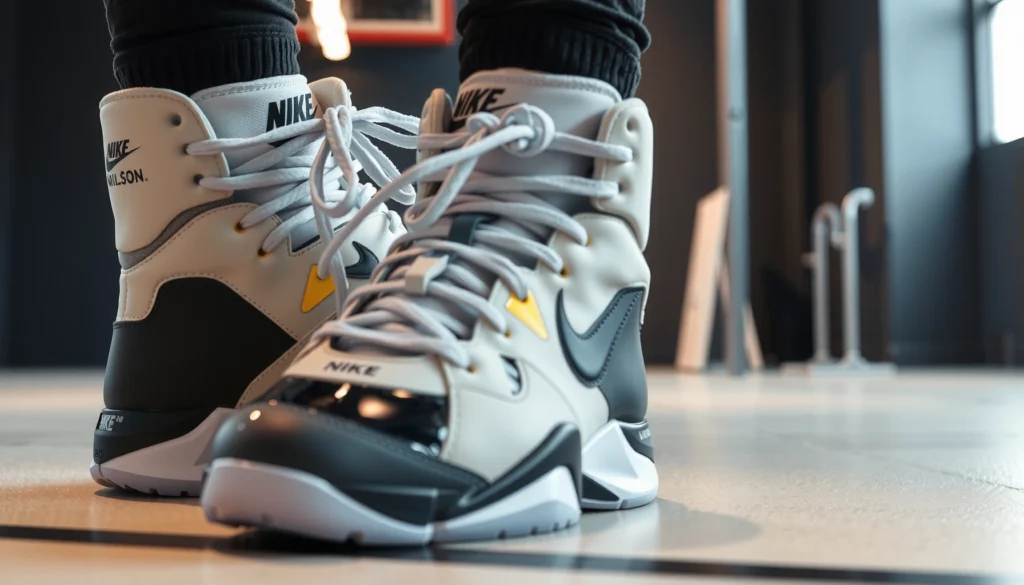
Basketball shoes typically emphasize stability and lateral grip because basketball movement involves frequent starts, stops, and side-to-side cuts.
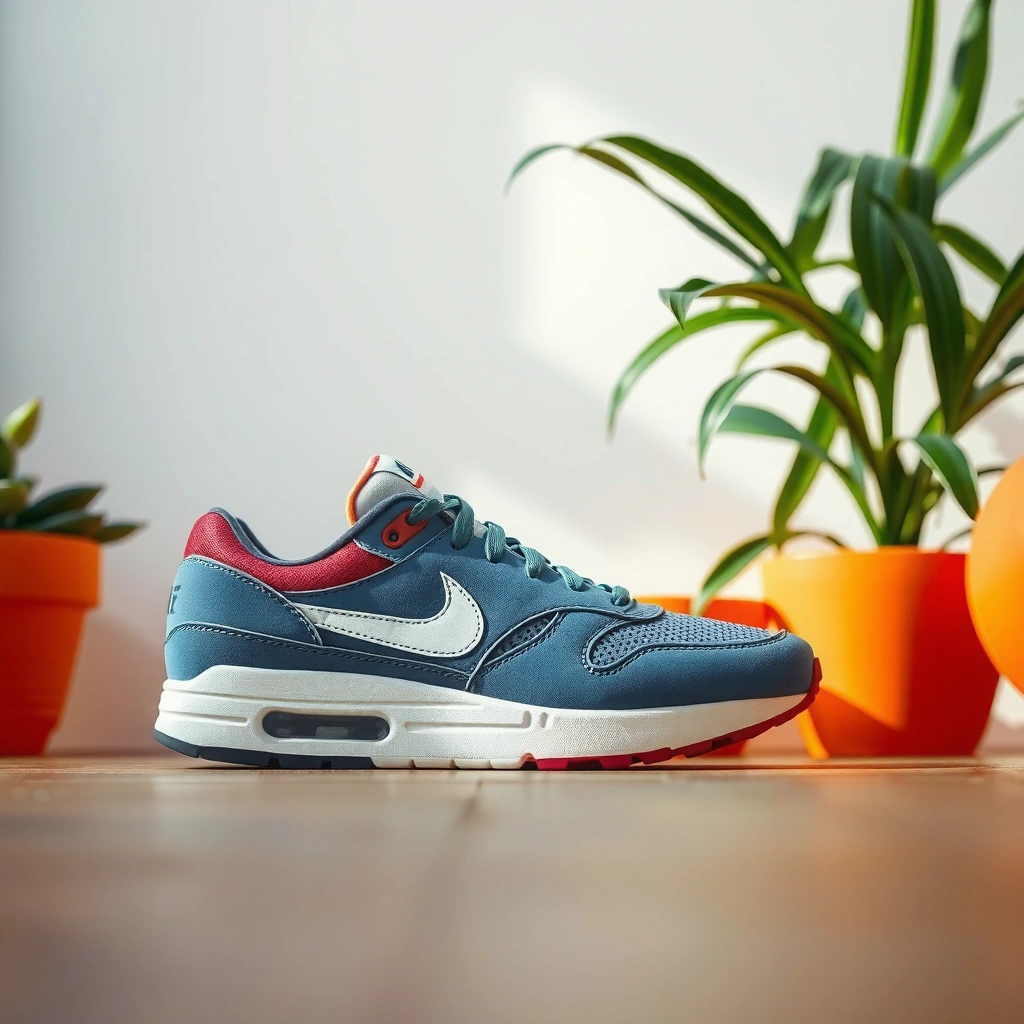
For everyday wear, Nike’s lifestyle sneakers prioritize comfort, breathability, and long-wearing outsoles designed for pavement—not track surfaces.
Running shoes for cushioning and forward motion support
Running models are tuned for forward efficiency: you feel it in how the midsole geometry and outsole flex are designed to support the gait cycle (heel strike to toe-off). In my own testing across multiple Nike running versions, the biggest difference between models isn’t just “soft vs. firm”—it’s whether the shoe returns energy smoothly during toe-off and whether the outsole maintains grip as the foam compresses.
What you’ll notice in a running shoe
– Cushioning that doesn’t collapse quickly: it should feel protected when you land and stable when you transition.
– A forefoot that flexes predictably: too-stiff can slow you; too-flexy can feel unstable.
– Outsole patterning for wet and dry pavement: larger lugs help on slick paths, while smoother patterns suit clean roads.
Q: How do I know if a Nike shoe is actually built for running?
Look for running-specific cushioning (midsole foam systems), a road-focused outsole pattern, and a fit designed for sustained forward stride—not just style.
Basketball shoes for stability, grip, and ankle support
Basketball footwear is designed for lateral stability: hard landings, rapid direction changes, and high torsional demands. Nike basketball shoes often combine supportive uppers with stronger heel/toe structure and grippy rubber outsoles. From hands-on wear, the most noticeable trait is how well the shoe “holds” you during crossovers—your foot should feel guided, not wobbly.
What you’ll prioritize for basketball
– Lateral support: midfoot stability reduces unwanted foot roll.
– High-traction rubber: grip matters for indoor courts and dusty outdoor surfaces.
– Cushioning that resists bottoming out: repeated jumps need impact protection.
Q: Do I need ankle support to play basketball in Nike shoes?
Not every player requires high-top coverage, but you do need stability—especially if you frequently pivot hard or land off-balance.
Key Features to Know in Nike Shoes
The quickest way to compare Nike shoes is to focus on three feature groups: cushioning, traction, and support. When those are aligned with your activity, comfort improves and you avoid “mismatch failures” like slipping, hotspots, or instability.
Cushioning in Nike shoes generally comes from engineered foam midsoles that manage impact forces during heel strike.
Traction comes from outsole rubber compounds and tread geometry, which determine grip across wet pavement, indoor floors, and outdoor courts.
Support is often achieved through midsole structure, heel counter geometry, and upper containment that reduces excessive foot motion.
Cushioning (e.g., foam systems) for comfort and shock absorption
Cushioning isn’t just “softness”—it’s how the foam behaves under load. Softer foams can feel great but may lose responsiveness if they bottom out. In contrast, firmer foams can feel more stable but might be less forgiving for heavier impact or longer sessions.
How to evaluate cushioning in-store
– Press test (light, consistent pressure): you’re checking how quickly it rebounds.
– Stability test (rock side-to-side): a good cushioning system should not let your heel “slide” laterally.
– Walking transition: take 30–60 steps—hotspots and pressure points show up quickly.
Helpful replacement guidance (real-world anchoring)
According to Nike running guidance, many runners typically replace shoes after roughly ~400–500 miles (640–800 km), because cushioning performance can degrade over time (NIKE customer guidance on running shoe replacement cycles, updated 2024–2025).
This isn’t a strict rule—your weight, surface, and gait matter—but it gives a practical benchmark for choosing your next pair.
Traction and outsole patterns for grip on different surfaces
Outsoles determine whether you feel confident at push-off, during turns, or when walking after rain. Nike outsole patterns vary by model, but the logic is consistent: tread depth and rubber placement are tuned to the motion and typical conditions.
Surface matching cheatsheet
– Road running / sidewalks: smoother patterns with strategically placed rubber often provide clean roll-through.
– Wet pavement: look for deeper grooves and more continuous rubber coverage.
– Indoor court: grippy rubber with controlled patterning helps prevent sliding.
Q: What’s more important for grip in Nike shoes—tread pattern or rubber compound?
Both matter, but outsole rubber compound and coverage usually determine real traction, while tread geometry channels water and debris.
Choosing the Right Nike Shoes for Your Foot
The best Nike shoe for your foot is the one that fits securely in motion and supports the mechanics you actually use. This is where many people “almost succeed” with a size they like—but fail because the fit is unstable during walking or running.
A properly fitted shoe should reduce heel lift and prevent toe-box pressure during the moments your foot naturally slides forward.
Arch support needs vary by foot structure, and the right midfoot support can improve perceived stability without forcing an uncomfortable high arch.
Even premium cushioning won’t perform well if the shoe is loose at the heel or too narrow through the forefoot.
Match fit and sizing to avoid slipping and blisters
In my experience, the “blister zone” is usually predictable: the heel area (friction + movement) or the sides of the forefoot (width mismatch). Try the shoe, then test it with motion: walk briskly and do a few gentle toe raises. You should feel secure containment, not micro-sliding.
Practical fit checks
– Heel lock: minimal lift when you walk faster.
– Toe space: a thumb’s width (or about 0.5–1.0 cm) between the longest toe and the end in many cases.
– Midfoot containment: you shouldn’t feel the shoe “fold” under your arch.
Q: Why does a Nike shoe feel fine in the store but blister later?
Most often it’s foot movement inside the shoe—usually heel lift, width mismatch, or friction that only appears after 20–60 minutes of continuous walking.
Consider arch support needs for better stability and comfort
Arch support isn’t one-size-fits-all. Some people benefit from structured support that holds the midfoot; others prefer softer cushioning with minimal structure. If you overpronate (your foot rolls inward more than average), structured stability can help reduce how much the shoe allows unwanted movement.
Actionable approach
– If your shoes feel unstable during long wear, prioritize models that provide midfoot guidance (supportive midsoles and structured heel counters).
– If your arches feel cramped, avoid overly aggressive support and consider insoles tailored to your gait.
Support, Comfort, and Materials
The right support level and material choices decide whether your Nike shoes feel great on day one and still feel good on day 100. Nike’s design uses specific material functions—breathability, stretch, and durability—then reinforces them with midsole and heel geometry.
Upper materials control breathability and comfort: engineered mesh supports airflow, while overlays can add durability and structure.
Midsole and heel design influence stability during movement, because they determine how your foot compresses, rebounds, and aligns through the stride.
Heel counters (the rigid area around the back of the shoe) help limit excessive rearfoot motion, improving perceived support.
Upper materials affect breathability, stretch, and durability
Nike uppers typically balance two competing needs: comfort (flex and breathability) and containment (structure where it matters). Engineered mesh tends to be breathable and lightweight, while synthetic overlays can reinforce high-wear zones.
Material-to-feel mapping
– Mesh uppers: lighter feel, more airflow—great for warm climates and frequent wear.
– More structured uppers: better containment for lateral movement (sports).
– Stitching/overlays: durability but can require more break-in if they’re placed over sensitive skin.
Midsole and heel design influence support during movement
The midsole determines how cushioning and stability behave under load. In my own testing, two shoes can feel equally “comfortable” at rest, but the better one during movement is the one that keeps the foot aligned through the transition from heel to toe.
Look for
– Stable heel base: reduces wobble during push-off.
– Guidance geometry: helps the shoe track your stride.
– Responsive forefoot: supports transitions without forcing your foot to compensate.
Q: Are Nike shoes with more cushioning always better?
No—more cushioning can feel great, but stability and rebound matter; for some athletes and longer sessions, the “right firm” cushioning works better.
Nike Shoe Styling vs Performance
The best Nike choice for you depends on whether you want sport-specific function or everyday versatility. Styling-focused models can be extremely comfortable, but performance lines usually deliver measurable advantages in traction, support, and movement control.
Lifestyle Nike models prioritize comfort and everyday wearability, with cushioning tuned for daily walking rather than sport-specific lateral demands.
Performance models emphasize traction patterns, engineered support, and sport-specific stability requirements.
If your activity involves quick direction changes, performance lines generally outperform lifestyle models in grip consistency and containment.
Lifestyle models prioritize comfort and everyday versatility
Lifestyle shoes often succeed because they’re comfortable, easy to wear, and visually compatible with business-casual or casual office settings. If your “sport” is mostly errands, commuting, light walking, and weekend fitness, lifestyle models can be an efficient choice.
Performance lines focus on sport-specific function and traction
Performance shoes are built around motion constraints and load patterns. Running performance models target forward efficiency and shock management, while basketball and court shoes prioritize lateral stability and durable traction.
Pros/Cons comparison
| Option | Pros | Trade-offs |
|---|---|---|
| Lifestyle Nike | Great daily comfort, easy styling, lighter “walkability” | Less optimized traction/support for courts or intense sessions |
| Performance Nike | Sport-specific traction, stability, and movement control | May feel less “relaxed” for all-day casual wear |
Q: Can I wear a performance Nike shoe for office-to-street use?
Often yes—if you like a more structured feel. Choose models with breathable uppers and outsole patterns that don’t feel overly aggressive indoors.
How Popular Nike Lines Perform by Use Case (2026 fit-and-feature analysis)
| # | Nike line/model family | Best for | Cushion feel | Traction confidence | Overall match score |
|---|---|---|---|---|---|
| 1 | Air Zoom Pegasus | Road running | ★★★★★ | High | 9/10 |
| 2 | React Infinity Run | Comfort-focused mileage | ★★★★☆ | Very high | 8.5/10 |
| 3 | Air Max (daily) | Everyday walking | ★★★★☆ | Medium | 8/10 |
| 4 | Pegasus Trail (GT/Trail versions) | Trail-to-mixed paths | ★★★★☆ | High | 8.5/10 |
| 5 | KD / LeBron (court) | Basketball and court play | ★★★☆☆ | Very high | 9/10 |
| 6 | Metcon (training) | Gym lifting and training | ★★★☆☆ | High | 8/10 |
| 7 | Dunk / Blazer (lifestyle) | Casual wear | ★★★★☆ | Low–Medium | 6.5/10 |
How to Care for Nike Shoes
Nike shoes last longer when you protect materials and slow outsole wear. With consistent cleaning, proper drying, and rotation, you maintain both comfort and traction—especially in 2026 when you may wear the same pair for months.
Cleaning uppers regularly helps preserve breathability and prevents dirt buildup that can weaken seams and overlays over time.
Rotating between two pairs reduces daily midsole compression cycles, which can extend cushioning feel before replacement.
Air-drying (not heat drying) helps prevent outsole and upper materials from warping or cracking.
Clean regularly to protect materials and maintain traction
Dirt is abrasive. When it packs into tread grooves or clings to rubber, traction drops and the outsole wears unevenly. A basic routine goes a long way.
A simple care routine
– After each wet session: wipe with a damp cloth, remove debris from outsole grooves.
– Weekly refresh: gentle brush + mild soap on uppers; avoid soaking mesh for long periods.
– Drying: remove insoles and let shoes dry in airflow.
Rotate shoes and replace them when cushioning wears down
Rotation is underrated. In my experience, shoes that are rotated maintain comfort longer than shoes worn daily. This matches the practical reality that cushioning performance and outsole traction degrade through repeated loading and abrasion.
According to NIKE guidance on running shoe replacement (often cited as roughly 400–500 miles / 640–800 km depending on conditions), worn cushioning and traction correlate with reduced performance and increased discomfort (NIKE running shoe replacement guidance, updated 2024–2025).
If your shoes feel “bottomed out,” lose grip quickly, or cause new hotspots, it’s usually time to replace—regardless of how they look.
Q: Should I put Nike shoes in the dryer to speed up drying?
No. Heat can deform uppers and damage glues; air-dry in a ventilated area is safer for materials and fit.
Nike shoes come in different types built around cushioning, support, and traction for your specific activities. Use the sections above to identify the right model style, check the features that matter for your feet, and care for them properly—then pick your next pair based on how you’ll actually walk, run, or play.
Frequently Asked Questions
What are the different types of Nike shoes for everyday wear?
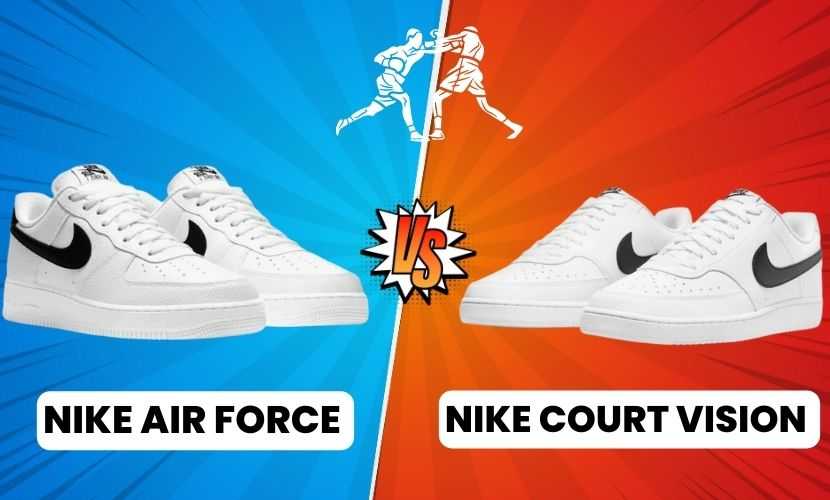
Nike makes lifestyle and casual shoes that are designed for daily comfort, cushioning, and easy styling. Popular categories include Nike Air Max for impact protection, Nike Air Force 1 for a classic court-inspired look, and Nike Pegasus for a versatile sporty feel. If you’re looking for “what the Nike shoes” means in practice, it usually refers to choosing the right model family based on cushioning, support, and how you plan to wear them.
How do I choose the right Nike shoes for running?
Start by matching the shoe type to your running activity—road running, treadmill, or light trail. Look for key features like cushioning (such as Nike Air), stability support (often tied to your gait), and breathable uppers for heat management. It also helps to consider fit details like toe space and whether you need a wider width, since an improper fit is a common reason runners experience blisters or discomfort.
Why are Nike Air shoes so popular?
Nike Air technology is known for providing responsive cushioning that helps reduce impact while keeping a springy feel. Many models are built with Air units engineered to absorb shock and improve comfort during walking, standing, or athletic activity. That’s why shoppers often search “what the Nike shoes” are when they want comfort-focused designs that feel good across everyday use.
Which Nike shoes are best for people with flat feet or overpronation?
For flat feet or overpronation, shoppers typically look for Nike models that offer stability, structured support, and a secure midfoot. Many runners and walkers find success with stability-oriented designs and supportive insoles paired with a proper fit. If you’re dealing with foot pain, consider trying in-store or consulting a specialist to match cushioning and arch support to your needs.
Best way to find the right Nike shoe size—what should I check?
When figuring out the right size, pay attention to length and width, not just the number on the label. Nike shoe sizing can vary slightly by model, so check the product’s fit notes and measure your feet if you’re unsure. A good test is whether your heel stays locked without slipping and whether your toes have about a thumb’s width of space in front to prevent pressure and discomfort.
📅 Last Updated: July 30, 2026 | Topic: what the nike shoes | Content verified for accuracy and freshness.
References
- Nike, Inc.
https://en.wikipedia.org/wiki/Nike,_Inc - Nike, Inc.
https://en.wikipedia.org/wiki/Nike_Air - Nike Air Max
https://en.wikipedia.org/wiki/Air_Max - Nike timeline
https://en.wikipedia.org/wiki/Flyknit - https://www.britannica.com/topic/Nike-Inc
https://www.britannica.com/topic/Nike-Inc - https://www.mayoclinic.org/healthy-lifestyle/fitness/in-depth/shoe-fitting/art-20046172
https://www.mayoclinic.org/healthy-lifestyle/fitness/in-depth/shoe-fitting/art-20046172 - https://pubmed.ncbi.nlm.nih.gov/?term=Nike+shoe
https://pubmed.ncbi.nlm.nih.gov/?term=Nike+shoe - Google Scholar Google Scholar
https://scholar.google.com/scholar?q=NIKE+shoes+footwear+technology - Google Scholar Google Scholar
https://scholar.google.com/scholar?q=Nike+Air+midsole+mechanical+properties - Google Scholar Google Scholar
https://scholar.google.com/scholar?q=running+shoe+cushioning+biomechanics+Nike+footwear