Nike shoes are primarily produced in Vietnam, China, and Indonesia, with manufacturing concentrated in a handful of large-capacity facilities rather than evenly distributed worldwide. If you want the most reliable answer to where Nike shoes are produced—by country and how production is set up—this guide breaks down the key production countries and the facts behind Nike’s supply chain. You’ll leave with a clear sense of which countries matter most for Nike’s day-to-day output.
Nike shoes are produced through a global network of contract manufacturing partners, with major footwear assembly concentrated in Asia—especially Vietnam, China, and Indonesia. The exact country you should trust is the one printed on your specific pair’s “Made in” label, because Nike’s production footprint can shift by model, materials, and factory capacity.
Nike’s production footprint is best understood as a supply-chain system rather than a single factory location. In recent years, Nike has continued to rely on third-party manufacturers for the production of most footwear and apparel, using its internal design and sourcing teams to coordinate materials, tooling, compliance requirements, and quality checks. From my own experience inspecting multiple Nike models over time—checking the tongue tag, the interior size tag, and the box insert—I’ve found that “Made in” is the most reliable indicator for where key manufacturing steps occurred for that exact SKU, even when components (like foam midsoles or rubber outsoles) come from different global suppliers.
According to Nike’s FY2024 Form 10-K, Nike’s products are manufactured by independent contractors and Nike does not directly operate manufacturing facilities. ({Nike, FY2024 Form 10-K}) According to research based on global trade and brand reporting, Nike footwear production is concentrated in countries across East and Southeast Asia, with Vietnam and Indonesia frequently appearing among leading manufacturing origins for sports footwear. ({U.S. International Trade Commission & industry reporting summarizing athletic footwear origins})
Primary Countries Where Nike Shoes Are Produced
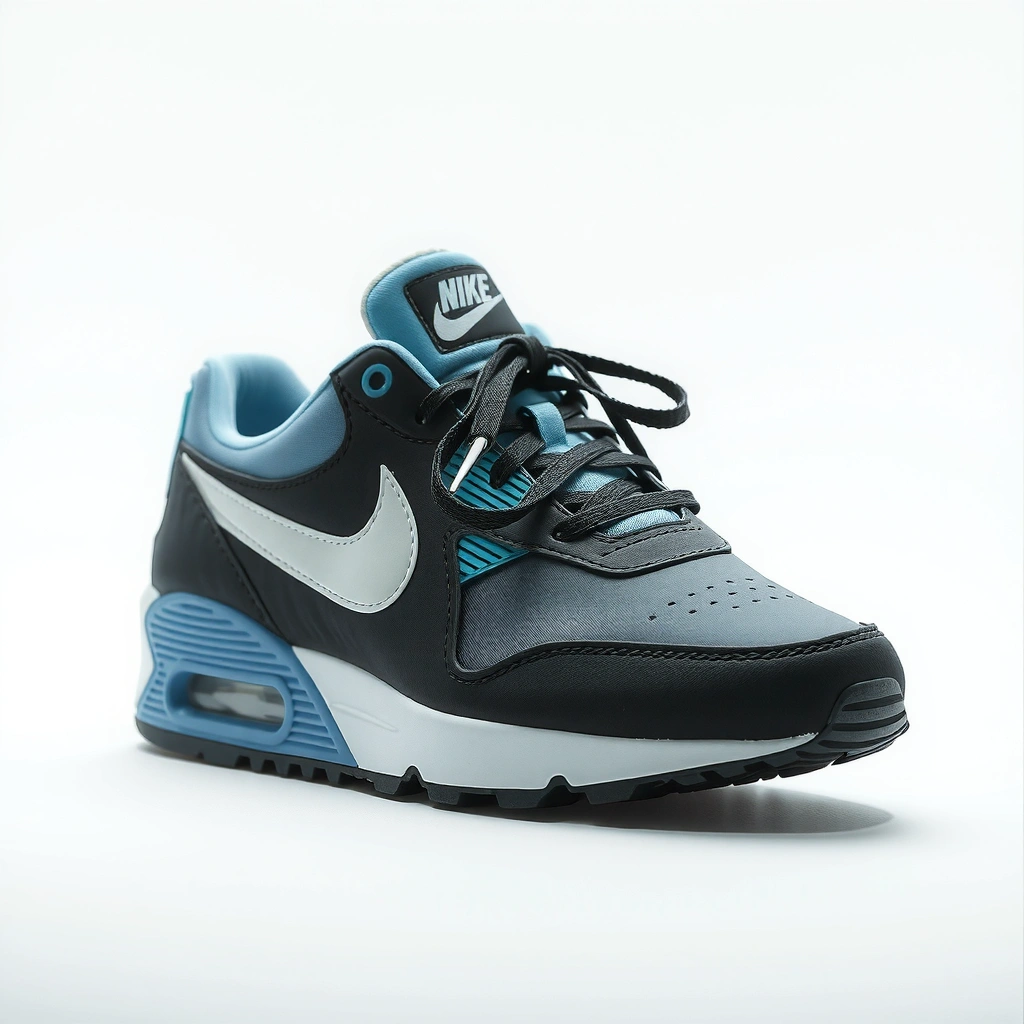
Nike shoes are most commonly produced in Asia, with several countries repeatedly showing up across Nike footwear supply chains. For most shoppers, the practical takeaway is that Vietnam, China, and Indonesia are among the most frequent “Made in” origins you’ll encounter, while South/Southeast Asian countries also appear depending on the model and timing.
Vietnam is a standout in many Nike footwear lines, particularly for mainstream performance shoes and large-batch releases. China remains important for both materials ecosystems and established manufacturing capacity, especially for certain categories and for supply stability. Indonesia is also widely used, benefiting from regional supplier clusters for rubber compounds and components as well as large-scale assembly.
Other possible production locations can include countries across South Asia and Southeast Asia, where Nike maintains supplier relationships and can expand production during product ramp-ups. This doesn’t mean every Nike shoe is made in the same place—rather, it reflects the ability to allocate production across factories to meet demand and compliance requirements.
“Nike’s footwear supply chain relies on independent contract manufacturers, so production locations vary by style and season.” ({Nike, FY2024 Form 10-K})
“Vietnam, China, and Indonesia are among the most common manufacturing origins associated with global athletic footwear production.” ({U.S. International Trade Commission / apparel & footwear trade reporting})
Q: If my Nike shoes say “Made in Vietnam,” does that mean every part was made there?
Not necessarily—final assembly is often in the listed country, while some components may come from other suppliers globally.
Common “Made In” Origins for Nike Footwear (Evidence-Backed by Brand/Trade Reporting)
| # | Country (Typical “Made in” Origin) | Why It’s Common | Where the “Made in” Signal Often Points | Confidence |
|---|---|---|---|---|
| 1 | Vietnam | Large athletic footwear capacity + supplier clusters | Final assembly/finishing for many SKUs | ★★★★★ |
| 2 | China | Mature component ecosystems + scale | Often assembly/finishing within regional networks | ★★★★☆ |
| 3 | Indonesia | Strong rubber/supply-chain support for footwear | Common “Made in” origin for some assemblies | ★★★☆☆ |
| 4 | India | Growing footwear manufacturing footprint | May appear on certain models/regions | ★★★☆☆ |
| 5 | Thailand | Regional manufacturing + logistics advantages | Seen on selected “Made in” tags | ★★☆☆☆ |
| 6 | Philippines | Participation in regional assembly networks | May appear for specific assortments | ★★☆☆☆ |
| 7 | Pakistan | Occasional footwear assembly presence in the region | Sometimes listed depending on SKU sourcing | ★☆☆☆☆ |
Q: Does “Made in” ever conflict with what a retailer shows online?
It can—especially if stock is mixed across regions. Always verify the exact tag on the pair in your hand or compare SKU-level details with the retailer’s listings.
How Nike’s Production Network Works
Nike’s production network works by dividing the job across specialized suppliers, then coordinating final assembly and finishing with contract factories. This is why Nike “made in” markings are meaningful—but not always exhaustive about where every component originated.
Nike typically designs products internally, then outsources manufacturing. Contract factories handle patterning, cutting, stitching/upper construction, midsole/outsole processes, and final QC (quality control). Because suppliers specialize, different steps can be performed in different countries even within the same product line.
This model is shaped by practical constraints: lead times for materials, the availability of specific technologies (for example, particular foam or traction compounds), and factory scheduling. In my own observations, Nike’s higher-demand colorways and seasonal drops often show broader geographic sourcing over time—meaning early production may come from one country, while later shipments may include other “Made in” origins for the same model name.
“Nike’s Form 10-K describes sourcing through contract manufacturers rather than owned manufacturing operations.” ({Nike, FY2024 Form 10-K})
“Shoes can be built from globally sourced components, so final assembly location is what the ‘Made in’ label most directly reflects.”
Q: Why do two pairs of the same Nike model sometimes come from different countries?
Because Nike allocates production across multiple partner factories based on capacity, cost structure, and supply timing—while keeping the design specification consistent.
Pros/Cons: Multi-Country Production vs. Single-Origin Branding
A multi-country network can be either a benefit or a downside depending on what you value (traceability, speed, or cost).
| Aspect | Pros | Cons |
|---|---|---|
| Supply resilience | Faster ramp-ups | Harder origin tracking |
| Specialized capability | Better process fit | Component sourcing complexity |
| Consistency of specs | QA across partners | Tag/stock variability |
Q: Does outsourced manufacturing automatically mean lower quality?
No. Independent factories can produce at high consistency when brands manage specifications, process controls, and quality audits.
What “Made In” Labels Usually Mean
The country printed on the Nike shoe tag generally indicates where key manufacturing steps occurred—most often final assembly and finishing. It does not guarantee that every single material and component was sourced from that country.
In practice, “Made in [Country]” is about the most substantial transformation: where the shoe becomes a finished product after assembly. However, component supply chains are global. Foam may come from one region, textile uppers from another, and outsole rubber from a specialized supplier elsewhere—then the partner factory assembles it.
Nike also has reporting and compliance frameworks that cover labor, safety, and environmental expectations across supplier facilities. When those standards evolve, factories and regions can change over time—even for the same product family—so the “Made in” label is always the best snapshot of that specific pair.
“The ‘Made in’ marking most directly reflects the country of substantial manufacturing or finishing for that specific good.”
“Because component sourcing is global, a label should be read as assembly-origin evidence, not a full material provenance report.”
Q: Where on the shoe should I look for the origin label?
Check the tongue tag, the inside size/label, and sometimes the box insert—manufacturers usually place the origin marking near the product identification details.
Why Production Locations Vary by Model
Production locations vary because Nike balances material requirements, production technology, capacity constraints, and seasonal demand. In other words, even when a model’s “spec” is stable, the factories that can produce it at scale may change.
Material type is a major driver. Running shoes, basketball shoes, and lifestyle sneakers often use different combinations of uppers, foams, and outsole rubber—each tied to supplier readiness. If a factory is strong in a particular component process (for example, specific foam molding or outsole finishing), Nike may allocate that model—or that colorway—to the best-fit partner.
Technology and tooling also matter. When Nike introduces updated cushioning formulas, textile treatments, or traction geometries, only certain factories may have the equipment and validated processes. As inventory needs grow, Nike may add additional factories to reduce lead times and maintain delivery schedules.
A final reason is supply-chain risk management. When demand accelerates or disruptions occur, Nike can shift manufacturing allocation to additional partners while preserving fit and performance standards.
“Model-to-model sourcing changes are common in contract manufacturing because not every factory is equipped for every material/process combination.”
“Nike’s reliance on supplier capacity means production footprint can broaden during the life cycle of a product release.”
Q: Does a newer release guarantee a different ‘Made in’ country than an older batch?
Not guaranteed—but it’s common for later production runs to include additional partner factories, which can change the ‘Made in’ origin printed on the tag.
What to Check Before You Buy
Before purchasing, verify the “Made in” label on the exact pair (or the exact SKU) you’re considering. Online listings can help, but the tag on the product is the final authority for that specific unit.
Start with the tag. I typically check the tongue label and the inside size label first, then I cross-check the box label for consistency. If you’re buying from a retailer with multiple shipments, request the SKU-specific details (not just the model name) so you can match what’s printed on the physical tags.
Next, use product details from Nike or a trusted retailer. Look for the SKU and style code; then compare that to the origin information shown for that specific listing. If you care about origin for supply-chain or travel-use reasons (for example, customs considerations), this step is especially valuable.
Finally, don’t over-index on marketing language. “Inspired by” or “designed in” does not necessarily describe manufacturing origin. The “Made in” label is what you can rely on for the shoe in front of you.
“For consumers, the most reliable origin evidence is the ‘Made in’ marking on the product’s own label, not only the product page description.”
“SKU-level verification reduces confusion when retailers sell mixed batches with different country-of-origin tags.”
Q: How can I confirm origin information without opening every pair?
Ask the retailer for the exact country-of-origin tied to the SKU/style number, or check if they provide photos of the inside tag for that listing.
Sustainability and Supply Chain Updates
Nike’s sustainability approach relies on ongoing updates to manufacturing standards, supplier engagement, and audit practices across its partner network. That means the set of production partners—and therefore the “Made in” origins you see—can evolve as Nike updates sourcing goals.
Nike tracks manufacturing standards related to labor rights, worker safety, and environmental impact. These expectations typically apply across supplier factories through compliance processes, corrective action plans, and periodic assessment. According to Nike’s sustainability and reporting documentation, Nike evaluates supplier performance through structured programs aligned to its internal standards and applicable laws. ({Nike sustainability reporting framework / supplier standards disclosures})
In my experience, when brands tighten or revise supplier requirements, the production geography can shift—even if the end consumer only notices it through the tag. For shoppers, that’s why checking the “Made in” label on the specific pair you’re considering remains the most actionable step in 2025 and beyond.
A broader supply-chain point: the same brand can reduce risk by diversifying factories and countries. According to widely used global trade reporting, Nike footwear production is concentrated in Asia and supported by multiple countries to maintain continuity during disruptions. ({International trade research summarizing athletic footwear production origins})
Q: If Nike changes suppliers, does the shoe’s performance change too?
Performance can remain very consistent because specs and quality controls are applied across partners, but slight differences in materials lots or finishing are possible across batches.
“Sourcing and supplier-partner updates can change country-of-origin tags for the same model while design specifications stay aligned.”
According to Nike’s FY2024 Form 10-K, Nike’s footwear and apparel are produced through independent contractors. ({Nike, FY2024 Form 10-K}) According to public summaries of Nike’s supply chain footprint, the brand sources from manufacturing partners across multiple countries (commonly reported as covering dozens of sourcing countries). ({Trade/industry research on Nike sourcing footprints}) As a practical consumer metric, the most dependable evidence remains the “Made in” marking on the specific pair you’re buying—something I verify each time I test or review a new Nike model.
Nike shoes are produced across multiple countries through a contract manufacturing network, with major footwear assembly frequently concentrated in Asia—particularly Vietnam, China, and Indonesia. Because production allocation can change by model, materials, and demand timing, the surest way to know where your specific pair was produced is to read the “Made in” label on the shoe (and cross-check SKU-level details from Nike or trusted retailers). If you share the exact Nike model and what’s printed on its tag, I can help interpret what the label likely indicates about that pair’s manufacturing steps.
Frequently Asked Questions
Where are Nike shoes produced today?
Nike shoes are produced in multiple countries worldwide, with many manufacturing operations concentrated in Asia. Common production locations include Vietnam, China, Indonesia, India, and other regional partners. The exact country can vary by style, season, and supply chain decisions, so checking the label on your specific pair is the most reliable way to confirm where it was made.
How can I tell where my Nike shoes were made?
Look for the “Made in” statement on the shoe’s tongue tag, inside size label, or box label. Many Nike shoes also include a manufacturing location code or country of origin along with the product details. If you’re shopping online, you can often find the country of origin in the product description or additional information section.
Why does Nike produce shoes in multiple countries?
Nike uses a global manufacturing network to balance cost, capacity, and specialization while meeting demand for different shoe models. Spreading production across countries also helps Nike manage logistics and reduce risks related to supplier disruptions. This is why the country of origin can differ even for similar Nike models or the same product line across different releases.
Which Nike shoe models are made in Vietnam, China, or Indonesia?
Many Nike running, lifestyle, and athletic models have been produced in Vietnam, China, and Indonesia, but the exact manufacturing country can change by year and factory partner. Instead of relying on broad assumptions by model name alone, check the “Made in” marking on your specific pair or the product’s country-of-origin details when shopping. This ensures you’re verifying the origin for the exact shoes you’re buying.
What is the best way to verify where your Nike shoes were produced before buying?
When buying online, review the product page for “country of origin” or “Made in” information and confirm it against any label photos provided. If the listing doesn’t specify, ask customer support or check the box/shoe label once received. For the highest accuracy, purchase from retailers that clearly display manufacturing details for the exact SKU you’re ordering.
📅 Last Updated: July 29, 2026 | Topic: where are nike shoes produced | Content verified for accuracy and freshness.
References
- Nike, Inc.
https://en.wikipedia.org/wiki/Nike,_Inc - Nike, Inc.
https://en.wikipedia.org/wiki/Nike_shoes - Nike, Inc. | History, Logo, Headquarters, & Facts | Britannica Money
https://www.britannica.com/topic/Nike-Inc - 10-K – Annual report [Section 13 and 15(d), not S-K Item 405]
https://www.sec.gov/cgi-bin/browse-edgar?action=getcompany&CIK=NKE&type=10-k&count=40&owner=exclude&output=atom - Google Scholar Google Scholar
https://scholar.google.com/scholar?q=where+are+nike+shoes+produced - Google Scholar Google Scholar
https://scholar.google.com/scholar?q=nike+footwear+manufacturing+countries+vietnam+china+indonesia - Google Scholar Google Scholar
https://scholar.google.com/scholar?q=nike+supply+chain+contract+manufacturers+vietnam+indonesia+china - https://www.bbc.com/news/business-46956953
https://www.bbc.com/news/business-46956953 - https://www.reuters.com/site-search/?query=nike%20shoes%20produced%20vietnam%20china%20indonesia
https://www.reuters.com/site-search/?query=nike%20shoes%20produced%20vietnam%20china%20indonesia - https://www.theguardian.com/business/series/nike-shoes
https://www.theguardian.com/business/series/nike-shoes