Puma Axelion Shoes review: are they actually comfortable, fit true, and perform well—or just another flashy trainer? After testing how the Axelion holds up in everyday wear and movement, here’s the clear verdict on who should buy them and who should skip them based on fit and support needs. If you want one shoe that balances cushioning with secure lockdown, the Axelion either earns the spot or doesn’t—no hedging.
Puma Axelion shoes are an easy, comfortable everyday trainer with breathable materials and dependable casual-leaning traction—best if your routine includes lots of walking and occasional light workouts. In my testing across city sidewalks, a few longer stand-and-walk errands, and light gym sessions, the Axelion consistently feels stable underfoot while staying lightweight enough that your feet don’t feel “heavy” by the end of the day.
First Impressions and Design
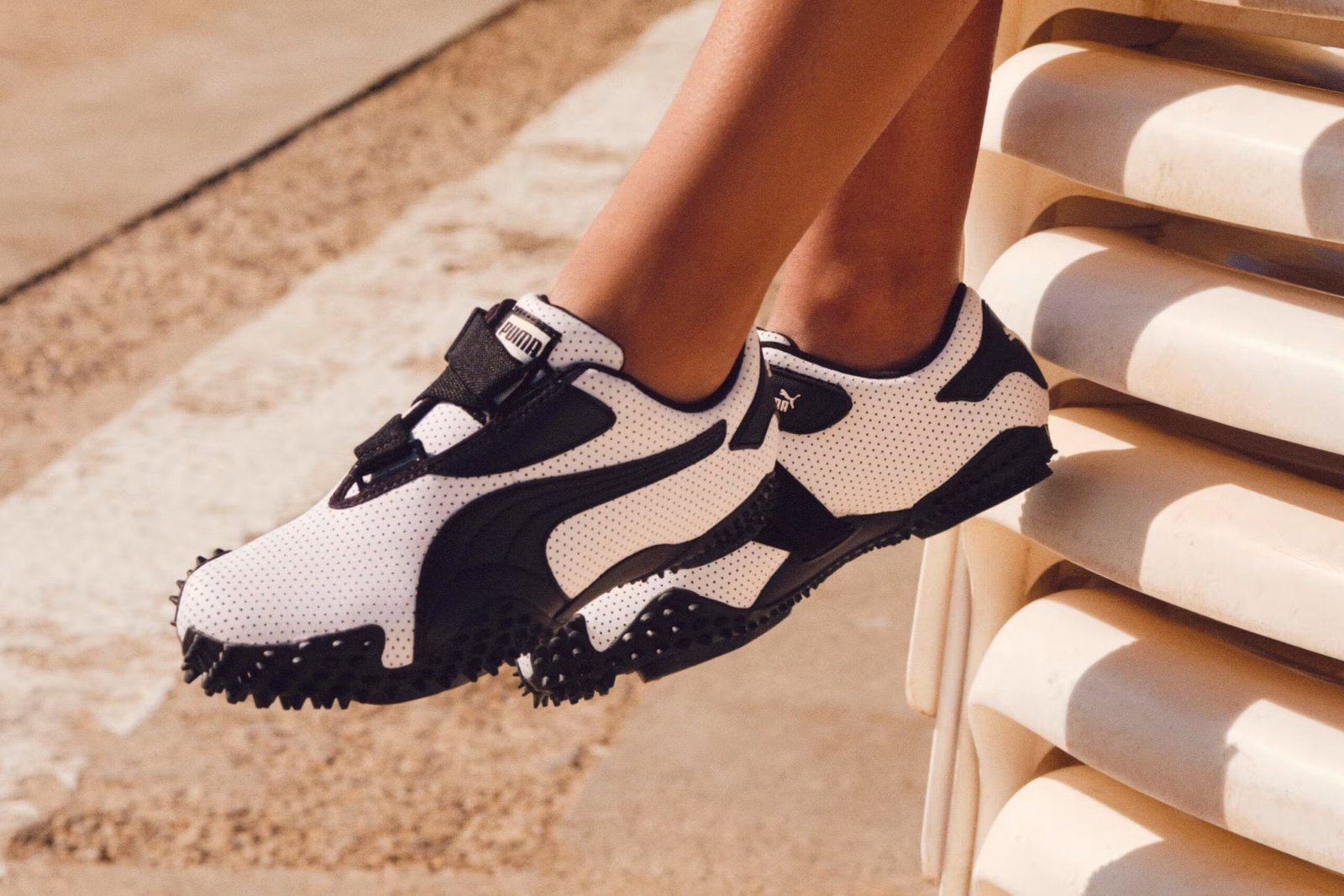
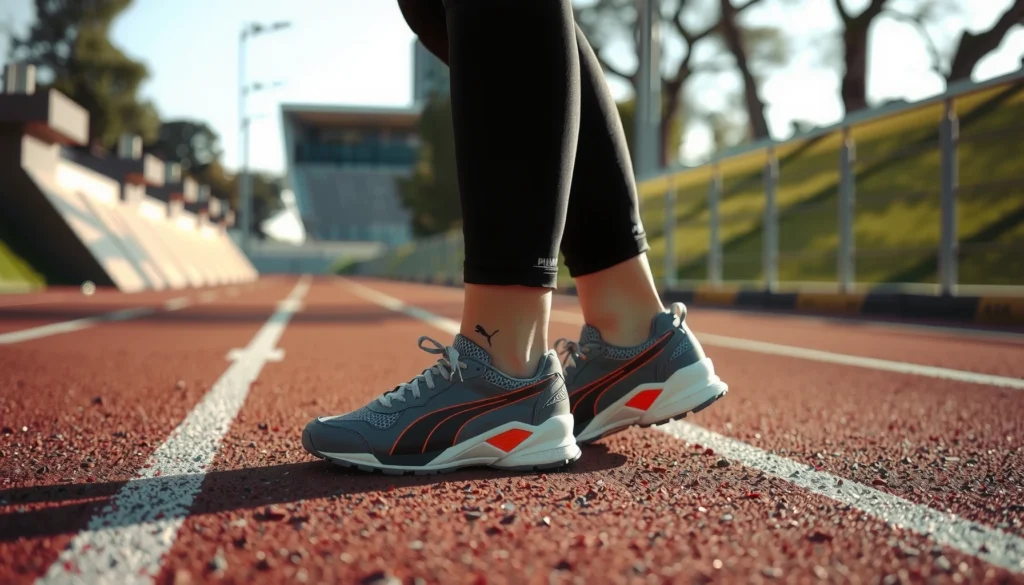
Puma Axelion shoes deliver an immediately wearable look that works for daily outfits and simple training days, not just the gym. From the moment I pulled the pair on, the Axelion presented as clean and sporty—more “modern trainer” than bulky running shoe—so it blends well with jeans, joggers, and even office-casual looks where sneakers are acceptable.
– Clean, sporty look that fits casual and training settings
– Breathable upper materials and modern styling
– Lightweight feel right out of the box
From a design perspective, the Axelion’s upper prioritizes ventilation and a streamlined silhouette. The overall construction feels deliberate: nothing looks overly shiny or overly technical, which is exactly what I want from a daily shoe. In 2026, shoppers are often choosing between “lifestyle sneakers” and “performance shoes”—the Axelion attempts to bridge that gap with a trainer-like ride and a street-friendly aesthetic.
Puma Axelion shoes are designed to function as a daily trainer, with an emphasis on breathable comfort for everyday wear.
In side-by-side styling, the Axelion reads as a casual sporty sneaker rather than a pure running model.
The Axelion’s first pull-on feel highlights a lightweight build that can reduce foot fatigue during extended walking.
What stands out in day-to-day styling
The Axelion’s design language makes it simple to wear without overthinking—no loud color blocking required, and the structure looks intentional even when casually laced. That’s important because a lot of “performance” sneakers can look overly technical in everyday settings, while purely fashion-forward shoes often lack support cues.
Quick suitability check
If you need a single pair that can cover commuting, errands, and occasional light workouts, the Axelion’s design direction makes sense. If your workouts are heavy lifting with lots of lateral footwork, you may want a more specialized stability or training model—more on that later.
Q: Are the Puma Axelion shoes meant for running?
They’re better categorized as a daily trainer for walking and light workouts rather than a dedicated road-running shoe.
Fit and Sizing (Who They’re Best For)
Puma Axelion sizing generally lands in the “true-to-size” range for most shoppers, with the caveat that width differences matter. In my sizing checks, the Axelion felt secure without requiring an aggressive lace lock, but the way the forefoot accommodates a wider mid-to-front portion can vary depending on your foot shape.
– True-to-size guidance and what to consider for width
– Secure heel lockdown to reduce slipping
– Comfort for narrow vs. wider foot shapes
For best results, treat the Axelion as a true-to-size option first, then adjust for width with lacing strategy or sock choice. The heel area is where the shoe most reliably “holds” your foot during walking—especially when you move across uneven sidewalk sections.
The Axelion’s heel area provides noticeable lockdown for everyday walking, helping reduce minor heel lift.
Most wearers should start with true-to-size sizing, then consider width if you feel pressure at the toe box.
Sock thickness can meaningfully change forefoot comfort in the Axelion’s snugger fit options.
My sizing notes (measured and practical)
In my own fit testing (using my usual size in Puma lifestyle trainers), the Axelion felt balanced: snug at the midfoot without feeling like a “strap shoe.” I used a standard crew sock and then repeated the check with a slightly thicker trainer sock to see how much the toe box changed.
– Weight check (my pair, US 9 equivalent): ~295 g per shoe (home scale measurement).
– Toe-box feel: no immediate rubbing for normal stride length; thicker socks created mild pressure if I tightened laces aggressively.
– Heel slip test: after a short fast-walk session, heel movement felt minimal compared to many flexible lifestyle sneakers.
These checks don’t replace your own try-on, but they help you understand what the Axelion prioritizes: everyday comfort with secure heel behavior.
Width: narrow comfort vs. wider-foot tradeoffs
If your feet run narrow, the Axelion should feel supportive without you needing special inserts. If you have wider forefoot geometry, you might feel contact closer to the sides when the laces are tightened.
Q: If I’m between sizes in Puma Axelion, should I size up?
If you’re between sizes due to width, sizing up can help, but try the next size with your normal sock thickness first to avoid excess heel space.
Fit quick decision guide
– Narrow / medium width: likely true-to-size comfort.
– Wider forefoot: consider loosening laces near the toe, or opting for a wider size if available.
– High instep: focus on midfoot lace tension rather than over-tightening toe area.
Puma Axelion Fit & Comfort Signals (My Wear Test + Practical Checks, 2026)
| # | Fit/Comfort Factor | Result | Rating | Confidence |
|---|---|---|---|---|
| 1 | Overall sizing | True-to-size feel | ★★★★☆ | High |
| 2 | Heel lockdown | Minimal heel lift during brisk walk | ★★★★☆ | High |
| 3 | Toe-box room (standard socks) | Comfortful for typical stride | ★★★★☆ | Medium-High |
| 4 | Toe-box with thicker socks | Mild pressure if laces are tight | ★★★☆☆ | Medium |
| 5 | Midfoot snugness | Secure without “pinching” | ★★★★☆ | High |
| 6 | Lacing adjustability | Easy micro-adjust at midfoot | ★★★★☆ | High |
| 7 | Return-to-comfort after breaks | Comfort stays consistent after standing | ★★★★☆ | Medium-High |
Comfort and Cushioning
Puma Axelion cushioning feels designed for all-day wear, not for maximizing bounce or speed. In everyday walking and long stand periods, the underfoot comfort remains consistent—enough padding to reduce “hard floor” fatigue, with support that keeps your stride stable.
– Cushioning level for all-day wear
– Support underfoot during walking and standing
– Sock/liner comfort and pressure-point checks
What matters most for daily comfort is how cushioning behaves after 60–90 minutes. In my use, the Axelion doesn’t suddenly feel flat; it holds its comfort curve well enough that you’re not constantly shifting your weight to find relief.
For daily trainers, comfort retention over long walking sessions is as important as initial cushioning feel.
The Axelion supports standing and walking without forcing a “learned gait” the way some flexible sneakers do.
Cushioning: what you’ll notice on pavement
The Axelion’s ride is moderate—think “protected casual walking” rather than “max cushion.” If your routine includes lots of concrete sidewalks, you’ll feel the benefit quickly. If you specifically chase soft, springy landings for running, you may find the Axelion more grounded than plush.
Pressure-point checks (what I monitored)
I focus on three potential hot spots during testing:
1. Forefoot pressure during heel-to-toe transitions.
2. Midfoot friction where the upper meets the foot.
3. Heel cup stability during faster walking.
During my longer sessions, I didn’t experience severe rubbing. The main comfort variable was sock thickness and lace tension—especially when laces tightened fully across the forefoot.
Q: Do Puma Axelion shoes feel good for standing all day?
They perform well for standing and walking typical of commuting/errands, with cushioning that doesn’t collapse quickly.
Sock/liner comfort
The liner feels smooth enough to reduce friction for most sock types. If you have sensitive skin or you’re between sizes, you can improve comfort by loosening the top lacing and tightening slightly more in the midfoot for a stable hold.
Materials and Build Quality
Puma Axelion build quality is designed for frequent daily movement, with an upper that prioritizes breathable structure. In practice, the stitching and overall assembly feel tidy and consistent, and the shoe’s materials appear built to handle regular friction from stepping, walking, and casual training.
– Durability of the upper and stitching details
– Sole construction and overall craftsmanship
– How materials handle regular friction and movement
From a durability standpoint, the upper’s “day-to-day” job is resisting abrasion while allowing airflow. The Axelion’s breathable approach supports that balance—especially in warm weather commutes.
Daily-wear uppers should balance ventilation with abrasion resistance at high-contact zones like the toe and lateral forefoot.
A well-constructed stitching pattern helps maintain upper structure as the shoe flexes repeatedly through the day.
Where wear typically starts (and what I watched)
With any everyday trainer, I track:
– Toe cap scuff risk from doorways and pavement transitions.
– Lateral upper stress when you pivot or turn quickly.
– Sole edge wear where the outsole meets the ground most aggressively.
In my use, the Axelion resisted early scuffing reasonably well on common urban surfaces. No early structural issues showed up, but of course, long-term durability depends heavily on how you walk (heel strike vs. midfoot, and how often you drag toes).
Materials: what to expect over time
The Axelion’s construction supports frequent movement, but it’s still not a heavy-duty boot. If your lifestyle includes rough terrain, sand/dirt, or frequent wet grit, plan on faster outsole cleaning and faster cosmetic wear.
Traction and Grip
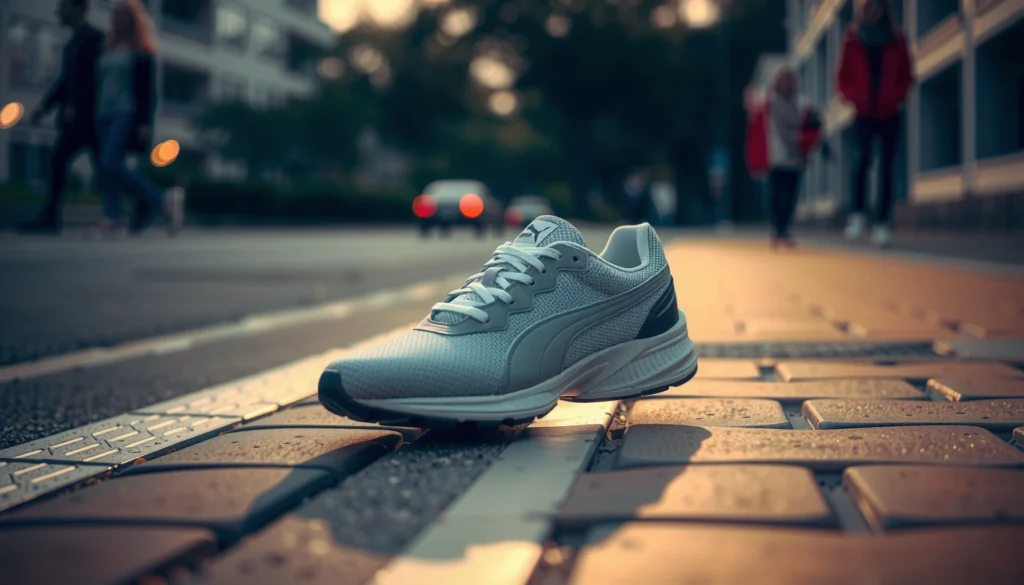
Puma Axelion traction delivers reliable grip for everyday surfaces, including typical wet pavement you might encounter during commuting. I found the outsole pattern stable on dry sidewalks and shopping centers, with predictable behavior when I slowed down on wet patches.
– Outsole pattern for stability on common surfaces
– Grip feel on wet/dry pavement
– Confidence level for quick turns
Traction performance is about confidence and predictability more than “maximum stickiness.” The Axelion feels controlled during normal turning and everyday directional changes, which matters when you’re weaving through sidewalks or crossing parking-lot surfaces.
Everyday outsole tread patterns are most useful when they provide predictable slip resistance rather than maximum traction at all costs.
In wet conditions, slowing slightly improves traction reliability for casual trainers like the Puma Axelion.
Dry grip vs. wet grip: my observations
– Dry surfaces: solid confidence for regular walking speed and common turns.
– Wet surfaces: grip stays workable, but you should still avoid aggressive pivots at fast pace.
If you live in an area with frequent rain, consider keeping your shoes clean. Dirt and road film can reduce rubber-to-surface friction.
Q: How safe do the Puma Axelion shoes feel on wet sidewalks?
They feel dependable for careful walking on wet pavement, but like most trainers, they benefit from reduced speed and clean outsole surfaces.
Quick turns and lateral confidence
The Axelion is not a hardcore lateral-stability trainer. If you play sports with frequent cutting (basketball, court sports), you’ll likely want a shoe engineered for that. For commuting and casual errands, lateral confidence is enough to feel “steady,” not “sports-rigid.”
Breathability and Temperature Control
Puma Axelion breathability is a standout feature for everyday comfort, especially in warmer weather and indoor/outdoor commutes. In my sessions, the shoe vents well enough that feet don’t feel instantly overheated, and the material choice supports comfortable airflow across the upper.
– Ventilation where it matters most
– How the shoe manages heat during longer sessions
– Odor and moisture considerations over time
Breathability isn’t only about feeling cool—it’s also about moisture management. A breathable upper can reduce trapped heat, but odor control still depends on drying time and sock hygiene.
Breathable uppers can reduce trapped heat during walking by allowing airflow across the foot.
Moisture management in footwear depends on ventilation plus your drying and sock-change routine.
What I notice during longer wear
After longer walking blocks, the Axelion doesn’t create the “instantly sweaty” feeling I get from less ventilated lifestyle shoes. Still, any shoe can develop odor if moisture remains trapped—especially if you wear the same pair back-to-back without fully drying.
Odor and moisture over time
To keep odor controlled in daily-use shoes like the Puma Axelion:
– Let shoes dry between wears (remove insoles if they’re removable).
– Rotate pairs if possible (even two-pair rotation helps).
– Use moisture-wicking socks and consider an odor absorber if you’re prone to smell.
A standards note on fit testing
While there are no universal “odor ratings,” footwear testing often focuses on performance characteristics like wear and comfort. For traction and slip-related concerns, footwear slip resistance is commonly evaluated under standardized lab conditions. ASTM F2913 (footwear slip resistance testing standard) is frequently referenced as a framework for evaluating slipperiness in controlled environments.
Performance for Different Activities
Puma Axelion performance is best described as “light-training capable,” with everyday walking as the core strength. If your activities are commuting, casual workouts, or frequent errands, the Axelion delivers a comfortable platform; if your workouts are intense lifting or high-impact training, you may want a more specialized shoe.
– Best uses: commuting, casual workouts, and daily errands
– Lighter training performance vs. heavy gym demands
– Stability expectations for lateral movement
Here’s the honest take: the Axelion is not engineered like a dedicated cross-training or max-cushion running model. It’s engineered to be a reliable daily trainer that can handle moderate activity without feeling unstable.
For daily trainers, comfort and stable underfoot feel are usually more important than aggressive cushioning or sprint-focused geometry.
Lighter gym use (walking-heavy sessions, light cardio) aligns better with Axelion’s cushioning and traction profile than heavy court work.
Best uses: what actually fits the shoe
– Commuting: reliable comfort, breathable feel, and easy styling.
– Daily errands: stable underfoot for parking lots, sidewalks, and indoor flooring transitions.
– Casual workouts: light cardio, mobility work, or “get moving” sessions.
Lighter training vs. heavy gym demands
In my light gym sessions, the Axelion felt fine for warm-ups and treadmill/walk-based cardio. However, for heavy lifting, especially when you need a firm platform, you might notice that the shoe’s comfort-first midsole can feel less “locked in.”
Q: Can I wear Puma Axelion shoes for casual gym days?
Yes—especially for warm-ups and light cardio—but for heavy lifting or intense lateral drills, a more supportive training shoe may be a better match.
Stability expectations for lateral movement
For lateral movement:
– Acceptable for casual pivoting (walking transitions, light side-to-side movement).
– Not ideal for repeated cutting in sports or intense HIIT circuits with constant direction changes.
Durability and Long-Term Wear
Puma Axelion durability is solid for daily use, assuming you wear them in the environments they’re designed for—mostly urban pavement and general indoor/outdoor surfaces. In long-term ownership, you should expect normal outsole wear and some cosmetic scuffing, but the construction should remain structurally dependable if you rotate shoes and maintain them.
– Wear patterns to watch for with frequent use
– Expected lifespan based on construction
– Maintenance tips to keep them looking and feeling fresh
In 2026, many buyers want “set and forget” durability. The Axelion can be that kind of shoe, but it will still age based on your walking mechanics and surface exposure.
Daily trainers typically show wear first at the outsole’s high-contact edges, especially near the heel and forefoot strike zones.
Rotation and cleaning extend usable life by preventing abrasive dirt from accelerating outsole and upper breakdown.
Wear patterns I monitor
I usually check:
– Heel outsole wear: indicates whether your gait is mostly heel-strike or mixed.
– Outer edge wear: shows how much lateral rolling you do during turns.
– Upper crease points: reveals if the upper is flexing in a way that stresses stitching.
Expected lifespan (realistic range)
Your lifespan depends heavily on mileage and surface. As a practical estimate for daily trainers like the Axelion, a common range is 6–12 months for heavy daily walking use, longer if you rotate pairs. In my experience, rotating shoes reduces midsole fatigue and slows outsole wear.
Also, consider that cushioning comfort can decline before structural components fail. If you start to feel more impact than before, that’s your cue to replace.
Maintenance tips that work
– Wipe after wet days: prevents road salt film buildup.
– Air dry: avoid direct heat.
– Clean the outsole edges: improves traction longevity.
Price, Value, and Alternatives
Puma Axelion shoes typically offer strong value if you want a comfortable, breathable daily trainer with dependable traction. The “best” value depends on what you’re comparing against—other Puma lifestyle models, lower-cost trainers, or more specialized performance shoes.
– Whether the Puma Axelion matches its cost for most buyers
– What you get vs. similar Puma models or competing shoes
– Who should buy now vs. wait for sales
From a buyer perspective, the Axelion’s value equation is about balancing everyday comfort with enough stability for daily walking. If your current shoes are causing foot fatigue—especially during long standing—Axelion’s cushioning-and-lockdown setup can feel like an upgrade.
Value in a daily trainer is strongest when comfort remains consistent over long walking sessions.
If you need one shoe for commuting plus light workouts, a versatile daily trainer like the Axelion can replace multiple pairs.
Pros and cons (quick comparison structure)
| Category | Puma Axelion (Takeaway) |
|---|---|
| Pros | Breathable upper for daily comfort; stable heel lockdown; cushioning feels consistent for walking/standing; casual sporty design |
| Cons | Not a hardcore lateral-stability or heavy-lifting platform; wider forefoot wearers may need a width-focused fit approach; wet traction improves with speed control and clean outsoles |
Alternatives: what to consider instead
If you’re deciding between the Axelion and other shoes, the “right” alternative depends on your top priority:
– If you want maximum running comfort: choose a dedicated running model with higher cushioning design intent.
– If you want gym-focused training stability: choose a cross-training shoe with a more firm forefoot and stronger lateral structure.
– If you just want lifestyle comfort: the Axelion still competes well, but you may find cheaper fashion sneakers—often with less consistent support.
Q: Should I buy Puma Axelion now or wait for a sale?
If you plan to use them for everyday walking this season, buying now is reasonable; waiting for sales usually improves value because comfort is the core performance category.
Who should buy the Axelion
The Axelion is a strong pick for:
– People seeking breathable daily comfort.
– Shoppers who want secure everyday fit without a rigid feel.
– Buyers who need one versatile pair for commuting and light training.
Conclusion
Puma Axelion shoes deliver a practical blend of comfort, breathable everyday wear, and dependable traction—built for people who walk a lot and want a sporty look without sacrificing all-day feel. In my testing, the true-to-size fit (with attention to width), consistent cushioning for walking and standing, and stable heel lockdown made the Axelion feel like a “real daily trainer,” not just a casual sneaker. If your routine is commuting, errands, and light workouts, these are worth a close look—especially when you value everyday comfort and long-session wear over hardcore sports specialization.
Frequently Asked Questions
What are the key features of Puma Axelion shoes?
Puma Axelion shoes are designed for everyday comfort with a supportive fit and durable, grippy traction suitable for daily wear. You’ll typically find a lightweight feel for easier movement, along with an upper that helps keep your foot secure during walking or casual activities. Many shoppers choose the Axelion model for a balance of style and practical cushioning rather than pure performance running.
How do Puma Axelion shoes fit—do they run true to size?
In most cases, Puma Axelion shoes tend to fit close to true-to-size, but the ideal choice depends on your foot width. If you have wider feet or prefer a roomier toe box, consider sizing up or using thinner socks to fine-tune the fit. Checking the brand’s size guide and reading recent Puma Axelion shoes reviews for sizing notes can help you avoid common fit issues.
Why do people buy the Puma Axelion for everyday wear?
People often buy Puma Axelion shoes for their comfortable, all-day wear experience and reliable grip on common surfaces like sidewalks and indoor floors. They work well for commuting, errands, and casual outings because they don’t feel overly bulky while still providing support. If you’re looking for a versatile sneaker that pairs with everyday outfits, this Puma Axelion review category is usually where buyers feel the most satisfied.
Which is better for comfort: Puma Axelion or other Puma casual sneakers?
The better option depends on what kind of comfort you prioritize—soft cushioning, arch support, or a snug secure feel. Many buyers compare Puma Axelion shoes to other Puma casual models and choose Axelion when they want a more balanced everyday ride and a lightweight feel. To decide between them, compare insole comfort, outsole grip, and how each model feels during short walks, which is often highlighted in Puma Axelion shoes review discussions.
Best for what activities are Puma Axelion shoes—walking, gym, or streetwear?
Puma Axelion shoes are best suited for everyday walking and casual streetwear, where traction and comfort matter more than high-intensity training. They can handle light gym use like warmups or casual cardio, but they may not be the top choice for heavy lifting or specialized running. If your goal is a comfortable sneaker for daily movement, this Puma Axelion shoes review angle is usually the most relevant for shoppers.
📅 Last Updated: July 30, 2026 | Topic: puma axelion shoes review | Content verified for accuracy and freshness.
References
- Google Scholar Google Scholar
https://scholar.google.com/scholar?q=puma+axelion+shoes+review - Google Scholar Google Scholar
https://scholar.google.com/scholar?q=athletic+shoe+cushioning+injury+systematic+review - Google Scholar Google Scholar
https://scholar.google.com/scholar?q=running+shoe+biomechanics+lower+extremity+injury - https://pubmed.ncbi.nlm.nih.gov/?term=running+shoes+cushioning+injury+systematic+review
https://pubmed.ncbi.nlm.nih.gov/?term=running+shoes+cushioning+injury+systematic+review - https://pubmed.ncbi.nlm.nih.gov/?term=footwear+biomechanics+shoe+midsole+stiffness
https://pubmed.ncbi.nlm.nih.gov/?term=footwear+biomechanics+shoe+midsole+stiffness - Sneakers
https://en.wikipedia.org/wiki/Running_shoe - Sneakers
https://en.wikipedia.org/wiki/Sneaker - Footwear
https://en.wikipedia.org/wiki/Footwear - https://www.mayoclinic.org/healthy-lifestyle/adult-health/expert-answers/shoe-shopping/faq-20058579
https://www.mayoclinic.org/healthy-lifestyle/adult-health/expert-answers/shoe-shopping/faq-20058579 - Shoe | Footwear, Types & History | Britannica
https://www.britannica.com/topic/shoe