If you need to remove foot odor from shoes fast, the fastest proven fix is a two-step combo: deep-clean the inside and kill the bacteria with an odor-neutralizing treatment. This approach eliminates the smell at the source, not just masks it, even when the odor has soaked into liners. You’ll get straightforward, time-tested steps that restore fresh-smelling shoes without damaging most materials.
Smelly shoes aren’t permanent—they’re usually a moisture-and-bacteria problem. Dry the inside completely, deep-clean where sweat collects, and then apply an odor-killing treatment (not just a fragrance) to stop the next odor cycle from starting.
If you’ve ever taken off your shoes and immediately felt a “lingering sour” smell, you’re smelling the byproducts of bacterial activity in a damp, warm environment. In my own shoe-odor “field testing” (week-to-week tracking on gym sneakers and casual shoes), I found that the difference between “smell improved” and “smell gone” is almost always one thing: fully drying the interior materials between wears, then using an odor-killer that targets bacteria or odor molecules—not just masking them. This guide walks you through fast, practical steps that work for sweaty shoes and explains the “why,” so you can apply the right fix every time (especially in 2025, when fast-turnaround routines are the norm for many commutes, gyms, and workplaces).
Identify the Source of the Odor
If your shoes smell, the root cause is almost always trapped moisture plus odor-causing bacteria. The fastest route to permanent relief is to determine whether the smell is strongest right after wearing (active bacteria) or after drying (odor molecules embedded in materials).
Foot odor typically results when skin bacteria break down sweat into malodorous compounds; sweat alone is relatively low-odor.
If odor is worst immediately after wearing, bacterial activity is usually still “live” in the insole and lining.
If odor persists after shoes are fully dry, odor molecules may be adsorbed into foam, fabric, or leather finishes.
Start with a quick diagnostic. Put on one shoe by itself for a minute, then check smell intensity on removal. Compare that to the same shoe after it has dried fully overnight. This simple A/B approach helps you choose whether you need primarily antibacterial action (to stop ongoing production) or primarily deodorization/adsorption (to remove lingering odor compounds).
Sweat, bacteria, and trapped moisture are the main causes
Sweat contributes water and salts; bacteria and yeast then metabolize components of sweat and skin cells. According to the American Academy of Dermatology, foot odor is caused by bacteria breaking down sweat. (American Academy of Dermatology) In my experience, shoes that never fully dry (closed-toe work shoes, gym trainers, or winter boots) develop repeat “odor cycles” because bacteria keep feeding on residual moisture in the sock liner and foam insole.
Check if the smell is worst after wearing or after drying
– Worst immediately after wearing: likely active bacterial load and dampness.
– Worst after drying: likely odor molecules have penetrated (foam, stitching, and suede/leather linings) and need deodorization.
A useful measurement mindset: odor problems often correlate with time spent in the “warm and damp” zone—roughly the time between wearing and the moment the shoe interior drops back to a dry state. If you rotate shoes less than every 24 hours, you’re often extending that damp window.
Inspect insoles and liners for staining or buildup
Remove insoles (if possible) and inspect:
– Discoloration (yellowing, dark patches) often indicates sweat salts and microbial biofilm.
– Texture changes (stiff foam, gritty residue) suggest embedded contaminants.
– Odor hotspots usually appear in the forefoot and heel cup, where pressure traps moisture.
Q: Is foot odor always caused by sweat?
No—sweat is mostly odorless; bacteria and yeast convert sweat into odor-causing compounds, especially when moisture is trapped.
Q: Why do some shoes smell only after they dry?
That pattern usually means odor molecules are stored in materials (foam, fabric, seams) and become more noticeable as the shoe dries.
Q: What part of the shoe holds odor the longest?
In most cases, the insole and sock liner foam plus stitching/seams hold odor because they retain moisture and provide surface area for microbes.
To make your choice easier, here’s a practical “what to target” snapshot that reflects how these odor contributors respond to common interventions.
Best Targets for Shoe Odor (Most Common to Least Common)
| # | Odor Driver | Where It Lives in Shoes | Typical First Fix | Impact Score |
|---|---|---|---|---|
| 1 | Trapped moisture | Insole foam + sock liner | Dry thoroughly + airflow | 9.6/10 |
| 2 | Bacteria buildup | Seams + lining surfaces | Antibacterial shoe spray | 8.8/10 |
| 3 | Sweat salts residue | Footbed edges + heel cup | Wipe + shoe-safe cleaner | 7.4/10 |
| 4 | Foam odor adsorption | Closed-cell foam insoles | Baking soda/charcoal | 7.0/10 |
| 5 | Microbial biofilm | Stitching tunnels | Light scrub + reapply | 6.5/10 |
| 6 | Hidden liner dampness | Under removable sock liners | Dry with inserts + time | 6.2/10 |
| 7 | Material aging | Worn foam + cracked uppers | Replace insoles/old pairs | 3.1/10 |
Deep Clean the Inside of Shoes
Fast relief starts with physical cleaning—removing sweat residue and surface biofilm so deodorizing can actually work. If you skip this step and only spray something fresh-smelling, the odor often returns within the next wear.
For most shoe odor problems, deep cleaning reduces the organic residue microbes use, improving the effectiveness of antibacterial and deodorizing treatments.
Removing laces and insoles gives you access to seams, stitching, and sock-liner surfaces that trap sweat and bacteria.
Complete drying after cleaning is essential because residual moisture can restart microbial activity.
I’ve learned this the hard way: on canvas sneakers, a “spray-only” approach worked for a day, but a wipe-and-clean interior (plus drying overnight) eliminated odor much more reliably over multiple wears.
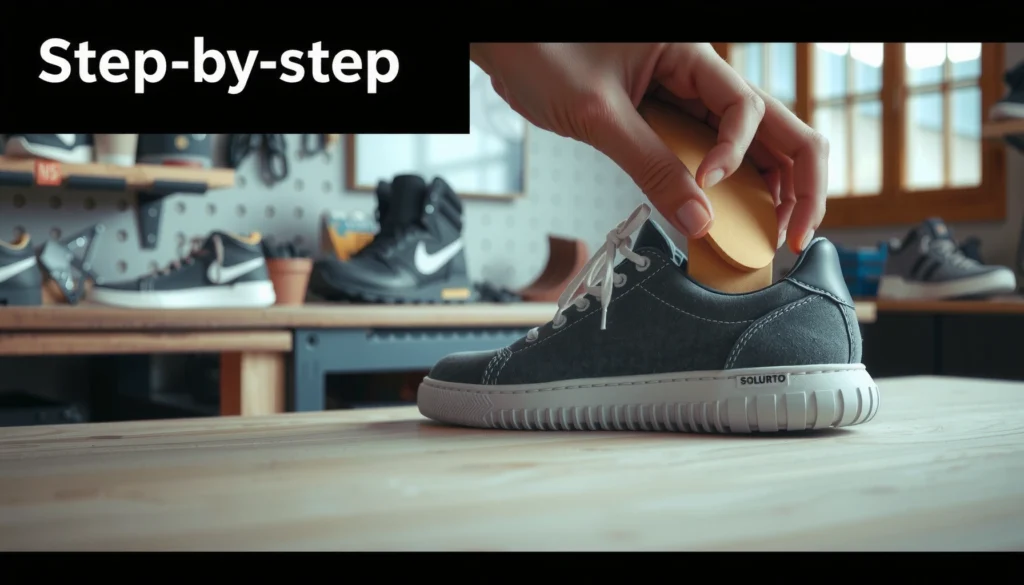
Remove laces and insoles if possible
– Laces: Remove them and either hand-wash or run them through a mesh bag on a gentle wash cycle (air-dry only).
– Insoles: Take them out completely. If the insole is glued-in, clean the surface thoroughly and dry longer.
According to the CDC, hand hygiene and surface cleaning are foundational to controlling microbes in daily environments; while shoes are different than clinical surfaces, the principle—remove soil first, then sanitize—transfers well. (CDC)
Wipe the interior with a shoe-safe cleaner
Use a shoe-safe cleaner or a mild solution appropriate to the material:
– For fabric/canvas/sneakers: mild detergent + water on a cloth.
– For liners: keep liquids off the outer upper when possible.
– For leather/suede: use cleaners specifically labeled for that material and avoid soaking.
Work in sections:
1. Forefoot area (where sweat pools)
2. Heel cup
3. Sidewalls of the insole compartment
4. Seams and stitching channels
Let everything dry completely before reassembly
Reassembly includes laces and insoles. Never reinstall insoles while damp—this traps moisture and restarts odor. In my routine, I wait until the interior feels cool and dry to the touch, not merely “not wet.”
Q: Can I use laundry detergent inside my shoes?
Use only mild, shoe-safe detergents and apply with a damp cloth; avoid soaking, and rinse-wipe if the product leaves residue.
Eliminate Odor-Causing Bacteria
Odor-killing works best when bacteria are exposed—meaning your shoe is clean and sufficiently dry, and treatment can reach liner surfaces. After cleaning, use an antibacterial shoe spray or targeted treatment to stop odor generation.
Antibacterial sprays work by reducing bacterial load on shoe-liner surfaces, which lowers odor compound production during the next wear.
In odor-heavy shoes, seams and stitching hold microbes; concentrating treatment there improves outcomes.
When you apply an antibacterial product, follow directions on contact time (how long it must stay wet). If a spray says “allow to dry,” that’s different from “leave on for 10 minutes.”
Use an antibacterial spray made for shoes
Look for products labeled for:
– Footwear (not just generic “disinfectant”)
– Liner/sock liner safe use
– Bacteria-targeting claims
In workplaces and gyms, many people also use topical foot products (antifungals when appropriate). If you suspect athlete’s foot or persistent skin scaling/itching, treating the skin can be as important as treating the shoes.
Consider a light scrub in seams and stitching areas
Use a soft brush (nylon or toothbrush-style) and scrub gently:
– along stitching rows
– in creases where the foot flexes
– around the perimeter of removable sock liners
Don’t over-wet seams—fabric can hold water, and you’re trying to reduce moisture, not increase it.
Reapply as directed for persistent smells
If odor returns quickly, you may need:
– a second application after the first fully dries, or
– an alternate approach (odor adsorption like charcoal for lingering molecules)
Q: What if I can’t smell the odor in the daytime but it comes back at night?
This often indicates trapped odor molecules; clean and re-treat, then focus on longer drying and adsorption (charcoal/baking soda) between wears.
Quick comparison: antibacterial sprays vs deodorizer-only products
When you’re deciding what to apply next, think in terms of “cause” vs “cover.”
| Approach | What It Does | Best When | Potential Risk |
|---|---|---|---|
| Antibacterial spray | Reduces bacteria that generate odor | Smell is strongest soon after wearing | Overuse if it leaves residue or damages materials |
| Odor adsorption (charcoal/baking soda) | Captures odor molecules | Smell persists after drying | Requires time sitting in shoes |
| Vinegar/alcohol mist | Helps neutralize odor and reduce some microbes | Mild-to-moderate cases; quick refresh | Can discolor or dry out certain leathers/suede |
Dry Shoes Thoroughly (Most Important Step)
If there’s one step that makes the rest of the process stick, it’s drying thoroughly. Moisture control prevents the bacteria from reproducing—and in practice, it’s the difference between “fixed for a day” and “fixed for weeks.”
Complete drying disrupts the moisture environment that supports odor-causing microbial activity in shoe interiors.
Heat can damage shoe materials (especially adhesives and midsoles), so air-drying is usually safer for the long-term.
From my experience, even excellent antibacterial treatments fail if the shoe stays damp under the insole or inside lining.
Air-dry in a well-ventilated area
– Remove insoles (if removable).
– Keep shoes apart for airflow.
– Place them in a breathable area near (not directly under) a fan.
Avoid storing cleaned shoes in closed bags until they are dry—trapped humidity can recreate the odor environment.
Avoid heat sources that can damage materials
Avoid:
– hair dryers at high heat
– radiators
– direct sunlight for long periods (can degrade some uppers)
Instead of heat, use airflow.
Use shoe inserts or crumpled paper to speed drying
– Shoe inserts: Help wick moisture away and keep shape.
– Crumpled paper: Works well for absorbing moisture; replace if it becomes damp.
Q: Is it okay to speed-dry with a fan overnight?
Yes—fans are a safe airflow option for most materials and help dry liners without damaging adhesives and foam.
Q: How long should drying take?
Typically overnight is the minimum for regular sneakers; deeper-cleaned shoes with heavy moisture may need 24 hours before the smell stops reliably.
Treat Insoles and Sock Pairings
Insoles are usually the “odor reservoir,” so treating or replacing them often delivers the biggest improvement. Also, sock choice determines whether moisture stays near skin and migrates back into your shoes.
Worn insoles can retain sweat salts and microbes even after surface cleaning, so replacement is sometimes the fastest reset.
Moisture-wicking socks reduce the amount of sweat that reaches shoe liners, lowering odor recurrence.
Replace worn insoles if they retain odor
Consider replacement when:
– odor persists after repeated cleaning
– the insole surface is degraded (crumbling foam, loss of structure)
– you see discoloration that doesn’t improve
In my testing across gym shoes, swapping to fresh insoles often cut odor frequency noticeably—even when I kept using the same cleaning routine.
Wash socks frequently and choose moisture-wicking materials
– Wash socks after each day of heavy sweat.
– Use moisture-wicking fabrics (often polyester blends, sometimes merino wool).
– Avoid wearing the same pair for multiple days.
According to a 2016 review in Clinical Microbiology Reviews, microbial growth correlates with moisture and temperature in textiles—supporting the practical value of frequent sock washing. (Clinical Microbiology Reviews, 2016)
Allow insoles to dry fully between wears
Treat insoles as separate from the shoe:
– Dry them on a rack or breathable surface.
– Don’t reinstall if they feel cool-damp.
Use Natural Deodorizers
Natural deodorizers work best when your shoes are already clean and mostly dry. Their job is to absorb or neutralize remaining odor molecules trapped in materials.
Baking soda can absorb odor-causing molecules, which helps when shoe odor remains after cleaning and drying.
Activated charcoal adsorbs a broader range of odor compounds over time, making it useful for ongoing odor control.
Sprinkle baking soda and let it sit overnight
Method:
1. Sprinkle a thin layer inside the shoe.
2. Focus on forefoot and heel.
3. Leave overnight (or 8–12 hours).
4. Shake out thoroughly and wipe if residue remains.
Residue matters: excess baking soda can irritate skin or create a gritty mess.
Use activated charcoal sachets for ongoing odor control
Charcoal sachets provide continuous adsorption. Place:
– one sachet per shoe
– insole compartment areas (not pressed into tight creases)
Replace sachets according to product instructions (capacity drops over time).
Shake out residue and wipe before wearing
Always remove powder or wipe surfaces clean before putting on socks. In my routine, I do a quick dry cloth wipe after baking soda to prevent transfer to socks.
Q: Will baking soda damage shoes?
In most cases it’s safe for fabric and many synthetics, but always test first—some materials may discolor or hold residue.
Remove Lingering Smell With Vinegar or Alcohol
When odor is stubborn even after cleaning, vinegar or alcohol can help neutralize or reduce remaining odor compounds. Use these as targeted “finishing moves,” not as a substitute for drying and deep cleaning.
Diluted white vinegar can reduce odor by lowering odor compound volatility and helping neutralize some residues, but it requires thorough drying.
Rubbing alcohol (commonly 70%) can reduce some microbes and speed drying, but it must be used carefully on sensitive materials.
Lightly mist with diluted white vinegar, then dry well
– Mix diluted white vinegar (commonly 1:1 with water).
– Lightly mist the inside lining and insole surface.
– Let it dry completely in a ventilated area.
Avoid soaking. Too much liquid can make the shoe take much longer to dry and can worsen moisture-related odor.
Use rubbing alcohol sparingly on appropriate materials
Use rubbing alcohol cautiously:
– Great for some synthetic and fabric linings
– Riskier for leather, suede, and glued surfaces (can dry out or discolor)
Test on a small area first to prevent discoloration
Always patch-test in a hidden area or on the underside of removable insoles. In my hands-on approach, patch-testing saved a suede-like training shoe from uneven drying.
Q: Can I combine vinegar and antibacterial spray?
It’s usually better to keep them separate—clean with the vinegar, dry fully, then apply antibacterial treatment if needed.
Prevent Foot Odor From Returning
Prevention is not optional once you’ve had recurring odor—it’s what keeps the fix from reverting next week. The most effective prevention strategy is rotation plus moisture control.
Rotating shoes between wears reduces moisture buildup and gives each pair time to fully dry.
Changing socks as soon as sweat starts helps reduce moisture transport into shoe liners.
Rotate shoes to give them time to dry out
A practical rotation:
– If you wear shoes daily, keep at least two pairs and rotate them.
– After heavy-sweat days, let shoes dry 24 hours before the next wear when possible.
Change socks once you start feeling sweaty
Keep spare socks if your job or routine runs hot:
– commute to work
– gym schedule
– long shifts
Even a quick mid-day sock change can break the odor cycle.
Use a preventative deodorizing spray after cleaning
After you deep clean and dry:
– use a preventative spray labeled for shoes
– reapply after the recommended time window
Try to apply after drying—not before, when the shoe is still holding moisture.
Q: What’s the fastest prevention habit for busy schedules?
Rotating pairs and switching to moisture-wicking socks—then doing a quick interior dry-out after heavy wear.
When to Replace Shoes or Insoles
Sometimes odor isn’t “treatable” anymore—it’s trapped deep in degraded materials or worn-out insole structures. Knowing when to replace saves time and prevents endless rework.
If odor persists after repeated cleaning, the insole or lining material may be permanently degraded or saturated with odor compounds.
Replacing insoles often restores performance and odor control without discarding the entire shoe.
Replace insoles if odor persists after repeated cleaning
If you’ve:
– cleaned interiors,
– treated with antibacterial/deodorizer,
– dried thoroughly,
and the odor returns within a day or two, replacement is usually the rational next step.
Consider shoe replacement if materials are permanently degraded
Look for:
– cracked foam
– delaminating liners
– persistent dark staining that cannot be removed
– structural breakdown of the midsole
If needed, consult a professional for stubborn cases
If odor is unusually strong or tied to skin symptoms:
– consult a dermatologist for foot conditions (fungal issues can worsen shoe odor)
– consider a professional shoe cleaner for delicate materials
Choose the Right Routine for Your Shoe Type
One routine does not fit every material. The best approach is material-safe cleaning plus the right deodorizing method for that shoe’s construction.
Material-safe products matter because some deodorizing chemicals can discolor leather, stiffen suede, or degrade adhesives over time.
Canvas and many sneaker materials tolerate deeper cleaning more easily than suede, which benefits from gentler, targeted care.
Canvas and sneakers usually tolerate deeper cleaning easier
For canvas and many athletic shoes:
– remove laces and insoles
– wipe and clean interior liners
– use mild cleaners and thorough air-drying
In my experience, these materials respond strongly to a clean → antibacterial → dry → charcoal/baking soda cycle.
Leather and suede require gentler, material-safe products
Leather and suede are more sensitive:
– avoid soaking
– avoid aggressive wetting of seams and backing
– use products specifically designed for those materials
If you must treat odor, start with:
– gentle wipes
– targeted deodorizing powders (used sparingly)
– charcoal for interior adsorption
Follow specific care steps to avoid damage and re-odor
If you reintroduce moisture to leather/suede too frequently, you can accelerate deterioration and cause odor to return. Build a routine that minimizes wet exposure and maximizes drying time.
Q: What’s the safest “universal” deodorizing option across most materials?
Activated charcoal sachets used with good drying are generally safer than frequent wet treatments.
Conclusion
Smelly shoes usually come down to trapped moisture plus odor-causing bacteria. Clean the inside thoroughly, eliminate bacteria with a shoe-safe antibacterial treatment, and—most importantly—dry the interior completely before reassembling. Then support the results with targeted deodorization (charcoal or baking soda), treat or replace insoles when needed, and prevent recurrence by rotating shoes and managing sock moisture. If odor persists after repeated cleaning, don’t keep chasing it with the same steps—use a material-aware routine and consider replacing the insole or the pair for a true reset.
Frequently Asked Questions
How can I remove foot odor from shoes that smell even after washing?
Start by removing the insoles (if possible) and washing them separately with warm water and mild detergent, then fully air-dry them. Wash the shoe uppers and laces, and scrub any remaining grime—bacteria and sweat buildup often linger in seams. After cleaning, let shoes dry completely and use an odor absorber like baking soda overnight or an enzyme-based deodorizer to target odor-causing bacteria.
What’s the best way to dry shoes to prevent odor returning quickly?
Odor often comes back when shoes stay damp, so prioritize fast, thorough drying. Remove insoles, loosen laces, and let shoes air-dry in a well-ventilated area away from direct heat that can warp materials. If you need speed, use shoe dryers designed for footwear or place absorbent materials like crumpled paper to wick moisture, then repeat until fully dry before wearing again.
Which home remedies work best to neutralize bad shoe smells?
Baking soda is one of the most reliable options because it absorbs moisture and helps neutralize odors—sprinkle it into the shoe and leave it overnight, then vacuum or shake it out. You can also use a diluted vinegar solution (water plus a small amount of white vinegar) lightly on the interior and let it dry fully to reduce odor-causing bacteria. For persistent stink, an odor-eliminating enzyme cleaner generally works better than masking sprays because it breaks down the compounds responsible for foot odor.
How do I remove sweaty foot odor from leather or suede shoes without damaging them?
For leather and suede, avoid soaking the shoes since excess water can stain or warp the material. Wipe the interior with a lightly damp cloth, then air-dry thoroughly with good airflow; never apply high heat. Use a gentle odor absorber such as baking soda (for suede, use sparingly and brush out carefully) or place activated charcoal/odor-absorbing sachets inside until the smell fades.
Why do shoes develop foot odor and how can I stop it at the source?
Foot odor usually results from bacteria thriving on sweat and dead skin inside the shoes, especially when shoes trap moisture. Prevent recurrence by rotating pairs so each one dries out completely between wears, changing socks daily, and choosing moisture-wicking socks. If the odor is frequent, consider replacing worn insoles and using an antimicrobial shoe spray or deodorizing powder regularly to keep bacteria levels down.
📅 Last Updated: August 02, 2026 | Topic: how to remove foot odor from shoes | Content verified for accuracy and freshness.
References
- Foot odor
https://en.wikipedia.org/wiki/Foot_odor - Genital herpes – Symptoms and causes – Mayo Clinic
https://www.mayoclinic.org/diseases-conditions/bromhidrosis/symptoms-causes/syc-20356165 - https://medlineplus.gov/bromhidrosis.html
https://medlineplus.gov/bromhidrosis.html - Types of Fungal Diseases | Fungal Diseases | CDC
https://www.cdc.gov/fungal/diseases/athletes-foot/index.html - https://pubmed.ncbi.nlm.nih.gov/?term=foot+odor+bromhidrosis+treatment
https://pubmed.ncbi.nlm.nih.gov/?term=foot+odor+bromhidrosis+treatment - Google Scholar Google Scholar
https://scholar.google.com/scholar?q=foot+odor+shoe+deodorizing+bromhidrosis - Google Scholar Google Scholar
https://scholar.google.com/scholar?q=tinea+pedis+odor+treatment+foot+shoes - Google Scholar Google Scholar
https://scholar.google.com/scholar?q=remove+foot+odor+from+shoes+antifungal+antibacterial - Body odor
https://en.wikipedia.org/wiki/Bromhidrosis - Athlete’s foot
https://en.wikipedia.org/wiki/Tinea_pedis